
Effective footwear marketing does more than promote a new shoe collection. It helps customers understand how a product fits into their lifestyle, gives them a reason to try it and creates a consistent brand experience across physical and digital channels.
Footwear brands compete in a crowded market where design, comfort, price and brand identity all influence purchasing decisions. A strong campaign should therefore combine product storytelling with practical retail tools, engaging online content and incentives that encourage customers to act.
Footwear Marketing Ideas for Brands
1. Start With a Clear Customer and a wearing occasion
Before selecting marketing channels, define who the campaign is for and when the footwear will be worn.
A casual shoe can be positioned differently depending on whether the target customer is a commuter, traveler, office worker, or weekend shopper. Each audience has different priorities.
For example:
- Commuters may value comfort, durability, and easy cleaning.
- Travelers may look for lightweight construction and versatile styling.
- Outdoor customers may prioritize grip, weather resistance, and support.
- Fashion-led customers may respond to color, collaboration, and exclusivity.
- Corporate buyers may focus on quality, professional appearance, and long-term wear.
This positioning should influence the campaign visuals, product descriptions, POS display design, and promotional merchandise.
Instead of making broad claims like “comfortable and stylish,” show customers exactly how the product supports a specific activity.
2. Use POS Displays to Guide Product Discovery
A footwear POS display should do more than hold shoes. It should help customers compare products, understand their differences, and identify the most suitable option.
Useful display elements may include:
- Raised platforms for hero products
- Clear product-benefit panels
- Material or sole samples
- Mirrors and branded seating
- Size guidance
- QR codes linked to product videos
- Storage for additional colors or sizes
- Small digital screens showing the shoes in use
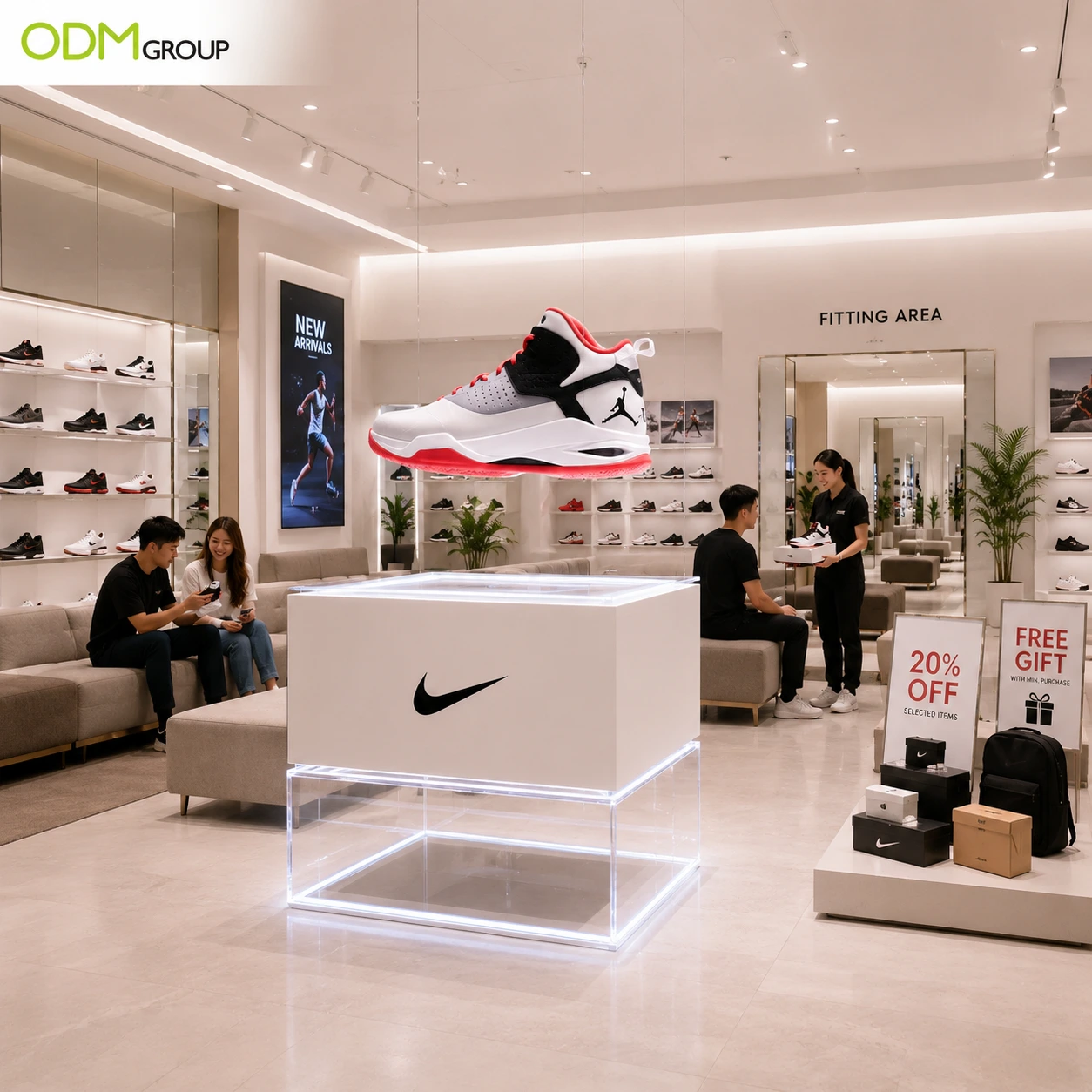
Displays can also be organised by customer need rather than product style. A section labelled “For Wet Weather,” “For Long Days” or “For Weekend Travel” may be easier for shoppers to understand than a display based only on model names.
For footwear retailers with different store formats, modular displays can provide greater flexibility. Components can be adjusted for large flagship stores, smaller branches and temporary retail activations.
3. Create Product Content That Answers Buying Questions
Online footwear content should help customers make decisions, not simply repeat campaign slogans.
Product pages and social content should answer common questions such as:
- Is the fit narrow, standard, or wide?
- Is the product suitable for long walks?
- What materials are used?
- Is it water-resistant?
- How should it be cleaned?
- What clothing does it work with?
- Is it true to size?
- What makes it different from similar models?
Short videos can show the footwear from different angles, demonstrate sole flexibility, and show how it looks when worn.
Brands can also create comparison content, such as “Which style is right for you?” or “Three shoes for three different travel needs.” This is often more useful than presenting every product separately.
4. Improve the Try-On Experience
Trying on footwear is often the point where interest becomes purchase intent. Brands should treat this as an important part of the campaign rather than a routine store activity.
A dedicated try-on area can include comfortable seating, full-length mirrors, floor graphics, and product information. Staff can use tablets to check stock, show alternative colors, and explain product features.
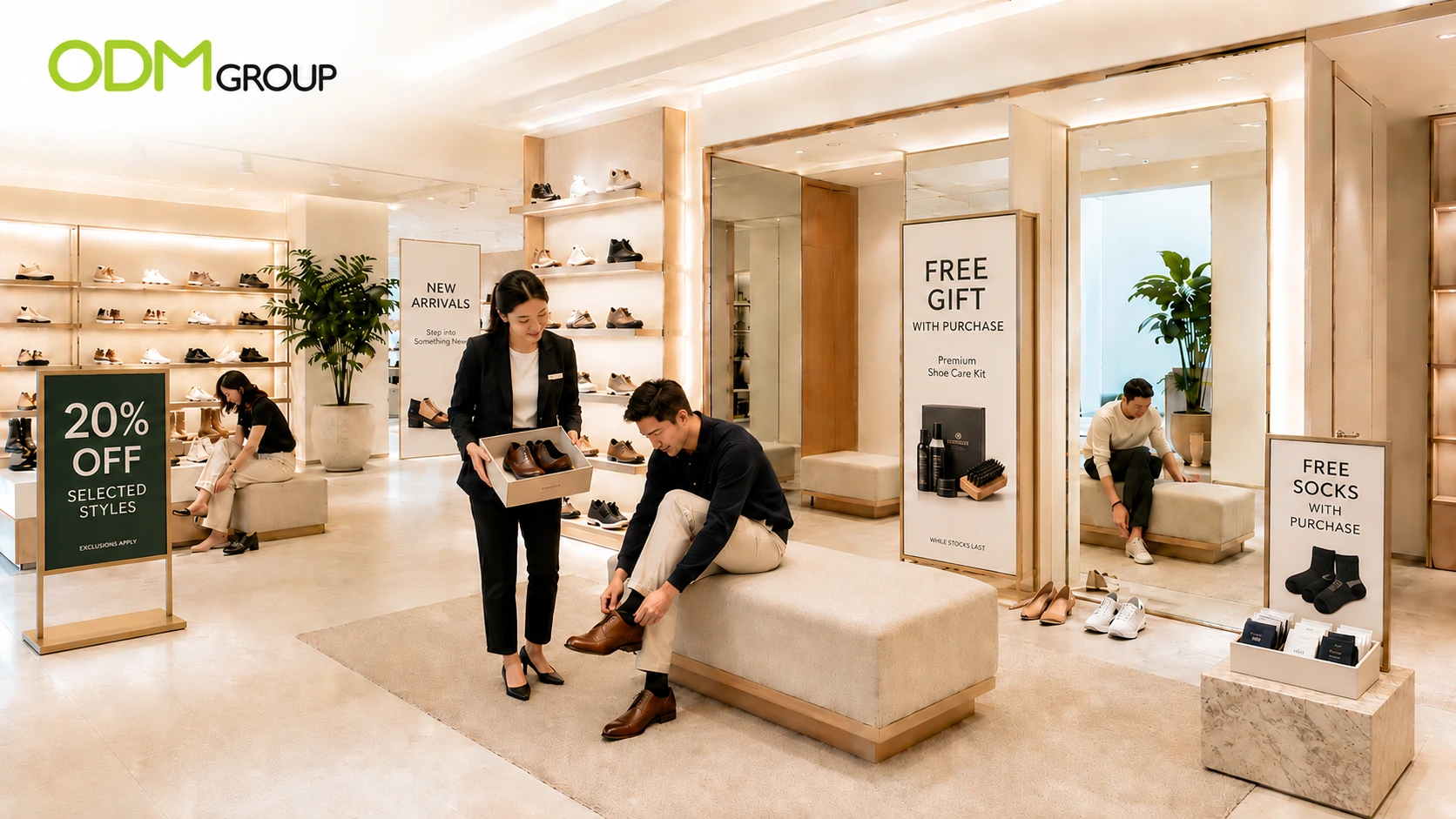
Sports and outdoor brands may also create simple test areas where customers can assess flexibility, cushioning, or grip.
The goal is not to make the process unnecessarily complicated. It is to help customers feel more confident about fit, comfort, and product suitability.
Brands should also review practical details such as:
- Whether customers can easily find their size
- Whether the staff have enough product knowledge
- Whether mirrors and seating are placed conveniently
- Whether the display allows customers to handle products
- Whether online stock information matches store availability
Small improvements in the try-on process can reduce hesitation and support conversion.
5. Build the Campaign Around One Main Product Message
Footwear products often have several selling points, but communicating all of them at once can weaken the campaign.
Choose one primary message for the launch, supported by two or three secondary benefits.
A campaign hierarchy could look like this:
Primary message: All-day comfort for daily commuting
Supporting benefits: Lightweight sole, breathable lining, and slip-resistant grip
This structure helps customers understand the product quickly. It also creates consistency across social media posts, product pages, retail displays, and sales materials.
In-store messaging should be especially concise. Shoppers may only look at a display for a few seconds, so the most important benefit should be visible immediately.
6. Connect Online and In-Store Channels
Customers should be able to move between physical and digital channels without losing information.
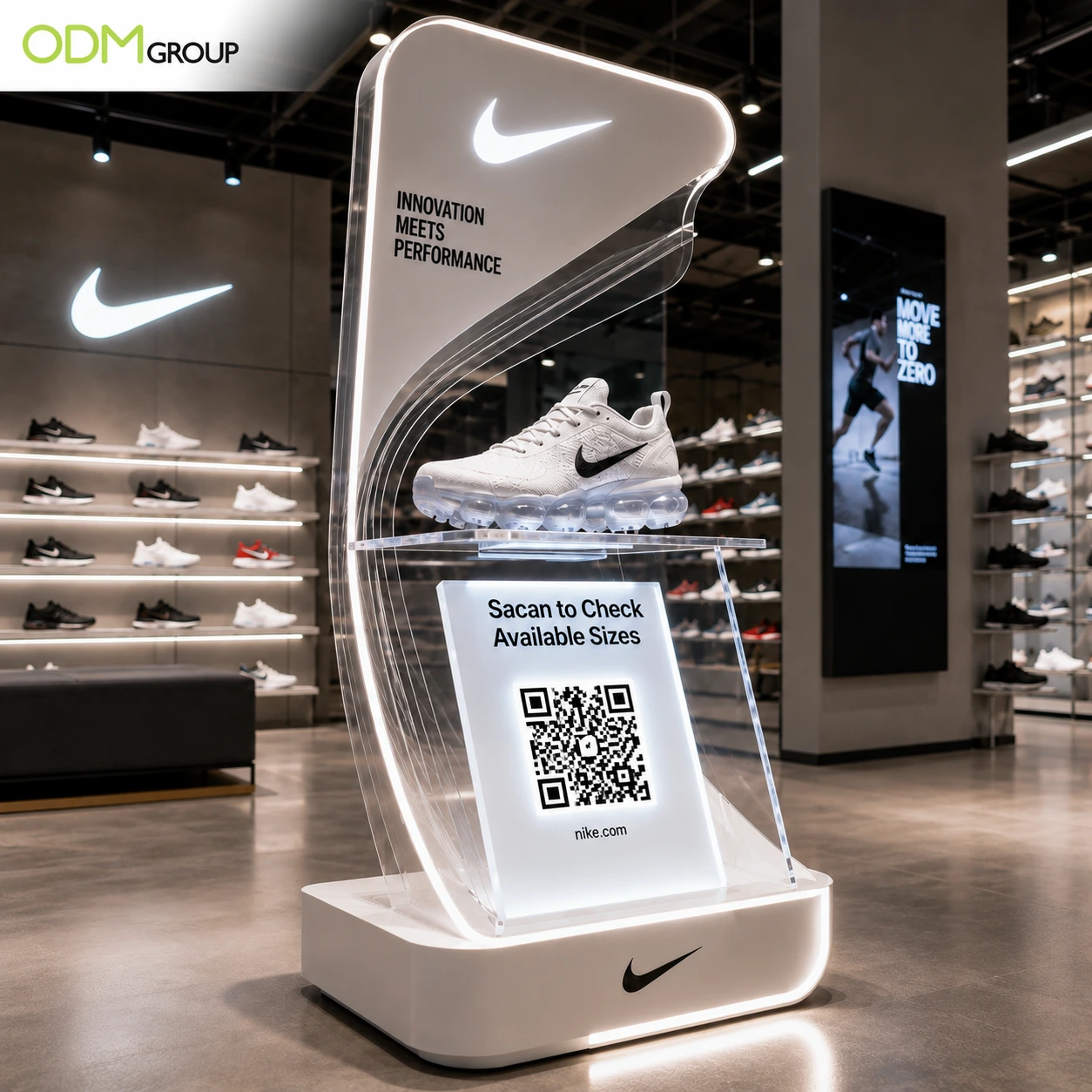
A QR code on a display could link to:
- Available sizes and colours
- Product reviews
- Styling videos
- Care instructions
- Loyalty registration
- Limited online editions
- Store pickup options
- Promotional campaign terms
The call to action should explain the benefit of scanning. “Check available sizes” is more effective than a generic “Scan here.”
Brands can also use online advertising to support retail traffic. Location-based campaigns can promote nearby stores, while retargeting ads can reconnect with customers who viewed a product but did not purchase.
Consistency is important. Pricing, product benefits, campaign visuals, and promotion details should match across the website, social media, online marketplaces, and physical stores.
7. Work With Creators Who Can Demonstrate the Product
Footwear content is more persuasive when customers can see the product being worn naturally.
Creators can demonstrate fit, styling, comfort, and different use occasions. A commuter, traveler, runner, or fashion creator may each communicate a different product benefit.
Brands should choose creators based on audience relevance and content quality rather than follower count alone.
Useful creator briefs may request:
- A full outfit featuring the footwear
- Walking or movement shots
- Honest fit observations
- Close-ups of materials and details
- Examples of where the product is worn
- Clear links to the relevant product page
Customer-generated content can also support trust. Brands may encourage buyers to share styling ideas, travel photos, or product reviews through a campaign hashtag or competition.
8. Use Relevant Gifts With Purchase
A gift with purchase can increase the perceived value of a footwear promotion without relying on a direct discount.
Relevant GWP ideas include:
- Branded socks
- Shoe charms
- Cleaning kits
- Travel shoe bags
- Replacement laces
- Shoe-care brushes
- Caps
- Tote bags
- Luggage tags
- Compact umbrellas
- Lifestyle keyrings
The gift should support the product or customer lifestyle. A travel shoe bag may work well for a footwear collection positioned around holidays, while waterproof shoe-care products may be more suitable for a rainy-season campaign.
Brands should also define the gift’s commercial purpose. It may be used to:
- increase average transaction value
- Support a new product launch
- Clear selected inventory
- Reward loyalty members
- Encourage multi-item purchases
- Differentiate the brand during a seasonal campaign
Tiered gifts can also encourage higher spending. For example, one purchase level may unlock a small accessory, while a higher threshold qualifies for a premium gift set.
9. Measure More Than Sales Alone
Sales are important, but they do not show the full performance of a footwear campaign.
Useful campaign metrics may include:
- Store foot traffic
- Display engagement
- Try-on rate
- Conversion rate
- Average transaction value
- Gift redemption rate
- QR-code scans
- Product-page views
- Add-to-cart rate
- Return rate
- Customer acquisition cost
- Repeat purchases
For GWP campaigns, brands should compare the cost of the merchandise with the additional revenue or engagement it generates.
For POS displays, teams can test different locations, messages or product arrangements. A display placed near the entrance may generate more attention, while one near related accessories may produce stronger cross-selling.
Discover how ODM Group can help footwear brands create successful marketing through high-quality merchandise:
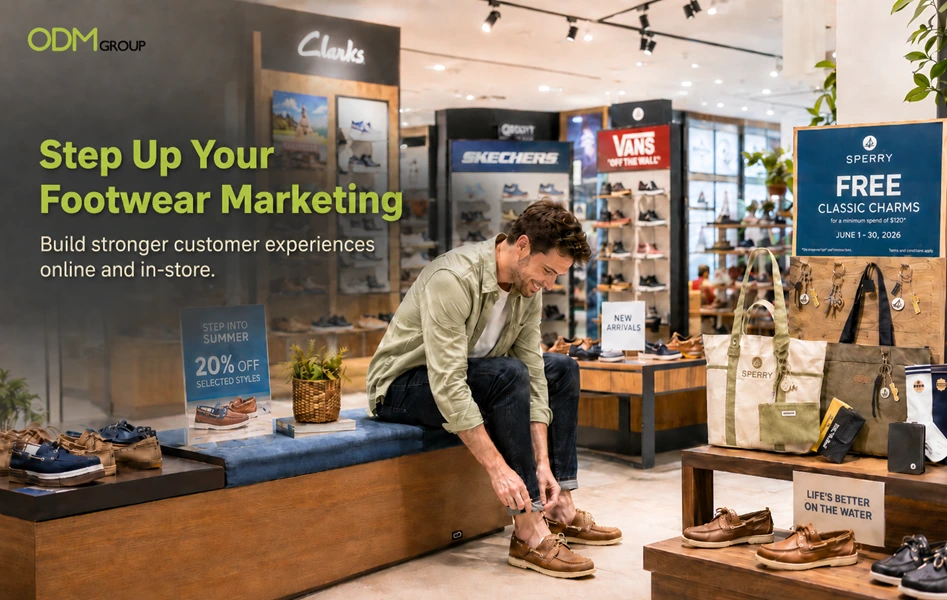
Footwear Marketing Sample: Sperry’s Gift-With-Purchase Campaign
Sperry’s promotional campaign provides a useful example of how footwear brands can use small lifestyle gifts to support retail sales.
During the promotion, customers who reached a minimum spending threshold received complimentary classic charms. The campaign visual also featured products such as tote bags, socks, a cap, a wallet and other accessories.
The charms work well because they are compact, collectible and connected to personal style. Customers can attach them to bags, keys and accessories, allowing the brand to remain visible beyond the original purchase.
The spending threshold gives customers a clear reason to consider an additional product or move toward a higher-value purchase. Meanwhile, the surrounding merchandise positions the brand as part of a broader lifestyle rather than focusing only on footwear.
Other brands can adapt this approach through seasonal charms, lace accessories, travel tags, cleaning tools or limited-edition collectibles. The gift does not need to be expensive, but it should feel relevant, well designed and consistent with the brand.
How ODM Supports Footwear Marketing Campaigns
ODM Group works as a strategic product development and sourcing partner for footwear brands, retailers, and marketing teams.
We help brands develop custom POS displays and promotional merchandise that support specific campaign objectives. This may include floor-standing displays, counter units, product platforms, branded seating, launch kits, shoe-care gifts, socks, charms, travel accessories, and customized packaging.
Our team can support the project through:
- Campaign and product concept development
- Sketch design and 3D modeling
- Prototyping and sampling
- Factory selection and production management
- Quality control
- Packaging design and delivery coordination
This connected approach helps brands develop items that are practical for the retail environment, aligned with campaign messaging, and realistic for the available timeline and budget.
ODM is not simply supplying a standard item. We work with brands to turn marketing objectives into physical products and retail tools that improve the customer experience.
Final Thoughts
Successful footwear marketing starts with a clear understanding of the customer, the wearing occasion and the main reason to purchase.
In-store displays should make products easier to discover and compare. Online content should answer practical buying questions. Gifts with purchase should support a measurable campaign objective rather than being added as an afterthought.
When these elements work together, footwear brands can create a more consistent customer journey and give shoppers greater confidence to purchase.
Let’s develop POS displays and promotional merchandise that keep your footwear brand moving.
More Promotional Ideas from ODM


FAQs about Footwear Marketing
How early should a footwear brand plan a POS display or GWP campaign?
Brands should ideally begin several months before launch. The schedule should include concept development, design, prototyping, sampling, production, quality control and shipping. Complex displays and custom-molded merchandise may require additional time.
How should brands choose a gift-with-purchase item?
Start with the campaign objective and customer lifestyle. The gift should be useful, brand-relevant and appropriate for the required spending threshold. Brands should also consider size, packaging, shipping cost and ease of distribution.
What information should appear on a footwear POS display?
Focus on the product’s main benefit, intended use and one or two supporting features. Include a clear call to action and avoid adding so much text that shoppers cannot understand the message quickly.
How can brands connect retail displays with online marketing?
QR codes, NFC features and digital screens can connect displays to product videos, reviews, available sizes, loyalty programs and online ordering. The digital content should provide a clear benefit to the customer.
Latest Blog from ODM
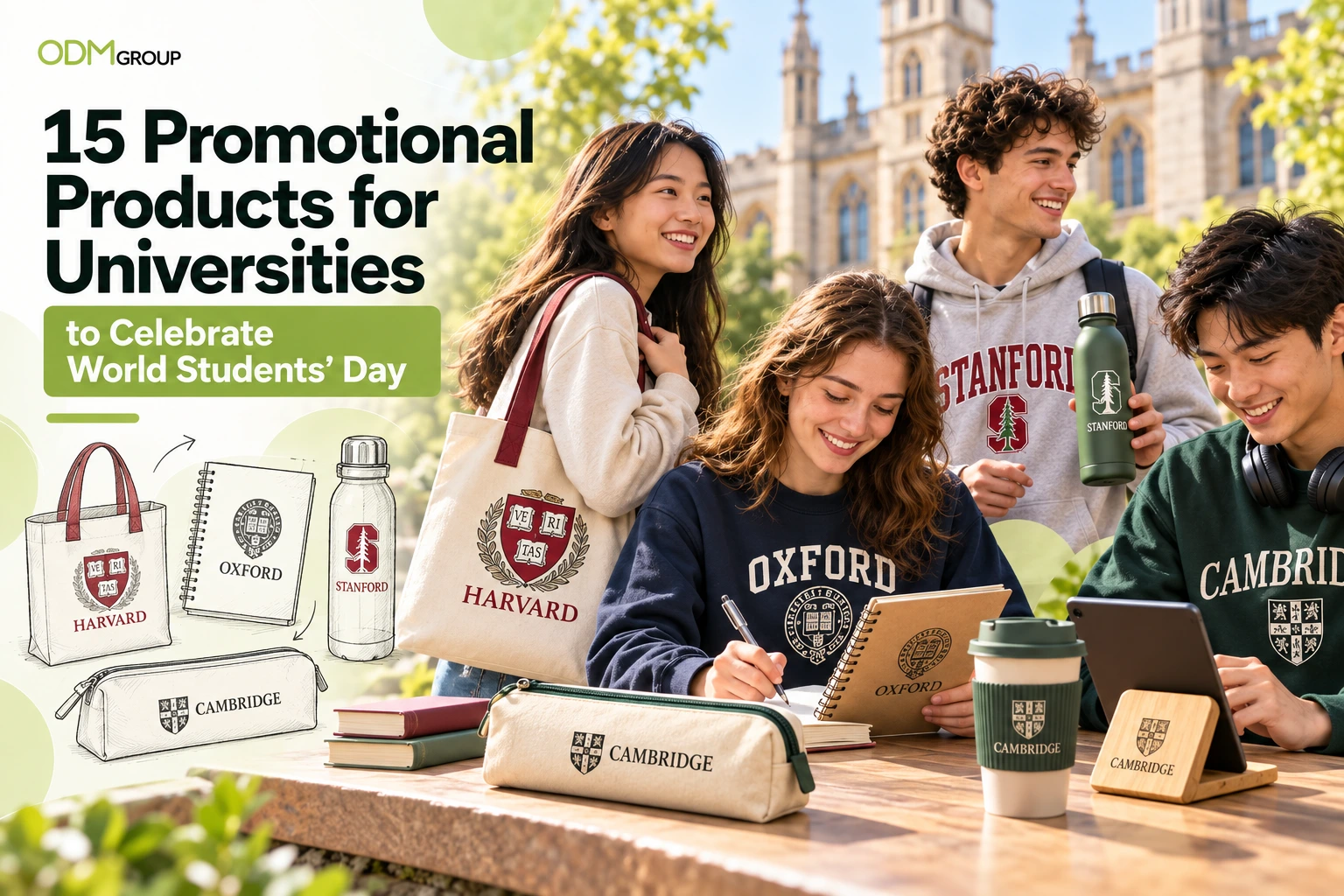
15 Promotional Products for Universities to Celebrate World Students’ Day
Promotional products for universities work best when they support [...]
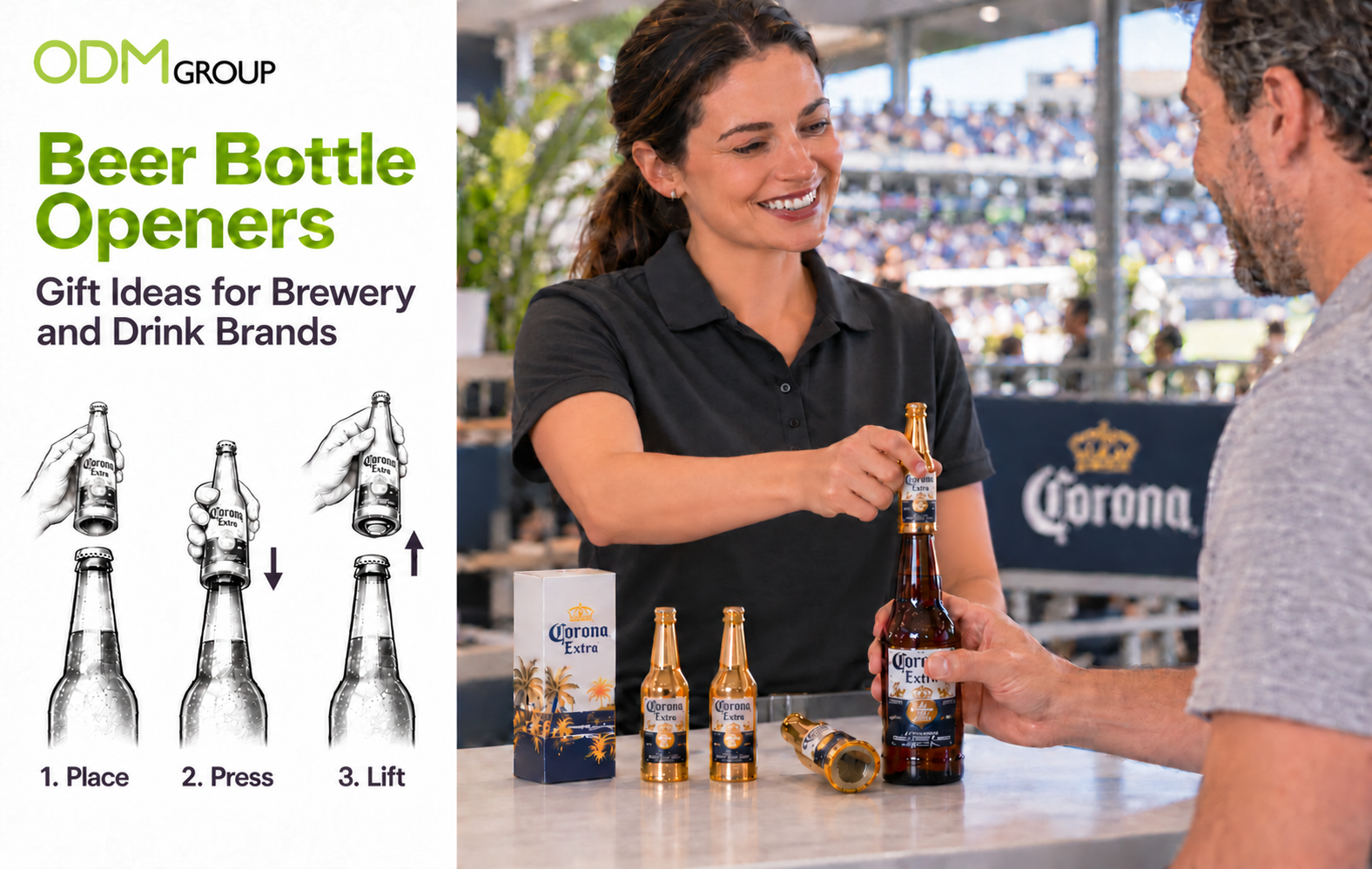
Promotional Beer Bottle Opener: A Bottle-Shaped Gift for Brewery Campaigns
bottle shaped bottle opener, automatic bottle opener, promotional product for beer, beer promos
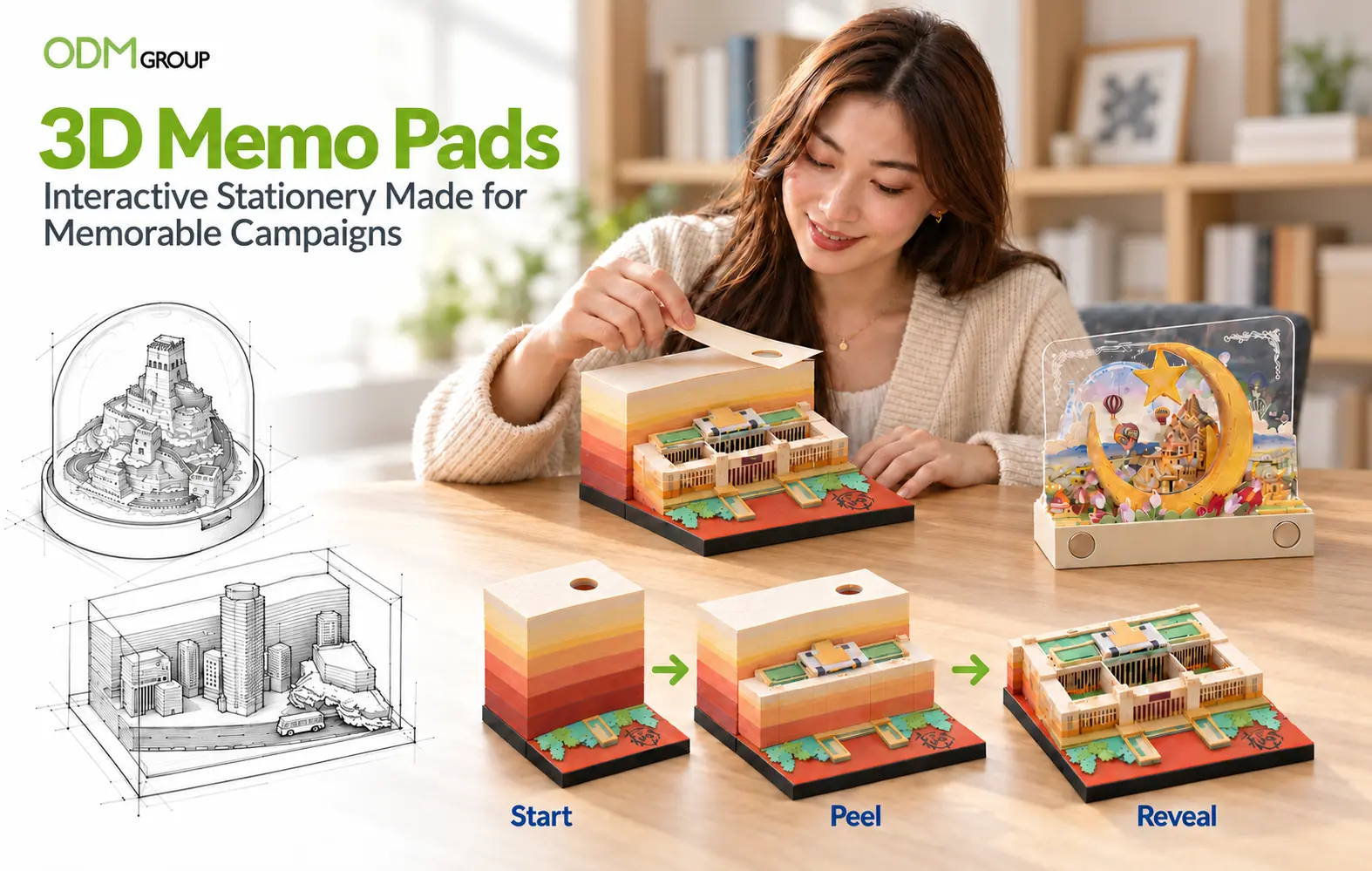
3D Memo Pads: Sculptural Designs for Brand Campaigns
3D memo pads combine an everyday office product with [...]
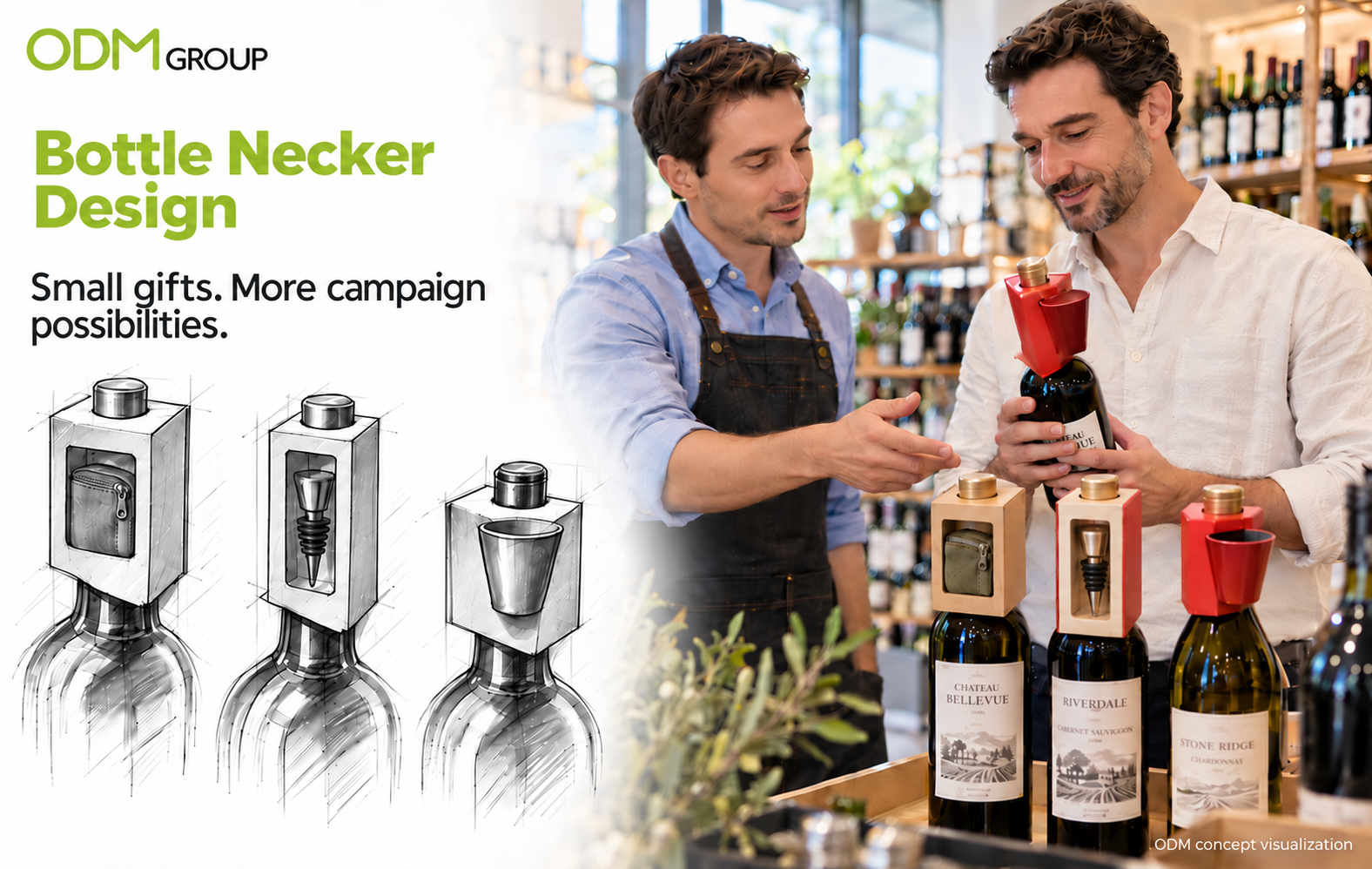
Bottle Necker Design: Creative Ideas for Your Next Promotion
A bottle necker gives a brand a little extra [...]
Press-and-Spin Toy: A Playful Twist on Custom Promotional Products
Promotional products are more memorable when they offer more [...]
Customized Cluster Bells: Inspiring Promotional Gift Ideas for Baby Brands
Customized Cluster Bells offer an interesting example of how [...]