
Father’s Day gives brands a clear opportunity to turn gifting intent into purchase. The campaigns that perform best are the ones that make the offer easy to understand, relevant to the customer, and valuable enough to influence the final buying decision.
For marketing teams, this can take many forms—from gift-with-purchase campaigns and limited-edition bundles to retail displays, redemption rewards, and custom packaging. The right approach depends on the campaign objective, sales channel, budget, and the kind of experience the brand wants to create.
Strong Father’s Day promotions can lift basket value, improve retail visibility, and create a more memorable brand experience.
Why Father’s Day Deserves a Place in the Promotional Calendar
Seasonal promotions work best when they respond to a clear buying need.
During Father’s Day, many customers are actively looking for gifts but have not yet decided what to buy. They may be comparing several brands, browsing across categories, or looking for something they can purchase quickly without compromising on presentation.
This gives brands an opportunity to remove friction from the buying decision.
A regular product can become more attractive when paired with a relevant gift. An established range can feel more premium when presented in limited-edition packaging. A crowded shelf can become easier to navigate when a display clearly communicates a complete gifting offer.
Depending on the campaign, Father’s Day can help brands:
1. Increase average transaction value
2. Encourage the purchase of selected products
3. Improve visibility in-store or online
4. Support product trials and cross-selling
5. Give retailers a stronger seasonal offer
6. Build brand recall through useful merchandise
7. Reward customers, members, employees, or clients
The campaign should begin with one of these objectives, not with a catalog of promotional products.
Choose the Campaign Mechanic Before the Product
One of the most common mistakes in promotional planning is starting with the question, “What should we give away?” A better question is: “What do we want the customer to do?”
A brand trying to increase spend needs a different campaign from one seeking customer data or stronger retail visibility. Once the desired action is clear, the right product and format become easier to identify.
1. Redemption Campaigns
Redemption campaigns are useful when the promotional gift has a higher perceived value or when the brand wants to track participation more closely.
Customers may upload a receipt, scan a QR code, collect purchase points, or buy a specified combination of products before claiming the reward.
This format can support data collection, repeat purchase, and controlled distribution. However, the redemption process must remain simple. Too many steps create friction and reduce participation.
2. Ready-to-Gift Bundles
Gift bundles can make existing products more suitable for seasonal purchase without requiring a completely new product line.
A grooming brand could combine a hero product with travel-sized items and a custom toiletry pouch. A beverage brand could create an at-home entertaining set with drinkware and bar accessories. A coffee company might pair its products with an insulated mug and gift-ready packaging.
The purpose of the bundle is not simply to include more items. It is to give the customer a complete, easy-to-understand gifting solution.
3. Loyalty and Corporate Gifting
Father’s Day promotions do not need to be limited to consumer retail.
Banks, clubs, insurers, hospitality groups, automotive companies, property developers, and professional service firms can use the occasion for member rewards, client appreciation, or employee engagement.
In these cases, the campaign can focus on appreciation, mentorship, support, or everyday leadership rather than relying on narrow ideas about fatherhood.
Premium drinkware, travel products, desk accessories, food hampers, and lifestyle gifts can all be adapted for these audiences.
4. Retail Display Campaigns
In retail, the display is often as important as the gift.
A strong Father’s Day display should explain the promotion within seconds. Customers need to see what to buy, what they receive, and whether any purchase or redemption conditions apply.
Depending on the retail environment, brands may use:
- Counter displays
- Shelf-ready trays
- End-cap installations
- Floor-standing displays
- Dump bins
- Shelf talkers
- Gift-set display units
These formats can help brands secure stronger visibility while giving retail partners a clear seasonal story to feature.
Father’s Day Campaign Formats for Brands
The right concept depends on the audience, sales channel, price point, and campaign objective. These six formats give brands room to create something commercially useful without relying on generic merchandise.
1. Build the Campaign Around an Occasion
Rather than grouping unrelated items, develop the promotion around a real use occasion.
Possible themes include:
- Weekend BBQ
- Outdoor entertaining
- Business travel
- At-home coffee
- Golf day
- Home bar
- Workday essentials
An occasion-based campaign gives the merchandise a clear purpose. It also helps customers picture when and how the products will be used.
For example, a beverage brand could create an outdoor entertaining kit with drinkware, a bottle opener, and a cooler bag. A grooming brand might build a travel-ready gift set around a branded toiletry pouch.
2. Use a Tiered Reward Structure
A tiered gift-with-purchase can encourage customers to spend more by offering different rewards at different purchase levels.
For example:
- Entry level: a small branded accessory
- Mid-level: a useful lifestyle product
- Premium level: a complete gift set
The rewards should feel progressively more valuable, while the entry-level gift should still be worth receiving.
This format works both online and in-store, giving brands more flexibility across different customer spending levels.
3. Create a Retail-Exclusive Offer
A retail-exclusive product, color, or bundle can give channel partners a stronger reason to feature the promotion.
The exclusive element might be:
- A custom product color
- A limited-edition packaging design
- A retailer-specific bundle
- A gift available only through one sales channel
This approach can improve retailer engagement and reduce direct comparison with offers available elsewhere.
4. Extend the Core Brand Experience
The strongest promotional products often remain connected to the main product after purchase.
A coffee brand can offer a travel mug. A sports company can develop a kit bag or a towel. A technology brand might provide a desk organizer or charging accessory.
The objective is not simply to place a logo on an item. It is to create something that belongs naturally in the same environment as the brand.
This connection increases the likelihood that the promotional product will be used and remembered.
5. Turn Packaging Into Part of the Gift
Packaging should not be treated as an afterthought. In many campaigns, it is the element that transforms an ordinary product into a gift.
Reusable tins, rigid presentation cases, fabric pouches, storage boxes, or insulated bags can function as both packaging and promotional merchandise.
This can increase perceived value while creating a more cohesive presentation. It may also reduce the need for a separate giveaway.
The structure still needs to work operationally. It should protect the contents, suit the sales channel, and remain practical for packing, shipping, and display.
6. Give Customers a Choice
Not every customer wants the same reward. Offering a choice between two or three products can make the campaign feel more personal.
For example, customers might choose between:
- Drinkware
- A travel accessory
- A desk product
The options should sit within a similar cost and fulfillment range. This keeps the campaign manageable while giving customers more control.
Choice-based promotions can work particularly well for loyalty programs, corporate gifting, and online redemption campaigns.
Father’s Day Merchandise Ideas
The best Father’s Day merchandise should feel useful, well presented, and relevant to the campaign. Brands can choose from everyday accessories, practical home-use products, wellness items, and ready-to-gift sets.
1. Tech Accessory Sets
Charging cables, cable organizers, phone stands, power banks, and desk accessories can create practical gift sets for technology, finance, automotive, and corporate campaigns.
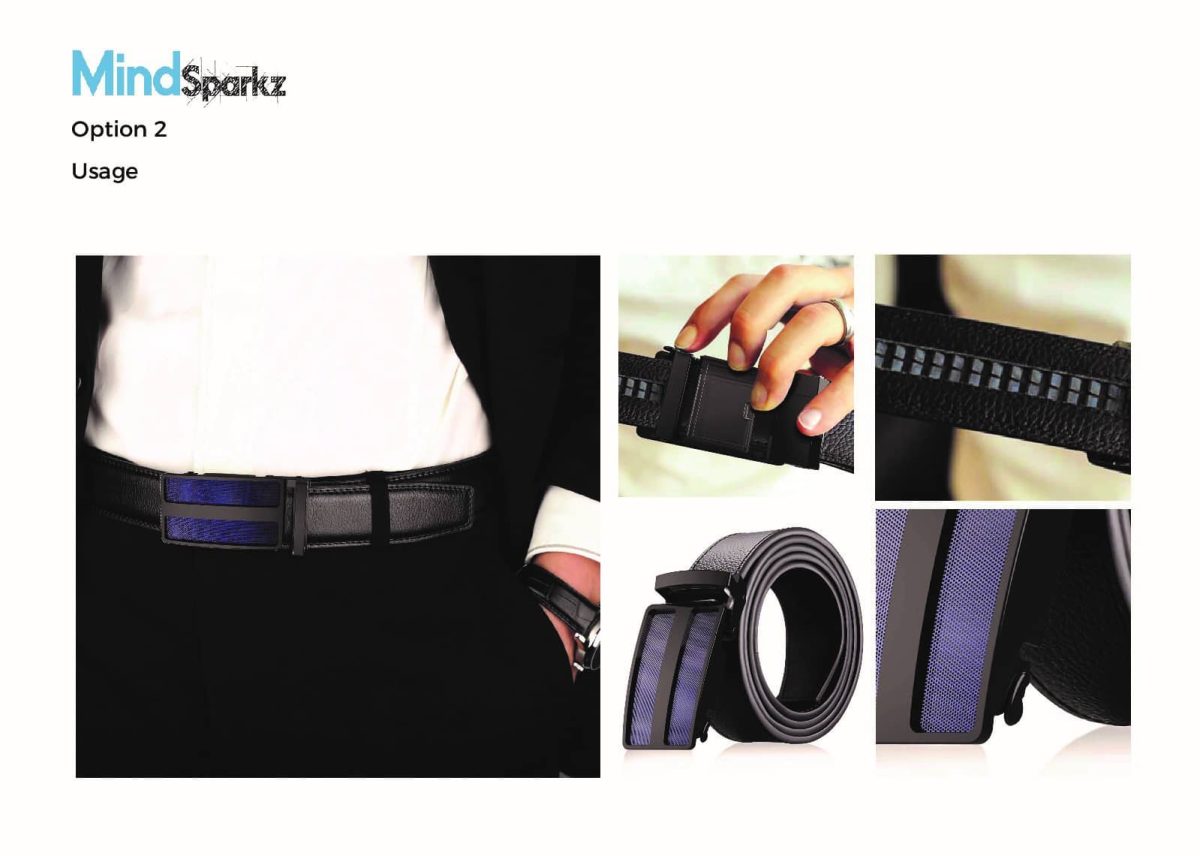
2. Branded Belts
A branded belt can work well for fashion, lifestyle, retail, automotive, and premium corporate campaigns.
It can be presented in a custom gift box or paired with a wallet, keyring, or travel accessory to create a more complete gift set.
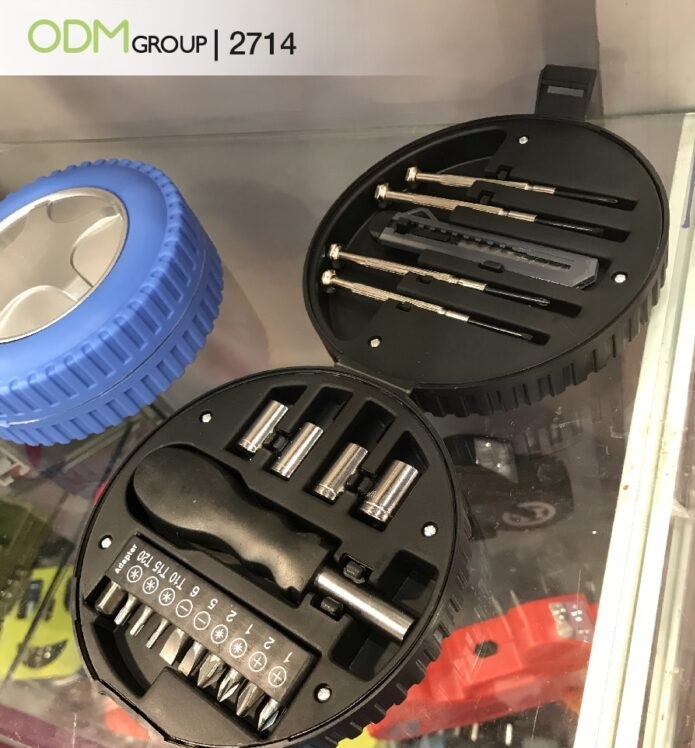
3. Tool Sets
Compact tool sets are practical gifts with strong perceived value.
They can include screwdrivers, measuring tools, pliers, or multi-tools packed in a branded case.
This type of merchandise suits hardware brands, automotive companies, property developers, insurance firms, and home improvement retailers.
4. Travel and Work Sets
Travel pouches, passport holders, packing organizers, notebooks, and desk accessories are useful choices for business travel, loyalty programs, and client gifting.
Rather than selecting merchandise based only on the occasion, brands should consider how the item supports the product, campaign mechanics, and customer experience.
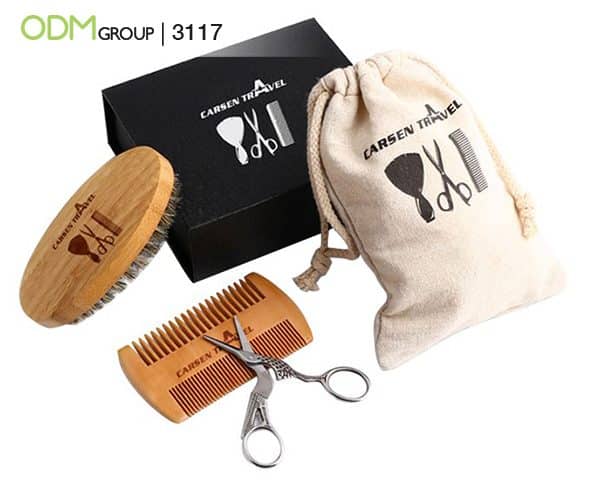
5. Grooming Sets
Grooming sets are a natural fit for personal care, pharmacy, beauty, hospitality, and travel campaigns.
A set may include grooming tools, skincare products, a comb, shaving accessories, or a custom toiletry pouch.
Well-designed packaging can make the set feel more premium and gift-ready.
6. Fitness Sets
Fitness sets can support sports, wellness, banking, insurance, and lifestyle campaigns. Depending on the target audience, the set could include resistance bands, a gym towel, a sports bottle, a skipping rope, or a compact exercise pouch.
The items should be easy to store, carry, and use at home or while traveling.
7. Drinkware Sets
Insulated tumblers, travel mugs, and reusable bottles remain popular because they suit work, travel, and leisure.
Brands can pair them with coffee, tea, beverages, or wellness products.
8. BBQ and Outdoor Sets
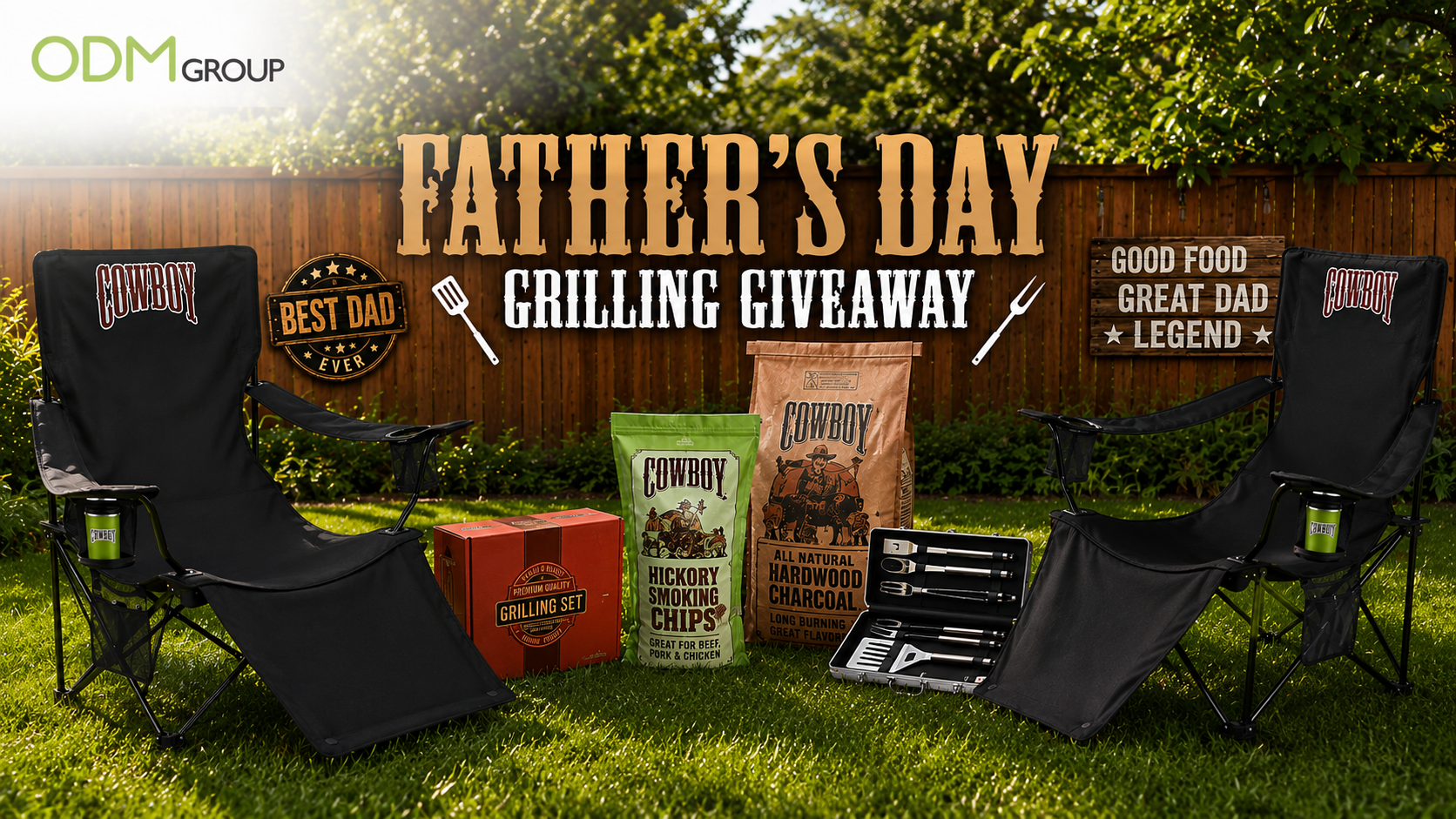
BBQ tools, cooler bags, picnic accessories, and outdoor drinkware work well for food, beverage, supermarket, and lifestyle promotions. These products are especially effective when the campaign is built around weekend entertaining or outdoor use.
Final Thoughts
A strong Father’s Day promotion should be relevant, easy to understand, and built around a clear commercial goal.
ODM Group supports brands with product ideas, custom design, sourcing, sampling, packaging, quality control, and logistics. Through Mindsparkz, we also help develop product concepts, 3D visuals, and retail display solutions.
Planning another holiday or special promotion? Contact ODM Group to turn your next campaign idea into a practical, brand-aligned solution ready for market.
ODM Services
FAQs about Father’s Day Promotions
How early should brands plan a Father’s Day promotion?
Custom products, packaging, and retail displays should be planned several months in advance. This allows time for design, sampling, production, quality control, and shipping.
What type of Father’s Day merchandise works best?
Useful products usually perform best. Belts, tool sets, grooming kits, fitness sets, drinkware, and travel accessories can all work well when they match the brand and campaign objective.
Can Father’s Day promotions work for B2B campaigns?
Yes. Banks, clubs, property developers, automotive brands, and corporate teams can use Father’s Day for client gifting, employee engagement, loyalty rewards, and member campaigns.
Can ODM support other holiday promotions?
Yes. ODM Group can support campaigns for Christmas, Mother’s Day, Lunar New Year, Mid-Autumn Festival, product launches, anniversaries, events, and other seasonal promotions. Our team can assist with product ideas, design, sourcing, packaging, quality control, and logistics.
15 Promotional Products for Universities to Celebrate World Students’ Day
Promotional products for universities work best when they support [...]
Promotional Beer Bottle Opener: A Bottle-Shaped Gift for Brewery Campaigns
bottle shaped bottle opener, automatic bottle opener, promotional product for beer, beer promos
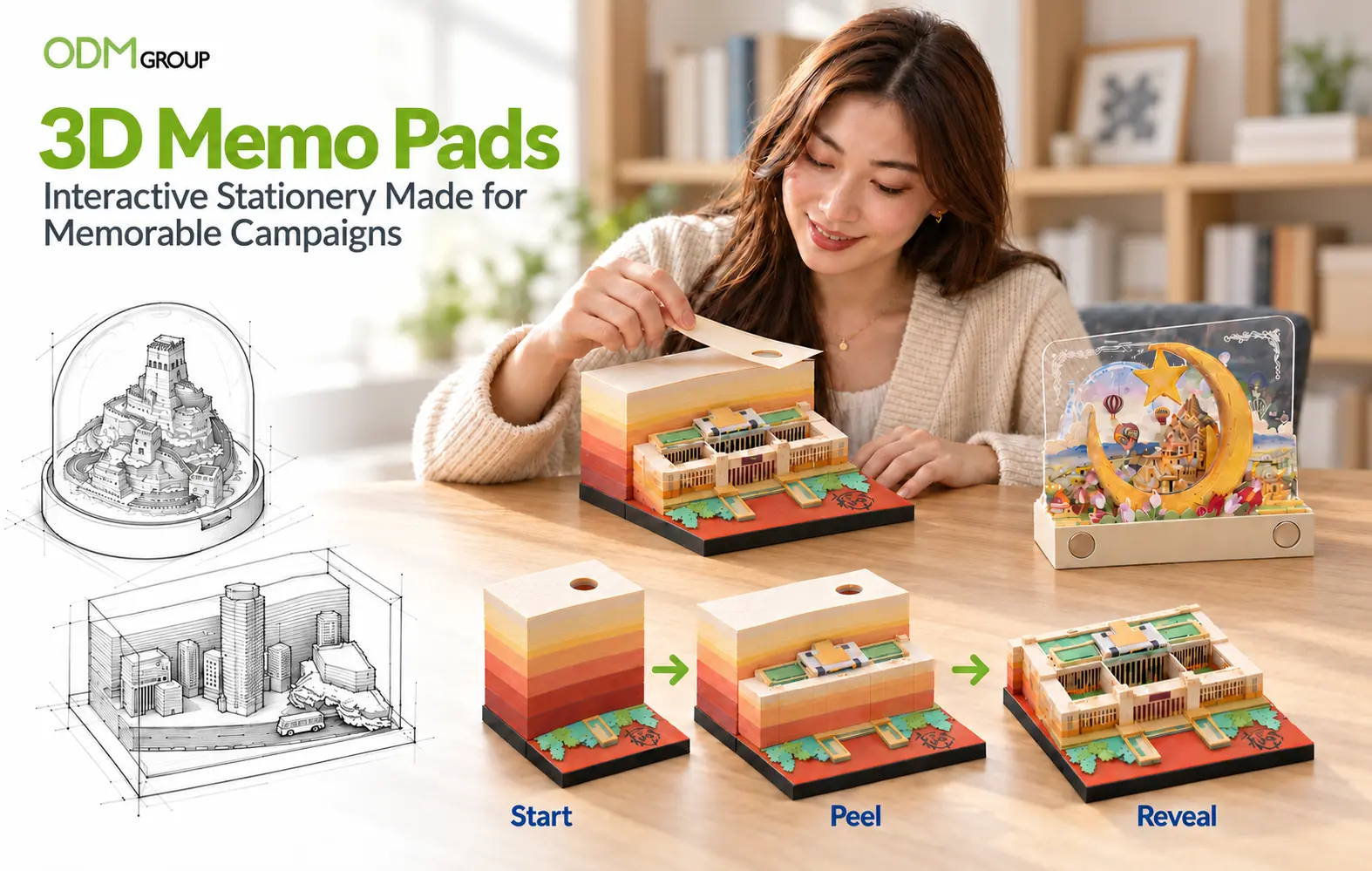
3D Memo Pads: Sculptural Designs for Brand Campaigns
3D memo pads combine an everyday office product with [...]
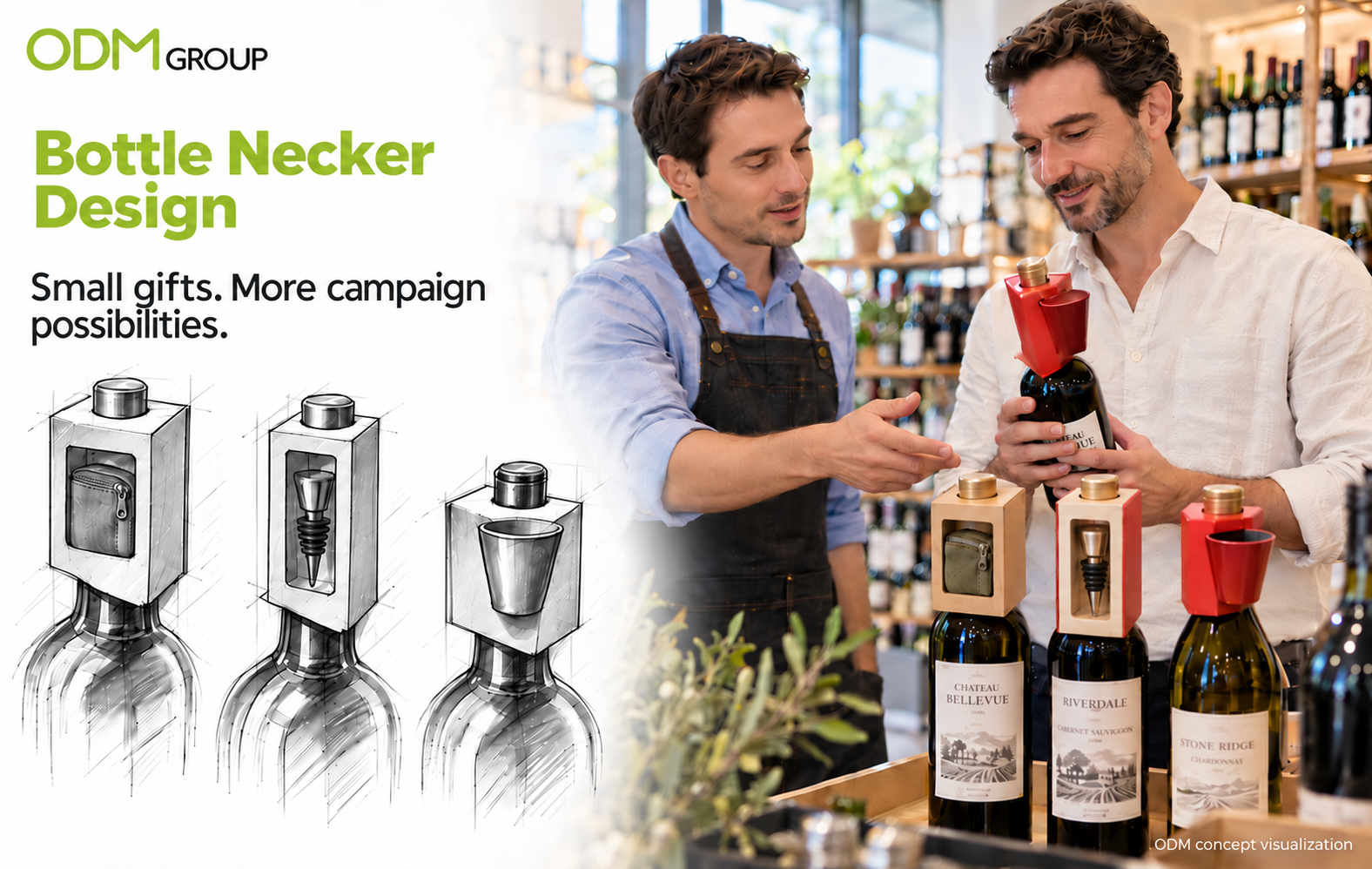
Bottle Necker Design: Creative Ideas for Your Next Promotion
A bottle necker gives a brand a little extra [...]
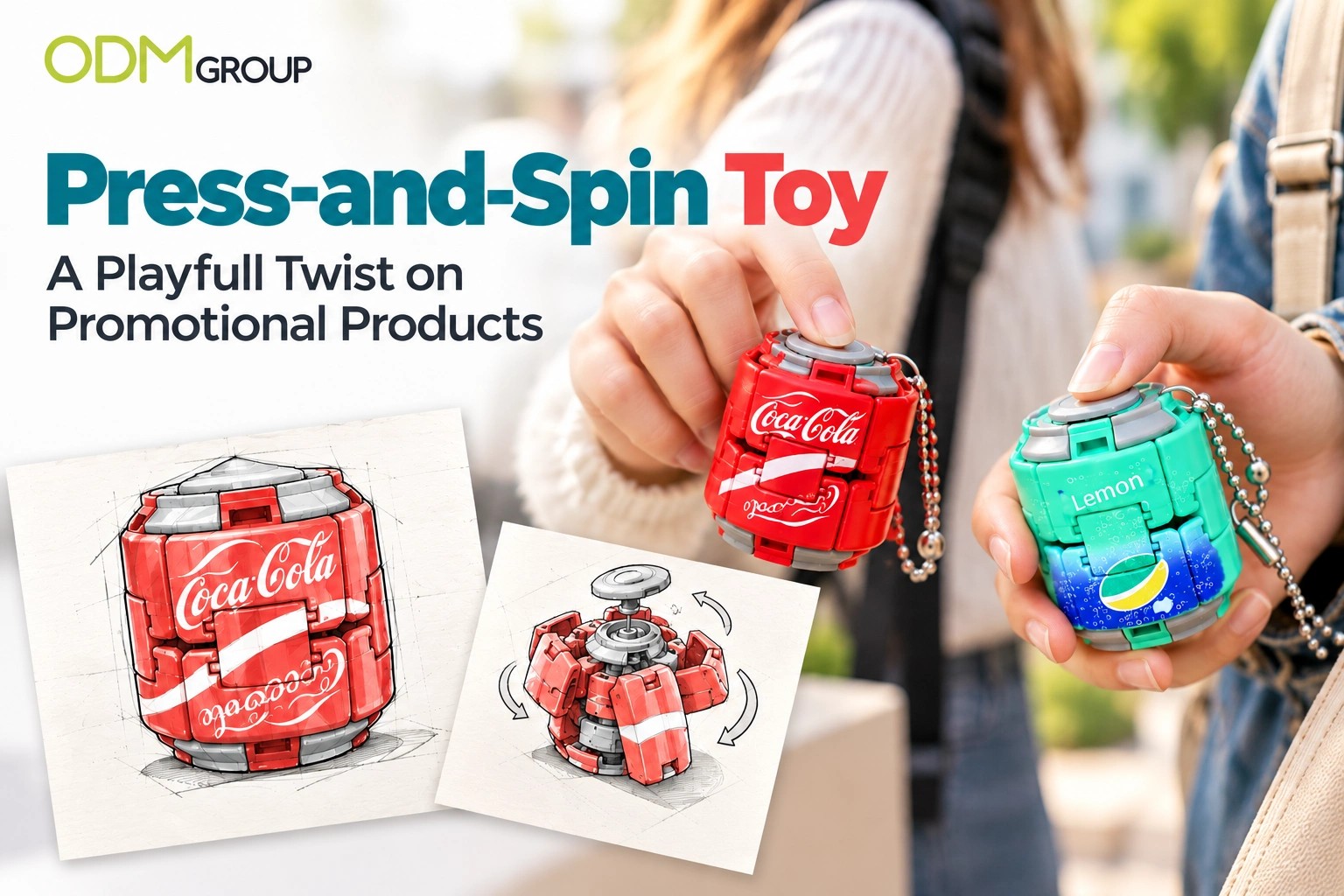
Press-and-Spin Toy: A Playful Twist on Custom Promotional Products
Promotional products are more memorable when they offer more [...]
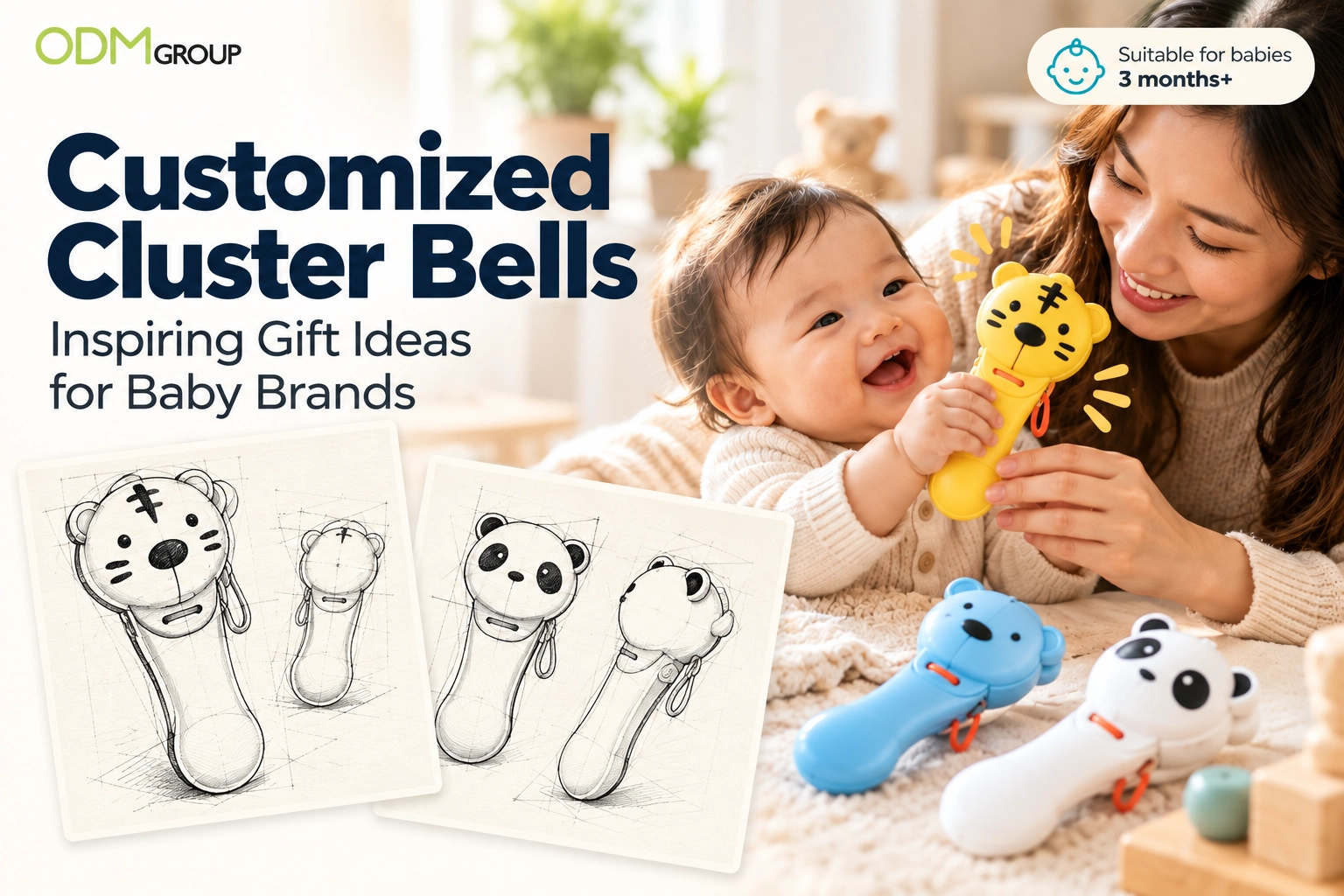
Customized Cluster Bells: Inspiring Promotional Gift Ideas for Baby Brands
Customized Cluster Bells offer an interesting example of how [...]