Jewelry promotion ideas should do more than generate a temporary sales spike. For jewelry brands, promotion is an opportunity to strengthen positioning, build emotional connections, increase store traffic, and give customers a reason to return.
This is particularly important in a category where purchases are often tied to personal milestones, gifting occasions, identity, and status. Customers are not simply comparing materials and prices. They are evaluating trust, design, craftsmanship, presentation, service, and the meaning behind the product.
Why Jewelry Brands Need More Than Discounts
Discounting remains one of the most common jewelry promotion strategies. It can help clear inventory, attract price-sensitive buyers, or generate activity during important retail periods.
However, frequent discounting can also weaken perceived value.
Jewelry is often purchased because it feels special. If customers are trained to wait for the next sale, the brand may struggle to maintain premium positioning or full-price demand.
A stronger promotional strategy combines commercial incentives with experiences and added value. Depending on the audience, this may include exclusive access, personalization, premium packaging, loyalty benefits, limited editions, educational content, or in-store services.
The goal is to give customers another reason to buy without making price the only reason.
1. Launch Limited-Edition Jewelry Collections
Limited-edition collections create urgency while reinforcing exclusivity.
A jewelry brand might develop a capsule collection around:
- A seasonal theme
- A cultural celebration
- A brand anniversary
- A city or destination
- A signature gemstone
- A designer collaboration
- A charitable initiative
- A major entertainment or sporting event
The campaign should explain why the collection exists and what makes it different. Numbered pieces, special packaging, signed design cards, and limited production quantities can strengthen the story.
For established brands, limited editions can re-engage existing customers. For emerging jewelry labels, they can provide a focused way to test new styles before expanding into a larger range.
Leaders should ensure scarcity is genuine. Calling a collection “limited” while repeatedly extending availability can reduce trust.
2. Create Jewelry Personalization Experiences
Personalization is one of the most effective ways to increase the emotional value of jewelry.
Possible services include:
- Initial or name engraving
- Date engraving
- Birthstone selection
- Charm selection
- Chain-length customization
- Gemstone combinations
- Message cards
- Custom gift boxes
- Build-your-own bracelet or necklace stations
Personalization can be offered online, in-store, at events, or as part of a temporary retail activation.
The commercial value extends beyond the service itself. Personalized products can encourage customers to spend more, remain engaged longer, and associate the purchase with a specific memory.
However, the operational process must be carefully managed. Brands need clear production timelines, spelling checks, order tracking, quality control, and customer communication.
A premium personalization experience can strengthen loyalty. A poorly managed one can create delays and damage trust.
3. Use Gift-With-Purchase Campaigns Strategically
A gift with purchase can increase perceived value without reducing the price of the jewelry itself.
For example, a brand might offer:
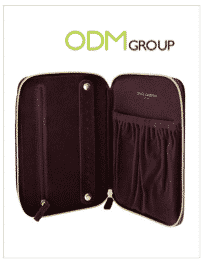
- A travel jewelry case with a necklace purchase
- A polishing cloth with an entry-level order
- A premium jewelry box above a spending threshold
- A compact mirror with a new collection
- A branded pouch during a holiday campaign
- A care kit for fine jewelry customers
- A display stand with a collectible collection
The gift should complement the jewelry and support how customers store, protect, wear, or present it. Generic gifts may attract attention, but relevant gifts reinforce the purchase experience.
Brands can also use tiered promotions. A smaller gift may be offered at the first spending level, while customers making higher-value purchases receive a premium box, travel case, or personalized accessory.
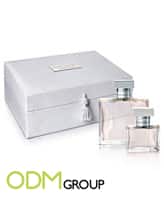
Here’s an example of a gift with purchase from jewelry brand Swarovski. The brand offered a free jewelry box for every purchase of their product.
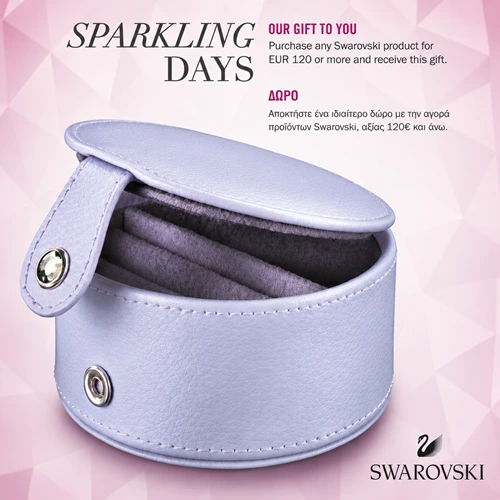
The value of the gift should feel appropriate to the purchase threshold. If customers must spend significantly more for a low-value item, the campaign may feel unconvincing.
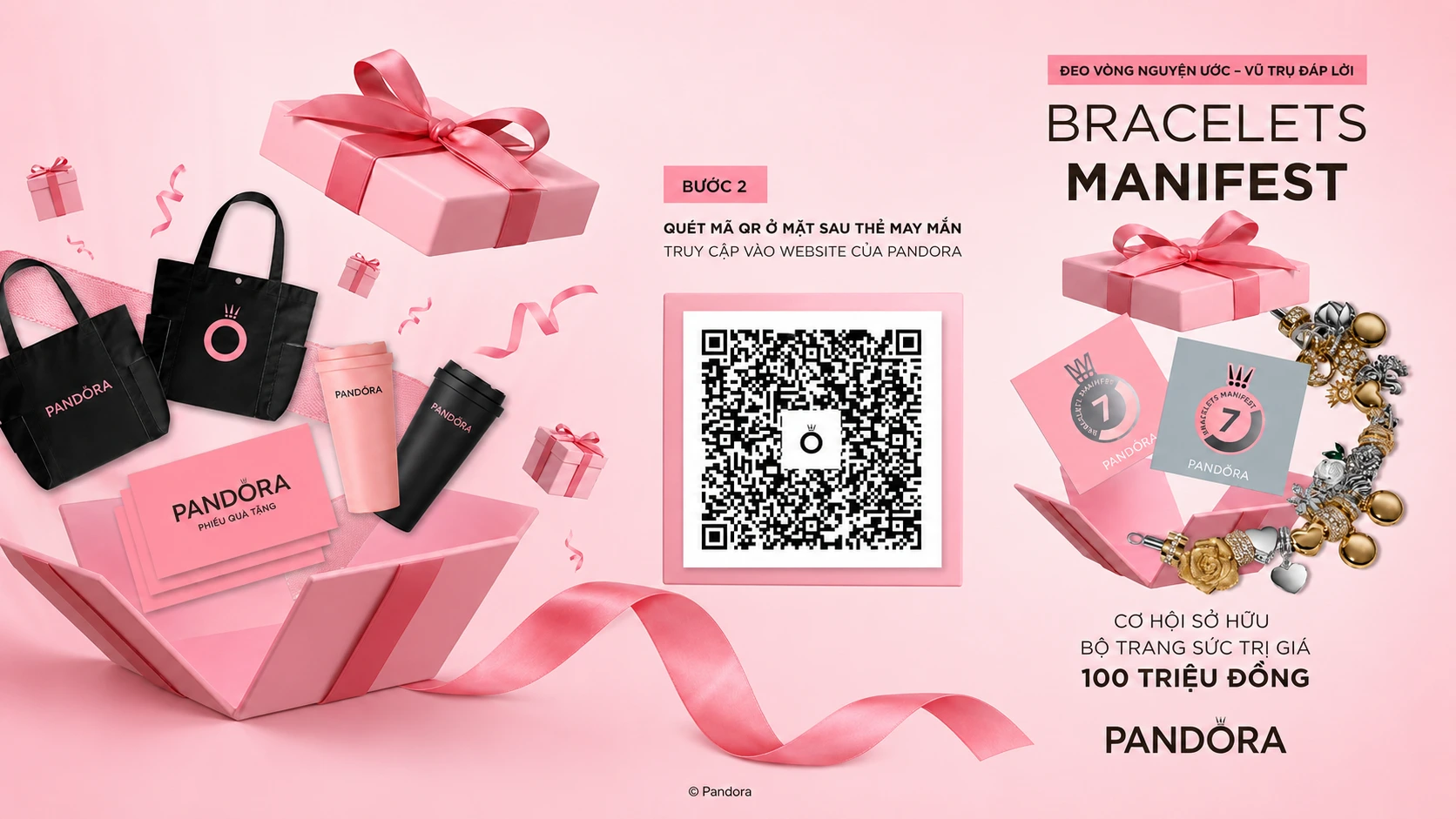
Here’s another GWP campaign from Pandora. The famous jewelry brand used a gamified GWP promotion that makes the campaign more interactive and exciting.
4. Develop Stronger Jewelry Packaging
Packaging is one of the most important promotional assets available to a jewelry brand.
Customers often encounter the box before they fully engage with the product. The structure, material, opening experience, and presentation all influence perceived quality.
Jewelry packaging ideas can include:
- Drawer-style presentation boxes
- Reusable travel cases
- Rotating jewelry boxes
- Magnetic closures
- Multi-layer gift sets
- Hidden message compartments
- Light-up presentation boxes
- Refillable packaging systems
- Modular boxes for collectible collections
- Packaging that converts into a display stand
Packaging can also support specific campaigns. A Valentine’s Day collection might feature personalized message cards, while a proposal-focused campaign could use a box designed for a more dramatic ring reveal.
For online jewelry brands, packaging plays an even greater role because it replaces part of the physical retail experience. It must protect the product during shipping while still creating an emotional unboxing moment.
5. Turn Store Windows Into Campaign Media
Jewelry is highly visual, but many retail displays still rely on rows of products inside standard glass cases.
A stronger window display communicates a campaign before customers enter the store.
Jewelry window displays can use:
- Oversized product forms
- Sculptural display plinths
- Mirrored structures
- Lighting effects
- Moving display elements
- Seasonal installations
- Interactive screens
- Material stories
- Gemstone-inspired color environments
- Digital campaign content
The objective is not to show every product. It is to create a visual idea strong enough to stop people passing by.
For multi-location brands, retail displays should be developed as a system. Flagship stores may receive large installations, while smaller locations use compact versions of the same campaign.
This allows the brand to maintain consistency while adapting to different retail environments.
6. Create Interactive In-Store Experiences
Jewelry purchases often require more consideration than everyday retail purchases. Customers may want to compare styles, understand materials, check sizing, or discuss the meaning behind a piece.
Interactive retail experiences can make that process more engaging.
Ideas include:
- Digital jewelry try-on tools
- Ring-sizing stations
- Charm-building bars
- Gemstone discovery displays
- Live engraving counters
- Product storytelling screens
- Bridal consultation areas
- Jewelry care demonstrations
- Styling appointments
- Custom design consultations
Technology should support the customer journey rather than distract from it.
For example, a digital try-on screen can help customers explore several designs quickly, but staff must still be available to explain materials, fit, availability, and customization options.
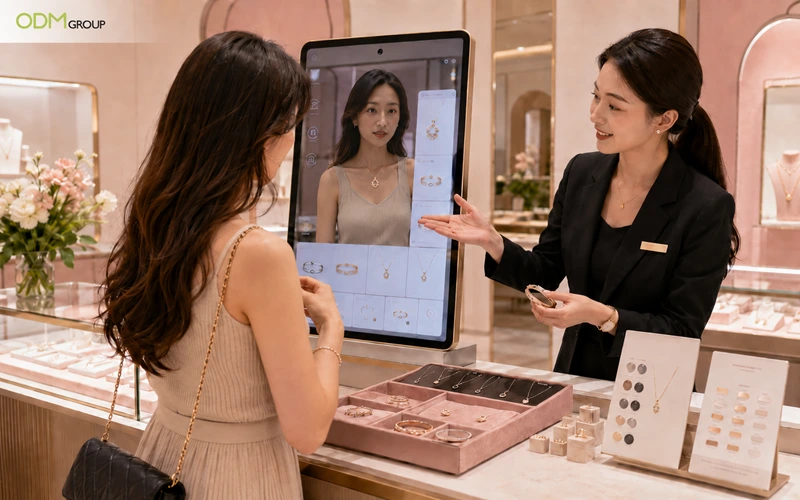
Jewelry brands should also consider how the physical environment supports privacy and comfort, particularly for high-value or emotionally significant purchases.
7. Build Campaigns Around Important Life Moments
Jewelry is closely connected to celebrations and personal milestones.
Brands can create more relevant promotions by organizing campaigns around customer moments rather than only retail dates.
These may include:
- Engagements
- Weddings
- Anniversaries
- Birthdays
- Graduations
- Career achievements
- New parenthood
- Friendship milestones
- Personal accomplishments
- Memorial occasions
A milestone campaign might combine a curated jewelry collection with engraving, gift packaging, private consultation, and scheduled delivery.
This approach positions the brand as part of the customer’s story rather than simply a place to purchase a product.
It also allows brands to segment communication more effectively. A customer shopping for an anniversary gift needs a different message and service experience from someone buying jewelry for personal expression.
8. Use Pop-Up Stores to Test New Markets
Pop-up stores allow jewelry brands to reach new audiences without immediately committing to a permanent retail location.
A pop-up can support:
- A new collection launch
- Entry into a new city
- A collaboration
- A seasonal retail period
- A bridal showcase
- A customization event
- A wholesale partnership
- A brand anniversary
The space should do more than display products. It should communicate the brand’s identity through lighting, materials, furniture, packaging, staff presentation, and customer interaction.
Pop-ups can also provide valuable commercial insight. Brands can measure foot traffic, product interest, conversion, customer questions, and local demand before making longer-term investments.
Portable display systems and modular furniture can allow campaign assets to be reused across several locations.
9. Partner With Complementary Brands
Jewelry brands can expand their reach by collaborating with businesses that serve a similar audience.
Potential partners include:
- Fashion labels
- Beauty brands
- Hotels and resorts
- Bridal businesses
- Florists
- Watch brands
- Travel companies
- Premium beverage brands
- Department stores
- Art and cultural organizations
The partnership should create a clear benefit for both audiences.
A bridal jewelry brand could collaborate with a wedding dress designer. A contemporary jewelry label might partner with a beauty brand for a product launch. A luxury hotel could host an exclusive jewelry preview for selected guests.
Strong partnerships are based on audience alignment, not simply visibility.
10. Strengthen Jewelry Loyalty Programs
Jewelry purchases may be less frequent than purchases in beauty, food, or fashion. This makes loyalty design particularly important.
A basic points system may not be enough to maintain engagement between major purchases.
Jewelry loyalty programs can include:
- Complimentary cleaning
- Repair or resizing benefits
- Early access to collections
- Private shopping appointments
- Birthday or anniversary rewards
- Exclusive engraving
- Member-only products
- Trade-in or upgrade programs
- Invitation-only events
- Priority access to limited editions
These benefits encourage customers to remain connected to the brand even when they are not actively purchasing.
Brands should avoid creating a program based entirely on discounts. Service, access, recognition, and exclusivity may deliver greater long-term value.
11. Introduce Jewelry Care Campaigns
After-sales service is an underused promotional opportunity.
Jewelry cleaning, maintenance, repair, and storage support can bring customers back into the store and demonstrate long-term commitment to the product.
A care campaign might include:
- Complimentary cleaning weekends
- Jewelry inspection appointments
- Educational care guides
- Repair consultations
- Storage demonstrations
- Cleaning kits
- Reminder emails
- Video tutorials
- In-store care stations
These campaigns can generate additional traffic while giving staff an opportunity to introduce new products or services.
More importantly, they build trust. Customers are more likely to return to a brand that helps protect the jewelry after the purchase.
12. Use Social Media to Show More Than Finished Products
Product photography remains important, but jewelry content should also explain the design, materials, and people behind the collection.
Useful content formats include:
- Design sketches
- Gemstone selection
- Craftsmanship details
- Styling videos
- Customer stories
- Care demonstrations
- Packaging development
- Designer interviews
- Collection inspiration
- Behind-the-scenes retail setup
This gives customers more reasons to engage with the brand and helps justify premium pricing.
User-generated content can also support credibility. Brands may encourage customers to share how they style a piece or the story behind a meaningful purchase.
The strongest campaigns connect online content with physical retail. A design story introduced on social media can continue through the store display, packaging, and staff communication.
13. Support Promotions With Point-of-Sale Displays
Even strong jewelry products can be overlooked when the retail presentation is unclear.
Point-of-sale displays can help highlight:
- New collections
- Gift-with-purchase offers
- Personalization services
- Material stories
- Limited editions
- Loyalty benefits
- Jewelry care services
- Seasonal gifting
- Collaboration campaigns
Because jewelry is often displayed in secure environments, promotional communication must work around glass counters, cabinets, lighting, and limited space.
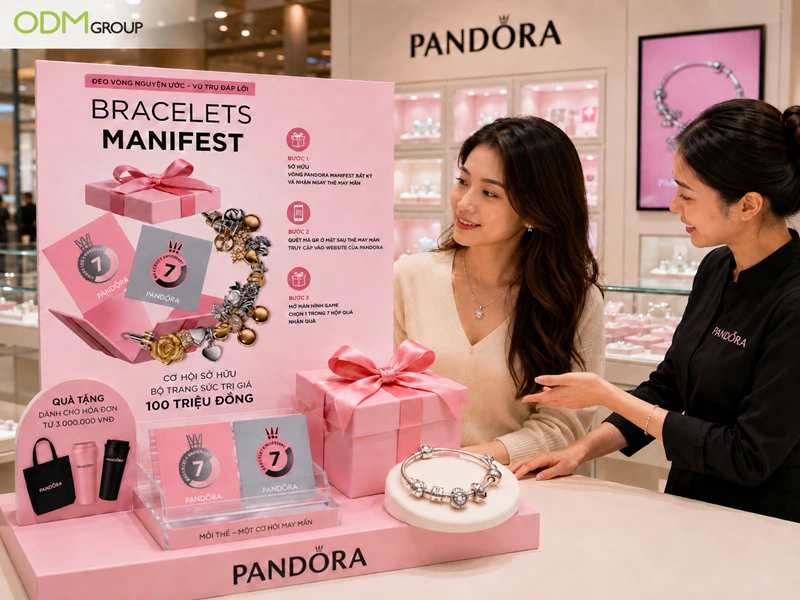
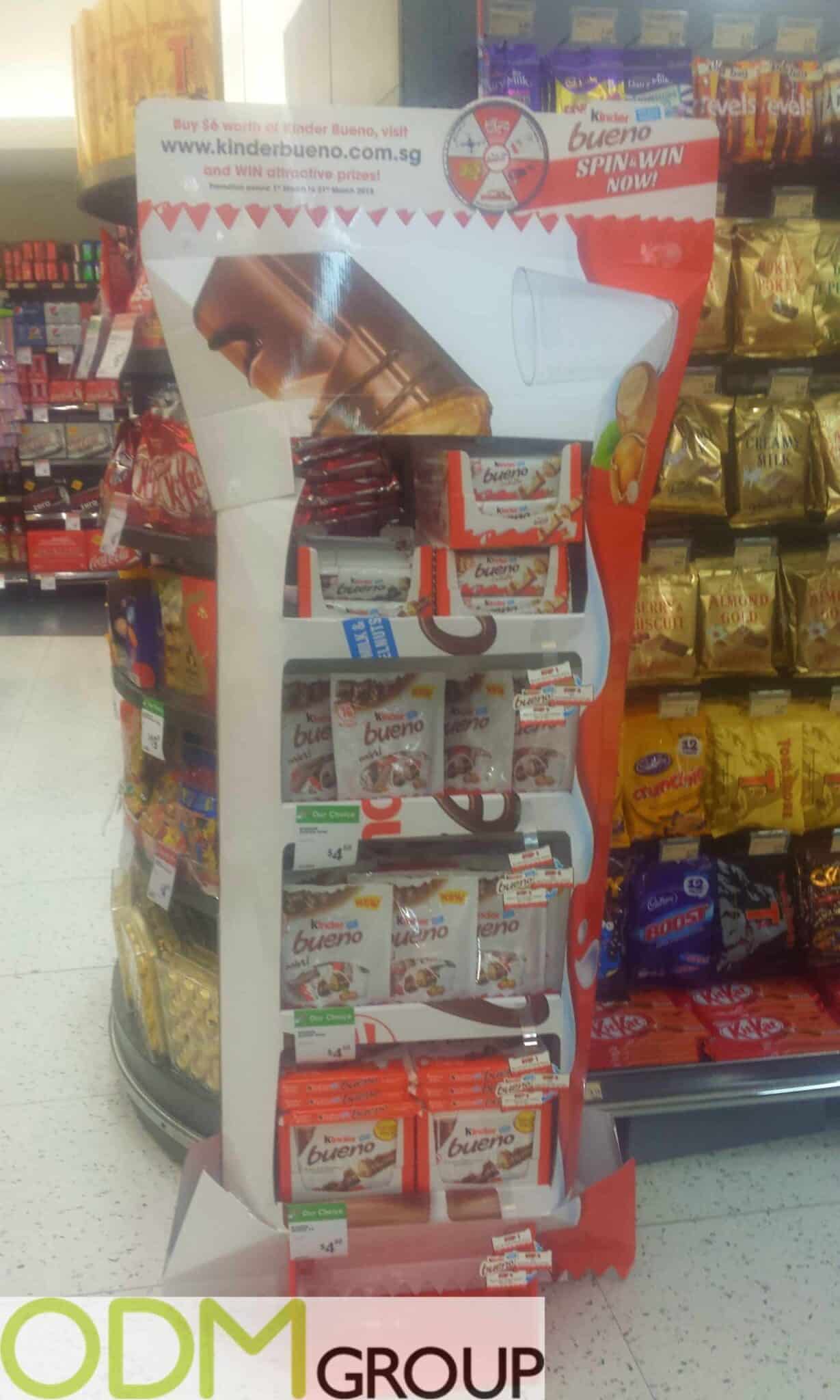
Display elements may include countertop stands, window graphics, lightboxes, digital screens, risers, mirrored platforms, information cards, and consultation tools.
The visual system should direct attention without competing with the jewelry.
How Leaders Should Evaluate a Jewelry Promotion
Before launching a campaign, decision-makers should assess it across several areas.
-
Brand alignment
Does the idea reinforce the brand’s desired position, or does it rely too heavily on discounting and short-term tactics?
-
Customer relevance
Does the campaign address a real customer need, occasion, preference, or purchase barrier?
-
Perceived value
Do the experience, packaging, service, or promotional offer feel appropriate for the jewelry’s price?
-
Retail practicality
Can store teams consistently explain and deliver the campaign?
-
Operational feasibility
Are the products, displays, packaging, and promotional materials realistic within the timeline and budget?
-
Scalability
Can the campaign be adapted across stores, markets, online channels, or future collections?
-
Measurement
Which business results will determine whether the campaign succeeded?
Relevant metrics may include:
- Store traffic
- Conversion rate
- Average transaction value
- Full-price sell-through
- Repeat purchase rate
- Personalization uptake
- Gift-with-purchase redemption
- Loyalty enrollment
- Appointment bookings
- Customer retention
- Social engagement
- Email sign-ups
A campaign should have a defined commercial role before design and production begin.
How ODM Group Supports Jewelry Brand Promotions
Along with Mindsparkz, ODM Group helps brands develop concepts for packaging, jewelry boxes, travel cases, gift-with-purchase products, retail displays, point-of-sale units, pop-up installations, and interactive promotional elements.
We can also coordinate suitable manufacturing partners, production management, quality control, and delivery. This helps brands manage various campaign elements through a single coordinated process.
The role is not simply to produce individual items. It helps jewelry brands turn promotional ideas into practical, brand-aligned campaign assets that work across the customer journey.
Final Thoughts
Effective jewelry promotion ideas should protect the brand’s value while giving customers a stronger reason to engage.
Discounts may support certain commercial objectives, but they should not become the entire strategy. Limited editions, personalization, premium packaging, retail experiences, loyalty benefits, care services, and brand partnerships can create value without reducing the product to price alone.
The most successful campaigns connect marketing, product, retail, packaging, and customer service around one clear idea.
ODM Group can help jewelry brands develop the physical elements needed to support these campaigns. Contact ODM Group to develop a jewelry promotion campaign built around your brand positioning, customer experience, and commercial goals.
More Product Ideas


FAQs about Jewelry Promotion Ideas
What are the most effective jewelry promotion ideas?
The most effective approach depends on the campaign objective. Limited editions can create urgency, personalization can increase emotional value, gift-with-purchase campaigns can raise average order value, and loyalty benefits can support customer retention.
How can jewelry brands promote products without offering discounts?
Brands can provide added value through engraving, premium packaging, complimentary care services, early collection access, exclusive products, loyalty benefits, and in-store experiences.
What promotional products are suitable for jewelry brands?
Suitable products include jewelry cases, travel pouches, polishing cloths, cleaning kits, mirrors, ring holders, display stands, storage boxes, and premium gift packaging. These products should complement the jewelry experience.
How can retail displays improve jewelry sales?
Retail displays help communicate collection stories, promotional offers, materials, customization options, and product differences. They can also direct attention toward priority collections without overcrowding the display area.
Latest Blogs from ODM
Customized Cluster Bells: Inspiring Promotional Gift Ideas for Baby Brands
Customized Cluster Bells offer an interesting example of how [...]
Airplane Promotional Products: How STARLUX Airlines and CITY PRIMA Engage Customers
Airplane promotional products can do more than display a brand [...]
Event Branding Ideas: Make Every Touchpoint a Brand Experience
Event branding ideas turn separate venue elements into one [...]
Waterproof Camping Blanket: Take Your Brand Into the Outdoors
A waterproof camping blanket gives brands a useful role [...]
Custom Letter Envelope Opener Ideas for Corporate Gifts
A letter envelope opener may be a simple desk [...]
LED Screen Backpack: Smart Walking Billboards for Campaigns
Static outdoor signage and traditional promotional merchandise [...]