
Here’s the truth: Not every effective campaign needs to be complex.
In a market filled with digital activations and high-tech experiences, it is easy to overlook simpler formats. Yet in many retail and campaign environments, the products that perform best are not the most complex but the ones that invite interaction. Mechanical wind up toys fall into that category.
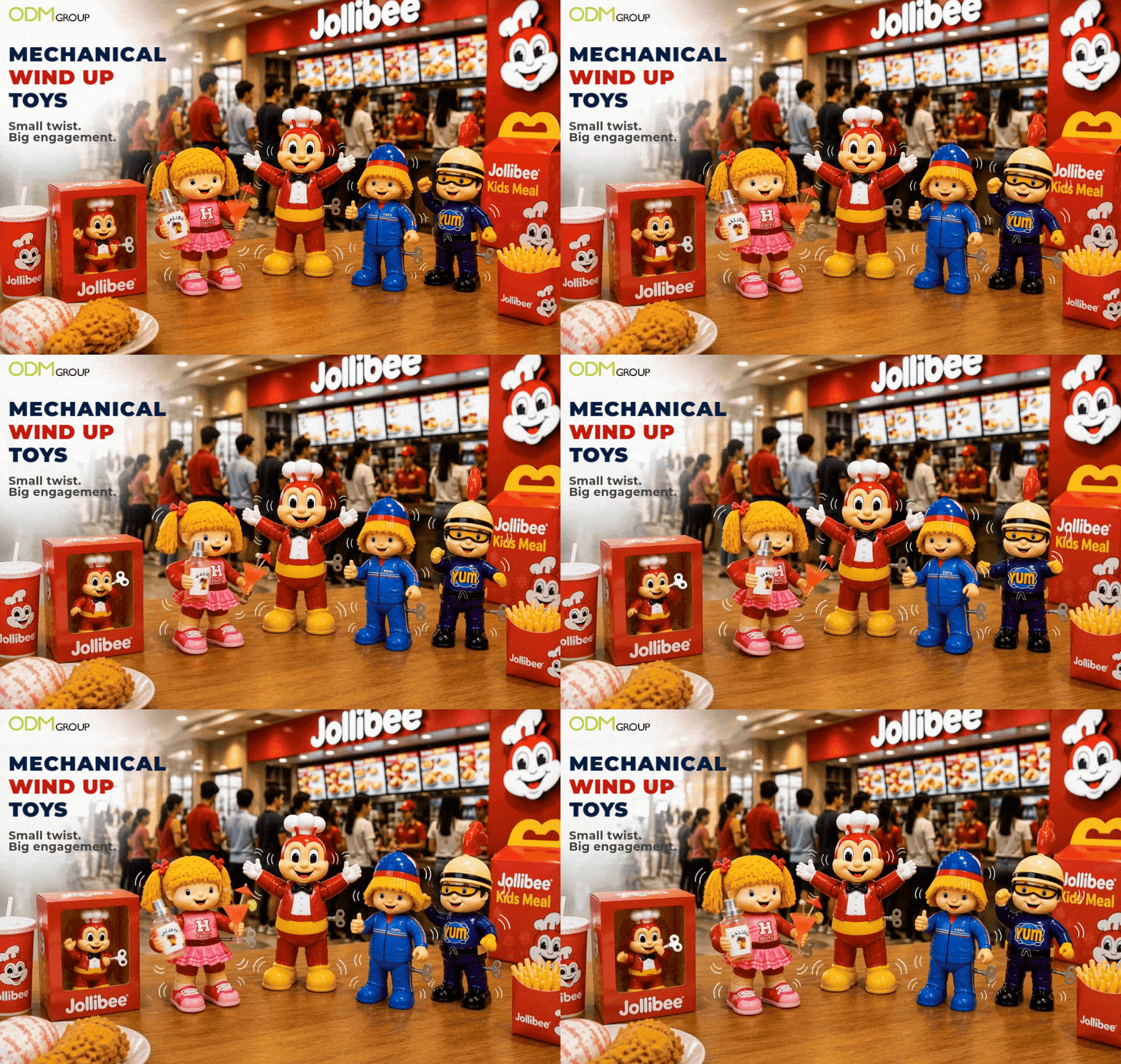
From Giveaway to Interaction
Most promotional products are designed to be received. They sit alongside the purchase, add perceived value, and often fade into the background soon after.
Mechanical wind up toys behave differently.
Because they move, they invite action. People pick them up, test them, and often share the experience with others nearby. That small interaction extends the time spent with the brand and creates a more memorable connection.
In retail environments, this can influence behavior in subtle ways:
- it creates a point of curiosity at shelf
- it encourages customers to engage physically with the product
- it adds a layer of enjoyment to the purchase decision
This is not about adding cost. It is about shifting how the product is experienced.
Where Mechanical Wind Up Toys Fit in Marketing Campaigns
The value of mechanical wind up toys becomes clearer when they are placed within a campaign structure rather than treated as standalone items.
1. Retail GWP Campaigns
As a gift-with-purchase, these toys can help justify spending thresholds. The key is not the price of the item, but how immediately engaging it feels. A moving product is easier to understand and often more appealing than static alternatives.
2. Fast Food Promotional Toys
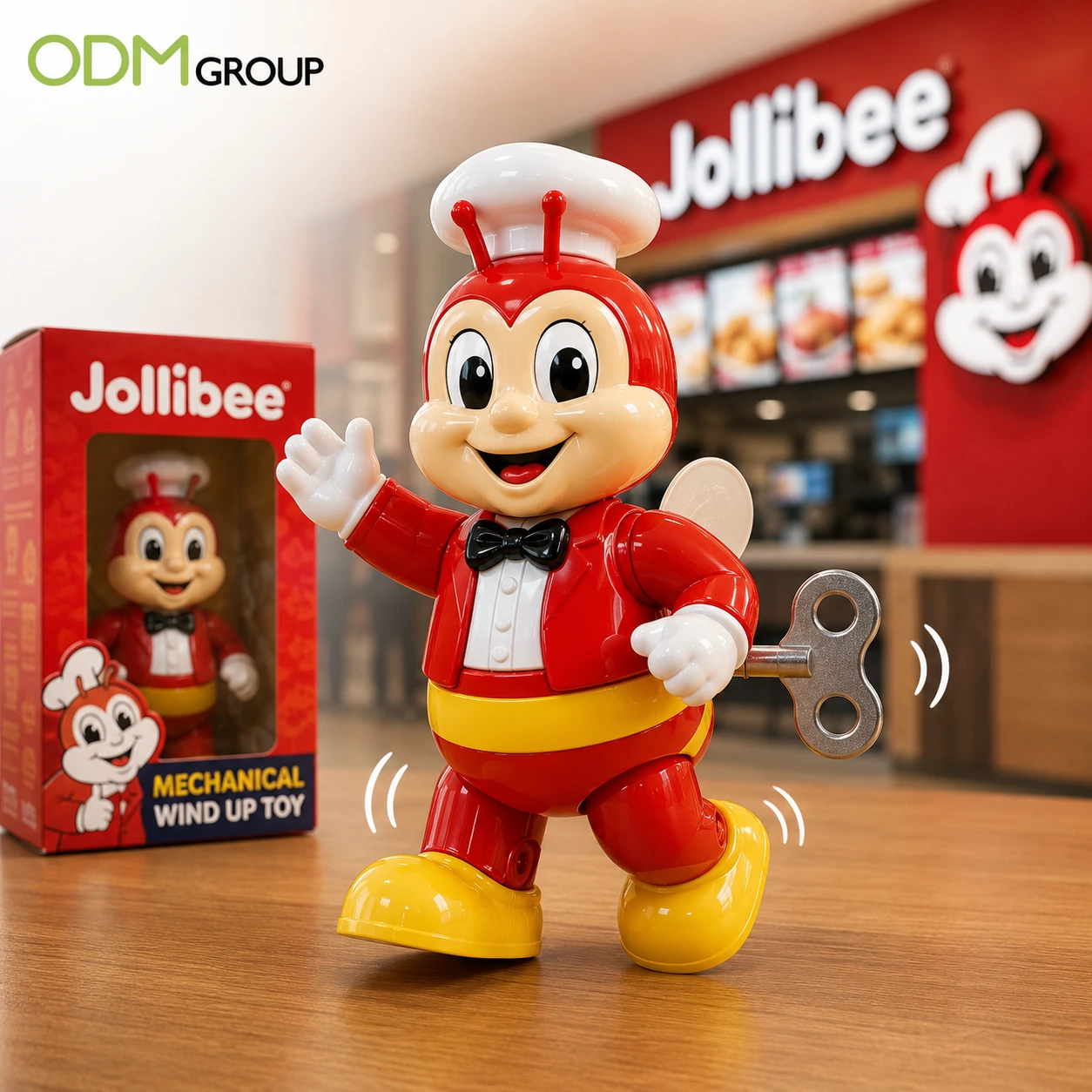
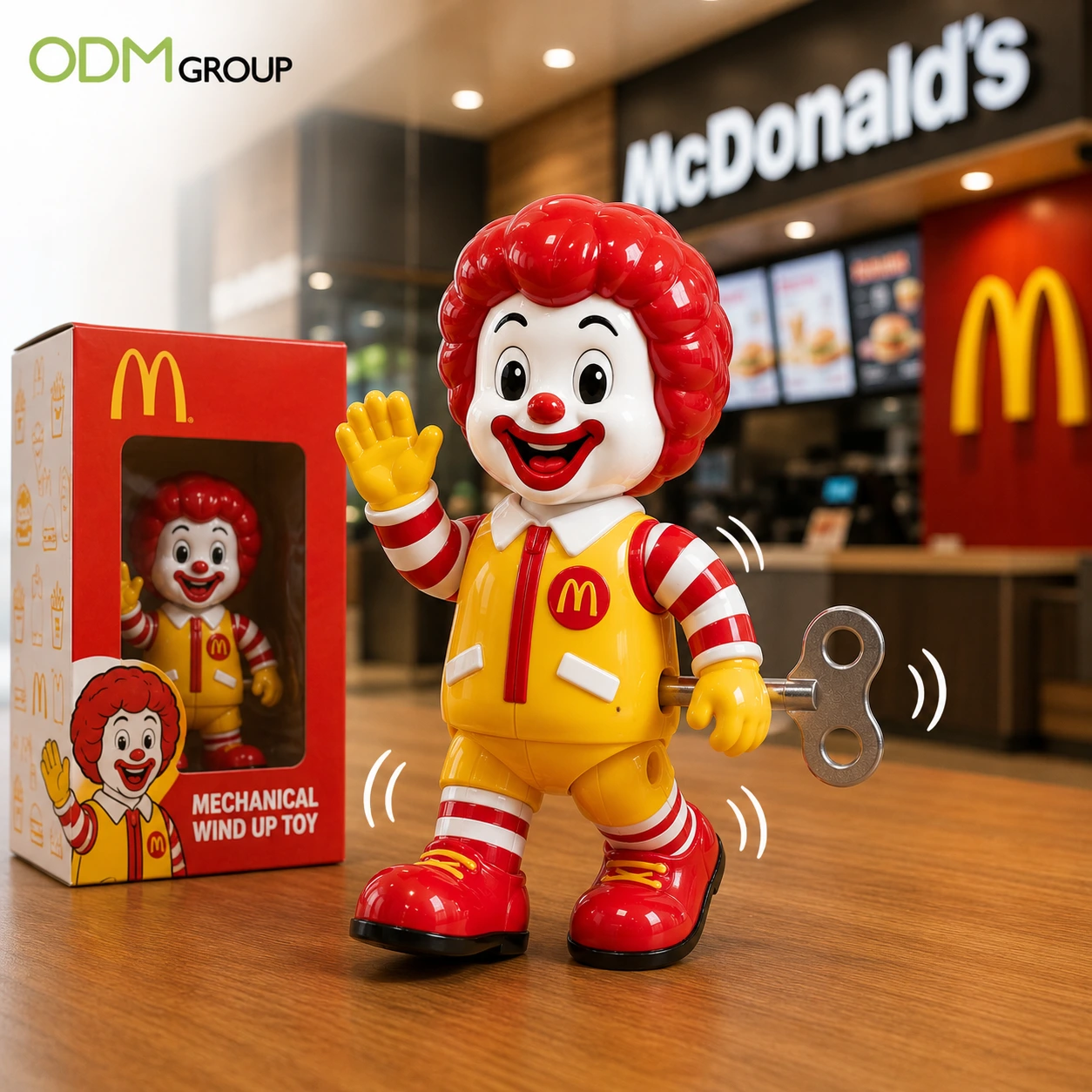
Fast food chains have been using toys for decades—but the ones that work best are those that encourage interaction.
A mechanical wind up toy naturally fits into this model. Instead of a static collectible, it becomes something customers can immediately play with at the table. That moment (right after receiving the meal) is where engagement happens.
3. Brand Mascot Extensions
When designed as a character, a mechanical toy can act as a physical version of a brand mascot. This is especially relevant for brands looking to build recognition across different touchpoints.
4. In-Store Activation
Placed near checkout or display areas, the movement itself becomes a form of attention. It can work as a low-cost way to introduce motion into a retail space without relying on screens or power sources.
5. Events and Sampling Campaigns
At events, interaction matters. A product that people can test on the spot often creates more engagement than one that is simply handed out.
Designing Mechanical Wind Up Toys for Brand Use
The difference between a generic toy and a meaningful promotional product usually comes down to how early design decisions are made.
A strong starting point is not the mechanism, but the role the product will play in the campaign.
- Is it meant to attract attention in-store?
- Support a mascot-driven campaign?
- Act as a reward for purchase?
Once that is clear, the design becomes more focused.
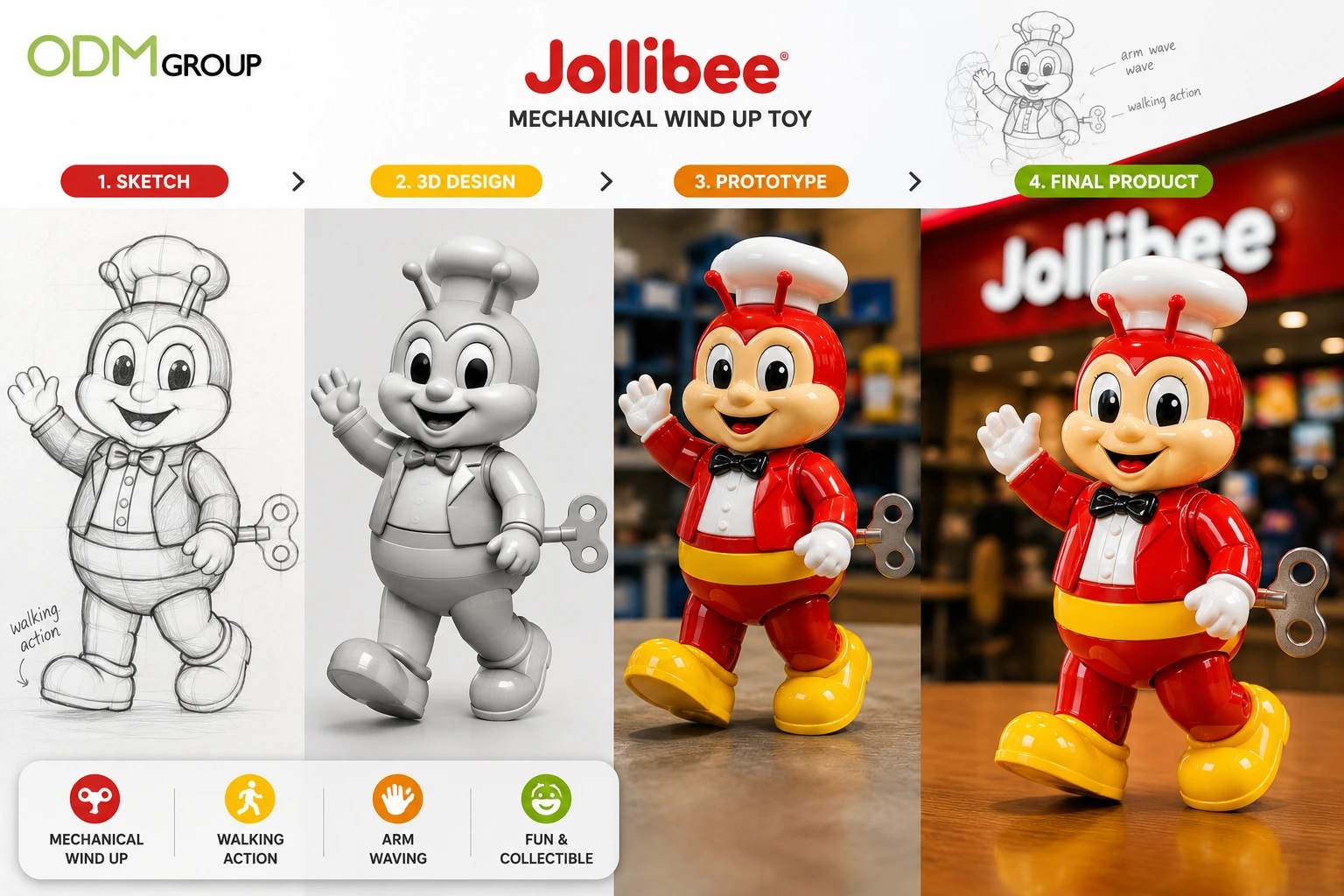
Key considerations often include:
- Character and form: shaping the toy around a recognizable figure or concept
- Movement style: walking, shaking, or rotating depending on the message
- Material and finish: balancing cost with perceived value
- Brand integration: keeping it visible without overwhelming the design
The goal is not to over-design the product, but to make sure it fits naturally into how customers will interact with it.
Packaging as Part of the Experience
With mechanical wind up toys, packaging is often overlooked. Yet it plays an important role in how the product is perceived, especially in retail.
A well-considered packaging approach can:
- make the product feel more like a gift rather than a giveaway
- protect the mechanism during transport
- create an opportunity to tell a simple brand story
In some cases, packaging can also extend the interaction. A short message, visual cue, or even a simple instruction can guide the user toward engaging with the product immediately.
From Concept to Execution
For brands, the challenge is rarely finding a product. It is making sure the product works within the campaign.
This is where ODM Group supports the process.
Rather than focusing only on sourcing, ODM works with brands at the early stages, helping define how mechanical wind up toys can fit into a broader marketing strategy. This includes:
- developing initial concepts and sketch directions
- refining character and movement based on campaign goals
- designing packaging that supports both retail and usability
- identifying the right manufacturing partners for consistent quality
- managing production, quality control, and shipping
By aligning these steps early, the final product is more likely to perform as intended in real-world conditions.
Final Thought
In many campaigns, the most effective ideas are not the most complex. They are the ones that create a clear, immediate interaction.
Mechanical wind up toys do exactly that. They introduce movement, invite engagement, and create small moments that customers remember.
For brands looking to move beyond passive giveaways, that shift can make a meaningful difference.
Planning a Campaign Using Mechanical Wind Up Toys? If you are exploring interactive promotional ideas, it is worth considering how the product fits into the overall experience—not just what it looks like.
ODM Group works with brands to develop these ideas from the ground up, helping turn simple formats into campaign tools that engage customers and support real marketing objectives. Contact our team today! Use code: ODM-5178 to get a detailed quote.
More Ideas


FAQs about Mechanical Wind Up Toys
Are mechanical wind up toys suitable for premium brands?
They can be, when the design, materials, and packaging are aligned with the brand’s positioning. The mechanism itself is simple, but the execution determines perception.
How can brands make these toys feel less generic?
By focusing on character design and movement. Custom shapes and thoughtful branding integration tend to create a more distinctive result.
Do these products work in digital-heavy campaigns?
Yes. Their physical interaction can complement digital strategies, especially when tied to social sharing or user-generated content.
What should be prioritized: cost or design?
Both matter, but design usually has a stronger impact on engagement. A well-designed product often delivers more value than a cheaper, generic option.
Related Blogs
Light Up Figurines: Illuminated Collectibles That Bring Action to Life
Light up figurines combine collectible character design with integrated [...]
Magnetic Reusable Water Balloons for Interactive Promotions
Outdoor campaigns succeed when promotional products enhance the experience. [...]
Level Up Brand Promotions With 3D Pin Art Toy Ideas
A 3D pin art toy turns a familiar novelty [...]
DIY Kite Kits for Family-Focused Campaigns
Marketing to kids and parents works best when it [...]
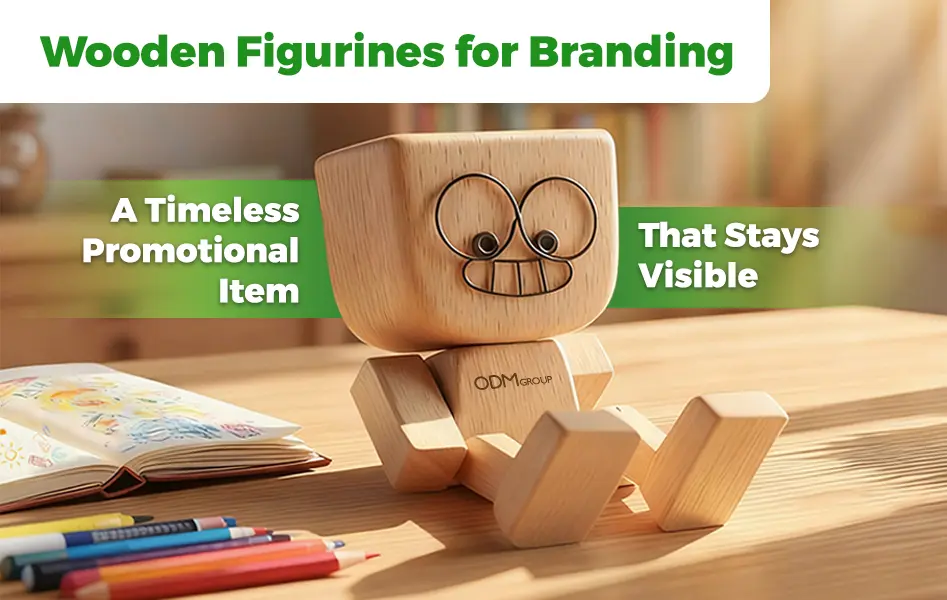
Moving Wooden Figurines for Branding and Promotional Campaigns
Wooden figurines may look simple at first glance, but [...]
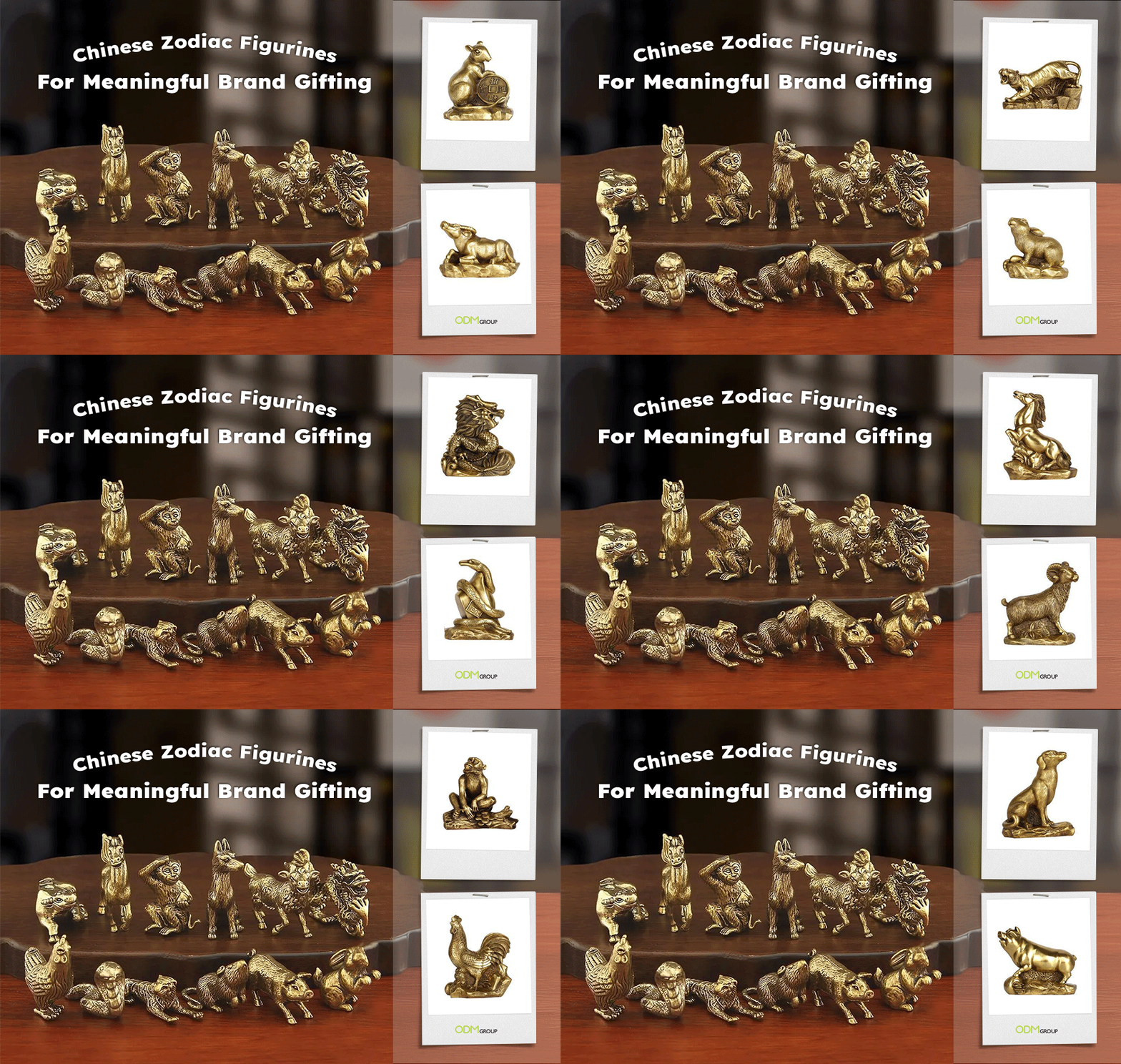
Chinese Zodiac Figurines for Premium Promotional Gifting
Chinese zodiac figurines are often selected by brand and [...]