
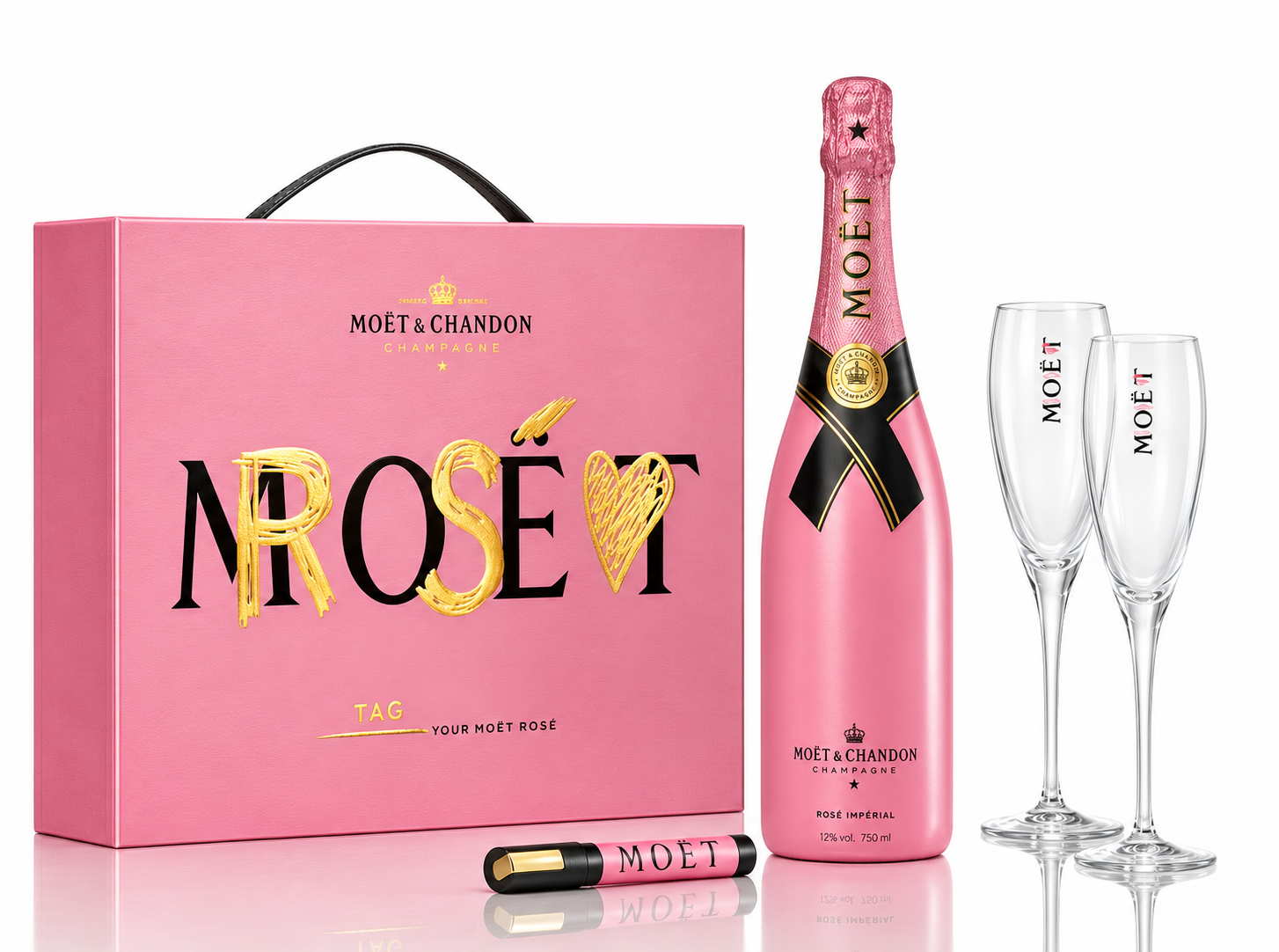
A promotional gift box becomes more memorable when the recipient has a part in the experience. Moët & Chandon’s rosé gift set brings together pink packaging, branded champagne glasses, and a gold marker that lets the giver add a personal message.
The appeal lies in how those elements work together: a recognizable product, accessories for sharing it, and a simple way to make the gift feel individual. For brand managers planning seasonal packaging, it offers a useful lesson in combining presentation with participation.
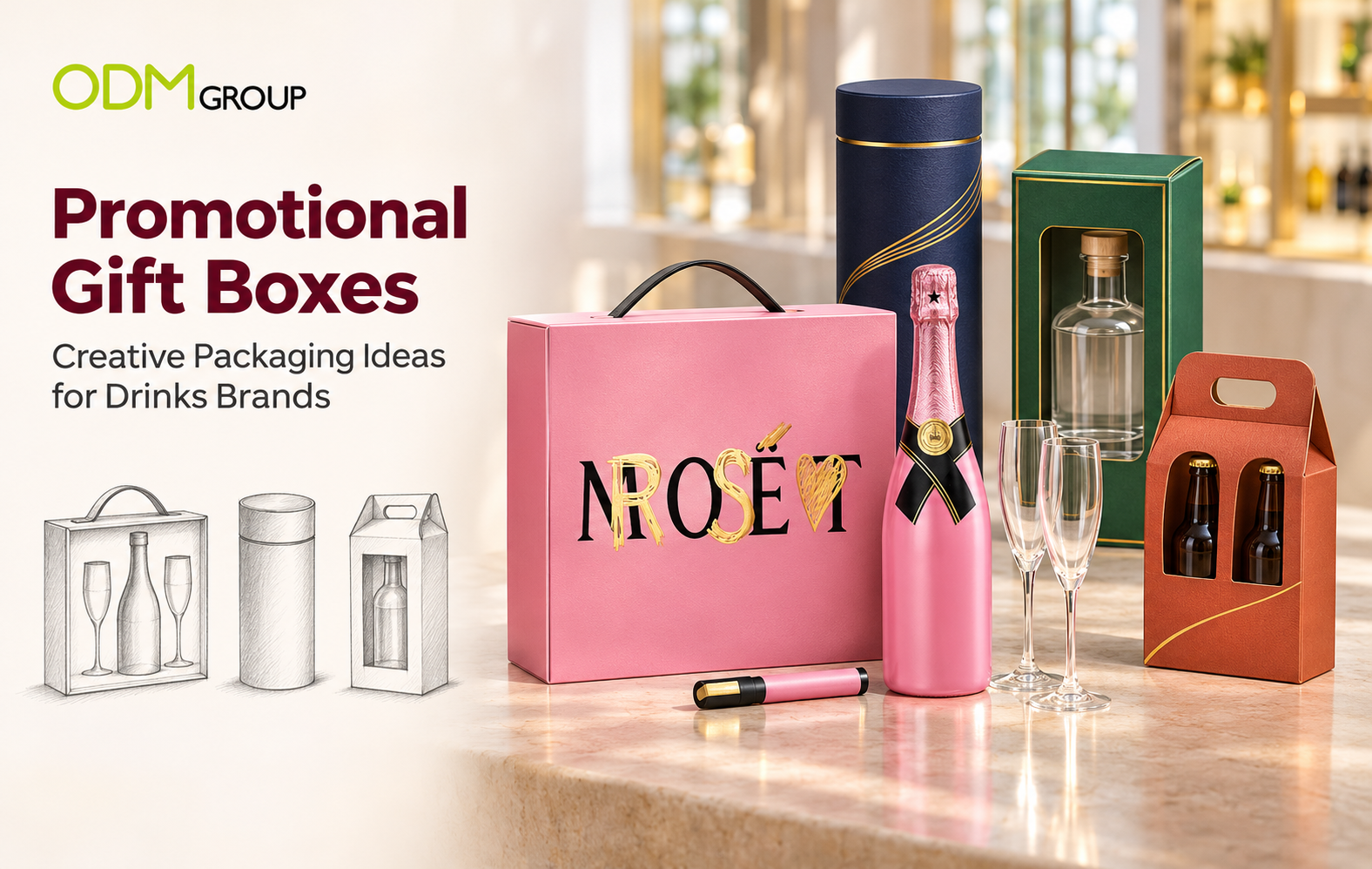
This article examines a third-party Moët & Chandon promotion for design inspiration. It is not presented as an ODM-designed or manufactured project.
Inside the Moët Rosé Gift Set
The set pairs a rosé champagne bottle with two branded glasses and a gold marker, coordinated with a pink-handled gift box. The marker allows the giver to write a message across the bottle label.
Gold handwritten-style graphics add an expressive element to the presentation, while the glassware carries the brand into the serving experience. The ODM Group
This is a historical promotional example. Current availability, pricing, launch market, and purchase conditions are not established here.
What Makes the Packaging Idea Effective?
The accessories belong to the occasion
Two glasses give the set a clear purpose: a shared celebration. Every additional item should earn its place in the box by supporting how the main product will be used.
For your own campaign, start with that use occasion. A coffee gift might pair a blend with two cups, while a tea collection could include an infuser. Choose accessories that complete the experience before considering decorative extras.
Personalization becomes part of giving
A handwritten message creates room for the giver’s own words. The brand sets the visual direction, but the customer adds the meaning.
The same principle can inform a new packaging concept through a writable sleeve, removable tag, message card, or dedicated panel. Choose the format around the available space and the surface the customer will actually write on.
ODM Insight: Design the writing area and pen as a pair. Ink contrast, drying time, smudging, and surface finish all need checking on a decorated sample.
The presentation balances recognition and expression
Pink establishes the visual theme, while handwritten-style accents introduce a more spontaneous feel. The broader design lesson is to give a premium identity room for personality without making the pack difficult to read.
When adapting this approach, decide which elements stay consistent—such as the logo, typography, and product information—and where the customer can contribute. A defined message area keeps personalization intentional.
Turn the Inspiration into Your Own Gift-Box Concept
Use the underlying idea to develop an original design for your brand. Start with the occasion, select useful companion items, and decide where personalization adds value.
| Design decision | Options to explore | What to review |
|---|---|---|
| Box structure | Handled presentation box, rigid lift-off lid, or folding carton | Contents, opening experience, carrying method, and packed dimensions |
| Personal message | Writable panel, bottle tag, sleeve, or separate card | Writing space, ink compatibility, and legibility |
| Companion item | Glassware, cups, serving accessories, or a relevant keepsake | Usefulness, audience fit, and space inside the box |
| Finishing | Foil details, embossing, textured paper, or a bold printed pattern | Artwork clarity, rubbing, cost, and material compatibility |
Develop the structure and artwork together. A finish that looks attractive on a flat sheet may behave differently around folds, corners, handles, or cutouts. Explore custom packaging design around the actual contents.
Plan for the Shelf and the Journey Home
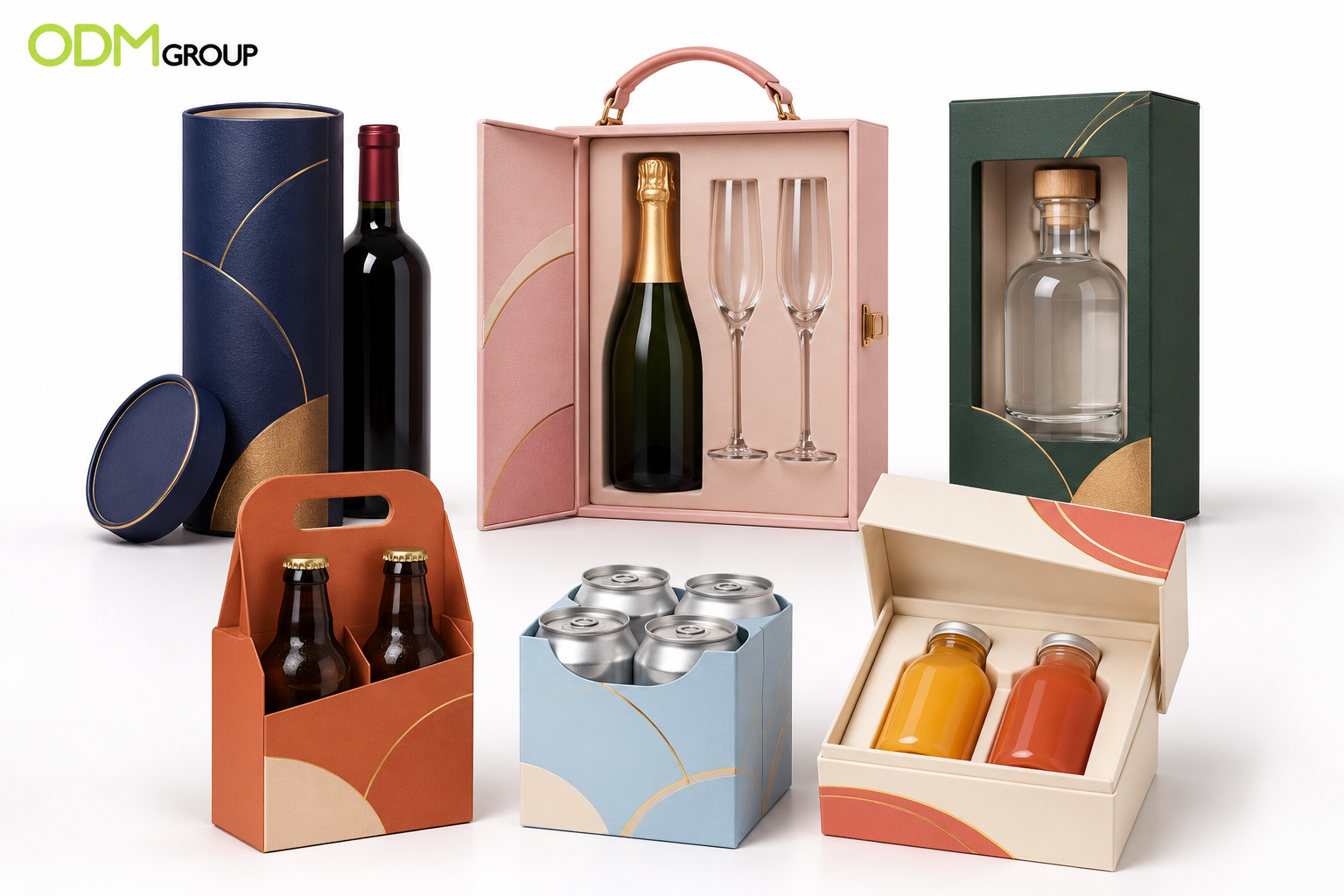
A gift box needs to communicate its contents before it is opened. Make the product name, included accessories, and personalization feature easy to understand through concise copy, clear product imagery, or an appropriate window.
For a bottle-and-glass set, assess how the internal structure separates and supports each item. Check that recipients can remove the contents without struggling with the insert or putting pressure on delicate components.
If the concept includes a carry handle, evaluate it with the complete packed weight. Retail display packaging and individual delivery may also need different levels of outer protection.
ODM Insight: Review the gift in three conditions: on display, carried while fully packed, and opened by the recipient. Each stage can reveal an issue that a visual mockup will miss.
A different arrangement of bottle, glassware, and accessories can change the entire structure. This custom beer gift-set example offers another packaging format to consider during concept development.
What to Confirm Before Approving a Seasonal Gift Set
Build the brief around the intended adult audience, distribution channel, launch market, target quantity, budget, and required delivery date. Then confirm the details that determine whether the idea is practical:
- Actual contents: Final bottle and accessory dimensions, weights, and shapes.
- Internal fit: Secure positioning, separation, and straightforward removal.
- Decoration: Logo placement, color references, finish quality, and artwork alignment.
- Personalization: Instructions and writing performance on the selected surface.
- Handling: Closure, handle attachment, inserts, and outer protection.
Minimum quantities and timing depend on the structure, materials, decoration, accessory selection, assembly, and required testing. Allow time for physical prototype review and revisions before approving the final specification.
Develop a Promotional Gift Box with ODM
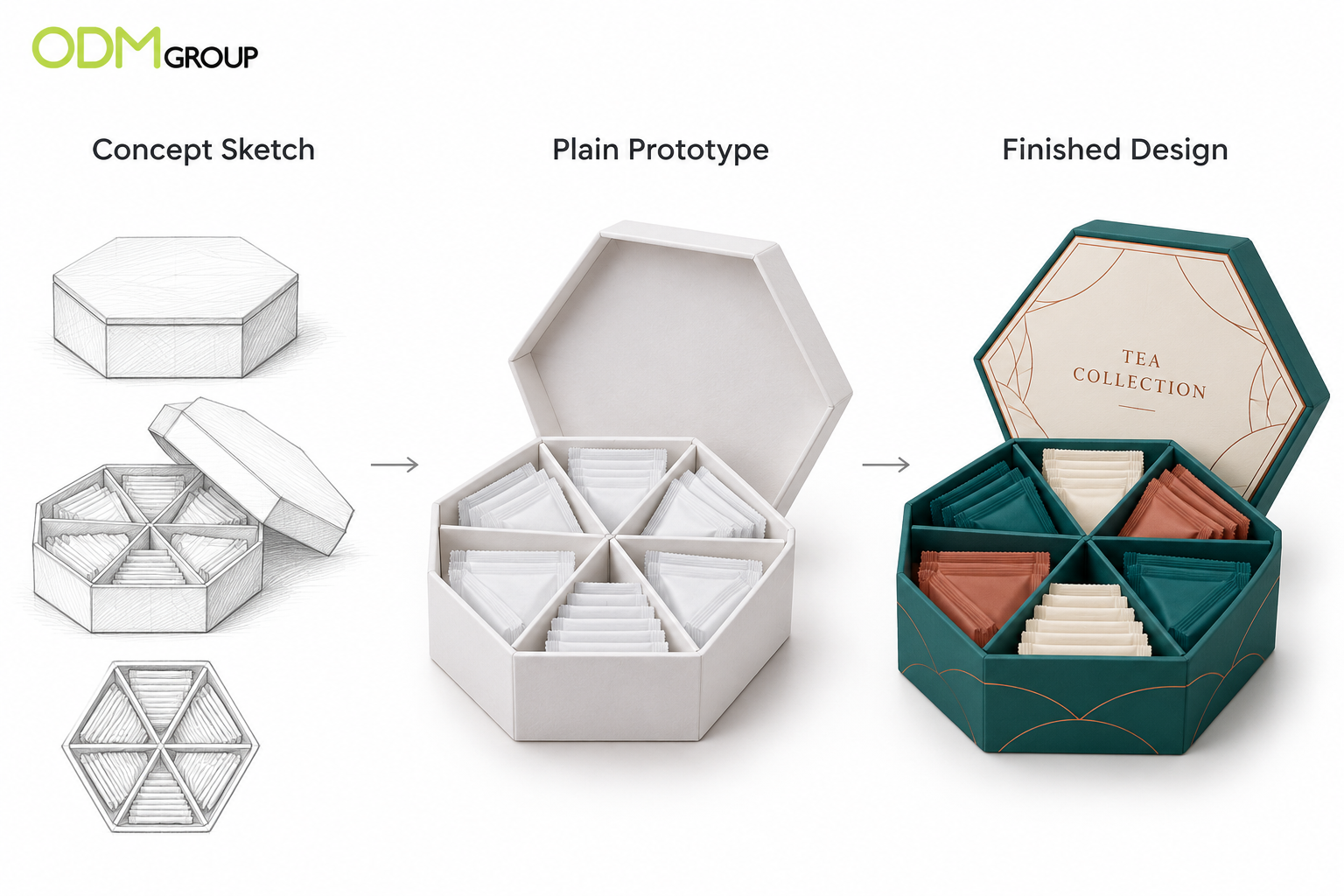
ODM develops creative concepts for promotional merchandise, gift packaging, and retail displays. A seasonal brief can bring together the main product, relevant accessories, original artwork, and a personal message feature.
Share your gift-box brief with ODM, including the contents, audience, target quantity, budget, launch market, and deadline, to explore a concept tailored to your campaign.
More Ideas


FAQs about Promotional Gift Boxes
Can we develop a gift box around our product’s shape?
Yes. Start with the product’s dimensions, weight, and orientation inside the box. The structure and insert should hold it securely, allow easy removal, and leave enough space for any accessories.
Which box structure should we choose?
Choose the structure around the contents, presentation, and distribution method. A folding carton may suit a compact retail gift, while a rigid box offers a more substantial opening experience. Compare physical samples before deciding.
How do we keep different items secure inside one box?
Develop an insert with separate compartments or fitted recesses for each item. Check the complete packed set to ensure the contents stay in position without rubbing against one another or becoming difficult to remove.
How can we make the packaging look premium within our budget?
Prioritize accurate fit, clean printing, and neatly finished edges. Then compare selective details such as foil stamping, embossing, or textured paper. A few well-executed features can create a more cohesive presentation than several competing finishes
More Blogs
How Aluminum Tube Cosmetic Packaging Are Made and Tested
As sustainability becomes a core focus in the cosmetics [...]
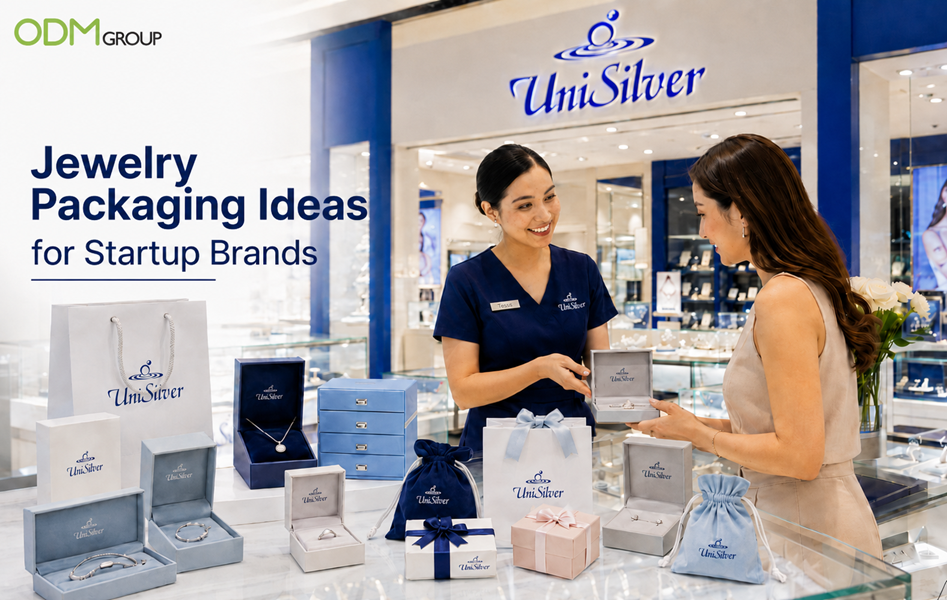
Sparkle on a Budget: Affordable Jewelry Packaging Ideas
When it comes to launching a jewelry business, presentation [...]
Custom Rigid Boxes: Innovative Packaging Solutions in Beverage Industry
Custom rigid boxes, known for their strong build and [...]
Bamboo Packaging Manufacturer: A Guide for Brands Developing Custom Packaging
Bamboo packaging can give brands a distinctive alternative [...]
Dual-Purpose Packaging Ideas That Add Lasting Value
Dual-purpose packaging protects and presents a product before becoming [...]
5 Reasons this Custom Champagne Ice Jacket Turn Heads
As seasons change, certain products are affected by this [...]