
Table of Contents
What Is Consumer Electronics Marketing?
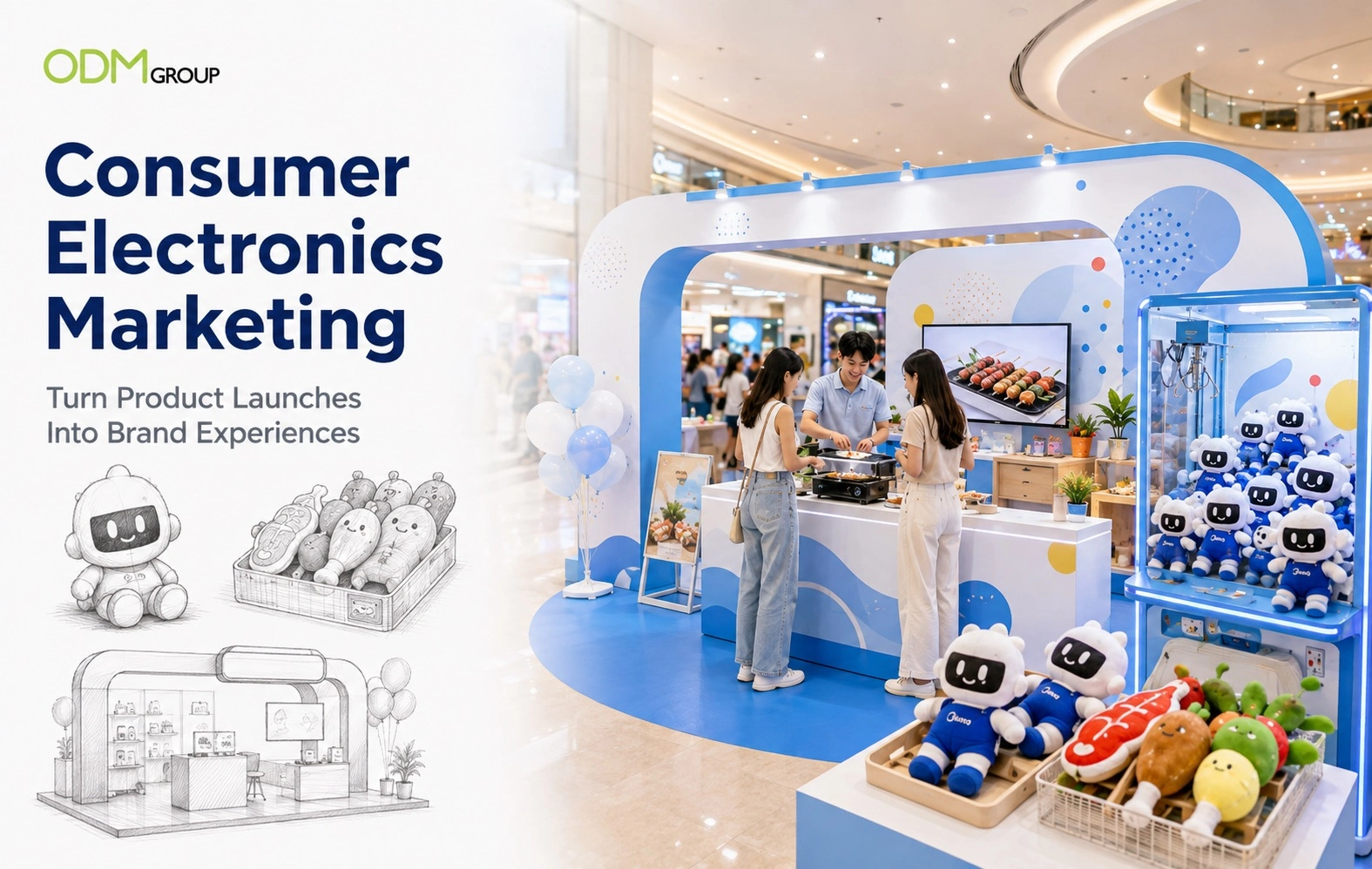
Consumer electronics marketing covers the strategies brands use to introduce, promote, and sell electronic products to consumers. It includes everything from digital advertising and influencer marketing to retail displays, demonstrations, promotional campaigns, events, and product launch marketing.
A strong consumer electronics marketing strategy should help customers understand both what a product does and why it matters to them. This becomes especially important in competitive categories where several products may offer similar specifications. Marketing therefore needs to make the product easier to evaluate while creating a distinctive brand experience.
Common objectives include:
- Building awareness around a new product
- Communicating features in a simple way
- Demonstrating practical consumer benefits
- Encouraging product trial
- Increasing retail traffic
- Supporting purchase decisions
- Strengthening brand recognition
- Creating engagement beyond the initial sale
Why Consumer Electronics Need More Than Feature-Based Advertising
Technical specifications remain important, particularly for consumers comparing several products. However, specifications alone rarely communicate the complete experience of using a product. A feature such as low-smoke grilling, quiet operation, compact storage, or intelligent controls becomes more meaningful when customers can see what that feature changes in everyday life.
Effective electronics product marketing therefore connects a product feature with a practical outcome. Instead of communicating technology in isolation, brands can demonstrate how the product fits into a consumer’s home, routine, hobbies, or social occasions.
A useful framework is:
Product feature → Practical benefit → Consumer experience
Learn From a Real-World Case: Midea Turns a Grill Launch Into a BBQ Experience
Last week, the ODM team visited a mall in Vietnam and came across a Midea pop-up event for a new grill launch. Instead of simply displaying the appliance, Midea created an interactive BBQ experience that encouraged shoppers to stop, try the product, and engage with the brand.
The activation combined several elements:
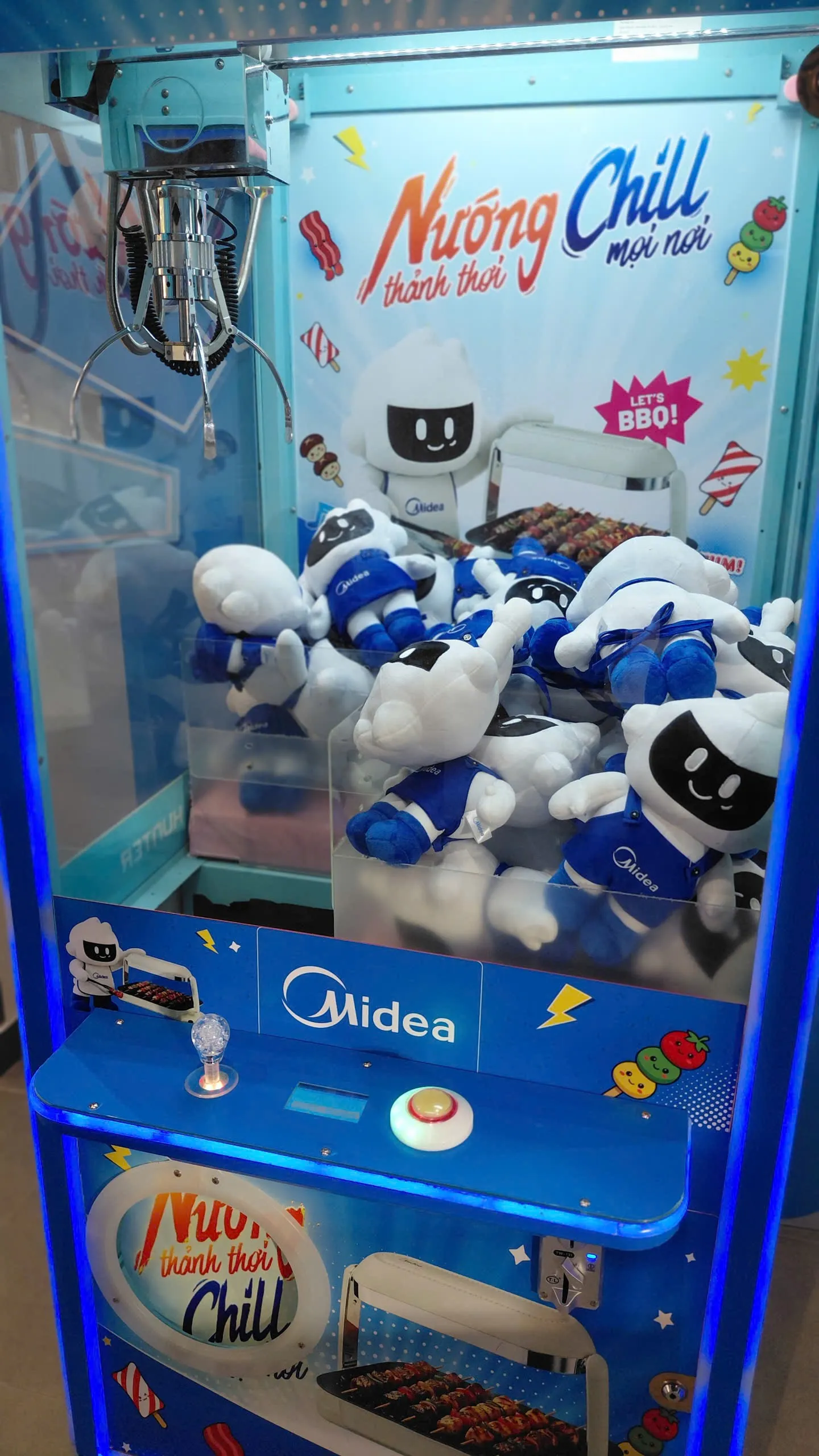
✔ Promotional Gifts
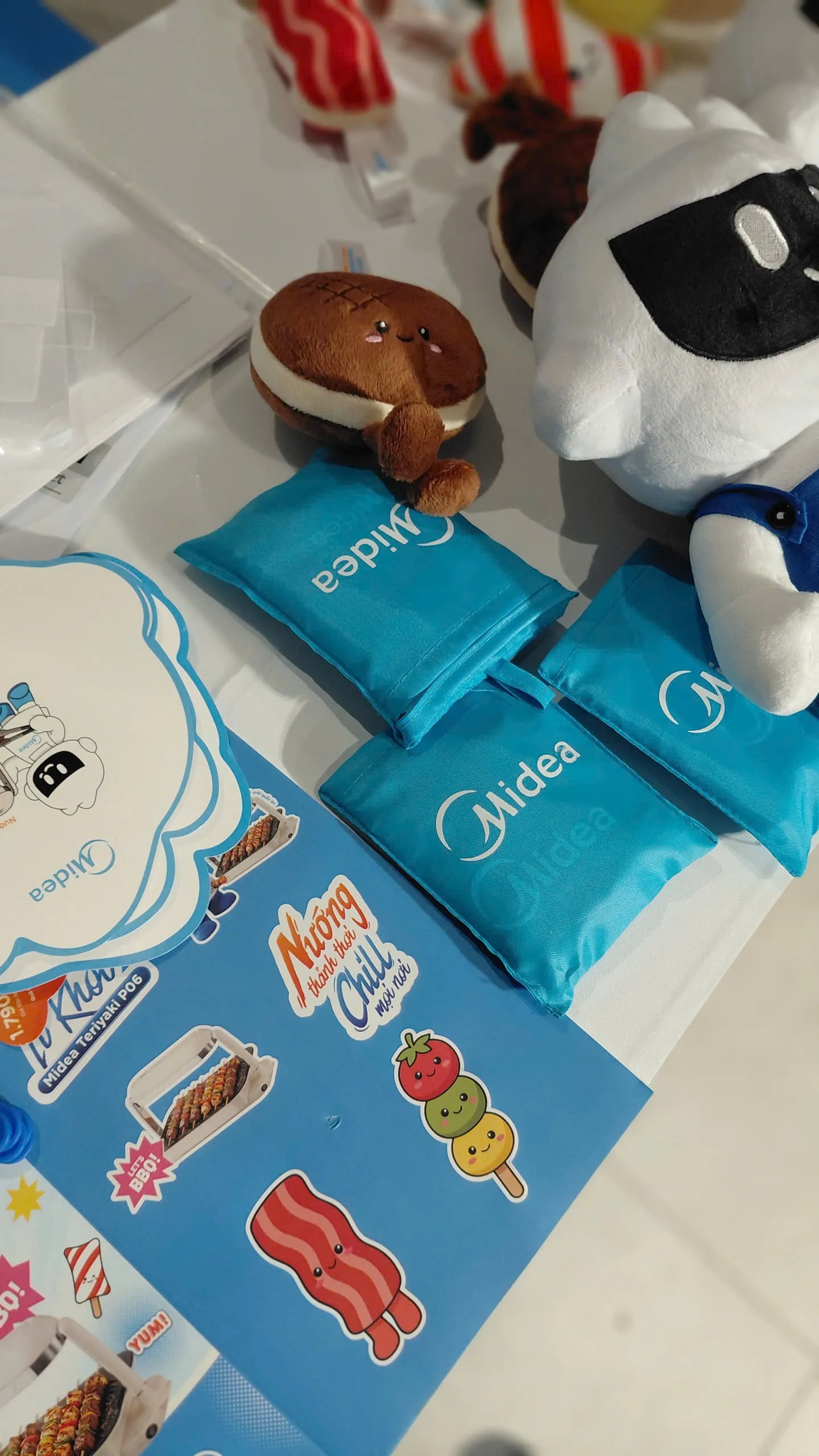
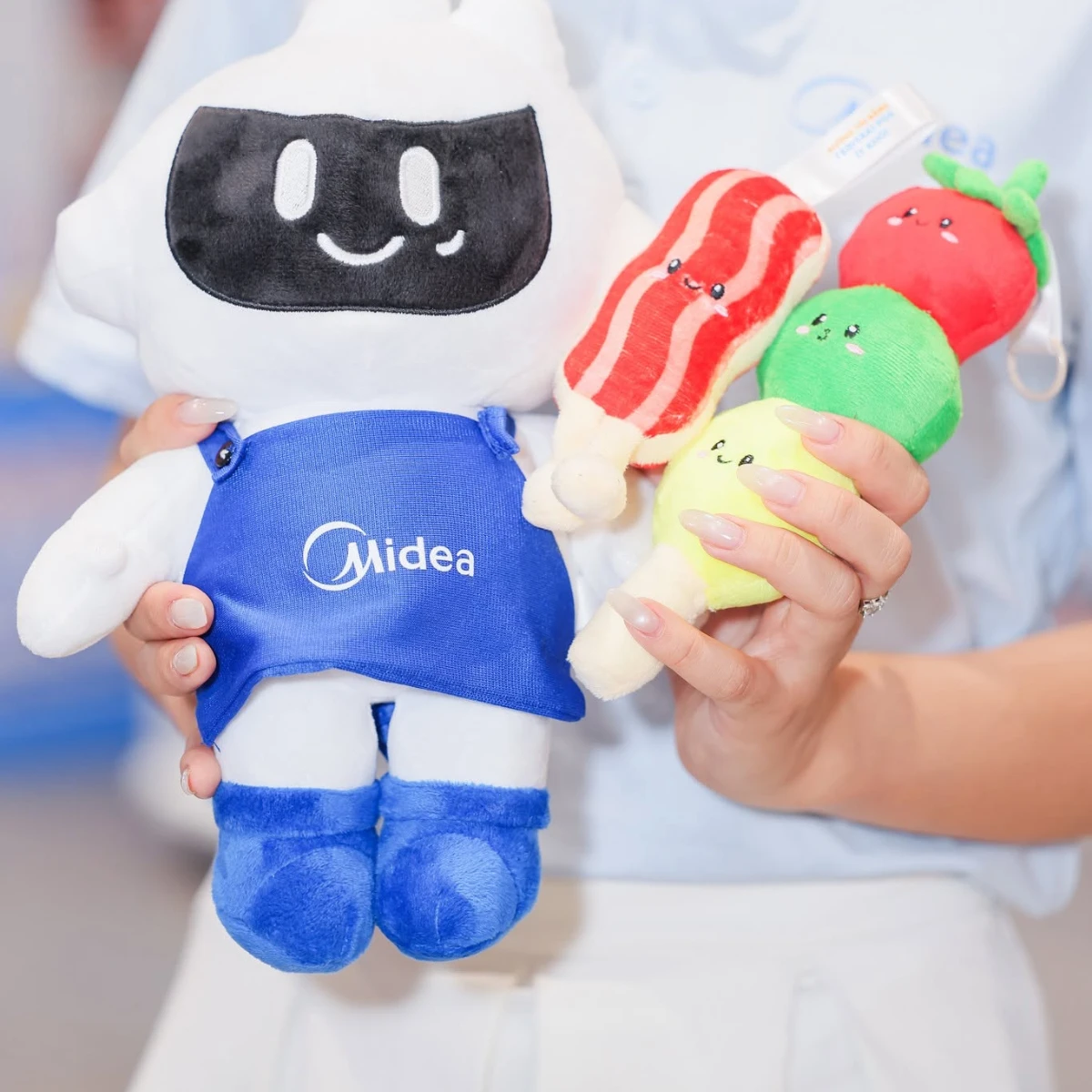
Midea used food-shaped plush toys and mascot-shaped plush toys as promotional gifts. Instead of choosing generic giveaways, these items connected with the playful BBQ theme and gave visitors a physical reminder of the event. Character-based merchandise can also work particularly well for consumer brands because it creates opportunities for collectible designs, seasonal editions, and future campaign extensions.
Source: Midea Fanpage
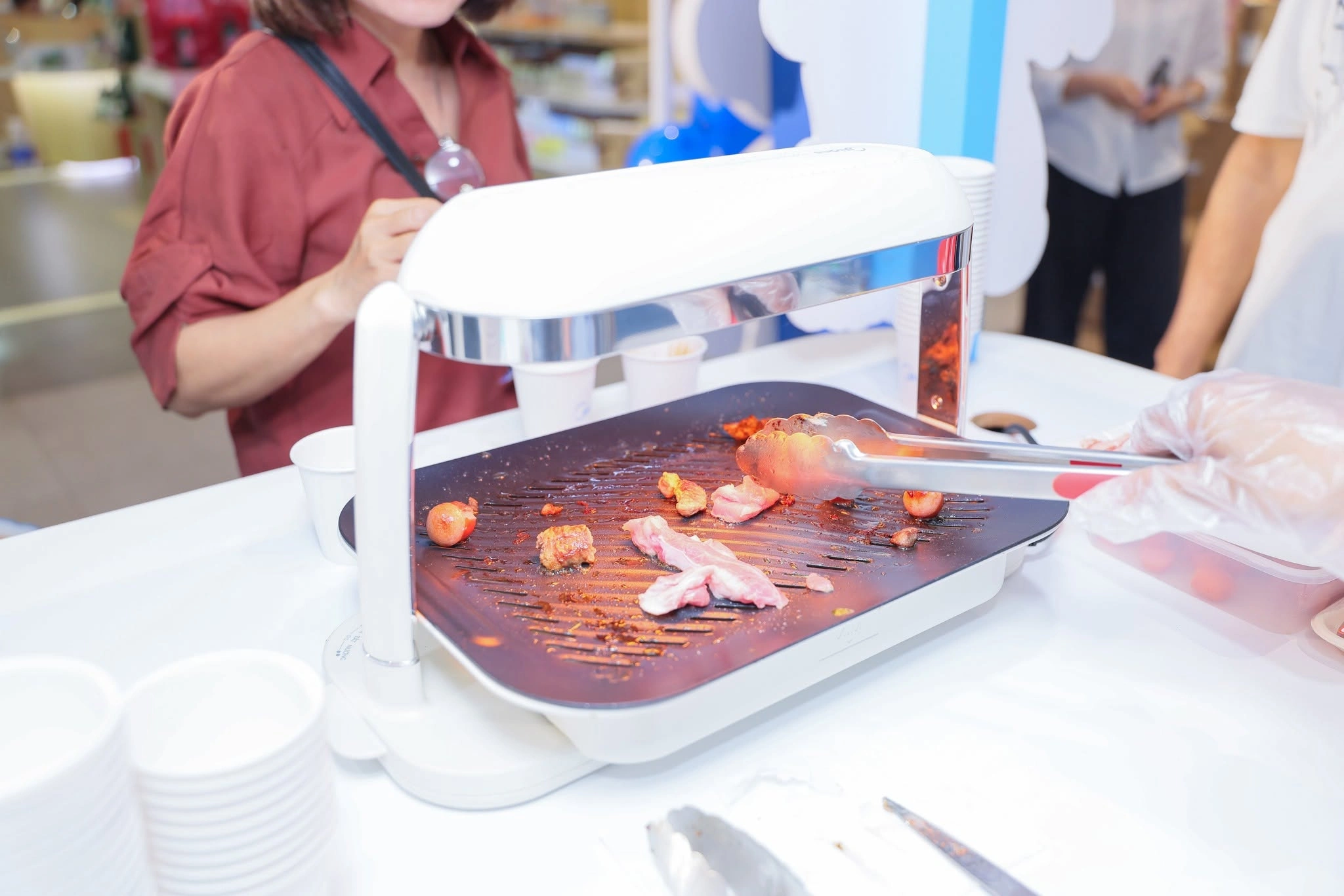
✔ Product Trial Booth
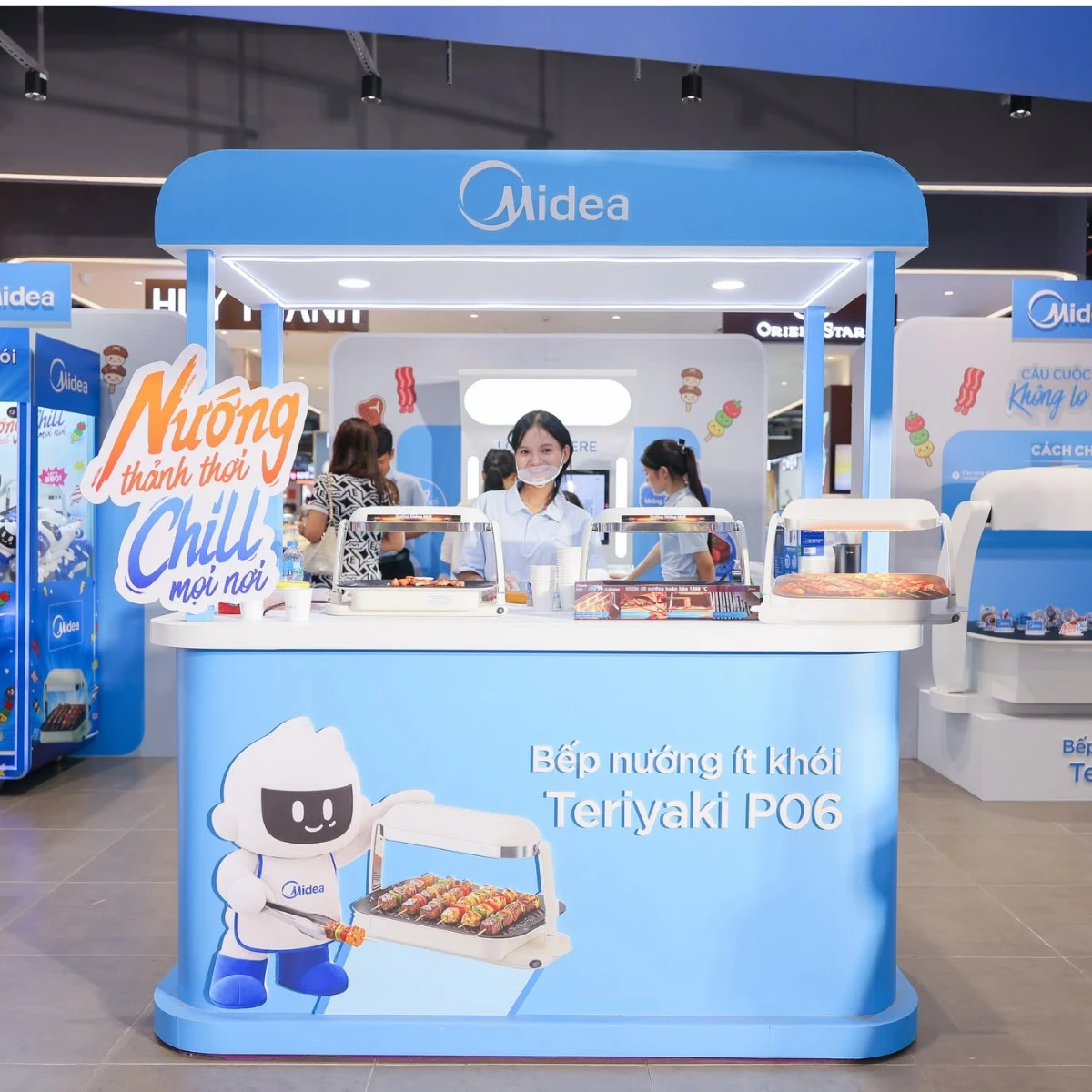
A dedicated booth allowed visitors to try food prepared using the new grill. This turns the product’s features into a direct experience: consumers can see the appliance operating, observe the cooking process, and taste the final result. For kitchen appliances in particular, live demonstrations can communicate performance more effectively than technical specifications alone.
Source: Midea Fanpage
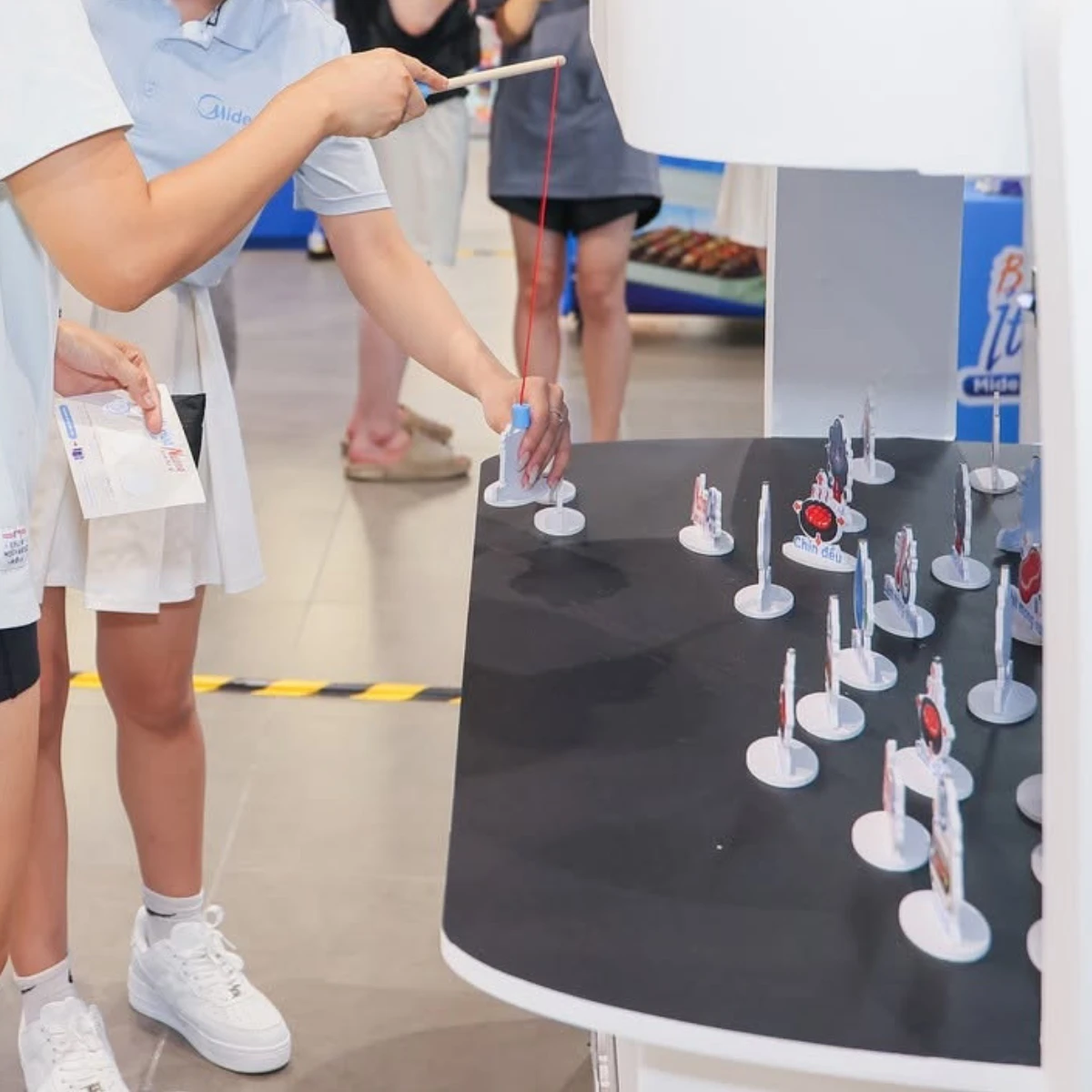
✔ Interactive Games
The activation also included interactive games using custom-designed branded items. These activities gave shoppers another reason to stop, participate, and spend more time at the event. Custom game elements can be designed around the product, campaign theme, or brand identity, helping the interaction feel integrated with the launch rather than added as a separate entertainment feature.
Source: Midea Fanpage
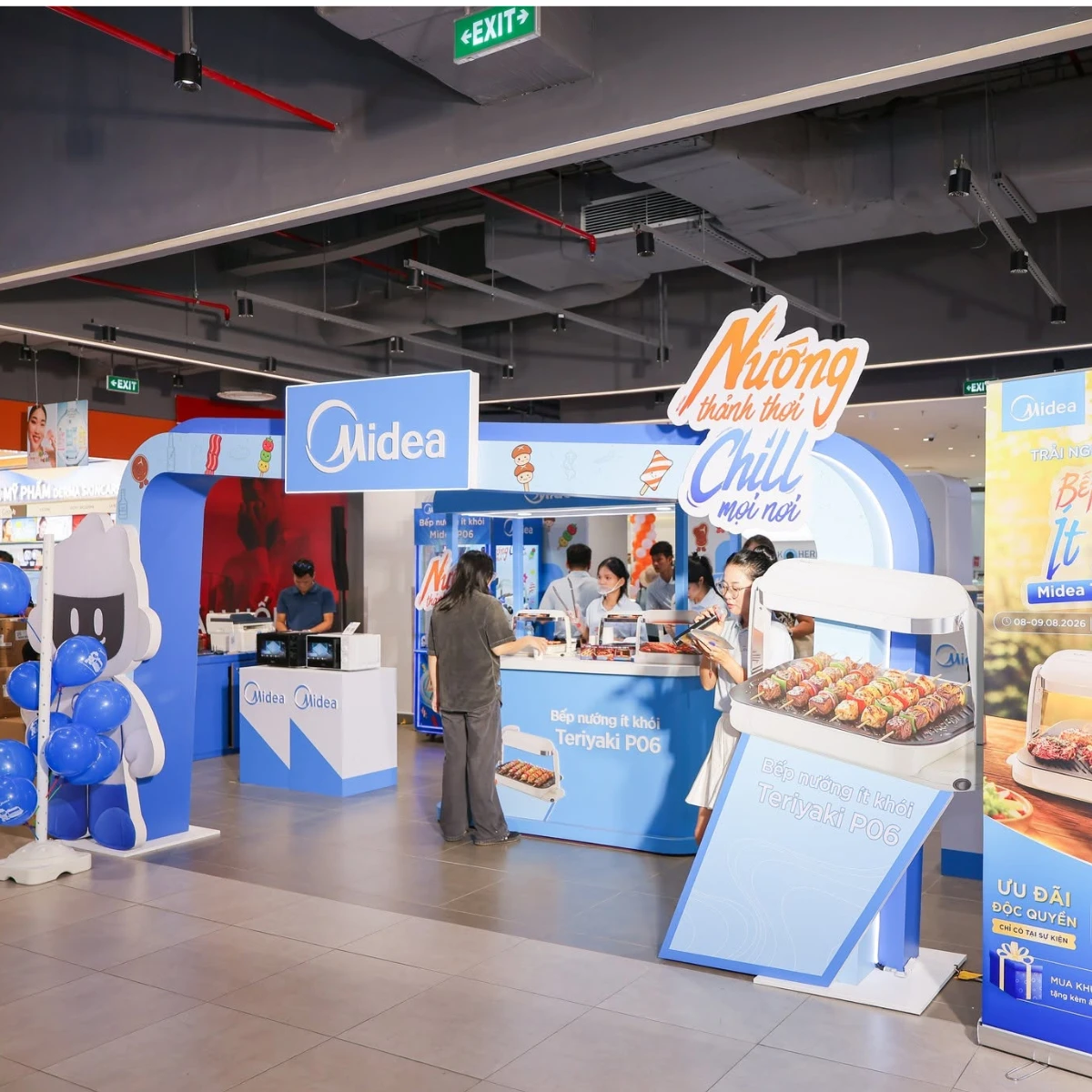
✔ Pop-Up Booth Display
The temporary booth brought the product demonstration, merchandise, games, and branding together in one retail environment. A well-designed pop-up display can help a consumer electronics brand stand out in a busy mall while creating a clear destination for product discovery. It can also be designed for modular use, allowing campaign components to be adapted for different malls, stores, roadshows, or launch events.
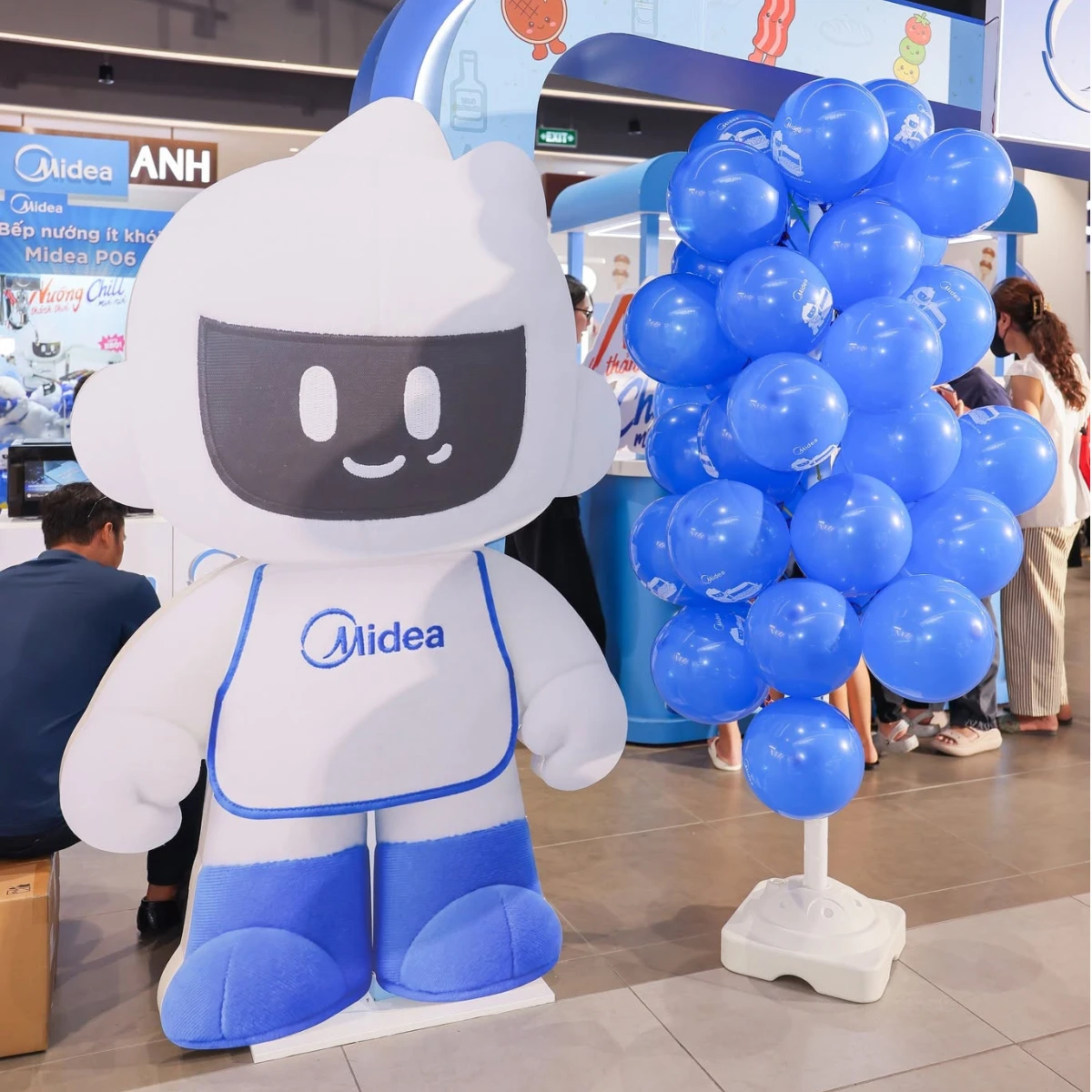
Source: Midea Fanpage
Together, these elements show how a consumer electronics product launch can move beyond traditional product promotion. The appliance remains the hero, while the surrounding experience gives consumers more ways to discover, understand, and remember it.
Promotional Merchandise Can Extend a Product Launch
Promotional merchandise can play a supporting role in consumer electronics marketing by giving consumers something tangible to take away from an activation. In Midea’s campaign, items such as plush toys, foldable shopping bags, and handheld fans add another layer of participation beyond the appliance demonstration.
The promotional item does not need to replicate the electronics product itself. In many cases, the better approach is to select merchandise connected to the product category, consumer lifestyle, or campaign occasion.
Examples include:
- Kitchen appliances: aprons, utensil sets, serving accessories, reusable food containers
- Coffee machines: tumblers, cups, coffee accessories, storage containers
- Gaming products: desk accessories, collectibles, cable organizers
- Audio products: travel cases, headphone pouches, desk organizers
- Beauty electronics: cosmetic bags, mirrors, travel accessories
- Outdoor electronics: cooler bags, picnic accessories, foldable products
When the merchandise has a logical relationship with the hero product, it becomes part of the marketing story rather than simply another giveaway.
Build Social Engagement Into the Physical Activation
Physical experiential marketing can also support digital reach. A consumer attending a product launch may create photos, videos, reviews, or social posts that extend the campaign beyond the retail location.
Midea’s photobooth mechanic is one simple example. Electronics brands can also integrate:
- Branded photo areas
- Short product demo videos
- Social challenges
- Event hashtags
- Creator or influencer sessions
- User-generated content
- QR-based games
- Digital rewards
- Review activities
- Live demonstrations for social channels
These touchpoints should be designed into the activation early rather than treated as an afterthought. The physical and digital experience should reinforce the same product message.
How to Plan a Consumer Electronics Product Launch
A successful consumer electronics launch should begin with the customer problem rather than the event format. Once the main product benefit is clear, brands can decide which demonstrations, merchandise, displays, and promotional mechanics will communicate that benefit most effectively.
A practical planning process can include:
- 1Define the main consumer problem the product addresses
- 2Select the strongest feature or benefit to demonstrate
- 3Translate technical specifications into simple consumer language
- 4Choose an environment connected to the product’s use case
- 5Build demonstrations around realistic situations
- 6Develop suitable retail displays and POS materials
- 7Select promotional merchandise related to the campaign story
- 8Add interactive activities where they improve engagement
- 9Include opportunities for social content
- 10Connect the activation with purchase incentives or redemption
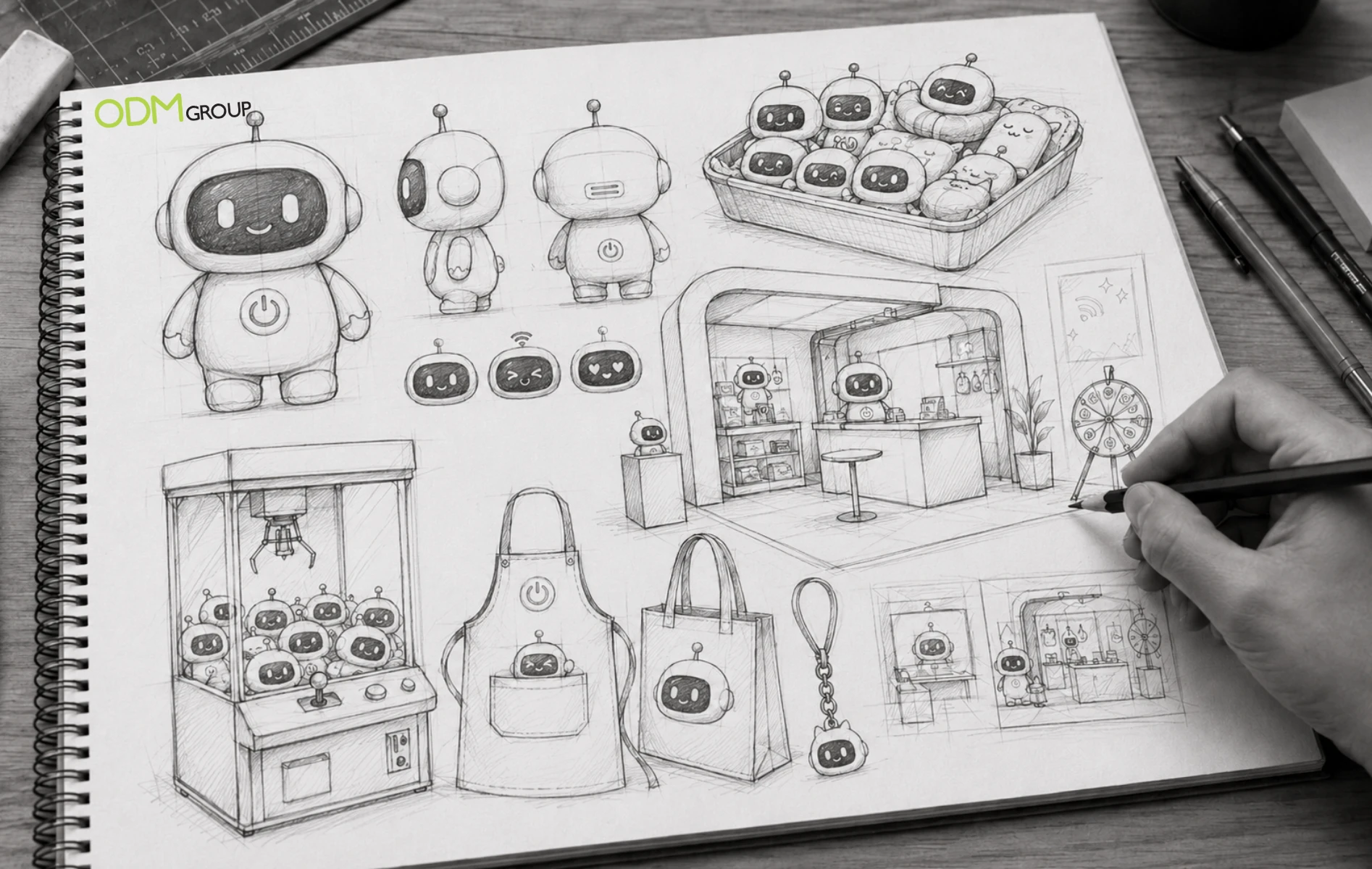
- 11Prototype displays and custom merchandise before rollout
- 12Plan production, installation, quality control, and logistics early
The goal is consistency. The product, display, promotional merchandise, event staff, and campaign mechanics should all communicate the same core proposition.
How ODM Group Can Support Consumer Electronics Marketing Campaigns
Consumer electronics campaigns often involve several suppliers and development stages, particularly when a brand requires custom merchandise, display structures, packaging, or event materials. Coordinating these elements early can help maintain design consistency and reduce problems closer to launch.
ODM Group works with brands and agencies on different components of retail and promotional programs, including:
This allows brands to develop the physical elements of a consumer electronics marketing campaign around one consistent creative direction, from early concept development through to final rollout.
Final thought
Consumer electronics marketing is more effective when a product becomes part of an experience, not just a list of specifications. Demonstrations, retail activation, branded merchandise, and purchase incentives can make product benefits easier to understand.
A recent Midea activation shows this well. BBQ tasting, interactive activities, giveaways, and promotional offers created a wider experience around the launch. The key lesson for electronics brands is simple: show how the product fits into consumers’ lives, then build the campaign around that experience.
At The ODM Group, we specialize in transforming creative concepts into market-ready merchandise through precision printing, professional design, and global manufacturing expertise. Contact us today to learn how we can help you design, source, and manufacture high-quality promotional products that elevate your brand awareness.
- Website: www.theodmgroup.com
- Email: info@theodmgroup.com
Frequently Asked Questions
Consumer electronics marketing promotes products such as appliances, smart devices, and personal electronics through advertising, retail activations, demonstrations, and promotional campaigns.
Brands can combine live demonstrations, product trials, interactive games, promotional gifts, and branded pop-up displays to create a more engaging launch experience.
Product demonstrations help consumers see how a product performs in a real-life setting and understand its benefits beyond technical specifications.
Brands can use accessories, mascot merchandise, collectibles, lifestyle products, and giveaways that connect with the main product or campaign theme.
ODM can support promotional merchandise, product sketches, POS displays, packaging, prototypes, factory selection, quality control, and logistics coordination. What is consumer electronics marketing?
How can brands make a consumer electronics product launch more engaging?
Why are product demonstrations important for electronics marketing?
What promotional products work well for consumer electronics campaigns?
How can ODM support consumer electronics marketing campaigns?
Explore more interesting blogs
Split-Flap Displays for Events, Retail and Brand Activations
Struggling to make your brand stand out in a crowded event or retail space? Unlike [...]
Beer Swag Ideas: Lessons from Heineken Silver’s Taiwan Campaign
Beer swag is evolving beyond traditional bottle openers and branded T-shirts. Beverage brands are [...]

Car Tissue Holder: A Creative Automotive Promotional Gift
A car tissue holder can be more than a practical accessory. With a distinctive [...]
6 Tips for a Sustainable and Functional Promotional Travel Kit
A promotional travel kit combines practical travel essentials with branded merchandise to create a [...]

Promotional Products for Pets: Ideas Inspired by SmartHeart Pet’s Homie
During a visit to Vietnam, the ODM team came across SmartHeart Pet’s Homie while [...]