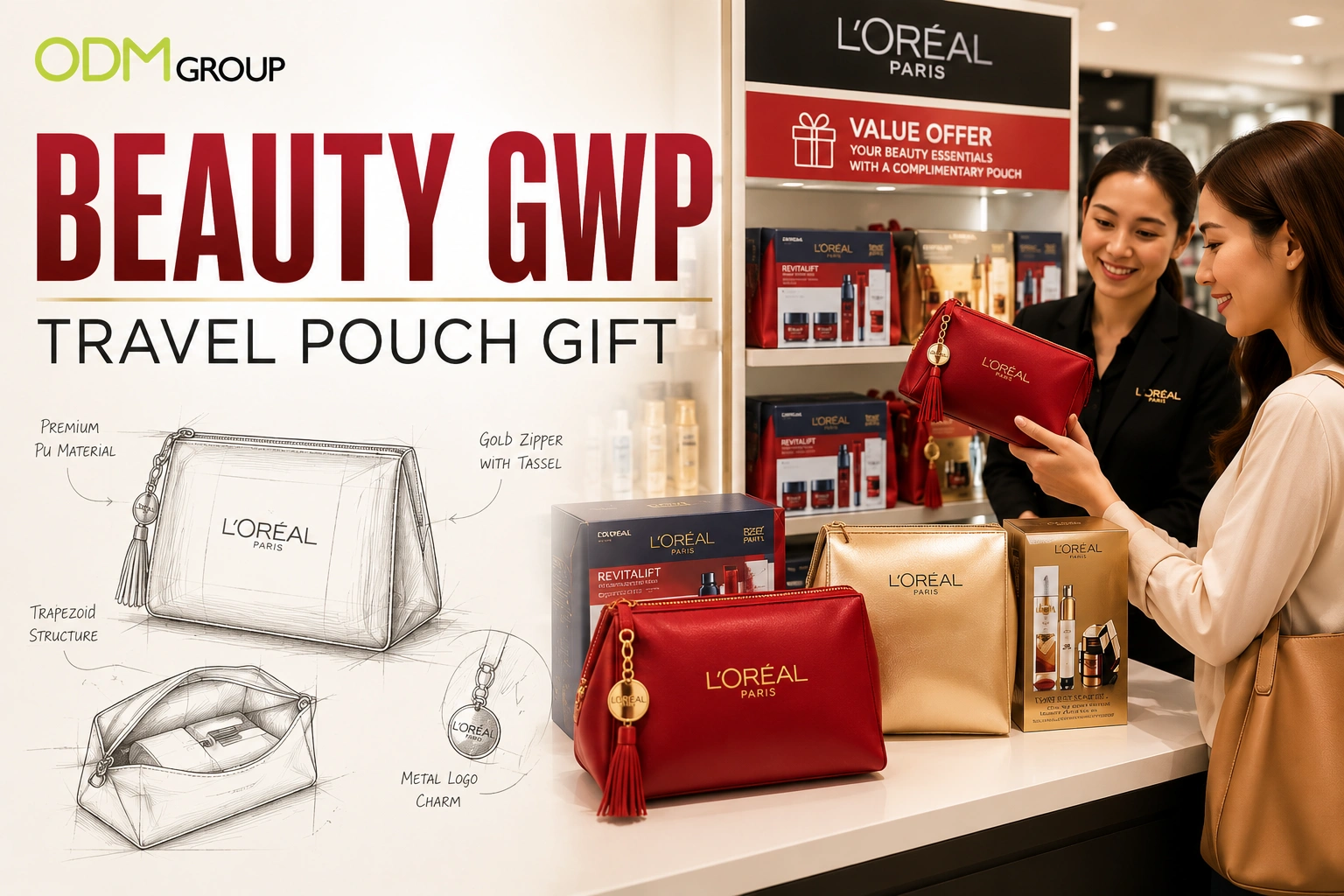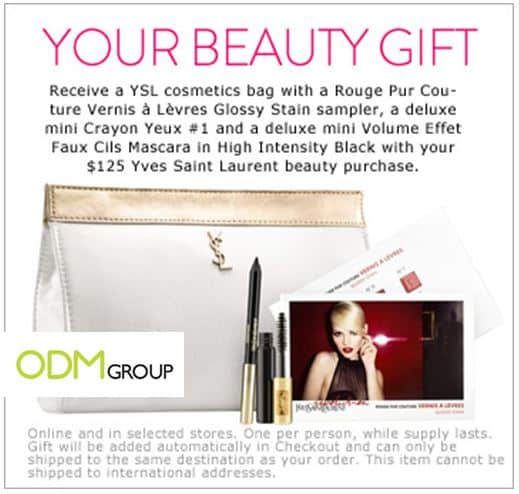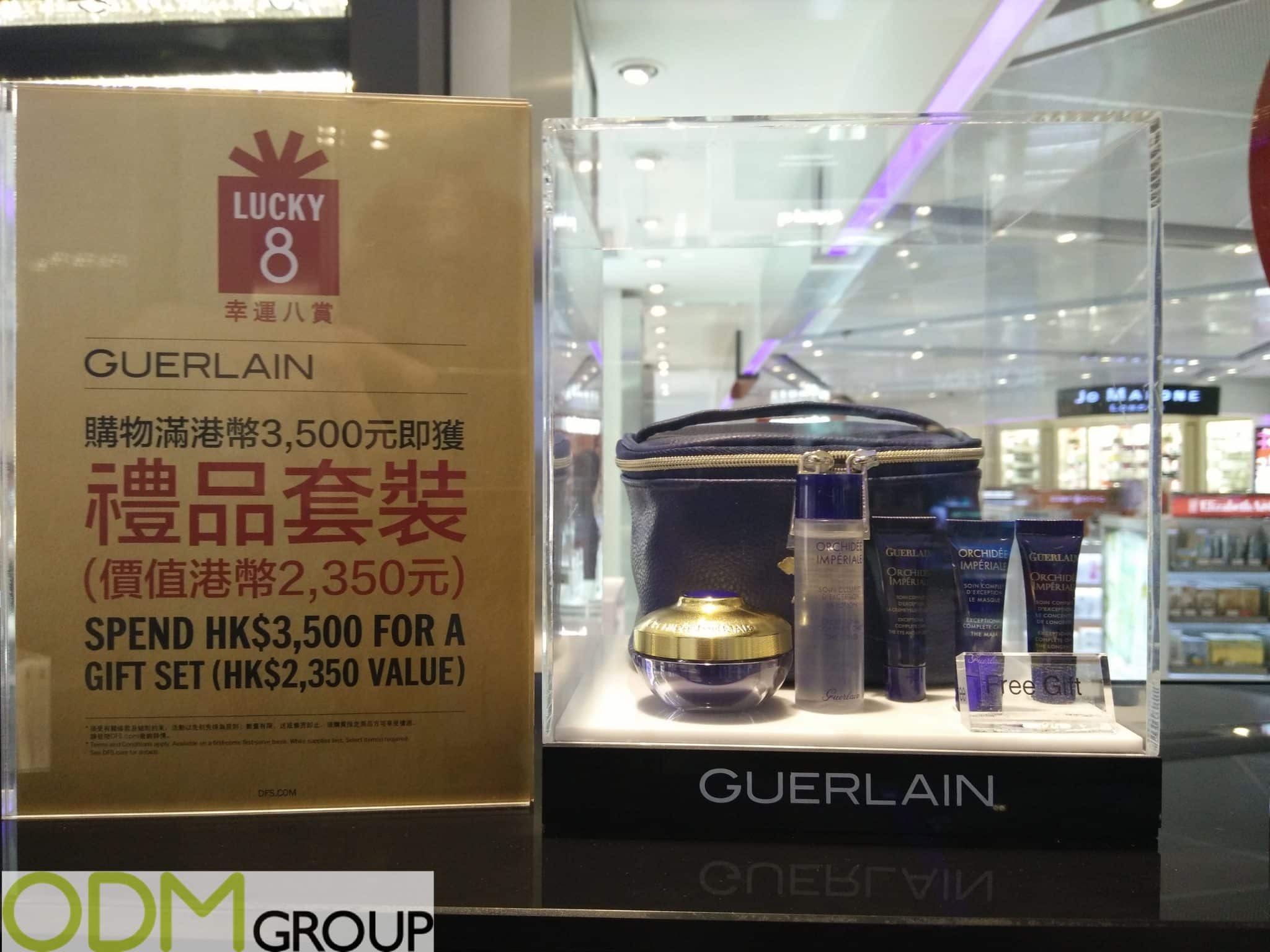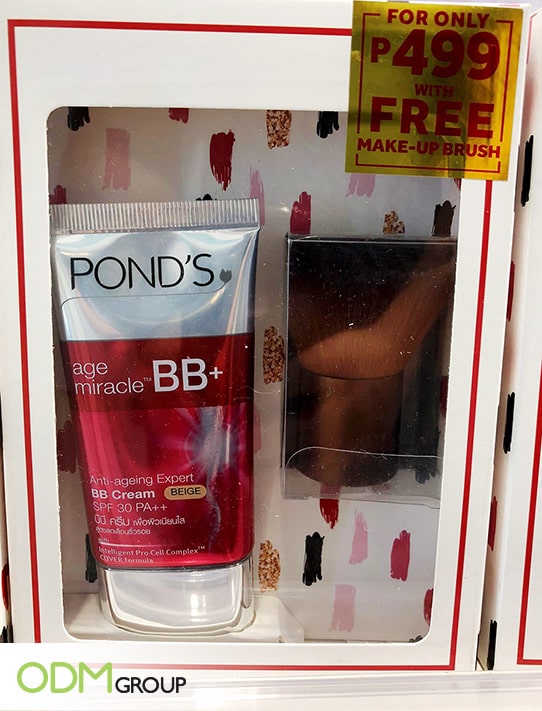
Most beauty packaging disappears within days. Cosmetics cases stay on vanity tables, travel through airports, sit inside handbags, and continue getting used long after the original products are gone.
That is exactly why beauty and fashion brands are investing in them more strategically.
A well-designed cosmetics case does more than hold products. It increases perceived value, improves gifting appeal, supports travel routines, and keeps the brand visible in everyday life. Instead of functioning like temporary packaging, it becomes part of the customer’s lifestyle.
For many beauty campaigns today, the cosmetics case is no longer the extra product. It is one of the main reasons customers remember the launch at all.
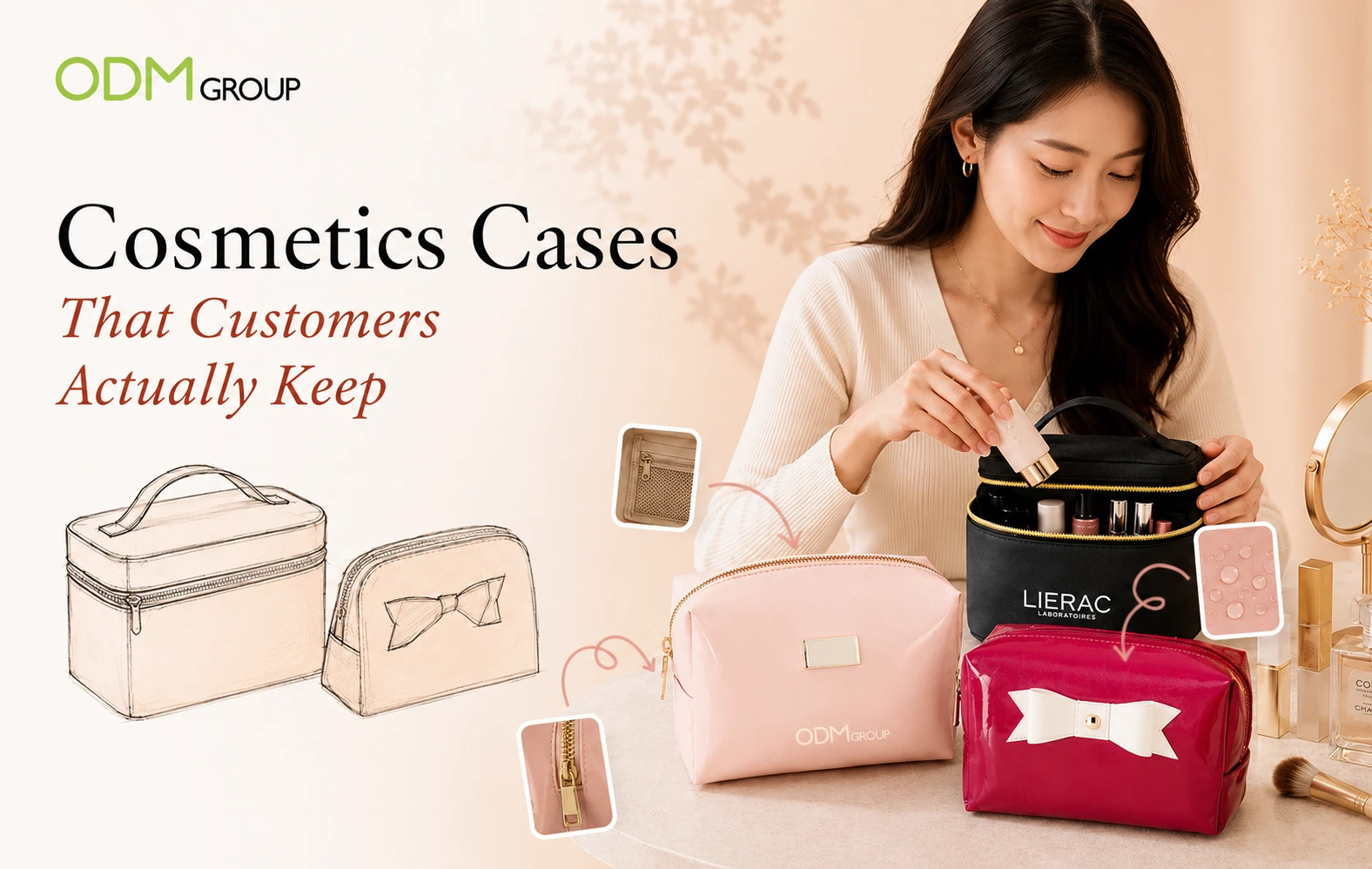
Why Cosmetics Cases Are Growing Across Beauty and Fashion
Beauty consumers have become increasingly selective about what they keep. Customers no longer want promotional products that feel disposable or overly branded. They want products that fit naturally into their lifestyle while still feeling aesthetically aligned with the brands they buy from.
That is exactly why cosmetics cases perform so well.
Unlike traditional promotional packaging, cosmetic bags solve a real daily problem. They help organize products that customers already carry between work, travel, fitness routines, and social activities. The more naturally the product integrates into everyday behavior, the longer customers continue using it.
This shift is especially visible in:
- Travel retail collections
- Luxury GWPs
- Fashion and beauty collaborations
- Seasonal beauty launches
Many beauty brands now dedicate almost as much attention to the cosmetics case as the products inside it because the cosmetic bag often becomes the longest-lasting part of the campaign.
Fashion has influenced this category heavily as well. Cosmetic bags increasingly borrow visual language from:
- Small leather goods
- Quilted handbags
- Luxury travel accessories
- Fashion pouches
- Minimalist organizers
The result is a product category that now sits somewhere between beauty packaging and fashion accessory.
The Cosmetics Cases Customers Actually Continue Using
The cosmetic bags customers continue carrying are rarely the loudest or most heavily branded. They are the ones that feel practical, elevated, and easy to integrate into everyday life.
Flat cosmetic pouches remain widely used because they are lightweight and easy to scale across larger campaigns. Beauty brands often use them for skincare launches, beauty subscriptions, and retail gift-with-purchase programs because they feel useful without adding bulk.
Typical price range:
USD $1.50–$5
Common materials:
- Soft nylon
- Canvas
- RPET
- Polyester blends
However, the brands seeing stronger retention rates are usually the ones focusing on details customers physically interact with, zipper smoothness, lining quality, structure, and overall feel, rather than relying purely on printed branding.
Structured vanity cases operate at a completely different level. These products create stronger perceived value immediately because they feel closer to retail accessories than promotional packaging. Better organization, reinforced structure, and upgraded hardware all contribute to that luxury impression.
They are commonly used for:
- Prestige skincare launches
- Luxury fragrance kits
- VIP gifting
- Airport-exclusive beauty collections
Typical price range:
USD $10–$30+
Transparent travel cases have also grown significantly due to airport culture and portable beauty routines. Customers increasingly want cosmetic bags that work well for carry-on travel while still feeling stylish enough to use daily.
Many brands are now moving away from traditional PVC toward:
- TPU
- Frosted transparent materials
- Recycled transparent fabrics
The cleaner aesthetic photographs better in influencer content and supports stronger sustainability positioning.
Fashion-inspired cosmetic bags represent another fast-growing category. Some beauty and fashion brands are intentionally designing products that resemble mini accessories rather than cosmetic storage. Quilted finishes, tonal branding, metal hardware, and elevated color palettes all enhance long-term usability by helping customers feel comfortable carrying the product in public.
That is a major reason some cosmetic bags stay visible for years while others disappear after a single campaign.
Material Choice Now Influences Brand Perception
Beauty consumers notice materials much faster than many brands expect.
The same cosmetics case can feel either luxury or disposable, depending entirely on material selection and finishing. In beauty and fashion, tactile experience matters because customers repeatedly interact with these products.
PU leather remains one of the most widely used premium materials because it creates a polished, fashion-forward appearance without the cost of genuine leather. Soft-touch finishes tend to perform especially well in beauty campaigns because they feel elevated both in hand and on camera.
This matters more today because beauty marketing increasingly lives online. Cosmetic bags frequently appear in:
- Unboxing videos
- “Get ready with me” content
- Travel packing content
- Vanity photography
- Influencer tutorials
Products with matte textures, structured silhouettes, and subtle hardware generally photograph better than glossy low-cost materials. That directly affects how premium the overall campaign feels online.
Canvas and RPET materials continue growing as well, especially among wellness and clean beauty brands. However, customers still expect sustainable products to feel visually elevated. Beauty consumers are no longer willing to sacrifice aesthetics purely for sustainability messaging.
That has pushed brands toward cleaner silhouettes, softer textures, and more fashion-oriented finishes even within eco-focused collections.
Customers Judge Quality Within Seconds
Beauty and fashion consumers notice small details immediately, often before they even touch the products inside the cosmetic bag.
Zipper quality is one of the clearest examples. A rough zipper instantly makes the product feel disposable, while smooth movement and upgraded pulls create a much stronger impression of luxury.
Interior organization matters just as much. Customers quickly notice when products shift excessively during travel or become difficult to access. Small usability improvements can dramatically affect retention, including:
- Elastic compartments
- Brush holders
- Easy-clean lining
- Reinforced structure
- Removable organizers
Branding placement also influences whether customers continue carrying the product publicly. Oversized logos may increase short-term visibility, but they often reduce long-term usability because customers feel less comfortable integrating the product into daily life.
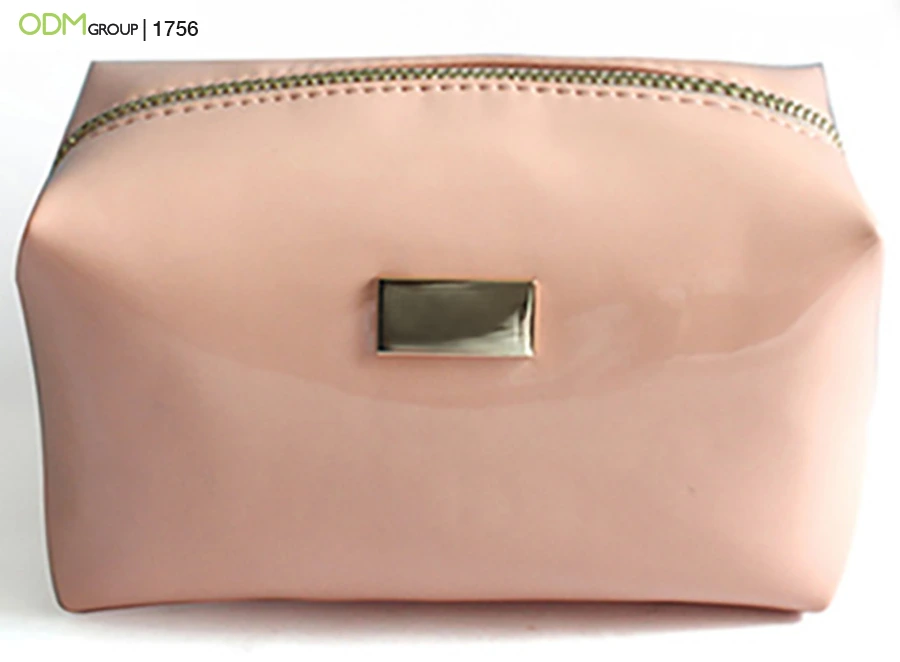
That is why many premium beauty and fashion brands now prefer:
- Debossed logos
- Tonal embroidery
- Monochromatic branding
- Metal logo plates
- Custom zipper hardware
The strongest cosmetics cases feel stylish first and branded second.
Travel Culture Has Completely Changed Beauty Packaging
Beauty products are no longer designed only for bathroom shelves.
Customers now expect their routines to move naturally between home, work, airports, hotels, fitness studios, and weekend travel. This shift has forced beauty brands to rethink portability entirely.
Travel retail has accelerated this trend significantly. Airport-exclusive beauty collections increasingly rely on cosmetic bags to create differentiation because many skincare and fragrance products look similar across retail environments.
A well-developed cosmetics case helps:
1. Increase perceived value
2. Improve gifting appeal
3. Travel-exclusive collections
4. Support portable beauty routines
5. Extend brand visibility beyond the purchase
Influencer culture has reinforced this even further. Much of today’s beauty content revolves around organization, travel routines, compact storage, and “what’s in my bag” storytelling.
Cosmetic bags naturally perform well in these environments because they combine functionality with aesthetic appeal.
What Different Budget Levels Actually Deliver
Many brands assume pricing increases mainly because of decoration or branding complexity. In reality, structure and material selection influence pricing far more.
Entry-level cosmetic pouches designed for large-scale campaigns can start below USD $3 depending on size, materials, and volume. These are commonly used for beauty sampling campaigns and retail GWPs where scale matters most.
The USD $5–$10 range is where many beauty and fashion brands achieve the strongest balance between scalability and perceived value. This level allows for:
- Better lining materials
- Upgraded hardware
- Improved structure
- Interior compartments
- Cleaner finishing
Premium vanity cases and retail-quality organizers typically range between USD $12–$30+, depending on construction complexity and materials. These products are often positioned closer to collectible accessories than promotional packaging.
The brands achieving the strongest retention usually invest selectively rather than overdecorating every surface. Customers remember:
- Material feel
- Zipper quality
- Structure
- Portability
- Ease of organization
That is where perceived value is actually built.
Developing Cosmetics Cases That Feel Retail-Ready
At ODM Group, cosmetics case development is approached as part of the overall customer experience rather than simply a sourcing project.
Beauty and fashion campaigns often require much more than selecting an existing pouch design and adding branding. Material selection, portability, organization, structure, and packaging integration all influence how customers ultimately perceive the final product.
ODM supports brands throughout the full development process, including:
- Trend and concept development
- Material sourcing
- Structural refinement
- Sampling and prototyping
- Packaging integration
- Factory Selection
- Quality control
- International logistics coordination
This allows beauty and fashion brands to develop cosmetic cases that align more closely with customer behavior, campaign positioning, and retail expectations, rather than relying on generic off-the-shelf products.
The focus is not simply on producing cosmetic bags. It is about helping brands create products that customers genuinely continue using long after the original campaign ends.
Final Thoughts
Cosmetics cases have evolved far beyond promotional beauty pouches. For beauty and fashion brands, the landscape now sits at the intersection of packaging, travel, organization, gifting, and accessory design. The products customers continue carrying are rarely the loudest or most heavily branded. They are the ones that feel practical, visually elevated, and naturally integrated into everyday routines.
That shift is exactly why cosmetics cases have become such valuable long-term brand tools. When developed strategically, they continue generating visibility long after the original beauty products are gone — turning everyday organization into an ongoing extension of the brand experience.
If your team is planning a beauty launch, influencer kit, travel retail collection, or premium gift-with-purchase campaign, contact ODM Group to start developing custom cosmetics cases that deliver visibility far beyond the original purchase.
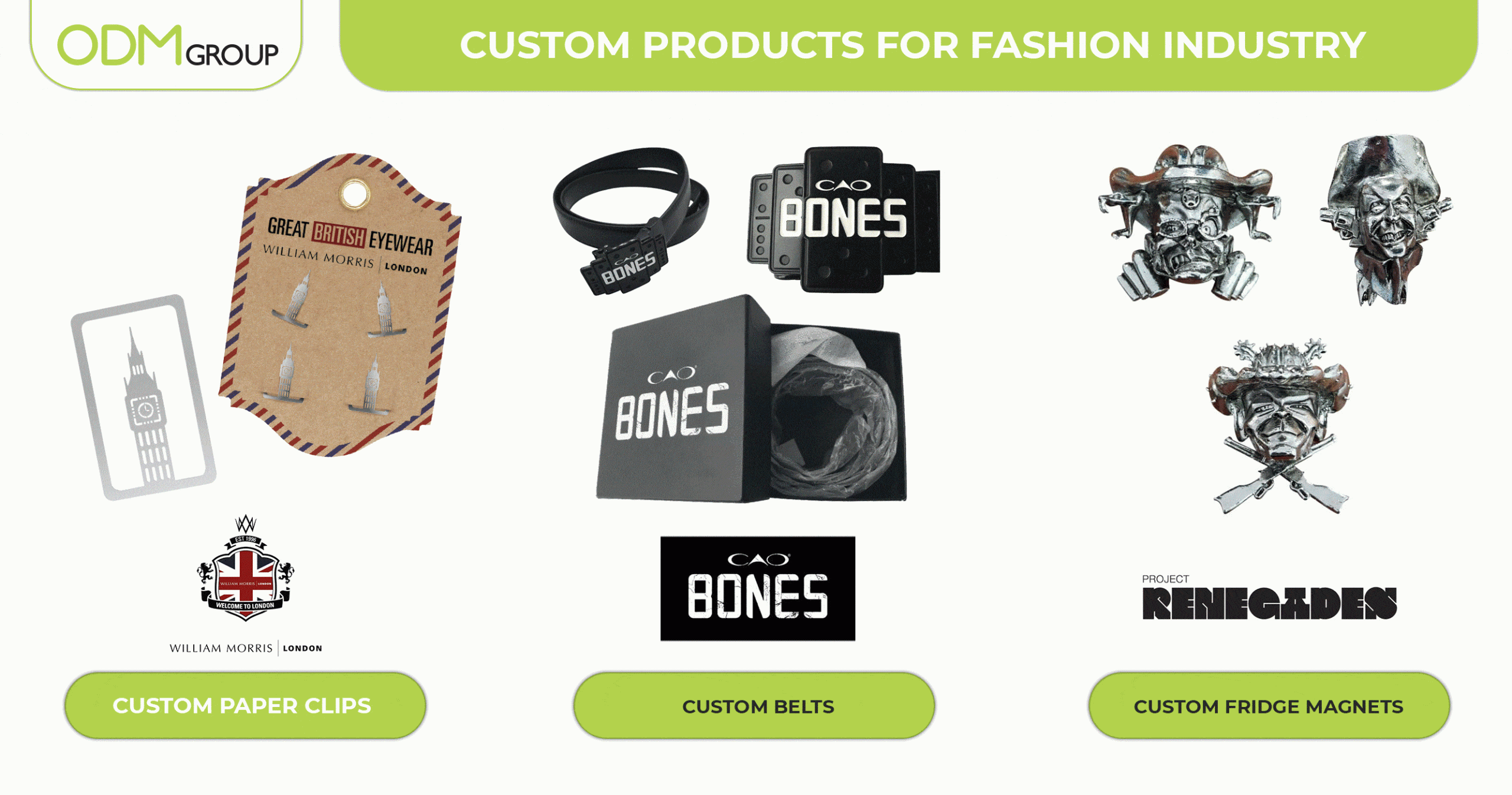
Check out our previous projects with famous brands in the beauty and fashion industry
FAQs About Cosmetics Cases
What materials work best for premium cosmetics cases?
PU leather, quilted fabrics, soft-touch nylon, canvas, and recycled RPET materials are among the most commonly used because they balance durability, portability, and elevated aesthetics.
What is the ideal price range for beauty influencer kits?
Many beauty influencer kits fall between USD $5–$15 per cosmetics case depending on structure, materials, compartments, and hardware upgrades.
Why are structured vanity cases becoming more popular?
Structured cases create stronger perceived value, improve organization during travel, and feel more like fashion accessories than promotional packaging.
What branding methods feel the most premium?
Beauty and fashion brands increasingly prefer subtle branding methods such as debossed logos, tonal embroidery, metal logo plates, and monochromatic printing instead of oversized graphics.
What to Read Next?
Branded Manicure Set for Beauty and Travel Promotions
Pampering yourselves is never going to get old; it’s [...]
How Aluminum Tube Cosmetic Packaging Are Made and Tested
As sustainability becomes a core focus in the cosmetics [...]
Cosmetics Marketing Strategy: What To Learn For Your Promotion?
When people see cosmetics and skincare brands, they collectively [...]
How Olivos Brings Excitement In-Store with its Gift Box Marketing Idea?
Olivos Soaps excites its customers in a Duty-Free shop [...]
Beauty Promotional Items: High End Brows Remover for Refined Marketing
Eyebrows are an essential part of facial beauty and self-expression. [...]
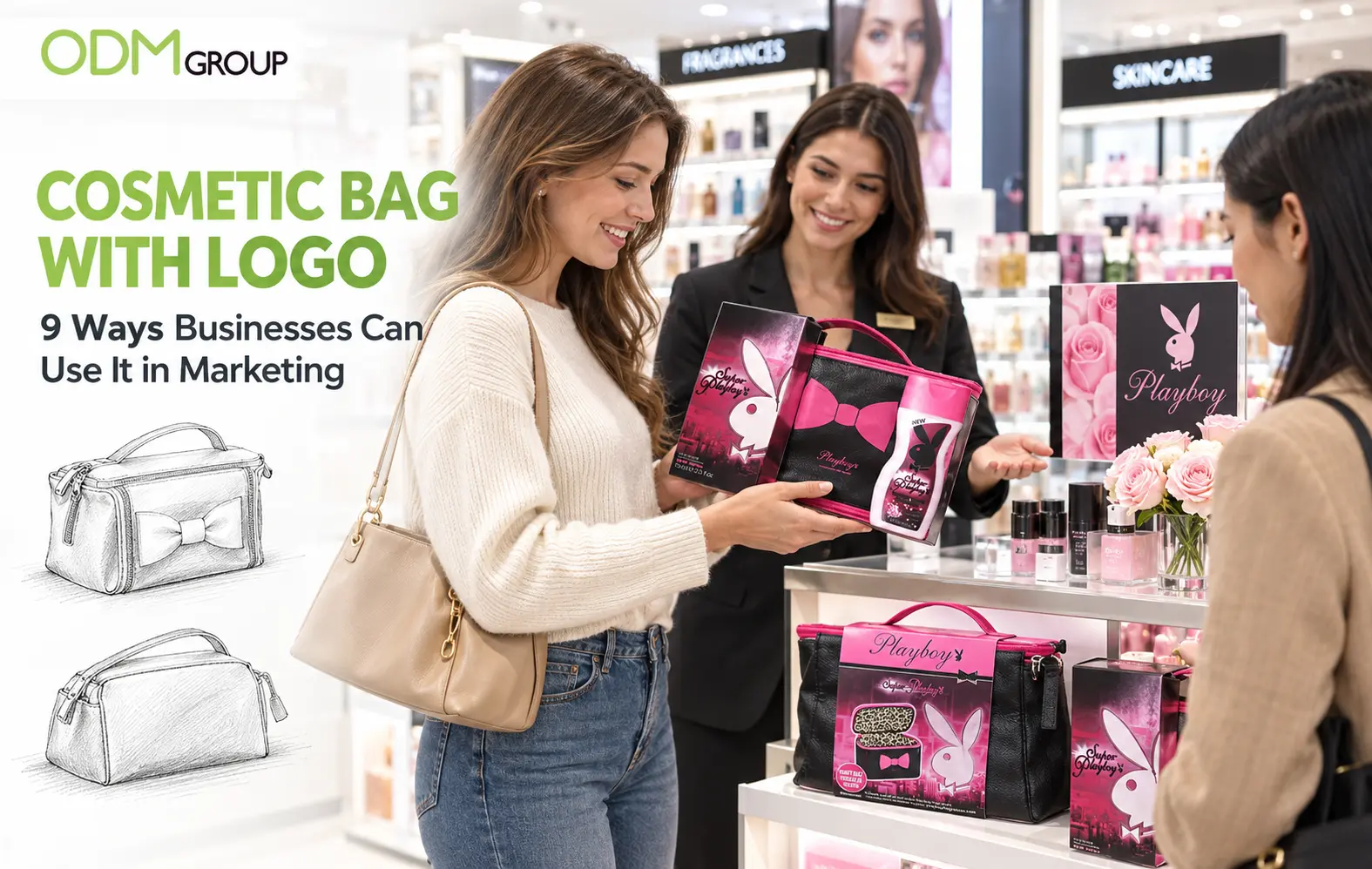
Cosmetic Bag With Logo: 9 Ways Businesses Can Use It in Marketing
A cosmetic bag with logo can do much more than [...]