
Custom hourglasses give businesses something many promotional products cannot: a visible experience that unfolds in real time. As the sand, liquid, or bubbles move, the object attracts attention and gives a campaign a natural story about time, progress, anticipation, focus, or transformation.
That makes an hourglass more than a decorative desktop gift. With the right format and activation plan, it can guide an activity, reveal a message, create a retail challenge, support a wellness routine, or mark an important milestone. The strongest concepts start with the moment a brand wants people to remember, then build the product around it.

Why Custom Hourglasses Work in Marketing
Most branded merchandise communicates through a logo, color, or printed message. An hourglass adds movement. People turn it, watch it, and often repeat the action, creating a small but meaningful interaction with the brand.
Time also carries useful associations. It can represent a countdown to a launch, the patience behind a crafted product, a period of focused work, a limited offer, or years of partnership. Brands can connect the object to a message without forcing excessive copy onto the product.
Hourglasses also offer display value. A well-designed piece can remain on a desk, shelf, reception counter, bedside table, or retail display long after a campaign ends. That continued visibility makes them especially suitable for premium gifts and milestone programs.
Start With the Role the Hourglass Will Play
Before choosing a shape or sand color, decide what the item should do in the campaign. This new planning template keeps the product tied to a business objective, rather than treating customization as decoration.
| Campaign role | Best moment | Hourglass direction | Useful measure |
|---|---|---|---|
| Reward | Gift with purchase, loyalty tier | Compact branded timer in presentation packaging | Redemption and repeat purchase |
| Participation | Event booth, challenge, sampling | Short timer linked to an activity | Dwell time and participation |
| Recognition | Anniversary, employee award | Premium framed or sculptural design | Acceptance and display rate |
| Education | Training, wellness, classroom | Accurately timed multi-duration set | Completion and repeat use |
| Display | Retail window, launch countdown | Large circular or liquid-motion piece | Footfall and engagement |
Practical Ways Businesses Can Use Custom Hourglasses
1. Turn a Gift With Purchase Into a Timed Experience
A compact hourglass can become part of the promotion rather than a passive free item. A coffee brand might pair a three-minute timer with a slow-brew kit. A beauty brand could use a one-minute timer for a cleansing routine, while a tea brand could match the sand duration to its recommended steeping time.
Add a simple instruction card or a QR code linking to the ritual. This helps customers understand the relevance immediately and gives the campaign a natural digital extension.

2. Build Event Challenges That Attract Participation
At exhibitions, product launches, or pop-up stores, short timers can control a game, demonstration, or product trial. Visitors might complete a task before the sand runs out, answer a brand question, or test how many items they can identify in 30 seconds.
The activity gives staff an easy conversation starter and creates content that guests may photograph or film. A portable branded timer can then become the participation gift, extending the event beyond the booth.
3. Make Product Benefits Easier to Demonstrate
When time is part of the product experience, an hourglass can make instructions more tangible. Oral-care, skincare, fitness, food, education, and home-care brands can use different durations to guide a routine without asking users to reach for a phone.
Accuracy matters in this application. Test the flow duration across production samples and position it as an approximate visual guide unless the product has been developed and validated for precise timing.
4. Create a Premium Corporate Gift
A classic glass hourglass with a metal or wood frame can communicate longevity, partnership, and progress. It can mark a company anniversary, a completed project, a leadership program, or a long-standing client relationship.
Subtle branding usually works best for a premium piece. Consider laser engraving on the base, a small metal plaque, brand-colored sand, or a message inside the packaging, rather than placing a large logo across the glass.

5. Support Focus and Workplace Wellbeing
A desktop hourglass can structure short focus sessions, screen breaks, breathing exercises, or meeting activities. Multi-timer sets, such as one, three, and five minutes, allow users to choose a practical interval.
For employee kits, pair the timer with a notebook, tea, an eye mask, or a wellness guide. The set should explain the intended routine so the product feels purposeful, not ornamental.
6. Add Movement to Retail Displays
Circular sand art and liquid-motion hourglasses can act as visual anchors in a window, counter display, or hospitality setting. Their slow movement can draw attention without screens, motors, or complex electronics.
A cosmetics brand might use layered colors that match a new collection. A travel brand could commission a landscape-inspired sand art piece. A property company could use a countdown theme for a launch or handover campaign.
7. Turn a Launch Into a Countdown
Brands can distribute hourglasses before a product reveal, event, store opening, or limited release. The packaging can invite recipients to turn the timer at a specific moment, while a QR code links to the launch page or live broadcast.
This idea works best when the physical duration has meaning. A 60-second timer could lead into a reveal film, while a longer decorative version could symbolize a broader campaign countdown rather than measure it precisely.
Product Formats Worth Exploring
The reference products show how widely the category can vary. Choose the format based on intended use, price position, shipping environment, and level of interaction.
1. Classic Glass Hourglass
A familiar silhouette suited to desk gifts, hospitality, education, and premium gifting.
Frames can be made of wood, metal, plastic, or mixed materials.

2. Circular Moving Sand Art
Circular moving sand art. A framed disc creates changing landscapes as it is rotated.
It offers strong display value for interiors, travel, property, and creative brands.

3. Sculptural Framed Hourglass
Metallic finishes and architectural frames can raise the perceived value of recognition gifts and executive programs.
4. Liquid and Bubble Timer
Colored liquid and rising bubbles create a calming visual effect. This format can suit wellness, beauty, sensory, and family campaigns.

5. Multi-duration Timer Set
Several small timers in one frame make the product functional for games, training, cooking, or workplace routines.

Customization Decisions That Shape the Result
Effective customization connects the product to the campaign idea while protecting usability and production consistency. Resolve the following choices during concept development and sampling.
- Duration: Select a timing interval that supports the activity, then define an acceptable production tolerance.
- Flow material: Sand grain, liquid viscosity, bubbles, glitter, or decorative particles affect movement, appearance, and consistency.
- Color: Use brand colors carefully, since pigment, lighting, glass thickness, and batch variation can change the final appearance.
- Structure: Consider classic bulbs, circular chambers, multi-timer frames, protective outer frames, and stable bases.
- Branding: Printing, engraving, plaques, molded details, and packaging graphics offer different levels of visibility and permanence.
- Packaging: Fragile components need internal protection, while the unboxing experience should explain the product’s meaning and use.
What to Validate Before Production
An attractive rendering is only the first step. Glass thickness, seals, flow consistency, base stability, frame tolerances, material finishes, and drop protection all shape the final experience.
Teams should also review labeling, market-specific compliance requirements, and transit conditions. Liquid-filled formats need particular attention to sealing, temperature changes, and shipping restrictions. A structured quality plan should define what to check, how to approve samples, and which tolerances are commercially acceptable.
How ODM Supports Custom Hourglass Development
ODM Group works as a product development and promotional marketing partner, helping businesses move from a campaign objective to a commercially realistic custom hourglass. We do not operate as the factory or position ourselves as a product supplier. Our role is to coordinate the creative, technical, and operational stages across the project.
The process can begin with campaign ideation and sketch development through Mindsparkz, ODM’s design agency. The team can explore forms, frames, color systems, branding placements, packaging, and the way the audience will use the product. Selected directions can then move into 3D modeling, mold and tooling planning where required, and physical prototyping.

ODM can also help identify suitable production partners, coordinate factory audits, and manage sampling and approvals. During production, quality control may include material checks, appearance standards, assembly reviews, flow-duration testing, packaging inspections, and pre-shipment inspections based on the agreed specification.
Packaging design and global logistics planning are considered alongside the product, especially because glass and liquid-filled items may require additional protection and market-specific handling. This connected approach helps brands keep the original campaign idea, product execution, quality requirements, and delivery plan aligned.
A Better Brief Produces a Better Hourglass
Before requesting concepts, define the campaign audience, distribution method, target quantity, budget range, required delivery date, intended timing duration, markets, branding needs, and packaging expectations. Share the message the hourglass should communicate, not only the preferred shape.
A useful brief might say, ‘Create a three-minute premium desk timer for a tea gift set that encourages customers to pause and enjoy the brewing ritual.’ That direction gives designers and project teams a clearer basis for evaluating materials, form, packaging, timing tolerance, and cost.
Make Time Part of the Campaign
Custom hourglasses work best when time is central to the story or action. They can reward a purchase, guide a routine, trigger an event, mark a milestone, or add slow movement to a display. The product becomes memorable because people do something with it.
ODM Group can help your team develop the idea, visualize and prototype the product, coordinate the right production resources, manage quality, design protective packaging, and plan global delivery. Contact us to discuss the campaign moment you want to create and the type of hourglass that can bring it to life.
More Product Ideas


FAQs about Custom Hourglasses
What can be customized on an hourglass
Brands can customize the frame, base, chamber shape, flow material, color, duration, logo placement, decorative elements, and packaging. The available options depend on the format, order quantity, budget, tooling needs, and technical feasibility.
Are custom hourglasses suitable for gifts with purchase
Yes. Compact designs can work well when they connect directly to the purchased product, such as a brewing timer, skincare timer, game timer, or decorative collectible. Packaging and breakage protection should be planned around the retail channel.
Which materials can be used for the frame
Common options include wood, metal, plastic, and mixed-material constructions. The choice should reflect the desired price position, structural needs, branding method, shipping weight, and expected environment of use.
Can ODM help create a completely new design
Yes. ODM can support ideation, sketching and visualization through Mindsparkz, 3D development, prototyping, production-partner selection and audits, quality control, packaging design, and global logistics coordination. Feasibility, budget, order volume, and delivery timing are reviewed as the concept develops.
Latest Blogs
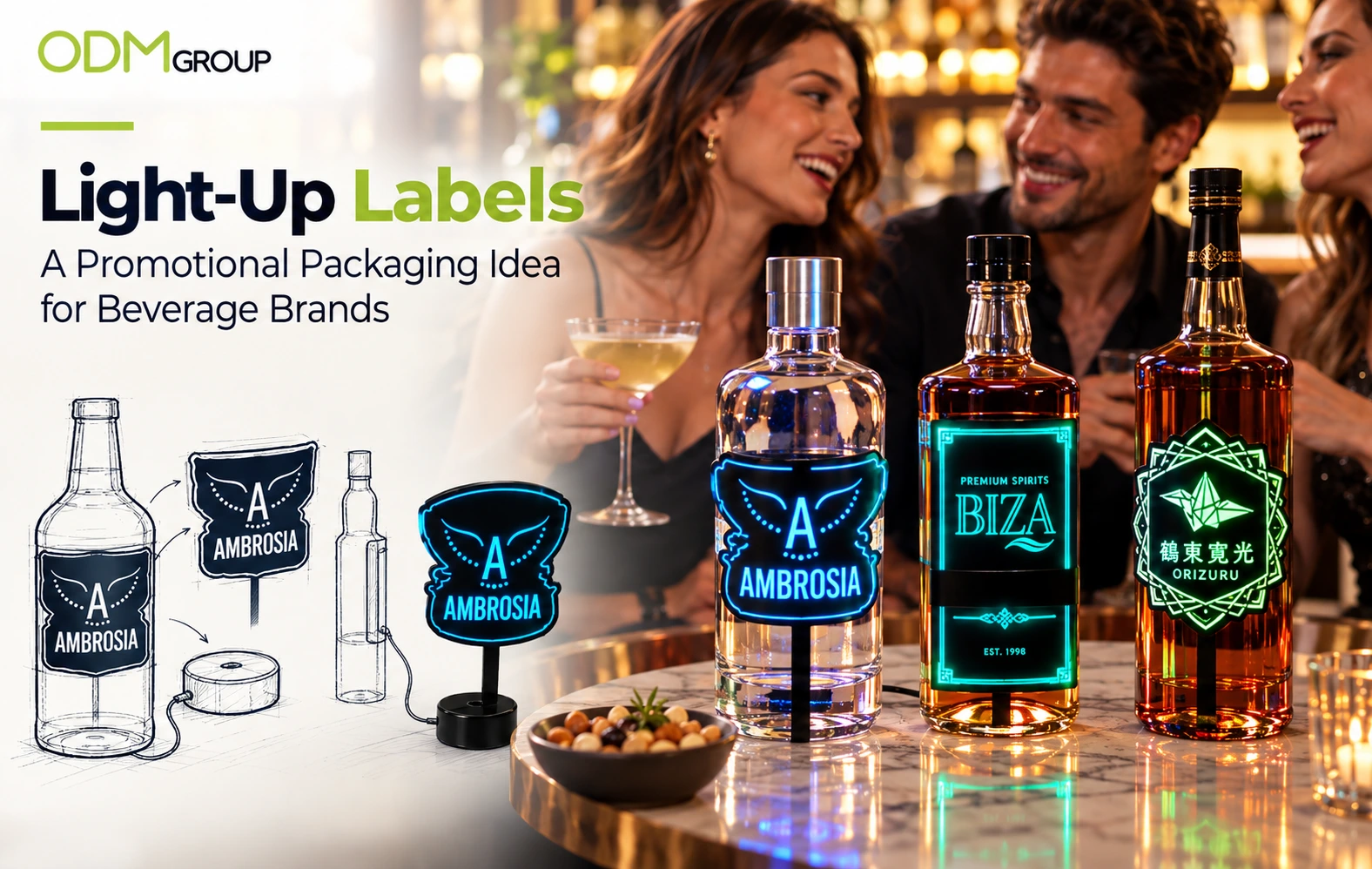
Light-Up Labels for Beverage Promotions and Custom Packaging
Light-up labels give beverage brands another option when standard [...]
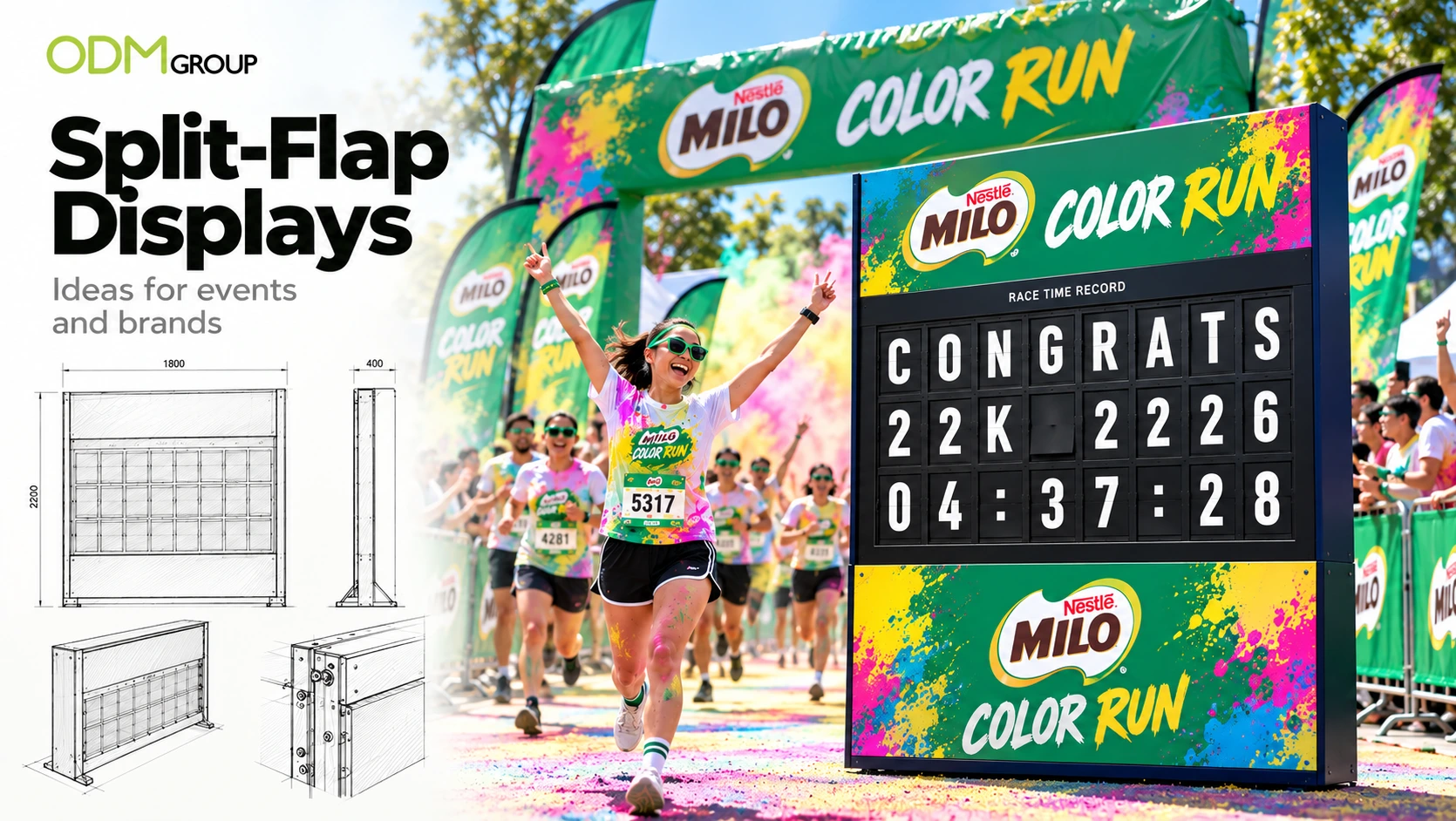
Split-Flap Displays for Events, Retail and Brand Activations
Struggling to make your brand stand out in a crowded [...]
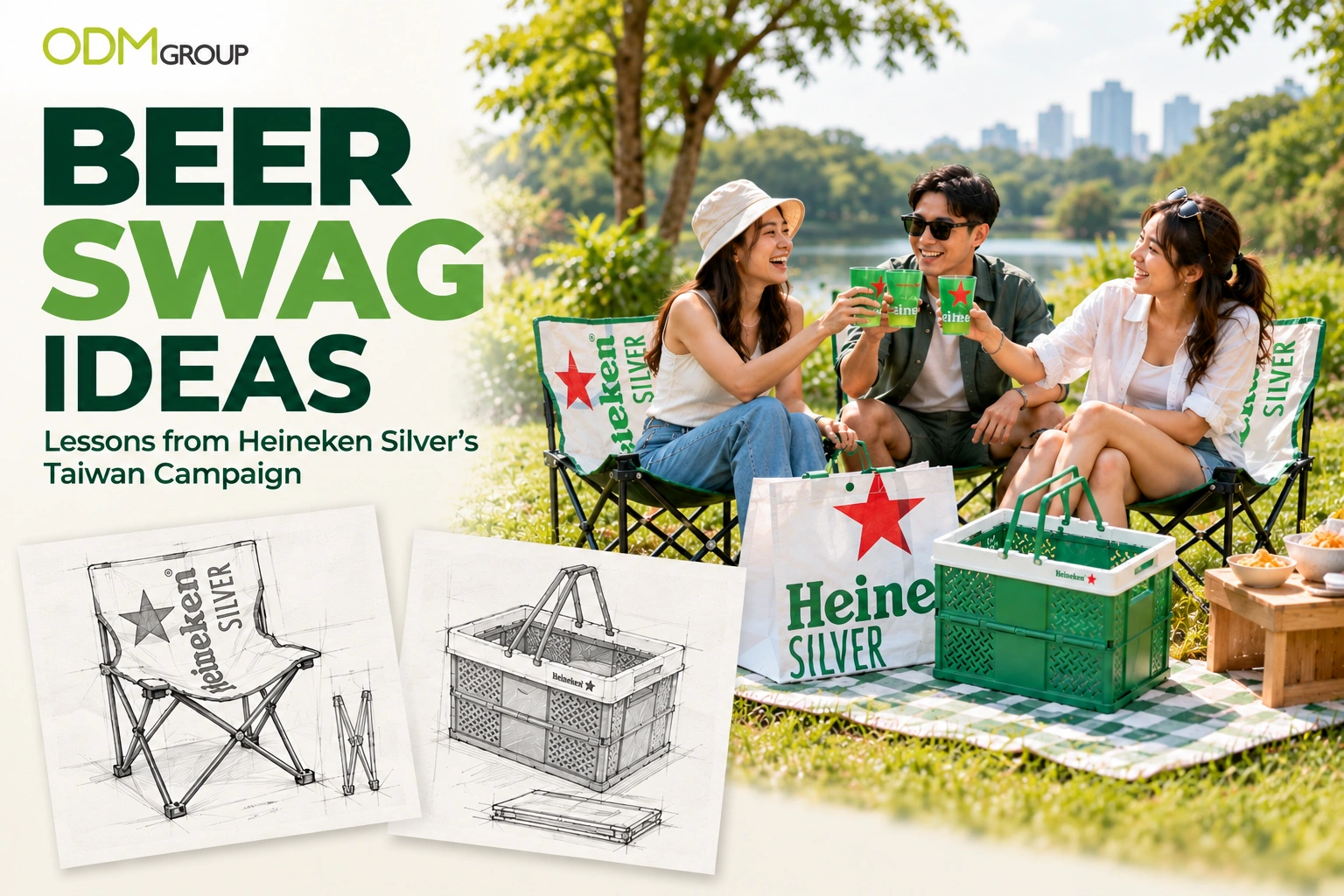
Beer Swag Ideas: Lessons from Heineken Silver’s Taiwan Campaign
Beer swag is evolving beyond traditional bottle openers and [...]

Car Tissue Holder: A Creative Automotive Promotional Gift
A car tissue holder can be more than a [...]
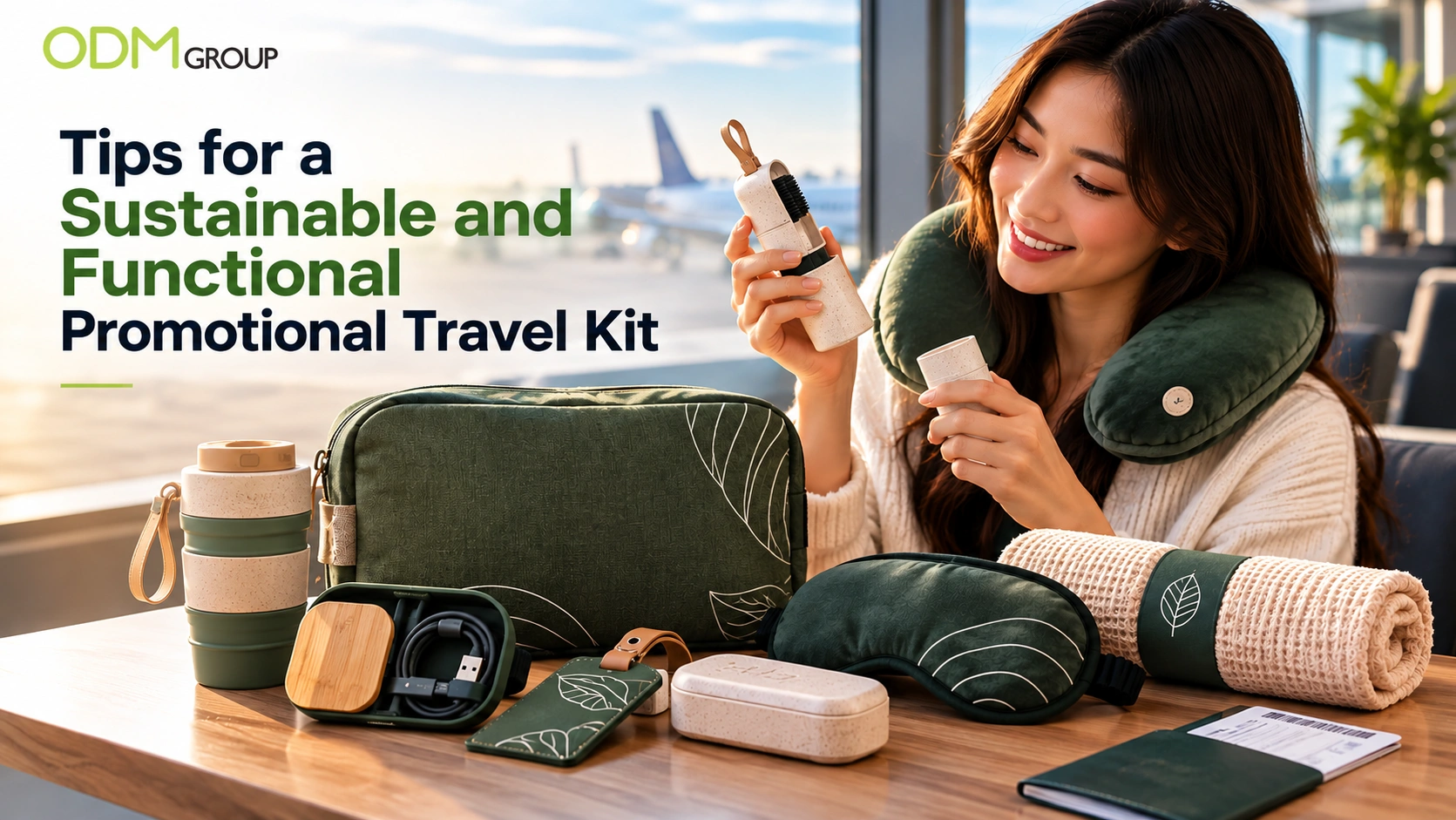
6 Tips for a Sustainable and Functional Promotional Travel Kit
A promotional travel kit combines practical travel essentials with [...]
Promotional Products for Pets: Ideas Inspired by SmartHeart Pet’s Homie
During a visit to Vietnam, the ODM team came [...]