
Stand-up displays can influence purchasing decisions at one of the most important moments in the customer journey: the point of sale.
Unlike promotional giveaways, which create brand exposure after purchase, retail displays work before the transaction takes place. They help brands introduce products, communicate offers, guide shoppers, and make campaigns easier to notice in busy commercial environments.
However, visibility alone does not guarantee results. An effective display must appear in the right location, communicate its message quickly and fit naturally into the retail environment.
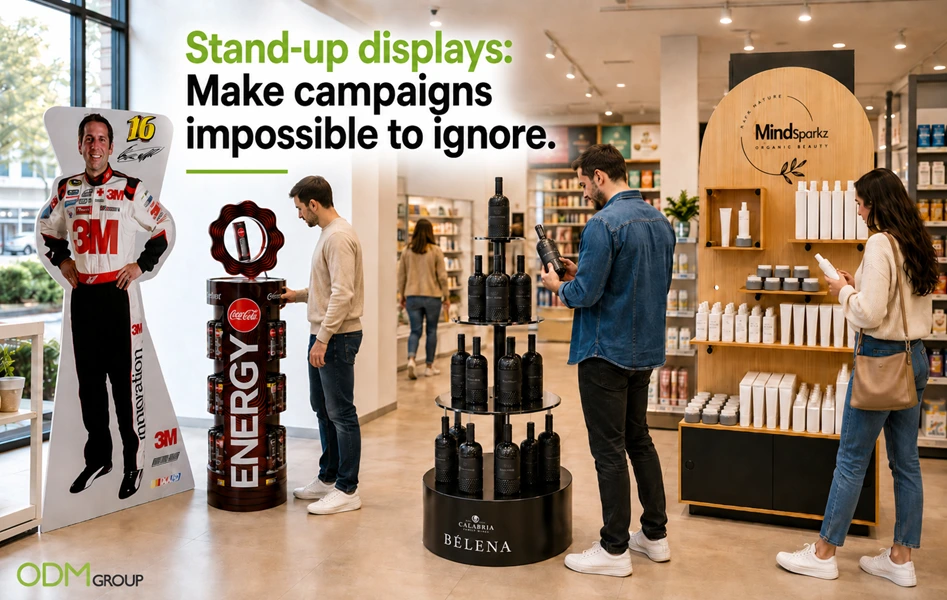
For brands planning a product launch, seasonal promotion, or in-store activation, stand-up displays should be treated as part of the wider campaign strategy rather than simply printed advertising materials.
What Are Stand-Up Displays?
Stand-up displays are freestanding promotional structures used to present campaign messages, products, offers, or branded visuals.
They can be positioned on restaurant tables, retail counters, shop floors, exhibition stands, and event spaces. Depending on the objective, they may be designed as compact tabletop units, full-height promotional boards, life-size cutouts, or interactive display structures.
Common materials include:
- Paperboard
- Corrugated cardboard
- Foam board
- Plastic
- Acrylic
- Metal
- Mixed-material structures
The right material depends on the campaign duration, display size, retail environment, and expected level of handling.

Short-term indoor campaigns may only require lightweight paper-based materials. Longer campaigns or displays used in high-traffic environments may need stronger structural support and more durable surfaces.
Where Stand-Up Displays Influence the Shopper Journey
The position of a display can be just as important as its design.
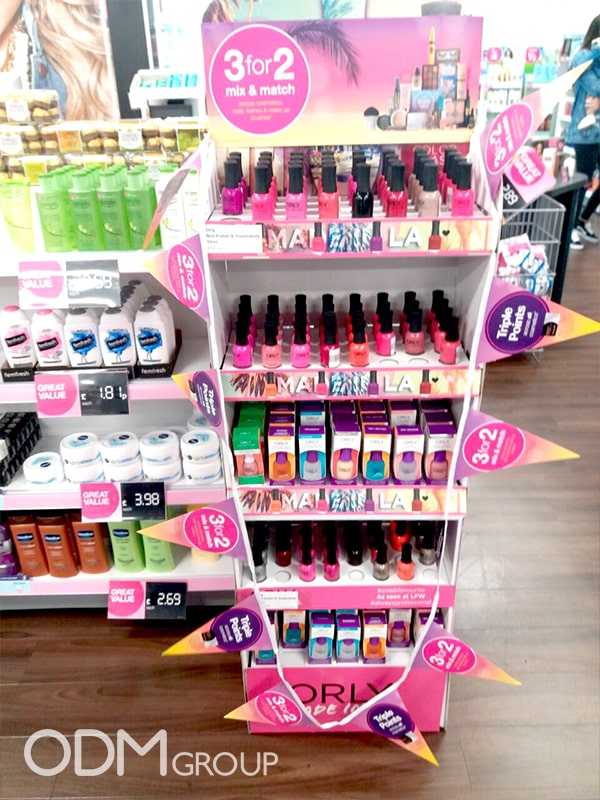
A display placed near the entrance may build campaign awareness, while one located beside a product shelf can support product comparison and purchase decisions. Countertop displays can introduce add-ons, upgrades, or limited-time offers just before payment.
Brands should therefore define the role of the display before developing the structure.
At the Store Entrance
Entrance displays can introduce a campaign before customers begin shopping.
They work well for:
- New product launches
- Seasonal promotions
- Major brand collaborations
- Limited-time campaigns
- Storewide offers
The message should be simple and readable from a distance. Customers are unlikely to stop and read detailed information immediately after entering a store.
Besides the Product
Displays positioned near the product can provide more specific information.
They may explain:
- Product benefits
- Promotional mechanics
- Gift-with-purchase offers
- Product comparisons
- Usage instructions
- QR code promotions
This placement can help customers connect the campaign message directly with the item they are considering.
At the Checkout Area
Counter displays are particularly useful for impulse purchases, upgrades, and loyalty campaigns.
Restaurants, cafés, and convenience stores can use them to promote meal additions, new drinks, membership programs, or limited-time offers.
Because customers view these displays at close range, they can include slightly more detail than a floor-standing display.
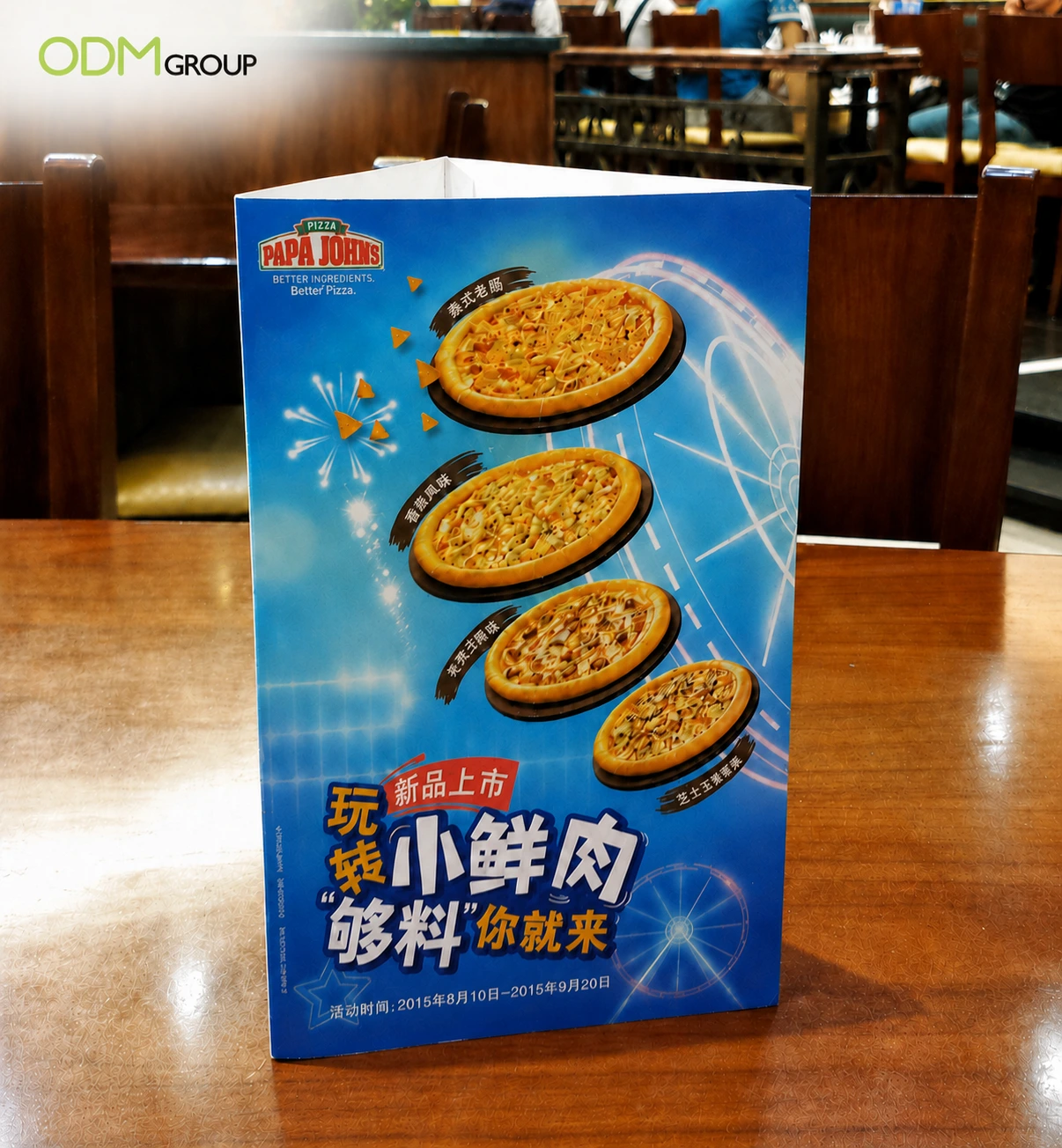
Inside Restaurants and Hospitality Venues
The table displays information to reach customers while they are reviewing a menu, waiting for an order, or deciding whether to add another item.
This makes them valuable for food and beverage promotions, where timing plays an important role in the purchase decision.
What the 3M Standee Example Gets Right
The 3M standee shows how a full-height display can improve visibility in retail, exhibition, and promotional spaces.
Its vertical format gives the brand enough room to present product visuals, key benefits, and campaign messaging in one clear structure. It can also guide customers toward a product area, demonstration, or offer.
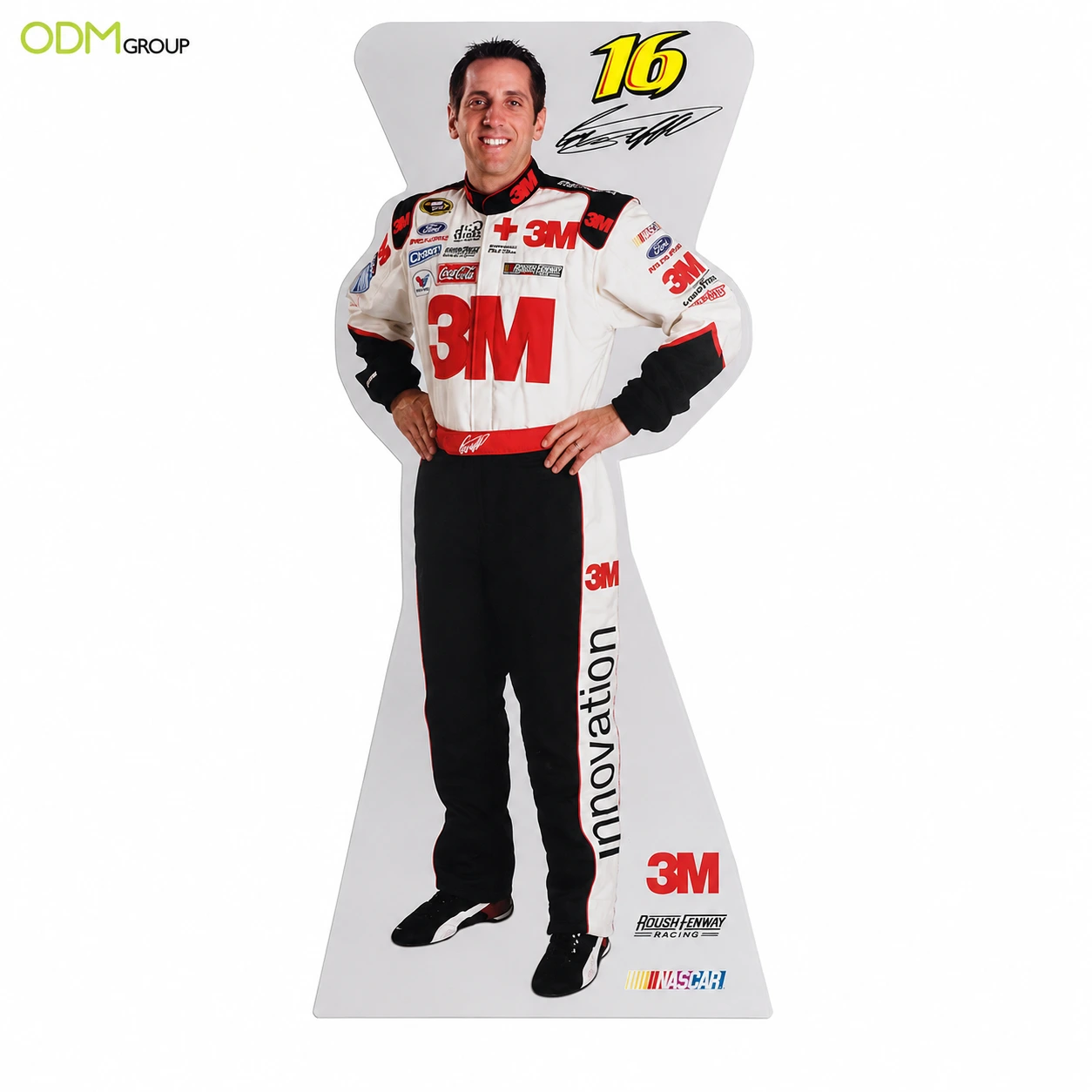
The main lesson is simple: a standee should support a clear campaign goal, not just fill space. When the design, message, and placement work together, it becomes a practical sales and branding tool.
Types of Stand-Up Displays
Different display formats serve different campaign goals.
Tabletop Displays
Tabletop designs are compact and easy to place on restaurant tables, service counters, reception desks and exhibition booths.
Three-sided or four-sided structures can provide multiple branding surfaces while remaining visible from several directions.
They are suitable for:
- Food and beverage promotions
- QR code ordering
- Membership campaigns
- Product upgrades
- Event information
- Limited-time offers
Floor-Standing Displays
Floor-standing units provide greater visibility in larger spaces.
They can be positioned beside shelves, at store entrances, inside exhibition booths, or near promotional islands.
Brands can use standard rectangular formats or develop custom-shaped structures based on products, bottles, packaging, mascots, or brand assets.
Life-Size Cutouts
Life-size displays often feature athletes, entertainers, mascots, brand ambassadors, or fictional characters.
They can help connect a retail promotion with a wider sponsorship, entertainment release or licensing campaign.
These displays may also encourage customers to take photos, giving the campaign an opportunity to generate organic social media exposure.
Interactive Displays
Interactive elements can turn a static display into a measurable campaign touchpoint.
Possible features include:
- QR codes
- NFC tags
- Product samples
- Competition entry mechanics
- Removable coupons
- Spinning panels
- Augmented reality links
- Social media prompts
The technology should support the campaign objective rather than being added purely for novelty.
A QR code, for example, is only useful when it leads to a clear next step, such as checking stock, claiming an offer, viewing product information, or joining a loyalty program.
Why Some Retail Displays Underperform
Stand-up displays can attract attention, but poor planning can reduce their impact.
The Message Is Too Complicated
Retail customers usually view a display for only a few seconds.
Long paragraphs, multiple offers, and competing headlines make it difficult to understand what the brand wants the customer to do.
The strongest displays generally communicate one primary message supported by one clear call to action.
The Display Is Positioned in the Wrong Area
A well-designed display can still fail if customers cannot see it.
Brands should review shopper flow, sightlines, shelf placement, and nearby fixtures before finalizing the design.
The intended display location should be confirmed early because it will affect the dimensions, structure, and artwork.
The Structure Is Difficult to Assemble
Displays often arrive at stores flat-packed and must be assembled by retail staff.
If the structure requires too many steps, unclear instructions, or additional tools, it may be installed incorrectly or not used at all.
A prototype should be tested by someone who was not involved in the design process. This provides a more realistic view of how easily store teams will understand the assembly.
It Does Not Fit Retailer Requirements
Retailers may have specific rules regarding height, footprint, materials, fire safety, aisle access and installation.
A display should not block shelves, customer movement, emergency exits or store signage.
Confirming these requirements before production can prevent costly redesigns and rollout delays.
The Design Is Not Built for Transportation
A display may look strong during the approval stage, but still arrive damaged if the packaging and shipping method are not considered.
Brands should assess:
- Flat-packed dimensions
- Carton strength
- Protection for printed surfaces
- Number of units per carton
- Warehouse handling
- Distribution to individual stores
The packaging is part of the display program and should be developed alongside the structure.
Designing Stand-Up Displays for Better Performance
Build the Design Around One Objective
Before developing the artwork, the brand should define what the display needs to achieve.
The goal may be to:
- Introduce a new product
- Increase trial
- Support a promotional bundle
- Generate QR code scans
- Direct customers to a shelf
- Encourage an impulse purchase
- Explain a gift redemption mechanic
This objective should guide the headline, format, placement, and CTA.
Create a Clear Visual Hierarchy
Customers should be able to understand the display in the correct order.
A practical hierarchy may include:
- Main campaign message
- Product or promotional visual
- Offer or benefit
- Call to action
- Supporting terms
Secondary information should not compete with the primary message.
Design for the Viewing Distance
A floor-standing display needs larger text and stronger imagery because customers may first see it from several meters away.
A tabletop unit can use smaller copy because customers view it at close range.
Designing without considering viewing distance often results in artwork that looks good on a computer screen but performs poorly inside the store.
Connect the Display With the Product
The display should feel like part of the same campaign as the packaging, shelf graphics, promotional gifts, and digital content.
Consistent colors, imagery, and messaging help customers recognize the campaign across multiple touchpoints.
Plan for Regional Rollouts
International or multi-store campaigns may require different languages, prices, legal text or promotional mechanics.
Instead of redesigning the entire display for each market, brands can develop a modular artwork system with editable panels or interchangeable sections.
This can improve consistency while making local adaptation more manageable.
How Brands Can Measure Display Performance
Retail displays should not be evaluated only by how attractive they look.
Brands can assess performance through:
- Sales change during the campaign
- Product uplift by store
- QR code scans
- Coupon redemptions
- Gift claims
- Customer interactions
- Store compliance
- Social media posts
- Staff feedback
Where possible, brands can compare stores using the display with similar locations that are not using it.
Store teams can also provide practical feedback about stability, customer reactions, assembly, and placement. These observations can improve future display programs.
Sustainability and End-of-Campaign Planning
Many stand-up displays are used temporarily, which makes material selection and disposal important considerations.
Brands can reduce unnecessary waste by:
- Using recyclable paper-based materials
- Avoiding unnecessary mixed materials
- Reducing plastic components
- Designing flat-packed structures
- Printing only the required quantity
- Reusing structural bases
- Replacing artwork panels instead of the whole display
Sustainability should be considered during concept development, not added after the structure has already been approved.
The best option will depend on campaign duration, performance requirements, transportation, and local recycling capabilities.
How ODM Group Supports Stand-Up Display Campaigns
ODM Group works with brands as a strategic product development and sourcing partner, helping them move from campaign concept to retail rollout.
Our involvement can begin before the display format has been finalized. By reviewing the campaign goal, retail environment, intended placement and distribution plan, we help brands identify a structure that is visually effective and practical to implement.
Support can include:
- Campaign and product ideation
- Graphic and structural design through Mindsparkz
- Material recommendations
- 3D visualisation
- Prototyping and sampling
- Factory selection
- Cost and production planning
- Quality control
- Packaging development
- Delivery coordination
This end-to-end approach helps connect creative design with real production and retail requirements.
ODM also helps brands coordinate displays with other campaign elements, including promotional merchandise, packaging, gift-with-purchase products, and retail activation materials. This creates a more consistent brand experience across the promotion.
Turn Retail Space Into a Strategic Brand Touchpoint
Stand-up displays can do more than occupy empty floor or counter space.
When developed around shopper behavior, retail placement, and campaign objectives, they can guide attention, explain offers, and support sales at the moment customers are deciding what to buy.
The strongest programs combine creative design with structural testing, retailer compliance, efficient packaging, and reliable rollout planning.
Contact ODM Group to develop stand-up displays and supporting retail campaign materials for your next product launch, seasonal promotion, or brand activation.
More Display Ideas


FAQs About Stand-Up Displays
What are stand-up displays used for?
Stand-up displays are used to promote products, campaigns, events and brand messages in retail stores, exhibitions, restaurants and other high-traffic spaces.
Can stand-up displays be made in custom shapes?
Yes. Stand-up displays can be cut into the shape of a product, mascot, athlete, spokesperson or campaign character. Custom silhouettes often make the display more noticeable than a standard rectangular sign.
What materials are commonly used?
Common materials include corrugated cardboard, paperboard, foam board, plastic and acrylic. The best option depends on the display size, campaign duration and intended environment.
Are stand-up displays suitable for outdoor use?
Most paper-based displays are designed for indoor campaigns. Outdoor displays usually require weather-resistant materials, protective coatings and stronger structural support.
What to Read Next?
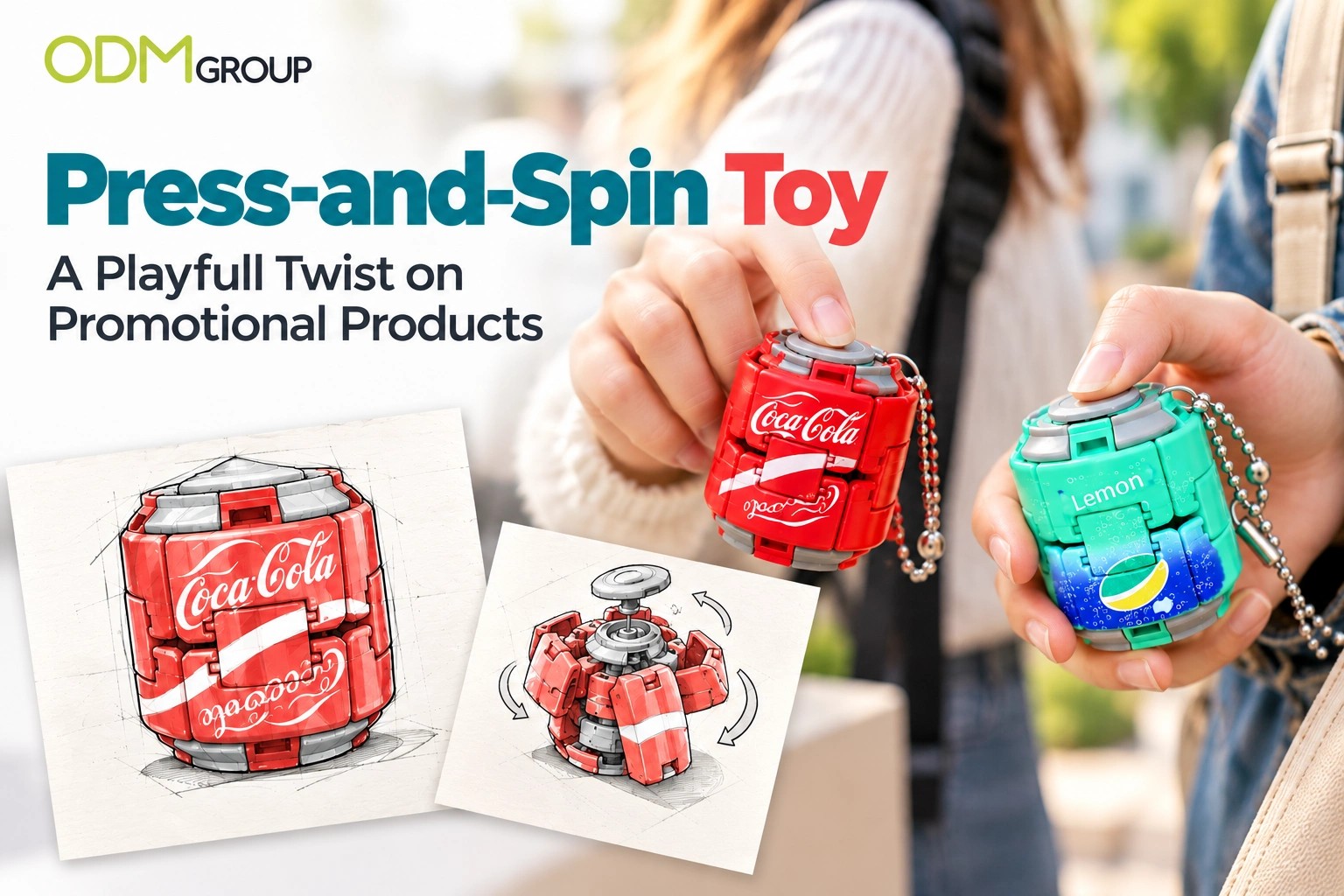
Press-and-Spin Toy: A Playful Twist on Custom Promotional Products
Promotional products are more memorable when they offer more [...]

Customized Cluster Bells: Inspiring Promotional Gift Ideas for Baby Brands
Customized Cluster Bells offer an interesting example of how [...]

Airplane Promotional Products: How STARLUX Airlines and CITY PRIMA Engage Customers
Airplane promotional products can do more than display a brand [...]
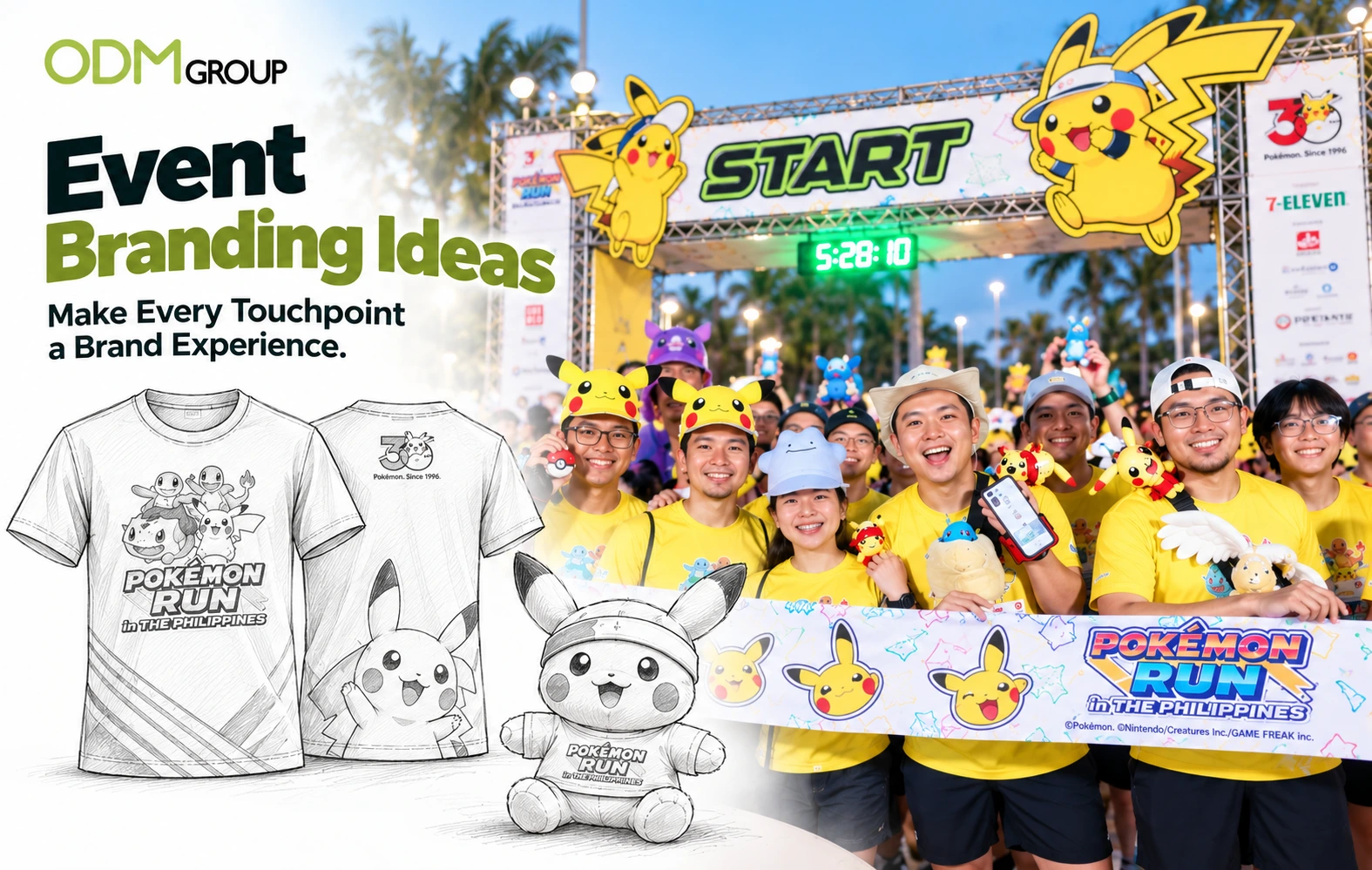
Event Branding Ideas: Make Every Touchpoint a Brand Experience
Event branding ideas turn separate venue elements into one [...]

Waterproof Camping Blanket: Take Your Brand Into the Outdoors
A waterproof camping blanket gives brands a useful role [...]
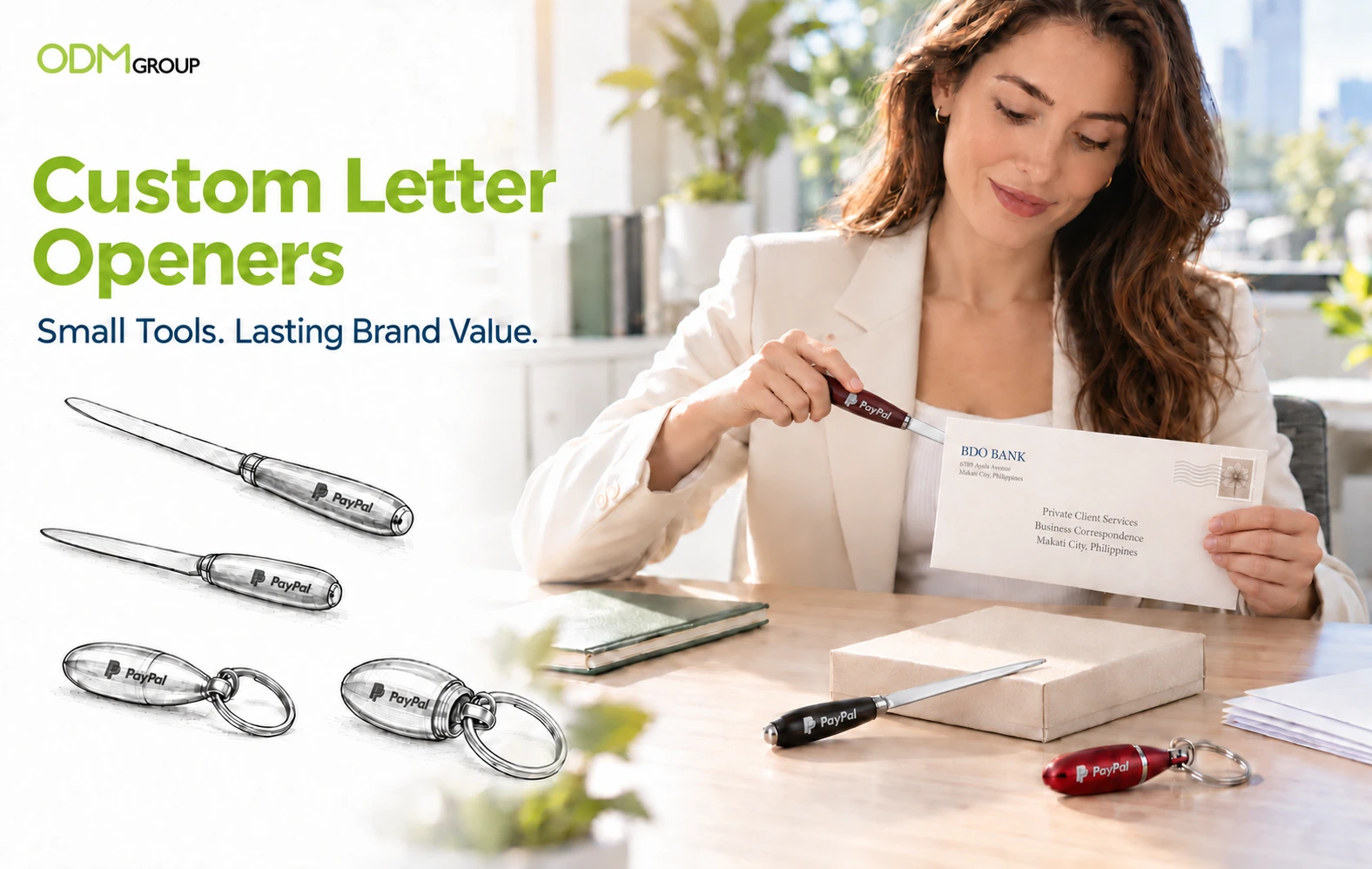
Custom Letter Envelope Opener Ideas for Corporate Gifts
A letter envelope opener may be a simple desk [...]