
Lamination is often treated as a finishing touch—something that improves the look and structure. In reality, it’s one of the most sensitive parts of product construction.
A product can look perfect in sampling, but once production scales, issues start to appear—wrinkles, distortion, and inconsistent surfaces. At that point, the problem is no longer cosmetic, but structural and costly to fix.
This is where delays, rework, and unexpected costs begin.
In this guide, we break down the most common lamination problems and solutions, and how to prevent them before production starts.
Need to Skim? Main Takeaways:
- Lamination defects are usually structural, not cosmetic
- Delamination often causes other visible issues, like wrinkles
- Sampling does not reflect real production stress
- Mass production introduces pressure, time, and mechanical forces
- Wrinkles after sewing reveal internal failure
- Prevention depends on material validation and process alignment
Table of Contents
What Is Lamination in Manufacturing?
Lamination is the process of bonding two or more materials together using adhesive, heat, or pressure.
It is widely used across industries:
- Bags and accessories (fabric combined with foam or backing layers)
- Flexible packaging (multi-layer films)
- Retail and promotional products
- Textile composites
The goal is simple:
- Improve durability
- Enhance appearance
- Add functionality such as padding or insulation
But lamination is not just about combining materials. It is about how those materials behave together under stress. If the adhesive, substrates, and production process are not aligned, failure is only a matter of time.
Understanding how lamination works is essential to identifying lamination problems and solutions in real production environments.
Common Lamination Problems and Solutions
Lamination issues rarely come from a single mistake. In real production, they are usually caused by a combination of material compatibility, adhesive performance, and process control.
These problems appear across a wide range of products—from bags and backpacks to flexible packaging, cosmetic pouches, insulated products, and retail display materials.
Below are the most critical lamination problems and solutions manufacturers need to address early.
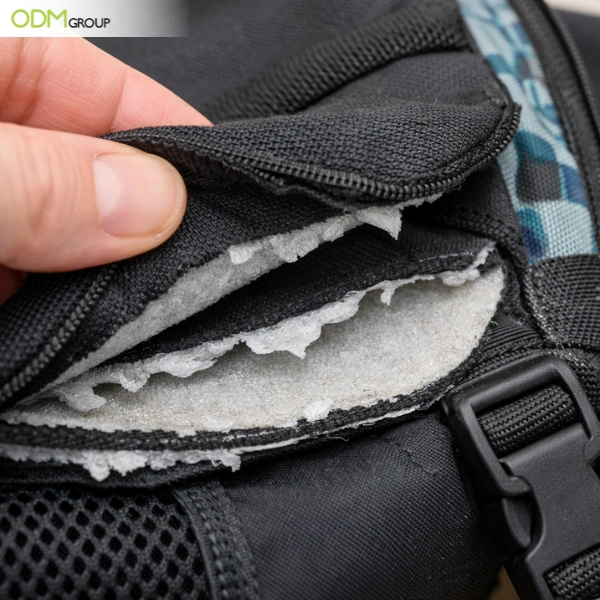
1. Adhesion Failure (Delamination)
What happens:
The laminated layers separate during handling, converting, or end use.
Common in products like:
- Tote bags and backpacks (fabric + foam backing)
- Cosmetic pouches
- Flexible food packaging (multi-layer films)
Why it happen:
- Incorrect adhesive coating weight (too low or excessive)
- Poor surface treatment (low dyne level)
- Contamination such as dust, oil, or moisture
- Incorrect adhesive mix ratio or insufficient curing time
How to fix it:
- Maintain optimal coating weight (monitor GSM closely)
- Ensure substrates meet surface tension requirements (≥ 38 dynes/cm for films)
- Keep materials clean and contamination-free
- Follow correct adhesive ratios and curing conditions
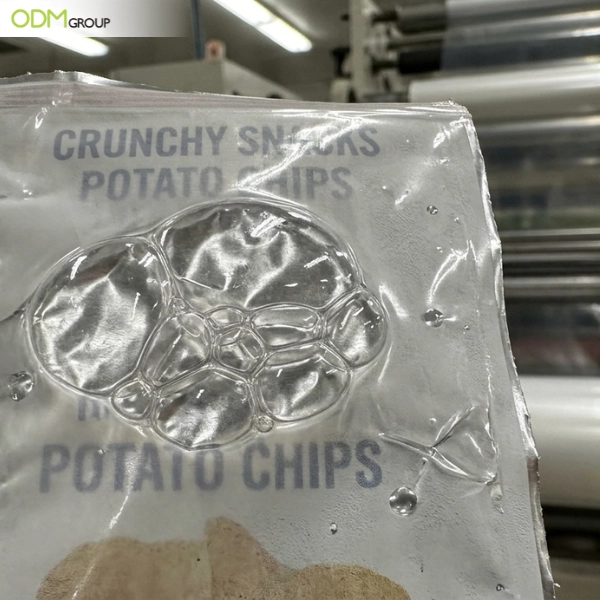
2. Bubbles or Voids in Lamination
What happens:
Air pockets form between layers, affecting both performance and appearance.
Common in products like:
- Snack and beverage packaging
- Laminated paper boxes
- Printed film packaging
Why it happens:
- Air trapped during coating or lamination
- Excess adhesive creating uneven layers
- Insufficient nip pressure
How to fix it:
- Optimize nip pressure and lamination temperature
- Apply adhesive evenly to avoid foaming
- Degas adhesive before use
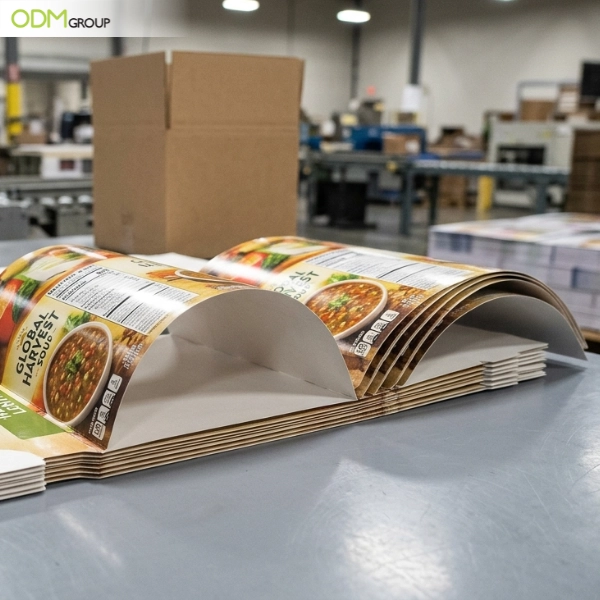
3. Curling or Warping
What happens:
The laminated structure curls instead of staying flat.
Common in products like:
- Retail packaging sleeves
- POS display panels
- Printed laminated sheets
Why it happens:
- Uneven tension between substrates
- Mismatch in material shrinkage or thickness
- Imbalanced adhesive coating
How to fix it:
- Balance web tension across all layers
- Select materials with similar shrinkage behavior
- Ensure uniform adhesive application
4. Wrinkles in Lamination
What happens:
Visible creases or surface distortion appear, often after further processing like sewing or converting.
Common in products like:
- Duffel bags and backpacks
- Insulated cooler bags
- Travel organizers and laptop sleeves
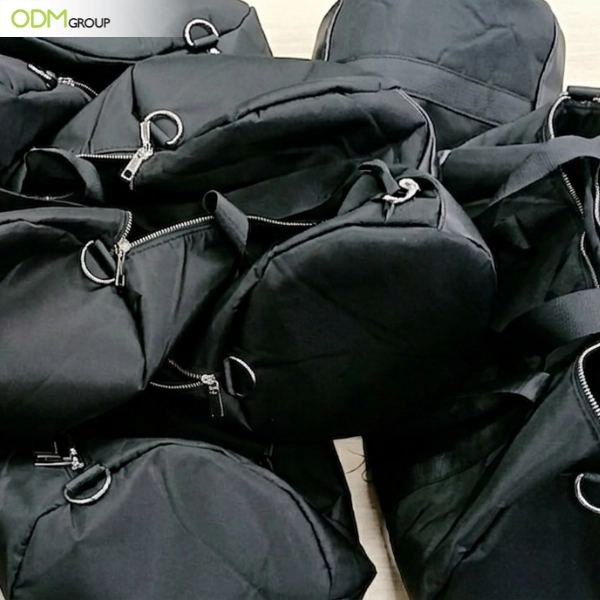
Why it happens:
- Poor web alignment during lamination
- Uneven nip pressure
- Tension differences between substrates
- Weak bonding that cannot absorb stress
How to fix it:
- Calibrate rollers and maintain alignment
- Keep tension consistent across the web
- Adjust nip pressure evenly
- Improve bonding strength to handle downstream stress
5. Poor Optical Clarity (Haze or Cloudiness)
What happens:
The laminate looks dull, hazy, or lacks transparency.
Common in products like:
- Transparent food packaging
- Cosmetic packaging films
- Windowed retail packaging
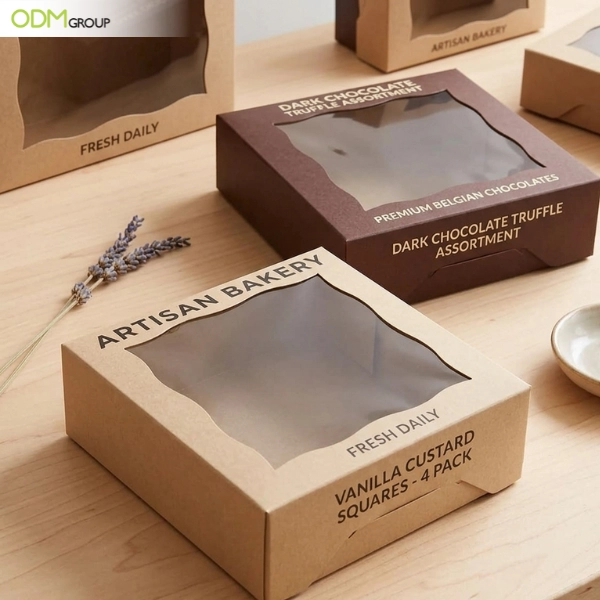
Why it happens:
- Moisture or contamination in adhesive
- Incompatible adhesive and film combination
- Excess adhesive coating
How to fix it:
- Store adhesives in controlled, dry conditions
- Match adhesive systems with substrate materials
- Maintain correct coating weight
6. Blocking During Storage
What happens:
Layers stick together when rolled or stored.
Common in products like:
- Film rolls for packaging
- Laminated labels and stickers
- Flexible packaging materials
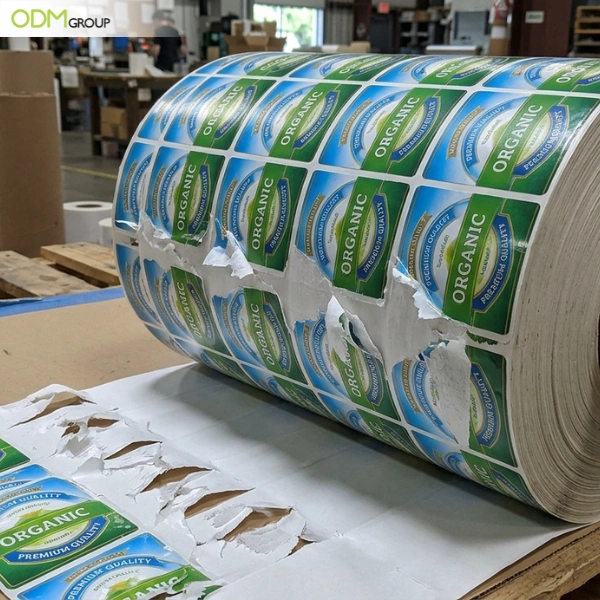
Why it happens:
- Incomplete adhesive curing
- High winding tension or nip pressure
- Elevated storage temperature
How to fix it:
- Allow full curing before slitting or rewinding
- Reduce winding tension and pressure
- Store in temperature-controlled environments
7. Odor or VOC Retention
What happens:
Finished products have a strong smell or solvent residue.
Common in products like:
- Food packaging
- Cosmetic packaging
- Promotional pouches and bags
Why it happens:
- Incomplete drying of adhesive solvents
- Excess adhesive application
- Poor ventilation during production
How to fix it:
- Improve drying efficiency in lamination process
- Optimize adhesive coating levels
- Ensure proper exhaust and ventilation systems
Preventing Lamination Failure Before It Starts
Lamination issues are rarely just production mistakes. They are usually decisions made earlier in development.
Preventing lamination problems and solutions from becoming production risks starts at the development stage.
How ODM Supports Your Product from Concept to Production
Lamination issues are rarely isolated. They are often a result of decisions made across design, materials, and production planning.
That’s why solving them requires more than a single fix, it requires a coordinated approach across the entire product development process.
At ODM, we work as an end-to-end partner, supporting every stage from idea to final delivery.
Final thought
Lamination is easy to underestimate. It may seem straightforward during sampling, but it becomes far more complex once production scales. When not properly managed, lamination problems and solutions quickly become critical, turning a well-designed product into a costly production issue. The difference comes down to preparation.
Brands that succeed are not simply reacting faster — they are planning earlier, testing materials under real conditions, and building in backup options before production begins.
If you are developing laminated products, this is where the real advantage is created, long before the first bulk order is placed.
At The ODM Group, we specialize in transforming creative concepts into market-ready merchandise through precision printing, professional design, and global manufacturing expertise. Contact us today to learn how we can help you design, source, and manufacture high-quality promotional products that elevate your brand awareness.
- Website: www.theodmgroup.com
- Email: info@theodmgroup.com
Explore other promotional products


Frequently Asked Questions (FAQs)
Why does lamination fail in mass production?
Mass production introduces higher stress, longer handling times, and machine processes that expose weak bonding.
What causes wrinkles after sewing laminated materials?
Wrinkles are caused by internal stress. Sewing creates pressure, and if the lamination is weak, the layers shift. Flipping the product reveals the distortion.
How can I test lamination quality before production?
Simple tests include folding, compression, and stitching simulations. These help replicate real production stress and identify weak bonding early.
What is the most common lamination defect?
Adhesion failure (delamination) is the most common. It often leads to other issues such as wrinkles, bubbles, and surface distortion.
Can lamination defects be fixed after production?
In most cases, no. Lamination defects are structural and difficult to reverse. Prevention during development is always more effective than fixing after production.
Discover our latest promotional insights
Discover more creative products solutions and branding ideas to elevate your next promotional campaign.

How Aluminum Tube Cosmetic Packaging Are Made and Tested
As sustainability becomes a core focus in the cosmetics industry, aluminum tube cosmetic packaging [...]
What Is Lean Manufacturing and Why It Matters to Businesses
As a business, do you believe that efficiency is no longer optional? For many, [...]

Why Sustainable Manufacturing Is the Future of Business?
Sustainability isn’t a trend nowadays. It’s already a necessity. That said, businesses are under [...]

Shenzhen Manufacturing: A Global Hub for Innovation and Production
Shenzhen, once a small fishing village, has become a global manufacturing powerhouse. Today, it’s synonymous [...]




How the Bag Manufacturing Process Takes Place Inside a Factory?
Practical and compact, the travel bag/kit is a travel essential. Whether you're going on [...]