
Christmas is a vital sales period where rising consumer spending meets intense competition across all marketing channels.
Success requires more than just high spending; it demands strategic planning and the flexibility to adjust to shifting consumer behaviors.
Properly budgeting for initiatives like seasonal packaging or retail activations is essential to maximizing ROI and avoiding expensive errors.
Need to Skim? Main Takeaways:
- Prioritize ROI and operational flexibility over sheer spending volume to navigate holiday competition effectively.
- Divide resources into Pre-Holiday Preparation (20–25%), BFCM (35–45%), and the December Gift Season (25–35%), while maintaining a 10% reserve fund.
- Balance your efforts by dedicating 70% to proven strategies, 20% to testing new concepts, and 10% to high-reward innovation.
- Leaner operations can outperform competitors by focusing on niche audiences, personalization, and compelling seasonal storytelling.
Table of Contents
Why Budgeting for Christmas Matters
Christmas presents a unique opportunity for brands to increase visibility, engage customers, and drive sales. At the same time, it is one of the most competitive periods of the year.
Advertising costs often rise as more companies compete for consumer attention. Retail shelf space becomes more valuable, promotional campaigns become more frequent, and customers are exposed to thousands of holiday marketing messages every day.
Without a clear budget, businesses risk overspending in the wrong areas or missing opportunities during peak shopping periods.
Strategic budgeting for Christmas helps brands:
- Allocate resources effectively
- Prioritize high-impact marketing activities
- Prepare for seasonal demand
- Manage production and logistics costs
- Maximize holiday campaign ROI
How Much Should Brands Budget for Christmas?
There is no universal Christmas marketing budget. The right amount depends on your business size, goals, industry, and competitive landscape.
However, for many consumer-facing brands, Q4 typically accounts for 30–50% of annual marketing spend, with a significant portion concentrated around Black Friday, Cyber Monday, and the Christmas shopping season.
Retail, FMCG, toys, beauty, and gifting brands often allocate an even larger share of their annual budget to holiday campaigns due to increased consumer spending and stronger purchase intent.
Rather than focusing solely on how much to spend, brands should focus on how to allocate their Christmas budget effectively across the holiday shopping journey. The most successful campaigns balance awareness-building, conversion-focused promotions, customer retention, and contingency planning instead of concentrating spending in a single period.
Budgeting for Christmas by Campaign Phase
One of the most effective approaches to budgeting for Christmas is dividing your budget according to key holiday shopping phases.
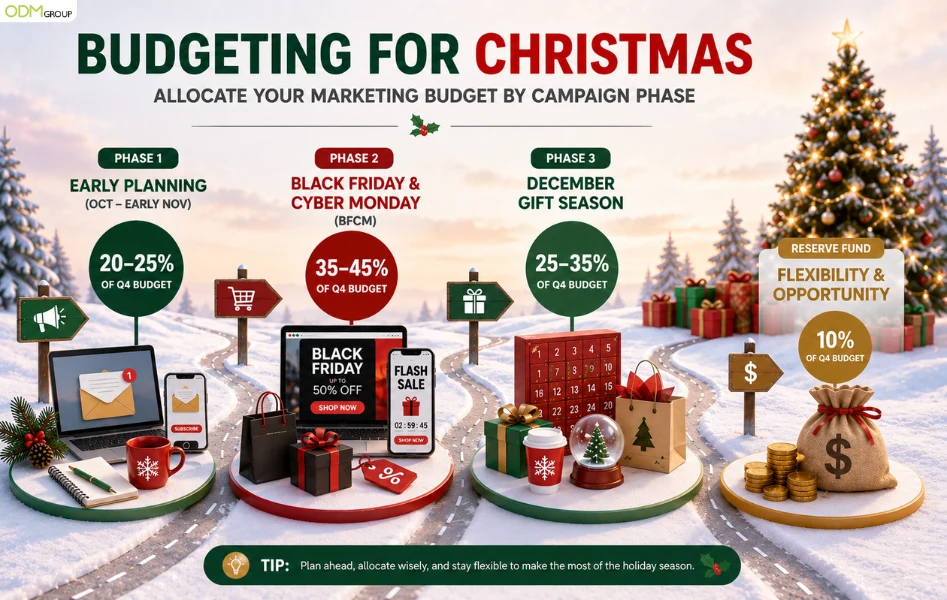
Phase 1: Pre-Holiday Preparation (October–Early November)
Recommended Allocation: 20–25% of Total Budget
Primary Goals
- Build awareness
- Grow email lists
- Create retargeting audiences
- Generate early product interest
This phase lays the foundation for holiday success. By building audiences before advertising costs peak, brands can improve efficiency and lower acquisition costs later in the season.
Phase 2: Black Friday & Cyber Monday (BFCM)
Recommended Allocation: 35–45% of Total Budget
Primary Goals
- Maximize conversions
- Capture high-intent shoppers
- Drive promotional sales
This is typically the most competitive period of the holiday season. Brands should monitor performance closely and reallocate budgets toward top-performing campaigns whenever possible.
Phase 3: December Gift Season
Recommended Allocation: 25–35% of Total Budget
Primary Goals
- Reach gift buyers
- Drive last-minute purchases
- Maintain holiday momentum
As Christmas approaches, urgency becomes a powerful marketing tool. Messaging should emphasize gifting convenience, shipping deadlines, and limited availability.
Reserve Fund
Recommended Allocation: 10% of Total Budget
Many brands make the mistake of allocating their entire Christmas budget before the season begins.
Keeping a reserve fund allows businesses to:
- Scale successful campaigns
- Capitalize on unexpected opportunities
- Respond to competitor activity
- Cover rising advertising costs
A flexible budget often creates a significant competitive advantage during peak shopping periods.
The 70/20/10 Rule for Budgeting for Christmas
When planning holiday campaigns, many marketers follow the 70/20/10 framework to balance proven strategies with innovation.
| Budget Share | Purpose |
|---|---|
| 70% | Proven strategies that delivered results in previous Christmas campaigns |
| 20% | New channels, audiences, or creative concepts worth testing |
| 10% | Experimental ideas and high-risk, high-reward initiatives |
For example, a brand may allocate 70% of its budget to established advertising channels and successful gift-with-purchase promotions, 20% to new promotional products or seasonal packaging concepts, and 10% to experimental retail activations or emerging marketing channels.
This approach helps reduce risk while still encouraging growth and innovation.
Christmas Marketing Ideas for Different Budget Sizes
Under $5,000
Smaller budgets can still create memorable holiday experiences.
Ideas include:
- Custom holiday giveaways
- Social media contests
- Branded gift wrapping
- Seasonal packaging upgrades
- Email marketing campaigns
$5,000–$20,000
Brands in this range can create more engaging promotional experiences.
Ideas include:
- Gift-with-purchase campaigns
- Advent calendars
- Custom merchandise
- Influencer collaborations
- Retail display enhancements
$20,000–$100,000
Larger budgets allow for integrated holiday campaigns.
Ideas include:
- Multi-channel marketing campaigns
- Premium promotional products
- Licensed merchandise
- In-store activations
- Experiential displays
$100,000+
Enterprise-level budgets often focus on large-scale brand visibility.
Ideas include:
- National retail activations
- Licensing partnerships
- Co-branded merchandise programs
- Large-format displays
- Holiday experience marketing
Christmas Promotional Products That Deliver ROI
Advent Calendars
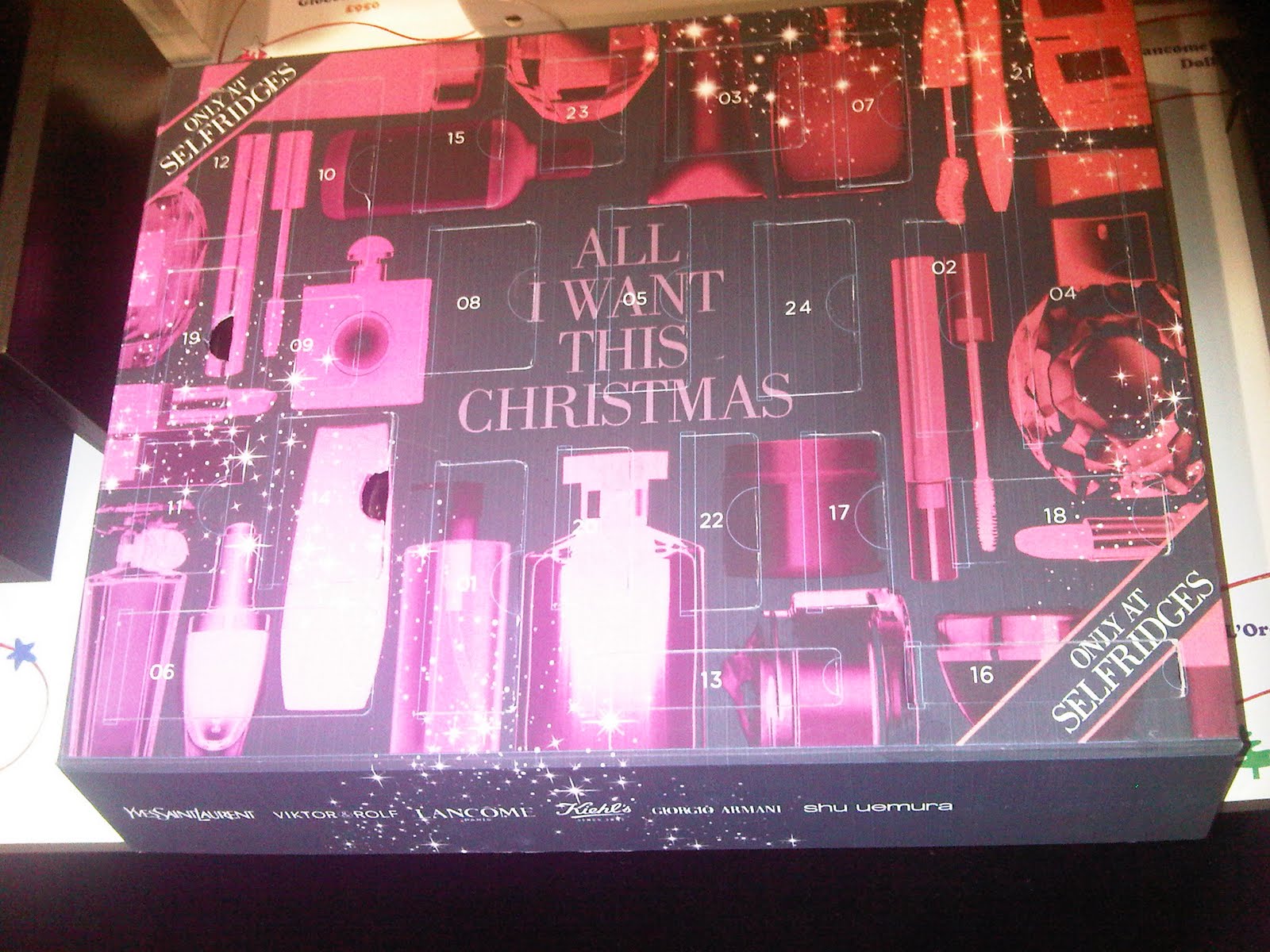
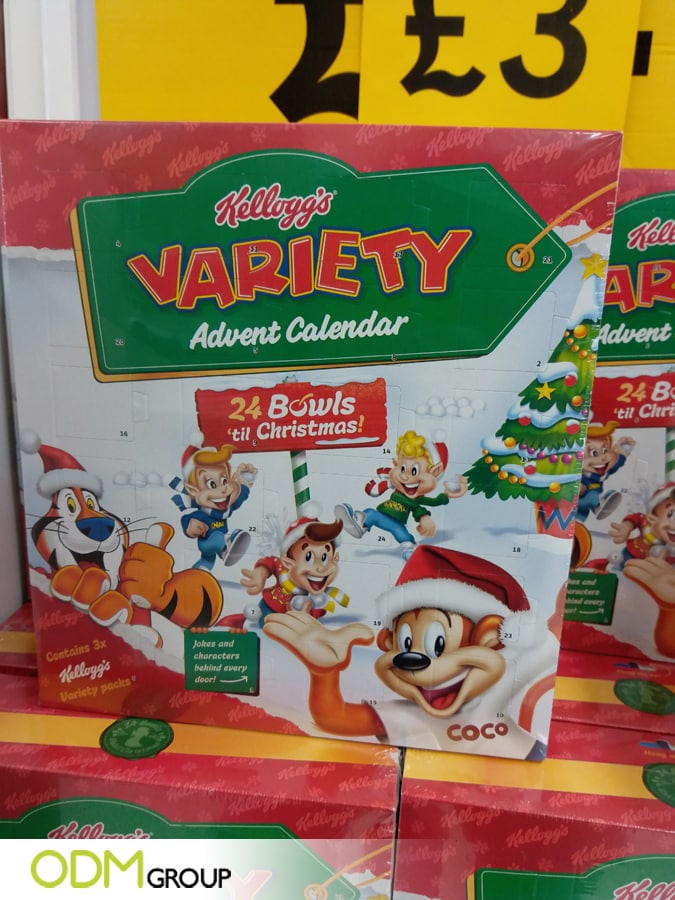
Advent calendars continue to be one of the most engaging Christmas promotional products because they encourage daily interaction with the brand.
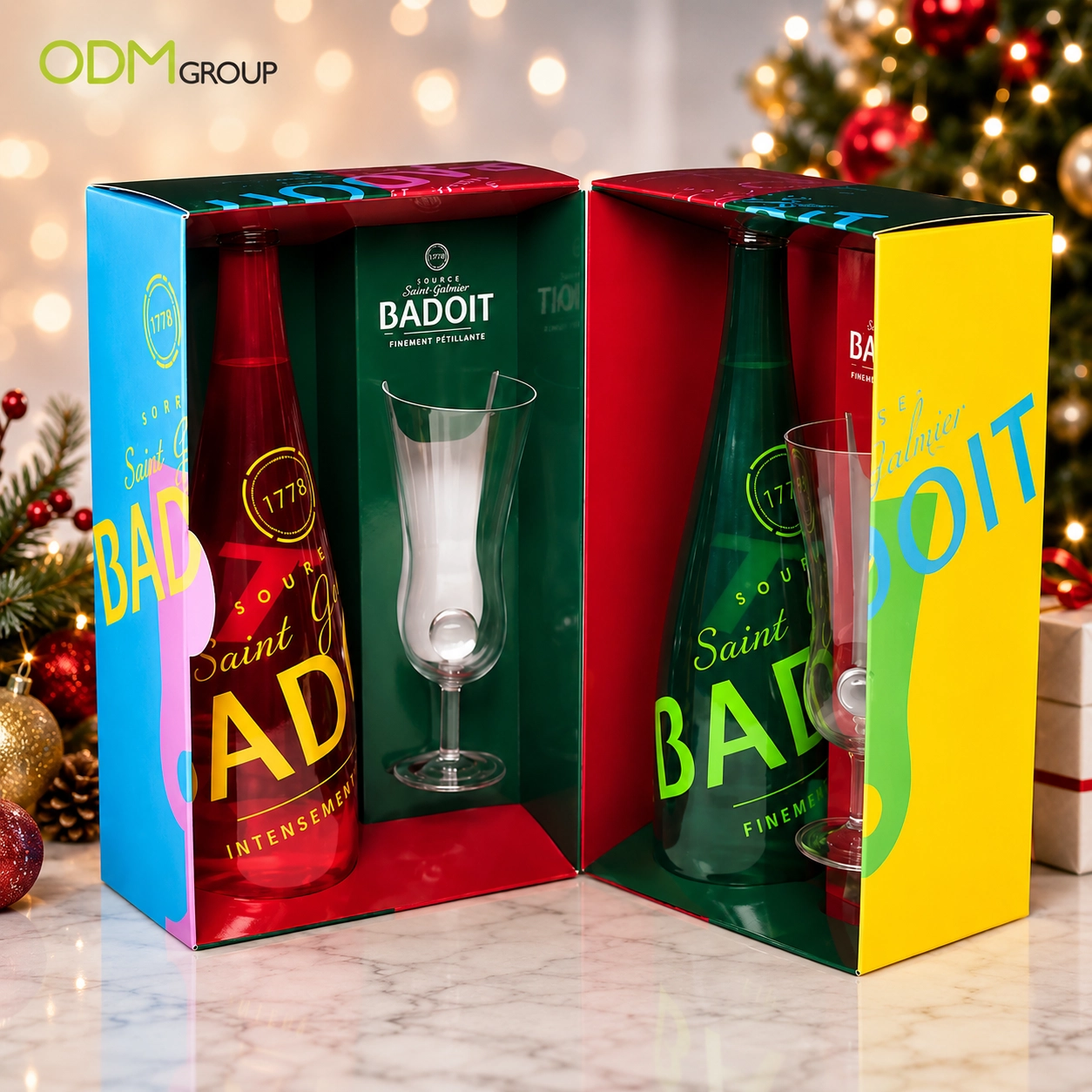
Gift-With-Purchase Promotions
Adding a branded gift can increase average order value and improve purchase conversion rates.


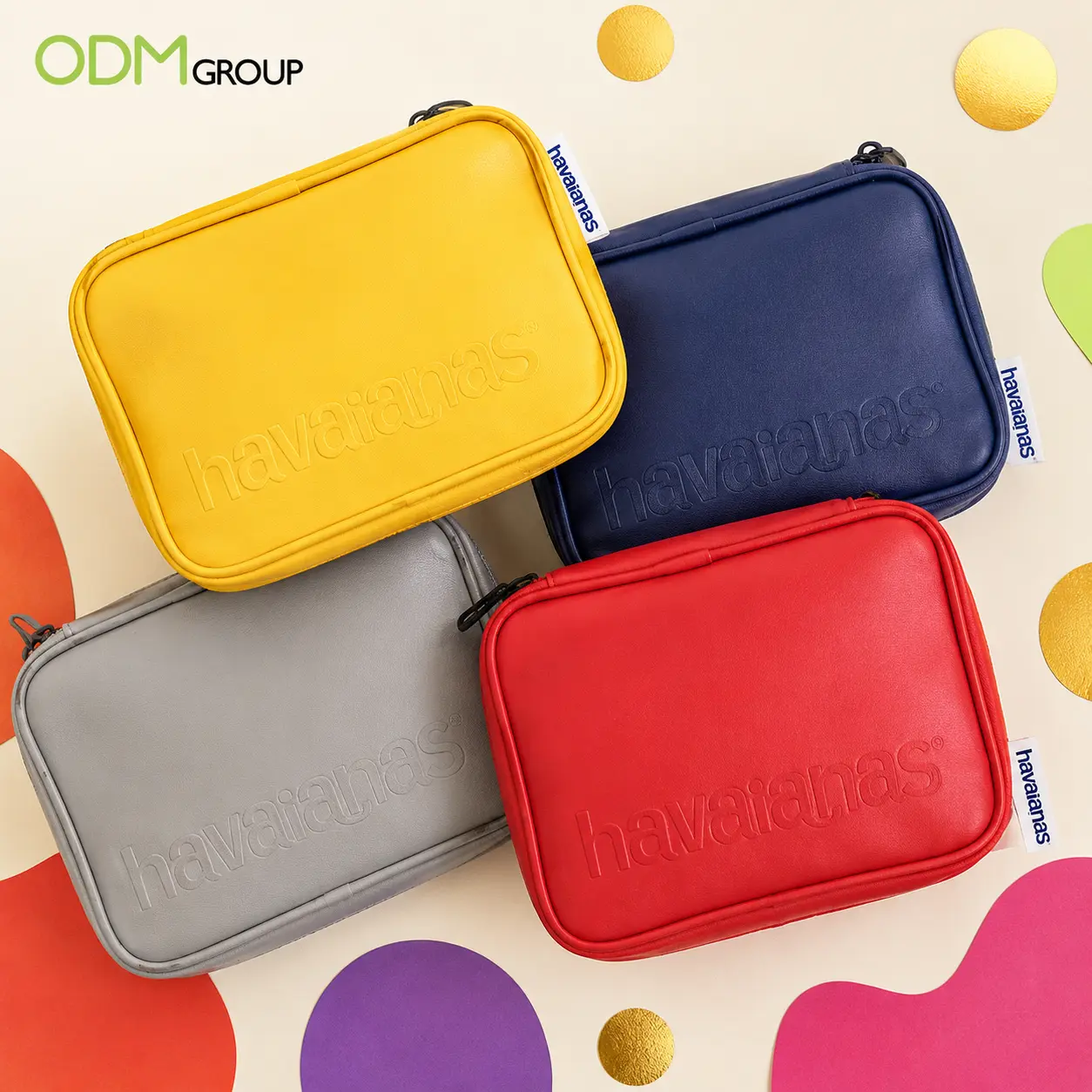
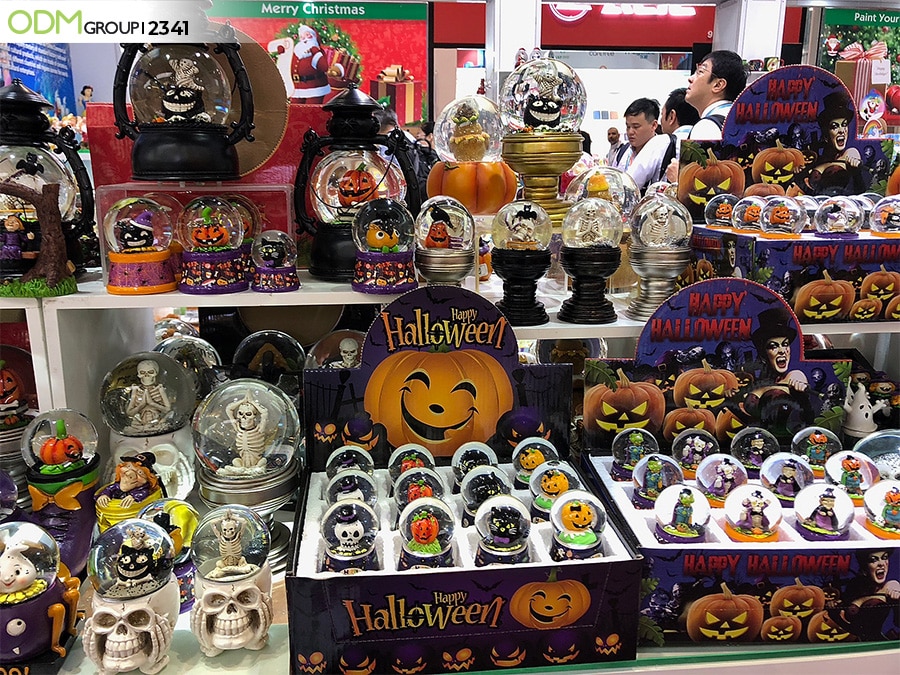
Collectible Merchandise
Collectible items encourage repeat purchases and can generate additional social sharing among customers.
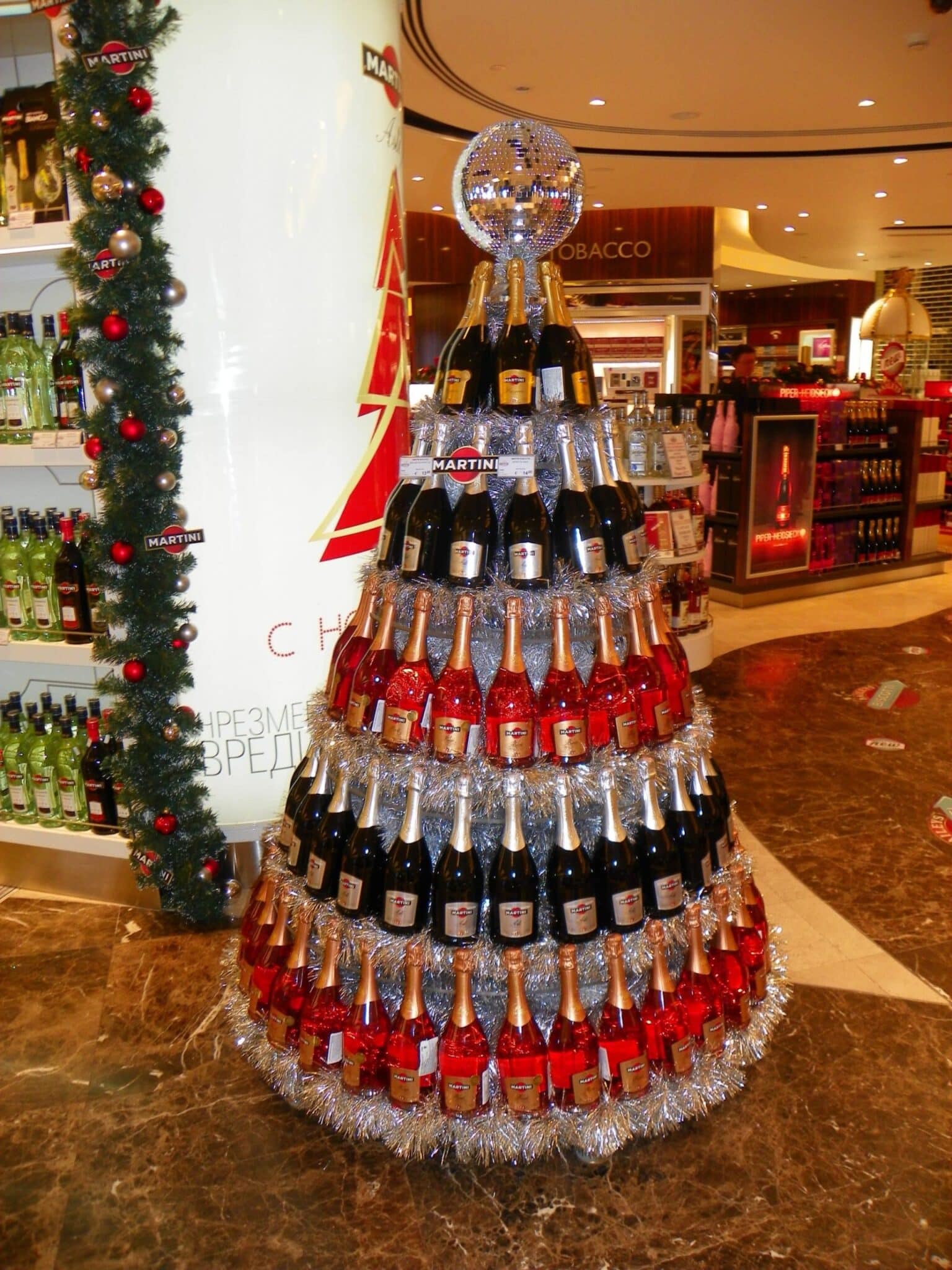
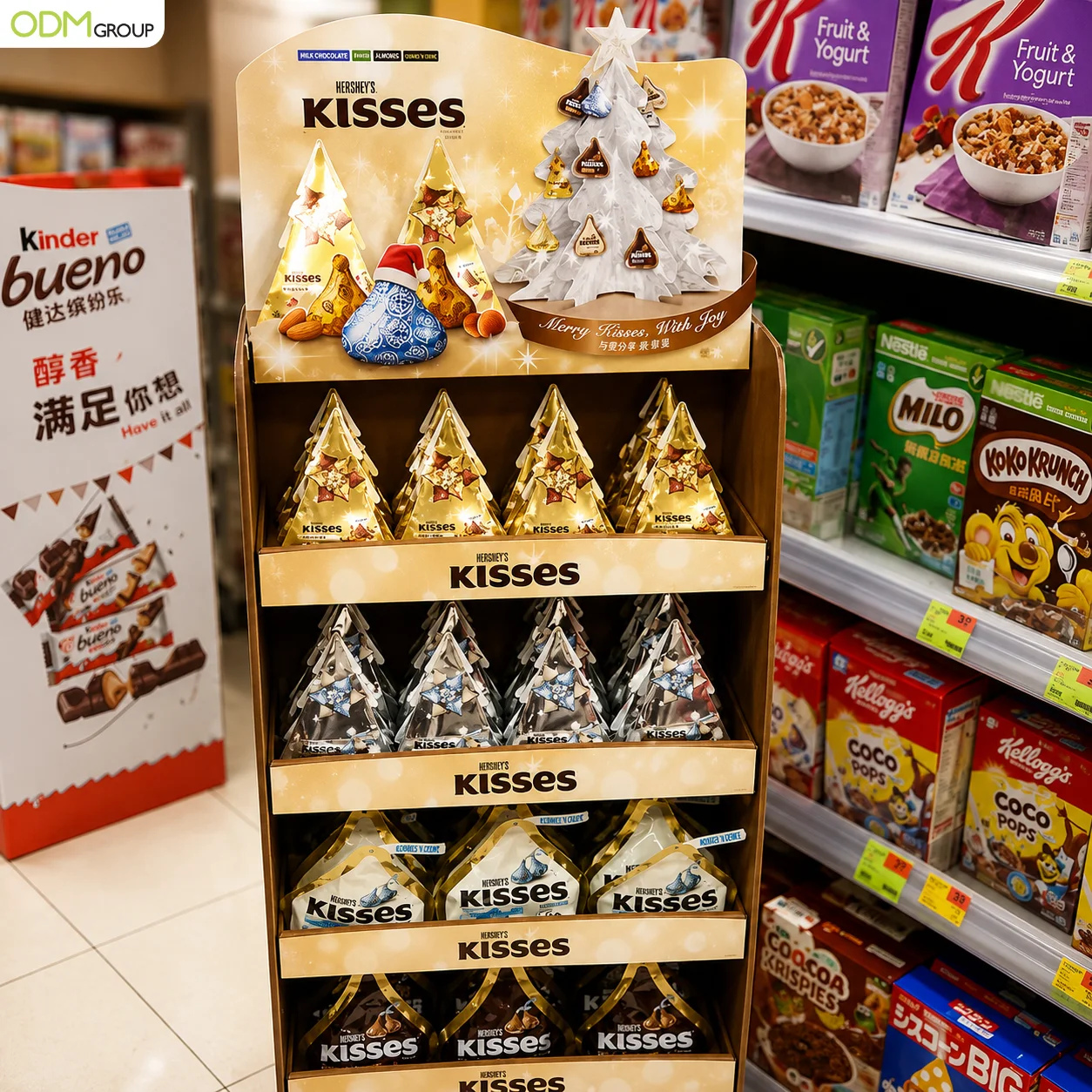
POS Displays
Eye-catching retail displays remain one of the most effective ways to influence purchasing decisions at the point of sale.
Christmas Campaign Examples That Justify the Investment
Seeing how brands use their Christmas budgets in practice can help marketers identify where promotional products and seasonal merchandise deliver the strongest return on investment.
Ferrero Rocher Snow Globes
Luxury gifting becomes even more impactful during the Christmas season. For a seasonal promotion, Ferrero Rocher used custom-branded snow globes that combined festive storytelling with collectible appeal.
Innovative Pop-Up Christmas Card
Instead of sending a traditional greeting card, brands can create interactive holiday experiences through custom pop-up cards. ODM’s Christmas pop-up card project transformed a simple greeting into a memorable brand interaction through three-dimensional design and festive storytelling. Interactive pop-up cards are particularly effective because they create surprise, encourage sharing, and leave a lasting impression.
Branded Christmas Baubles
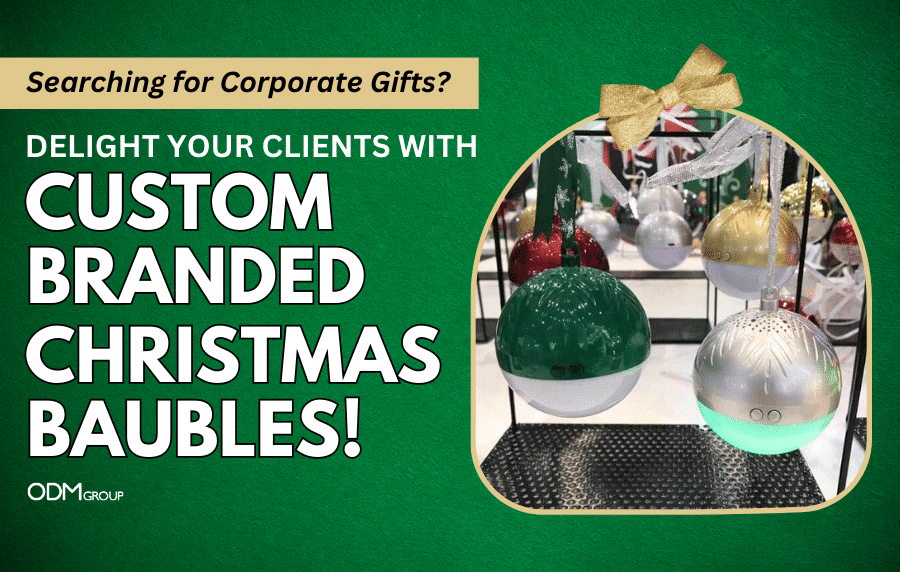
Custom Christmas baubles allow brands to become part of customers’ holiday decorations while generating repeated visibility throughout the season.
What if you have a smaller marketing budget?
Many businesses assume they need a massive budget to compete during the holidays. In reality, creativity and relevance often outperform spending alone.
A focused campaign targeting the right audience with a compelling offer can generate excellent results even with limited resources.
Instead of trying to compete with large brands on advertising spend, leaner operations should focus on:
- Niche audiences
- Personalized experiences
- Creative promotional products
- Strong customer service
- Seasonal storytelling
The goal is not necessarily to outspend competitors but to create a memorable holiday experience.
Final thought
Budgeting for Christmas is about much more than increasing spending during the holiday season. The most successful brands carefully allocate resources across awareness, conversion, promotional products, retail activations, and contingency planning.
By dividing budgets across key holiday phases, following the 70/20/10 framework, and planning campaigns well in advance, businesses can maximize holiday sales while maintaining control over marketing costs.
Whether you’re running a small seasonal promotion or a large-scale Christmas activation, thoughtful budgeting can help turn holiday marketing efforts into measurable business results.
At The ODM Group, we specialize in transforming creative concepts into market-ready merchandise through precision printing, professional design, and global manufacturing expertise. Contact us today to learn how we can help you design, source, and manufacture high-quality promotional products that elevate your brand awareness.
- Website: www.theodmgroup.com
- Email: info@theodmgroup.com
Related Blogs
Holiday Marketing: Top 5 Benefits Of Branding Your Holiday Corporate Gift
As the holiday season approaches, it's only natural that preparations for it will be [...]
How to Amplify Holiday Sales with this Branded Christmas Bauble?
The month is July, and days are starting to get shorter for the "sweater weather." [...]

Branded Christmas Hats: 4 Ways to Increase Your Holiday Sales
The holiday season is a time of joy, celebration, and gift-giving. It's also a prime [...]
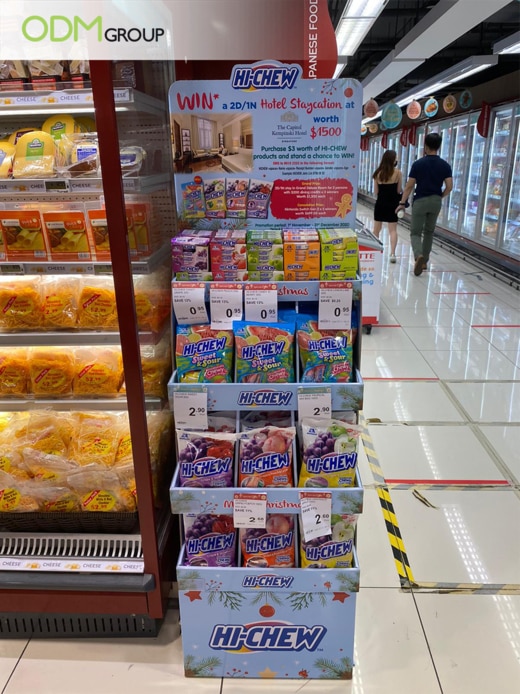
How Did Hi-Chew use a Christmas Candy Display to Give Back?
With the festive season just around the corner, many companies are incorporating the Christmas cheer [...]
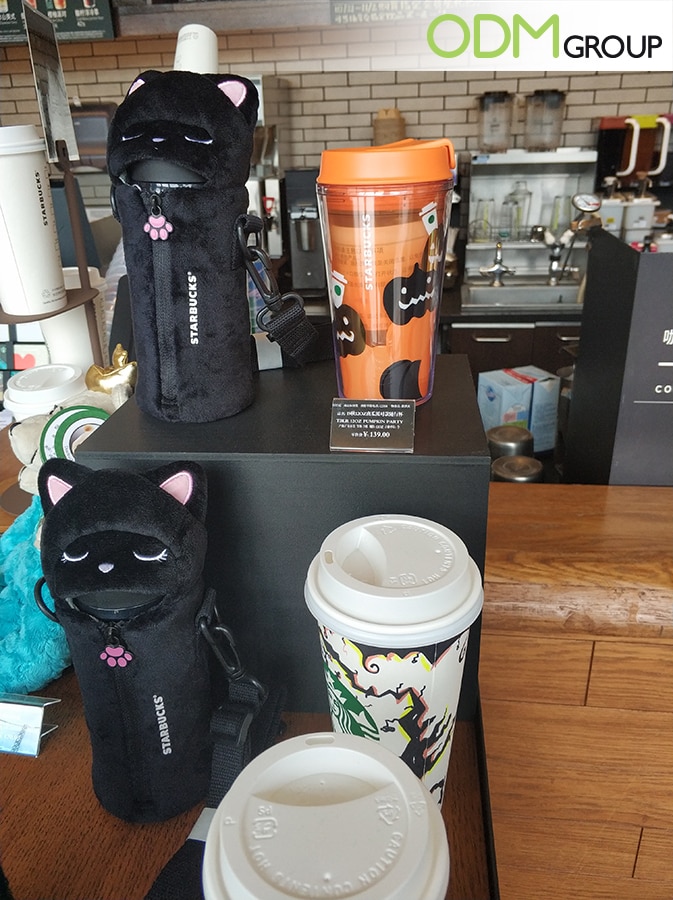
Holiday Promotional Products. What happens after Halloween?
Holiday promotional products can lose their value quickly once the season is over. It is [...]