Collectible cups give customers a reason to return, complete a set, and keep interacting with a brand long after the original purchase. Unlike a standard promotional giveaway, a well-designed collectible cup can become part of a customer’s routine, home collection, or social media content.
For quick-service restaurants, beverage chains, entertainment companies and consumer brands, limited-edition collectible cups can support several marketing objectives at once. They can increase meal upgrades, encourage repeat visits, strengthen campaign visibility and connect the brand with a major event, character franchise or cultural moment.
Why Collectible Cups Work in Marketing
Most promotional products are designed to reward a single purchase. Collectible cups are different because they can encourage an ongoing series of purchases.
When customers know that several designs are available, they may return to collect the remaining versions. This turns a one-time gift-with-purchase campaign into a longer customer journey.
A collectible cup promotion can help brands:
- Increase repeat purchases
- Encourage customers to upgrade to participating meals or bundles
- Create urgency through limited availability
- Generate user-generated content and collection-sharing
- Strengthen associations with sports, entertainment, or seasonal events
- Keep the brand visible after the campaign ends
The physical nature of the product is important. A cup is practical, easy to display, and frequently used. Every time the customer drinks from it or sees it in a cupboard, the campaign receives another moment of visibility.
Campaign Example: McDonald’s Philippines FIFA World Cup Collectible Cups
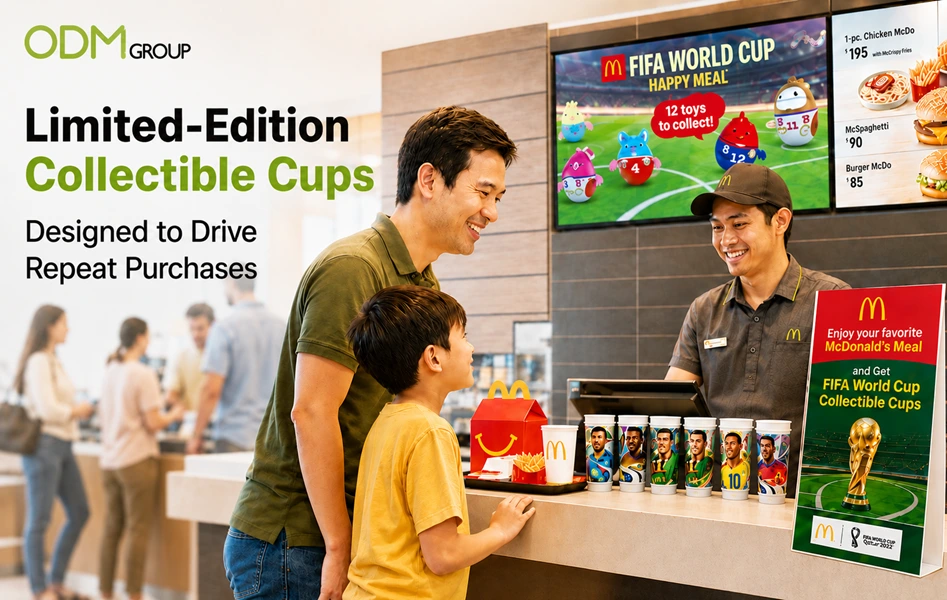
A potential campaign for McDonald’s Philippines could connect participating meals with a limited-edition FIFA World Cup collectible cup series.
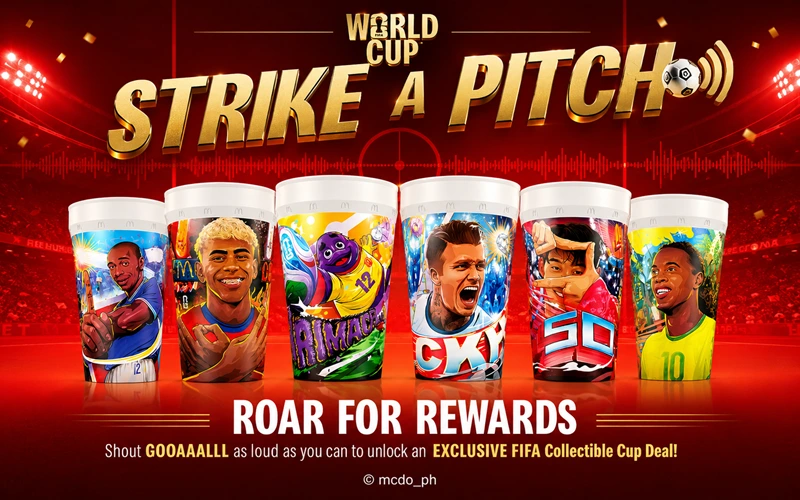
For every purchase of a qualifying meal, customers could receive or purchase one cup from the collection. Each design could represent a participating country, an iconic football moment, a tournament-inspired graphic or a licensed FIFA World Cup visual.
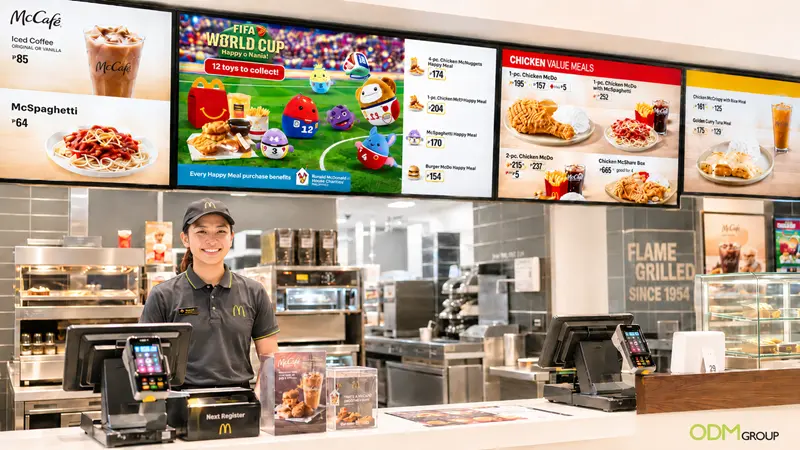
McDonald’s extends the campaign further with its FIFA Happy Meal collection, which includes 12 collectible toys. Offering both cups and toys allows the promotion to appeal to different audiences. Adult fans may be more interested in the drinkware, while families and younger collectors may focus on completing the toy series.
Design a Collection, Not Just One Cup
A successful collectible promotion should feel like a complete series. Each item needs its own identity, but the collection should still look cohesive when displayed together.
Brands should establish a clear design system before finalizing individual artwork.
This may include:
- A consistent cup shape and capacity
- A defined color palette
- Repeated logo placement
- Numbered designs
- Matching lid or sleeve details
- A campaign mark that appears across the full series
- Packaging that shows the complete collection
Numbering can make the items feel more collectible. Labels such as “1 of 6” or “Special Edition” help customers understand the collection immediately.
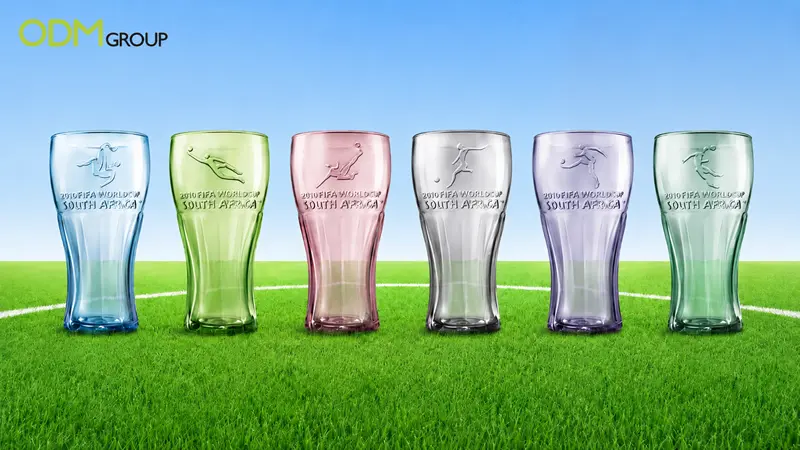
Here’s another limited-edition collectible cup by McDonald’s launched during the FIFA World Cup in 2010.
Use Packaging to Build Anticipation
Packaging should not be treated as an afterthought. It protects the cup, communicates the campaign, and can increase the perceived value of the gift.
For lower-cost promotions, the cup may be presented in a printed paper sleeve or recyclable carton. Premium editions could use a window box that allows customers to see the design without opening the package.
Packaging can also include:
- A visual checklist of all available designs
- A QR code linking to campaign information
- Competition or prize-draw details
- Product care instructions
- Licensing statements
- A teaser for the next release
- Social media hashtags
Blind boxes can create excitement, but it also carries risks. Customers may become frustrated if they repeatedly receive the same design. Brands should decide whether surprise distribution supports the campaign or whether customers should be allowed to select their preferred cup.
The right approach depends on the audience, campaign duration, and stock availability.
Make the Collection Visible at the Point of Purchase
Customers cannot collect products they do not know are available. Strong point-of-sale communication is therefore essential.
A collectible cup campaign may use:
- Countertop displays
- Menu board graphics
- Window posters
- Self-order kiosk banners
- Drive-through signage
- Table displays
- Hanging mobile decorations
- Full collection display cases
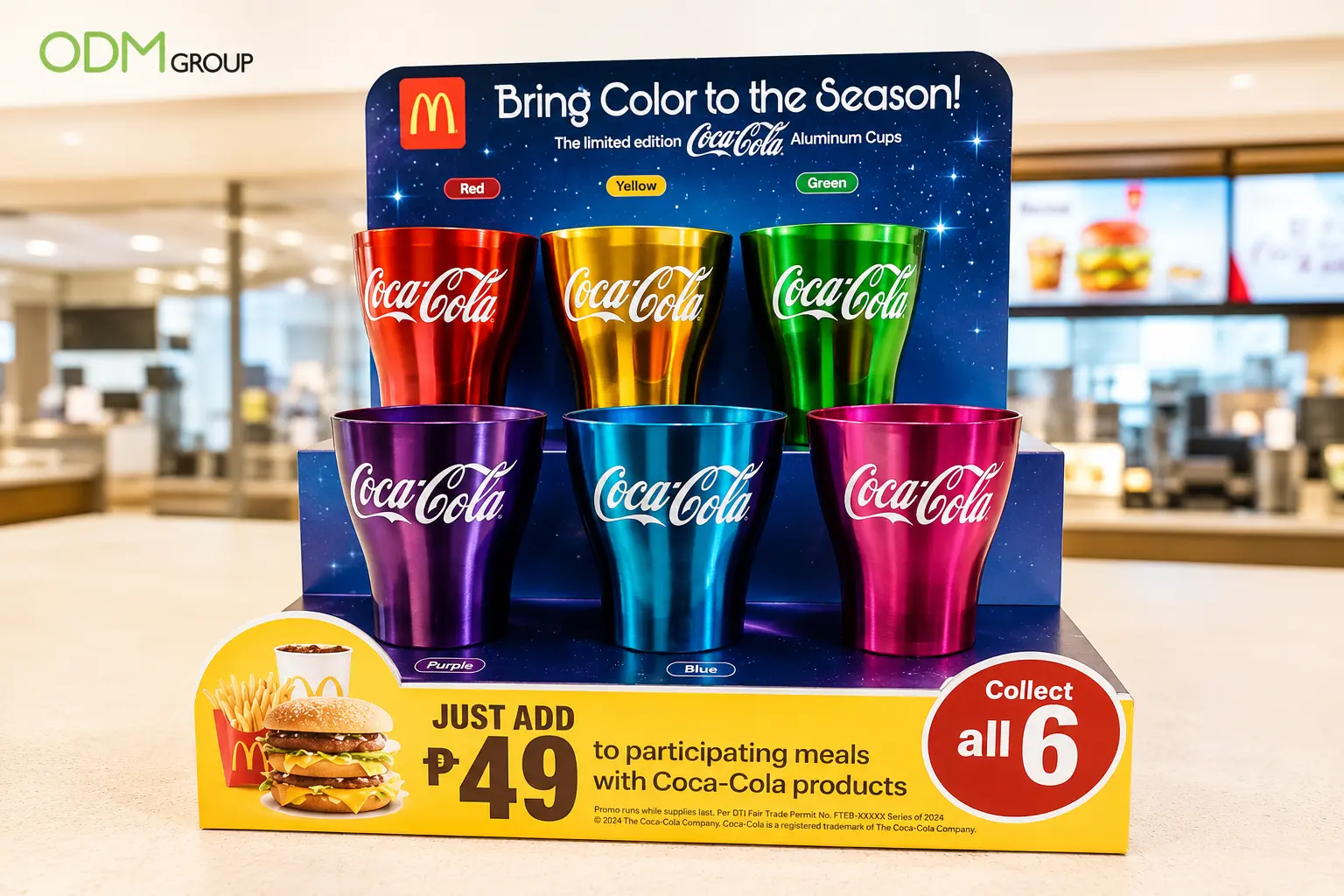
Showing the complete series helps customers visualise what they can collect. It also makes the promotion easier for restaurant staff to explain.
Other Businesses That Can Use Collectible Cup Promotions
Collectible cups are not limited to quick-service restaurants. The format can be adapted across several industries.
1. Coffee and Bubble Tea Chains
Beverage chains can launch seasonal tumblers, character cups, or city-inspired collections. New designs can be tied to drink launches, store anniversaries, or membership programs.
2. Cinemas and Entertainment Venues
Cinemas can offer cups linked to major film releases, animated characters, or entertainment franchises. Cup toppers, shaped lids, and reusable straws can make the merchandise more distinctive.
3. Sports Clubs and Stadiums
Football, basketball, and motorsport organizations can create player cups, championship collections, or season-ticket merchandise. Designs could be released during selected home games.
4. Beverage and FMCG Brands
Soft drink, snack, and confectionery brands can offer collectible cups through on-pack promotions, retail redemptions, or bundled gift sets. The campaign can be linked to sports sponsorships, festivals or limited-edition product launches.
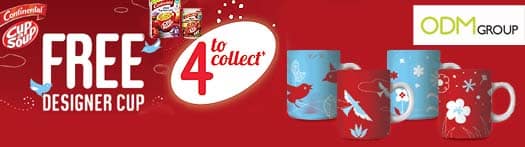
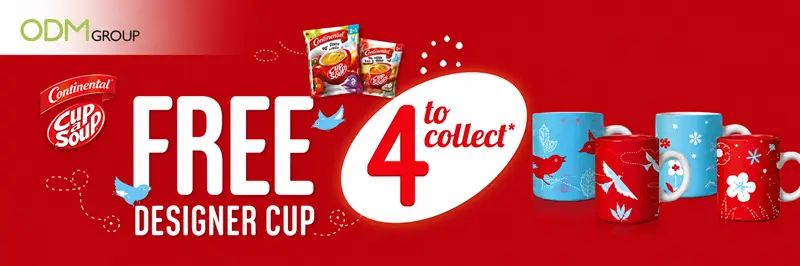
Here’s an example of a GWP campaign, wherein the brand offered 4 designer cups upon purchasing 4 Continental Cup-a-Soup.
5. Theme Parks and Attractions
Theme parks can feature different characters, rides, or seasonal events. Visitors may be encouraged to collect cups from different areas of the park.
6. Convenience Stores and Supermarkets
Retailers can connect collectible drinkware with loyalty stamps, selected FMCG purchases, or spending thresholds. Brand partners can also share the campaign cost and visibility.
7. Airlines and Travel Retailers
Destination-themed cups, airport collections, and airline heritage designs can serve as travel souvenirs. These campaigns may work particularly well in airport lounges, duty-free stores and onboard retail programs.
Important Questions Before Launching the Promotion
Collectability alone does not guarantee results. Brands should define the campaign’s commercial purpose before developing the product.
Key questions include:
1. What customer behavior should the campaign encourage?
Is the objective to increase repeat visits, promote a new meal, improve app usage, or raise average transaction value?
2. How many designs should be included?
Too few may limit repeat engagement. Too many can make the collection feel expensive or impossible to complete.
3. Will customers choose the design?
Allowing selection improves satisfaction, while a random distribution may increase repeat purchases but also create frustration from duplicates.
4. How will stock be distributed?
Uneven stock allocation can lead to some locations running out while others retain excess inventory.
5. What happens when a design sells out?
Staff needs clear guidance, and campaign terms should explain that designs are subject to availability.
6. Can the product meet the required safety standards?
Material selection, food-contact testing, print durability and packaging requirements should be reviewed for every target market.
7. Is there enough time for approvals?
Licensed artwork often requires several rounds of review. Product testing, packaging development and POS production must also be included in the timeline.
How ODM Supports Collectible Cup Campaigns
ODM Group works with brands as a strategic product development and sourcing partner. Rather than starting with a standard cup and adding a logo, the process begins with the campaign objective, target audience, and customer experience.
Our team can support brands with:
Concept Development
ODM helps translate the campaign theme into a product collection. This includes defining the number of designs, release structure, branding opportunities, and possible premium editions.
Sketching and Product Visualization
Through our in-house design agency, Mindsparkz, we can develop product sketches, color options, and presentation visuals before sampling begins. This gives marketing and procurement teams a clearer understanding of how the collection will look.
Packaging Development
We can develop packaging that protects the product while supporting the campaign story. Options may include printed sleeves, window boxes, gift cartons, and retail-ready display packaging.
Point-of-Sale Displays
ODM can coordinate countertop units, collection displays, posters, and other POS materials to ensure the promotional product is clearly presented at the point of purchase.
Prototyping and Sampling
Samples allow brands to assess cup shape, print quality, colors, packaging fit, and overall presentation before committing to full production.
Quality Control and Project Coordination
ODM works with suitable manufacturing partners and supports quality checks, production follow-up and delivery coordination. This helps brands manage the practical details of a multi-item promotional campaign without treating product development as a disconnected factory order.
Turn a Promotional Cup into a Campaign Asset
Limited-edition collectible cups work best when they are designed as part of a broader marketing program.
The cup attracts attention, but the release schedule, redemption method, packaging, POS displays and digital communication determine whether customers stay engaged. Adding related items, such as collectible toys, can extend the campaign further and appeal to different audience groups.
For brands planning a sports, entertainment, foodservice or retail promotion, ODM Group can help develop the collection from initial sketches to packaging and in-store presentation.
A well-planned collectible cup is not simply a free item. It can become a reason to purchase, return, share, and remember the brand. Contact ODM Group today to get started!
More Ideas


FAQs about Collectible Cups
How many cups should a collectible series include?
Four to eight designs usually provide enough variety to encourage repeat participation without making the collection feel unattainable. The ideal number depends on campaign length, product price and customer purchase frequency.
Should collectible cups be free or offered as an add-on purchase?
Both approaches can work. A free cup creates a strong immediate incentive, while a discounted add-on can support cost recovery and allow the product to feel more premium.
Can collectible cups be made from reusable materials?
Yes. Depending on the campaign, brands can consider reusable plastic, stainless steel, glass or other suitable materials. Material selection should reflect the target market, budget, intended use and applicable food-safety requirements.
What makes customers want to complete a collection?
Distinct designs, limited availability, numbered products, staggered releases and a clear display of the complete series can all strengthen the desire to collect. The products must also feel useful or visually appealing enough to keep after the promotion.
What to Read Next?
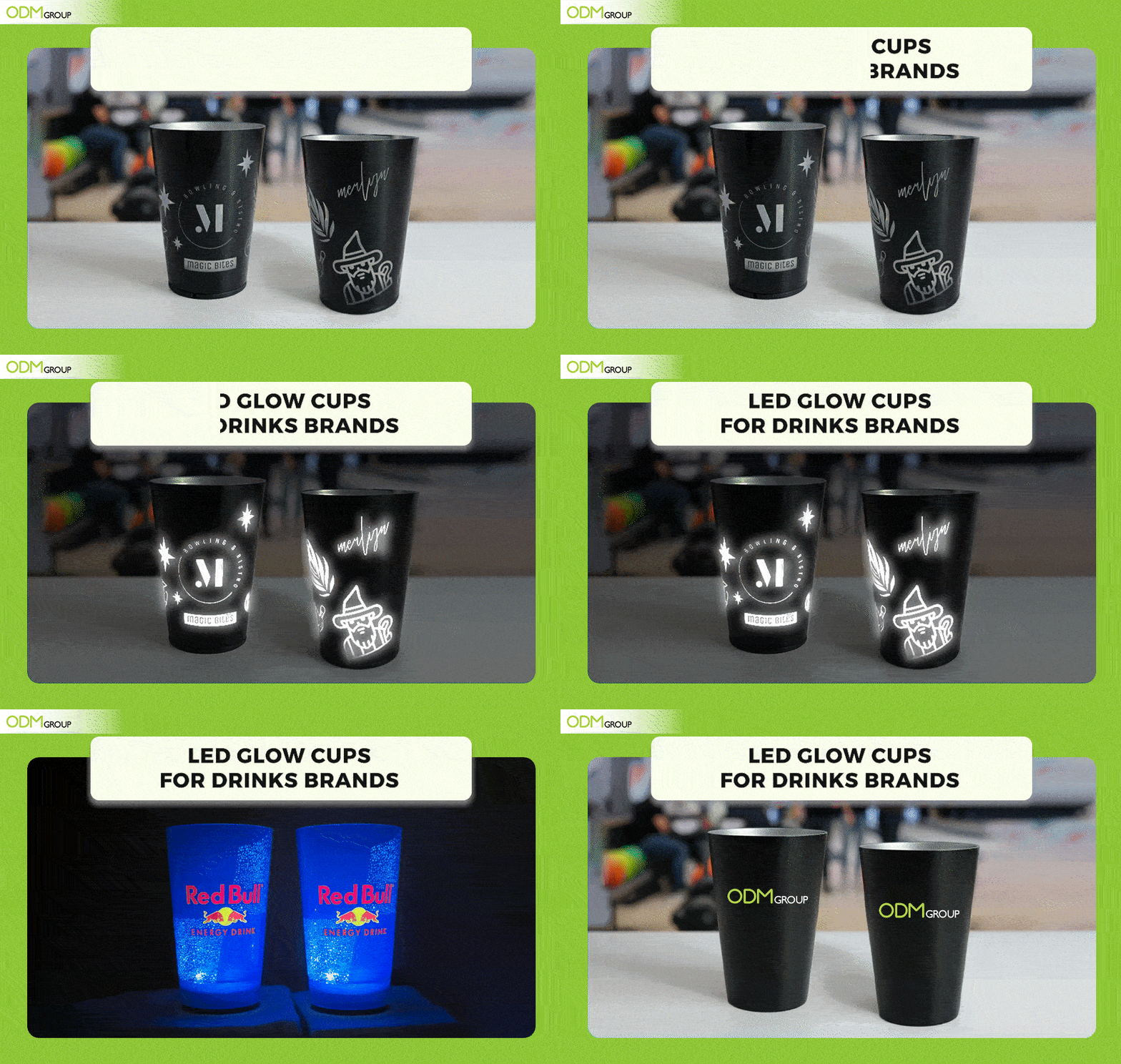
Custom LED Cups for Drink Events, Bars, and Brand Promotions
LED glow cups are a practical promotional drinkware option [...]
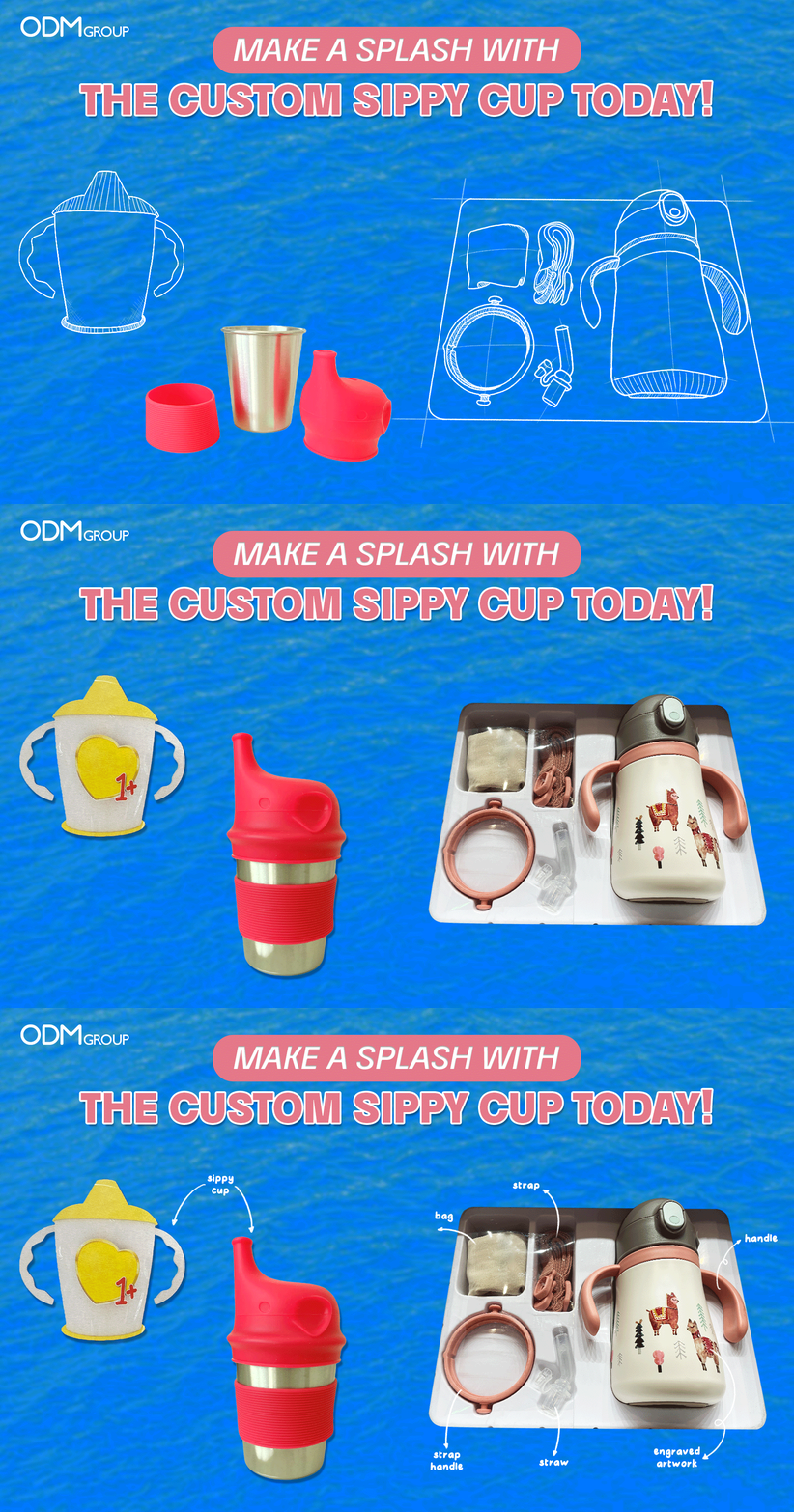
Creating Lasting Impressions: The Power of Custom Sippy Cups
Uncover the perfect blend of style and functionality with [...]
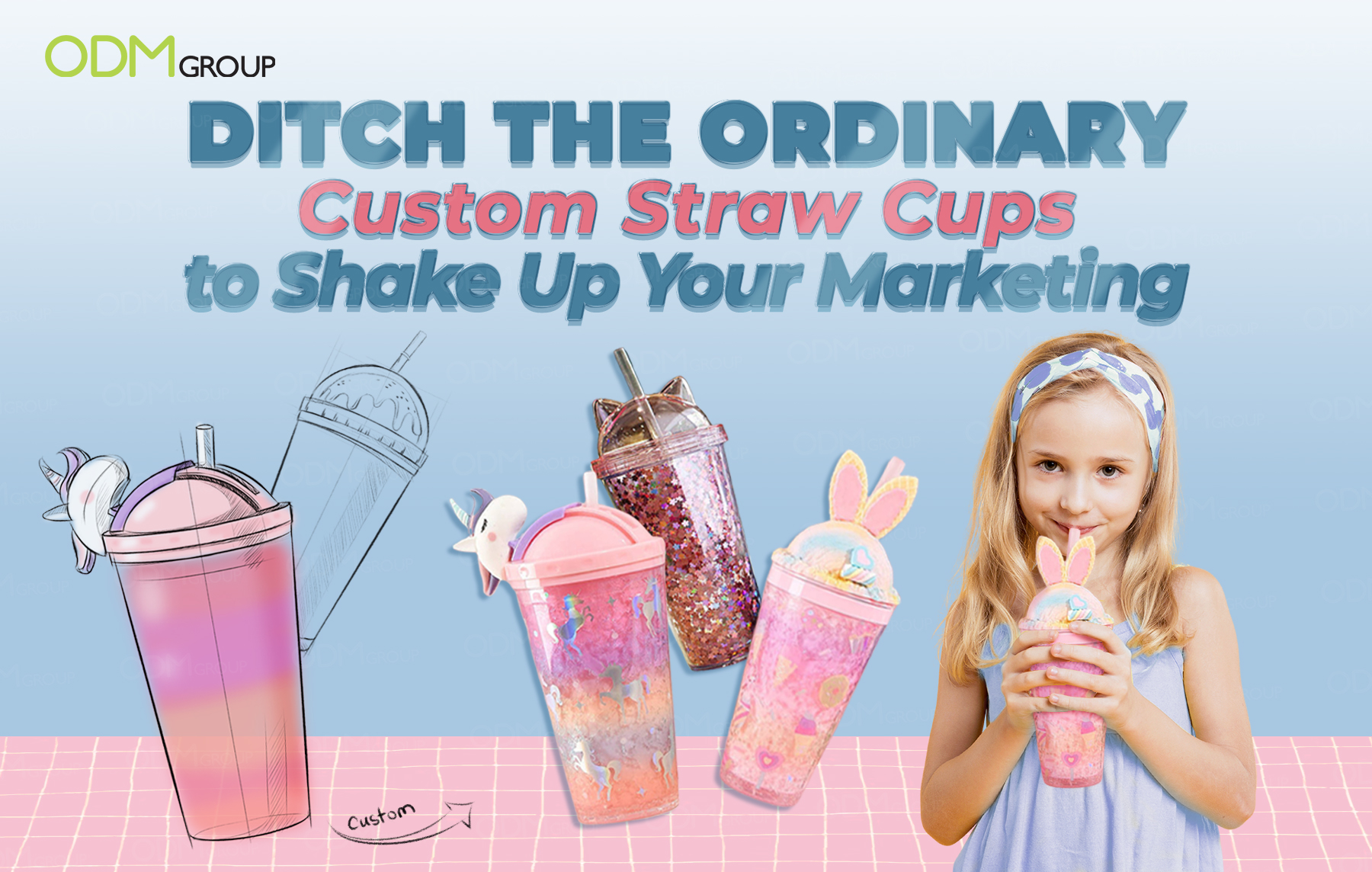
6 Ways to Shake Up Your Marketing with Custom Straw Cups
Tumblers have become trendy lately due to their reusable [...]
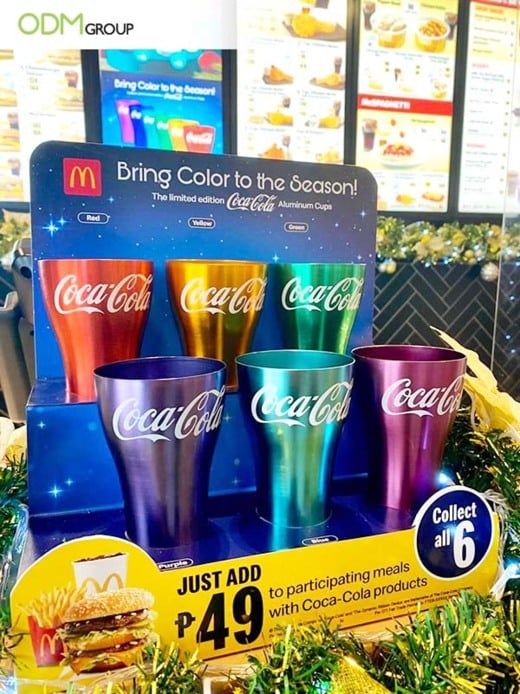
McDonald’s Brings Colour to the Season With Custom Reusable Cups!
The most awaited time of the year is coming! And [...]
 Gallery
Warm Up Sales with a Ceramic Mug with Logo- Ahmad Tea Case Study
Branded promotional products, Custom Products, FMCG Food, Gift with purchase, Giveaway promotional items, Household promotional gifts, In-pack promotions, Marketing, On-pack promotions, Premium promotional products, promotional gift, Promotional gifts for food industry, Promotional Products
Warm Up Sales with a Ceramic Mug with Logo- Ahmad Tea Case Study
After a long day, having a cup of tea is [...]
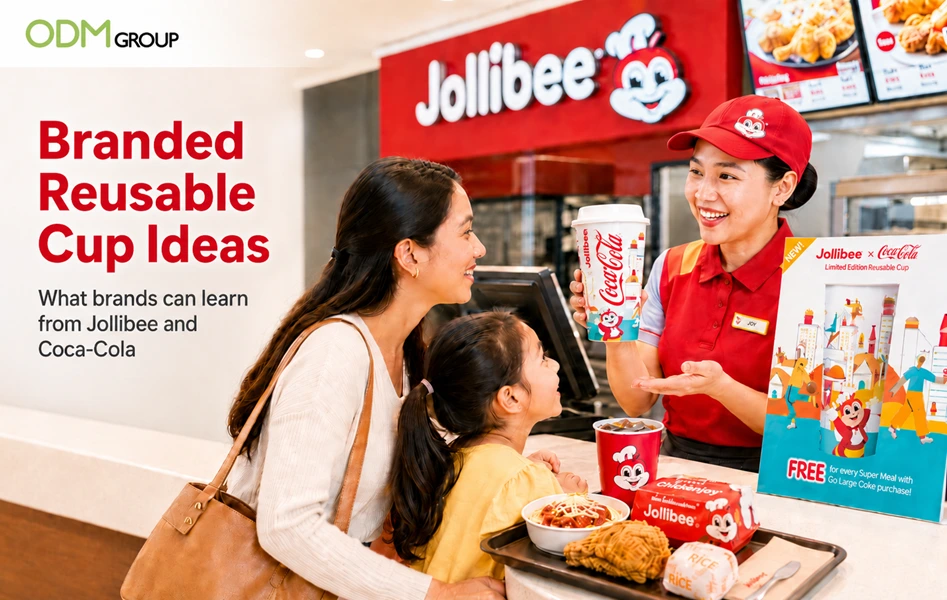
Branded Reusable Cup: 5 Lessons from Jollibee and Coca-Cola
A branded reusable cup can turn an everyday food purchase [...]