Every July 4th, Americans gather around barbecue grills, spread blankets on parade routes, and crane their necks at fireworks-filled skies. It is the most festive, most communal, and for brands that plan ahead, most profitable weekend of the summer. Yet many businesses treat Independence Day as just another holiday sale, slapping a star on their banner and calling it done.
The brands that win on the 4th of July do something smarter. They tap into the emotion of the moment (freedom, togetherness, pride, and celebration) and build campaigns that feel authentic rather than opportunistic. This guide breaks down the top 4th of July marketing ideas, complete with product suggestions, campaign strategies, and answers to the most commonly asked marketing questions.
Why 4th of July Marketing Matters for Your Brand
Independence Day consistently ranks among the top five retail events of the year in the United States. Consumer spending around July 4th spans food and beverages, apparel, outdoor gear, fireworks, travel, and branded merchandise — creating opportunities for businesses across virtually every category.
What makes the 4th of July especially powerful for marketers is its emotional uniformity. Unlike Christmas or Valentine’s Day, where sentiment varies widely by person, almost everyone approaching July 4th is in a celebratory, outward-facing mood. They are hosting, attending events, shopping for others, and are open to discovering new brands. That openness is your window.
The key is starting early. Search interest for “4th of July gifts,” “July 4th deals,” and “Independence Day marketing” typically begins climbing in mid-June. Brands that launch campaigns by early June capture attention before the market gets crowded. Brands that wait until July 1st are fighting for scraps.
Products to Offer Around the 4th of July Celebration
Choosing the right products is the foundation of any successful 4th of July marketing push. The best performers are items that fit naturally into how people actually celebrate. Here are the categories and specific product ideas worth exploring:
1. Branded Outdoor & Picnic Gear
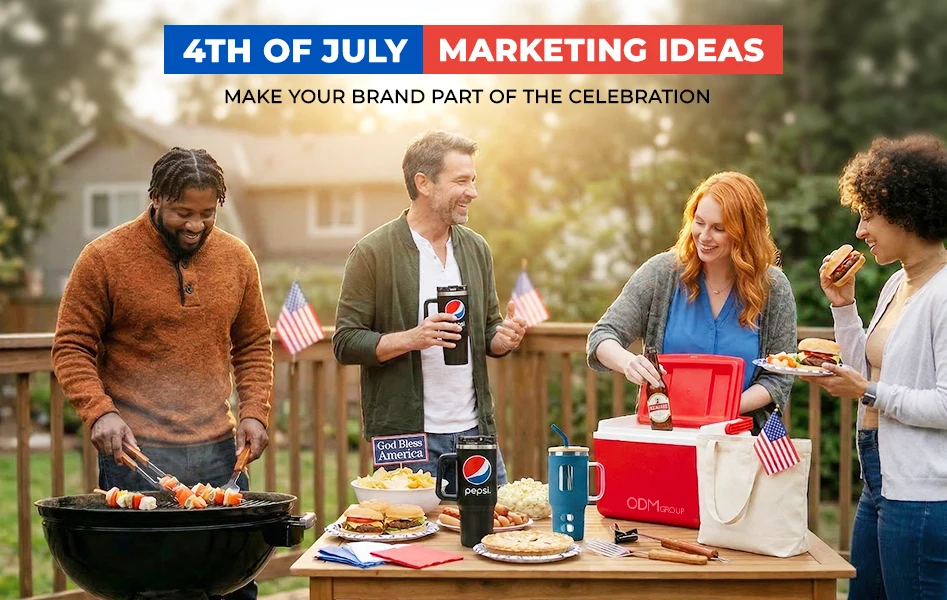
Fourth of July is quintessentially an outdoor holiday. Products like custom-branded coolers, picnic essentials, insulated tumblers, foldable chairs, and portable speakers align perfectly with how people celebrate.
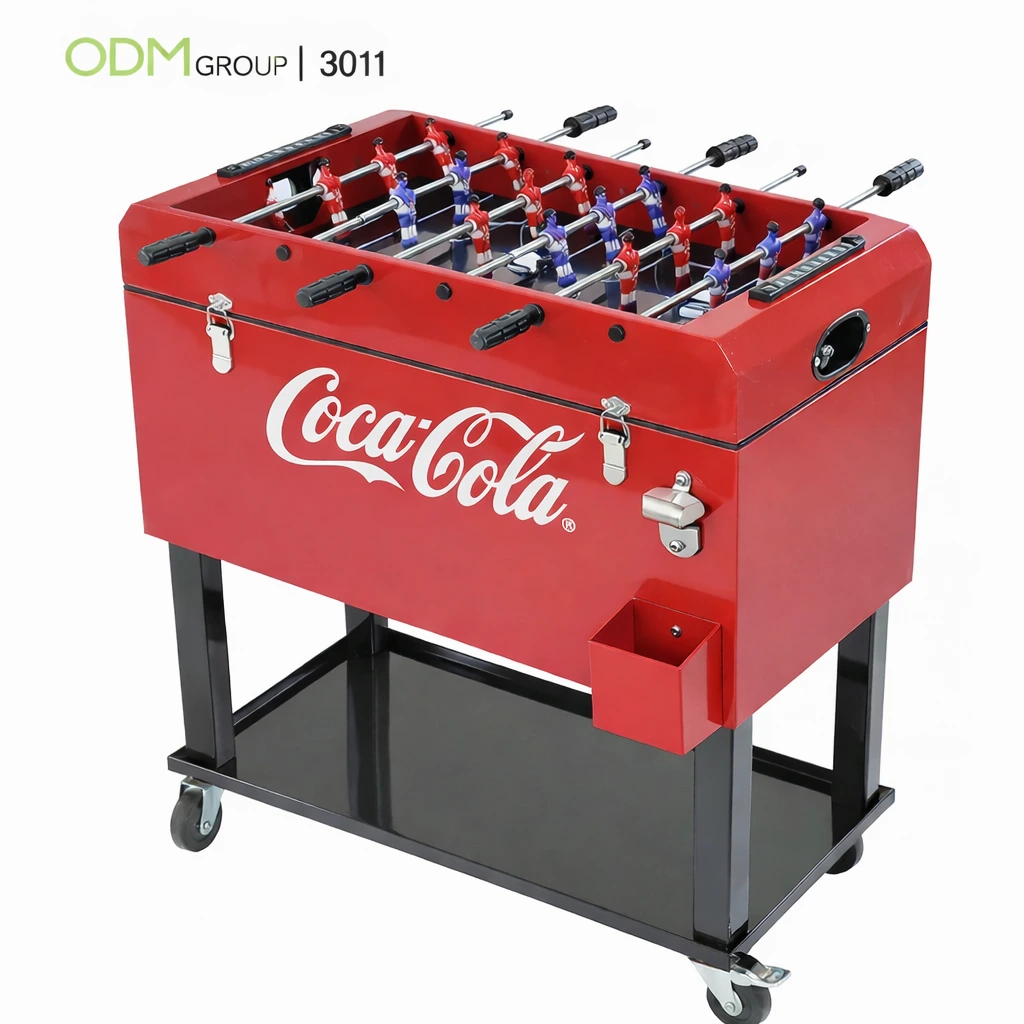

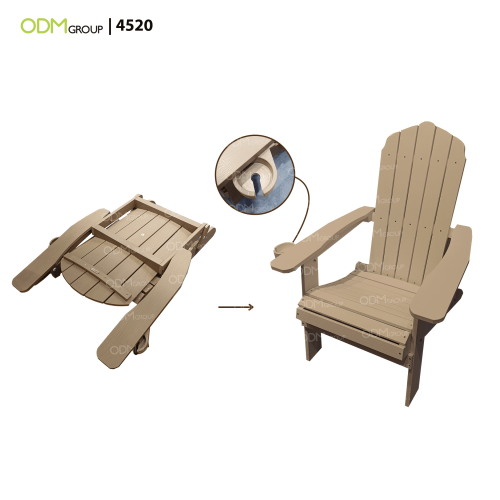
These items carry high perceived value, generate repeat impressions throughout the summer, and are natural gift candidates. Add a red, white, and blue colorway or a patriotic print and you have an instant limited edition.
2. Patriotic Apparel & Accessories
Custom T-shirts, caps, tote bags, and bandanas in flag-inspired colorways are perennial bestsellers. The opportunity is in the design — move beyond generic flag imagery and invest in creative, distinctive prints that people actually want to wear. Limited-edition drops create urgency, and apparel worn at July 4th events doubles as mobile advertising.
3. BBQ & Grilling Bundles
The cookout is the centerpiece of Independence Day for most American families. Grill accessories, custom aprons, spice rub gift sets, branded griller, and curated sauce collections are all strong sellers.
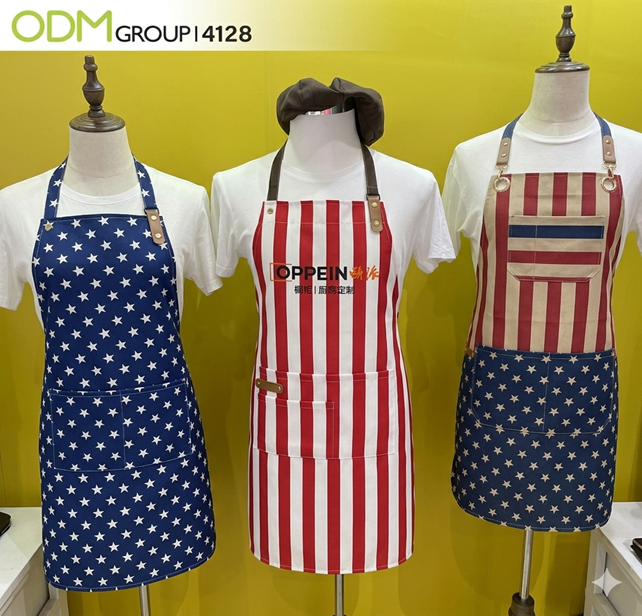
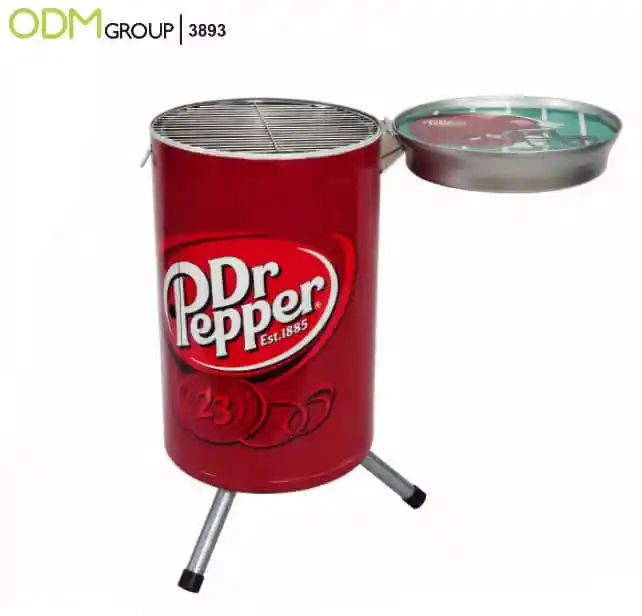
Food brands can create co-branded “cookout kits” that bundle complementary products, adding value while increasing average order size.
4. Patriotic Gift Sets & Hampers
Curated gift boxes with themed packaging punch well above their component cost. Consumers pay a premium for curation and presentation, especially when they need a gift for a host or a patriotic-themed gathering. This is a high-margin, high-shareability product category that works especially well for e-commerce and subscription box brands.
5. Custom Promotional Items
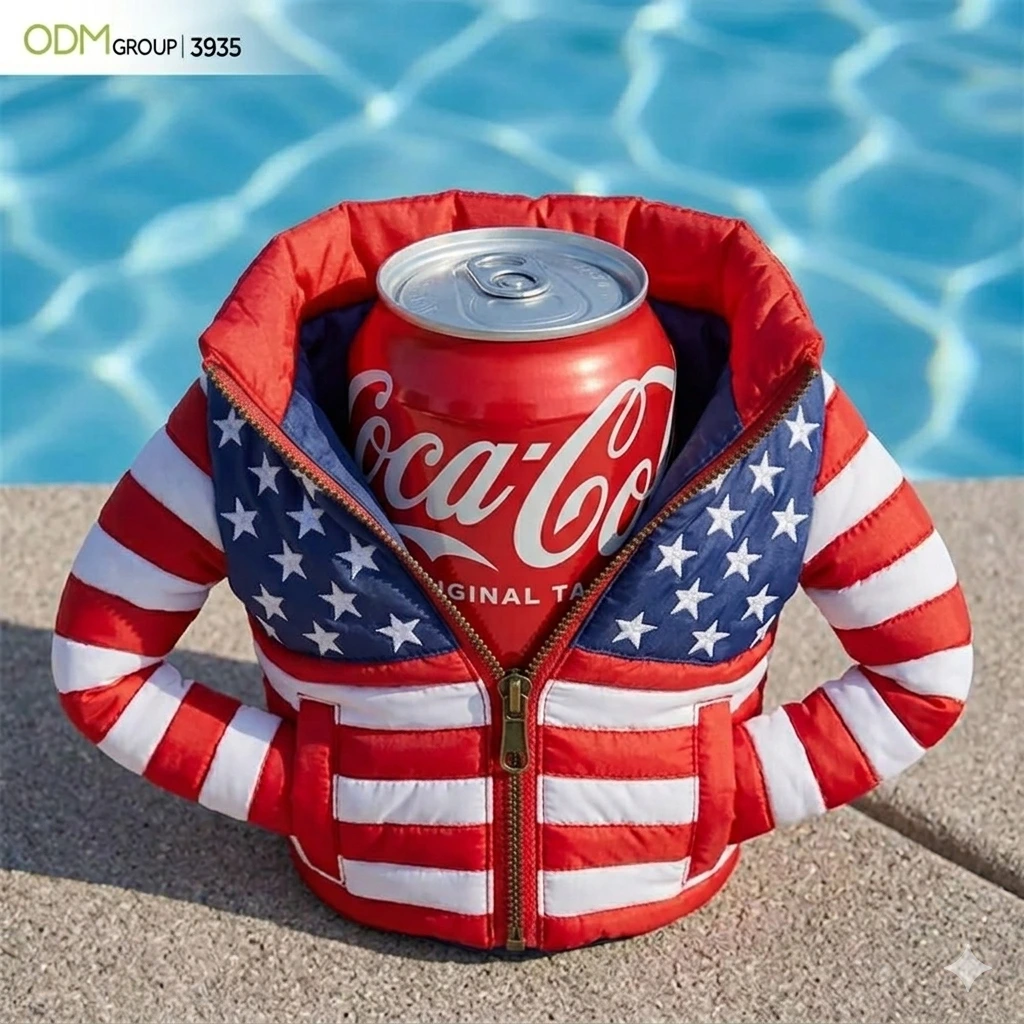
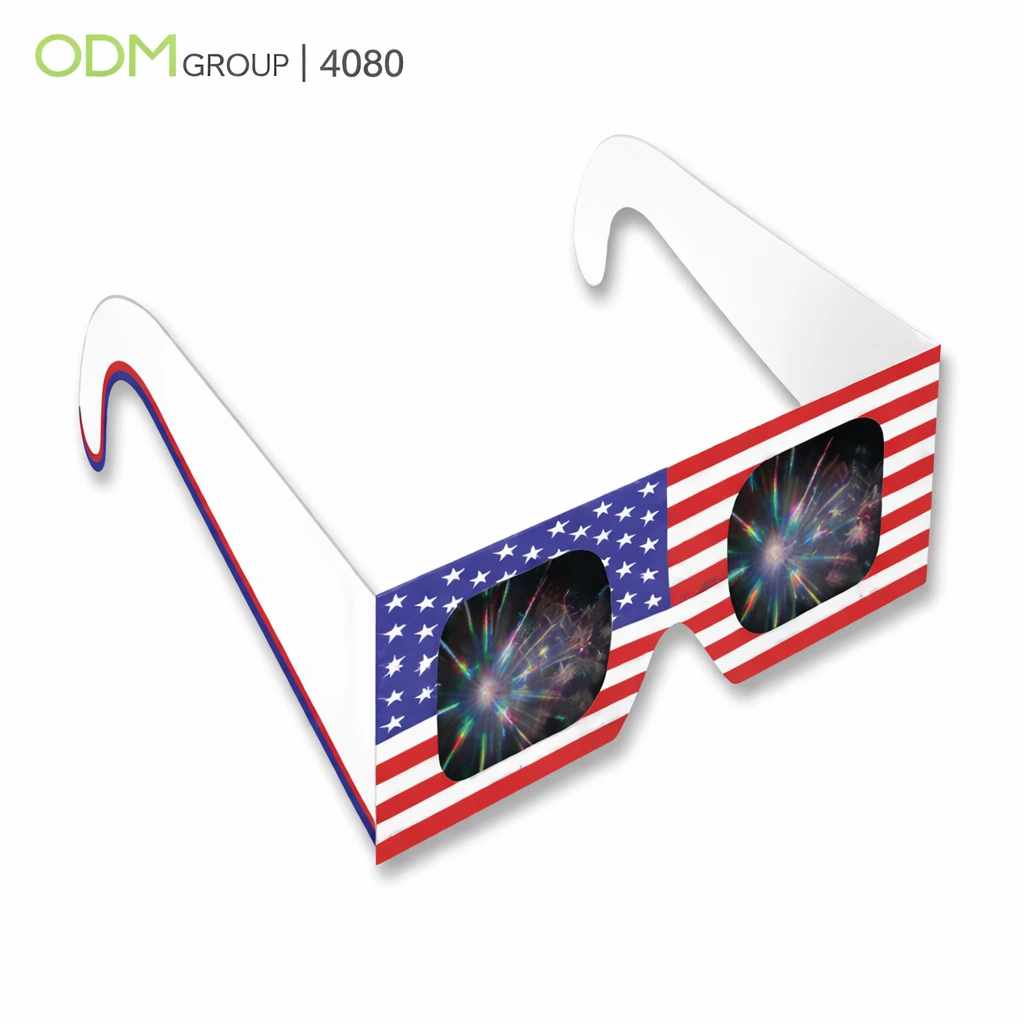
Branded koozies, sunglasses, fans, water bottles, and phone wallets are affordable giveaway items that work well for event sponsorships, trade activations, and loyalty programs. At scale, these items build brand awareness long after the holiday ends.
6. Limited-Edition Packaging
Even everyday products benefit from a seasonal packaging refresh. A July 4th label, patriotic sleeve, or star-and-stripe design creates shelf differentiation, social shareability, and a sense of novelty that drives impulse purchases. This is low-investment compared to new product development but delivers a strong return in brand visibility.
7. Digital Products & E-Gift Cards
For brands with digital offerings, July 4th-themed gift cards, exclusive digital bundles, and limited-access content drops serve last-minute shoppers who missed physical shipping deadlines. These are zero-inventory, high-margin products that require minimal operational lift — making them ideal complements to a physical product lineup.
4th of July Marketing Ideas That Actually Work
Great products alone do not make a great campaign. Here are the marketing strategies that consistently deliver results during Independence Day:
The brands most remembered from July 4th are those that made people feel something, not those that offered the steepest markdown. Build a campaign concept around a feeling: freedom, family, gratitude, or summer joy. Then let your product serve that feeling. The discount can come later in the funnel; the emotion has to come first.
Scarcity is one of the most powerful conversion tools available to marketers. A July 4th exclusive, whether it is a product colorway, a bundle, a packaging design, or a special edition, gives customers a deadline and a reason to act.
Promote the drop in advance, announce when supplies are running low, and use the post-drop sellout as social proof for future campaigns.
Encourage your customers to share how they celebrate the 4th with your product. Create a branded hashtag, feature the best submissions on your channels, and offer a small prize or recognition for participation.
UGC campaigns extend your reach organically, generate authentic content at no production cost, and build a community around your brand.
A well-structured email sequence outperforms a single blast every time. The proven structure for July 4th is: (1) Teaser – build anticipation in late June; (2) Launch – announce your offer or collection; (3) Last chance – create urgency as the holiday approaches. Each email should have a single clear call to action and feel celebratory in tone, not salesy.
Free shipping is the single most effective conversion lever for e-commerce brands. A July 4th free shipping window (even limited to three to five days) can lift conversion rates significantly on mid-range purchases where shipping cost is the final friction point. Pair it with a minimum order threshold to protect margin.
Parades, outdoor concerts, fireworks shows, and community cookouts draw large, emotionally engaged audiences. Sponsoring a local July 4th event puts your brand in front of people who are already in a positive, open mindset, and signals that your brand is part of the community. Even a small booth or product giveaway at a local event generates disproportionate goodwill.
Micro-influencers with audiences in the 10,000 to 100,000 follower range tend to deliver stronger engagement and more authentic content than mega-influencers for holiday campaigns. Partner with creators who are naturally hosting, attending, or celebrating July 4th and weave your product into their real content. The result feels genuine rather than sponsored.
Independence Day is a natural moment to honor veterans, support American-made manufacturing, or contribute to a patriotic cause. Cause-aligned campaigns generate earned media, deepen emotional connection with your audience, and differentiate your brand from competitors running purely transactional promotions. Even a small give-back — a percentage of July 4th sales donated to a veterans’ organization — can meaningfully shift brand perception.
Your 4th of July Campaign Timeline
- Early June: Finalize your campaign concept, product selection, and creative assets. Brief agency or in-house team. Place orders for any custom or branded merchandise to beat production and shipping lead times.
- Mid June: Launch teaser content on social and send your first email. Publish SEO content and activate any influencer partnerships. Begin paid media targeting early shoppers.
- Late June: Full campaign activation. All channels live. Push your primary offer, in-store displays, and creator content.
- July 1–3: Last-chance messaging across email and paid media. Activate countdown timers. Remind customers of shipping cutoff dates for guaranteed delivery by July 4th.
- July 4th: Real-time social engagement. Celebrate with your audience. Focus on brand warmth over hard selling.
- July 5–7: Post-holiday follow-up email. Collect UGC from the holiday weekend. Analyze results while data is fresh.
Final Thoughts
The 4th of July is more than a holiday. It is a key moment for brands to connect with customers through shared experiences. When done right, your products do not just drive sales. They become part of the celebration and leave a lasting impression.
Success comes down to execution. The right product, used in the right setting, can turn a simple giveaway into something memorable. That is why early planning and thoughtful design matter.
At ODM Group, we support brands from concept to production, ensuring your promotional items are both creative and ready for real use. From outdoor event kits to limited-edition holiday giveaways, we help bring ideas to market smoothly and on time.
If you are planning your campaign, contact our team today. Use the product codes shown in each image to request a detailed quote and start building your 4th of July activation.
More Product Ideas


Frequently Asked Questions
When should I start planning my 4th of July marketing campaign?
Ideally, your campaign strategy should be locked by late May, with creative assets ready by early June. This gives you time to publish SEO content, place merchandise orders, brief influencers, and launch teaser campaigns before peak consumer search interest hits in mid-June.
What is the most effective marketing channel for July 4th promotions?
Email marketing consistently delivers the highest ROI for holiday promotions because it reaches an audience that has already opted in to hear from your brand. Social media — especially Instagram Reels and TikTok — drives awareness and discovery. Paid search captures high-intent shoppers. The most effective campaigns use all three in a coordinated sequence rather than relying on a single channel.
Do 4th of July marketing ideas work for businesses outside the U.S.?
For businesses operating primarily outside the U.S., July 4th carries limited cultural relevance. However, brands with a significant U.S. customer base, American-made products, or a connection to American culture can still participate authentically. The key is grounding the campaign in a genuine connection to the holiday rather than forcing relevance.
What budget do I need for a July 4th marketing campaign?
Effective July 4th campaigns can be run at almost any budget level. A small business might invest primarily in email, organic social, and a limited-edition product while a larger brand activates paid media, influencers, and event sponsorships simultaneously. The most important investment is in creative quality and campaign timing — both of which are more about effort than spend.
What to Read Next?
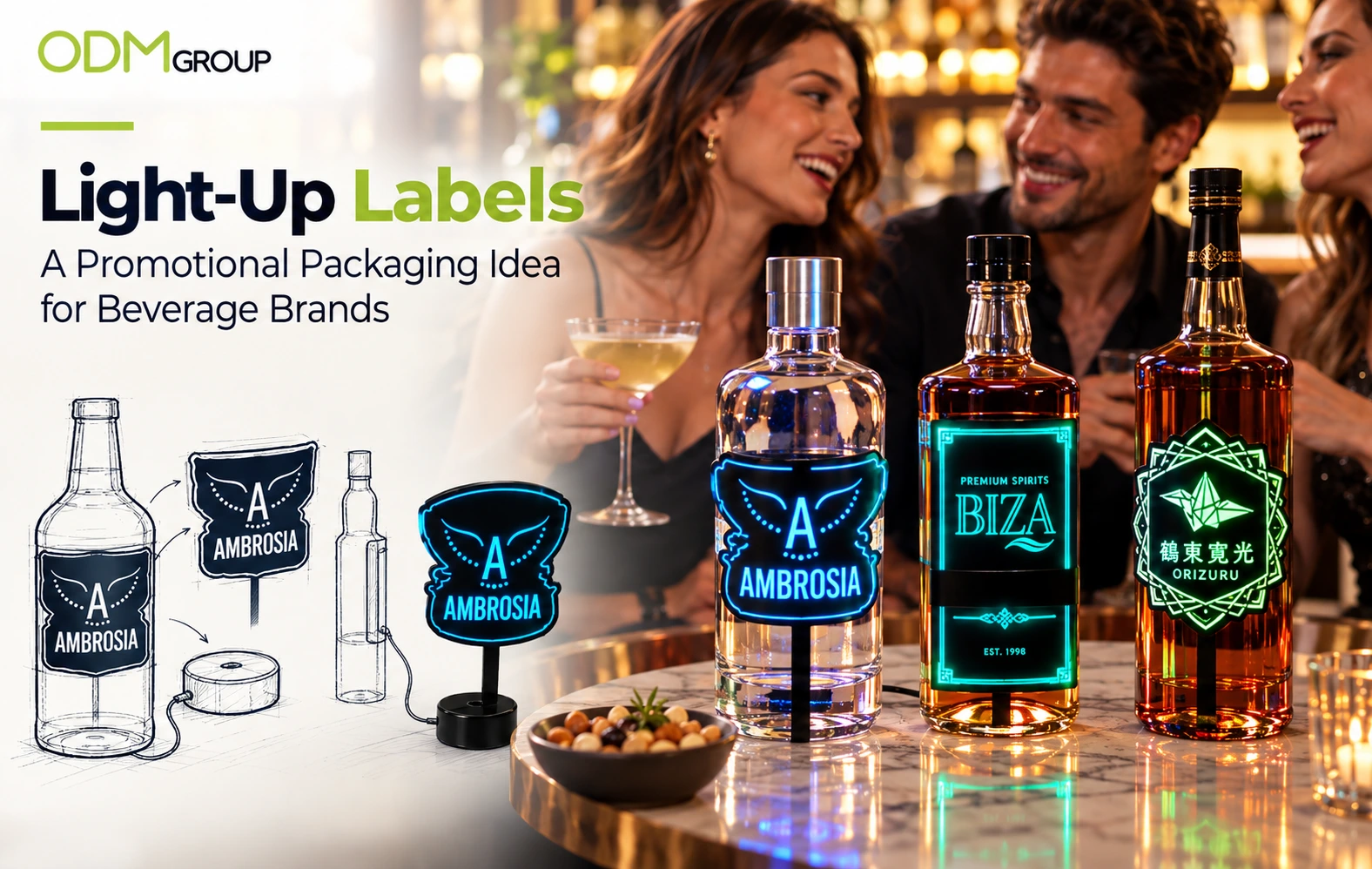
Light-Up Labels for Beverage Promotions and Custom Packaging
Light-up labels give beverage brands another option when standard [...]
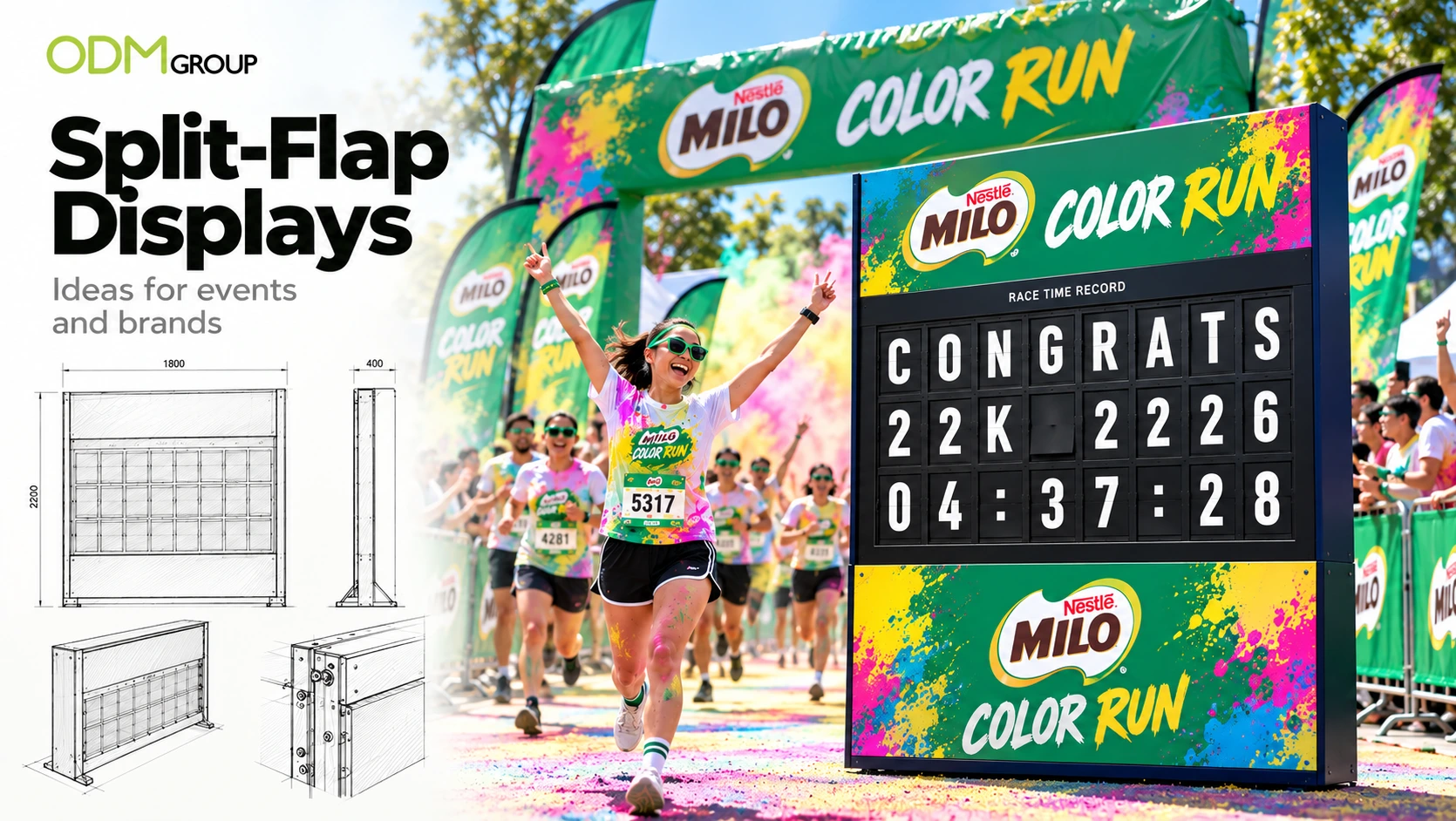
Split-Flap Displays for Events, Retail and Brand Activations
Struggling to make your brand stand out in a crowded [...]
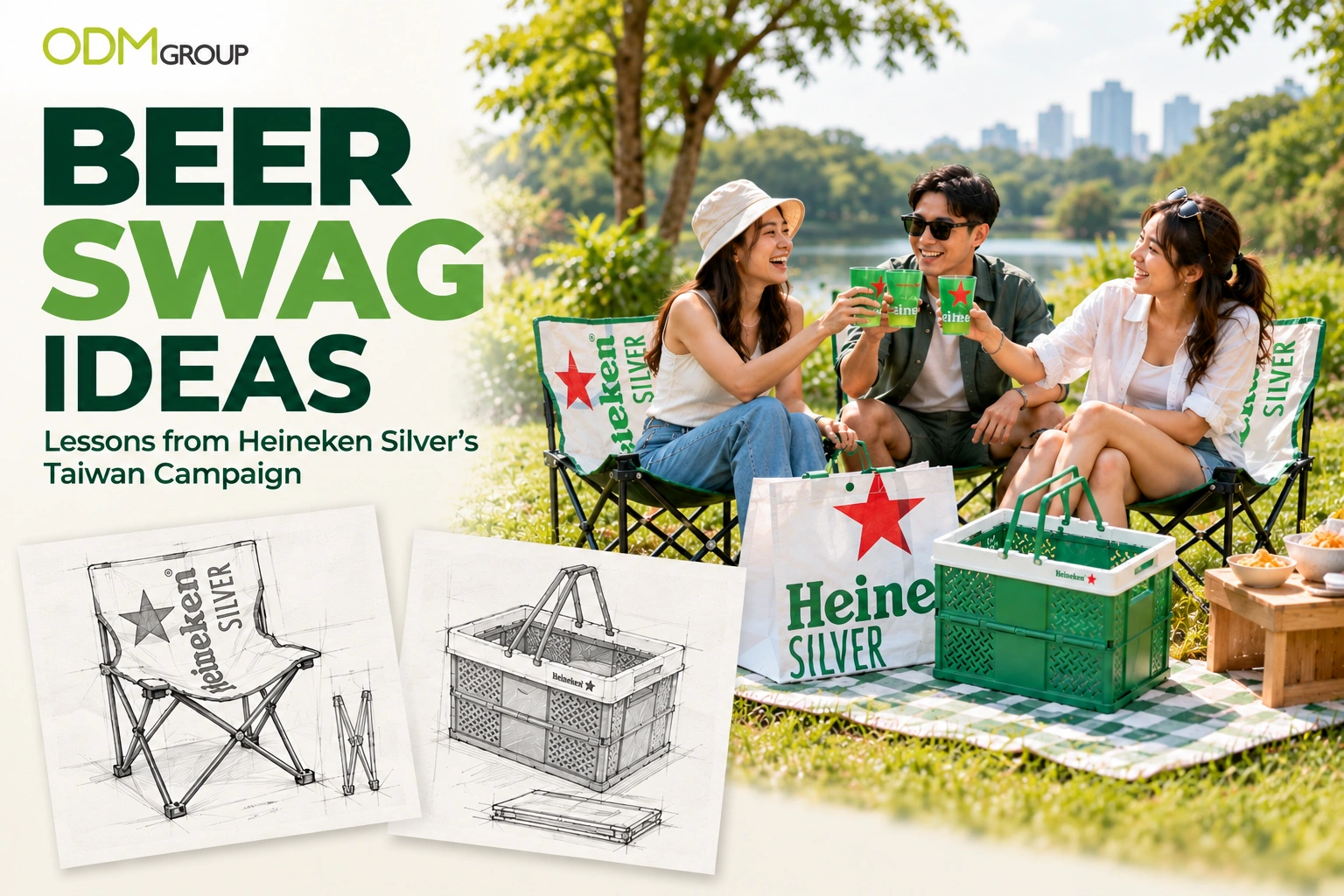
Beer Swag Ideas: Lessons from Heineken Silver’s Taiwan Campaign
Beer swag is evolving beyond traditional bottle openers and [...]

Car Tissue Holder: A Creative Automotive Promotional Gift
A car tissue holder can be more than a [...]

6 Tips for a Sustainable and Functional Promotional Travel Kit
A promotional travel kit combines practical travel essentials with [...]

Promotional Products for Pets: Ideas Inspired by SmartHeart Pet’s Homie
During a visit to Vietnam, the ODM team came [...]