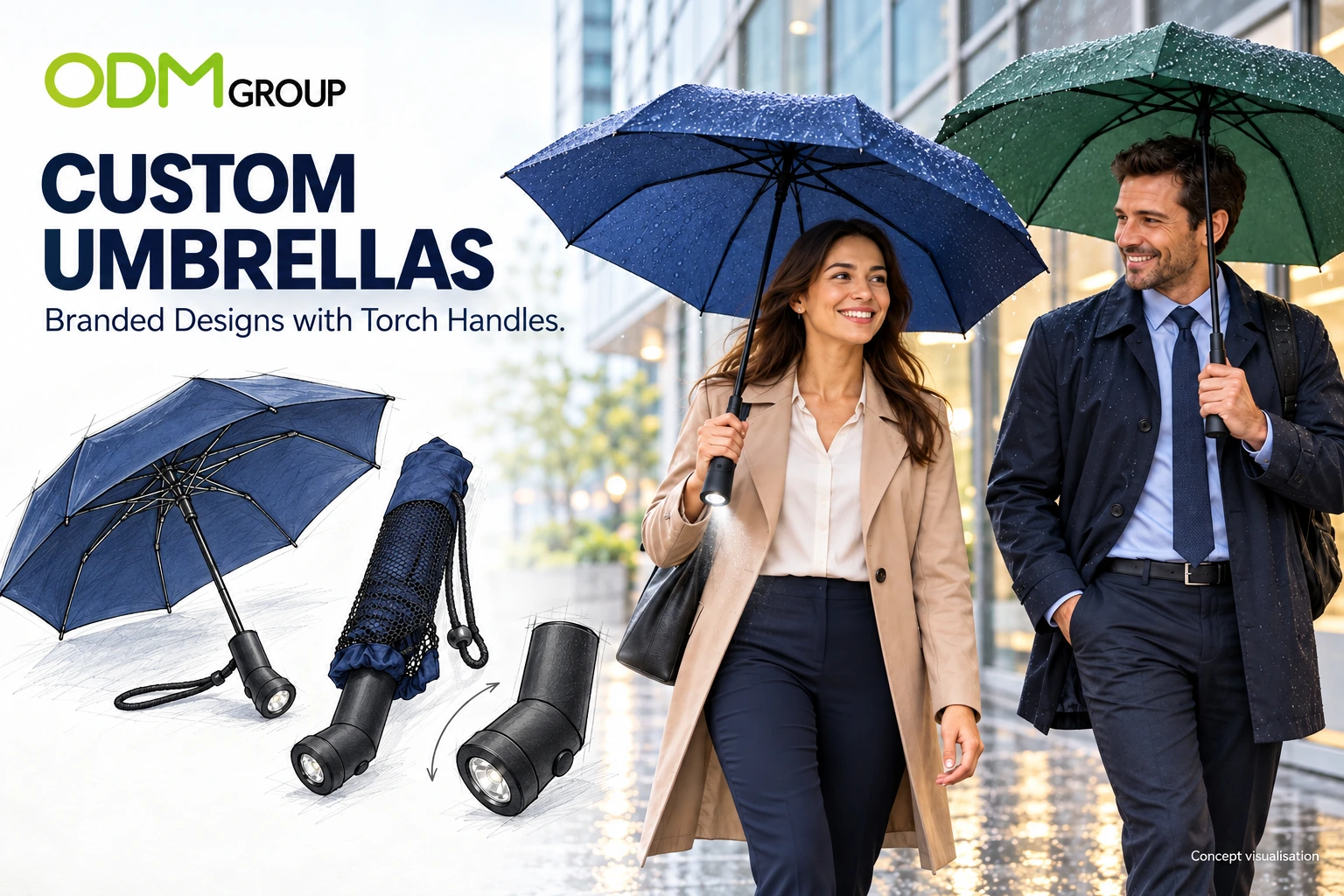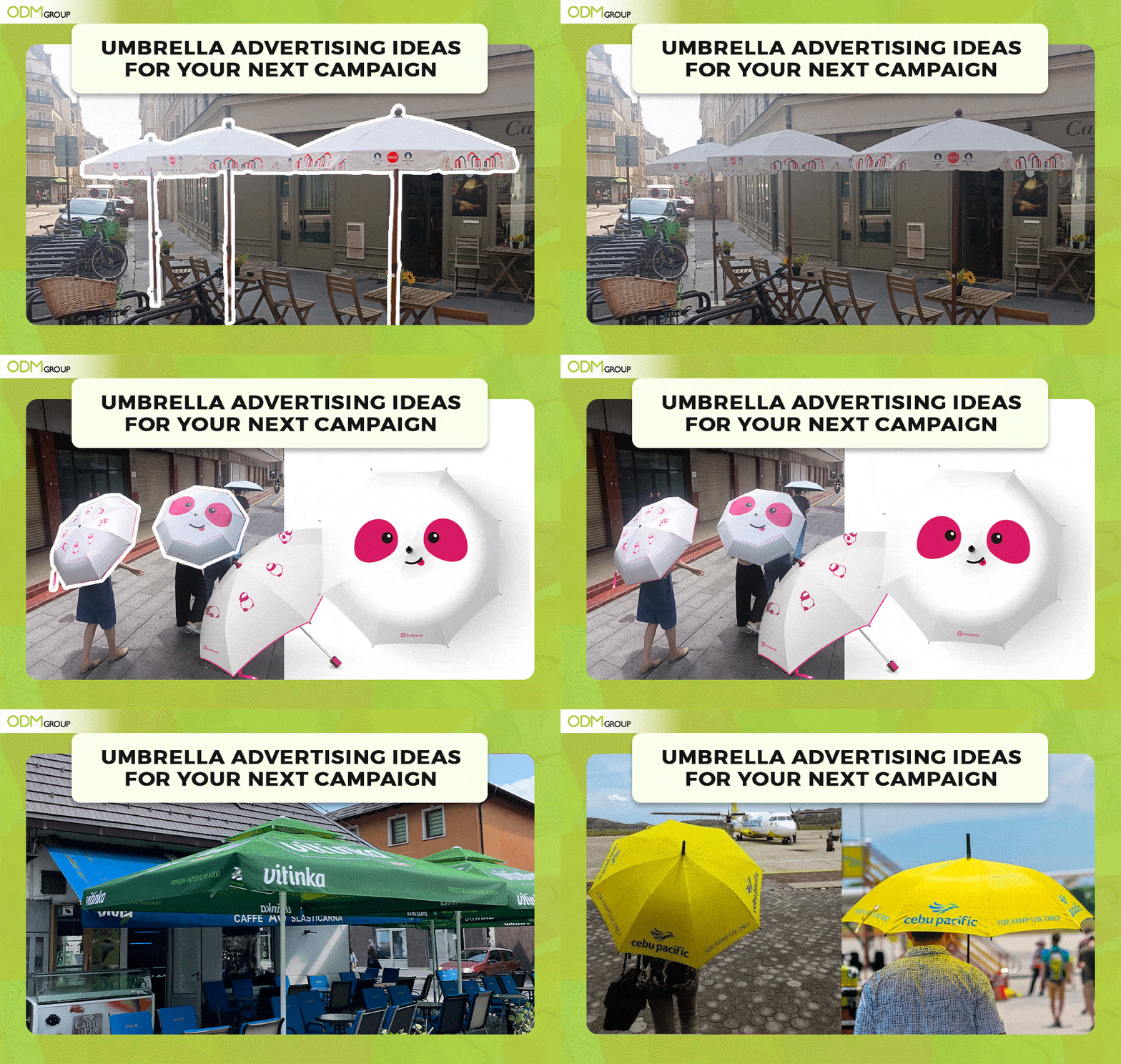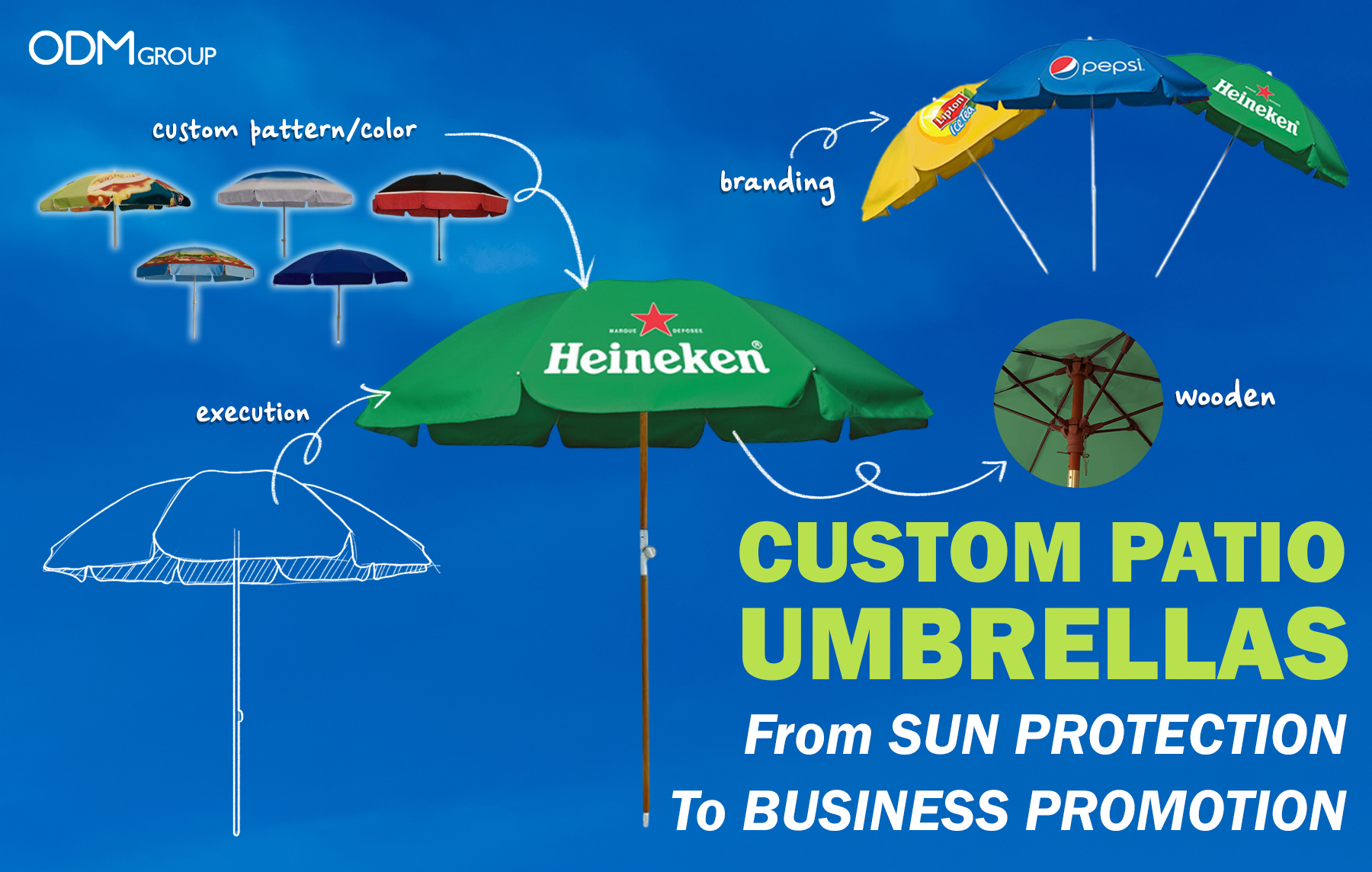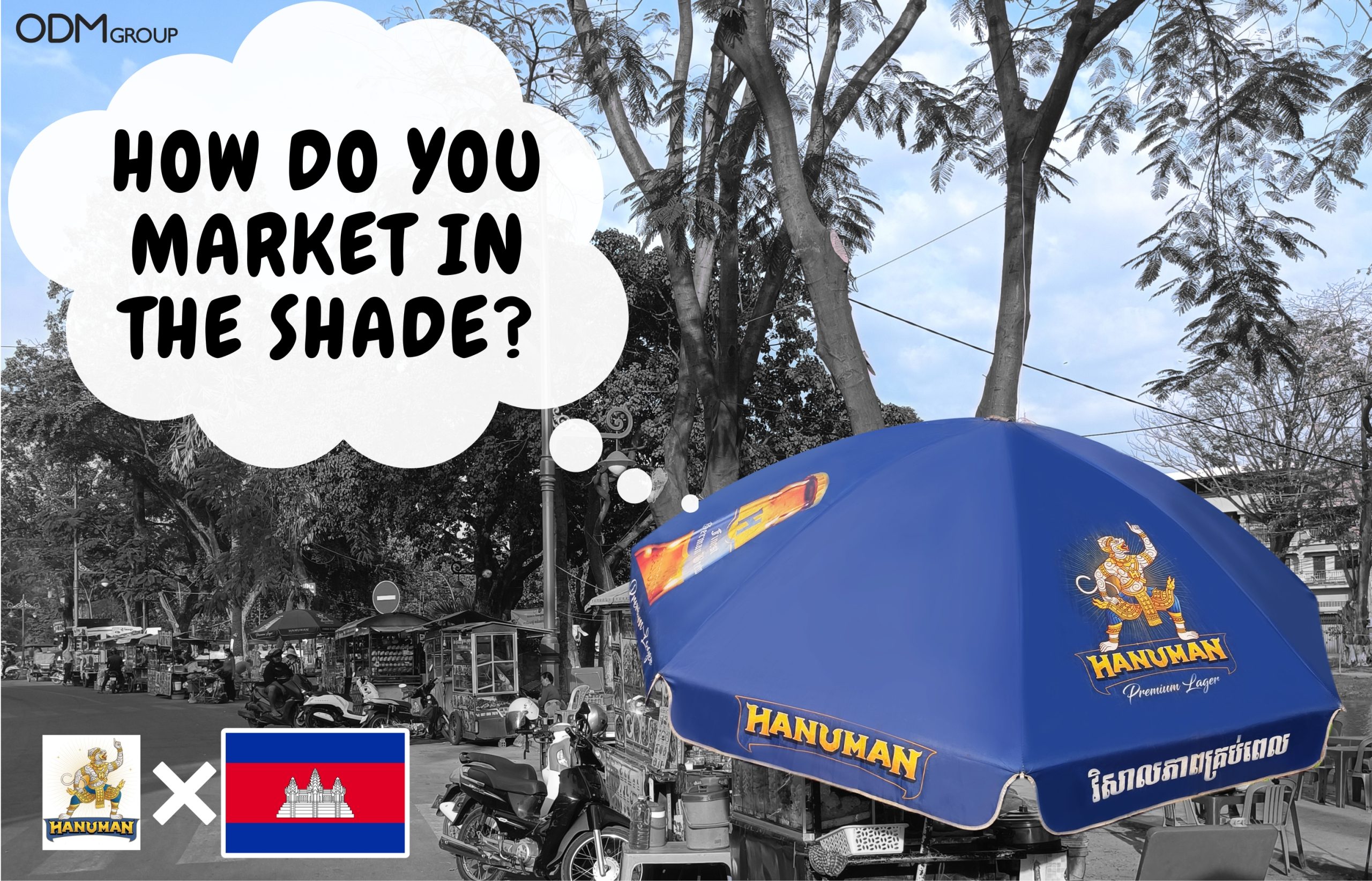
Most promotional umbrellas are designed to be handed out, not remembered. Once stored away, the branding disappears. Even when used, visibility is often limited to brief moments in crowded environments.
This creates a gap between investment and impact. Brands distribute thousands of units, yet struggle to achieve consistent exposure.
This is where umbrella packaging changes the equation. By rethinking how the product is presented, brands can turn a simple umbrella into a visible, engaging, and long-lasting marketing tool.
Why Most Promotional Umbrellas Fail to Deliver Visibility
Umbrellas are practical, but practicality alone does not guarantee marketing effectiveness. Many campaigns fall short because they are not designed for real-world visibility.
Here are the most common reasons:
1. Branding disappears when not in use.
Most umbrellas rely on the canopy for branding, which only becomes visible when it rains. Once folded, the product is stored in a basic sleeve that carries little to no visual impact. This means your branding is absent for the majority of the product’s lifecycle.
2. Overbranding reduces perceived value.
Placing large logos without considering aesthetics often results in a product that feels cheap or overly promotional. When recipients perceive an item as purely advertising, they are less likely to use it regularly, thereby limiting exposure.
3. Lack of interaction limits engagement.
Traditional umbrellas do not encourage users to engage beyond basic functionality. Without an element of curiosity or interaction, the product becomes passive and fails to support broader marketing objectives.
4. No clear campaign context.
When umbrellas are distributed without being tied to a specific event, season, or message, they lack relevance. This disconnect makes it harder for recipients to associate the product with a meaningful brand experience.
Rethinking Umbrella Packaging as a Branding Tool
Instead of focusing only on the umbrella, leading brands are shifting attention to umbrella packaging as part of the overall experience.
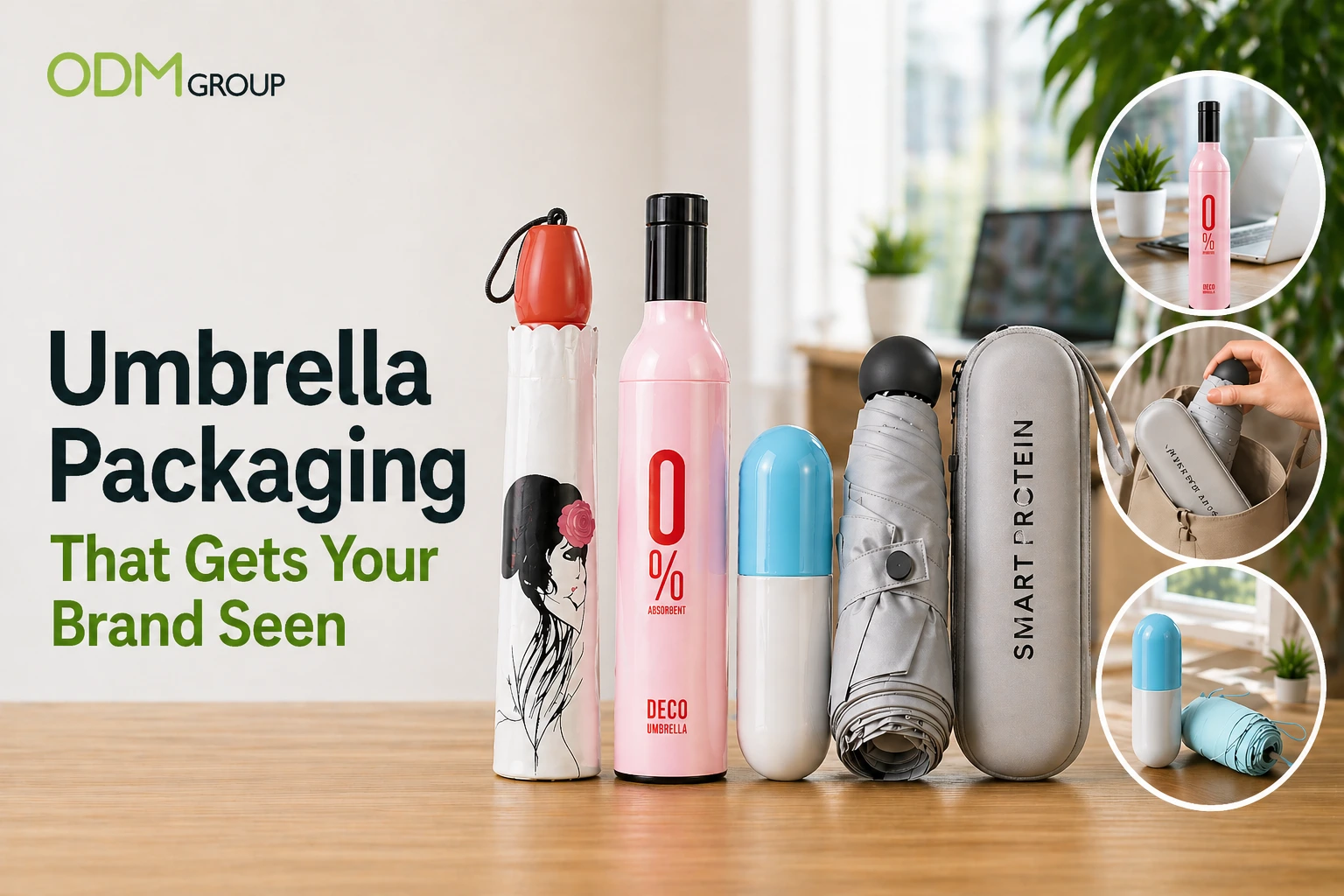
A well-designed case or sleeve does more than protect the product. It becomes a visible branding surface that stays on display in offices, homes, and public spaces.
Effective umbrella packaging typically includes:
1. A design that reflects the campaign theme.
Packaging should visually connect to the campaign message, whether it is seasonal, product-driven, or brand-focused.
This helps create a cohesive experience where the product feels like part of a larger story rather than a standalone item.
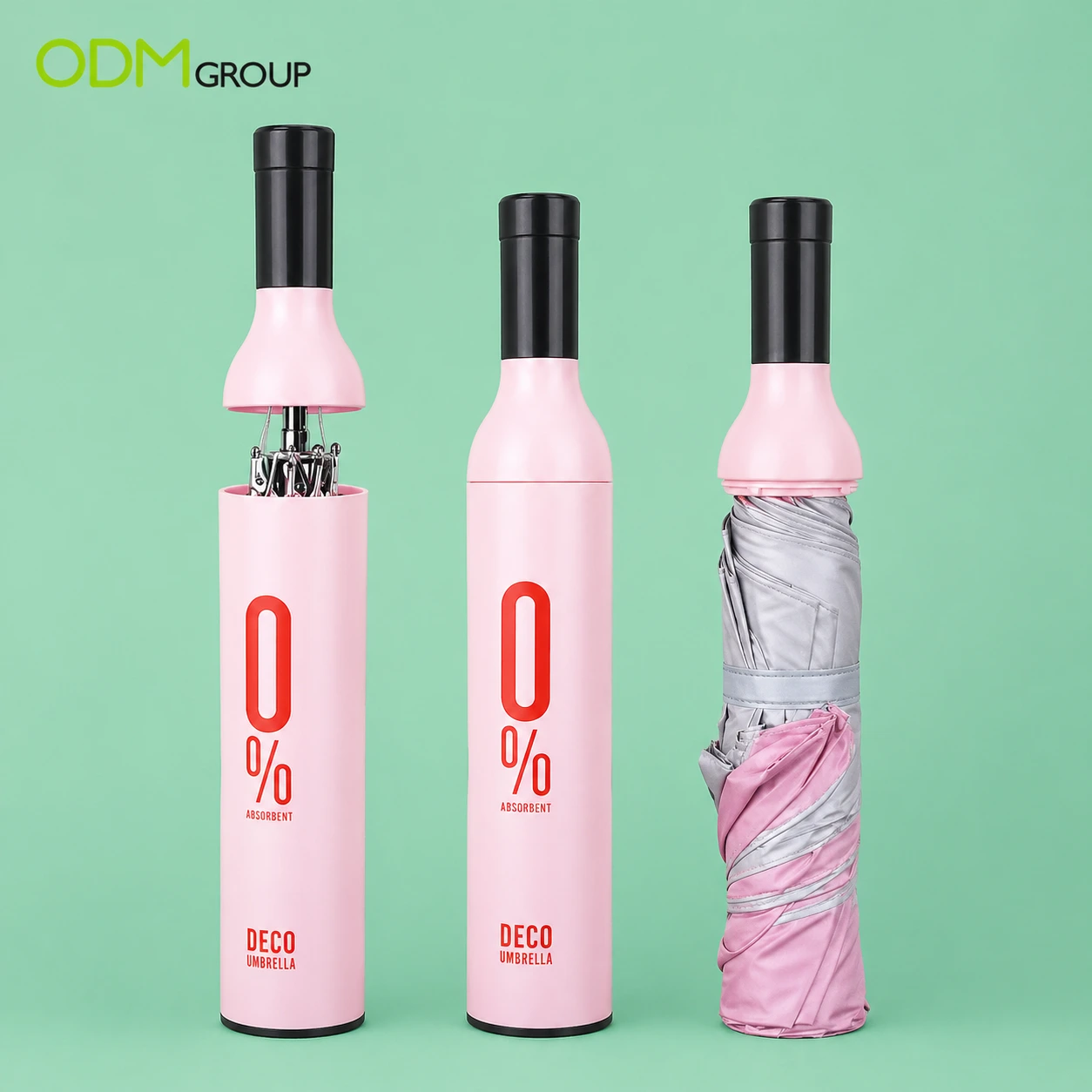
2. Premium materials that enhance perceived value.
Using durable fabrics, textured finishes, or structured cases elevates the product’s overall feel. This not only improves perception but also increases the likelihood that recipients will keep and reuse the item.
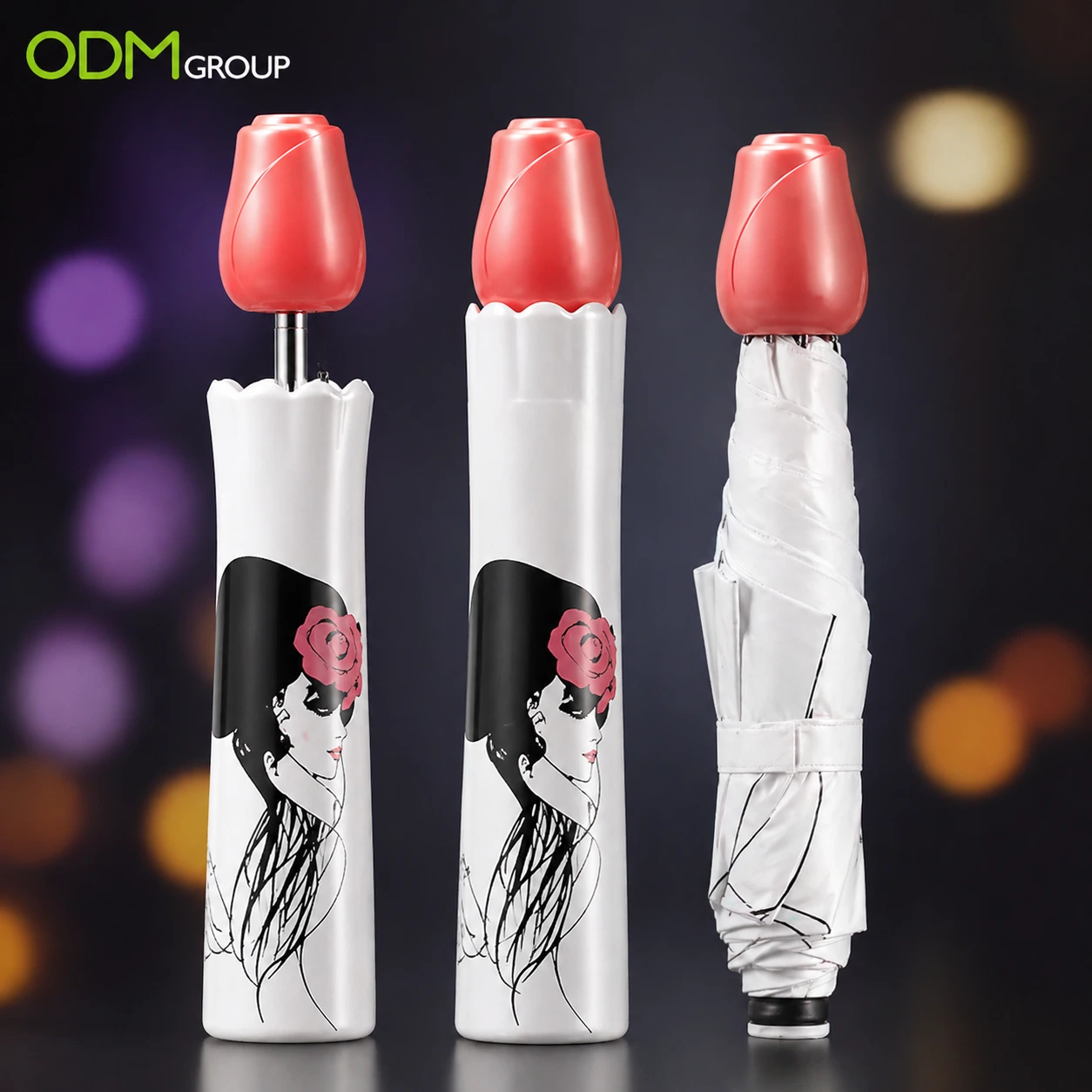
3. Distinctive shapes or structures that attract attention.
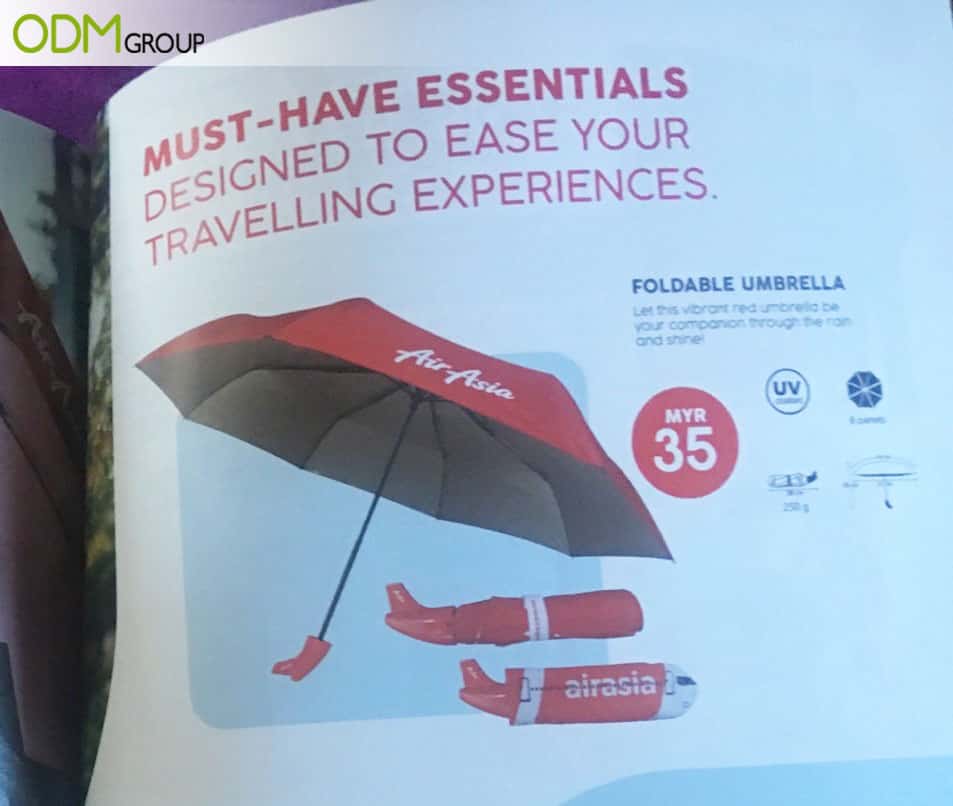
Moving beyond standard cylindrical sleeves to unique forms can immediately capture interest.
When packaging looks different, it invites curiosity and encourages users to explore the product further.
4. Visual design optimized for everyday display.
Packaging should look appealing when placed on desks, shelves, or in shared spaces. If it blends naturally into environments while still standing out, it continues to generate brand impressions over time.
Where Umbrella Packaging Creates the Most Impact
The effectiveness of umbrella packaging depends on how well it fits into real environments. When aligned with the right context, it becomes significantly more powerful.
Key applications include:
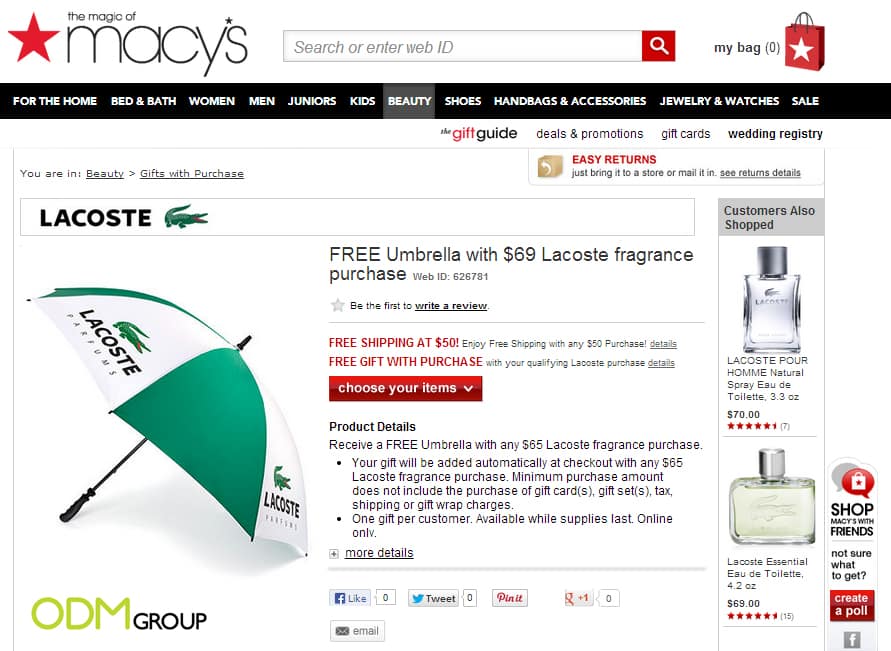
1. Retail and gift-with-purchase campaigns
In retail settings, umbrella packaging can enhance perceived value and encourage impulse decisions. When positioned as a premium add-on or gift, it strengthens the overall customer experience and reinforces brand positioning.
2. Corporate gifting programs
For business gifting, packaging plays a key role in first impressions. A well-designed umbrella case signals quality and attention to detail, making the gift feel more thoughtful and increasing the likelihood of long-term use.
3. Event and outdoor activations
At events, umbrellas can move beyond simple giveaways to become part of the activation itself. Packaging that aligns with the event theme helps create a more immersive and memorable experience.
4. Seasonal marketing campaigns
Umbrellas naturally align with rainy seasons, making them highly relevant. Strong packaging ensures that even outside of rainy periods, the product remains visible and continues to deliver branding value.
How to Turn Umbrella Packaging Into a Campaign Tool
The real impact comes from how umbrella packaging is integrated into a broader strategy.
To maximize results, brands should:
1. Bundle with complementary products to create a complete experience
Pairing umbrellas with related items, such as rain accessories or seasonal kits, increases perceived value and allows brands to tell a more cohesive story through the product set.
2. Design for display to maintain ongoing visibility
Packaging should be visually appealing enough to remain in open environments. The more visible it is, the more impressions your brand generates over time.
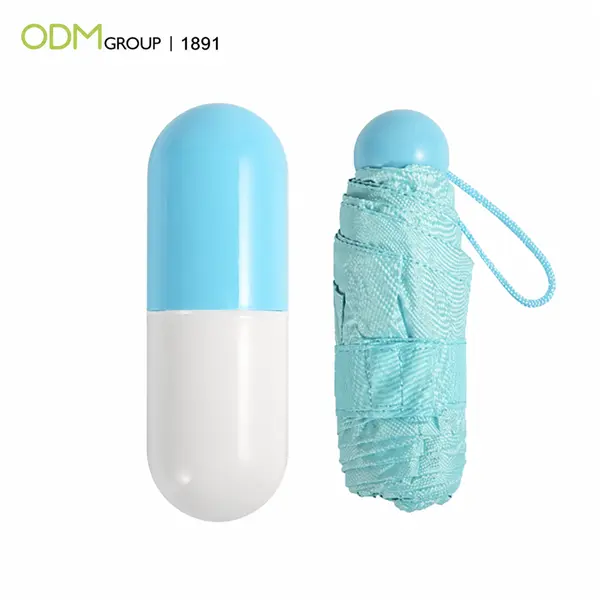
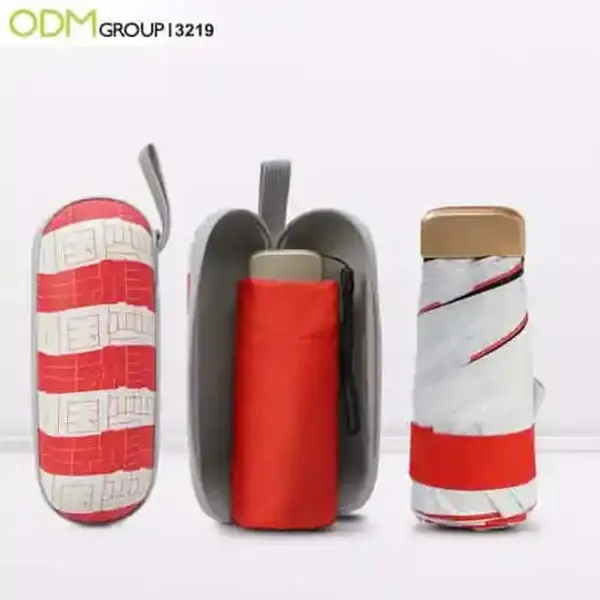
3. Tie the product to a specific campaign moment or theme
Aligning umbrella packaging with events, product launches, or seasonal campaigns ensures relevance and makes the product feel more meaningful to recipients.
4. Add digital interaction to extend engagement beyond the physical product
Integrating QR codes or NFC elements into the packaging allows users to access additional content, promotions, or experiences, bridging the gap between offline and online engagement.
From Concept to Production: Getting It Right at Scale
Developing effective umbrella packaging requires more than creativity. It involves understanding materials, testing structures, and ensuring consistent production at scale.
ODM supports brands through this process by:
- Developing custom concepts and structural packaging designs that align with campaign objectives and brand identity.
- Sourcing materials and selecting reliable manufacturing partners to ensure quality and cost efficiency.
- Managing sampling and prototyping to refine the design before mass production.
- Overseeing quality control and global logistics to ensure consistency and timely delivery.
The goal is to deliver solutions that perform not only in concept but in real-world environments.
Final Thoughts
Umbrellas are familiar products, but umbrella packaging offers a new way to unlock their full marketing potential. By shifting focus from distribution to visibility, brands can create products that continue to deliver value long after they are received.
If you are planning your next campaign, consider how packaging can transform a simple item into a long-term branding tool.
Contact ODM to develop custom umbrella packaging solutions designed for visibility, durability, and real-world impact.
More Ideas


FAQs about Umbrella Packaging
How does umbrella packaging improve visibility?
It keeps your logo and design on display in daily environments like desks, bags, or shelves.
What types of umbrella packaging are available?
Common types include hard cases, fabric sleeves, capsule designs, and structured premium cases.
Can umbrella packaging be customized?
Yes, it can be customized in shape, material, color, and print to match your campaign.
What materials are used for umbrella packaging?
Typical materials include plastic, polyester, PU, EVA, and recycled fabrics like RPET.
How do I choose the right umbrella packaging?
Focus on visibility, usage context, budget, and how it fits your overall campaign.
What to Read Next?
Umbrella Advertising: A Complete Guide for Marketers
Umbrella advertising is a simple strategy, but it works [...]
8 Reasons to Invest In Custom Patio Umbrellas for Promotions
While some love staying at home, there are also [...]
Top 3 Ways to Get the Most Out of Your Custom Logo Umbrellas!
From being a simple protection against rain or sun, [...]
Keep Customers Pouring with Promotional Branded Umbrellas!
Due to unpredictable weather, umbrellas could be classified as [...]
6 Important Things to Consider for Choosing Promotional Patio Umbrellas
Promotional patio umbrellas have great potential when it comes [...]
Branded Outdoor Umbrella: A Quick and Simple Guide
Promotional outdoor displays can help keep your business present [...]