
Customers often decide whether a product feels desirable before they read a single word on the packaging.
They notice the lipstick shade, the finish of a compact, the texture of a hair accessory, or the color combination inside a gift set. Traditional packaging can hide these details. Transparent packaging brings them to the fore, allowing the product itself to become part of the visual presentation.
For fashion and beauty brands, this approach can improve shelf visibility, build confidence and create packaging that feels more modern and engaging. However, clear packaging is most effective when visibility supports the product story rather than simply revealing what is inside.
What Is Transparent Packaging?
Transparent packaging refers to packaging that reveals all or part of the product through clear, tinted, frosted or windowed materials.
Common formats include:
- Clear cosmetic pouches
- Transparent accessory cases
- Frosted rigid boxes
- Windowed paper cartons
- Clear hanging packs
- Acrylic presentation cases
- Transparent clutches and mini bags
- Molded product trays
- Reusable travel organisers
Some designs provide full visibility. Others reveal only one feature, such as a cosmetic shade, bottle silhouette or decorative accessory.
The right level of transparency depends on what the brand wants customers to notice.
A colorful beauty set may benefit from a fully clear pouch. A premium fragrance may feel more refined inside a frosted case that reveals its shape without showing every detail.
Why Transparent Packaging Works
Transparent packaging can simplify the buying experience. Instead of asking customers to imagine what is inside, it gives them immediate visual information. This can be particularly valuable in fashion and beauty, where appearance strongly influences product perception.
1. It Makes the Product the Main Attraction
Fashion accessories and beauty products are often designed to be seen.
Decorative bottles, metallic compacts, coloured cosmetics, jewelry, hair accessories, and branded tools already contain strong visual elements. Covering them completely can reduce their ability to attract attention.
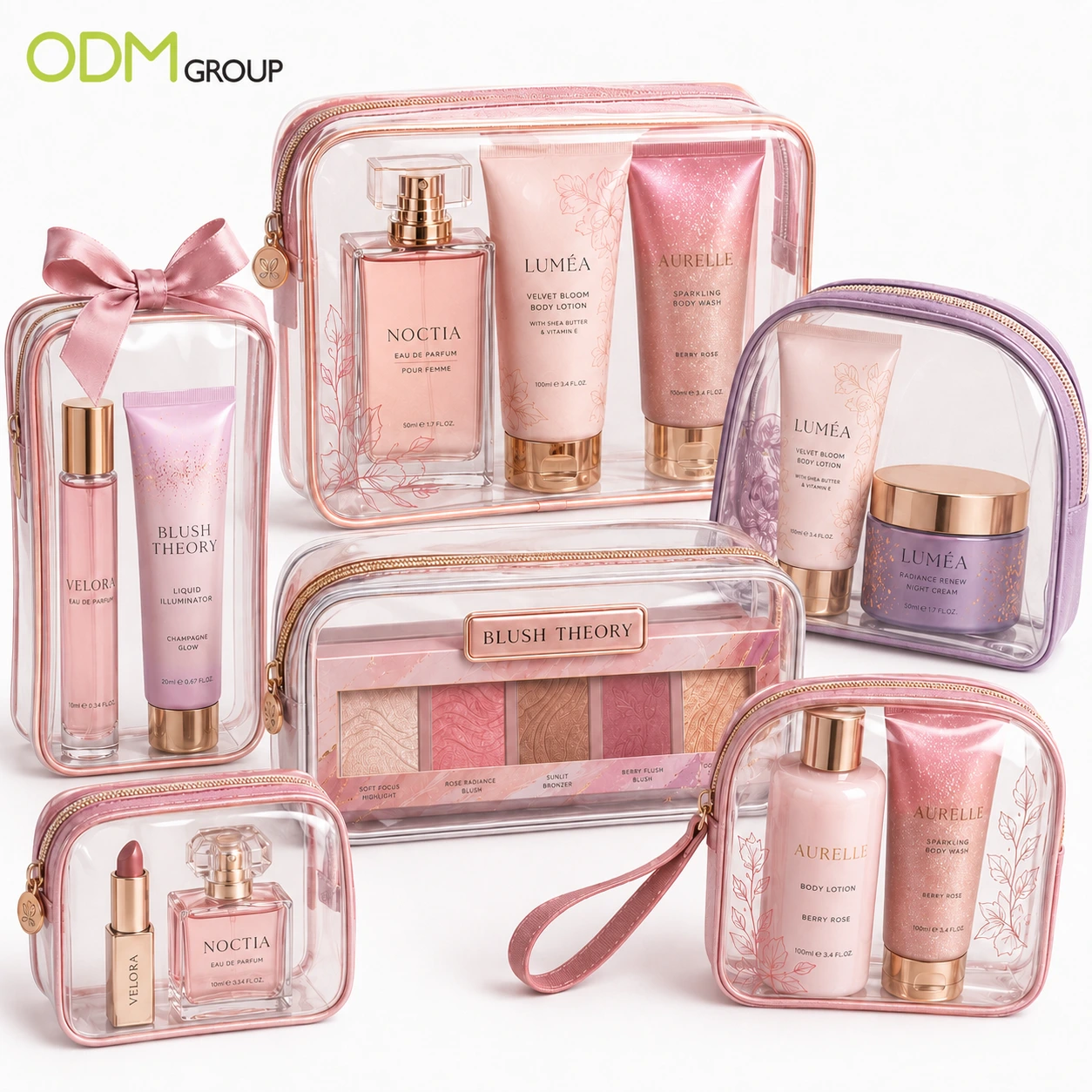
Transparent packaging frames the product rather than competing with it.
This approach can also create a cleaner presentation. Instead of filling every surface with graphics, brands can use a smaller number of well-placed design elements and allow the product to provide the colour and visual interest.
2. It Helps Customers Understand the Offer Quickly
Customers may only spend a few seconds evaluating a product in a store or online.
Clear packaging can communicate important information immediately, including:
- The number of products included
- The actual colors and finishes
- The size of each item
- The product arrangement
- The included accessories
- The overall value of a set
This is especially useful for promotional bundles and gift sets. A customer can see the full offer without having to read a long product description.
3. It Can Strengthen Purchase Confidence
Product visibility may reduce uncertainty.
Beauty customers can see the actual shade, packaging finish, or tool shape. Fashion customers can inspect decorative details, material texture, and the scale of an accessory.
This does not replace accurate product descriptions or regulatory information, but it can give customers more confidence that the product matches their expectations.
4. It Creates Contrast in Crowded Retail Environments
Many retail shelves are dominated by printed cartons, laminated boxes, and opaque pouches.
Transparent packaging can create contrast through light, reflection, and visible product color. A well-organized clear gift set may attract attention without requiring loud graphics or oversized messaging.
This can be useful for:
- New product launches
- Seasonal collections
- Limited editions
- Gift-with-purchase promotions
- Travel retail
- Pop-up shops
- Beauty counters
- Event merchandise
- Brand collaborations
The packaging should still work within the wider retail display. Its shape, orientation and branding need to remain visible from the customer’s normal viewing angle.
Why Beauty Brands Should Consider Transparent Packaging
Beauty products are often judged by color, finish, and presentation. Transparent packaging allows these qualities to support the sale.
1. Show the Real Color
Printed color references do not always match the product exactly.
Clear packaging can reveal lipstick shades, blush tones, nail colors, eyeshadow palettes, and skincare textures more directly. This is particularly useful when color is a primary reason for purchase.
For product collections, the combined colors can also create a stronger visual story.
A coordinated set of mini cosmetics may look more valuable when customers can see how the shades and formats work together.
2. Make Gift Sets Easier to Evaluate
Beauty gift sets can become difficult to understand when every item is hidden inside a box.
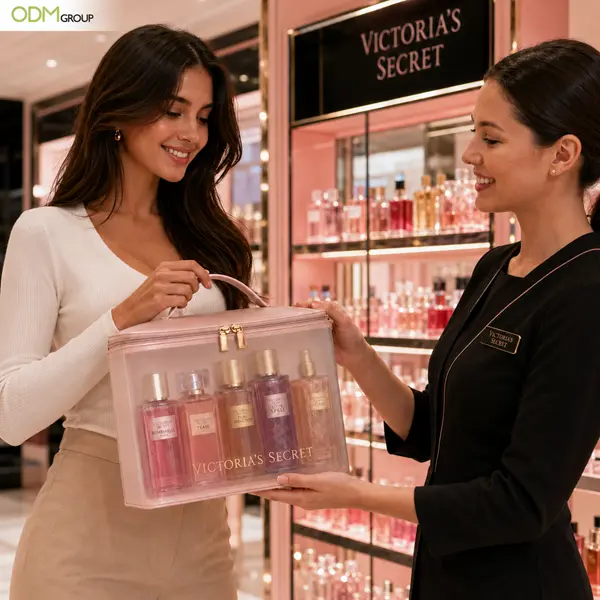
A clear pouch, rigid case, or windowed carton shows customers what they are paying for. It also helps communicate the value of multi-product promotions.
Transparent packaging can work well for:
- Skincare routines
- Makeup collections
- Fragrance discovery sets
- Travel-size products
- Beauty tool kits
- Influencer mailers
- Subscription boxes
- Gift-with-purchase campaigns
The contents should remain organized. When everything is visible, loose or misaligned products can quickly weaken the presentation.
3. Increase the Perceived Value of Promotions
A promotional pouch or clear travel case can feel more valuable than conventional disposable packaging.
Customers may continue using it for makeup, toiletries, jewelry, medication, or small personal items. This can extend the branding’s visibility beyond the original purchase.
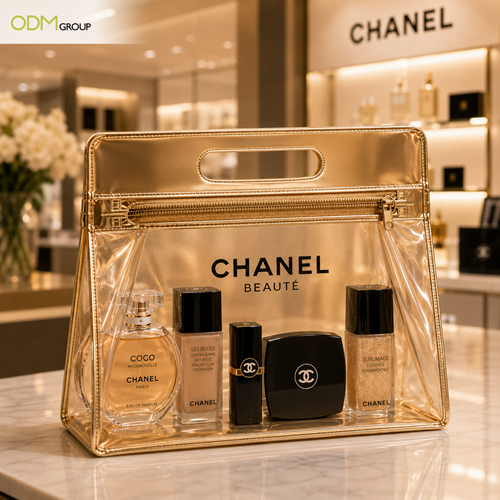
However, reuse must be realistic.
A pouch with weak seams, a poor-quality zip or an impractical shape is unlikely to be kept. Brands should design the secondary use from the beginning rather than adding “reusable” as a marketing claim later.
4. Support Social and Digital Content
Transparent packaging can be effective in product photography and social media because the full set remains visible.
Influencers and customers can photograph the packaging without removing or rearranging any items. A fitted insert can also preserve a consistent presentation across campaign images, retail listings, and unboxing content.
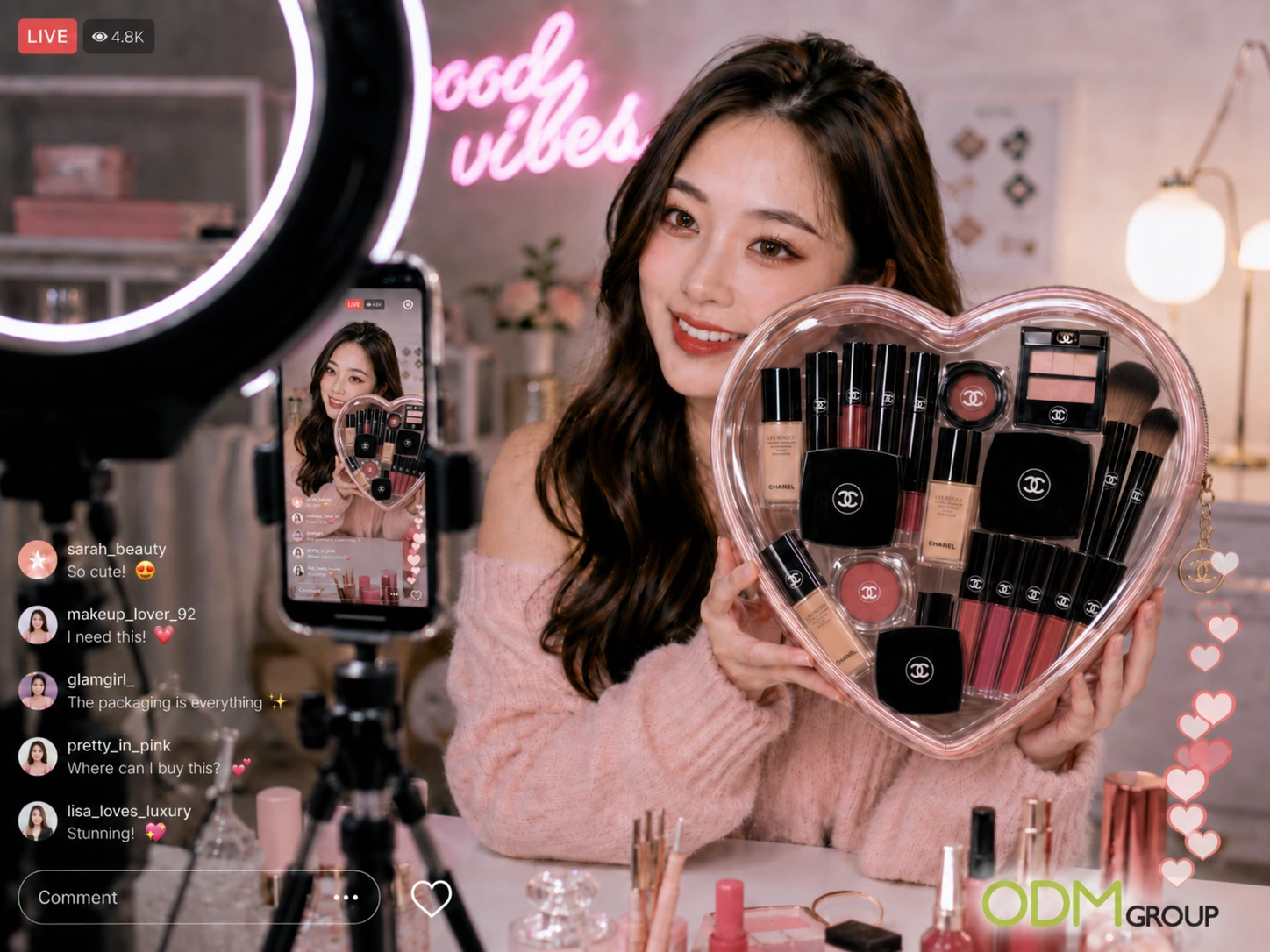
Brands should test how transparent surfaces appear under photography lighting. Glare, reflection, and fingerprints may be more noticeable in digital content than in person.
Why Fashion Brands Should Use Transparent Packaging
Fashion brands can use transparent packaging to give small products greater presence and turn packaging into an accessory in its own right.
1. Elevate Small Accessories
Jewelry, socks, scarves, hair clips, scrunchies, and bag charms can be difficult to merchandise individually.
Transparent packaging can group these items into a more complete, giftable offering. It also helps prevent small products from being overlooked within a larger display.
A clear case or pouch can make an affordable item feel more considered when the product arrangement, branding and materials are handled carefully.
2. Turn Packaging Into Merchandise
For some fashion campaigns, the package can become part of the product experience.
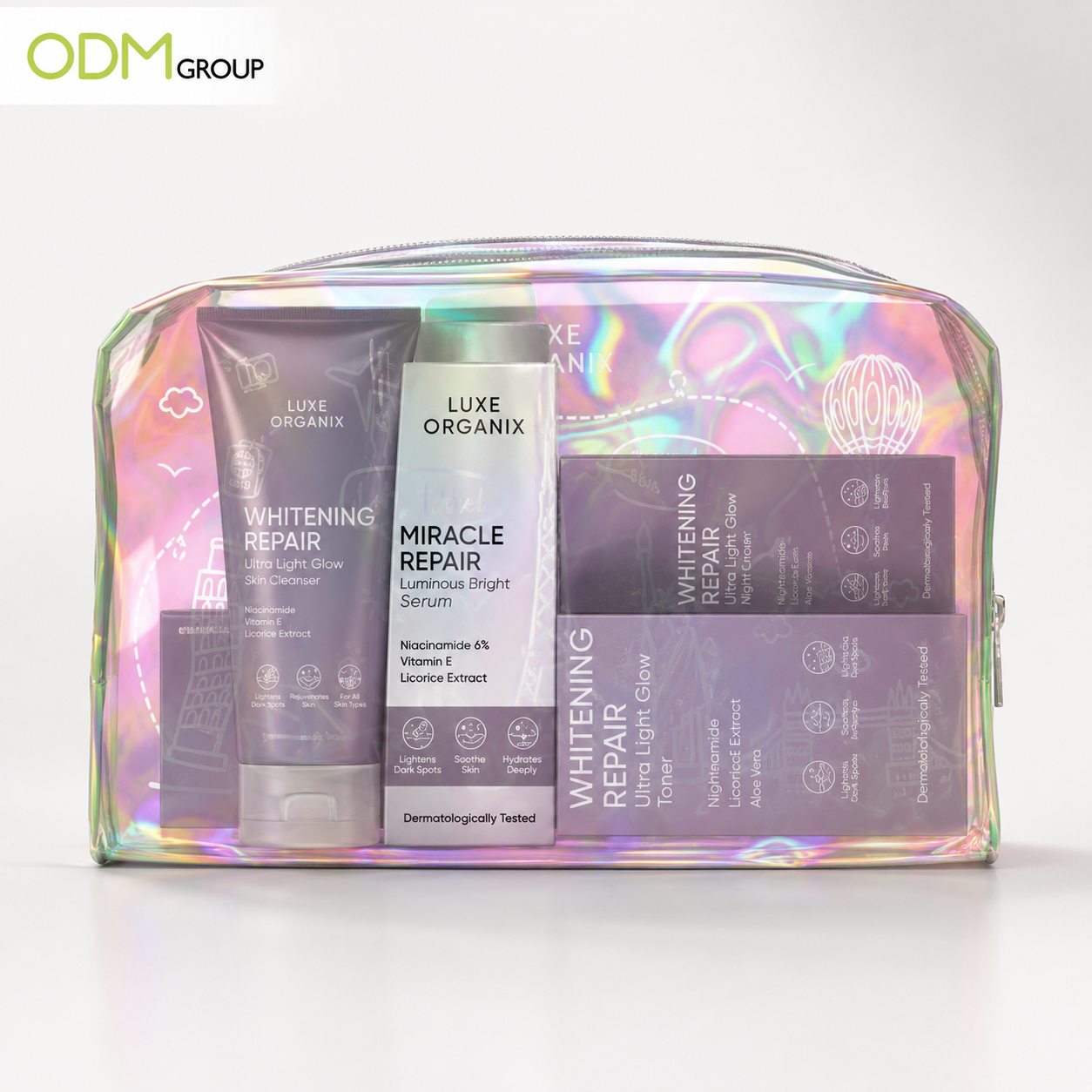
Examples include:
- Clear mini bags
- Transparent clutches
- Jewellery organisers
- Travel pouches
- Accessory cases
- Branded storage wallets
- Bag charms with storage compartments
This approach is particularly relevant for collaborations, launches and limited editions.
Customers may see the packaging as an additional item rather than something to discard.
The design should still feel useful without the original contents. Removing the products should not leave an awkward structure with no clear purpose.
3. Support Collectible Product Strategies
Transparent packaging can help present collectible items without requiring customers to open the pack.
Brands can use it for limited-edition accessories, charms, pins, or artist collaborations. Numbered cards, campaign tags and color-coded inserts can strengthen the collectible concept.
Different versions may share the same packaging structure while varying:
- Product colours
- Decorative charms
- Backing cards
- Printed messages
- Chains and straps
- Hardware finishes
- Transparent tints
This gives brands flexibility to create a series without redesigning the entire pack for each edition.
4. Create More Layered Branding
Transparent packaging allows branding to be distributed across several components. The logo may appear on the outer case, while the backing card, product tag, zip pull, and visible product create additional brand touchpoints. This can produce a more refined result than printing one large logo across the clear surface.
Transparent Packaging Formats Worth Exploring
The structure should reflect how customers will discover, handle and use the product.
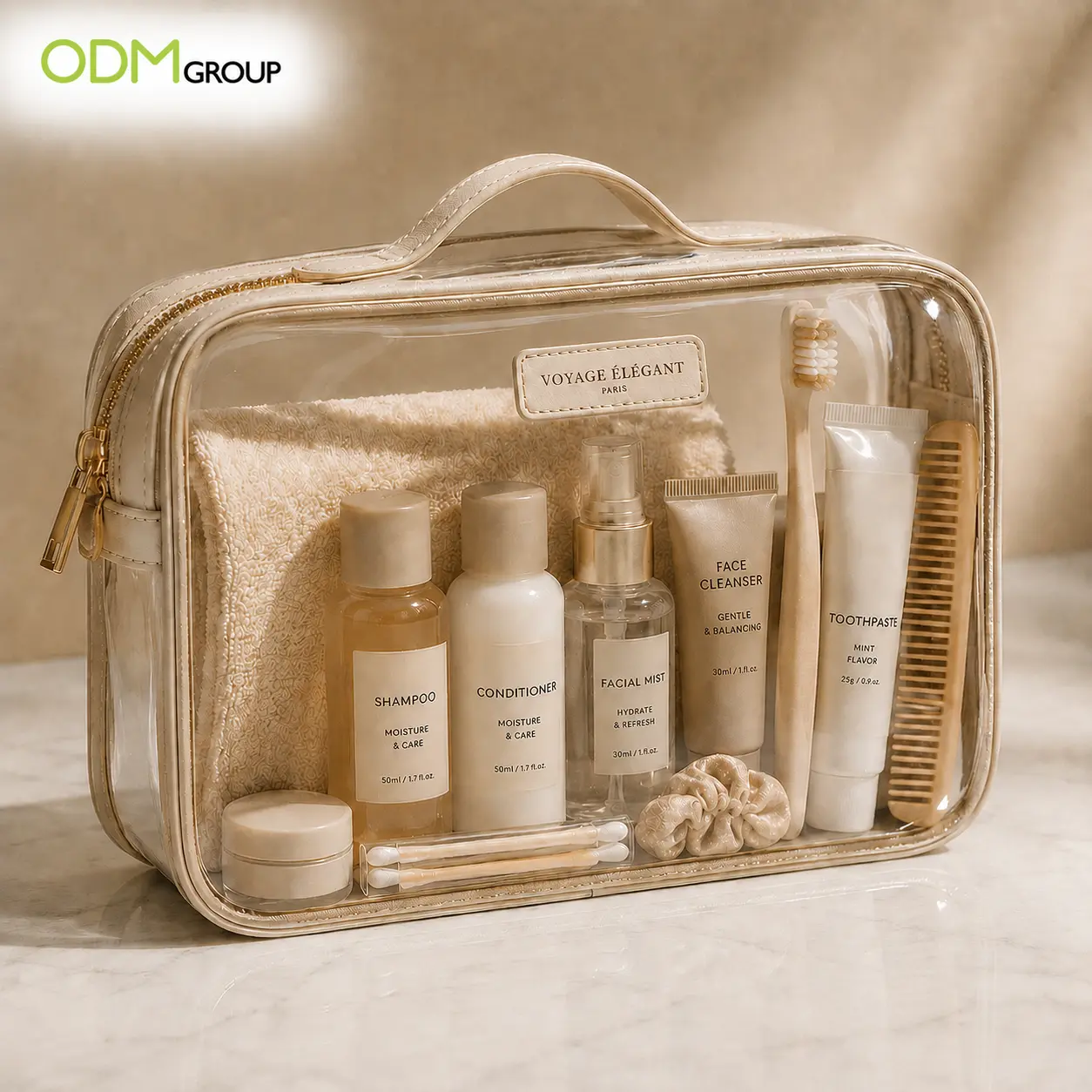
1. Clear Pouches
Clear pouches are suitable for cosmetic sets, accessories, promotional gifts, and travel collections.
They can include:
- Coloured zips
- Printed trims
- Custom zip pulls
- Press-stud closures
- Carrying handles
- Hanging holes
- Removable straps
Flexible pouches are often easy to carry and store.
heir perceived value will depend on material clarity, thickness, seam quality and the way they hold their shape.
2. Tinted Transparent Packaging
Tinted packaging allows brands to introduce color while keeping the contents visible.
Soft pink, smoke grey, amber, blue, or a custom brand color can change the mood of the package. The tint should complement the product rather than distort it.
Testing is important. The final appearance may change depending on the material thickness, product color and retail lighting.
3. Windowed Cartons
A paper carton with a clear window can balance visibility with communication space.
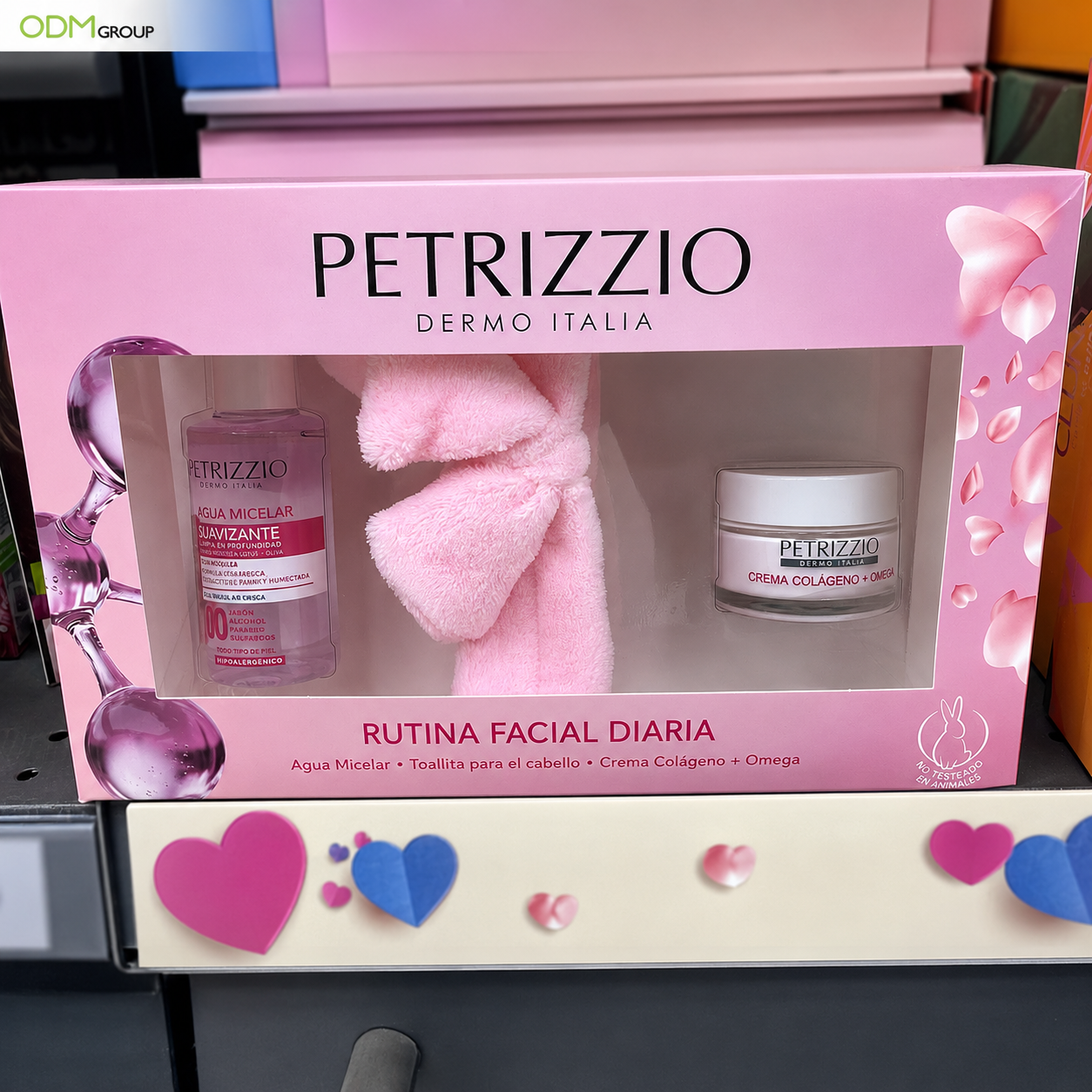
This format works well when brands need room for ingredients, instructions, product claims, or campaign storytelling.
The window may highlight one important detail while the paper structure provides protection and print space.
The window shape can also become part of the brand identity.
4. Clear Rigid Cases
Rigid cases can create a more structured presentation for fragrance, jewelry, watches, cosmetic tools, and premium gift sets.
The insert, closure and edge finish will have a strong influence on perceived quality. The product should sit securely and remain easy to remove.
Rigid transparency can feel premium when every component appears precise. It can feel inexpensive when the material is thin, the corners are rough, or the product moves inside.
5. Frosted Packaging
Frosted materials reveal the product more subtly.
They can create a softer appearance and reduce the clinical feel sometimes associated with fully clear packaging.
Frosted finishes may suit fragrance, skincare, wellness products, and minimalist fashion collections.
They can also make small scratches and fingerprints less visible.
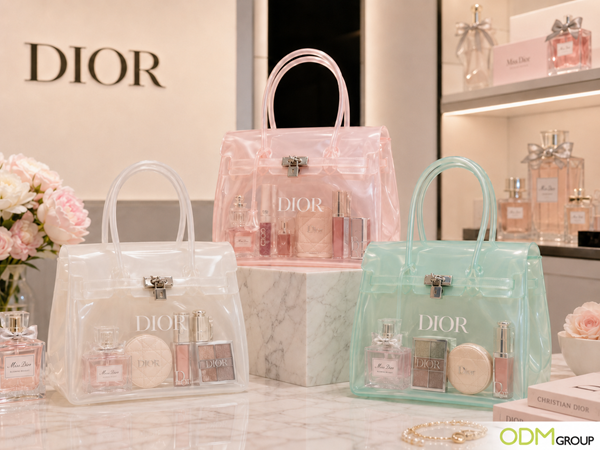
6. Jelly Bags
Jelly bags are a playful version of transparent packaging that can also feel highly commercial when used well. Made from soft translucent or semi-transparent materials, they work especially well for beauty kits, gift-with-purchase campaigns, seasonal collections, and fashion accessories.
For beauty brands, a jelly bag can hold products such as lipsticks, fragrance minis, skincare sets or travel essentials while still keeping the contents visible. For fashion brands, it can serve as both packaging and a reusable item, giving customers something they can continue to use after purchase.
How Transparent Packaging Supports Brand Positioning
Transparent packaging is not limited to one visual style. The same concept can support playful, minimalist, technical, or luxury branding depending on how it is designed.
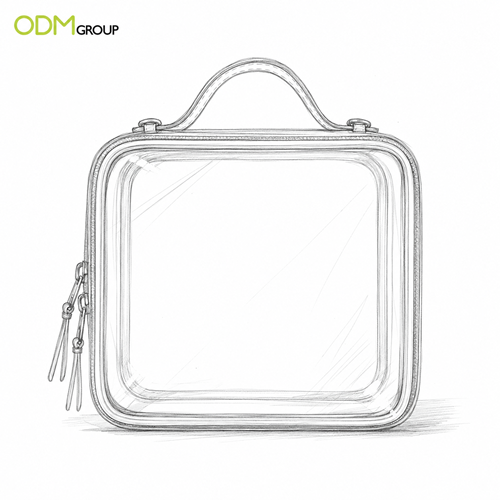
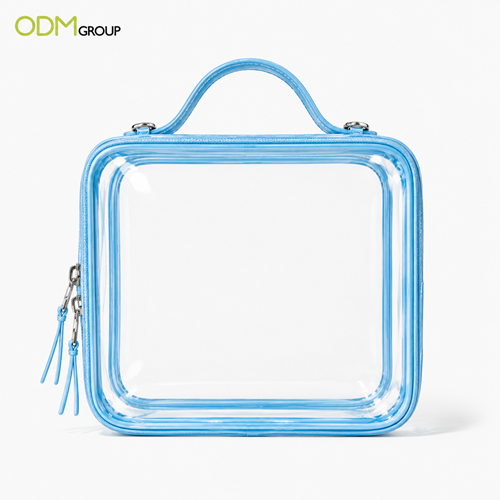
Minimalist brands may use crystal-clear or frosted materials with restrained typography and limited printing. The product provides most of the visual interest, while the packaging creates structure and space.
Playful fashion and beauty brands can use bright tints, colourful chains, decorative charms, stickers and bold inserts.
The visible contents become part of a layered composition rather than a simple display.
Premium transparent packaging often relies on material quality, proportion and small finishing details.
These may include:
- Thicker walls
- Precise edges
- Metallic hardware
- Fitted inserts
- Subtle foil branding
- Controlled transparency
- Smooth opening mechanisms
Transparency itself does not make a package look premium. The complete execution does.
Clear pouches, mini bags and hanging packs can support trend-led launches, artist collaborations and youth-focused campaigns.
These formats can feel collectable and content-friendly, especially when they include removable tags, charms or changeable accessories.
Brands should be careful not to follow a packaging trend without considering whether it fits the product and audience.
Transparent Packaging and the Customer Experience
The packaging experience does not end when the customer notices the product. Brands should also consider how the package feels when it is picked up, opened, carried, and reused.
Before Purchase
The customer should understand the product quickly. The pack should remain stable on a shelf or display hook, and the branding should be easy to identify from the front.
During Opening
The opening method should feel intuitive. Customers should not need to damage the packaging to reach the product, particularly when reuse is part of the concept.
After Purchase
The empty package should continue to make sense. A reusable pouch should hold common personal items. A transparent mini bag should be comfortable to carry. A storage case should close properly after the original insert is removed.
Thinking beyond the first opening can help brands create packaging with greater perceived value.
Moving From Idea to a Workable Packaging Concept
Transparent packaging often appears simple, but the balance between visibility, product fit and brand presentation requires careful planning.
Early product sketches can help teams compare different shapes, openings, inserts and branding positions before choosing a direction. Prototypes then allow brands to review the proportions, product arrangement, material finish and customer experience more accurately.
ODM Group works with brands as a strategic product development partner, helping refine transparent packaging concepts and coordinate the practical stages needed to bring them to market. This may include product sketches, prototypes, 3D development, manufacturing, quality control, and shipping coordination.
The objective is to preserve the creative idea while ensuring the final packaging remains commercially practical and consistent with the brand.
ODM Services
FAQs about Transparent Packaging
Can transparent packaging make an affordable product feel more premium?
Yes, but only when the packaging is well structured. A clear format can elevate an affordable item through precise product placement, strong hardware, controlled branding and a clean opening experience. The product should look intentionally displayed rather than simply placed inside a plastic container. Frosted finishes, tinted materials and fitted inserts can also help create a more considered presentation.
Can transparent packaging be designed to change appearance under different lighting?
Yes. Transparent, frosted, iridescent and tinted materials can react differently under retail, studio and natural lighting. Beauty and fashion brands can use this effect to create packaging that feels more dynamic in stores and social content. However, samples should be tested carefully because glare, color distortion and reflections may affect product visibility.
Could transparent packaging become part of a loyalty or collectible campaign?
Yes. Brands can create packaging in different colours, finishes or editions while keeping the core structure consistent. For example, a cosmetic pouch could feature seasonal tints, while a fashion accessory case could include limited-edition tags or charms. Customers may be encouraged to collect different versions, particularly when the packaging has a practical secondary use.
Can transparent packaging work in ecommerce as well as physical retail?
Yes, although it needs to be designed with photography, shipping and unboxing in mind. Clear materials can make products easier to understand online, particularly when the contents are arranged neatly. At the same time, brands should consider reflections, scratches and product movement during delivery.
What to Read Next?
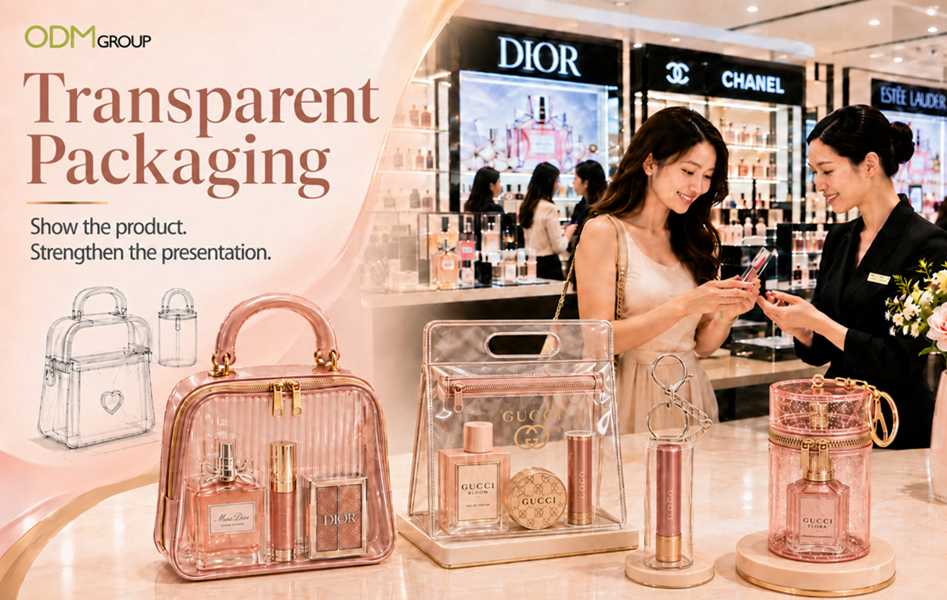
Why Fashion and Beauty Brands Choose Transparent Packaging
Customers often decide whether a product feels desirable before [...]
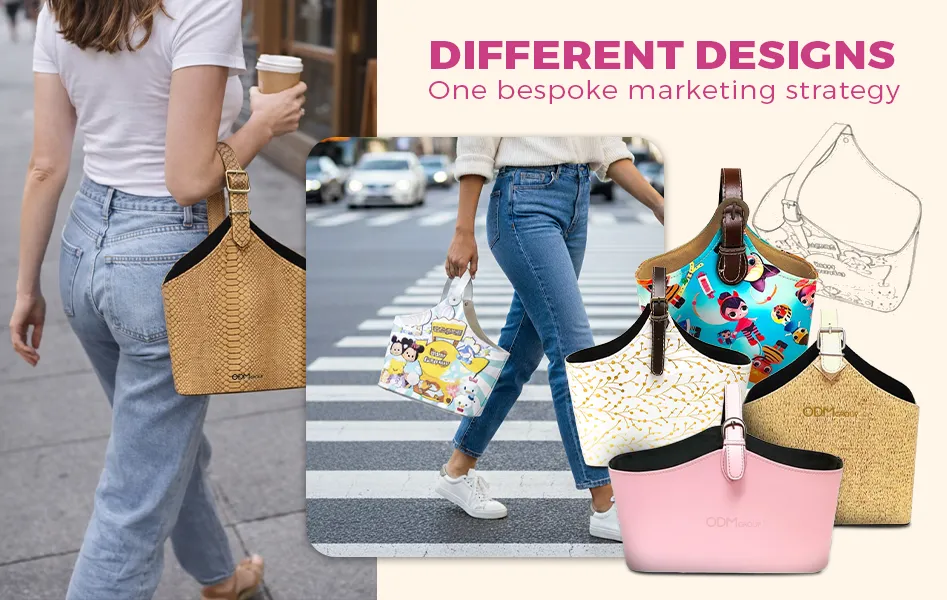
Designing Promotional Cosmetic Bags for Bespoke Marketing Success
Bespoke marketing has become a priority for brands seeking [...]

How Aluminum Tube Cosmetic Packaging Are Made and Tested
As sustainability becomes a core focus in the cosmetics [...]
The Art of Packaging for Beauty Products: Elevate Brand’s Visuality
When it comes to the beauty industry, packaging is [...]
Cosmetics Marketing Strategy: What To Learn For Your Promotion?
When people see cosmetics and skincare brands, they collectively [...]
Cosmetic Bag With Logo: 9 Ways Businesses Can Use It in Marketing
A cosmetic bag with logo can do much more than [...]