
Does having great products automatically attract customers? Not always. Visual merchandising displays help capture attention, showcase products, and encourage shoppers to buy.
By combining store layout, lighting, color, signage, and product placement, visual merchandising creates an engaging shopping experience. From window displays to POS displays, these retail displays strengthen brand identity and increase sales.
In this guide, you’ll discover proven visual merchandising techniques to create eye-catching displays that attract more customers and boost sales.
Table of Contents
What Are Visual Merchandising Displays?
Visual merchandising is the strategic practice of presenting products in a way that attracts shoppers and encourages purchases. It combines elements such as store layout, lighting, color, signage, product placement, and display fixtures to create an engaging shopping experience.
The impact is significant. According to a 2026 U.S. shopper survey, 76% of shoppers discovered a new product through a retail display, while 63% said displays influenced their purchase decisions. This shows how effective visual merchandising can increase product visibility, strengthen brand awareness, and drive sales.
Common examples include window displays, In-store displays, POS displays, POP displays, shelf displays, end-cap displays, interactive displays, and seasonal promotional displays. When used effectively, these displays create a more engaging shopping experience while encouraging customers to explore and buy more.
Visual merchandising is the strategic practice of presenting products in a way that attracts shoppers and encourages them to buy. It combines store layout, lighting, color, signage, product placement, and display fixtures to create an appealing shopping environment that enhances the customer experience.
What Are the Key Elements of Visual Merchandising?
Successful visual merchandising combines several core elements to create a shopping experience that attracts customers and encourages purchases. When these elements work together, they improve product visibility, strengthen brand identity, and support sales.
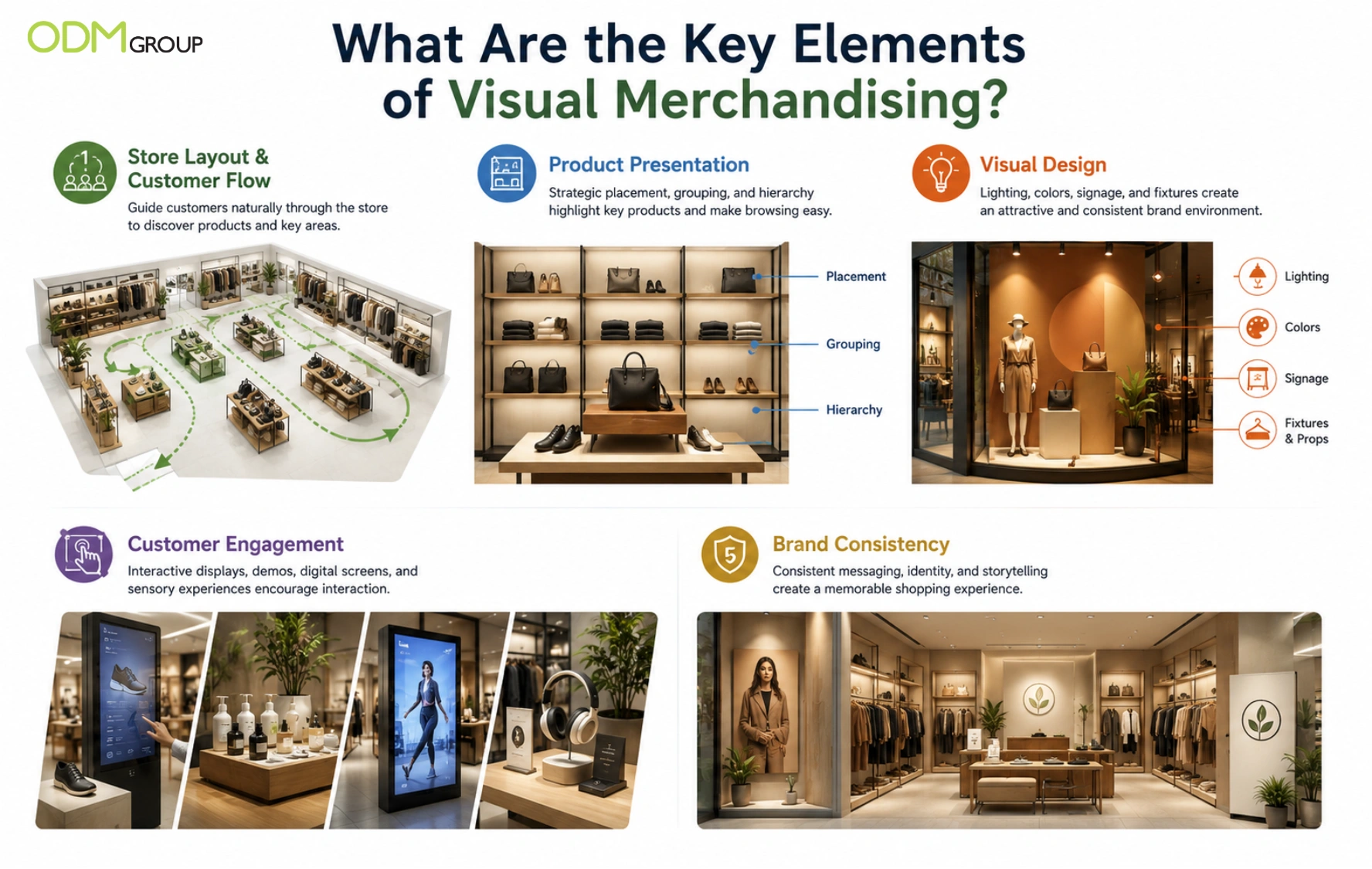
Store Layout & Customer Flow
A well-planned store layout guides customers naturally through the space, making it easy to discover products while maximizing exposure to featured merchandise.
Product Presentation
This includes product placement, shelf positioning, product grouping, and display hierarchy. Organizing products strategically helps customers browse more easily and highlights key items.
Visual Design
Lighting, color schemes, signage, graphics, props, and display fixtures work together to create an attractive and consistent shopping environment that reflects your brand.
Customer Engagement
Interactive displays, product demonstrations, digital screens, and sensory experiences encourage shoppers to engage with products and spend more time in your store.
Brand Consistency
Every display should reinforce your brand through consistent messaging, visual identity, and storytelling to create a memorable shopping experience.
11 Secrets of Successful Visual Merchandising Displays in Retail Stores
1. Get Creative
Power up your creativity. Study the size and overall look of your store. Match it with your style and branding. How do you want people to feel inside your shop? What ambiance do you want them to experience? Place yourself in the shoes of a typical customer. How are you getting swayed by the outer and interior design of a store? At the end of the day, it’s not your taste that matters. So, get the most creativity out of you. If you’re running out of ideas, consult experts who can help you make your visions come alive.
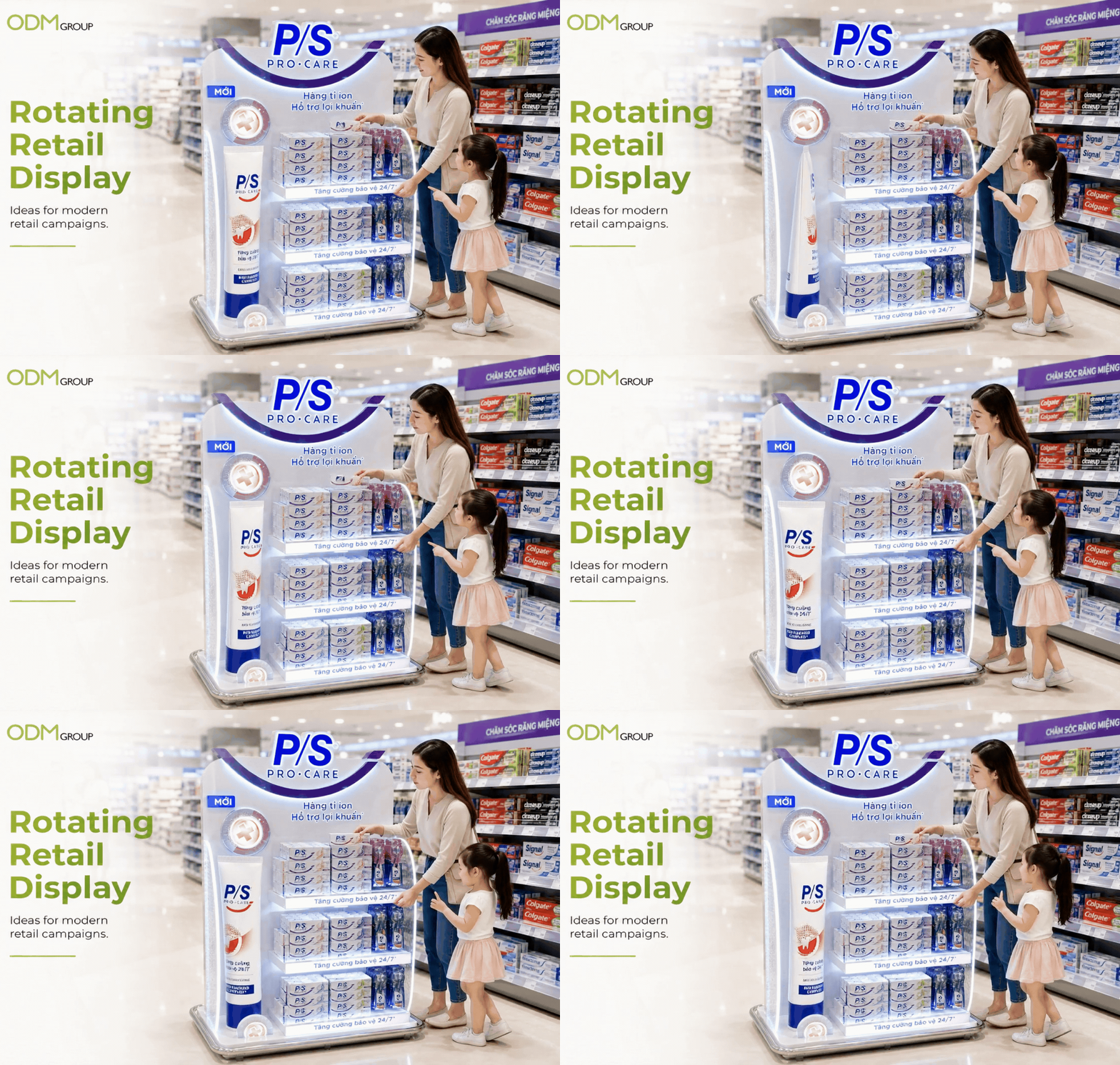
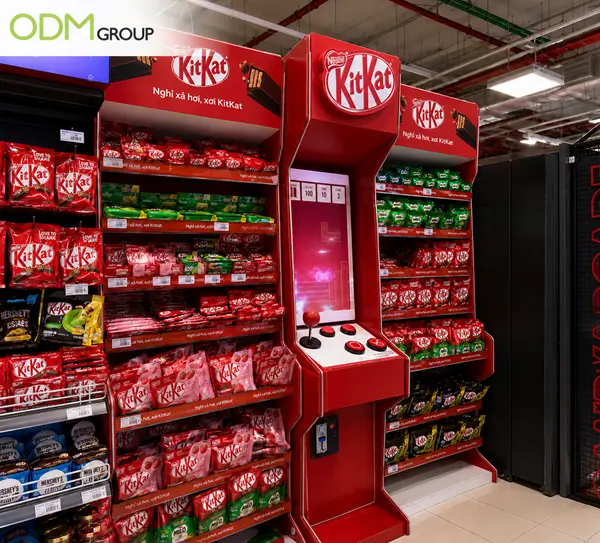
2. Use Interactive Displays
This is an amazing way to invite customers to check the products on display. Interactive displays could be high-tech moving displays, bespoke retail displays that allow the exchange of information between customers and brand, and product trial displays. Give your customers a delightful impression of your brand. You may also use 3D displays or wheel of fortune to add more fun and excitement.
3. Add compelling signage and posters
To complete the visual merchandising displays you want to achieve for your store, never forget to add compelling signage and posters. Assure that these signs are simple and easy to read by the customers.
4. Maximize Window Displays
Done right, window displays will attract passersby to step into your shop and even convert them into sure buyers. It significantly helps your retail store to impress shoppers. You may also display products that you wanted to promote in window or glass displays such as special sales, offers, discounts, and likes. Make sure to showcase your premium merchandise in the marketing window display. You must incorporate a pleasant ambiance by using lighting and bright color combinations.
5. The Power of Cross-Merchandising
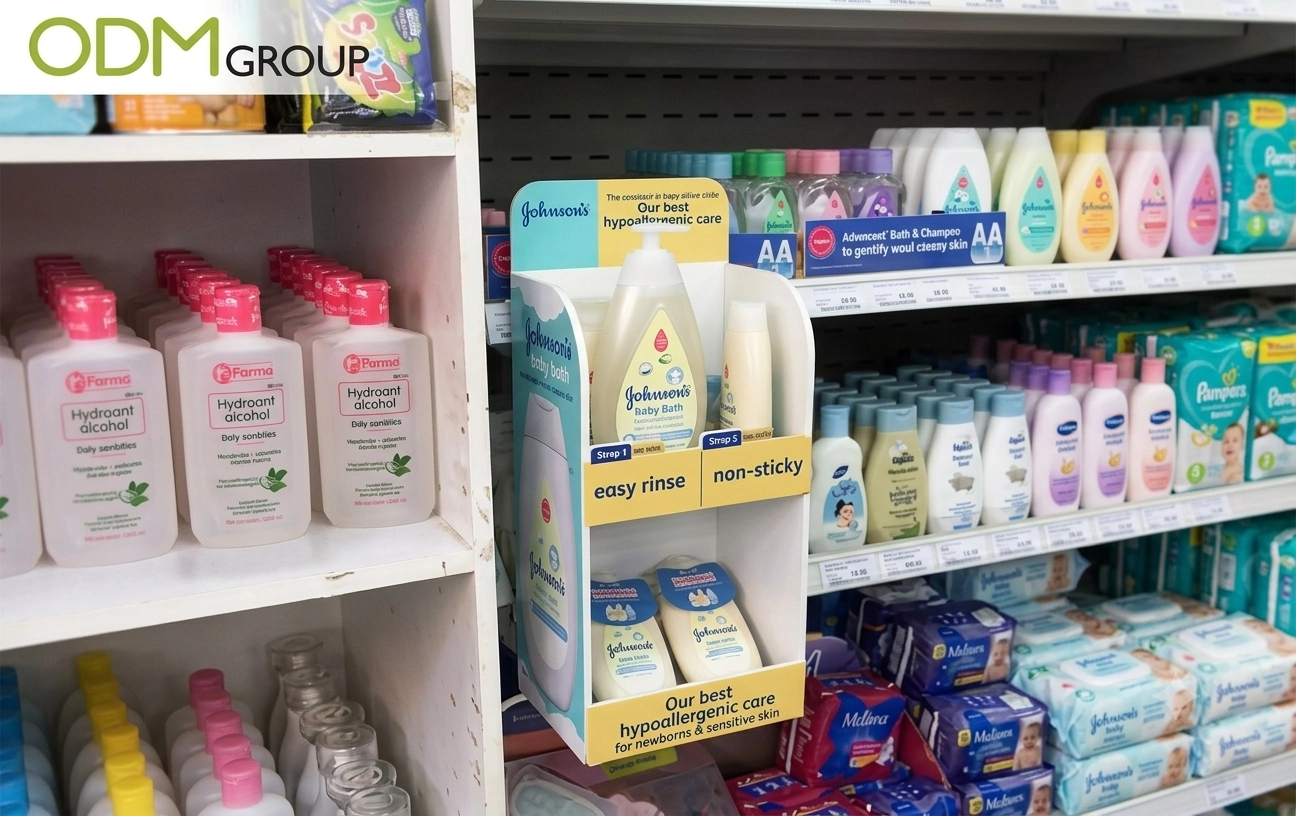
With proper execution, cross-merchandising is a brilliant strategy that can drastically increase sales. It is a way of displaying complementary products to encourage customers to make additional purchases. Some marketers call it add-on sales, incremental purchase, or secondary product placement. Just like this cross-selling done by Johnson’s company. They placed their items across items in related kinds – liquid soap products in some other family essentials – which will surely draw homemakers. Thus, boosting visual merchandising can also be done through cross-selling.
6. Innovative POS & POP Displays
POS or point-of-sale displays are a unique way of advertising that is located near, on, or next to checkout counters. This type of sales promotion is purposefully practiced to grab shoppers’ attention to the products displayed. The items being placed here might be new products, special offer products, on-sale products, or used in special events of the year like Christmas, Valentine’s, and the like. One good example is this POS marketing idea by Cadbury for the Easter celebration that lured shoppers to buy more.

While on the other hand, POP or point-of-purchase is any part in the retail store where shoppers engage with your product. POP displays are separated from the standard aisle shelf. This beverage POP display inevitably invited shoppers to check items being shown here.
Although there are similarities and differences, overall, these displays create a huge effect on the visuality of a retail store. Once effectively practiced, customers will definitely get hooked and purchase more products.
7. Accentuate your display with quirky pieces
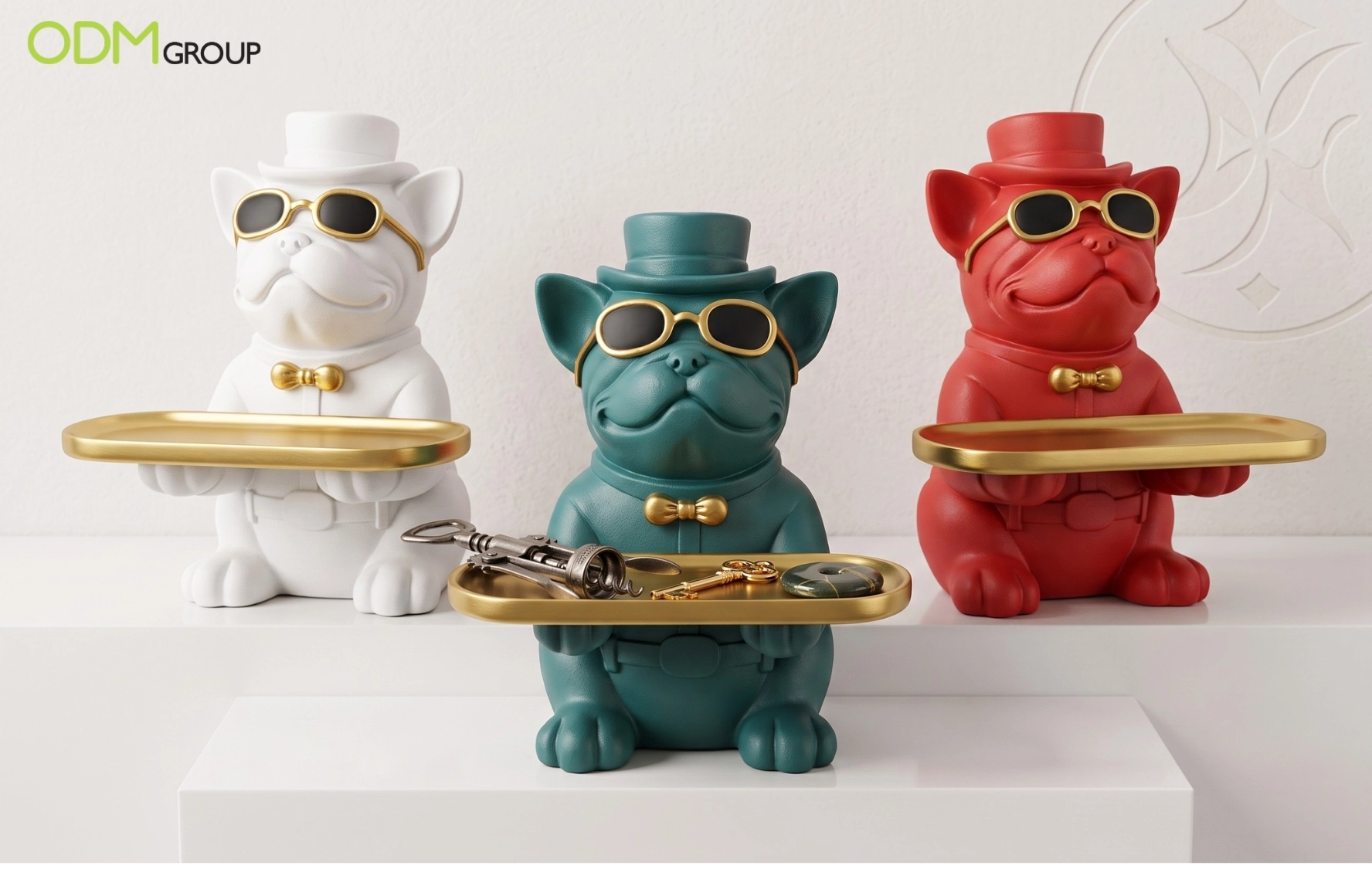
Made from polyresin, these displays will surely captivate customers. These polyresin dog displays are a great addition to your in-store marketing. As polyresin is durable and hard-wearing, it can also be a great outdoor display for bars. The little trays they are holding can be utilized to display drinks and food. Quirky pieces like these make the whole ensemble look more interesting and relatable. We suggest making a polyresin figurine of your mascot to humanize your brand.
8. Eye-marketing strategy
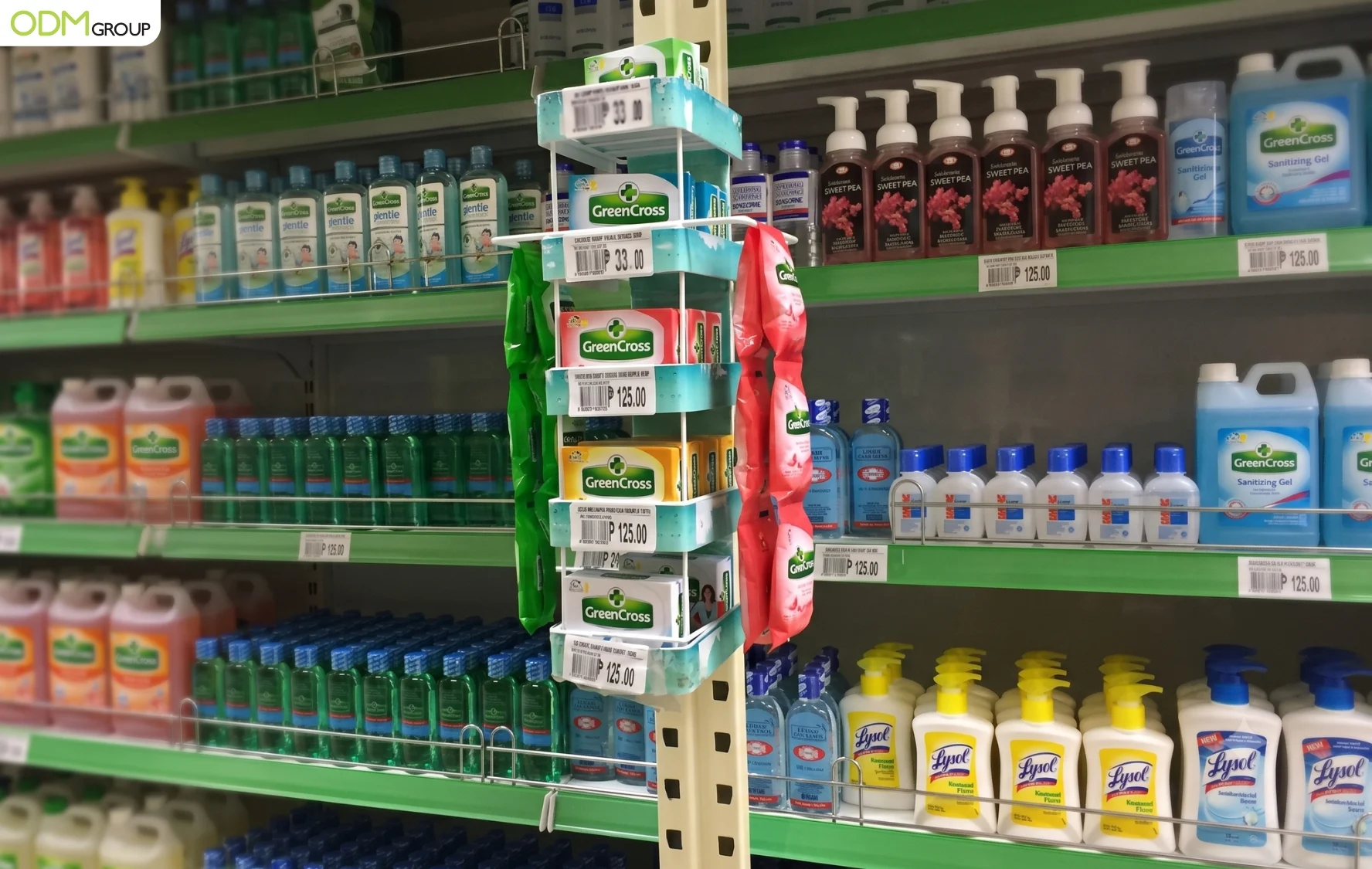
Eye-level marketing is also a great way to use visual merchandising displays. This type of marketing pertains to placing products using retail shelf displays, on-shelf merchandising displays, or custom hang sell displays that are at the eye-level of customers. Through this method, the merchandise displayed will catch the eye of every shopper.
9. Change store displays monthly or occasionally.
Visual merchandising displays also demand a high level of creativity in your team. It is advisable to change store displays monthly or occasionally. Whenever there’s an event or universal celebration, make sure that shoppers can feel it in your store. As holidays and seasons change, make your store perfect for it. So, research for ideas suitable for the occasion.
10. Display products people want, not need
We all know that in business, it’s not what matters to you but for the customers. In the art of visual merchandising, one important aspect is to encourage shoppers to buy items they would want. Given that shoppers will definitely go to the aisles where the products they need to have are located, then, for POS, POP, on-shelf retail displays must be their wants. Entice customers to see what’s in that particular corner. Increase their curiosity and turn them into big spenders.
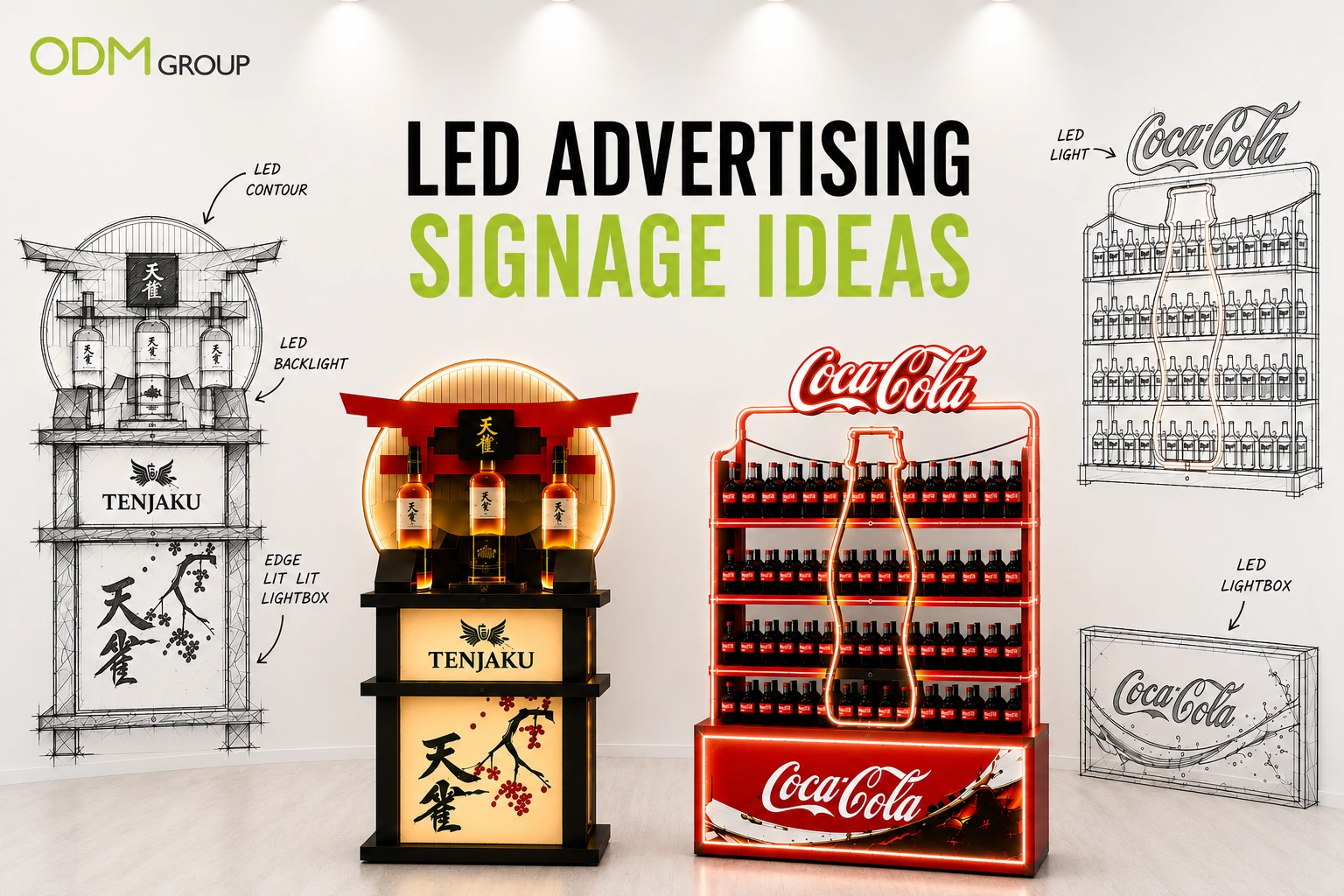
11. Add lighting to brighten the store
Are you thinking of highlighting a product? Do you want something that will significantly transform the aesthetics of your retail store? Then, you should add a lighting effect in your store. LED light displays are a great way to turn your dull store into a beautiful one. You may also use this in your product displays like telling your shoppers that there is something in those items. Interested in avail these dazzling LED lights to use in your store? Product code: 2282.

LED Lights for Retail Displays
How to Create a Visual Merchandising Display
Before choosing decorations or display fixtures, it’s important to plan your visual merchandising display strategically. A well-planned display communicates your brand message, highlights the right products, and creates a seamless shopping experience.
1. Define Your Objective
Every display should have a clear purpose. Decide whether you’re introducing a new product, promoting a seasonal campaign, increasing impulse purchases, or strengthening brand awareness. Having a defined goal helps guide every design decision.
2. Select the Right Products
Choose products that align with your objective. Rather than displaying everything, focus on hero products or a curated collection that tells a clear story and avoids overwhelming shoppers.
3. Choose the Best Display Location
The placement of your display has a significant impact on its effectiveness. Consider high-traffic areas such as storefront windows, entrances, end caps, checkout counters, or promotional zones where customers naturally pause.
4. Develop a Visual Theme
Create a consistent theme that reflects your brand or campaign. This includes selecting colors, props, materials, graphics, and messaging that work together to create a cohesive presentation.
5. Test and Measure Performance
After installation, monitor how customers interact with the display. Track sales, customer engagement, and product movement to understand what works. Regular testing and refinement help improve future merchandising campaigns.
How ODM Can Help With Your Visual Merchandising Displays
Since 2003, ODM has helped global brands design and manufacture custom POS displays, POP displays, retail shelving, hang-sell displays, and promotional retail fixtures that enhance the shopping experience.
Our in-house design team, Mindsparkz, works closely with clients to develop innovative display concepts that align with their brand identity and marketing objectives. From concept development and prototyping to manufacturing and global sourcing, we provide end-to-end solutions tailored to your retail needs.
Whether you’re launching a new product or refreshing your in-store displays, our team is ready to help bring your ideas to life.
More Retail Displays:
BOOST literally boosts its marketing through the use of a custom design POS display. Check out their eye-catching FSDU:
The pandemic is drastically changing the landscape of businesses. We are so pleased to introduce to you ODM and Mindsparkz’s newly designed contact-free sampling display for effective guerilla marketing.
Checkout dividers might be the most unutilized part of your retail store. Learn why you should be taking advantage of them now!
This Christmas retail display nailed it! Decked in Christmas gift boxes and custom packaging, it brought joy to our hearts that we wanted to spread to you!
Looking for an innovative promotional idea for your stores? Then this charging table tent sign will be a great addition to your venue marketing.
More Information On Polyresin Products
If you are keen to know more about Polyresin Manufacture, here is a blog that details the manufacturing process:
Sample size tolerance is one of the concerns clients have when manufacturing polyresin products. This blog explains what sample size tolerance is:
Final thought
Great visual merchandising is about more than making a store look attractive—it’s about creating shopping experiences that capture attention, communicate your brand story, and inspire customers to buy.
By applying these 11 visual merchandising strategies, you can improve product visibility, enhance customer engagement, and increase retail sales. Whether you’re updating your window display, investing in interactive POS displays, or refreshing seasonal merchandising, every detail contributes to a stronger in-store experience.
At The ODM Group, we specialize in transforming creative concepts into market-ready merchandise through precision printing, professional design, and global manufacturing expertise. Contact us today to learn how we can help you design, source, and manufacture high-quality promotional products that elevate your brand awareness.
- Website: www.theodmgroup.com
- Email: info@theodmgroup.com
Frequently Asked Questions
What are visual merchandising displays?
Visual merchandising displays are retail fixtures and product presentations designed to attract shoppers, highlight products, and improve the overall shopping experience. They include window displays, POS displays, POP displays, shelving, end-cap displays, and interactive installations that encourage customer engagement and increase sales.
Why are visual merchandising displays important?
Effective visual merchandising displays help retailers capture attention, strengthen brand identity, improve product visibility, and influence purchasing decisions. Well-designed displays can also increase foot traffic, encourage impulse buying, and create a more memorable in-store experience.
How often should visual merchandising displays be updated?
Retail displays should be refreshed every 4–8 weeks, or whenever there is a seasonal campaign, new product launch, holiday promotion, or major sales event. Regular updates keep your store looking fresh, encourage repeat visits, and maintain customer interest.
How can custom retail displays improve sales?
Custom retail displays are designed to reflect your brand while showcasing products more effectively than standard fixtures. Features such as unique shapes, interactive elements, premium materials, and strategic product placement can increase customer engagement, improve product visibility, and ultimately drive higher sales.
What are the most common types of visual merchandising displays?
The most common visual merchandising displays include window displays, POS displays, POP displays, end-cap displays, freestanding floor displays, shelf displays, interactive displays, and seasonal displays. Each type serves a different purpose, from attracting shoppers and promoting featured products to encouraging impulse purchases and enhancing the overall shopping experience.
Explore more POS display ideas
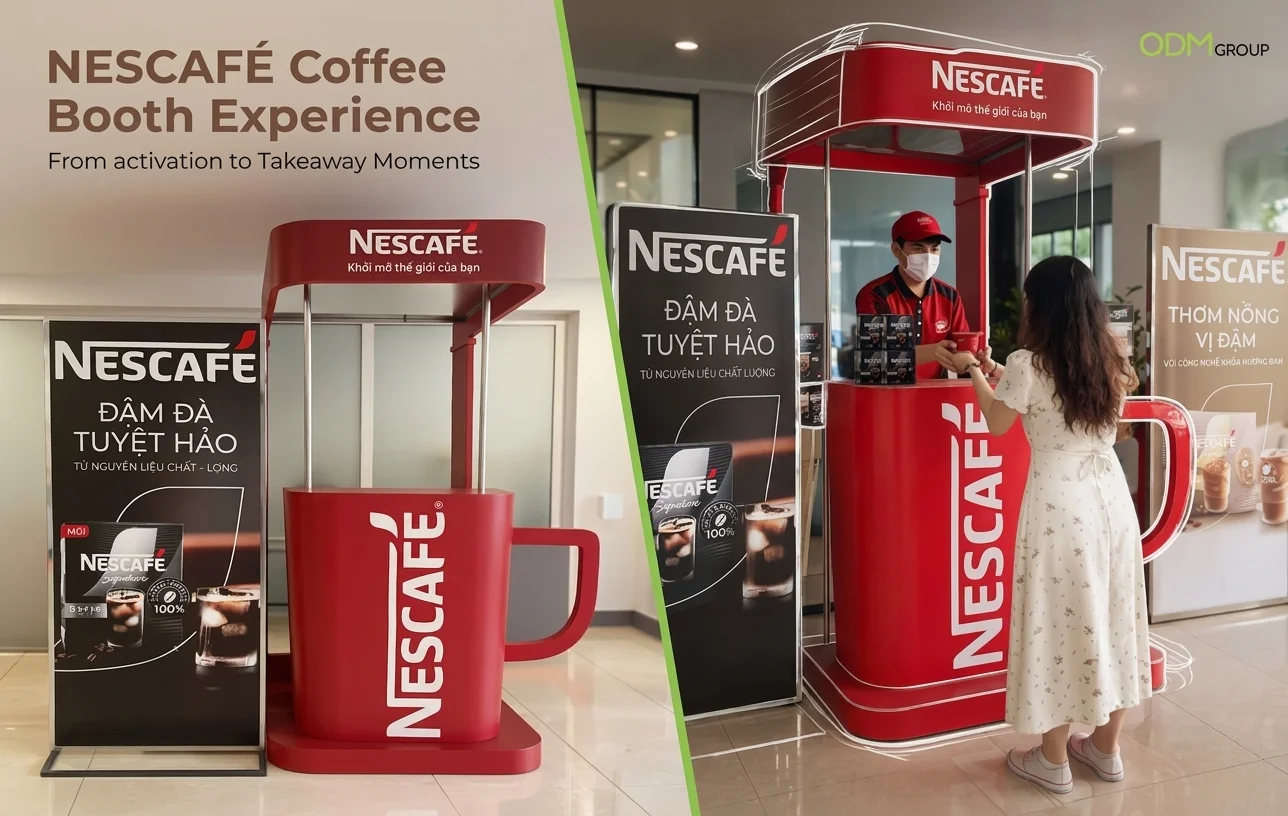
How Nescafe Coffee Booth Activations Drive Real Engagement in Office Spaces
Discover how a Nescafe coffee booth turns sampling into a daily brand experience using smart design, POS displays, and packaging strategies.
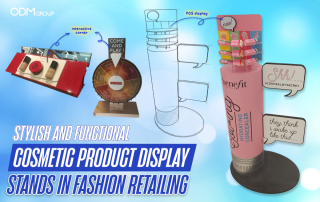
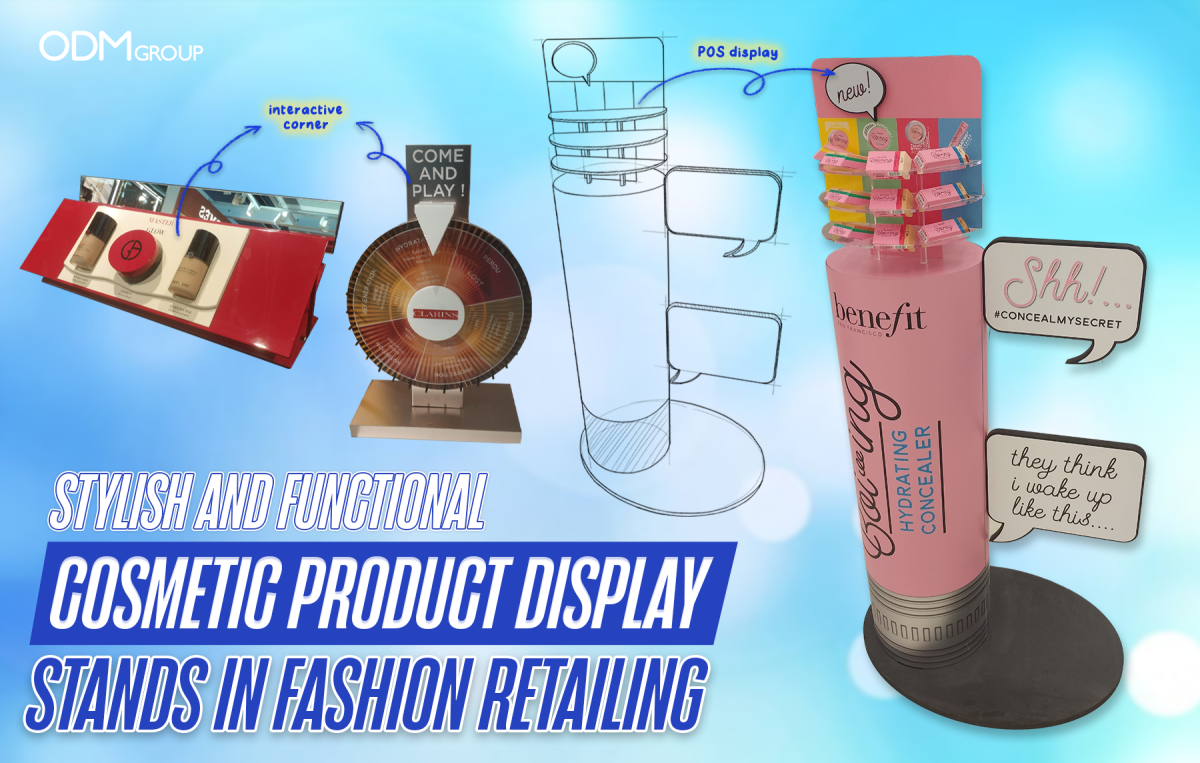
11 Cosmetic Retail Display Ideas Plus Tips for Beautiful Setups
Point-of-sale displays play a crucial role in marketing products. More than just product storage, [...]
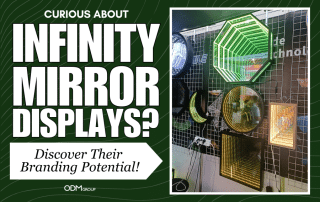
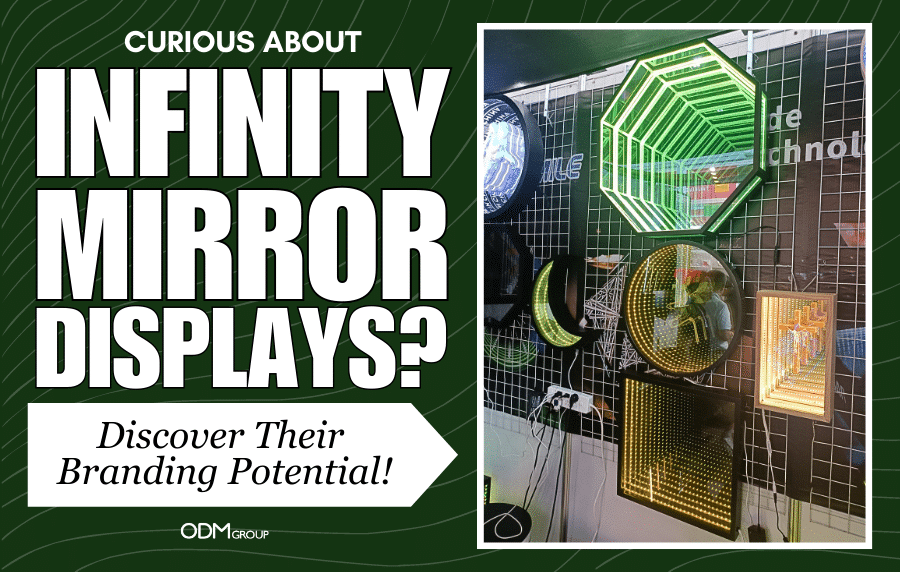
Create Unlimited Brand Exposure with Custom Infinity Mirror Display!
Imagine an advertising medium that not only showcases your brand but also evokes wonder, [...]
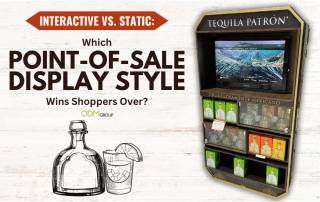
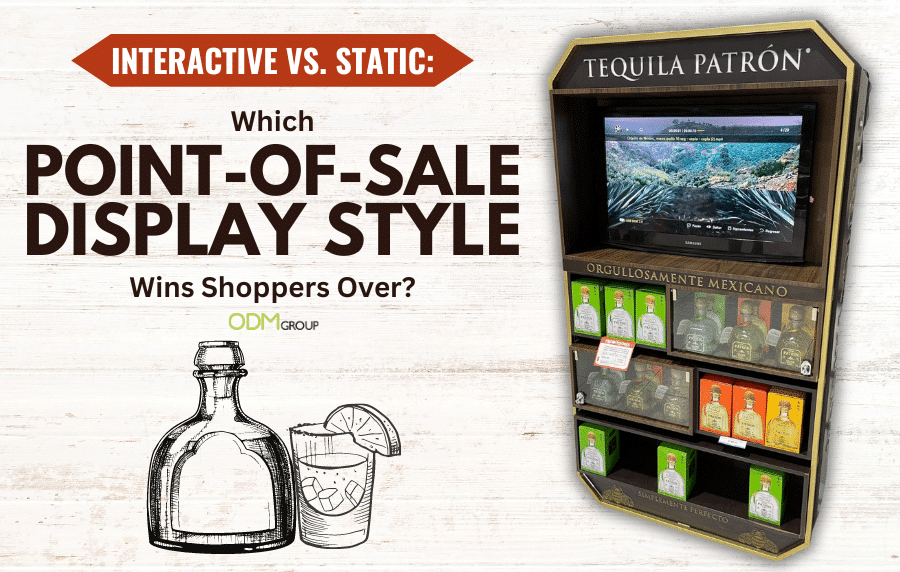
Drinks Marketing Idea: The Power of Point of Sale Video Display
In today's competitive retail environment, it is essential to employ effective marketing strategies to [...]
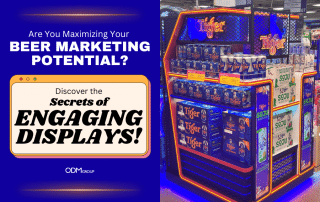
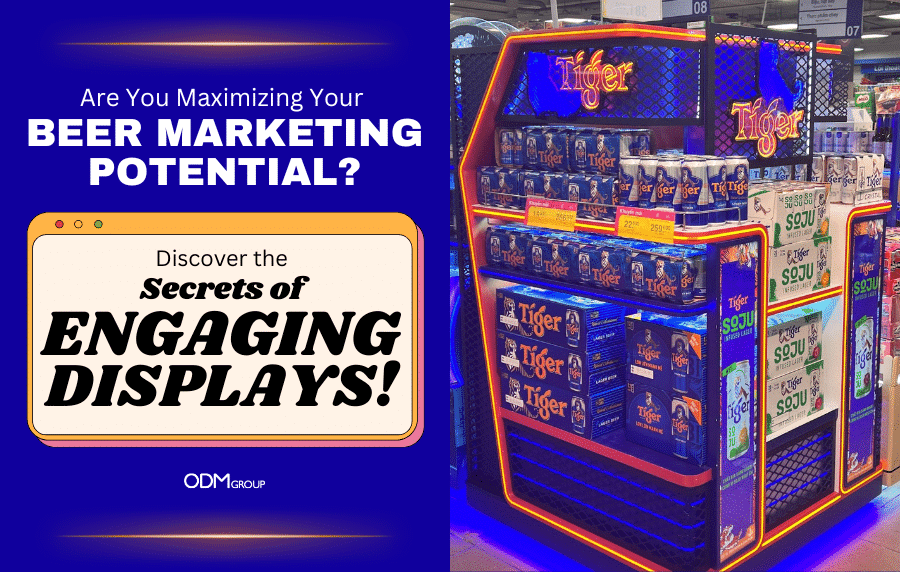
Beer Discovery Zone: What Made Tiger Beer Store Display A Success?
Shoppers usually go to stores with lists of things to purchase and little allowance [...]