
A serving tray is a practical part of everyday service in restaurants, bars, hotels and cafés. It carries drinks, food and other items, but it can also provide a useful surface for brand messaging.
Custom promotional trays give businesses an opportunity to bring their branding into the customer experience. From a logo printed on the tray to a bespoke shape, colour or finish, the design can be adapted to suit a venue, campaign or hospitality brand.
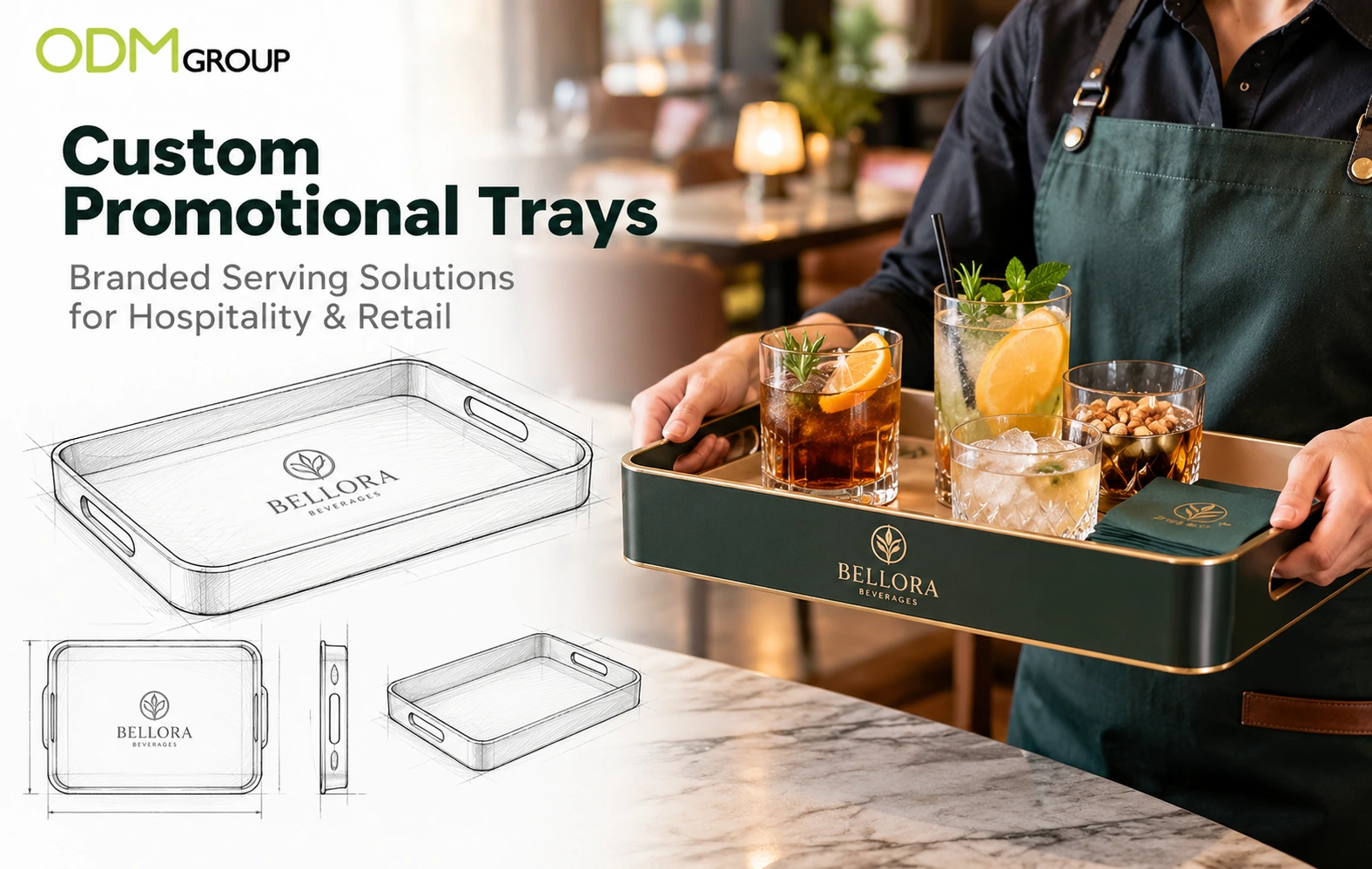
For businesses planning promotional merchandise, the opportunity goes beyond adding a logo to a standard product. Tray dimensions, material, grip, finish and branding placement all influence how the finished item looks and performs.
Why Use Custom Promotional Trays?
Unlike merchandise that customers may put away after receiving it, serving trays can remain in use throughout normal business operations. In hospitality settings, they can be seen by customers while staff serve drinks, deliver orders or present the bill.
The tray’s design and branding should support its intended use. A product that looks good but is difficult to carry or clean will be less suitable for a busy service environment.
1. Build Brand Visibility at the Point of Sale
A branded serving tray can put a company’s identity in view during a customer interaction. Restaurants, bars and beverage brands could explore custom trays for use in their own venues, promotional events or hospitality partnerships.
Branding may be placed on the tray’s base, sides or handles, depending on the design and printing method. The available area should be balanced with the tray’s practical function, leaving enough space for drinks, food or other items to be carried securely.
2. Create Merchandise That Fits the Venue
A tray designed for a cocktail bar may need a different look and construction from one intended for a casual restaurant, hotel breakfast service or beverage sampling event.
Customisation allows buyers to consider colours, shapes, materials and finishes that suit the environment. A premium venue might prefer a refined finish, while a high-volume service operation may prioritise durability, easy cleaning and efficient storage.
3. Support Beverage and Hospitality Promotions
Custom waiter trays can form part of a wider promotional programme for drinks brands, hospitality groups or event organisers. For example, a beverage company could explore branded trays for a tasting event, bar activation or venue partnership.
The tray can be coordinated with other campaign elements, such as branded napkin holders, menu holders or glassware. These products should be selected as a cohesive set rather than as unrelated items carrying the same logo.
Custom Waiter Trays: Design Options to Consider
The right design begins with the intended use. Before choosing a finish or adding artwork, buyers should establish what the tray needs to carry, where it will be used and how frequently staff will handle it.
Shape and Size
Rectangular trays are a familiar option for serving several drinks or plates, while smaller formats may be appropriate for individual orders or payment presentation.
Custom dimensions and shapes can be explored to suit the application. Buyers should consider the available carrying space, the weight of a loaded tray and whether the design can be stored efficiently between uses.
Rounded corners and well-designed edges can also influence handling and the overall appearance.
Materials and Finish
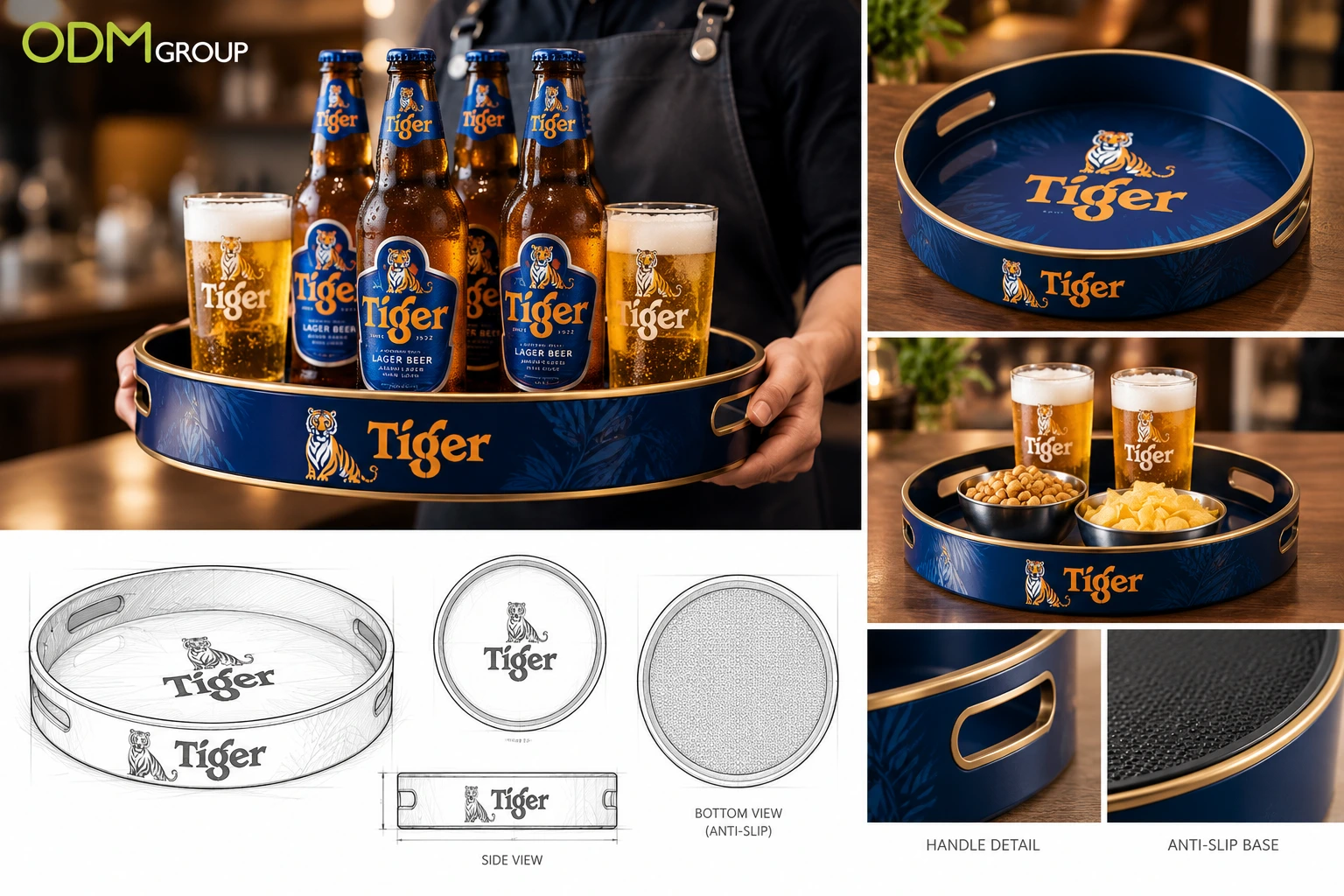
Promotional serving trays can be explored in different materials, including coated metal and plastic. Other material options may be possible depending on the required appearance, durability, cost and manufacturing process.
The finish should suit the environment. A tray used frequently in a restaurant needs to withstand regular handling and cleaning. A tray intended primarily for a one-off event may have different requirements.
Material selection should be confirmed with the manufacturer, including any limitations on printing, cleaning methods and long-term use.
Handles and Grip
Handling is an important part of tray design. Integrated hand grips, cut-out handles or shaped edges can be considered depending on the tray’s construction.
For service environments, buyers should evaluate whether the tray can be carried comfortably when loaded. A non-slip surface or base may also be worth exploring, but its performance should be tested with the intended items and under realistic conditions.
Branding and Artwork
A logo is only one part of the design. Buyers can also explore brand colours, patterns, campaign graphics or a distinctive visual treatment across the tray.
The decoration method will depend on the material and finish. Artwork should be reviewed for legibility, placement and durability, particularly where the tray will be cleaned regularly.
ODM Group can help develop the product concept and assess how branding can be incorporated into the design.
How Promotional Serving Trays Are Used in Practice
The application determines which features matter most. A tray designed for serving cocktails may need a different layout from one used to present a bill or collect payment.
Serving Drinks and Snacks
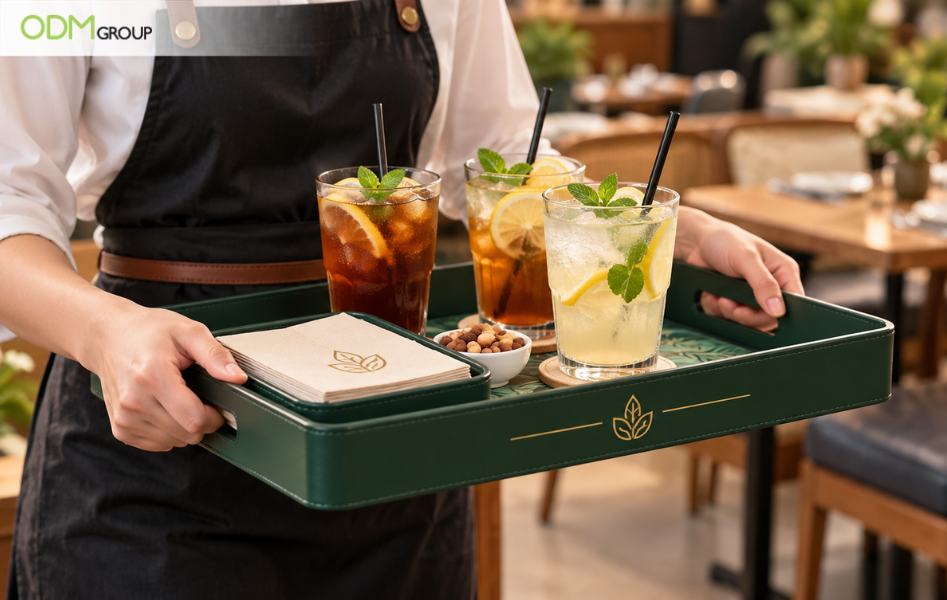
Bars, cafés and restaurants can use branded serving trays to carry drinks, snacks and small plates. The tray can complement the venue’s interior design or form part of a beverage promotion.
For this application, buyers should consider the tray’s carrying capacity, grip, raised edges and resistance to routine cleaning. The final design should be tested with the types of glasses, cups and dishes that staff are expected to carry.
Events and Brand Activations
Promotional trays may also be considered for beverage tastings, product launches, trade events and hospitality activations. In these settings, the tray can help maintain a consistent brand presentation while serving a functional purpose.
The design should reflect the campaign requirements, including how the trays will be transported, stored, cleaned and reused. Buyers should also establish the quantity needed and whether the trays will remain with the venue after the event.
Presenting Bills and Payments
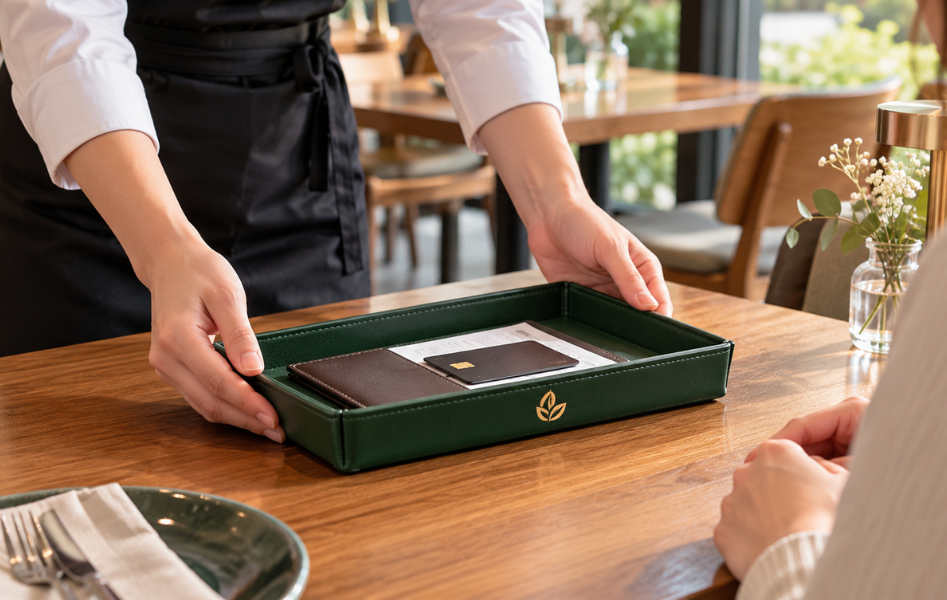
A smaller tray can be designed for presenting a bill, receipt or payment materials. In restaurants and hotels, this creates another opportunity to incorporate branding into a routine customer interaction.
The design may be more compact than a standard serving tray, with a finish that matches the venue’s other table accessories. Buyers should ensure that the format accommodates the payment materials used in the intended market.
Product Sketch: Developing a Custom Promotional Tray
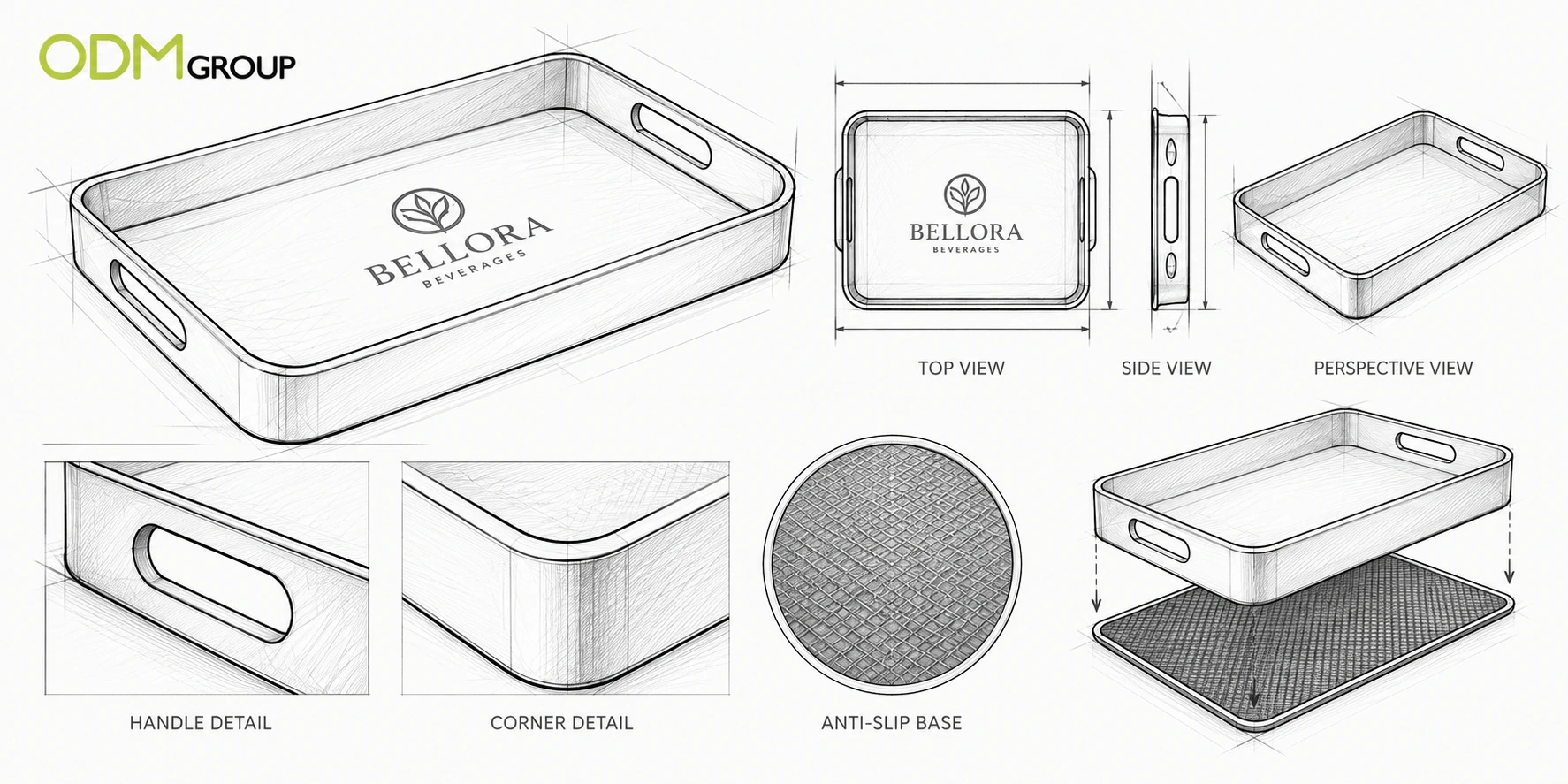
A product sketch is a useful starting point for translating a broad idea into a design that can be assessed and developed. It allows the team to consider the tray’s shape, proportions, handles, branding area and base before finalising the specification.
For a custom promotional tray, the concept stage could explore:
- Overall dimensions: Establish the size and carrying capacity required for the intended application.
- Branding area: Decide where the logo or campaign artwork should appear.
- Handle design: Explore integrated grips or other features that support practical handling.
- Material and finish: Compare options based on appearance, use, durability and budget.
- Base design: Assess whether a textured or non-slip surface is appropriate.
- Storage: Consider whether trays need to stack or fit into existing storage areas.
These sketches are concept illustrations, not manufacturing drawings. Final dimensions, material specifications and construction details need to be confirmed during product development.
What Buyers Should Check Before Ordering Custom Promotional Trays
A clear specification helps buyers compare proposals and reduces the risk of approving a design that does not suit its intended environment.
Before production, consider the following:
Intended use: Define whether the tray will carry drinks, food, payment materials or promotional samples.
Material suitability: Confirm the material, finish, cleaning requirements and suitability for the intended service environment.
Dimensions and capacity: Check that the tray can accommodate the expected load and fit the available storage space.
Grip and stability: Assess the handles, edges and base. Any non-slip feature should be evaluated under realistic conditions.
Branding method: Confirm artwork placement, colours, decoration method and expected durability.
Sampling and quality control: Review a sample before approving production. Check dimensions, finish, branding consistency and practical handling.
Quantity and delivery: Establish the order quantity, production schedule, packaging requirements and delivery destination with the supplier.
These considerations are especially important for trays intended for frequent commercial use, where practical performance matters as much as appearance.
How ODM Group Can Help Develop Custom Promotional Trays
Developing a branded tray involves more than selecting a shape and placing a logo. The product needs to meet the buyer’s practical requirements while reflecting the intended brand identity.
ODM Group can support product development from concept and sketch design through prototyping, manufacturing coordination and quality control. For a promotional tray project, this may involve exploring different shapes, materials, finishes and branding placements before a specification is finalised.
The process starts with understanding the intended application, target audience, budget and order requirements. These details help guide the design and establish what needs to be assessed during sampling.
The result is a more structured approach to developing branded serving products for hospitality, retail and promotional campaigns.
Develop a Custom Promotional Tray for Your Brand
A well-designed promotional tray can combine everyday function with brand visibility. Whether it is used to serve drinks, present a bill or support a hospitality activation, the design should reflect how the product will be handled and where it will be used.
From material selection and dimensions to branding and grip, each detail contributes to the finished product. ODM Group can help turn an initial idea into a considered product concept for your campaign.
Planning your next branded serving product? Contact ODM Group to discuss your custom promotional tray design and product development requirements.
More Product Ideas


FAQs about Custom Promotional Trays
Which materials can be used to manufacture promotional serving trays?
Coated metal and plastic are options for promotional trays. The most suitable material depends on the desired appearance, durability, intended use, decoration method and budget. Material availability and specifications should be confirmed with the manufacturer.
Can custom waiter trays include a non-slip base?
A non-slip coating or base feature may be considered during development. Buyers should confirm the available options and test the finished design with the items it is intended to carry.
How can businesses use branded serving trays in marketing campaigns?
Businesses can use branded trays in restaurants, bars, hotels, beverage promotions, tasting events and other hospitality settings. The design should support the campaign and remain practical for the intended use.
What should buyers provide when requesting a custom tray?
A useful brief includes the intended application, approximate dimensions, preferred material, branding artwork, target quantity, budget and delivery requirements. Reference images or sketches can also help communicate the desired design.
Can ODM Group help design and develop a custom tray?
ODM Group can support product development through concept and sketch design, prototyping, manufacturing coordination and quality control. The specific scope depends on the project requirements and the product specification.
Latest Blogs

Custom Tin Boxes: Packaging Ideas for Products and Promotions
Some packaging gets thrown away after opening. Other designs [...]
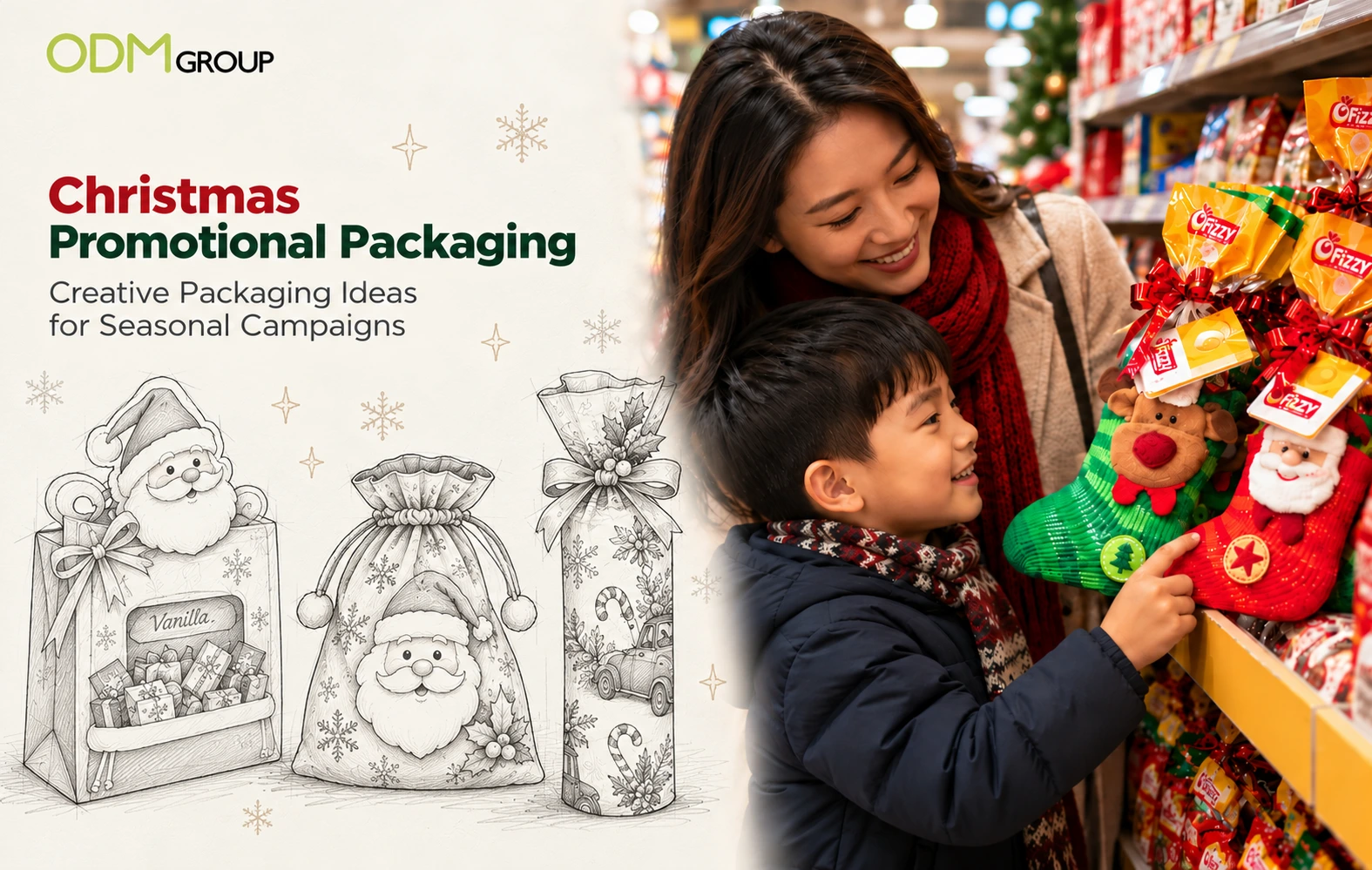
Christmas Packaging Ideas to Inspire Your Next Holiday Campaign
Christmas packaging can do more than make a product look [...]
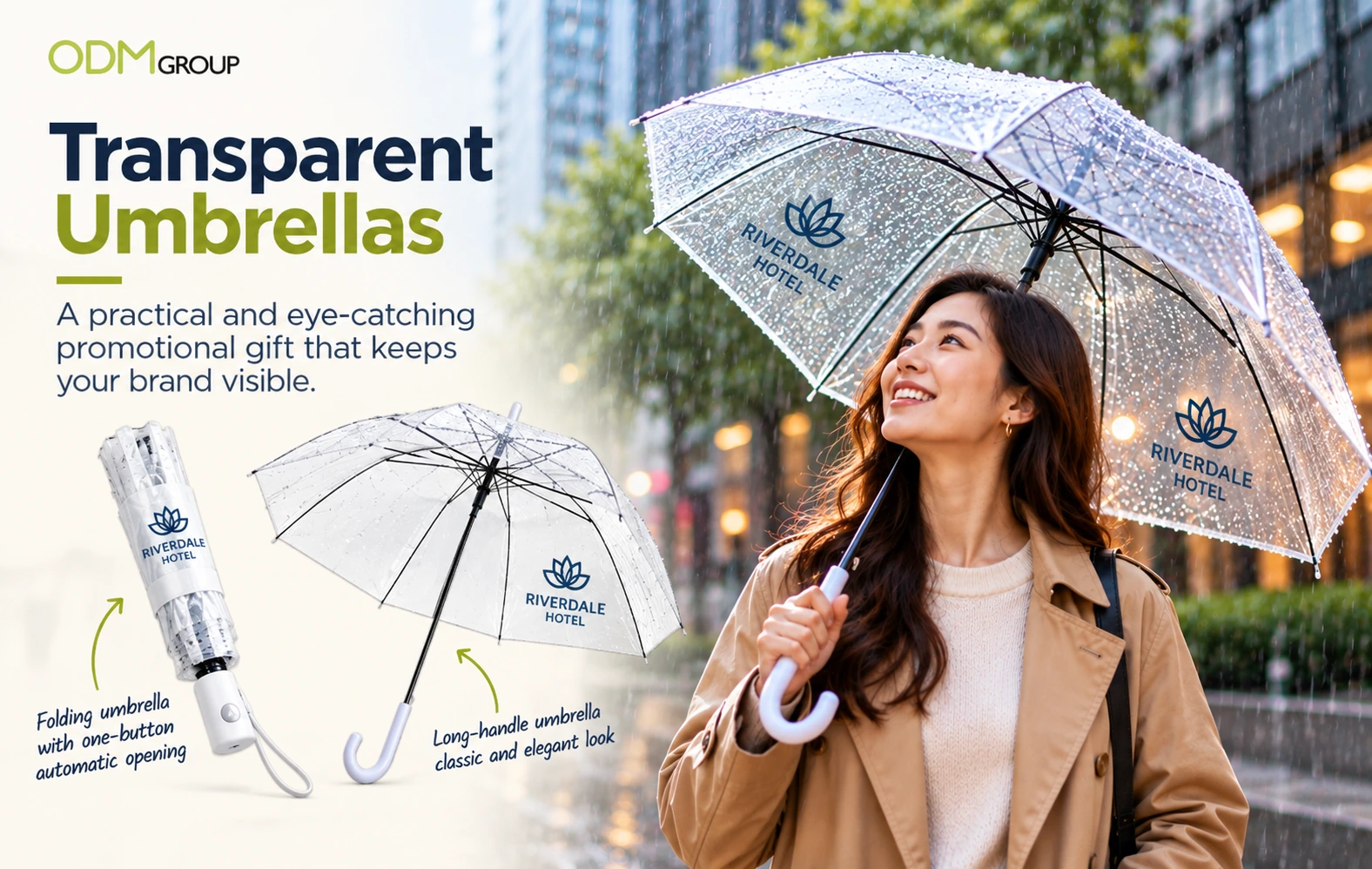
Transparent Umbrellas With Custom Logos for Brand Promotions
Promotional merchandise needs to offer more than a place [...]
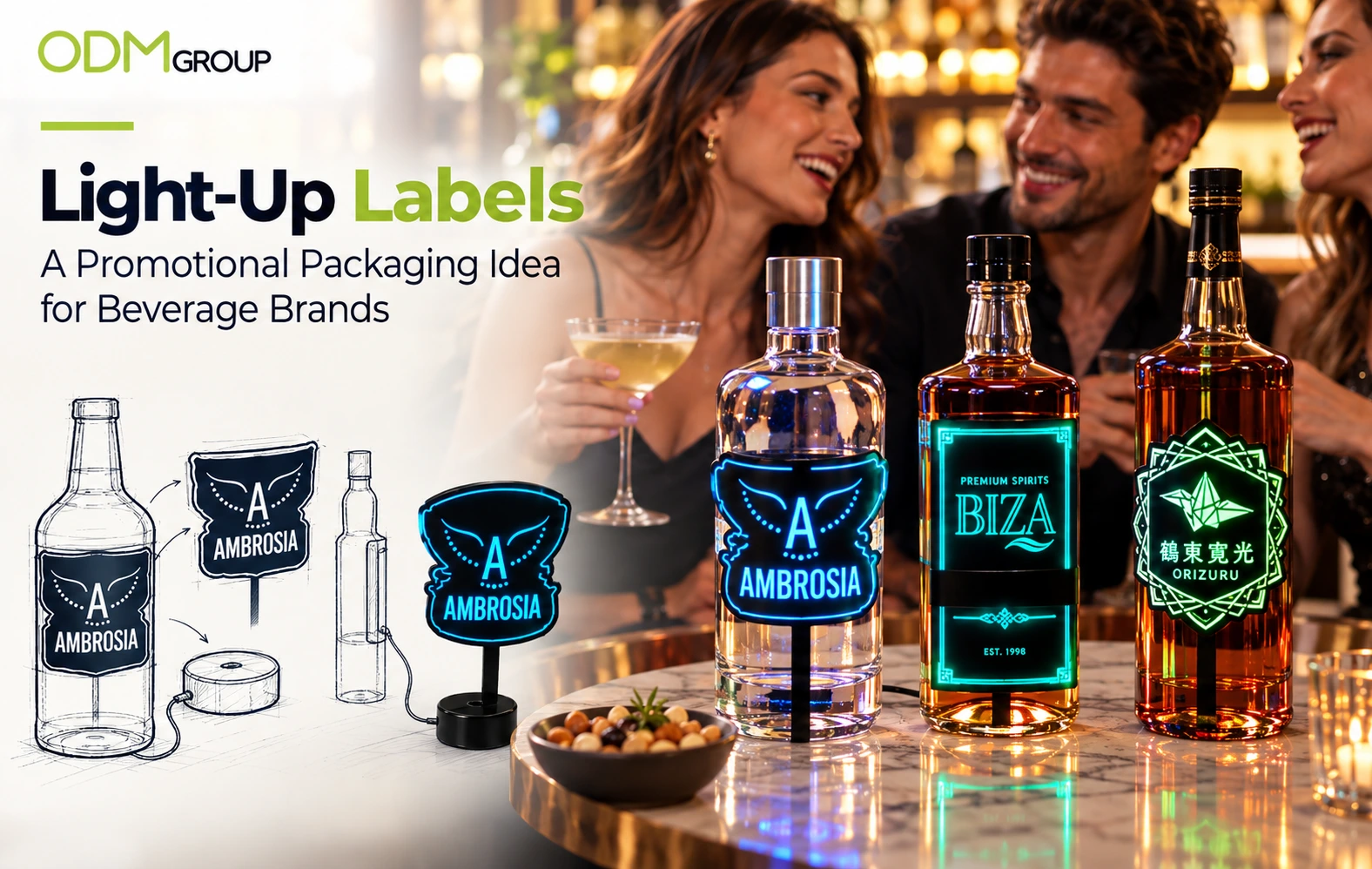
Light-Up Labels for Beverage Promotions and Custom Packaging
Light-up labels give beverage brands another option when standard [...]
Split-Flap Displays for Events, Retail and Brand Activations
Struggling to make your brand stand out in a crowded [...]

Beer Swag Ideas: Lessons from Heineken Silver’s Taiwan Campaign
Beer swag is evolving beyond traditional bottle openers and [...]