
How long does it take to manufacture products in China? For most custom consumer products, businesses should allow approximately 6 to 12 weeks for product development and production before shipping.
The exact timeline depends on the product, materials, level of customization, order quantity, testing requirements, and factory capacity.
A standard product that only needs a logo may be ready within a few weeks. A fully custom product that requires design work, prototyping, tooling, and product testing may take several months.
Understanding each stage helps businesses set realistic launch dates, reduce delays, and avoid rushing critical approvals.
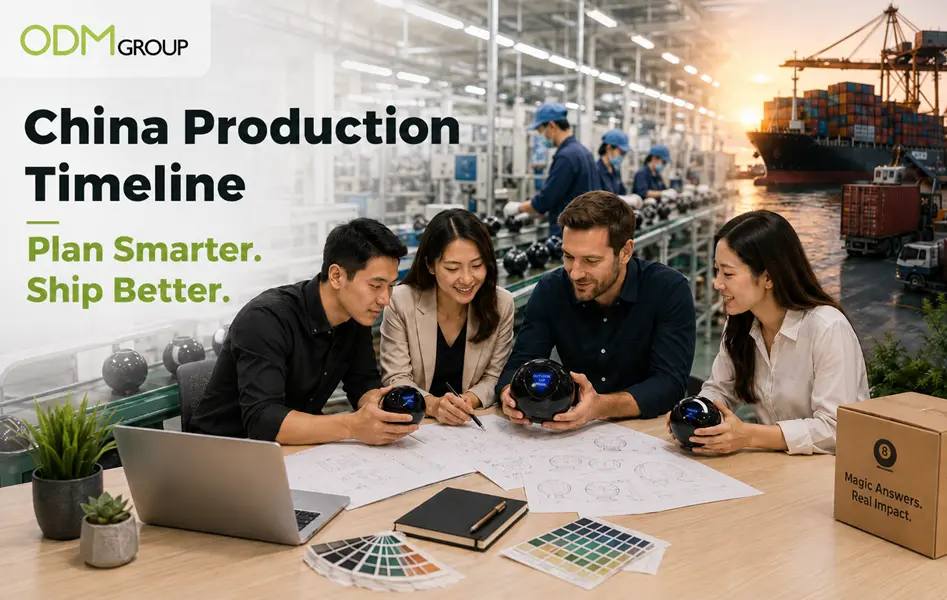
Typical China Manufacturing Timeline
The table below provides a general planning guide.
| Project stage | Typical planning range |
|---|---|
| Initial supplier identification and feasibility review | 1 to 3 weeks |
| Product design and DFM review | 1 to 4 weeks |
| Prototype or sample development | 1 to 4 weeks per round |
| Tooling or mold development | 4 to 8 weeks |
| Material and component sourcing | 1 to 4 weeks |
| Mass production | 3 to 8 weeks |
| Inspection, approval, and packing | 3 to 10 days |
| Shipping and customs clearance | Depends on the route and shipping method |
These figures are general planning estimates. They are not guaranteed lead times.
Some stages may overlap. Others cannot begin until the product design, sample or tooling has been approved.
How Long Does the Complete Manufacturing Process Take?
The overall lead time depends mainly on how much product development is required.
In-Stock Product With Logo Branding
An existing product that only requires printing, engraving, embroidery or another simple branding method may take approximately 2 to 5 weeks before shipping.
This process may include:
- Product selection
- Artwork approval
- Sample production
- Logo application
- Quality checks
- Packing
The timeline may be longer if the selected item is not in stock, requires custom packaging or uses a branding technique that needs special preparation.
Existing Product With Custom Changes
A standard product with custom colors, materials, packaging or minor design changes may take approximately 4 to 8 weeks before shipping.
The factory may need to source new materials, prepare color samples, adjust product specifications or produce several samples before approval.
Moderately Customized Product
A product involving structural changes, custom components or more extensive development may take approximately 6 to 12 weeks before shipping.
This type of project often includes:
- Product specifications
- Design adjustments
- Design for Manufacture review
- Sample development
- Sample revisions
- Material sourcing
- Mass production
- Inspection
The timeline will increase if the first sample does not meet the required specifications.
Fully Custom Product With New Tooling
A completely new product may take approximately 12 to 24 weeks or longer.
The process may involve:
- Concept development
- Industrial design
- CAD modeling
- Engineering review
- Functional prototypes
- Tooling or mold development
- Tooling modifications
- Product testing
- Pre-production samples
- Mass production
Complex electronics, mechanical assemblies, multiple materials or certification requirements can extend the schedule further.
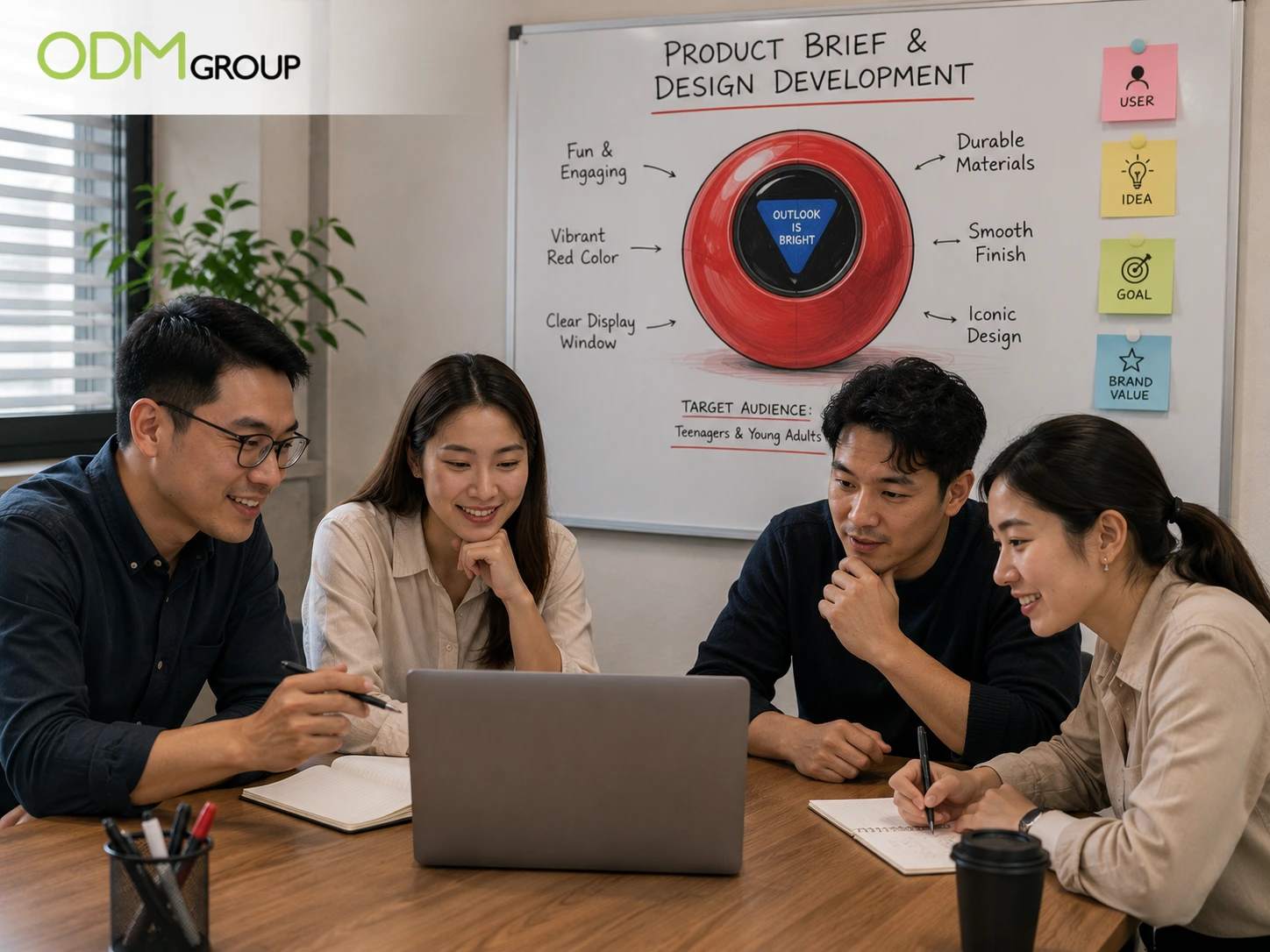
Stage 1: Product Brief and Design Development
Manufacturing cannot begin until the product is clearly defined. A strong product brief should include:
- Product purpose
- Target user
- Dimensions
- Materials
- Colors
- Functional requirements
- Branding locations
- Packaging requirements
- Order quantity
- Target market
- Required delivery date
Simple projects may only need artwork and basic product specifications. More complex products may require concept sketches, CAD drawings, material research, technical development and several design revisions. Product design can take a few days for minor adjustments or several weeks for a new concept.
Stage 2: Design for Manufacture Review
A Design for Manufacture, or DFM, review checks whether the product can be produced efficiently and consistently.
This step may identify issues related to:
- Product structure
- Wall thickness
- Material choice
- Mold design
- Assembly
- Branding
- Durability
- Production cost
- Packaging
Skipping DFM may appear to save time at the beginning. However, it can lead to tooling changes, defective samples, difficult assembly or delays during mass production.
A DFM review may take several days for a simple product. More technical projects may require several rounds of discussion between designers, engineers and the factory.
Stage 3: Supplier Identification and Qualification
Finding a suitable manufacturing partner takes more than comparing prices.
Businesses should review:
- Relevant manufacturing experience
- Production processes
- Factory capacity
- Minimum order quantities
- Quality systems
- Communication standards
- Tooling capabilities
- Material sourcing experience
- Compliance documentation
- Previous product samples
Initial supplier identification and feasibility discussions may take approximately one to three weeks.
Full qualification may take longer when the project requires factory audits, detailed compliance checks, sample reviews or technical assessments.
The lowest quotation is not always the best choice. A factory must also be able to meet the product specifications, quality expectations and delivery schedule.
Stage 4: Prototype and Sample Development
Sampling is one of the most important stages in the China manufacturing timeline.
A sample allows the buyer to check:
- Dimensions
- Materials
- Colors
- Construction
- Functionality
- Branding quality
- Packaging
- Overall appearance
A relatively simple sample may take approximately one to four weeks.
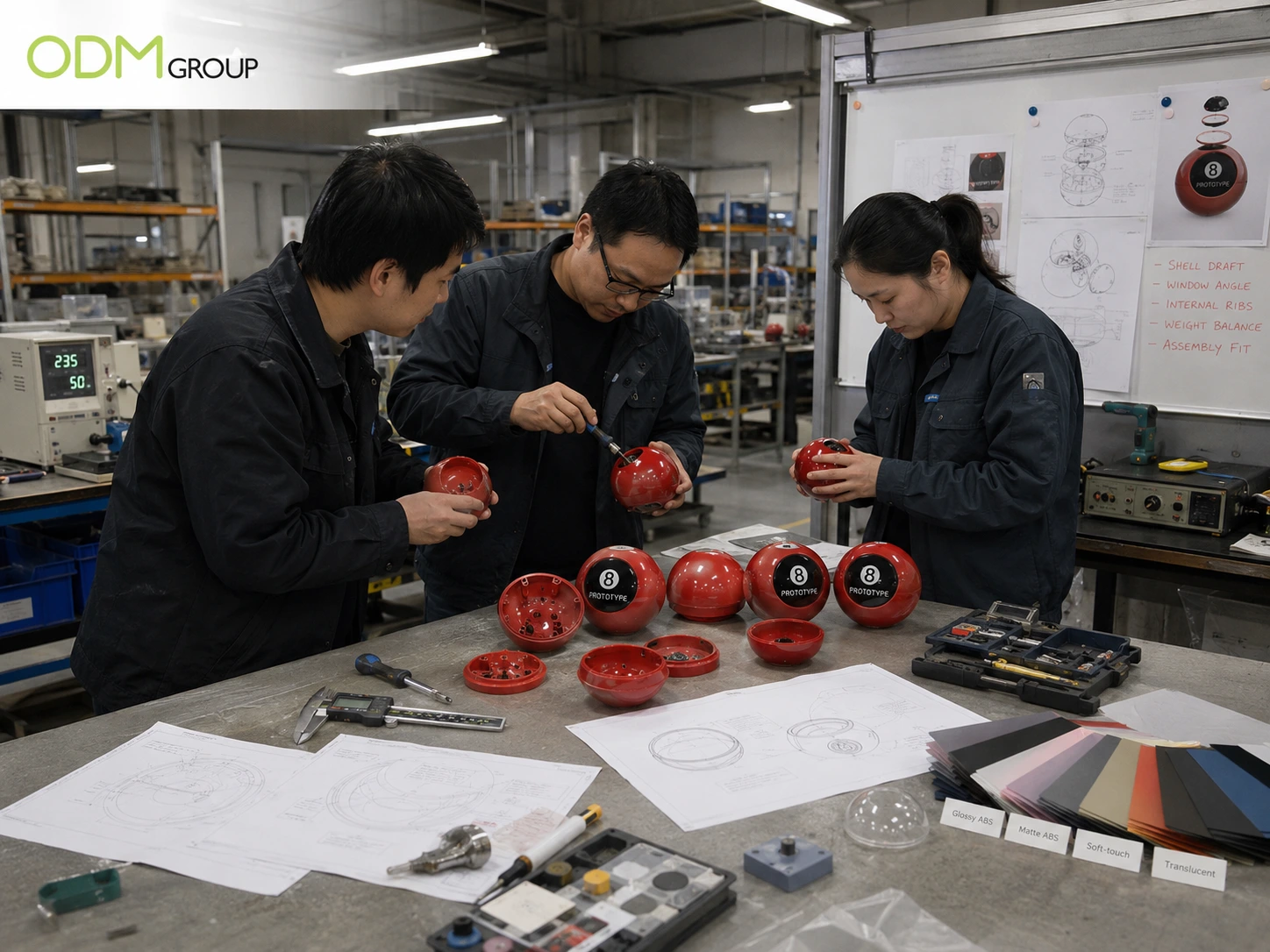
More complex prototypes may take longer when they require:
- CNC machining
- 3D printing
- Custom components
- Electronic parts
- Hand finishing
- Specialty materials
- Structural packaging
- Tooling before a functional sample can be produced
The first sample may not be the final one.
Each additional sample round can add another one to four weeks, depending on the changes required.
Businesses should provide clear and consolidated feedback. Sending changes separately over several days can slow down the process.
Stage 5: Tooling and Mold Development
Custom plastic, silicone, rubber, metal, and die-cast products often require dedicated tooling.
Tooling may include:
- Injection molds
- Compression molds
- Die-casting tools
- Cutting dies
- Stamping tools
- Assembly fixtures
- Printing jigs
A relatively straightforward tool may take approximately four to eight weeks.
Large, complex, or multi-part molds may require eight to twelve weeks or longer.
After the tooling is completed, the factory usually produces a trial sample. The tool may then require polishing, adjustments or engineering changes before mass production can begin.
Businesses should not assume the first tooling trial will be ready for approval.
Stage 6: Material and Component Sourcing
Once the product specifications are approved, the factory prepares the required materials, components and packaging.
The sourcing timeline depends on:
- Material availability
- Custom colors
- Specialty fabrics
- Electronic components
- Custom packaging
- Imported parts
- Minimum material order quantities
- Supplier lead times
Common materials may already be available.
Custom colors, specialty coatings, unusual components, and low-volume material orders can take longer to arrange.
Late design changes at this stage may require new materials to be ordered. This can add both time and cost.
Stage 7: Pre-Production Approval
Before mass production starts, the buyer may need to approve a pre-production sample.
This sample should reflect the agreed:
- Materials
- Colors
- Dimensions
- Branding
- Construction
- Packaging
- Finishing
Production should not begin until the specifications are clearly documented and approved.
This approval stage is particularly important when the product includes custom tooling, several components, or detailed branding requirements.
Stage 8: Mass Production
Mass production commonly takes approximately three to eight weeks for many custom consumer products.
Simple printed products, textile items or standard promotional merchandise may be completed more quickly.
Electronics, complex assemblies, large orders or products requiring several manufacturing processes may take longer.
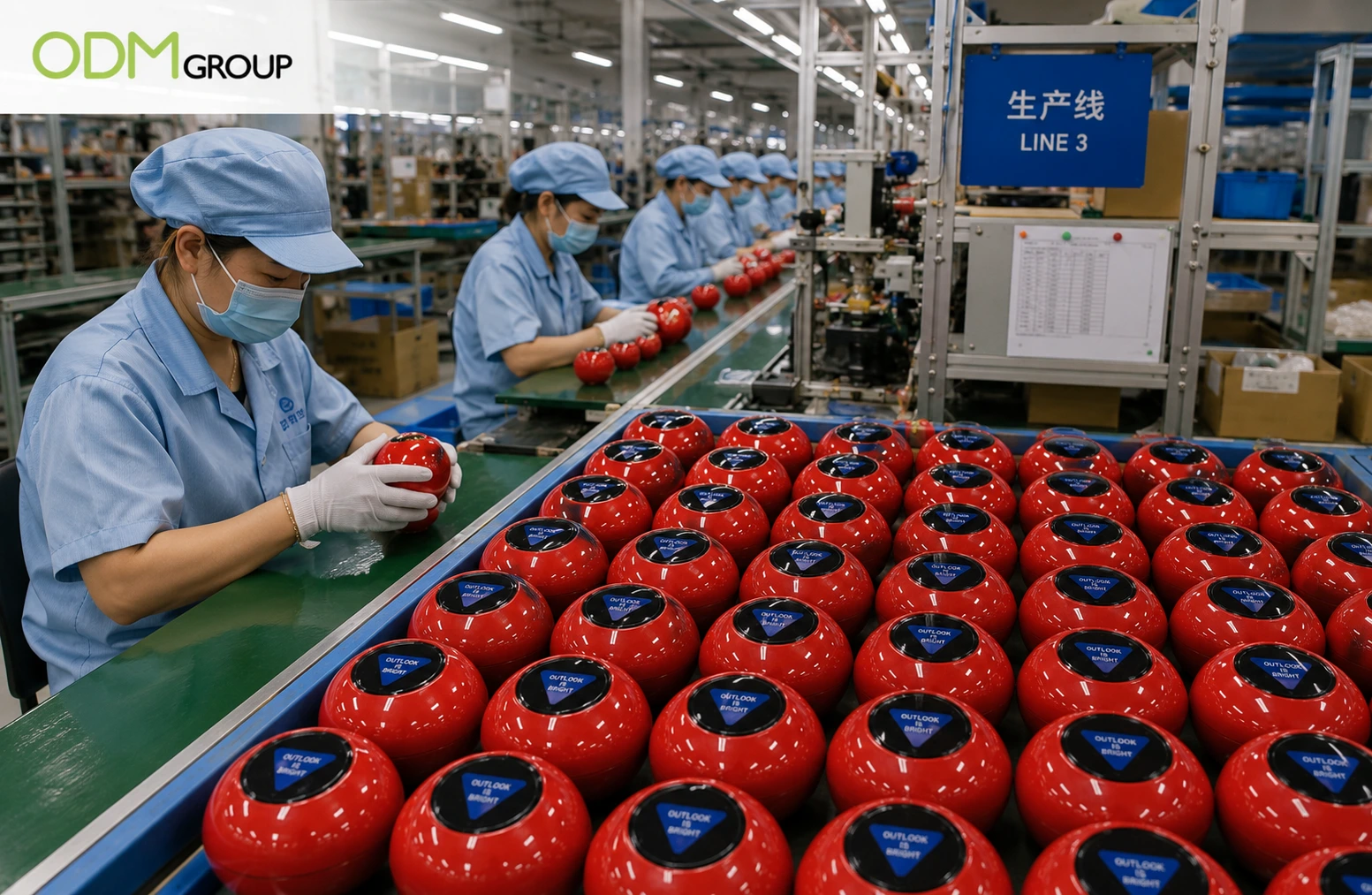
A typical production schedule may include:
- Material preparation
- Cutting, molding or forming
- Printing or branding
- Component production
- Assembly
- Finishing
- Quality checks
- Packaging
The stated production lead time does not always begin when the purchase order is placed.
Factories may already have other confirmed orders in their schedule. Buyers should therefore confirm both the expected production start date and completion date.
Stage 9: Quality Inspection and Packing
Quality control should be included in the project schedule from the beginning.
An inspection may check:
- Product dimensions
- Materials
- Functionality
- Appearance
- Color consistency
- Logo placement
- Printing quality
- Assembly
- Packaging
- Carton markings
- Order quantity
The physical inspection may only take one day.
However, arranging the inspection, reviewing the report and approving the shipment can take several days.
If problems are found, the factory may need to repair, replace, rework or repack the products. Corrective work can add days or weeks to the schedule.
Manufacturing Time vs Shipping Time
Manufacturing lead time and shipping time are separate. The manufacturing timeline normally ends when the finished goods have been inspected, packed and approved for shipment.
The logistics timeline begins after that point. Businesses should calculate both timelines when planning a product launch, retail promotion or marketing campaign.
How Long Does Air Freight Take?
Air freight is often used for urgent, relatively small or higher-value shipments.
General planning ranges may include:
- Express courier: approximately 3 to 7 days
- Standard air freight: approximately 7 to 14 days
These estimates may include export handling, documentation, customs clearance and final delivery.
The actual transit time depends on the route, destination, service level, available cargo space and customs procedures.
Air freight is faster than ocean freight, but the cost per unit is usually higher.
How Long Does Ocean Freight Take?
Ocean freight is commonly used for larger shipments.
Businesses should typically allow approximately 3 to 8 weeks for ocean transit and destination handling, depending on the route.
The complete timeline may include:
- Export documentation
- Container booking
- Factory delivery to the port
- Port handling
- Vessel transit
- Customs clearance
- Container unloading
- Domestic delivery
Shipments to nearby Asian markets may arrive more quickly than shipments to Europe or North America.
Port congestion, customs inspections, weather conditions, route changes and limited container space can extend the schedule.
The original estimate of 30 days should not be treated as a universal ocean freight timeline.
What Can Delay Manufacturing in China?
Several factors can affect the production schedule.
Incomplete Specifications
Factories cannot provide an accurate quotation or production timeline when the product details remain unclear.
Missing information about dimensions, materials, colors, branding or packaging may delay sampling and production.
Late Design Changes
Changes made after tooling, material sourcing or production has started can create significant delays.
They may also require new samples, materials or tooling modifications.
Multiple Sample Revisions
Sample revisions are often necessary, especially for new products.
However, each additional round extends the project timeline.
Clear feedback and fast decision-making can help prevent avoidable delays.
Custom Materials and Finishes
Special colors, coatings, fabrics, textures, and packaging materials may need to be produced specifically for the order.
This can extend material sourcing times and increase minimum order requirements.
Factory Capacity
Factories may have limited production space during busy periods.
A factory may quote a four-week production period, but the order may not enter the production line immediately.
Buyers should ask when production will begin, not only how many days it will take.
Product Testing and Compliance
Some products require additional testing or certification before they can be sold in the target market.
These may include:
- Toys
- Electronics
- Children’s products
- Food-contact products
- Cosmetic accessories
- Batteries
- Wireless products
Testing requirements should be reviewed early because failed tests may require design or material changes.
Lunar New Year
Lunar New Year can have a major effect on production schedules in China. The disruption is not limited to the official holiday.
Factories may slow down before the holiday as workers travel home. Many factories then close for two or more weeks, and normal production capacity may take time to recover afterward.
Projects scheduled around Lunar New Year may require an additional three to six weeks of buffer, depending on the factory, materials, and production stage.
Other Peak Periods
Christmas production, major retail seasons, public holidays, and periods of high freight demand can also affect factory capacity and shipping space.
Orders should be planned well in advance when they are linked to a fixed campaign date.
How to Reduce Manufacturing Lead Times
Not every delay can be prevented. However, good planning can reduce many avoidable problems.
Prepare a Detailed Brief
A clear brief allows the product development team and factory to understand the project from the beginning. Include the intended market, required delivery date, and compliance requirements as early as possible.
Request a Milestone Schedule
Do not ask only for the number of production days.
Request target dates for:
- Design approval
- Sample completion
- Tooling completion
- Pre-production approval
- Material preparation
- Production start
- Production completion
- Quality inspection
- Shipment booking
This makes it easier to identify delays before they affect the final delivery date.
Approve Samples Promptly
Factories may pause the project while waiting for feedback. Assign a clear decision-maker and consolidate all comments before sending them to the supplier or project team.
Avoid Changes After Approval
The product specifications should be fully checked before mass production. Late changes can affect tooling, materials, costs and delivery dates.
Plan Testing Early
Confirm the required product standards before tooling or mass production begins. This reduces the risk of discovering compliance problems near the end of the project.
Include a Realistic Buffer
Manufacturing and logistics do not always follow the ideal schedule. A buffer of at least two weeks may be useful for many projects.
Complex products, seasonal campaigns, and projects scheduled near major factory holidays may require a larger buffer.
How ODM Group Can Support the Process
ODM Group works with businesses on custom product development and sourcing projects in Asia.
Depending on the project scope, our team can help coordinate:
- Product concept development
- Industrial design through Mindsparkz
- Supplier identification
- Quotation review
- Sample development
- DFM discussions
- Tooling follow-up
- Production coordination
- Quality control
- Packaging design
- Shipping and logistics discussions
Contact ODM Group to discuss your product concept, target market, order quantity, and required delivery date. Our team can help you build a more realistic development and manufacturing schedule.
Related posts:
 How Pencils Are Made? A Quick Guide to Pencil Manufacture in China
 China Manufacturing – Drink glass manufacture
 China Factory Visit – Buyer Diary #12 Plush Toys Manufacture
 Visiting Fabric Markets in China – Sarobag Prototyping
 The Advantages of Custom Clothing Manufacture in China with The ODM Group