It’s Not Just About Cost—It’s About Control
For many brands, sourcing suppliers in China starts as a cost decision.
Lower unit prices, wider manufacturing capabilities, and access to scale make it an obvious choice, especially for growing businesses. But once the process begins, most teams quickly realize it’s not just about finding a cheaper supplier.
It’s about managing quality, timelines, communication, and risk, all at the same time. That’s why brands that succeed in China don’t just “source products.” They build a process around it.
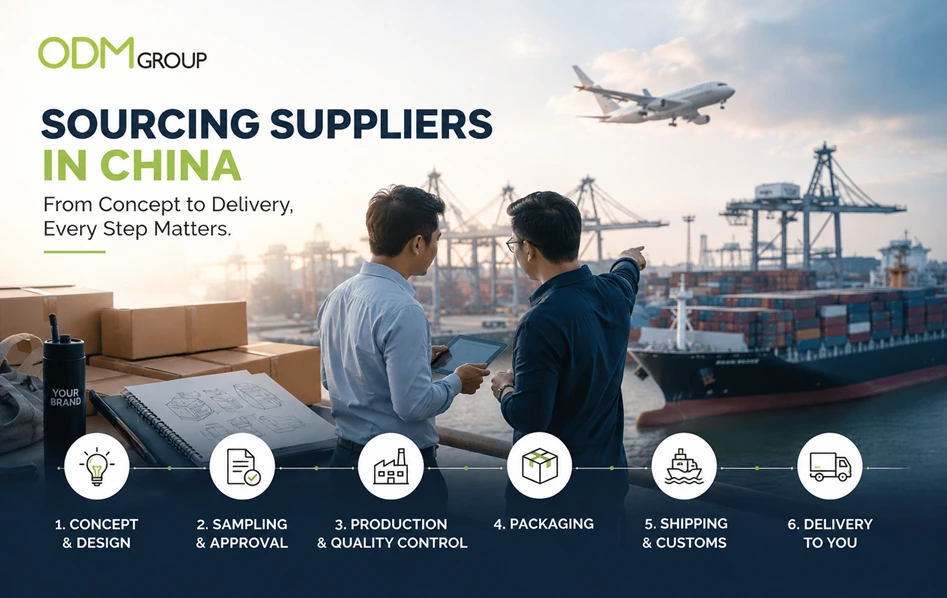
How Sourcing Suppliers in China Actually Works
One of the biggest misconceptions is that sourcing is simply about finding a factory and placing an order. In reality, it’s a structured process that requires coordination across multiple stages.
It usually begins with clearly defining the product, including its materials, dimensions, functionality, and branding. From there, suppliers are identified and evaluated, and sampling is conducted to validate quality and feasibility. Only after samples are approved does production begin, followed by packaging, quality checks, and shipping.
Each stage influences the next. If something is unclear early on, it tends to surface later, often with higher costs or delays.
This is why experienced teams spend more time upfront aligning specifications before moving forward.
Why Brands Choose China (Beyond Pricing)
While cost is often the starting point, it’s rarely the only reason brands choose China. The manufacturing ecosystem is highly developed, offering:
For promotional products and custom merchandise, this level of capability is difficult to replicate locally. However, these advantages only translate into results when the sourcing process is managed properly.
Where Brands Run Into Problems
The challenges in sourcing suppliers in China are rarely about production capability. Most factories can produce what is required. The issues usually come from misalignment.
For example, selecting a supplier based purely on price can lead to quality inconsistencies. Similarly, unclear product specifications often result in multiple sample revisions or unexpected production outcomes.
Other common challenges include:
Ways to Source Suppliers in China
Brands typically approach sourcing in one of three ways, depending on their experience and resources.
1. B2B Platforms
These platforms offer access to a large pool of suppliers and are often the starting point for many businesses. While convenient, they require careful vetting, as supplier quality can vary significantly.
2. Direct Factory Relationships
Working directly with factories can improve pricing and communication over time. However, this approach requires on-the-ground expertise, especially for factory audits and production oversight.
3. Sourcing Partners (ODM Model)
Many brands choose to work with sourcing partners who manage the process end-to-end. This includes supplier selection, sampling, quality control, and logistics.
This approach reduces risk, particularly for brands scaling production or managing complex product requirements.
Understanding Lead Time (And Why It Varies)
Lead time is one of the most common concerns when sourcing suppliers in China, but it’s often misunderstood.
Production itself is only one part of the timeline. Sampling, revisions, packaging, and shipping all contribute to the total duration.
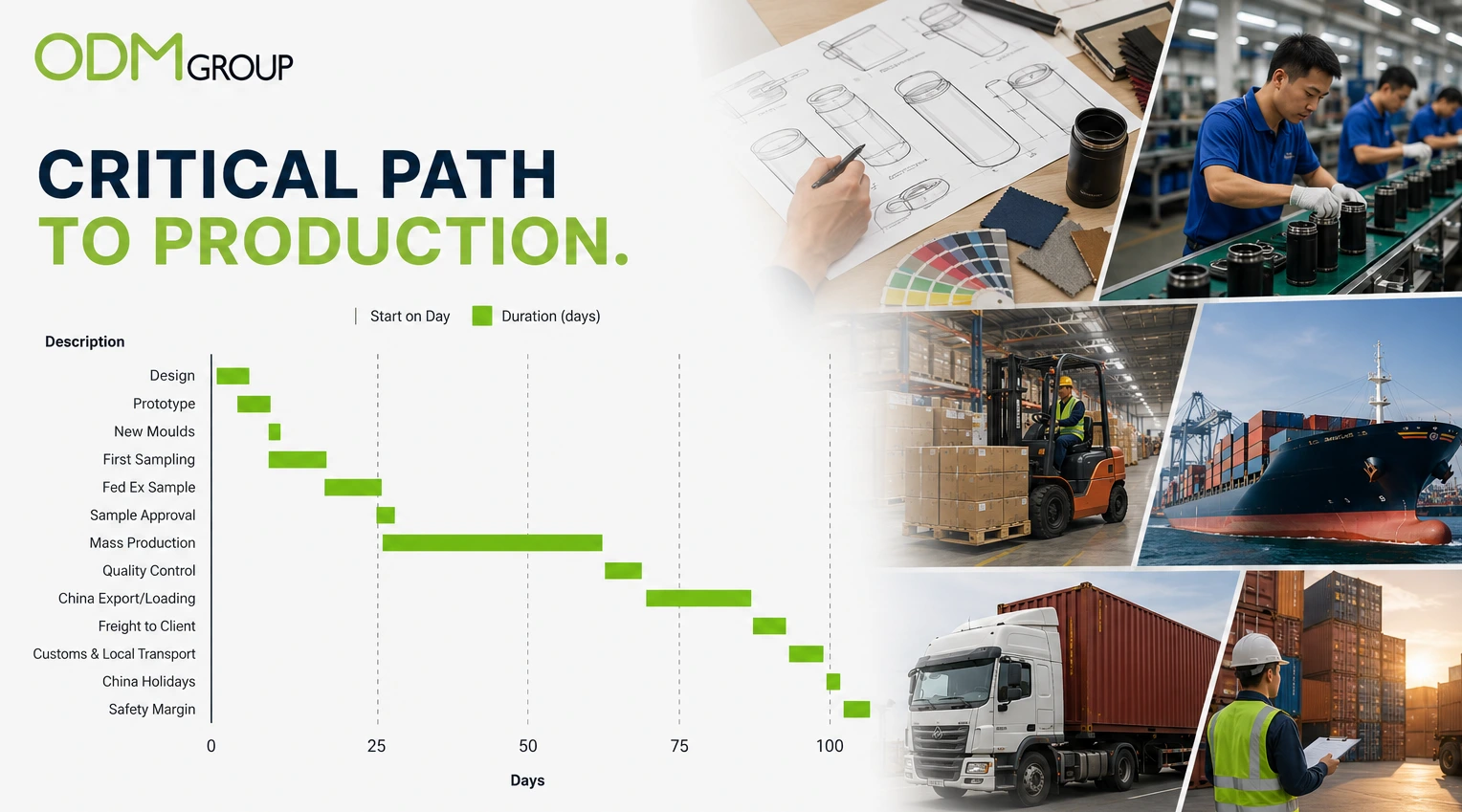
In most cases:
For more information about manufacturing in China, check out this blog:
Where Most Projects Go Off Track
Delays rarely happen because of one major issue. They tend to build gradually across different stages. In many cases, the root causes include:
How ODM Group Supports the Process
ODM Group works with brands to manage this process as a whole rather than as a series of separate steps.
The work often starts at the concept stage, helping define product direction clearly before sampling begins. This reduces unnecessary revisions and keeps timelines more predictable.
From there, ODM supports:
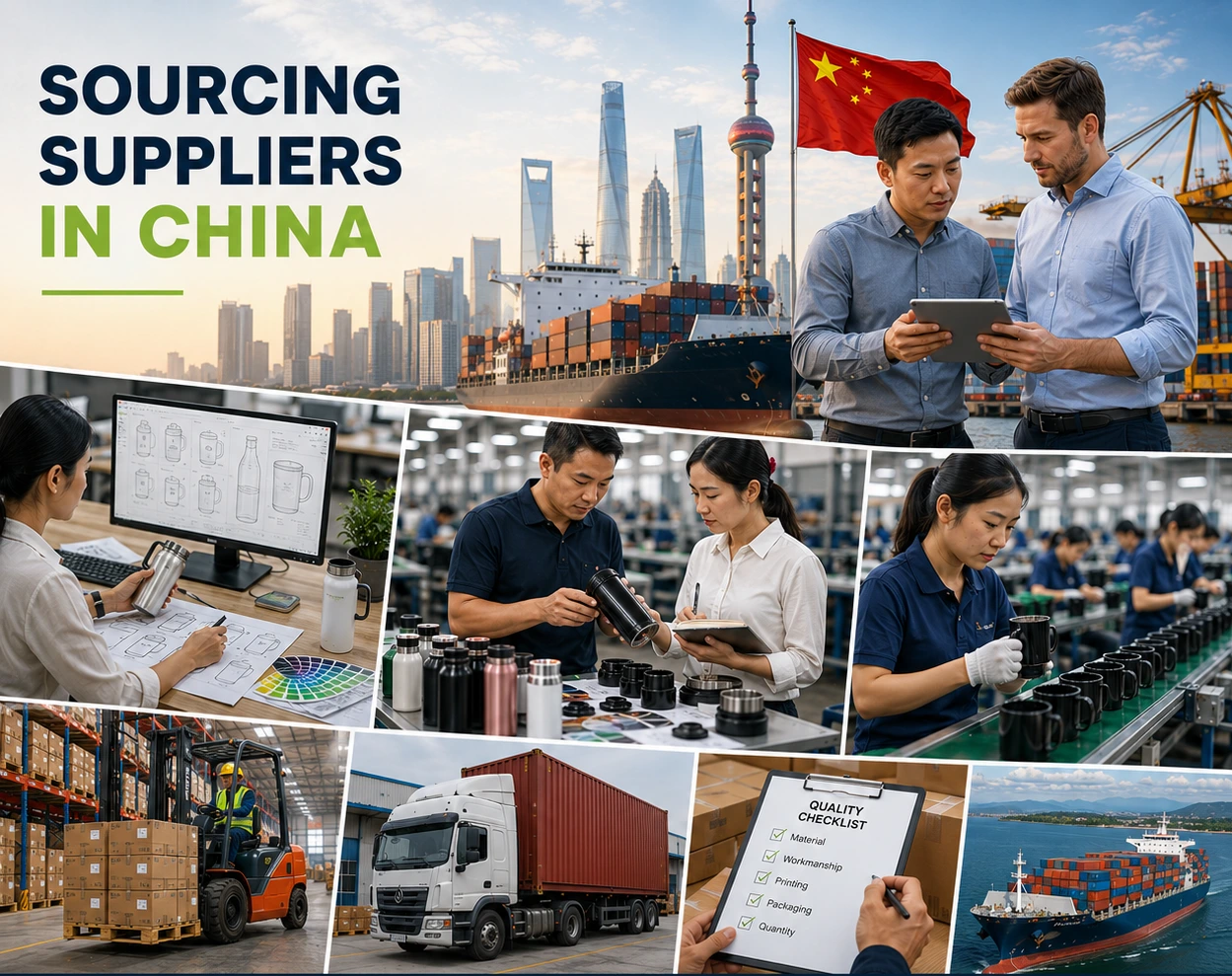
By keeping these elements connected, brands are able to move from idea to delivery with fewer surprises and better control over timing.
Final Thought
Sourcing suppliers in China is not inherently slow. It becomes slow when decisions are delayed, specifications are unclear, or timelines are unrealistic.
When planned properly, it gives brands access to scale, flexibility, and customization that are difficult to achieve locally. If you are considering suppliers in China, the most valuable step is not placing an order—it is structuring the process early.
ODM Group supports brands from concept through to delivery, helping ensure timelines, quality, and execution stay aligned.
If your campaign has a fixed deadline, starting earlier is not just a safer option—it is often the difference between a smooth rollout and a rushed one. Contact ODM Group for your promotional product needs.
ODM Services
FAQs about Sourcing Suppliers in China
How do I know if a supplier in China is reliable?
Reliability is usually assessed through a combination of sampling, communication consistency, factory audits, and production track record. There is no single indicator—it’s about the full picture.
What is the biggest risk when sourcing from China?
The biggest risk is misalignment between expectations and final output. This often comes from unclear specifications or lack of oversight during production.
Should I work with a sourcing partner or go direct?
Going direct can reduce costs, but requires more experience and resources. A sourcing partner helps manage risk and coordination, especially for complex or large-scale projects.
What to Read Next?
Mid-Autumn Festival in China: Traditions and Brand Campaign Ideas
The ODM office in Zhuhai, China will be closed on [...]

Redemption Center for Promotional Campaigns and Loyalty Programs
Promotional campaigns often focus on attractive rewards and creative [...]
Experiential Packaging Ideas That Make Gift Campaigns More Memorable
Packaging is often the first thing people notice before [...]
Kitchen Appliances Promotions That Turn Shoppers Into Buyers
Promotional products supplier, promotional products for kitchen supplier, promotional product solutions, gift with purchase solutions

Hidden Camera Glasses and Baseball Caps for Experiential Campaigns
Hidden Camera products, Manufacturing in CHina, Stealth Camera items, ODM Asia, Sunglasses with hidden camera, Sport sunglasses with hidden camera

Tailgate Party Gifts That Drive Engagement and Elevate Your Brand
Tailgating Promotional Items, Products brainstorm Tailgating , sport stadium items tailgating, manufacturing in China, ODM asia