
Outdoor industry marketing is often misunderstood. Most campaigns focus on visibility, but visibility alone does not drive results.
In reality, the most effective strategies are built around usage—how products integrate into real-life movement, routines, and shared experiences. Brands that understand this are not just seen. They are remembered.
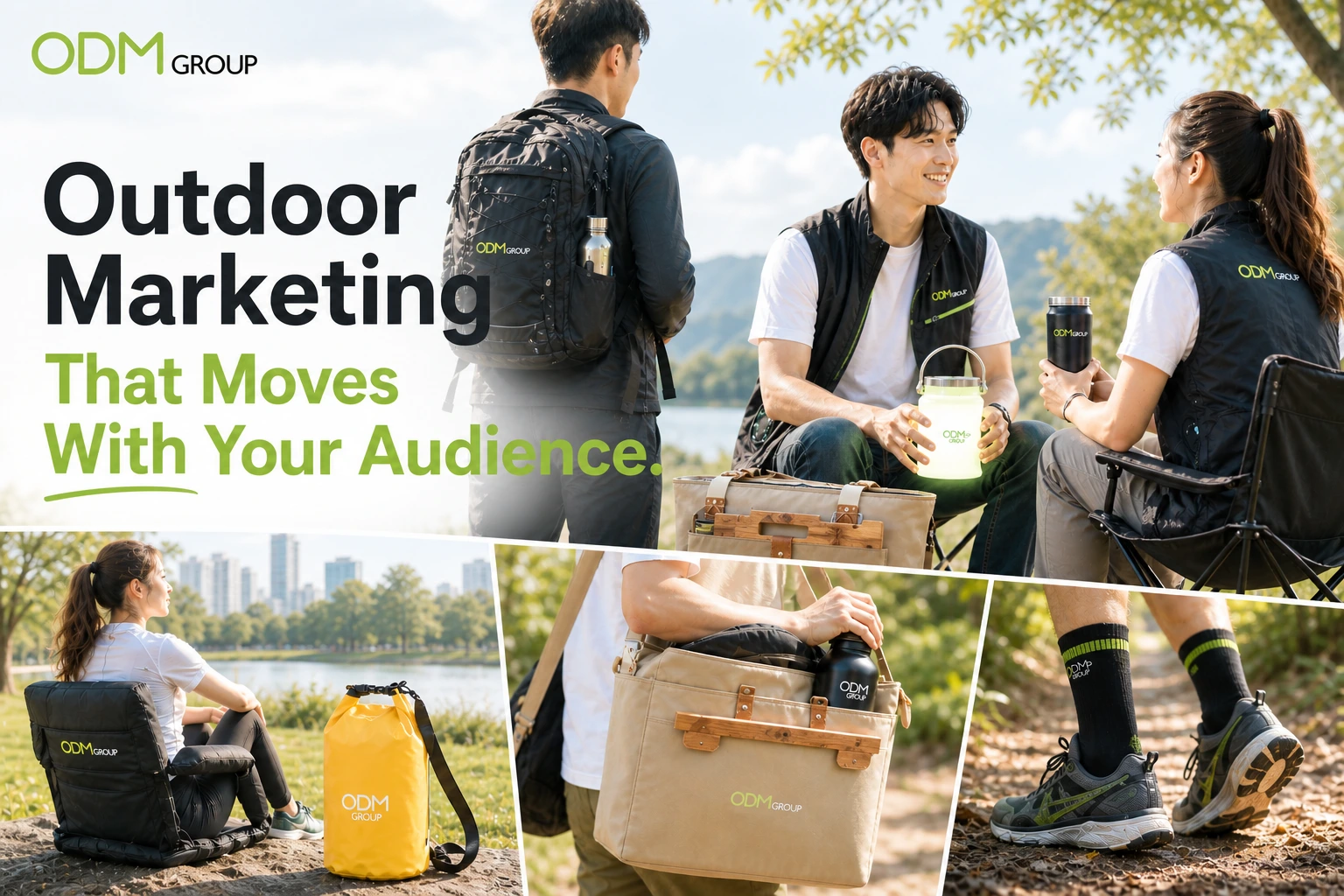
The “Movement Visibility” Framework: Why Some Products Work and Others Don’t
After working across global campaigns, a consistent pattern emerges. The most effective outdoor marketing products follow three principles:
1. They Move Across Environments
Products are not limited to one location. They travel between home, work, and social settings, increasing exposure organically.
2. They Stay in Use Over Time
Items that integrate into daily routines generate repeated impressions. A product used weekly is far more valuable than one used once.
3. They Appear in Social Contexts
Outdoor products are often used in shared environments. This multiplies visibility beyond the original user.
If a product does not meet these three criteria, it is unlikely to deliver strong long-term impact—no matter how well branded it is.
Outdoor Marketing Ideas That People Actually Use
The most effective products are not defined by category, but by how they fit into real-life behavior.
1. Products That Travel With Your Audience
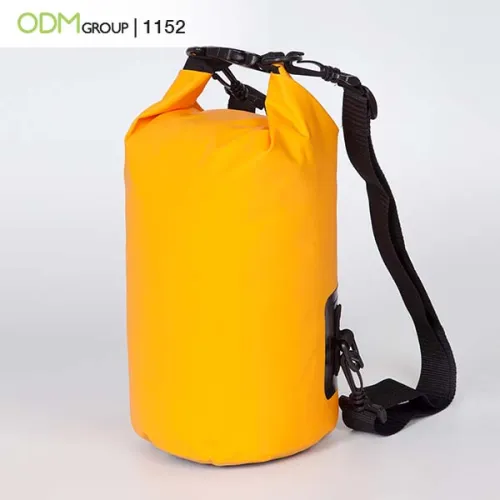
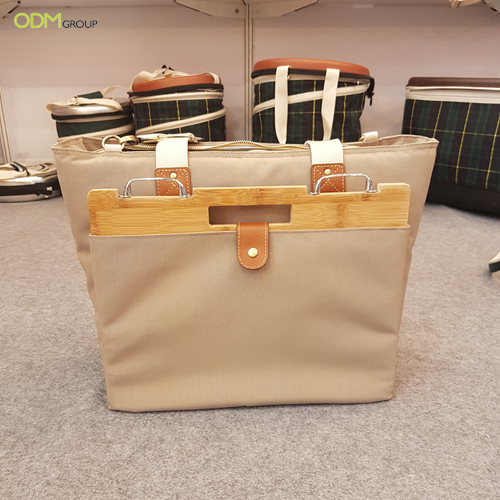
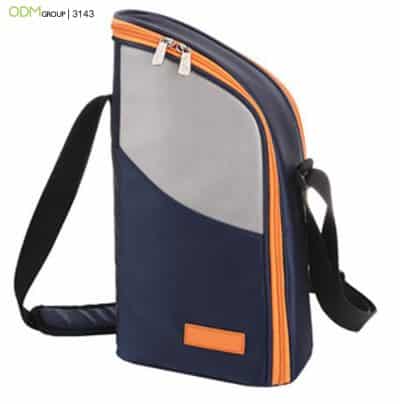
Backpacks, drawstring bags, and cooler bags move across multiple environments.
They are used frequently and seen by different audiences over time.
A well-designed bag does more than carry items. It carries your brand across contexts.
2. Products Used During Activity
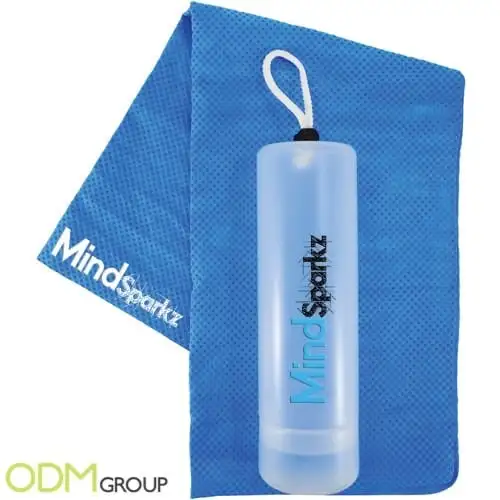
Water bottles, sports towels, and performance accessories are used in high-engagement moments. These are situations where users interact directly with the product.
Because these items serve a clear purpose, they tend to remain in use longer.
3. Products That Extend the Experience
Picnic mats, portable fans, and outdoor accessories enhance group experiences.
These products are often shared, increasing visibility beyond a single user.
They are particularly effective in leisure-driven campaigns where the product adds tangible value.
4. Products That Create Social Visibility
Apparel, caps, and scarves transform users into brand carriers. When designed well, they become part of personal style rather than promotional clutter.
This is where branding shifts from being seen to being worn.
Why Outdoor Marketing Delivers Longer-Term ROI
Digital campaigns are built for reach. Outdoor promotional products are built for duration.
A single well-designed product can generate dozens of impressions per week, especially in environments like gyms, parks, or public transport. Over time, this compounds into sustained visibility without additional media spend.
More importantly, this visibility feels natural. It is embedded into real behavior rather than interrupting it.
Across campaigns, products linked to everyday activities consistently outperform generic giveaways. The difference is not budget. It is relevance.
Where Outdoor Marketing Actually Happens
Outdoor marketing is often treated as event-driven, but that is only a small part of the picture. The most valuable opportunities do not come from one-off activations. They come from everyday environments where products are used repeatedly and seen naturally.
Understanding these environments allows brands to design campaigns that stay visible beyond the initial moment of distribution.
1. Daily Movement: Visibility in Routine
Commuting, walking, and running errands may seem ordinary, but they offer some of the most consistent opportunities for exposure. Products used in these moments—such as bags or portable accessories—are carried across multiple locations and seen by different audiences throughout the day.
This is where frequency builds. A product that appears daily in public spaces can generate far more impressions than one used occasionally.
2. Fitness and Wellness: High-Engagement Environments
Gyms, parks, and outdoor workouts are high-attention settings where products are actively used rather than passively carried. Items like water bottles, towels, and performance gear become part of the activity itself.
Because these environments are routine-based, products tend to be used multiple times per week, increasing both visibility and brand association.
3. Travel and Leisure: Extended Exposure Across Locations
Travel creates longer usage cycles. Products used during trips—whether short weekend getaways or longer journeys—move across cities, venues, and social settings.
This not only extends the product’s lifespan but also broadens the range of impressions, often reaching audiences beyond the original target market.
4. Social Environments: Multiplying Visibility Through Groups
Festivals, group activities, and shared outdoor experiences amplify exposure. In these settings, products are not just seen by the user but by everyone around them.
The dynamic is different from individual use. Visibility becomes collective, and the product benefits from being part of a shared moment.
How to Turn Outdoor Products Into a Campaign (Not Just Giveaways)
The difference between a product and a campaign is intention.
To build a campaign that performs, brands should focus on structure:
- Bundle products into themed kits to create a complete experience rather than isolated items
- Align distribution with real moments such as events, seasonal activities, or lifestyle triggers
- Introduce limited editions to create urgency and repeat engagement
- Integrate digital layers, such as QR codes, to extend interaction
- Design for repeat use, ensuring the product remains relevant beyond the first interaction
Brands that apply this approach consistently see stronger engagement and longer product lifecycles.
ODM Group Promotional Outdoor Products
At ODM Group, product development starts with understanding how and where items will be used. The goal is not to produce more merchandise, but to create products that remain in circulation.
Some of the most effective outdoor-focused products we develop include:
- Custom drawstring and sports bags designed for mobility and frequent use
- Branded sports socks and scarves that combine comfort with a strong visual identity
- Reusable accessories suited for both active and urban environments
- Custom water bottles and hydration products built for long-term retention
- Compact outdoor gear, such as picnic mats and travel-friendly accessories
Each product is developed through a structured process that includes concept design, material selection, prototyping, and quality-controlled production. This ensures consistency at scale while maintaining usability and durability.
Why Most Outdoor Merchandise Campaigns Underperform
Most outdoor campaigns fail before they even begin. The issue is not execution, but decision-making.
Common mistakes include:
- Choosing products based on cost rather than usability
- Overbranding, which reduces the likelihood of regular use
- Ignoring the context in which the product will be used
- Distributing products without a clear engagement strategy
The reality is simple. If a product does not fit into someone’s routine, it will not stay in use.
Final Thoughts: Outdoor Marketing Works When It Moves With People
Outdoor marketing delivers results because it integrates into real life. It follows people through movement, activity, and shared experiences.
The brands that succeed are not focused on volume. They focus on relevance, usability, and context. They design products that stay in the environment, generating visibility long after distribution.
Ready to Build an Outdoor Campaign That Stays in Circulation?
If your current approach to outdoor marketing is focused on volume, it may be limiting your results.
ODM Group works with brands to rethink how promotional products function within campaigns—from initial concept and product design to sourcing, prototyping, and large-scale production. The focus is on creating items that are not just distributed but actively used.
If you are planning your next campaign, the opportunity is not just to be seen once, but to be seen repeatedly.
Start the conversation with ODM Group and explore how to build outdoor marketing campaigns that stay in use and stay visible.
More Ideas


FAQs: Outdoor Industry Marketing & Promotional Products
What is outdoor industry marketing?
Outdoor industry marketing focuses on promoting brands through environments and activities outside traditional indoor spaces, including fitness, travel, events, and daily movement.
Why are promotional products effective in outdoor campaigns?
They provide long-term visibility because they are used repeatedly in real-life settings, generating organic impressions over time.
What makes a promotional product effective outdoors?
An effective product is functional, durable, and relevant to the user’s activity. It should integrate naturally into daily routines.
How can brands increase ROI from outdoor marketing?
By focusing on usability, aligning products with real-life contexts, bundling items into kits, and integrating digital engagement elements.
What are common mistakes in outdoor promotional campaigns?
Common mistakes include overbranding, poor product selection, lack of strategy, and failing to consider how the product will actually be used.
How does ODM Group support outdoor campaigns?
ODM Group provides end-to-end solutions, including concept development, product design, sourcing, prototyping, quality control, and global production to ensure campaign success.
What to Read Next?
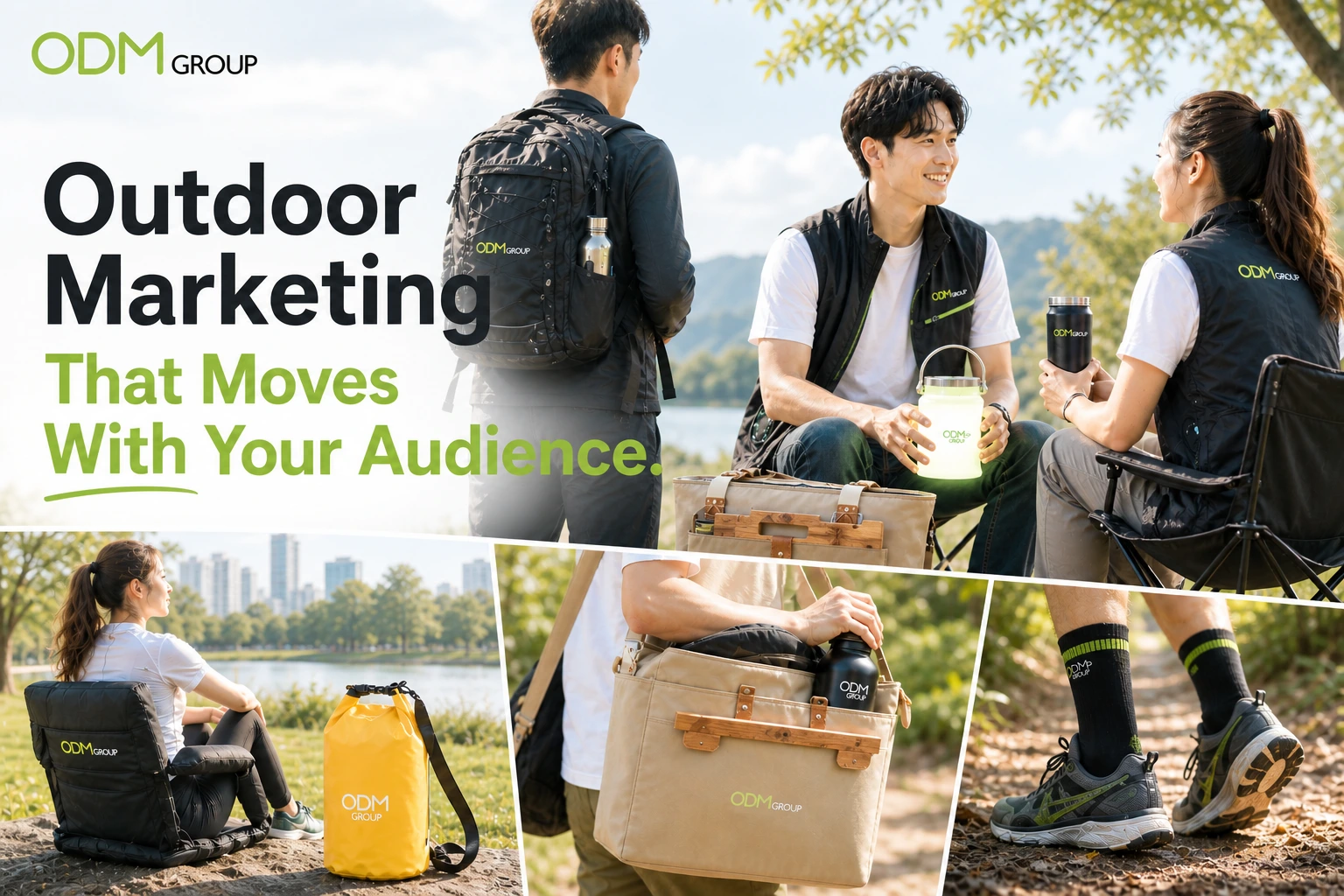
Outdoor Industry Marketing That Actually Drives Visibility
Outdoor industry marketing is often misunderstood. Most campaigns focus [...]
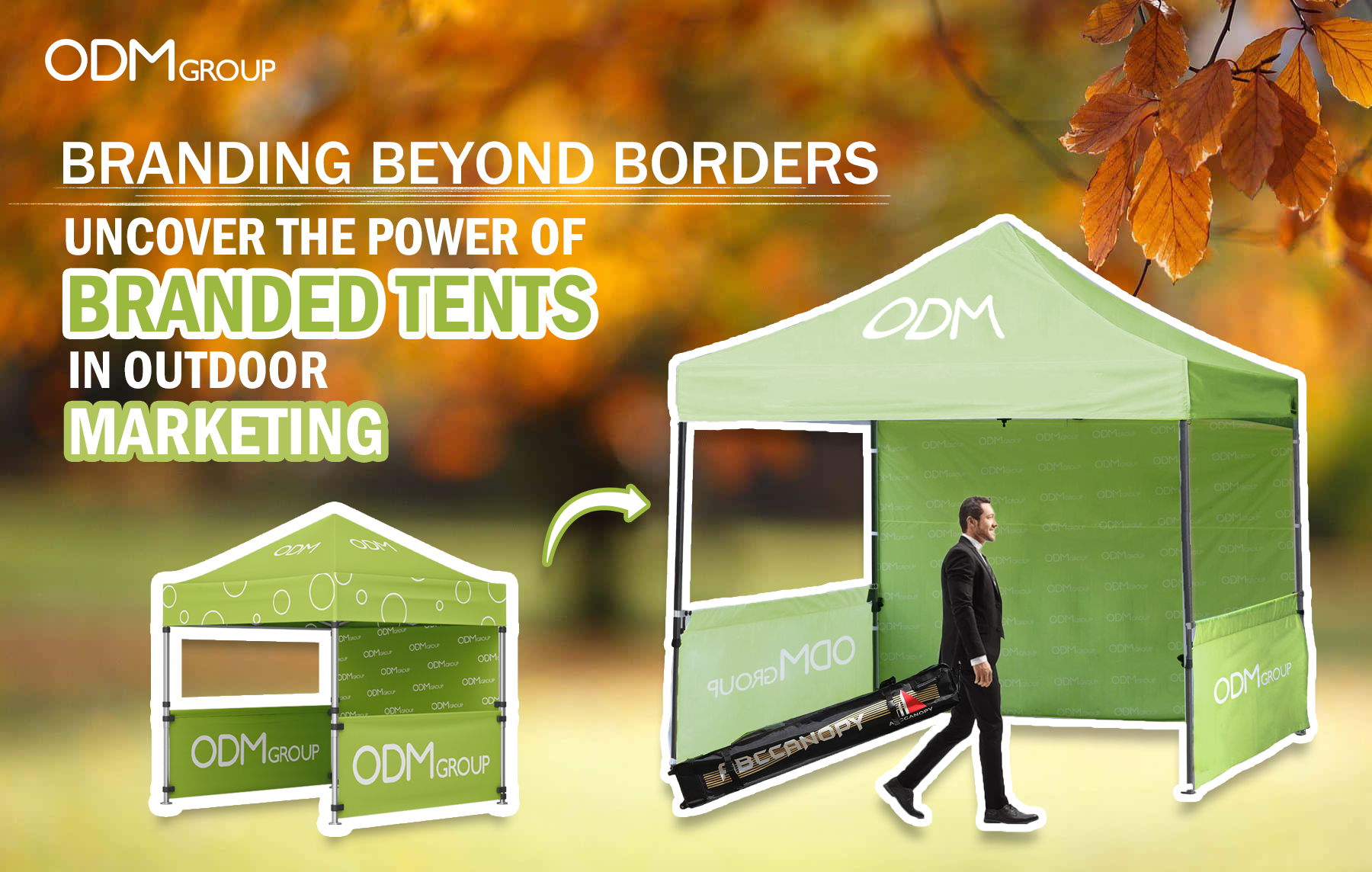
6 Reasons Branded Tents Should Be Part of Your Outdoor Marketing
Promotional tents POS display outdoors events supplies branded
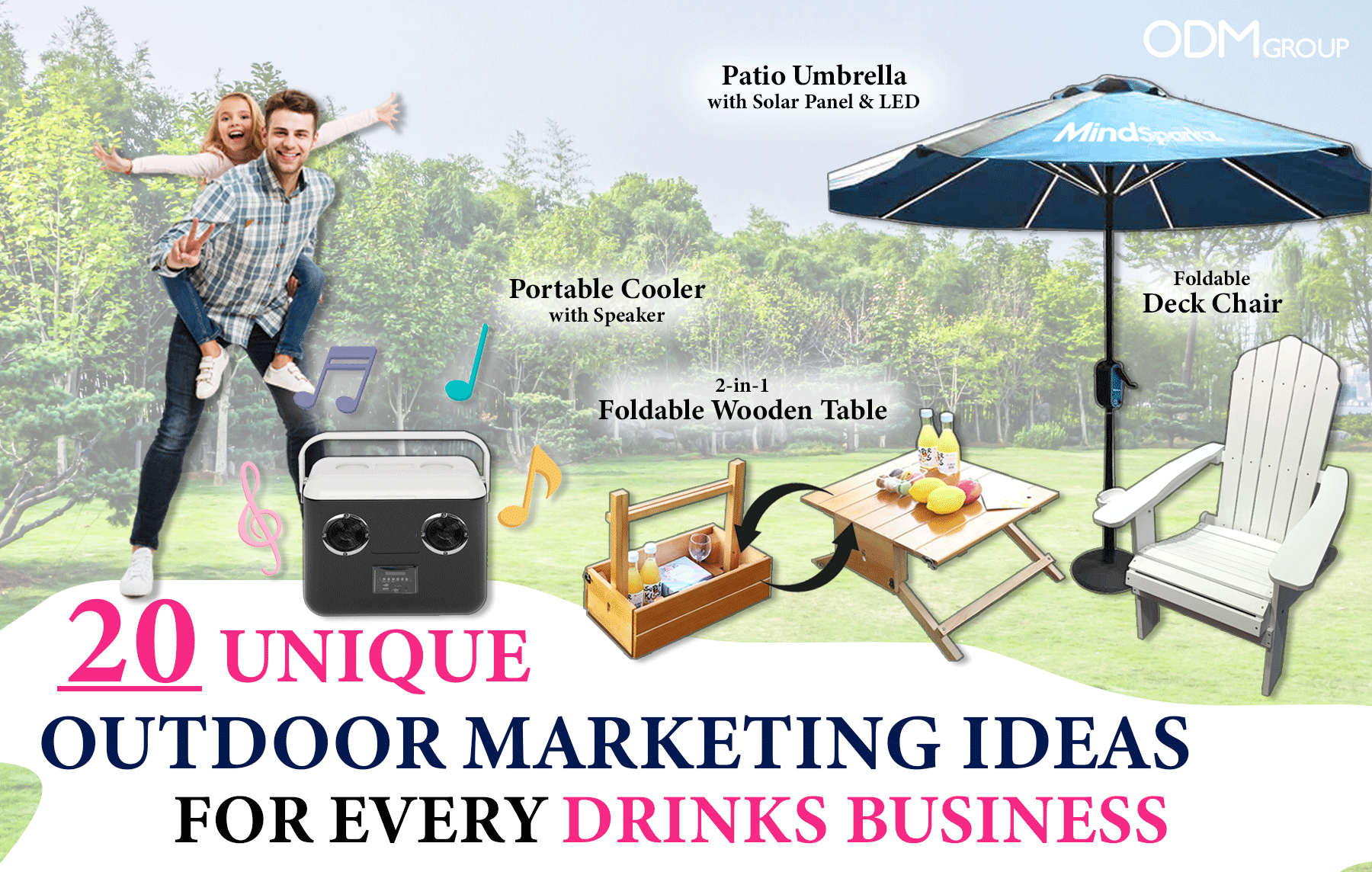
20 Outdoor Marketing Ideas for Your Drinks Business
For drinks businesses, especially those with a penchant for [...]
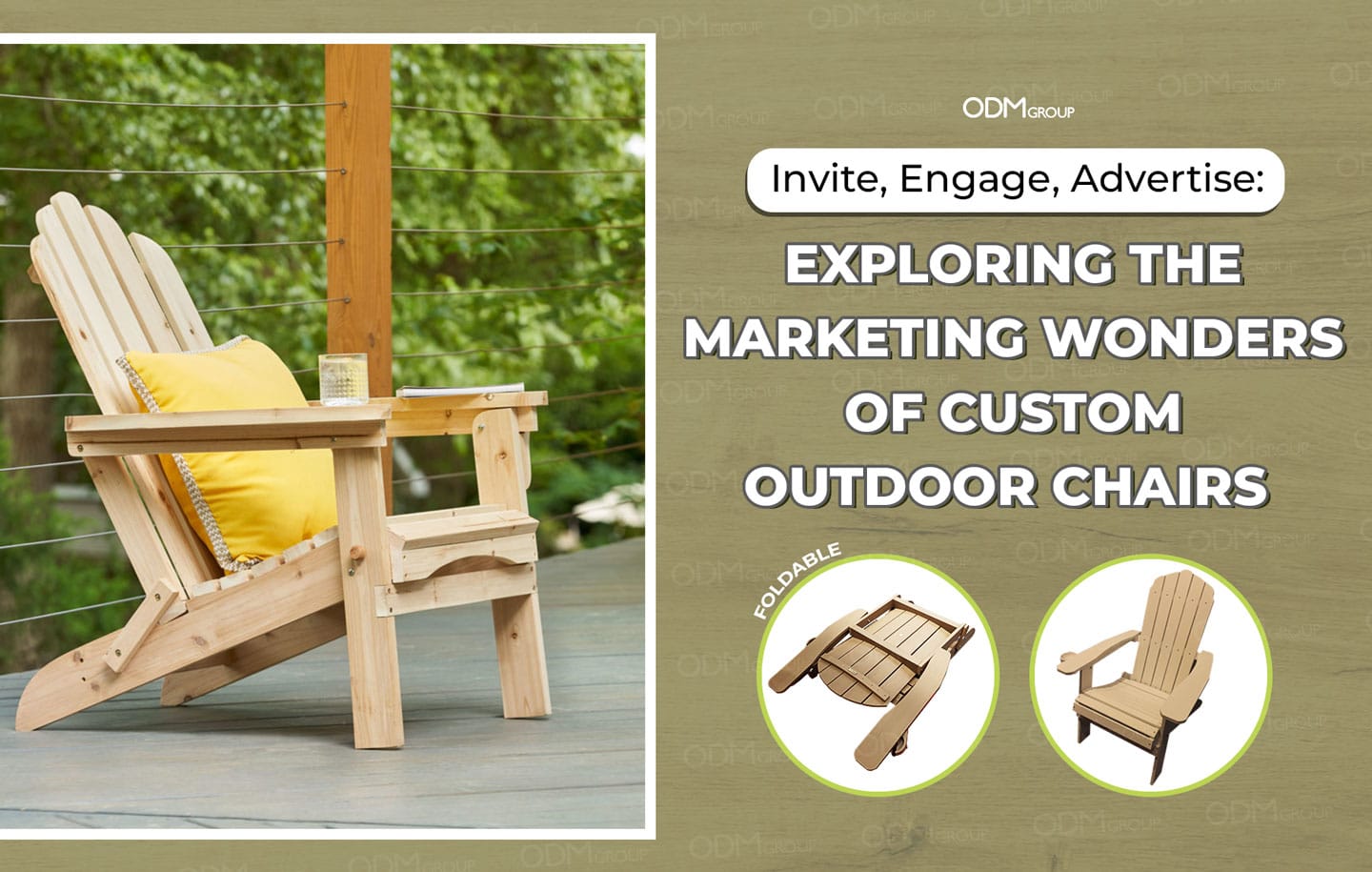
5 Ways to Elevate Brand Engagement Thru Custom Outdoor Chairs
When it comes to ingenious marketing strategies, sometimes all [...]

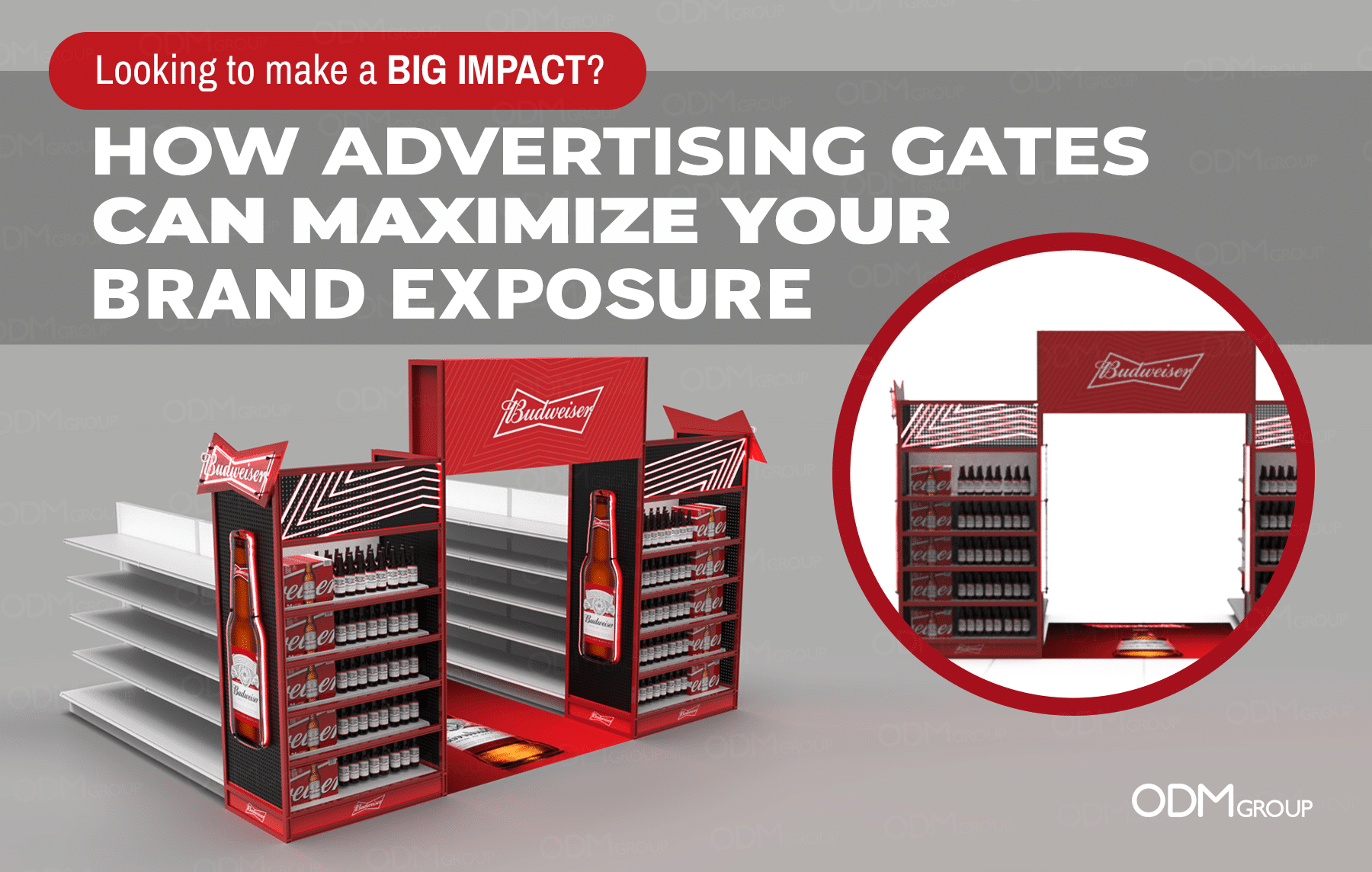
What Are The Advantages of Arch Advertising Gate for Your Brand?
Right from the start, before their step inside the [...]
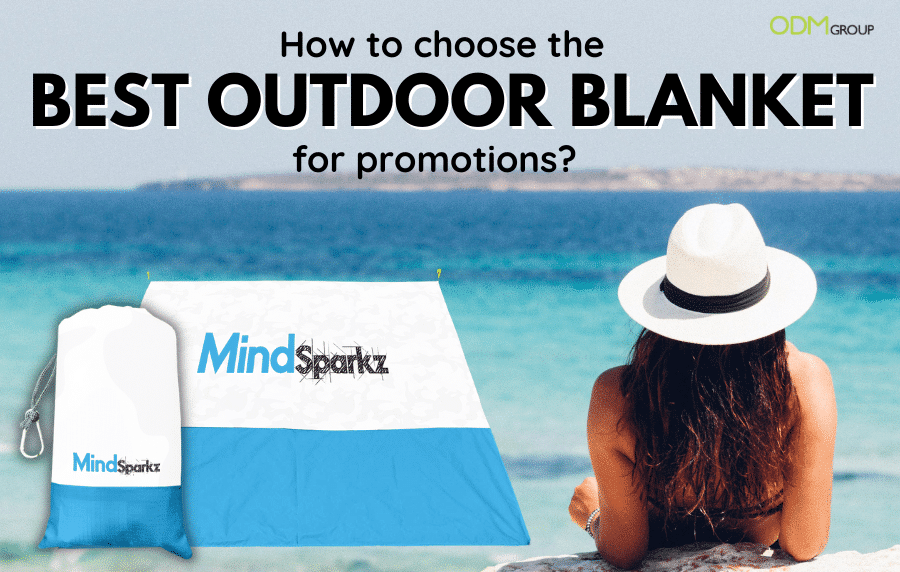
Custom Outdoor Blankets: What Are the Factors to Consider?
Are you looking to promote your brand in a [...]
Related posts:
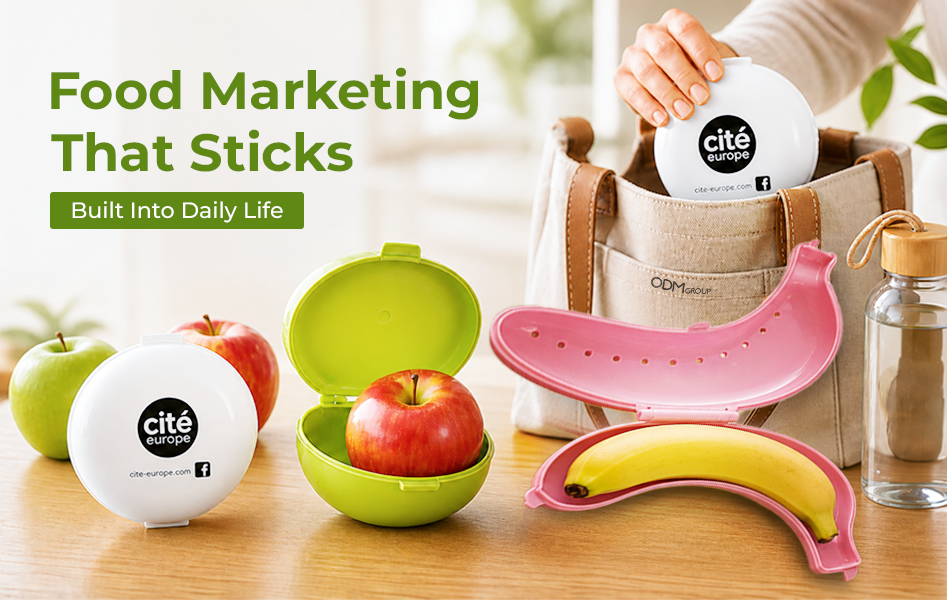 Food Marketing Idea: How a Simple Apple Case Drives Daily Brand Visibility
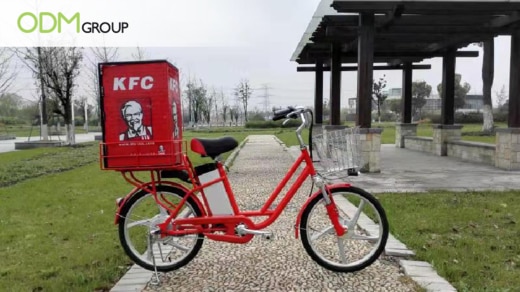 Custom Electric Bikes: Innovative Outdoor Marketing Idea!
 Outdoor Marketing Idea: Custom Inflatable Bottle by Seagram’s
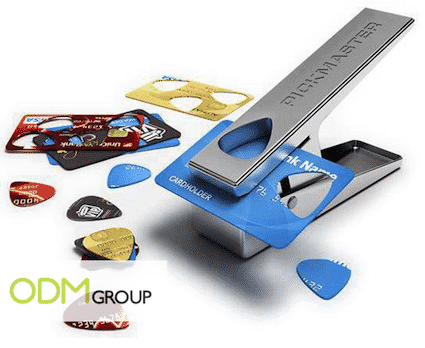 Marketing Idea for Music Industry – Guitar Pick Puncher
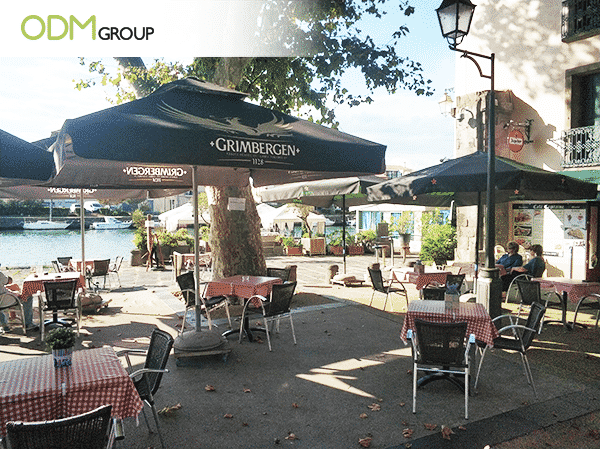 Promotional Outdoor Umbrellas: 4 Marketing Tricks to Attract More Clients