
Custom promotional plush toys give brands something that many conventional giveaways cannot: emotional appeal. Their soft materials, recognizable characters, and collectible designs help transform a brand identity into merchandise customers want to keep.
These products are also highly adaptable. A plush toy can take the form of a company mascot, an animal, a licensed character, or a completely original creation. Brands can use them for gift-with-purchase campaigns, loyalty programs, retail promotions, corporate events, seasonal giveaways, and collectible merchandise programs.
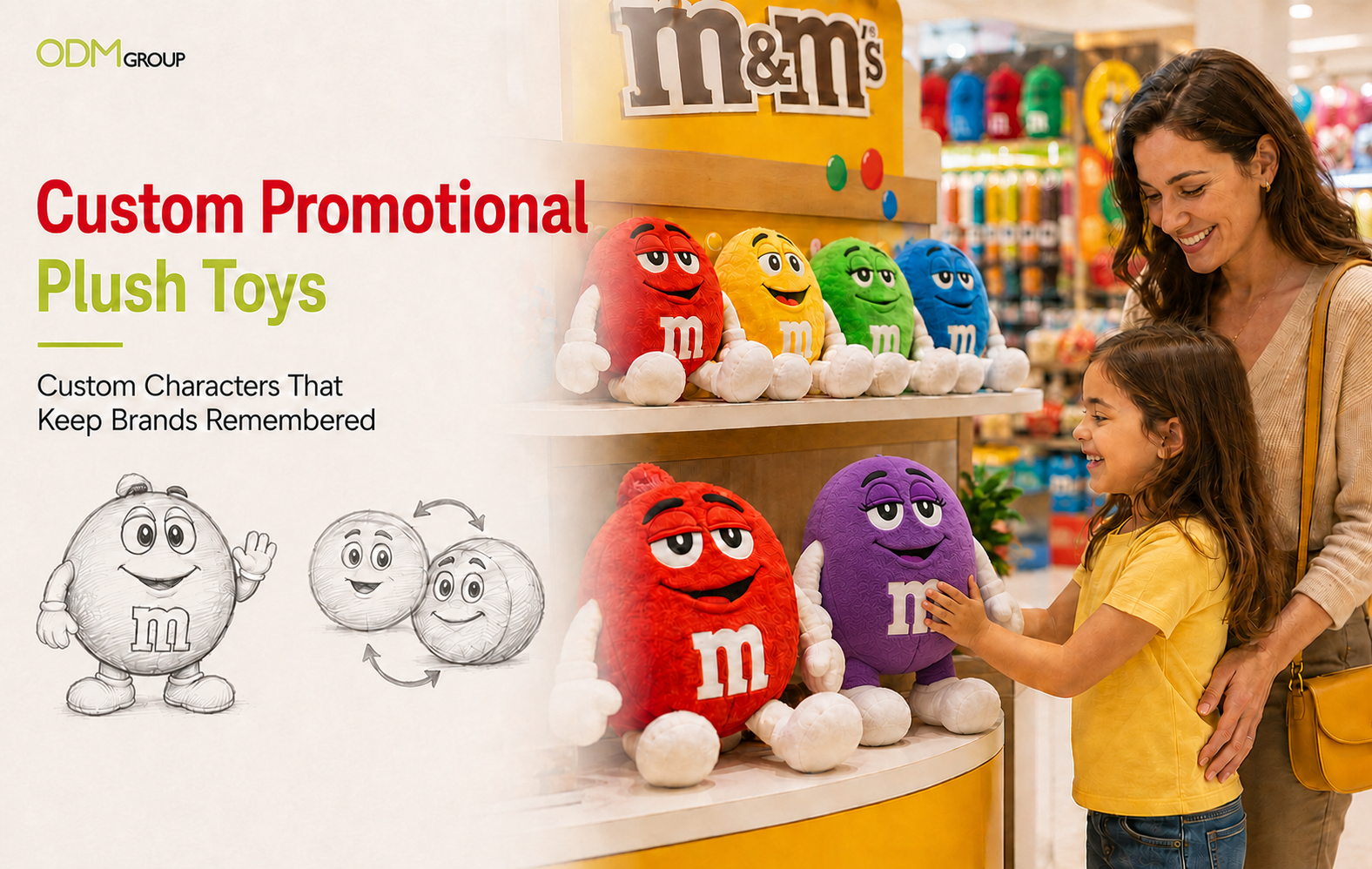
When the design and promotional mechanic work together, a custom plush toy becomes more than an adorable gift. It can strengthen customer relationships, increase campaign participation, and keep the brand visible long after the promotion ends.
What Are Custom Promotional Plush Toys?
Custom promotional plush toys are soft toys developed to represent a brand, campaign, character, or marketing theme. Unlike generic plush products with a printed logo added at the end, fully customized designs can incorporate a brand’s identity into the toy’s shape, colors, clothing, expression, accessories, and packaging.
Depending on the campaign, brands can customize:
- Character shape and proportions
- Fabric colors and textures
- Embroidered or printed graphics
- Facial features
- Clothing and accessories
- Sound or interactive components
- Labels and hangtags
- Individual or retail-ready packaging
- Collectible designs and seasonal variations
This flexibility makes plush merchandise suitable for businesses across food and beverage, retail, entertainment, hospitality, finance, healthcare, education, sports, tourism, and many other industries.
Promotional Plush Toy Ideas
Plush merchandise does not have to follow the traditional teddy bear format. Creative construction and added functionality can make the product more distinctive and campaign-worthy.
1. Plush Cuff Bracelets
Promotional stuffed toys – plush cuff bracelet
A plush cuff bracelet combines a soft character with a wearable accessory. The toy wraps around the user’s wrist or arm, allowing customers to carry the character wherever they go.
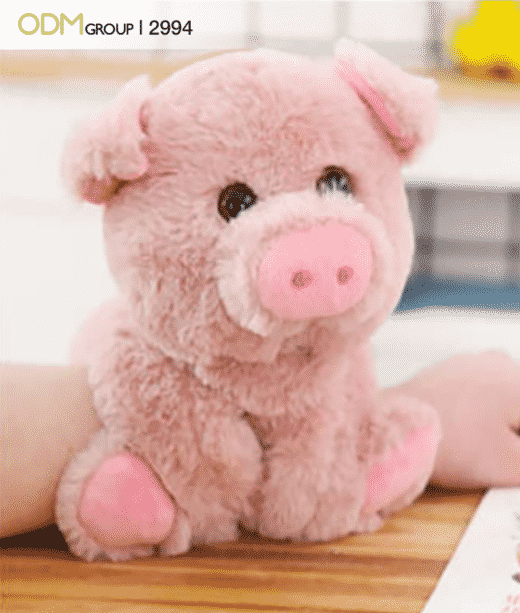
promotional stuff toys – cuff bracelet
This format works particularly well for children’s brands, family events, theme parks, restaurants, entertainment properties, and seasonal retail campaigns. Brands can turn an animal, mascot, or original character into a playful wearable gift.
Because the product is worn rather than left at home, it can also generate additional brand exposure during events and in public spaces.
Promotional stuffed toys – wearable plush cuff
2. Reversible Plush Toys
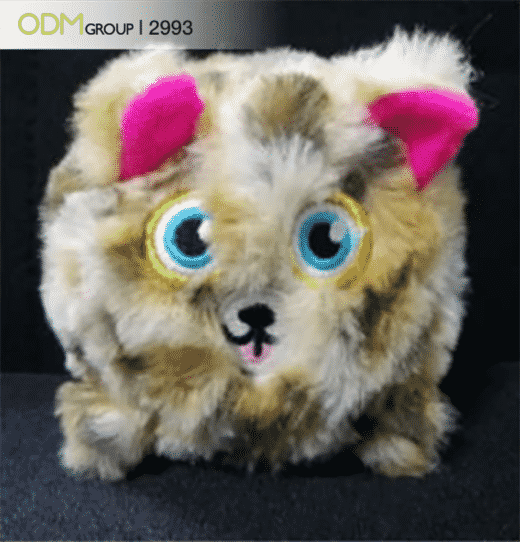
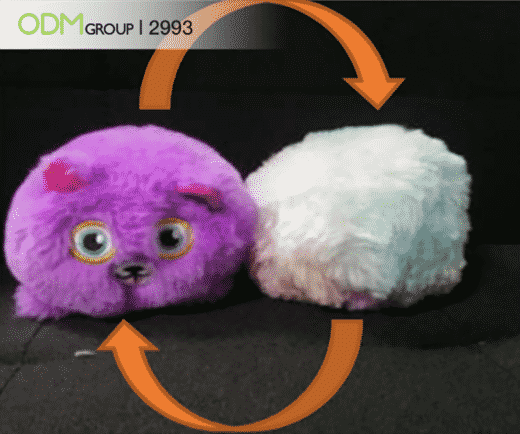
Promotional stuffed toys – reversible plush toy
Reversible plush toys contain two designs in one product. Customers can turn the toy inside out to reveal another character, facial expression, color, or campaign message.
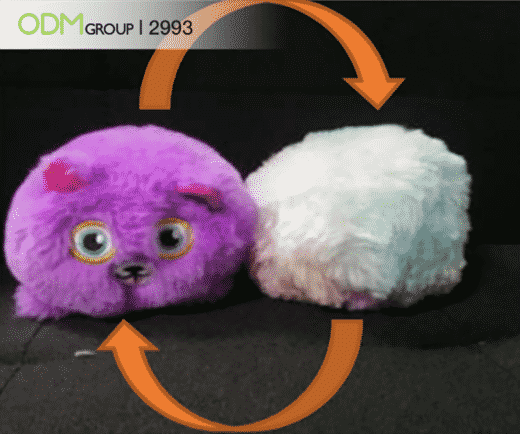
For example, a brand could develop:
- Happy and sad expressions
- Day and night characters
- Two members of a mascot family
- Regular and seasonal designs
- Two product flavors
- Home and away sports colors
- Before-and-after campaign concepts
The interactive transformation gives customers a reason to engage with the toy instead of simply displaying it. It can also help brands communicate two related ideas within one piece of merchandise.
Promotional stuffed toys – two-in-one reversible design
3. Custom Brand Mascots
A mascot plush toy turns a brand character into something customers can hold, display, photograph, and collect. It is particularly valuable for companies that already use a recognizable mascot in their advertising, packaging, social media, or retail environments.
For brands without an existing mascot, ODM can help develop a new character based on the company’s identity, audience, and campaign objectives. Details such as facial expression, proportions, clothing, and accessories can all influence how customers perceive the character.
4. Plush Keychains and Bag Charms
Miniature plush toys can be attached to keys, handbags, backpacks, or luggage. Their smaller size can make them easier to distribute and more suitable for on-pack promotions, beauty campaigns, student programs, and collectible series.
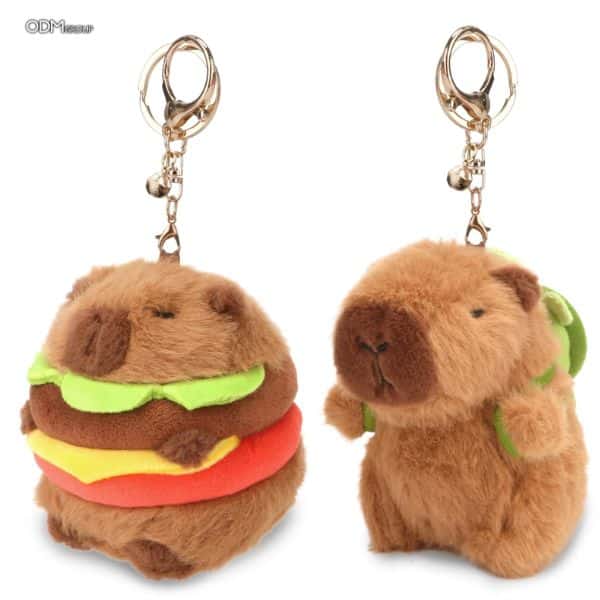
Developing several character variations can also encourage repeat purchases as customers try to complete a set.
5. Plush Toys With Custom Packaging
Packaging can turn a simple plush toy into a more complete brand experience. A window box, display carton, reusable pouch, or themed gift box can introduce the character and explain its story.
For retail campaigns, the packaging can also display instructions, collection details, redemption mechanics, or a QR code leading customers to digital content.
5 Reasons Brands Invest in Promotional Plush Toys
1. They Build Emotional Connections
Plush toys are associated with comfort, companionship, nostalgia, and play. These qualities can help a brand connect with customers in a warmer and more personal way.
While many promotional products are valued mainly for their practical function, plush toys are often treated as characters or keepsakes. Customers may name them, display them at home, give them to family members, or include them in social media content.
This emotional attachment can strengthen positive associations with the brand behind the gift.
2. They Turn Brand Identities Into Recognizable Characters
A well-designed plush toy can serve as the physical face of a campaign. Brand colors, mascots, products, uniforms, and visual elements can all be translated into a three-dimensional character.
This is especially useful for brands that want to make an abstract service or corporate identity feel more approachable. Banks, insurance companies, healthcare providers, technology businesses, and educational organizations can use mascots to communicate in a friendlier and more accessible way.
The strongest designs do more than place a logo on a generic toy. They build the brand identity into the entire character.
3. They Encourage Collection and Repeat Participation
Plush toys are naturally suited to collectible campaigns. Brands can release different characters, outfits, colors, expressions, or seasonal editions over time.
A collectible series can support promotional mechanics such as:
- Buy and collect
- Spend and redeem
- Gift with purchase
- Loyalty point redemption
- Limited-time seasonal releases
- Event-exclusive designs
- Mystery or blind-box formats
When each variation feels distinctive, customers have another reason to return and participate in the campaign again.
4. They Offer Extensive Customization
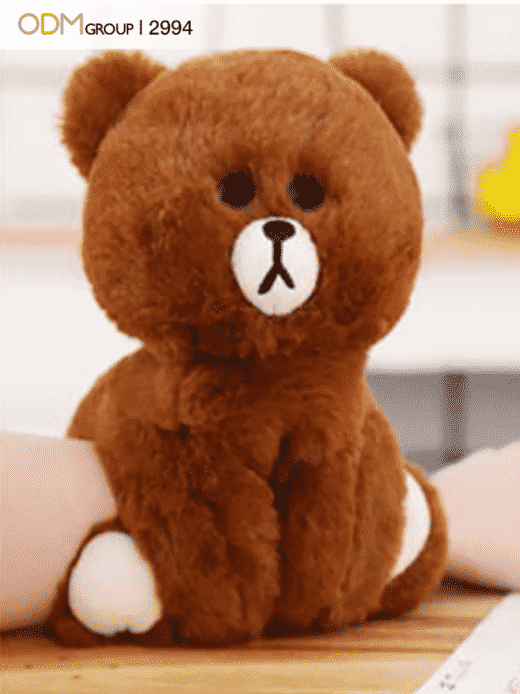
Custom promotional plush toy design
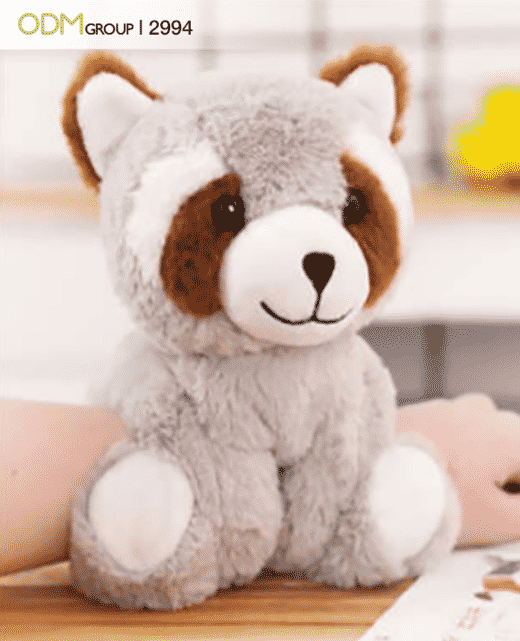
Plush toys can be developed in many shapes, sizes, colors, and material combinations. Brands are not limited to familiar animals such as bears, pigs, unicorns, or raccoons. Almost any appropriate character, product, symbol, or object can inspire the design.
Customization can include:
- Long-pile or short-pile fabrics
- Velour, fleece, felt, or mixed textures
- Embroidered facial details
- Printed patterns
- Branded clothing
- Removable accessories
- Sound modules
- Reversible construction
- Recycled fabric options
- Custom woven labels and packaging
The right options depend on the target audience, campaign budget, intended use, order quantity, and destination market.
5. They Provide Long-Term Brand Visibility
Promotional plush toys are rarely treated as disposable advertising. Customers may keep them on beds, shelves, desks, sofas, or inside vehicles. Smaller versions may be attached to bags and carried regularly.
This gives the brand repeated exposure beyond the original retail store or event. A distinctive character may also appear in photographs, videos, and user-generated social content.
Unlike a short-lived advertisement, a plush toy can continue reminding customers of the campaign for months or even years.
How Brands Can Use Promotional Plush Toys
Custom plush merchandise can support a wide range of marketing objectives.
Gift-With-Purchase Campaigns
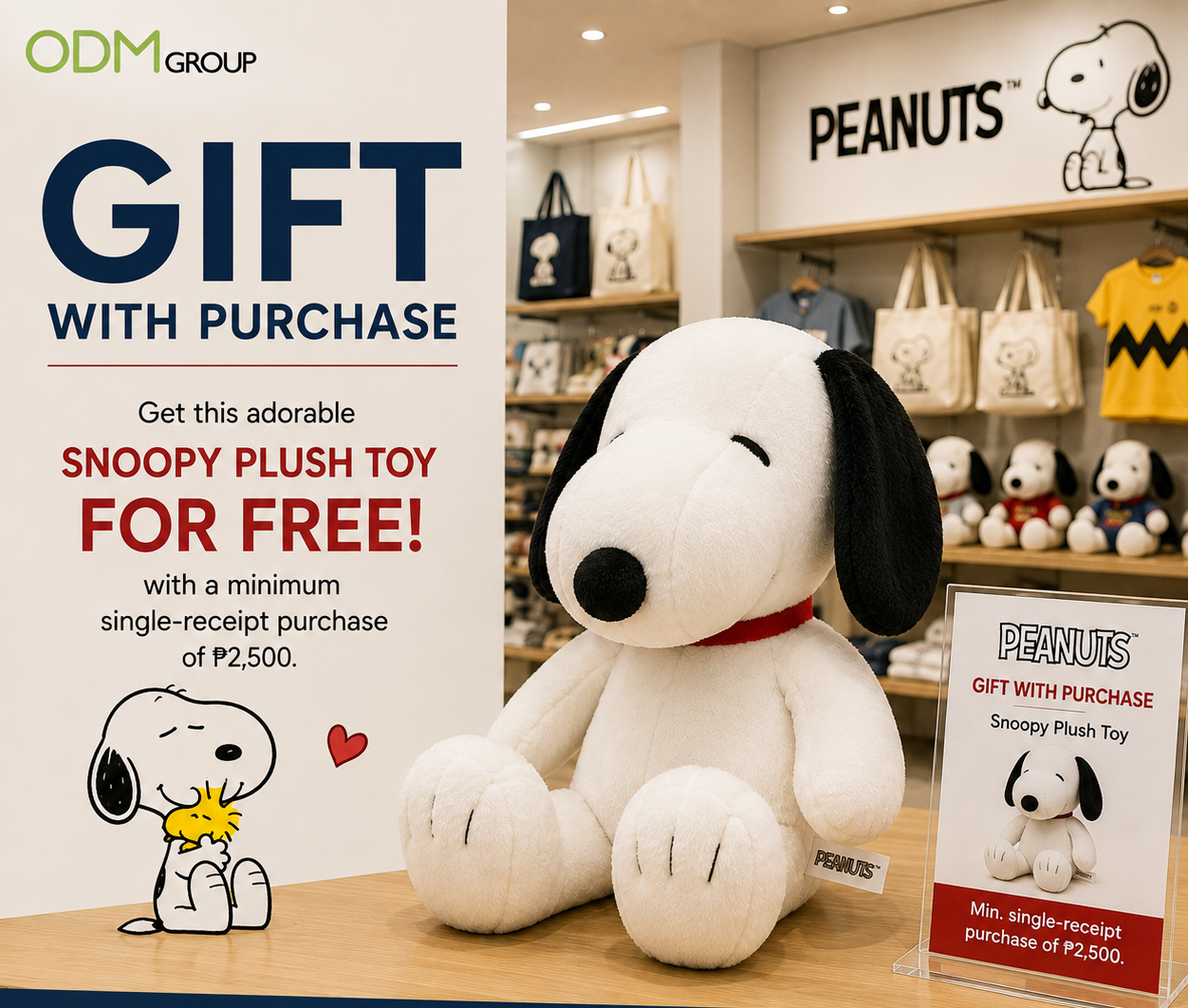
Brands can offer a plush toy when customers buy a qualifying product or reach a minimum spending amount. The gift adds perceived value and can help the offer stand out in a competitive retail environment.
Loyalty and Redemption Programs
Customers can exchange points, stamps, or digital rewards for an exclusive plush character. A series of designs can encourage continued engagement with the program.
Seasonal Promotions
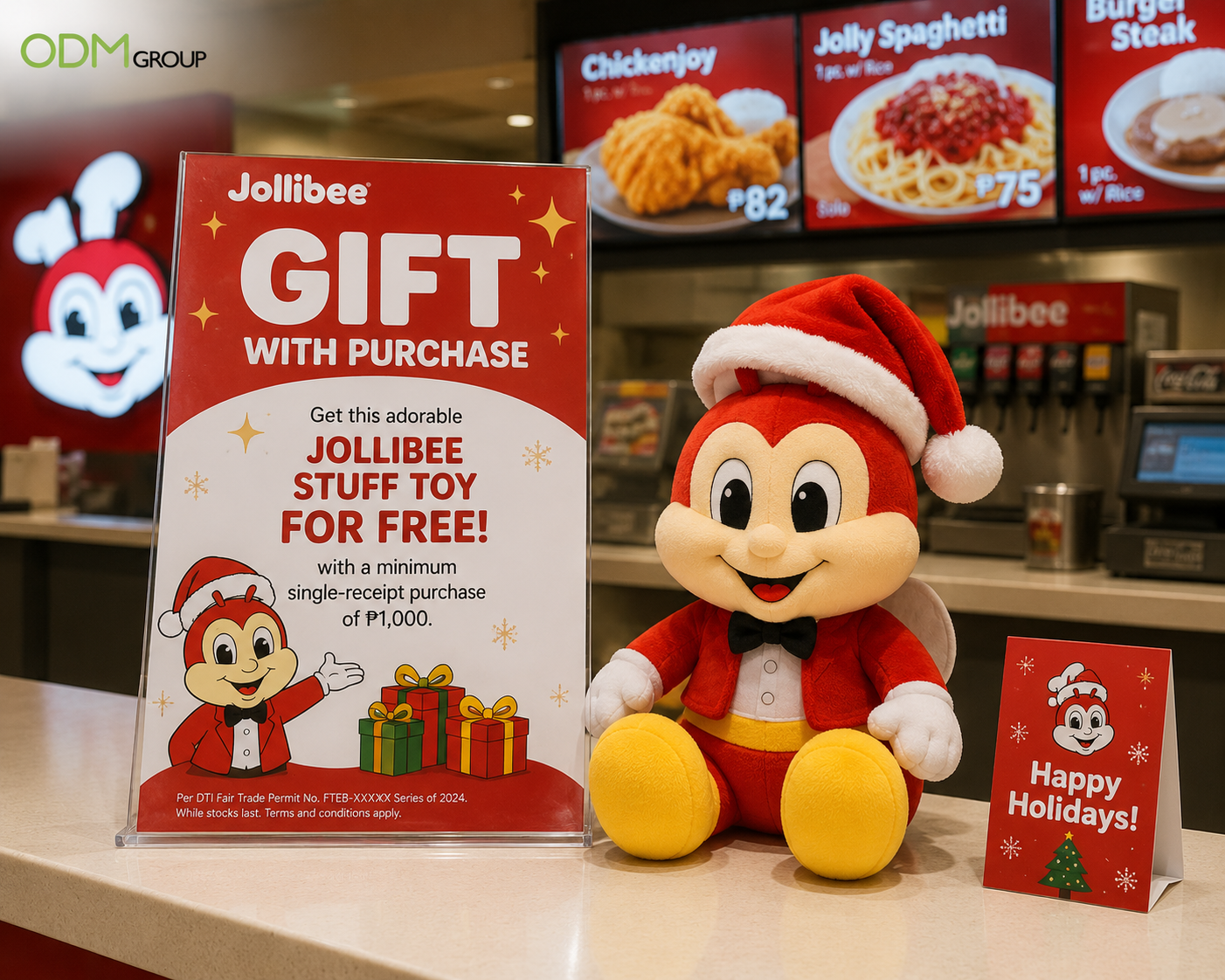
Christmas, Lunar New Year, Valentine’s Day, Easter, Halloween, and other seasonal occasions provide opportunities to introduce themed characters or limited-edition outfits.
Events and Brand Activations
Plush mascots can be distributed at trade shows, family events, sports competitions, product launches, and experiential campaigns. Wearable or miniature versions may be particularly effective when portability matters.
Retail Collectibles
A coordinated character series can create excitement around new product releases, store openings, partnerships, or anniversary campaigns. Limited availability can increase the perceived exclusivity of the collection.
Corporate and Employee Gifts
A thoughtfully designed company mascot can also be used for onboarding kits, employee recognition, company anniversaries, and internal culture campaigns.
Important Considerations When Developing Custom Plush Toys
A strong concept still requires careful product development. Before moving into production, brands should consider the following areas.
Character and Construction
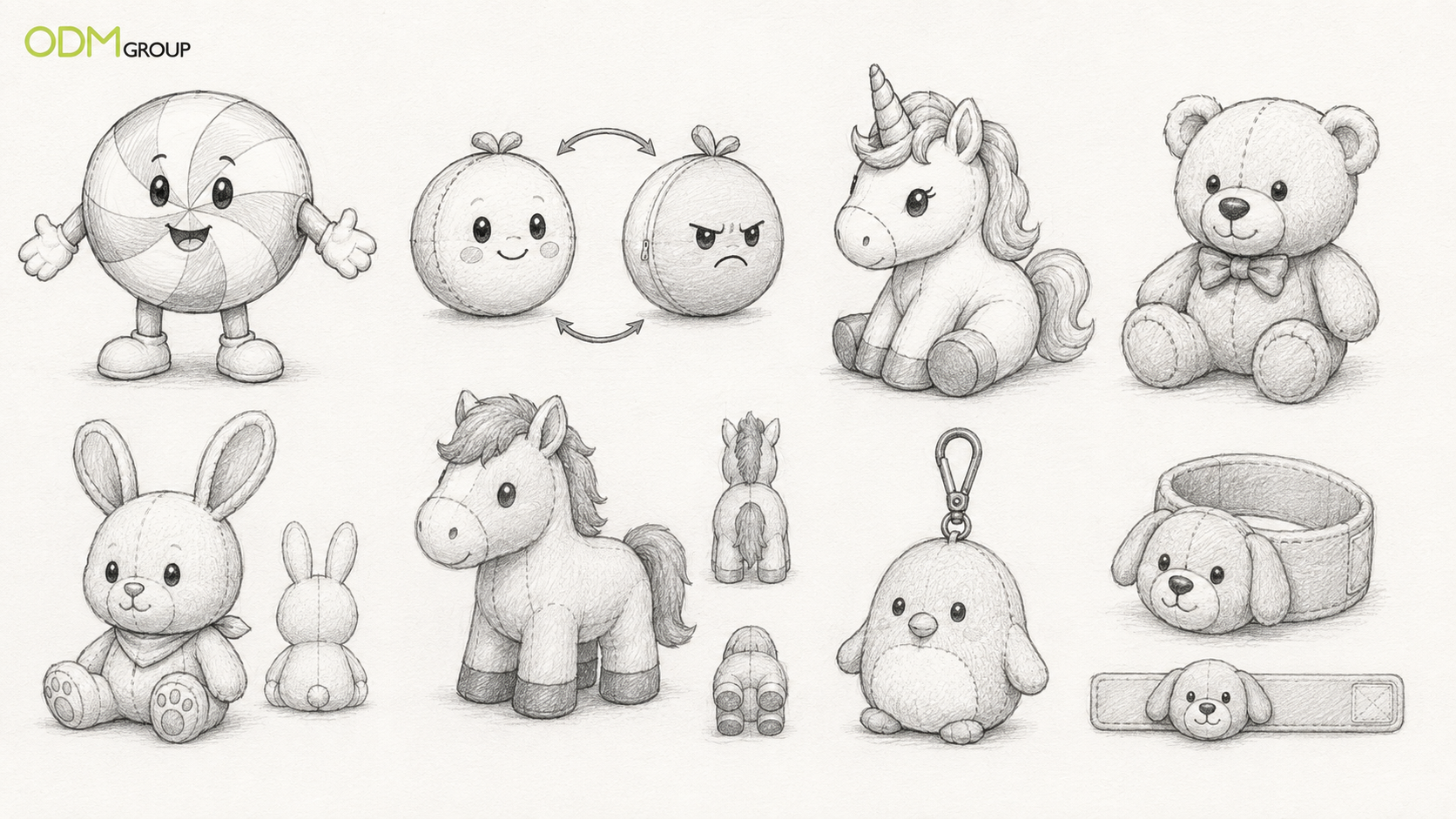
The character must remain recognizable when translated from a flat illustration into a three-dimensional toy. Proportions, seams, embroidery, fabric direction, and stuffing levels can all change its final appearance.
Design sketches, technical drawings, and prototypes help the team evaluate these details before confirming production.
Materials and Decoration
Fabric texture can significantly affect the toy’s appearance and perceived value. Embroidery generally provides a durable finish for facial features and logos, while printing may be more suitable for detailed patterns.
Materials should be selected according to the intended audience, target price, design complexity, and destination-market requirements.
Safety and Quality
Toy safety deserves careful attention, particularly when the product is intended for children. Age grading, small components, seam strength, filling materials, labeling, and testing requirements should be reviewed for each target market.
Quality-control checks can also help confirm dimensions, colors, construction, embroidery placement, packaging, and carton quantities before shipment.
Packaging and Logistics
Plush toys can take up considerable carton space because of their volume. Product dimensions, compression options, packaging structure, carton configuration, and shipping method should therefore be considered early in development.
Planning these details in advance can help brands balance presentation, protection, freight costs, and campaign deadlines.
How ODM Supports Custom Promotional Plush Toy Projects
Creating memorable plush merchandise involves much more than choosing a standard toy and adding a logo. The character must support the brand story, appeal to the intended audience, and work within the project’s commercial and logistical requirements.
The ODM Group supports brands throughout the custom merchandise development process. Depending on the project, our team can assist with:
- Campaign and product ideation
- Mascot and character development
- Industrial sketches and 3D visualization
- Material and decoration recommendations
- Prototype and sample coordination
- Packaging design and development
- Factory identification and assessment
- Production management
- On-site quality-control inspections
- Freight and logistics coordination
Our role is to help brands turn an initial idea into well-developed promotional merchandise. We consider the design, campaign mechanic, budget, order quantity, destination market, and delivery schedule as part of one coordinated project.
Whether you are planning a collectible mascot series, a plush gift with purchase, or an interactive character for an upcoming event, ODM can help develop a product that feels relevant to your brand and valuable to your customers.
Make Your Brand More Memorable With Custom Plush Merchandise
Custom promotional plush toys combine character, creativity, and emotional appeal. They can attract attention at the point of sale, encourage customers to participate in a promotion, and continue representing the brand long after the campaign ends.
The most effective projects begin with a clear strategy. The product format, character design, materials, packaging, and distribution mechanism should all support the same marketing objective.
Have a plush toy idea you would like to develop? Contact The ODM Group to discuss your campaign, quantity, target market, budget, and preferred launch date. Our team can help you move from initial concept and design to sourcing, quality control, and delivery. Reference product code: 2725.
More Product Ideas
w


FAQs about Promotional Stuff Toys
How can brands use promotional stuff toys?
Brands can use promotional plush toys for gift-with-purchase campaigns, loyalty rewards, spend-and-redeem offers, seasonal promotions, retail collectibles, corporate events, product launches, employee gifts, and influencer kits. A series of characters can also encourage repeat purchases and collection.
Can a plush toy be designed to match our brand mascot?
Yes. An existing mascot, product, animal, or original character can be developed into a three-dimensional plush design. ODM can support the process with concept development, design sketches, material recommendations, prototyping, packaging, sourcing, quality control, and logistics coordination.
What parts of a promotional plush toy can be customized?
Customization can include the toy’s shape, dimensions, fabric, colors, embroidery, printed details, clothing, accessories, filling, woven labels, hangtags, and packaging. Brands can also explore reversible designs, plush keychains, wearable formats, and collectible variations.
How long does it take to develop a custom plush toy?
The schedule depends on the complexity of the character, number of sample revisions, testing requirements, order quantity, packaging, and shipping method. Brands should begin planning well before the campaign launch to allow time for design development, prototyping, production, quality control, and delivery.
What to read Next?
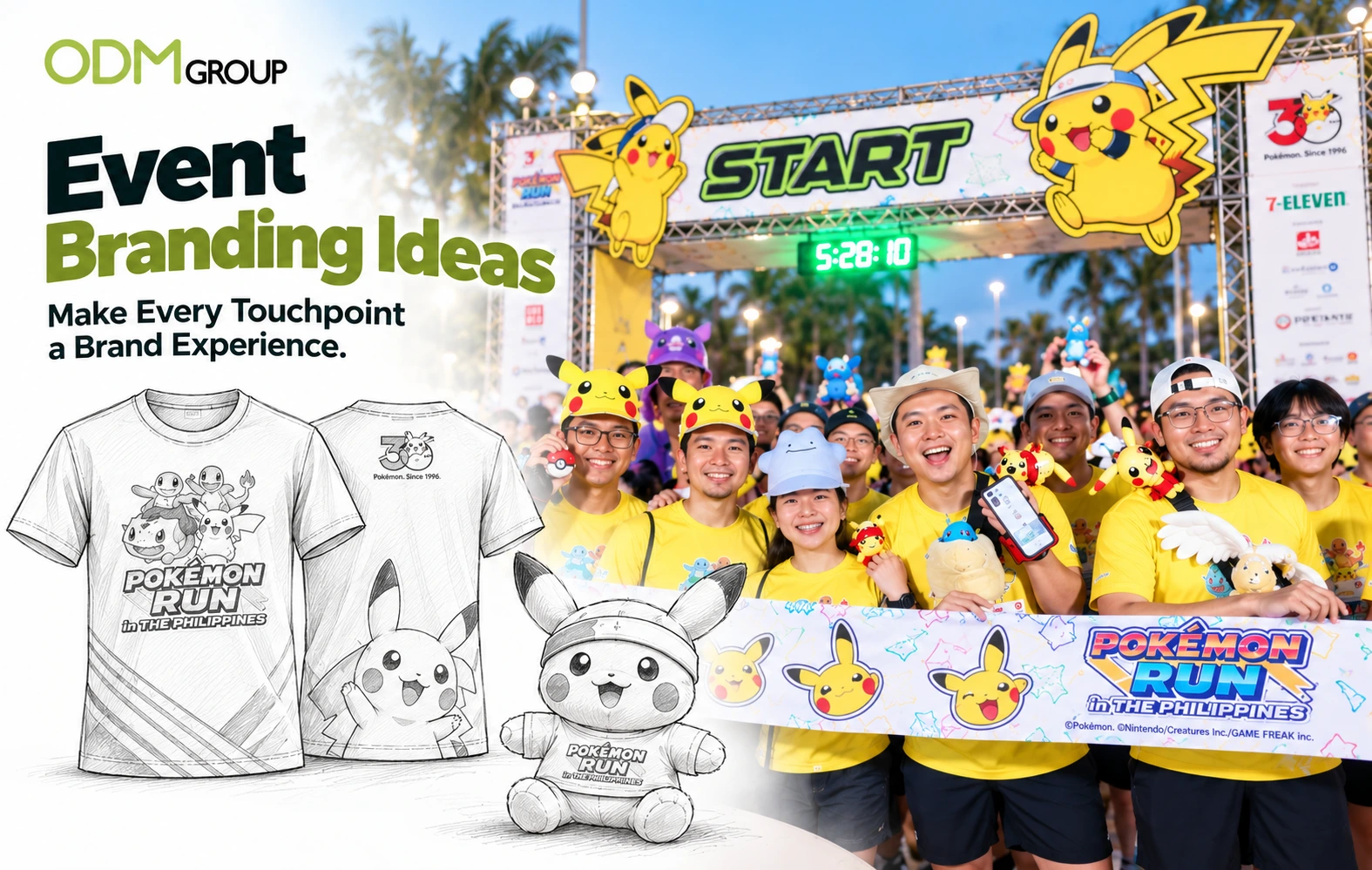
Event Branding Ideas: Make Every Touchpoint a Brand Experience
Event branding ideas turn separate venue elements into one [...]
Waterproof Camping Blanket: Take Your Brand Into the Outdoors
A waterproof camping blanket gives brands a useful role [...]
Custom Letter Envelope Opener Ideas for Corporate Gifts
A letter envelope opener may be a simple desk [...]
LED Screen Backpack: Smart Walking Billboards for Campaigns
Static outdoor signage and traditional promotional merchandise [...]
Marketing Gift Game Ideas to Connect Teams Through Play
A marketing gift game can offer much more than [...]
Food Cooling Fan: Make Your Brand Mascot Part of the Meal
A food cooling fan may seem like a simple [...]