
Digital content is easy to launch, but hard to make memorable. A video, virtual tour, or product demo can disappear after one scroll unless brands give people a stronger reason to engage.
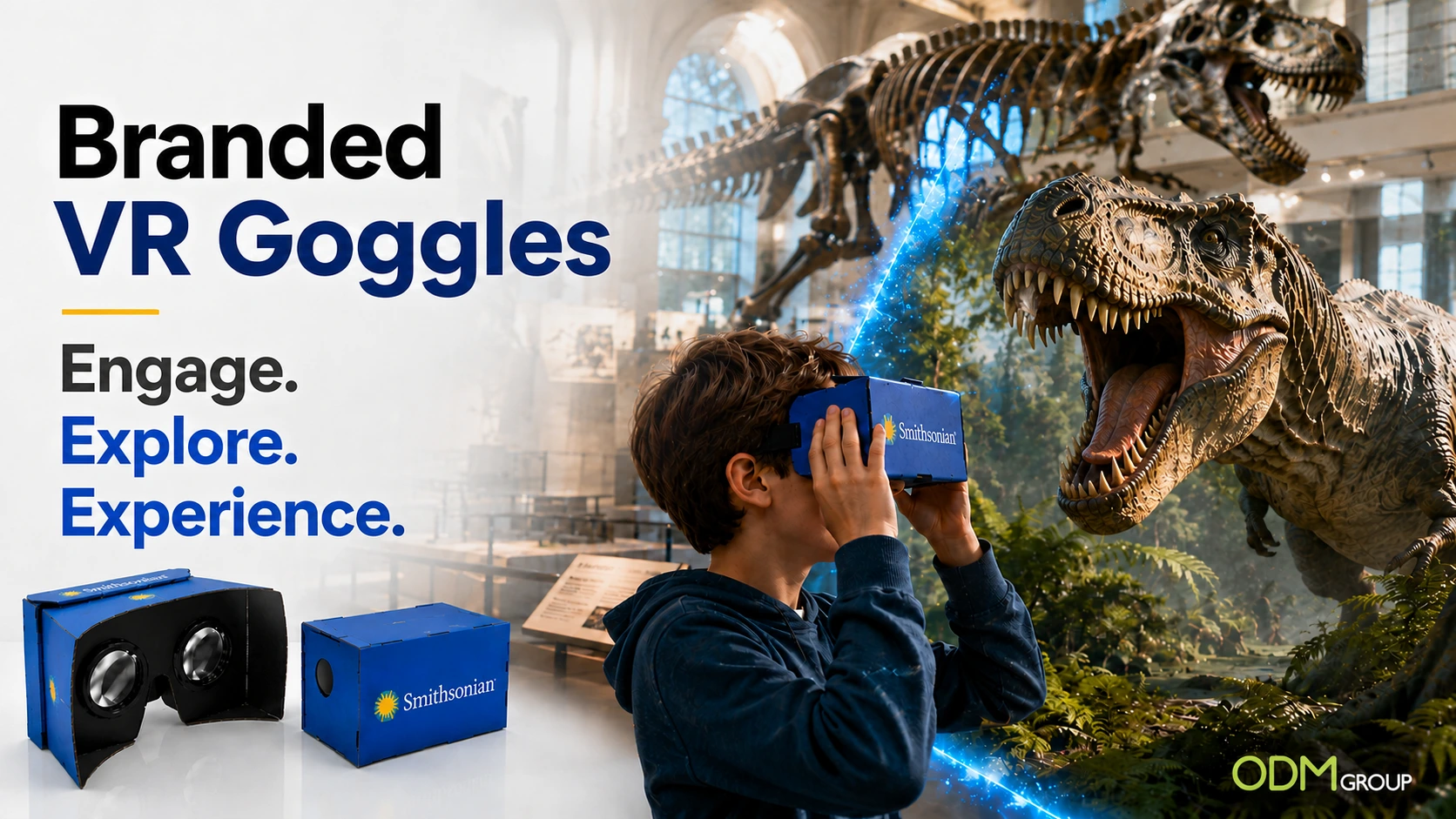
Branded VR goggles create that reason. They turn smartphone content into something customers, students, or event visitors can hold, build, clip, and experience.
For brands, this is not about replacing advanced VR headsets. It is about making immersive content easier to distribute at scale.
Why Brands Are Looking for Physical-Digital Touchpoints
Most campaigns now include some form of digital content. A QR code on packaging, a product video after an event, a virtual tour, or an online demo can all extend the customer journey.
The issue is attention.
A link alone does not always create curiosity. People scan quickly, scroll quickly, and move on quickly. Even strong digital content can be ignored when there is no physical reason to interact with it.
This is where branded merchandise can work harder. Instead of acting only as a logo item, it can become the entry point into the campaign.
Branded VR goggles help brands connect physical and digital engagement. The user receives the item, opens the content, and uses the goggles to experience it differently. That action gives the campaign more depth than a simple leaflet, screen link, or passive video.
The strongest idea is not simply to give people VR goggles. The stronger idea is to give people a reason to experience your brand content.
When VR Becomes a Hands-On Learning Tool
For education, STEM, museums, and school campaigns, DIY cardboard VR goggles can offer more than a viewing experience. They give students something to build.
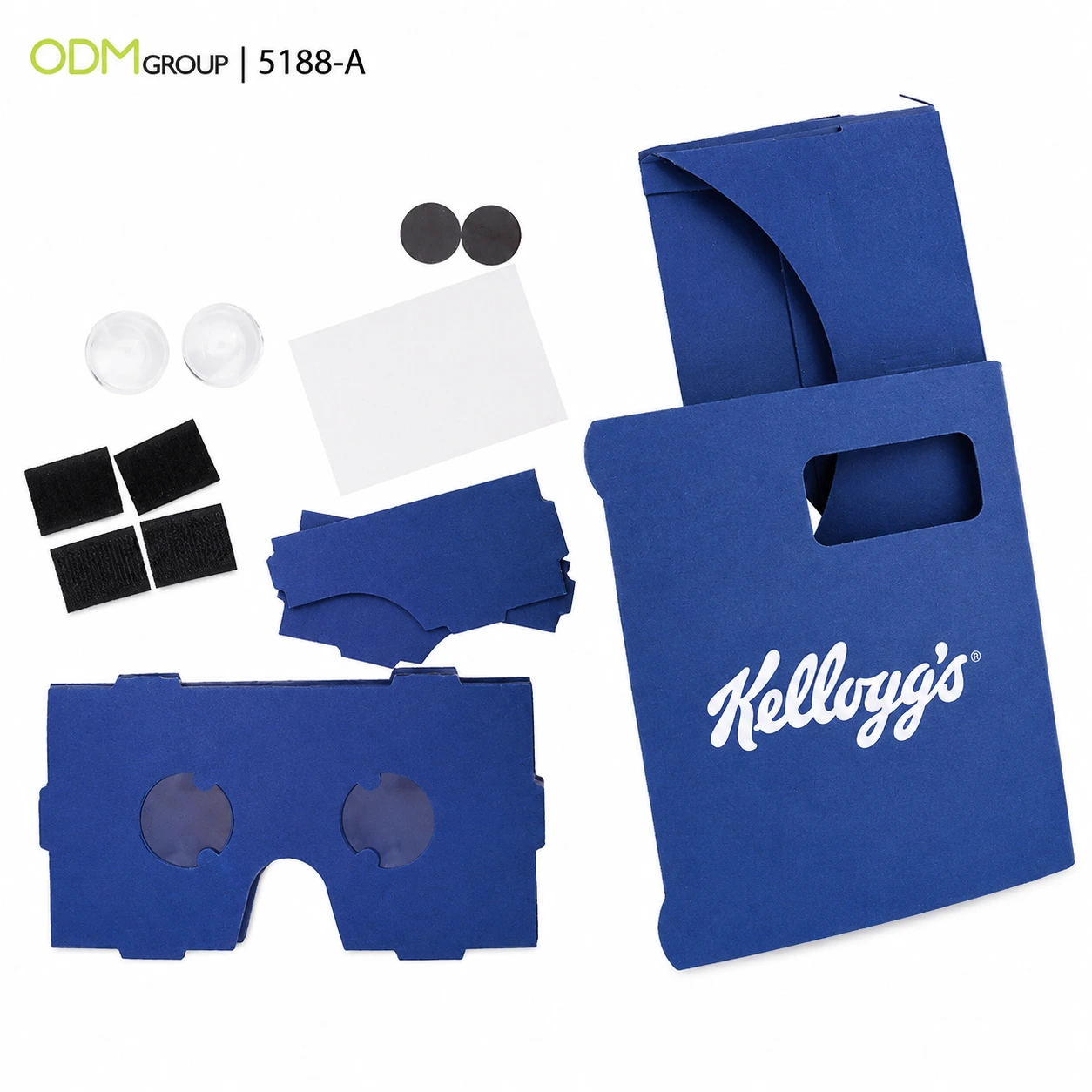
This version includes pre-cut kraft cardboard parts, lenses, magnets, and assembly pieces. Students fold and assemble the viewer themselves, then use it with a smartphone to explore simple 3D or VR content.
That process matters. It helps students understand the relationship between product structure, lenses, optics, and digital viewing. Instead of receiving a finished gadget, they learn by making the product first.
This makes the kit useful for STEM classes, primary and secondary school activities, science fairs, museum learning kits, youth technology workshops, and educational brand campaigns.
The kraft cardboard format also makes sense for large-scale education distribution. It is lightweight, flat-packed, and easier to customize with school branding, sponsor logos, activity prompts, or printed instructions.
For brands involved in education, technology, sustainability, or youth engagement, DIY branded VR goggles can turn a simple giveaway into a guided learning experience.
When Portability Matters More Than a Full Headset
Not every campaign needs a full VR headset. In many cases, the brand simply needs a compact tool that makes mobile content feel more interactive.
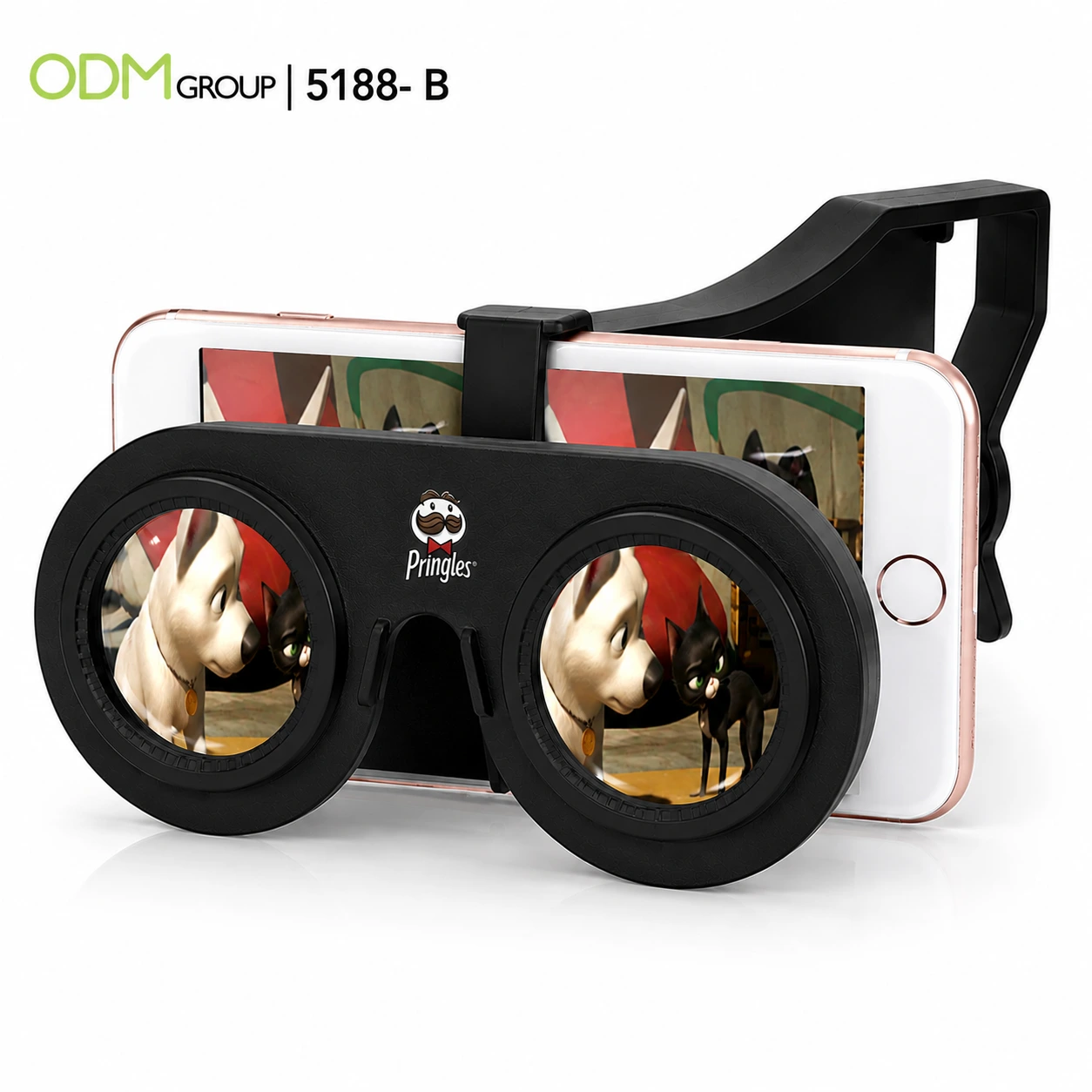
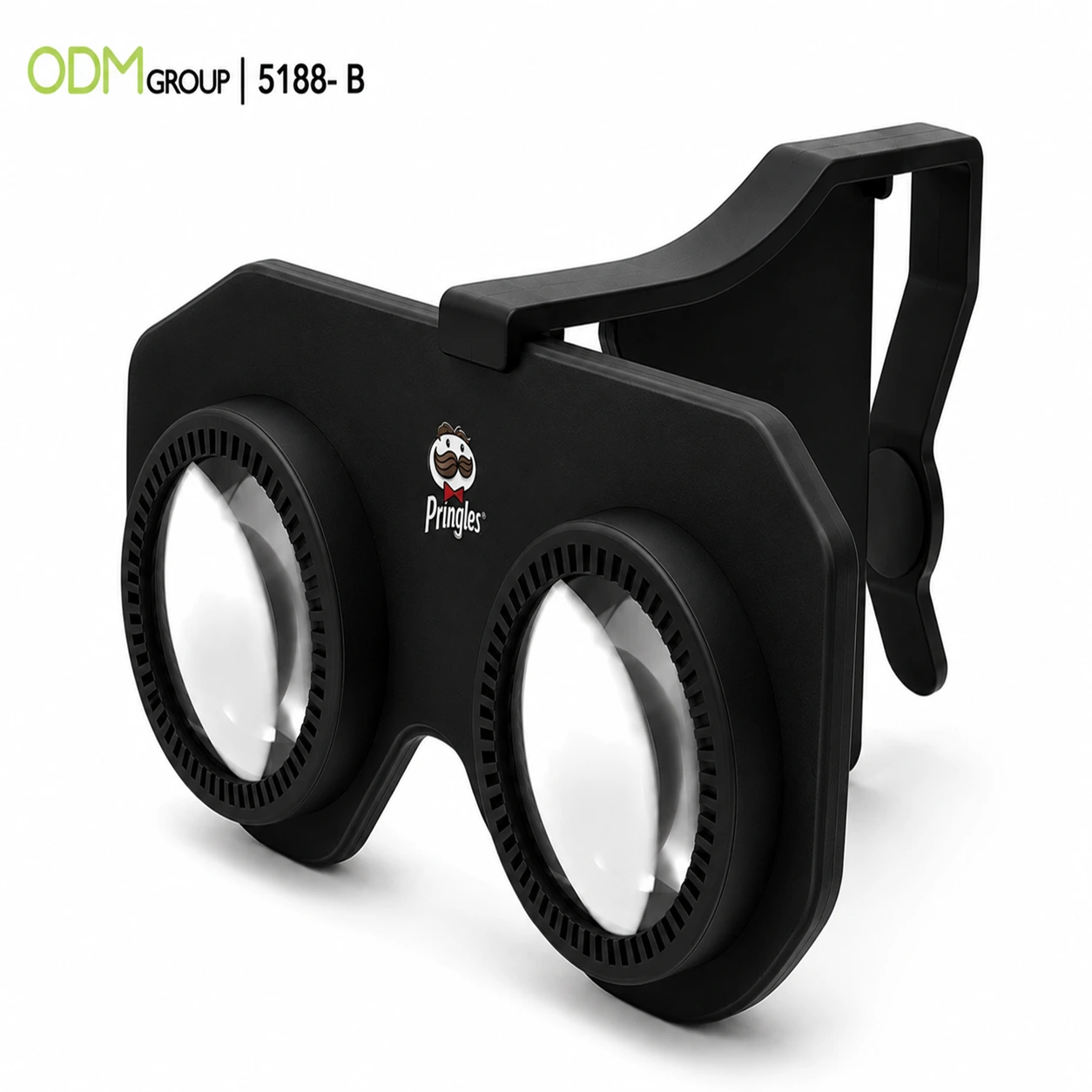
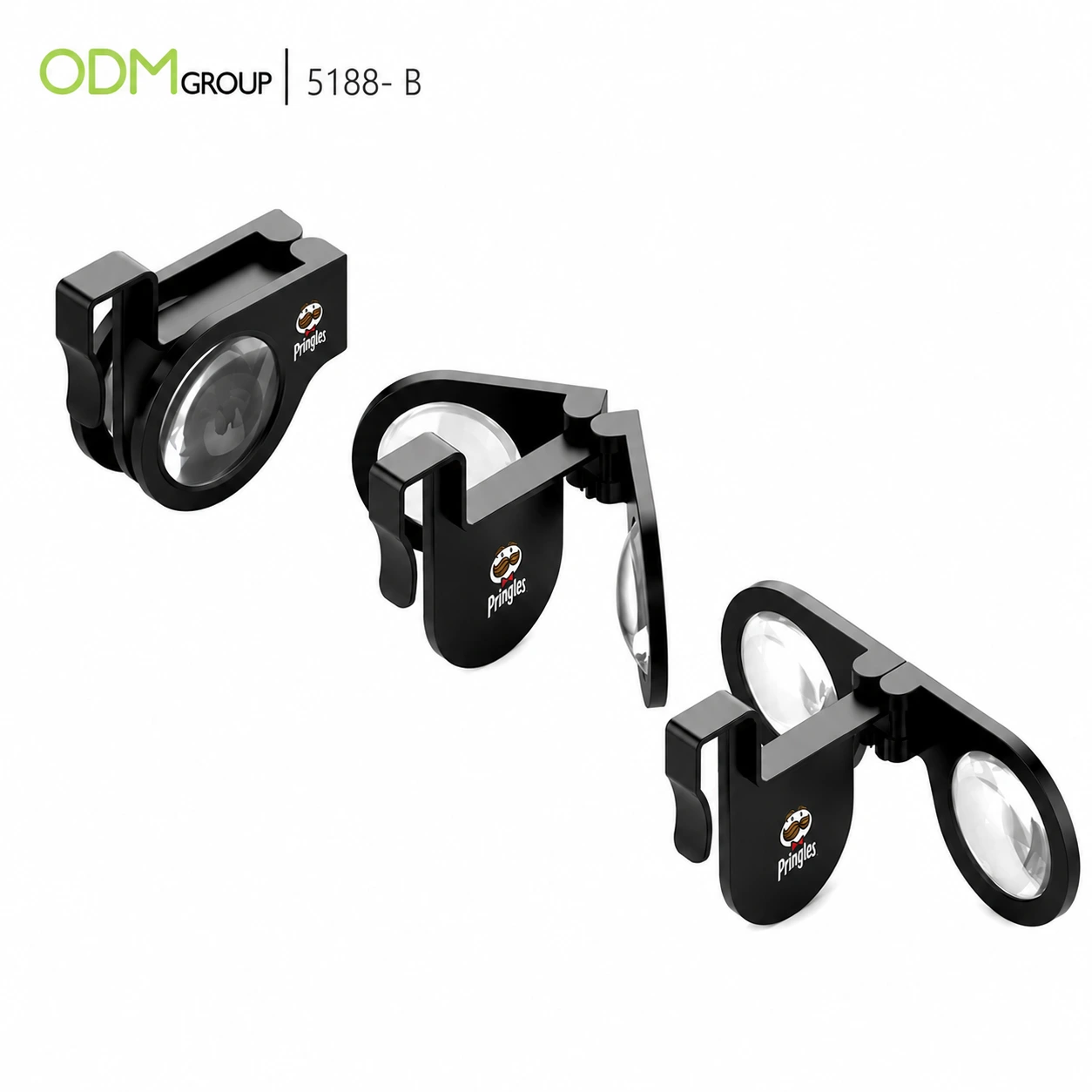
Mini folding VR goggles are designed for this purpose. They clip onto iOS and Android smartphones, allowing users to view 3D movies, VR videos, mobile tours, and immersive content without carrying bulky equipment.
This format fits real campaign conditions. The product can go into event bags, direct mail kits, product launch boxes, conference packs, education bundles, and digital marketing giveaways. It is easy to store, easy to ship, and easy for users to carry.
That matters because promotional merchandise must work operationally. A product may look exciting in a concept deck, but if it is too large, costly, or difficult to distribute, it becomes harder to scale.
Mini folding branded VR goggles offer a simpler route. They give users quick access to immersive content while keeping the product small enough for practical campaign rollout.
Campaigns Where Branded VR Goggles Make Sense
Branded VR goggles work best when the brand has a visual story to tell.
1. Travel and Hospitality Campaigns
Travel brands can use VR goggles to share destination previews, hotel walkthroughs, resort experiences, attraction tours, or event venue previews. This gives potential travelers a more engaging way to imagine the experience before booking.
2. Real Estate and Property Marketing
Real estate companies can use them for virtual home tours, showroom previews, office walkthroughs, or architectural concepts. This works well for exhibitions, sales kits, investor presentations, and overseas buyer communication.
3. Education, Museums, and STEM Learning
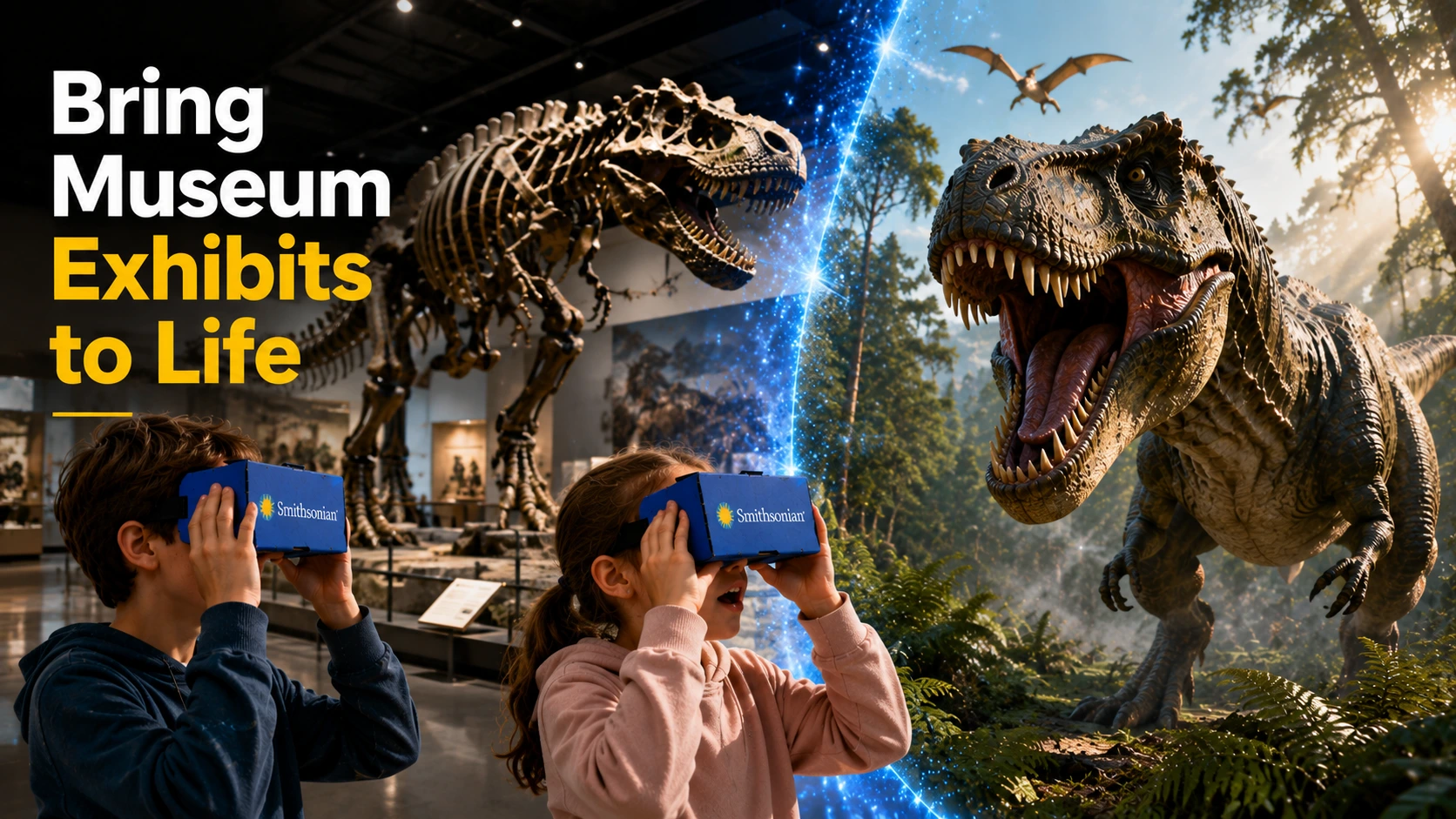
Schools, museums, and education brands can use VR goggles for classroom activities, virtual field trips, science lessons, and digital learning packs. DIY cardboard VR goggles are especially useful for hands-on student engagement.
4. F&B Retail and Promotional Campaigns
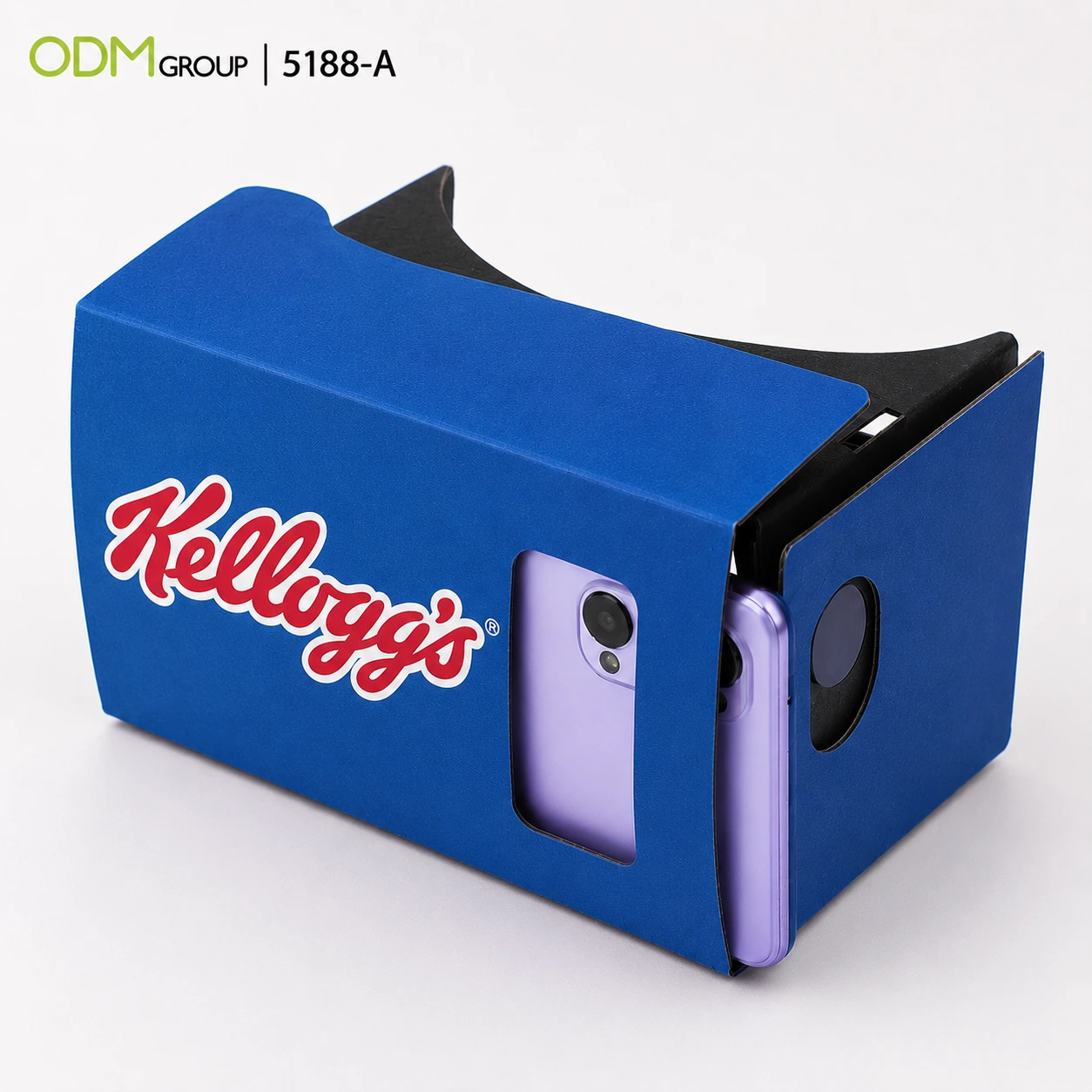
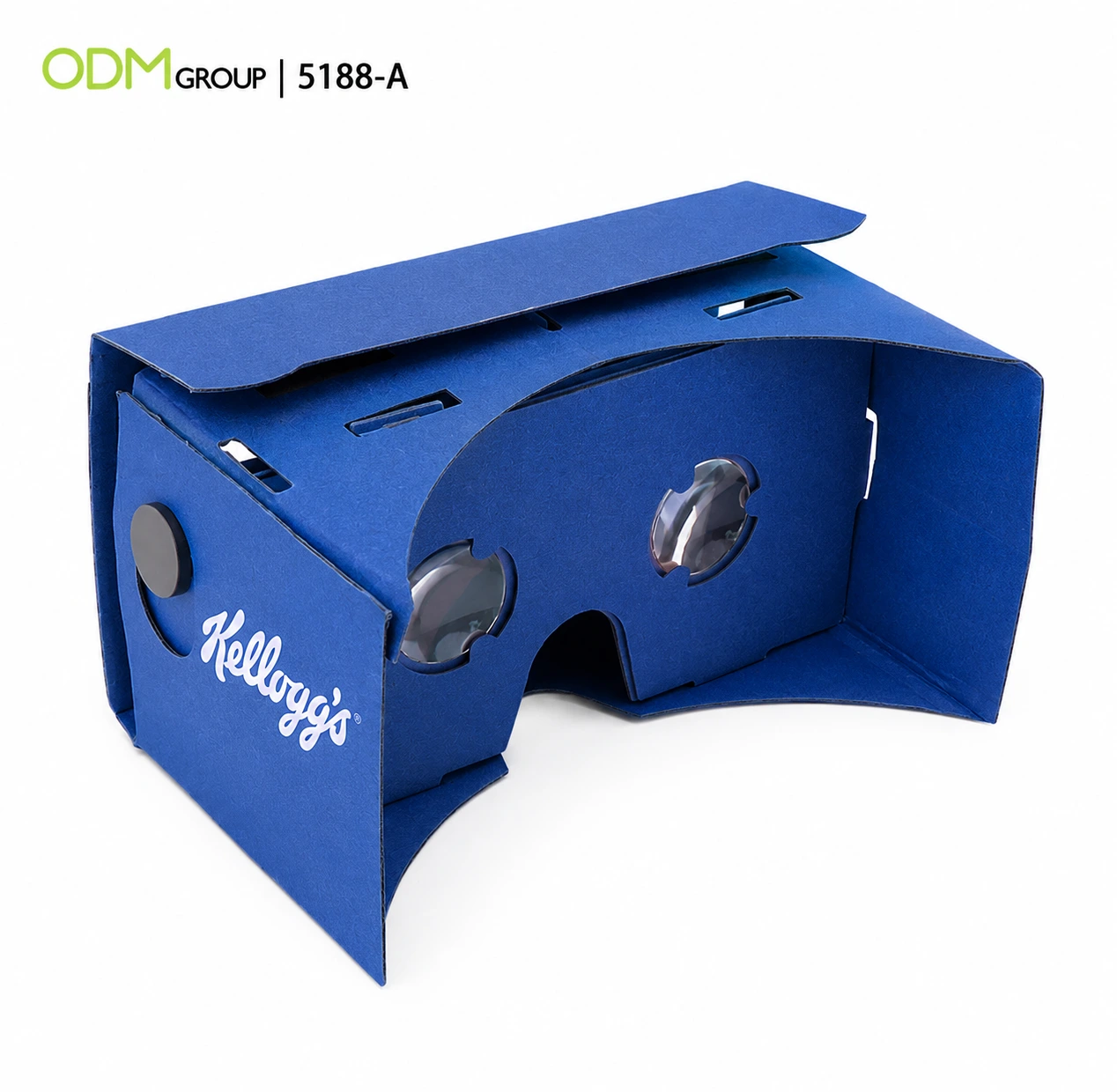
Food and beverage brands can use branded VR goggles to turn packaging, promotions, or retail activations into interactive experiences. For example, Pringles could use mini folding VR goggles for a gaming or entertainment campaign, while Kellogg’s could use cardboard VR goggles for family promotions, educational content, or kid-focused activations linked to product packaging.
5. Technology and Product Launches
Technology companies can integrate VR goggles to make app demos, product launches, and innovation campaigns feel more interactive. The product helps users experience digital content in a more hands-on way.
6. Entertainment, Gaming, and Fan Campaigns
Entertainment brands can connect VR glasses with movie previews, gaming campaigns, fan merchandise, or event content. This creates a stronger link between the physical giveaway and the digital experience.
7. Events, Exhibitions, and Conference Kits
Event organizers can include VR goggles in delegate kits, exhibition giveaways, sponsor packs, or digital conference packs. They can link attendees to venue previews, product demos, sponsor content, or post-event experiences.
Packaging Can Decide Whether People Actually Use Them
Branded VR goggles need context. If users do not understand what the item is, how it works, or what content it unlocks, the campaign loses momentum.
Packaging can solve that problem.
For DIY cardboard VR goggles, the packaging can include assembly steps, classroom prompts, learning objectives, and a QR code leading to 3D content. It can feel like a complete STEM activity kit rather than a loose collection of parts.
For mini folding VR goggles, the packaging can be more compact. A branded sleeve, pouch, box, or insert card can explain how to clip the goggles onto a phone and where to find the campaign content.
Good packaging should answer three questions immediately:
- What is this?
- How do I use it?
- What should I scan or watch?
This is where brands can turn a small product into a complete experience. The packaging does not need to be expensive. It needs to be clear, useful, and connected to the campaign.
For premium campaigns, packaging can also lift perceived value. A rigid box, foam insert, printed instruction card, or campaign landing page can make branded VR goggles feel more intentional and gift-worthy.
How ODM Helps Brands Build Campaign-Ready VR Merchandise
ODM Group helps brands turn branded VR goggles from an early idea into campaign-ready merchandise. We are not a direct manufacturer or standard supplier. We act as a strategic partner in Asia, supporting concept development, sketching, prototyping, factory selection, packaging, quality control, and logistics.
For branded VR goggles, ODM can help brands choose the right format, whether it is a DIY cardboard learning kit, a mini folding smartphone accessory, or a customized design. Through Mindsparkz, our creative and product design division, we can also develop sketches, packaging ideas, instruction cards, and presentation visuals.
Once the concept and design are approved, ODM coordinates manufacturing through a trusted network of factories and manages production follow-up, quality control, and delivery. This gives brands a more controlled way to develop tech-focused promotional products without having to manage overseas production alone.
Final Thoughts
Branded VR goggles help brands make digital campaigns more interactive, memorable, and easier to experience. Whether used for STEM learning, F&B promotions, travel previews, events, or product launches, they work best when the product, packaging, and content are planned together.
ODM Group can help develop branded VR goggles from concept sketch and prototype to packaging, factory coordination, quality control, and delivery.
Ready to turn your digital campaign into a hands-on brand experience? Contact ODM Group to develop custom-branded VR goggles for your next promotion. Use codes ODM-5188-A or ODM-5188-B to get a detailed quote.
More Ideas


FAQs about Branded VR Goggles
Can branded VR goggles turn packaging into an interactive experience?
Yes. Brands can add QR codes or campaign links to packaging, leading users to 3D videos, games, virtual tours, or product stories.
Are branded VR goggles only useful for tech brands?
No. They can work for education, museums, travel, real estate, entertainment, F&B, and event campaigns. The product is most effective when the brand has visual content that people can explore through a smartphone.
How can brands stop VR goggles from feeling like a one-time novelty?
Give users a reason to come back. Brands can connect the goggles to changing content, prize campaigns, learning modules, seasonal updates, or limited-edition digital experiences.
What makes branded VR goggles more memorable than a standard giveaway?
They create an action. Users do not just receive the item; they build it, clip it, scan content, and experience the campaign. That interaction makes the brand feel more active and easier to remember.
Latest Blogs
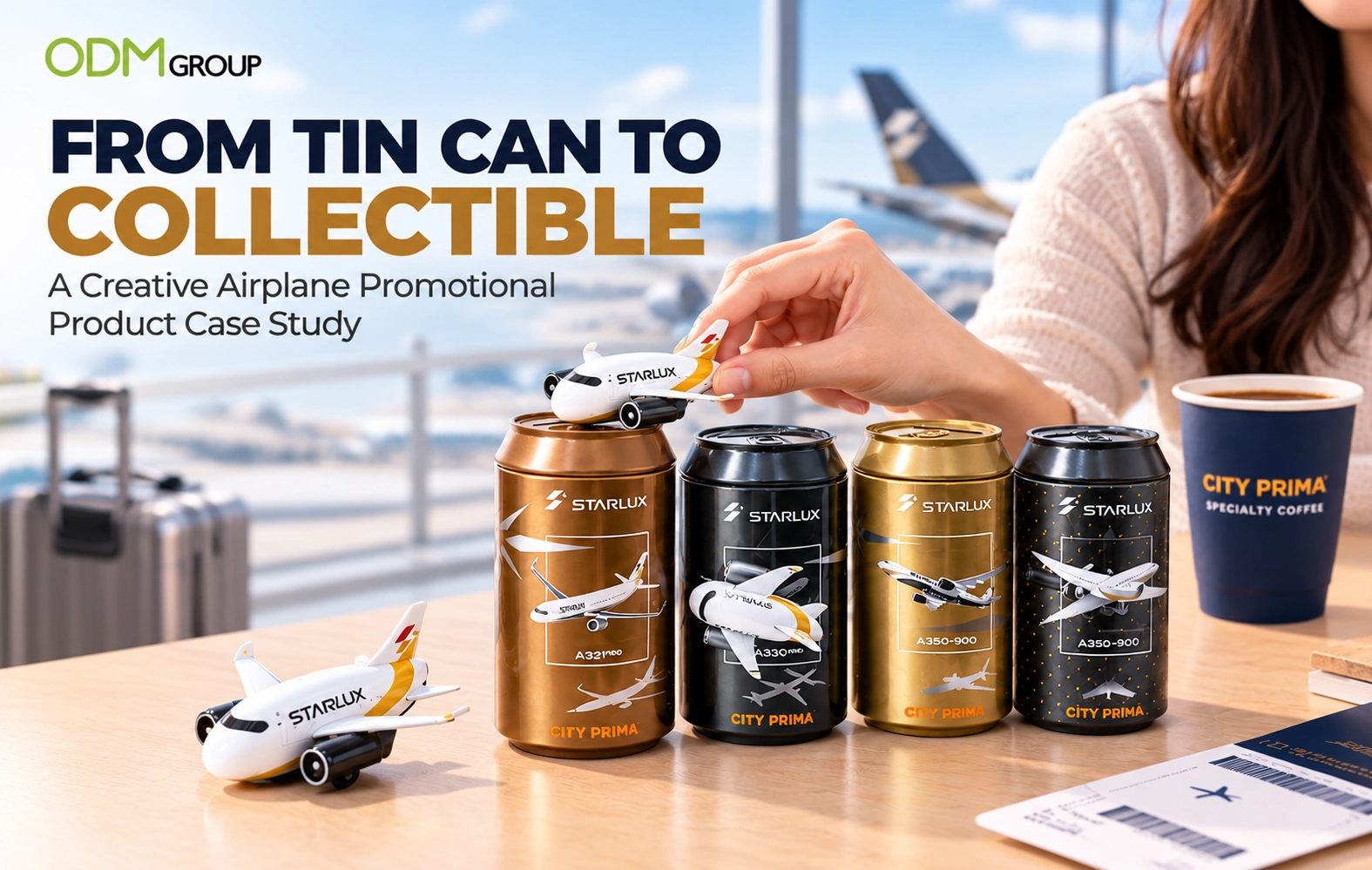
Airplane Promotional Products: How STARLUX Airlines and CITY PRIMA Engage Customers
Airplane promotional products can do more than display a brand [...]
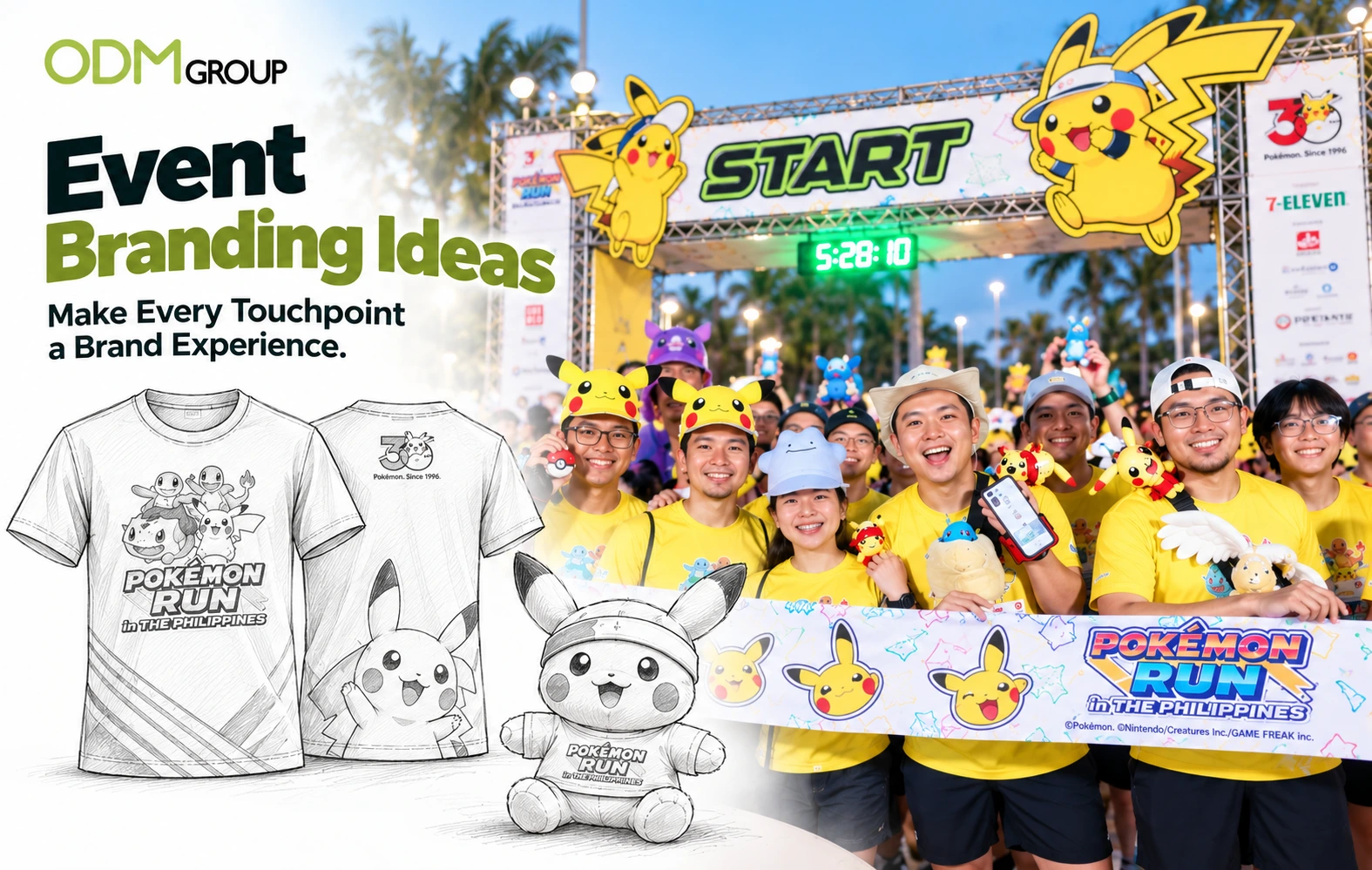
Event Branding Ideas: Make Every Touchpoint a Brand Experience
Event branding ideas turn separate venue elements into one [...]
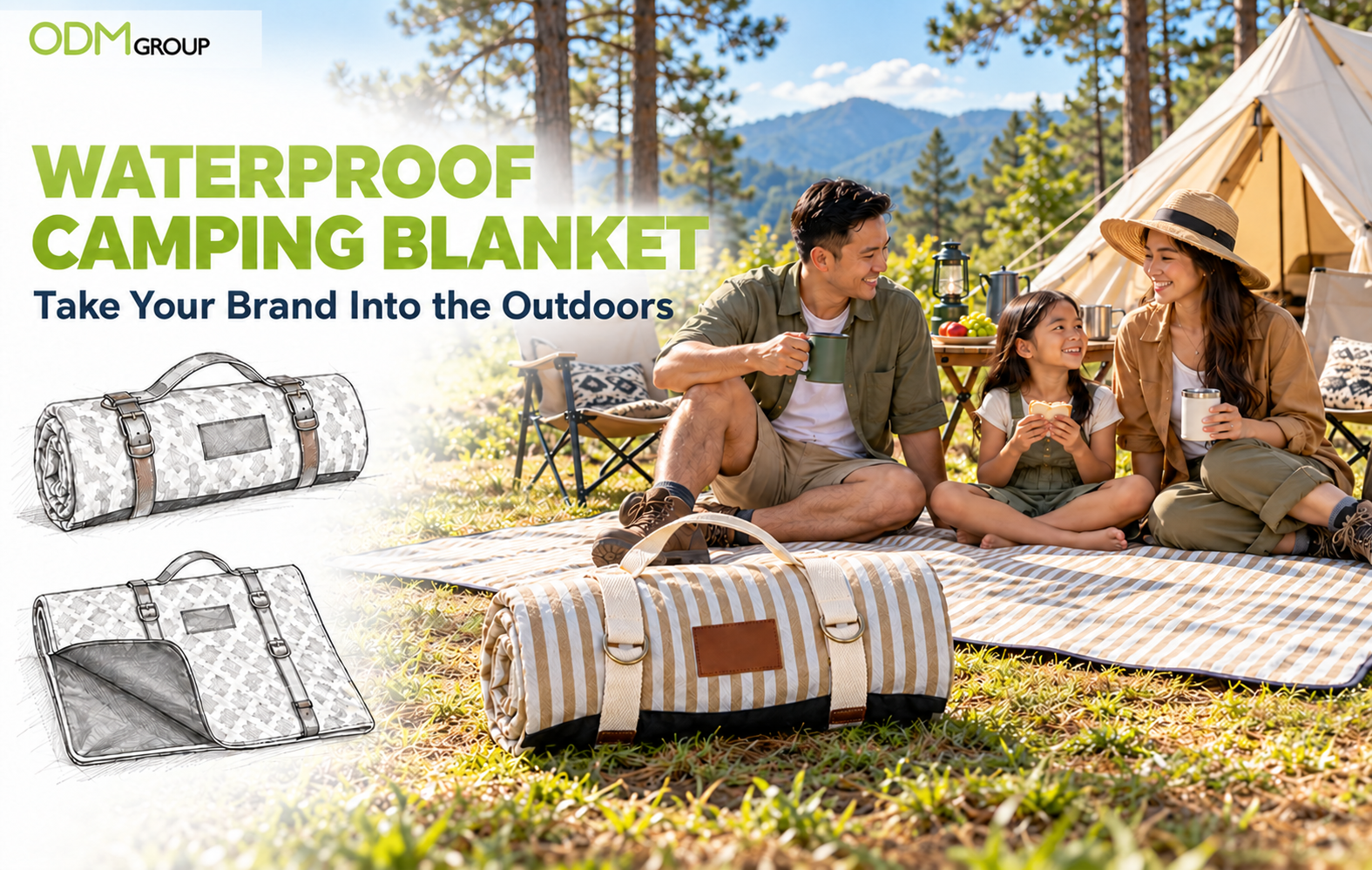
Waterproof Camping Blanket: Take Your Brand Into the Outdoors
A waterproof camping blanket gives brands a useful role [...]
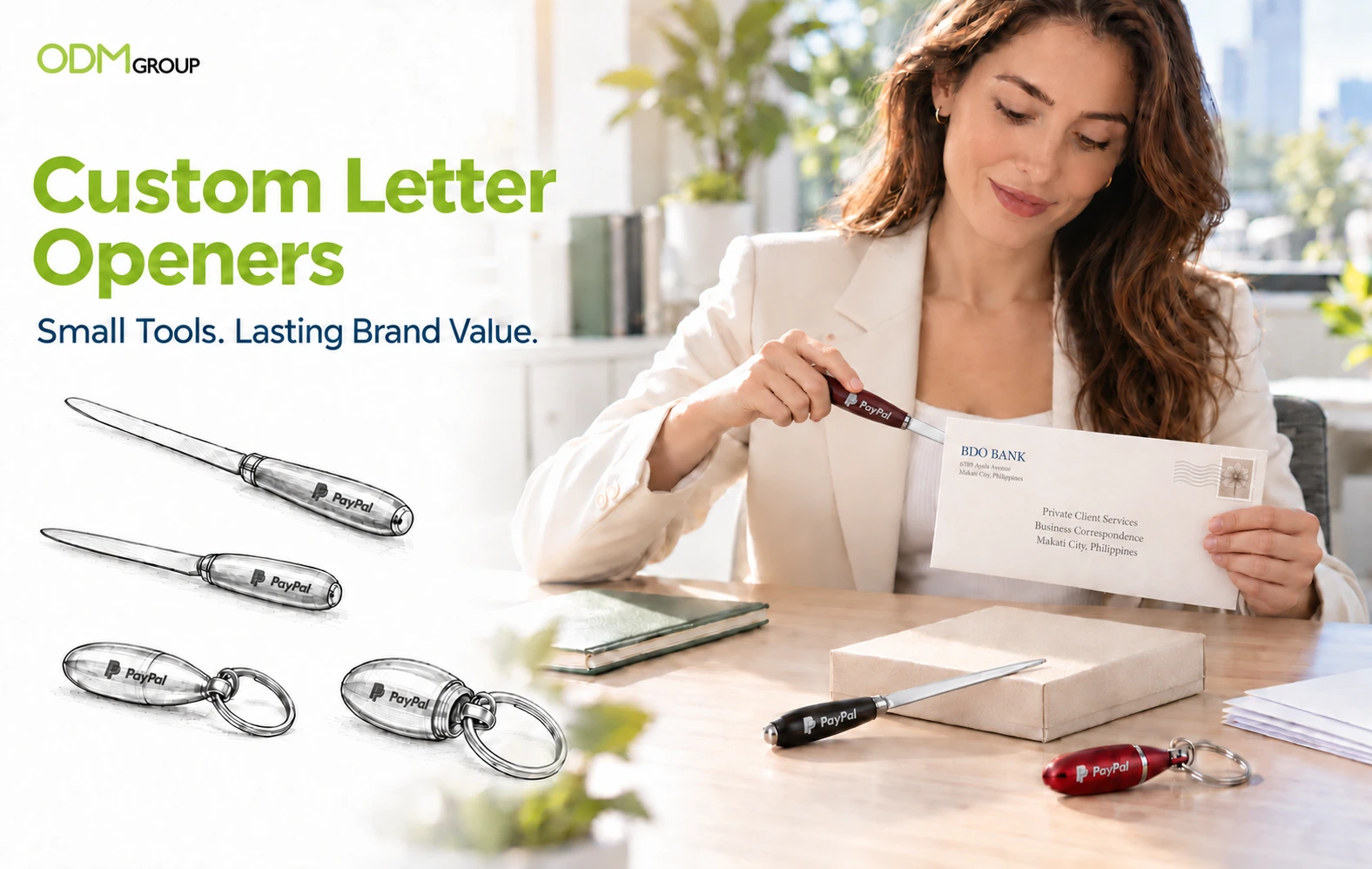
Custom Letter Envelope Opener Ideas for Corporate Gifts
A letter envelope opener may be a simple desk [...]
LED Screen Backpack: Smart Walking Billboards for Campaigns
Static outdoor signage and traditional promotional merchandise [...]
Marketing Gift Game Ideas to Connect Teams Through Play
A marketing gift game can offer much more than [...]