
Collectible merchandise gives customers more than a free product. It gives them a reason to return, complete a set, and stay connected with a brand.
When designed around a strong idea, collectibles can support repeat purchases, increase campaign participation, and keep a brand visible long after the promotion ends. This makes them valuable for businesses across food and beverage, retail, hospitality, entertainment, beauty, travel, and many other industries.

What Is Collectible Merchandise?
Collectible merchandise is a series of related promotional products. Each item may feature a different character, color, illustration, or shape, but all products belong to the same campaign.
A collection might include four character bottles, a set of miniature vehicles, a series of enamel pins, or several plush toys wearing different outfits. Customers can enjoy one item on its own while also being encouraged to collect the complete range.
Brands can offer these products through gift-with-purchase promotions, loyalty programs, paid add-ons, spend-and-redeem offers, or limited-edition merchandise launches.
Why Collectible Merchandise Works
A single promo item drives one transaction; a collection drives several, especially for frequently bought products like beverages, snacks, and personal care items. The set still has to feel achievable, or customers disengage.
Collectibles can be tied to a qualifying spend, bundle, or premium product, giving brands a reason to lift the average transaction, not just hand out a gift.
Four to six designs is usually the sweet spot: enough variety to create interest, few enough to feel attainable within the campaign window.
Limited runs, weekly drops, or location-exclusive designs create a reason to act now, provided stock and redemption terms are communicated clearly.
A collectible tied to a character, place, or memory gets kept and displayed. A useful one, a pouch, bottle, or lunchbox, keeps generating impressions long after the campaign ends, and gives brands a natural read on what customers actually want next: redemption rates, popularity by design, and repeat participation.
Real-World Examples
1. Marigold Collectible Bottles
A Marigold promotion in Singapore supermarkets shows how far a familiar product format can travel. Customers buying qualifying packs of Marigold HL Milk received a collectible bottle shaped like a Marigold carton, in four animal designs: dinosaur, giraffe, octopus, and seahorse.

It works because the bottle isn’t a generic gift with a logo slapped on. Its shape is drawn directly from the product’s packaging; the four designs make for a manageable collection; and the bottle remains useful long after redemption. That’s the model: instead of picking an unrelated gift, turn the brand’s own packaging or mascot into the merchandise.
2. KFC x Pokémon Collectibles
KFC Singapore’s 2026 Pokémon collaboration shows the same thinking at a larger scale. Rather than one repeated product, the campaign built a connected range across formats and channels: reversible blind pouches in four character designs, a Poké Ball-shaped bucket, gaming chopsticks, Pikachu car neck pillows, an evolution-line jacket, and a sticker sheet, released in phases and tied to qualifying menu items (reporting: AsiaOne, HungryGoWhere).

The wider lesson: different price points reach different customer groups, phased releases sustain interest over weeks rather than days, and merchandise can span retail, delivery, and in-store all at once. None of this needs a global entertainment license; the same structure works around a brand’s own mascots, packaging, or original characters.
Who Can Use Collectible Merchandise in Marketing
1. Food, beverage, and QSR
Brands can tie collectibles to a purchased pack, flavor, or meal bundle: cups, mini bowls, character containers, reversible pouches, phased weekly releases.
Here’s an effective example from McDonald’s. In partnership with Coca-Cola, the famous food chain has launched a dazzling collection of aluminum cups just in time for the holiday festivities!
2. Retailers
They can run them as spend-and-redeem or loyalty-stamp rewards, with different designs by department, spend tier, or location.
3. Beauty Industry
Brands can build collections around shades, fragrances, or campaign artwork: compact mirrors, pouches, charm sets.
4. Entertainment, gaming, and sports
Organizations already have fan communities primed for collecting figurines, pins, trading cards, and player- or match-specific merchandise. Licensed work has to follow the IP owner’s style guide and approval process.
4. Entertainment, gaming, and sports
Organizations already have fan communities primed for collecting figurines, pins, trading cards, and player- or match-specific merchandise. Licensed work has to follow the IP owner’s style guide and approval process.
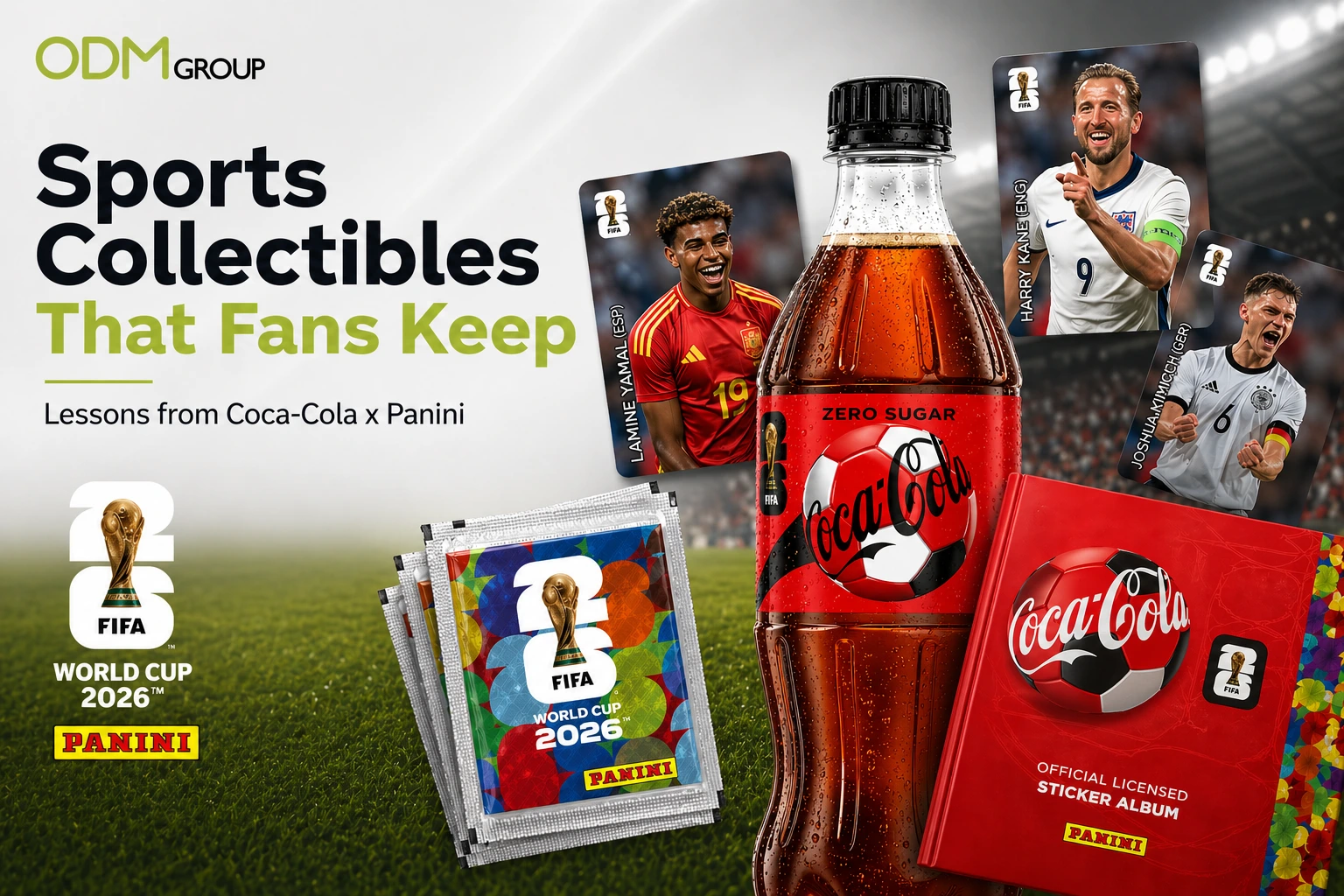
The Coca-Cola x Panini campaign for the FIFA World Cup 26™ shows how collectibles can be used to create a more strategic and engaging brand experience.
5. Travel, hospitality, and automotive
Brands can build location- or model-based collections, such as landmark miniatures, destination pins, and miniature vehicle sets, that give customers a reason to visit more places or return to more dealerships.
6. Banks, insurers, and tech
They can use collectibles to make an intangible product feel concrete: mascots, milestone pins, desk accessories tied to account openings or app adoption.
Collectible Ideas From ODM Group
Beyond adapting existing catalog items, ODM can develop original concepts built specifically for your brand and audience:

1. Reversible bags: one construction, several characters, consistent range with individual personality per design.
2. Miniature product replicas: packaging, vehicles, or signature products recreated as keychains, magnets, or desk pieces.
3. Interlocking collectibles: pieces that work alone but form a larger display once the set is complete, raising the payoff for finishing it.
4. Collectible drinkware: cups, tumblers, and bottles vary by color, character, or connecting artwork across the set.
5. Character plush and accessories: mascots as plush toys, bag charms, or wearables, varied by costume, occasion, or season.
6. Functional figurines: phone stands, cable holders, bottle openers, figurines with a reason to stay on a desk.
7. Pins, badges, and charms: low-cost to distribute, easy to display, with premium finish options (enamel, metal plating, glow-in-the-dark).
8. Blind-cup collectibles: surprise-driven, but the ratio, rare variants, and consumer disclosure rules need to be planned deliberately.
Planning a collectible campaign? Contact ODM Group to talk through concept, budget, and timeline before development starts.
More Collectible Promotions
We believe that collectible merchandise is a great incentive for customers to purchase your products and increase your brand value as well. You can check out other collectible merchandise case studies like this here!
This is another promotional strategy that Marigold has come up with where they used popular characters from the cartoon, We Bare Bears.
Darlie, a toothpaste brand, recently offered cute collectible bowls with every purchase of a pack of Darlie’s toothpaste ($15). Building on the success of the Sanrio character, this marketing strategy has proven effective.
Check out how this transportation company uses this interesting and effective marketing strategy to increase brand awareness!
Keep guests coming back for more with these pieces of airline merchandise. By offering products that can spark brand remembrance, your customers will definitely be back for more.
How to Use Collectibles in a Marketing Campaign
The right distribution method depends on what the business wants to achieve.
A gift-with-purchase mechanic can help promote a specific product. Spend-and-redeem campaigns can increase basket value, while loyalty programs encourage customers to participate over a longer period. Paid add-ons make it possible to offer more substantial merchandise without placing the full cost on the campaign budget.
Brands can also release products gradually. This keeps the promotion active and allows each design to receive its own marketing attention.
Whatever mechanic is selected, customers should understand it immediately. The qualifying purchase, available designs, campaign period, stock conditions, and redemption steps must be communicated clearly in stores and online.
What Makes a Collectible Campaign Successful?
A successful collectible campaign starts with a clear business objective. Brands should decide whether the promotion is intended to increase repeat purchases, raise basket value, launch a new product, grow loyalty membership, or attract customers to selected stores.
The collection must also suit the target audience. Product type, materials, price point, number of designs, and redemption method should reflect how often customers normally buy from the brand. Four to six variations often work well for short campaigns because the collection feels exciting but still achievable. Larger ranges are better introduced through phased releases.
Packaging and POS displays should clearly show the available designs, the qualifying purchase, the campaign period, and the redemption steps. Behind the scenes, brands need accurate demand forecasts and balanced stock allocation so that no variation runs out too early.
Finally, safety, testing, labeling, and quality requirements must be considered from the development stage, especially for children’s products, drinkware, food-contact items, magnets, and products containing small parts.
How ODM Group Supports Collectible Campaigns
ODM works as a product development and promotional marketing partner from concept through delivery:

Build a Collection Customers Want to Complete
The most effective collectible programs aren’t built on novelty alone; they give customers a clear reason to participate, products worth keeping, and a set that feels like an extension of the brand. Whether that’s character pouches, custom drinkware, or functional figurines, every piece has to work together from the first sketch to the retail display.
Planning a collectible merchandise campaign? Contact ODM Group to discuss a collection built around your audience, budget, and marketing objectives.
ODM Services
FAQs about Collectible Merchandise
How many designs should a collection include?
Four to six is a practical starting point for a short campaign. Longer loyalty programs can support a larger set released in phases.
Can collectible merchandise be functional?
Yes. Bottles, pouches, containers, and phone stands all work as collectibles, and functionality extends the brand's visibility past the redemption period.
What is a blind-box collectible?
Merchandise packaged so the design isn't visible until opened, creating surprise and encouraging trading. The distribution ratio and terms should be disclosed responsibly.
Does ODM handle packaging and retail display, or only the product itself?
Both. Packaging and POS are developed alongside the merchandise so the collection and redemption mechanic are clear at the point of purchase.
What to Read Next?
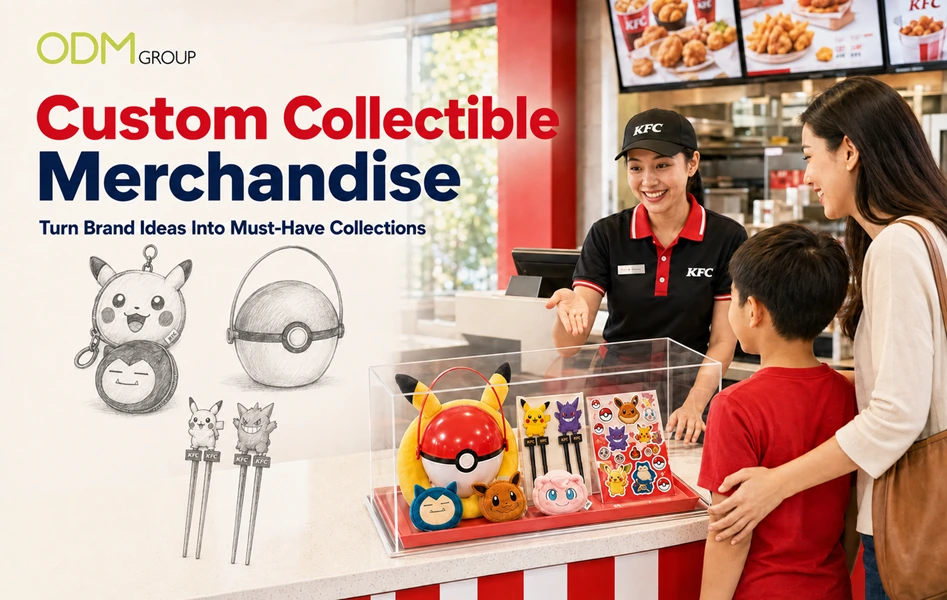
Why are Collectible Merchandise Great Marketing Tools?
Collectible merchandise gives customers more than a free product. [...]
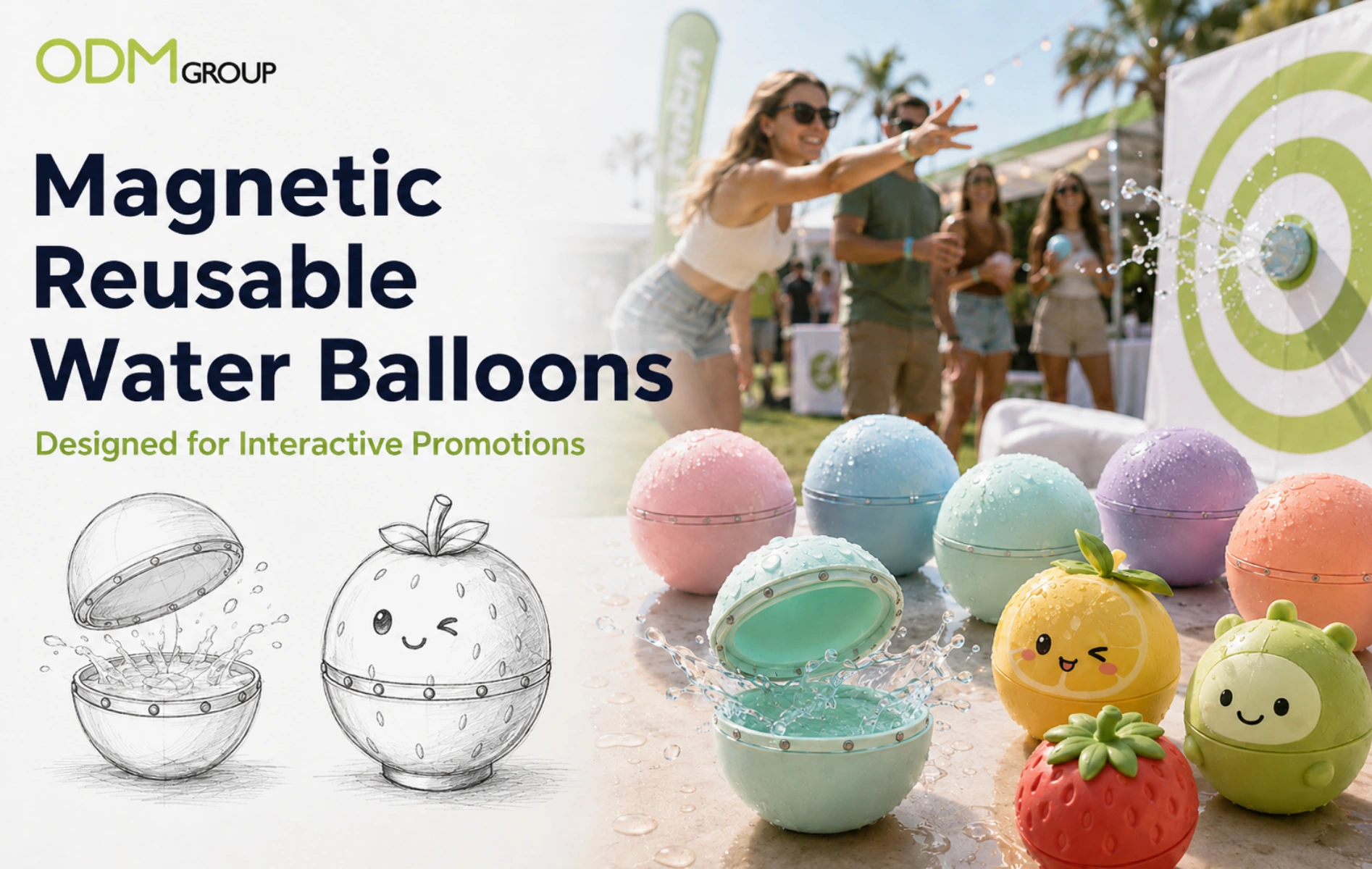
Magnetic Reusable Water Balloons for Interactive Promotions
Outdoor campaigns succeed when promotional products enhance the experience. [...]
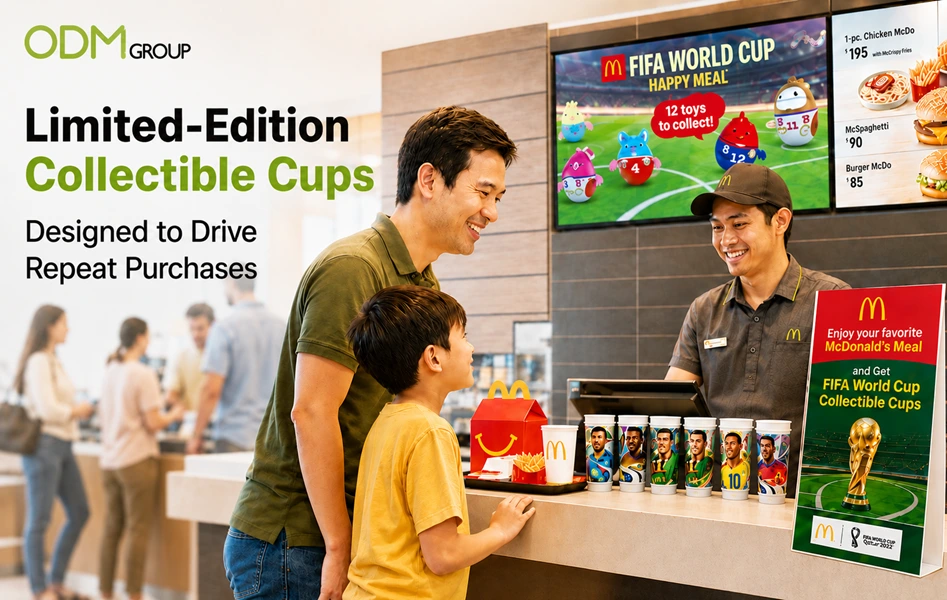
How Collectible Cups Turn Everyday Purchases Into Repeat Visits
McDonald glass giveaway, promotional glass, gift with purchase, purchase with purchase promo
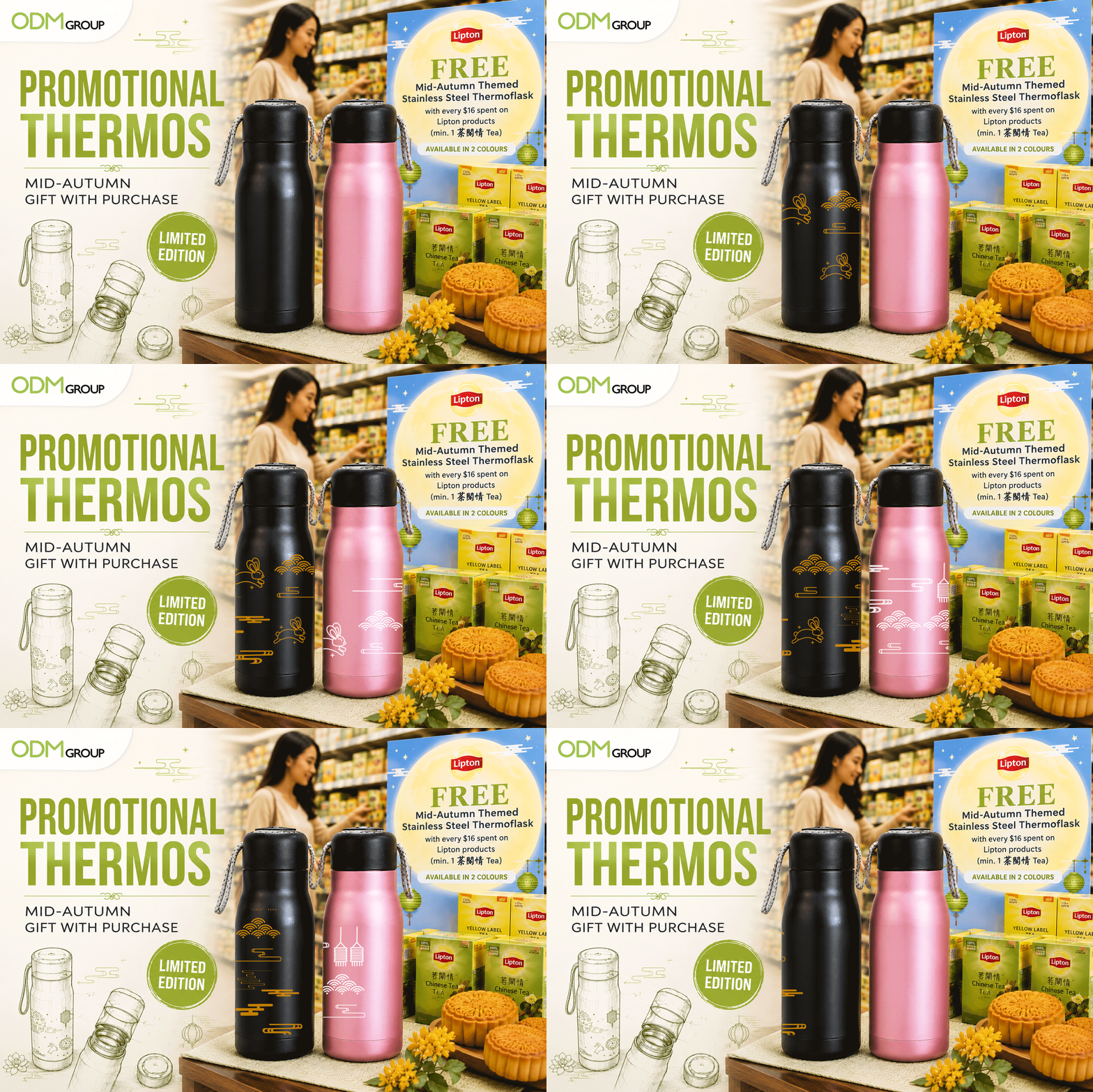
Custom Promotional Thermos: Lipton’s Mid Autumn Giveaway
The Mid-Autumn Festival usually falls in September or October [...]
Building Sports Collectibles: Lessons from Coca-Cola x Panini
For many years, promotional products have been evaluated based [...]
Collector’s Edition: Why Exclusive Brand Collectibles?
Creating a collector’s edition of your products is more [...]