
Marketing to kids is often simplified. Bright colors, playful designs, and fun characters are expected to do the job. But in reality, it’s more nuanced than that.
Children respond quickly, but they also lose interest just as fast. At the same time, parents are often the ones making the final decision. That means every campaign sits between play and practicality, and both need to work together.
The brands that succeed are not just creating “fun products.” They are designing experiences that feel engaging for kids and acceptable for parents.
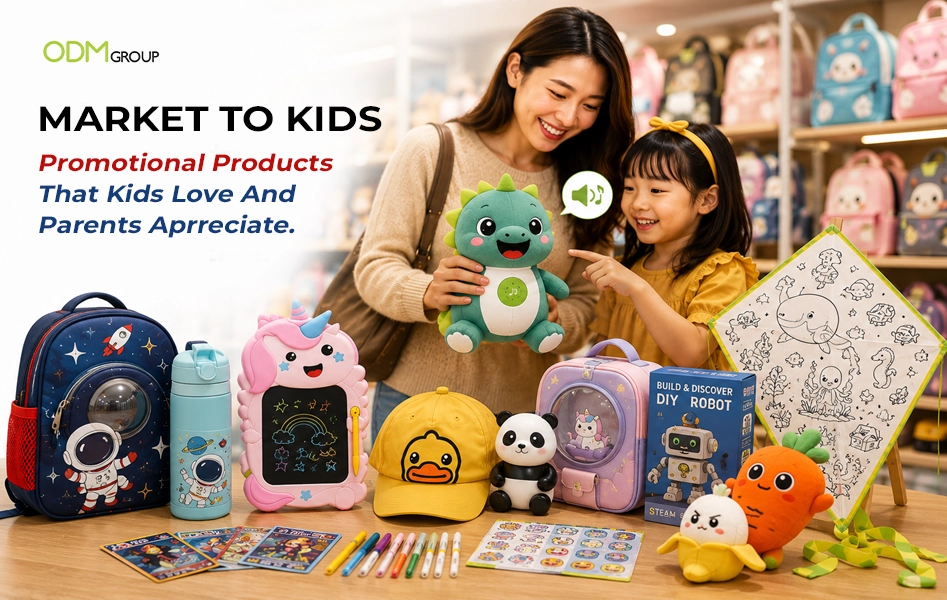
You’re Not Just Marketing to Kids
One of the biggest misconceptions is that the audience is only children.
In reality, there are two layers:
1. Kids drive interest and excitement: They react to what feels fun, interactive, and visually appealing.
2. Parents evaluate the decision: They consider safety, quality, and whether the product is worth buying.
Attention Is Earned Quickly
Children are constantly surrounded by stimulation, from digital content to toys and games, all competing for their attention at the same time.
Because of this, your product only has a few seconds to stand out and make an impression.
What tends to work:
- Simple and clear concepts
- Interactive or hands-on elements
- Visual cues that feel instantly fun
What tends to struggle:
- Overly complex ideas
- Passive products with no engagement
- Designs that require explanation
What Actually Keeps Kids Engaged
Capturing attention is only the first step, but keeping that attention over time is what really matters.
The strongest campaigns usually combine a few key elements:
- Interaction: Products that can be played with, built, or reused keep kids engaged longer.
- Collectability: Series-based items encourage repeat interest and ongoing engagement.
- Personal Ownership: Customization or character connection helps kids feel attached to the product.
- Story Connection: A simple theme or narrative makes the product easier to remember and revisit.
The goal is not just to create excitement once, but to stay relevant over time.
Marketing Gift Ideas for Kids That Actually Get Used
Choosing the right product is not just about what looks fun. It’s about what children will actually use, revisit, and keep over time.
Here are some proven categories of marketing gift ideas for kids:
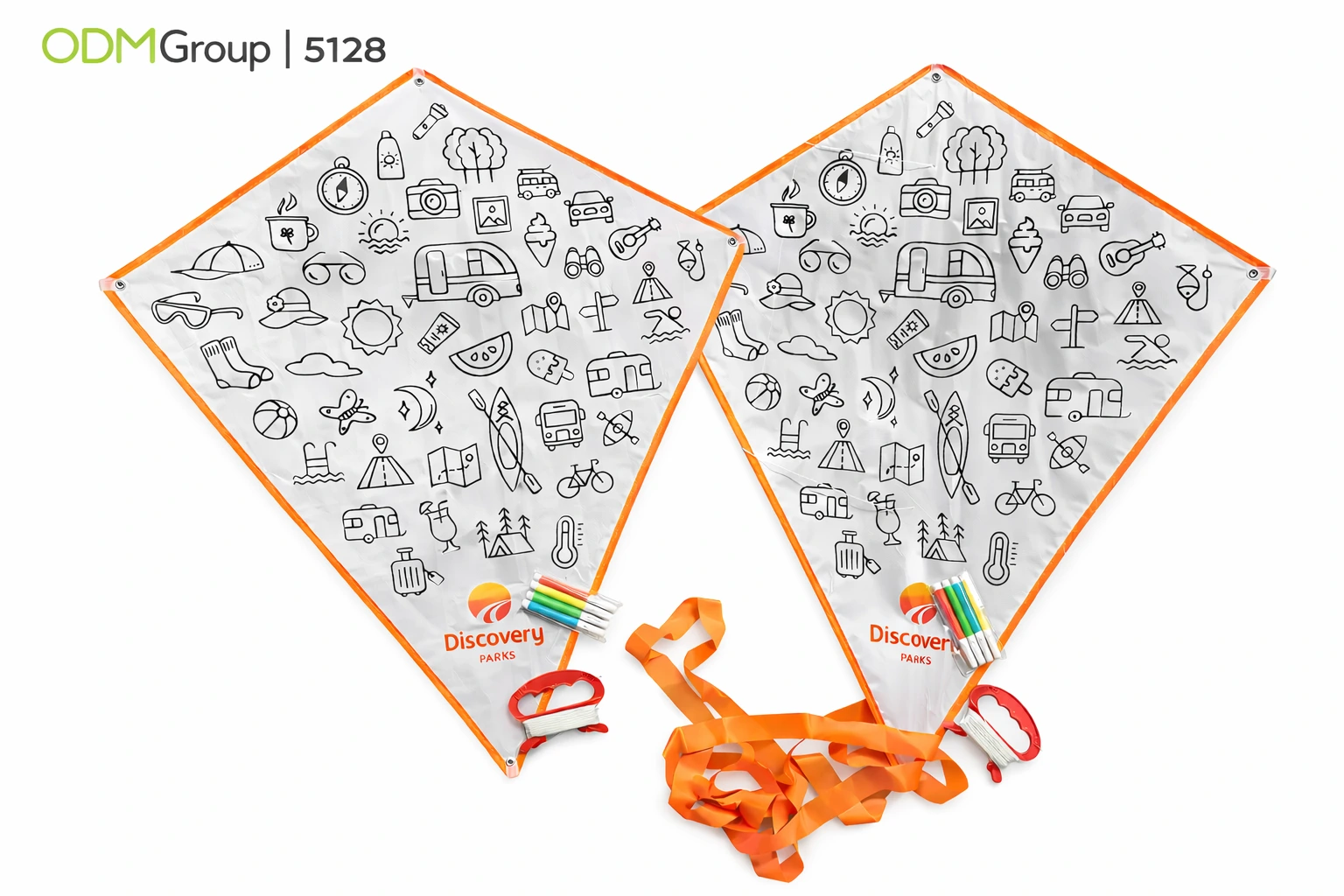
1. DIY and Creative Kits
- Coloring sets or activity books
- Build-your-own toys or crafts
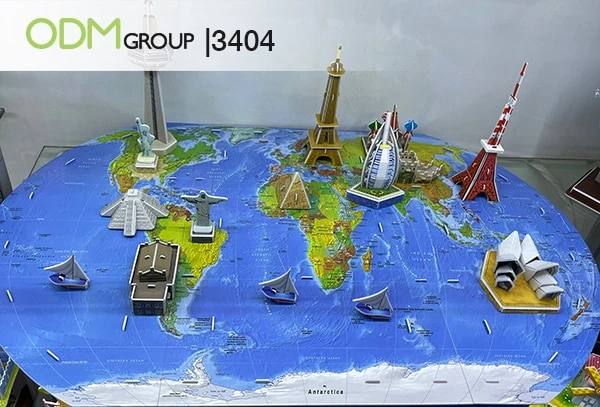
- Sticker kits or puzzle sets
These products extend engagement and give kids a reason to come back.
2. Collectible Items
Products designed as part of a series encourage repeat interaction.
- Trading cards or mini figurines
- Limited-edition sets
- Seasonal or themed collections
Collectability builds ongoing engagement, not just a one-time interaction.
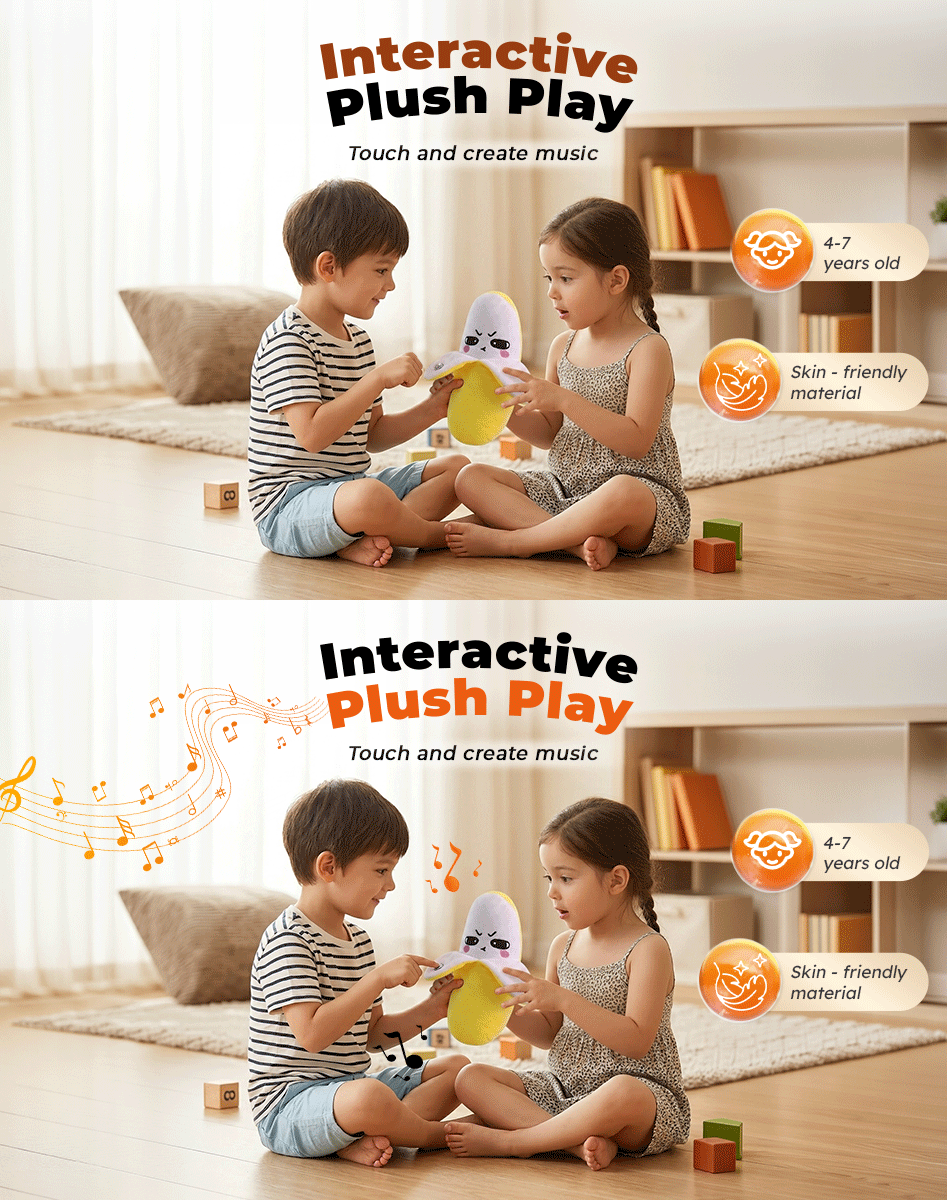
3. Character-Based Merchandise
- Plush toys or figurines
- Branded storybooks or comics
- Character-themed accessories
When kids connect with a character, the product becomes more personal and memorable.
5. Functional Items with a Playful Twist
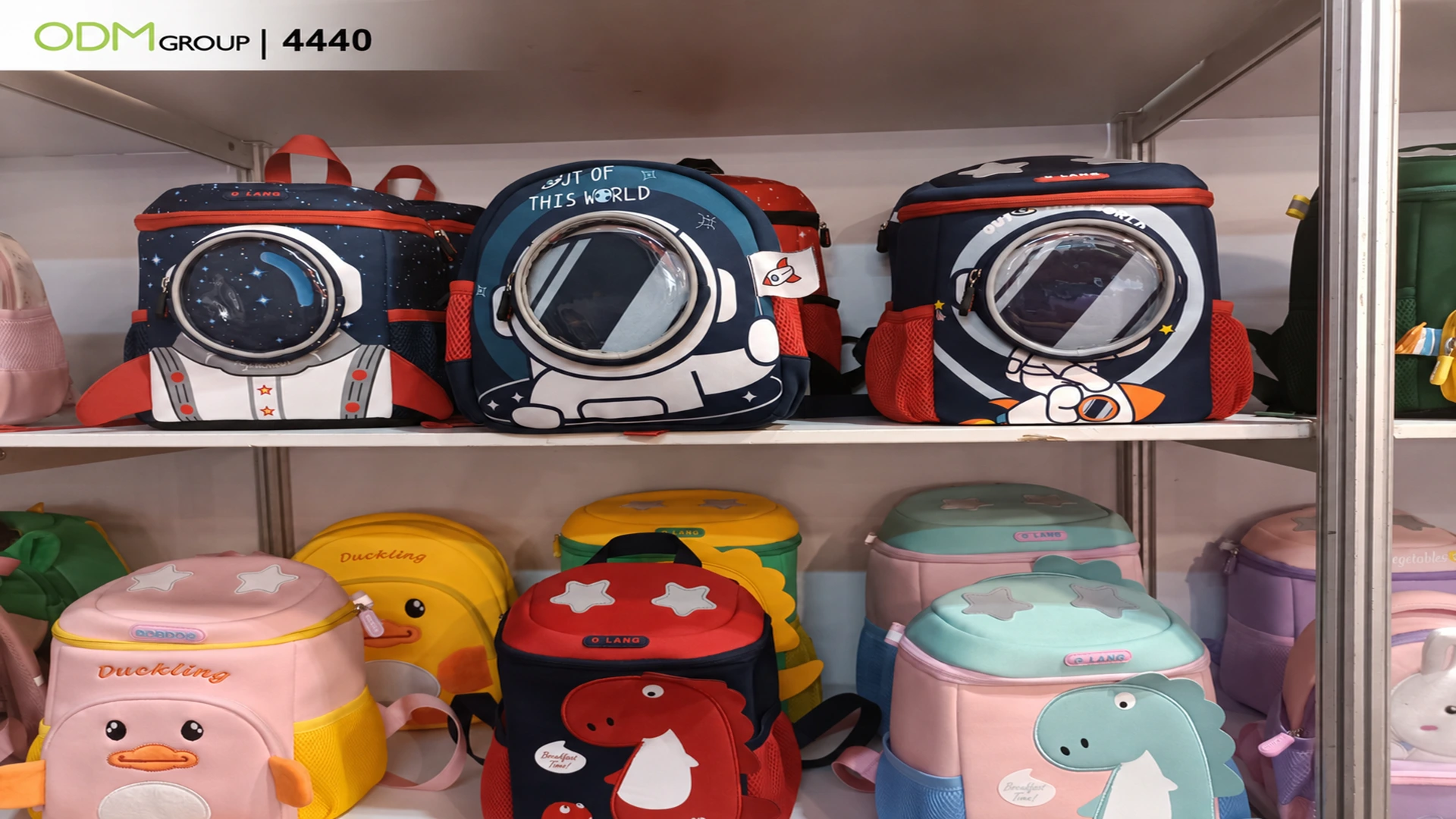
- Lunch boxes or water bottles
- Backpacks or pencil cases
- Kids’ travel accessories
These items remain in daily use, creating longer, more consistent brand exposure.
7. Educational but Fun Products
Parents are more likely to support items that offer some level of learning.
- STEM kits or simple science toys
- Language or number-based games
- Problem-solving puzzles
These products balance child engagement with parent approval, making them easier to justify.
Why Some Kids’ Campaigns Fall Short
Not every idea translates well into real use, especially when execution is overlooked.
Common issues include:
- Products that feel cheap or disposable
- Designs that look fun but lack usability
- Items that lose interest after one use
- Ignoring what parents actually care about
These gaps often lead to products being used briefly and then forgotten.
From Product to Experience
The most effective campaigns move beyond standalone items and focus on how the product fits into a child’s everyday routine.
Instead of asking: “What can we give away?”
Stronger campaigns think in terms of: “How will this product be used after the first interaction?”
Examples of this approach include:
- DIY kits that extend playtime
- Educational items with interactive elements
- Functional products with playful design
- Character-based items that build familiarity over time
How ODM Group Supports Kids Marketing Campaigns
Creating promotional products for kids requires more than just making something visually fun. The idea needs to work in real life, capturing a child’s attention while also meeting a parent’s expectations around safety, quality, and value. This is where a more structured approach makes a difference, especially when the goal is to create something that will be used beyond the first interaction.
ODM Group works as a strategic partner throughout this process, helping brands turn early concepts into well-executed campaigns. From refining product ideas and developing prototypes to coordinating sourcing, production, and quality control through trusted factory networks in Asia, the focus is always on ensuring the final product fits the campaign, the audience, and how it will actually be used.
Final Thoughts: It’s Not About the Product Alone
Marketing to kids is not just about creating something that looks fun at first glance. It requires understanding how children interact with products and how parents decide what is worth buying and keeping. When both are considered, the product feels natural to use rather than quickly losing interest.
The most effective campaigns find this balance. When a product is easy to use, engaging, and built to last, it becomes more than a giveaway—it becomes something that stays with the child and keeps the brand top of mind over time.
Ready to build a campaign that connects? If you are planning a campaign targeting kids, the product is only one part of a much bigger picture, and the real value comes from how it is designed, positioned, and experienced in real life.
Reach out to explore how your next campaign can meaningfully connect with both kids and parents.
More Ideas


Frequently Asked Questions
Why do some kids love a product instantly but never use it again?
This usually happens when a product is designed for first impression rather than repeated use. Bright visuals may grab attention quickly, but without interaction or purpose, the interest fades just as fast. Products that allow play, creativity, or ongoing use tend to stay relevant longer.
Should brands focus more on kids or parents when designing campaigns?
It’s not a matter of choosing one over the other. Kids drive excitement, but parents control the decision. The most effective campaigns are designed to appeal to both at the same time—fun and engaging for children, while still meeting expectations around safety, quality, and value.
Is it better to create trendy products or timeless ones for kids?
Trendy products can create quick spikes in attention, but they often have a shorter lifespan. Timeless designs, especially those built around usability or simple play patterns, tend to stay relevant longer and offer better long-term value for both the brand and the user.
How can brands make sure kids’ promotional products don’t get thrown away quickly?
The key is to design for real use, not just visual appeal. Products that fit into daily routines—like school, playtime, or travel—are more likely to be kept. Durability, usability, and a sense of ownership all play a role in whether a product stays or gets discarded.
What to Read Next?
12 Tips for Creating Captivating Custom Kids Merchandise
Kids are probably one of the hardest markets to [...]
5 Reasons Nestle Bath Toy Set GWP Succeeds in Retail
Marketing to kids means your brand must consider a [...]
Top Qualities of Effective Promo Gifts for Kids: The Ultimate Guide
Imagine a child's eyes lighting up with excitement as [...]
What Makes Custom Bicycle Helmets the Perfect Merchandise for Kids?
In the world of cycling, safety is paramount, especially [...]
Unleash Creativity & Adventure: Custom School Backpacks for Kids
In this realm of young shoppers, the allure of [...]
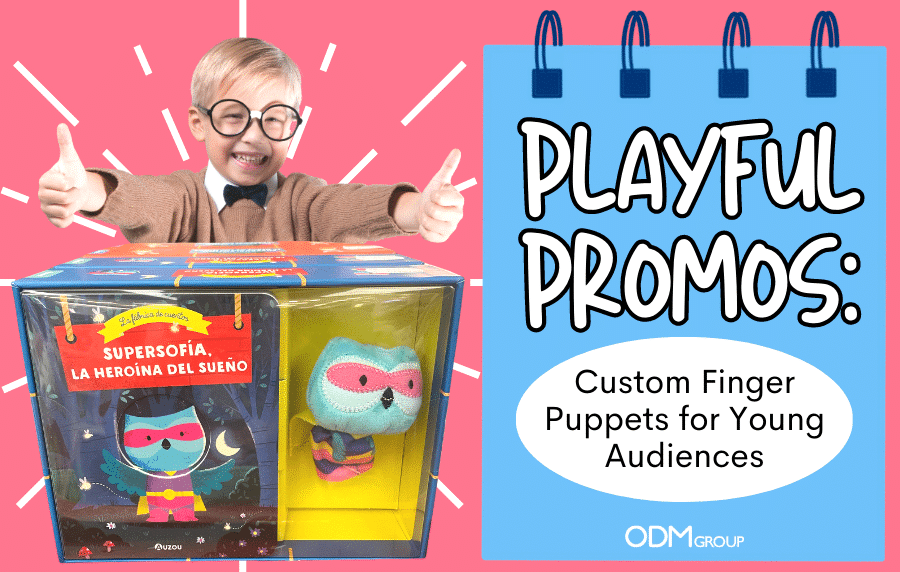
How to Delight Young Shoppers with Custom Finger Puppets?
Auzou proves that delighting young shoppers with custom finger [...]