
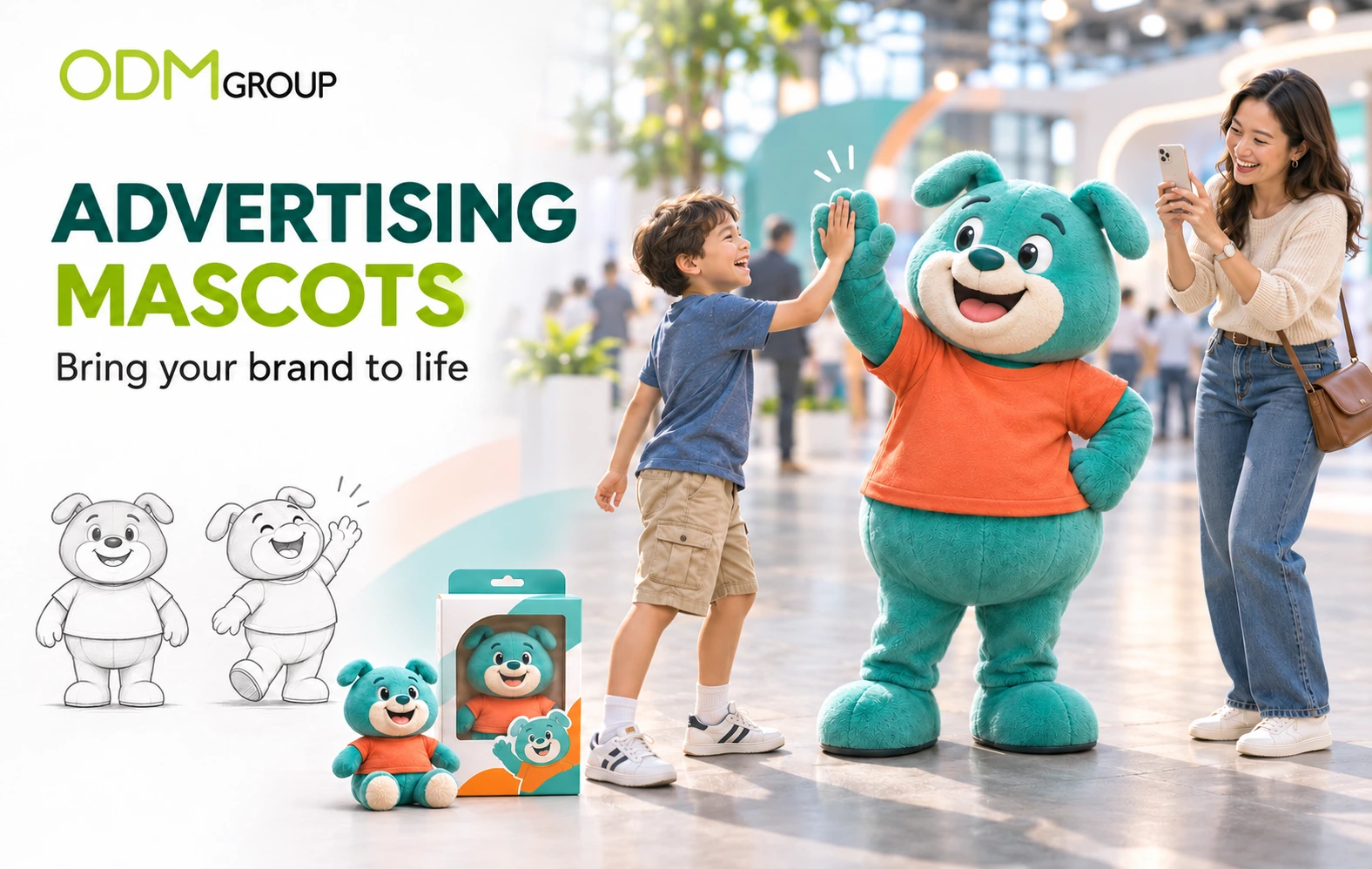
Advertising mascots give a brand or campaign a recognizable character that can appear across advertising, events, packaging, and merchandise. Used thoughtfully, they give audiences something to recognize, interact with, and associate with the business behind the promotion.
For marketers, the challenge is connecting that attention to a clear objective. A mascot might introduce a product, guide visitors through an event, demonstrate a service, or become the central character in a longer campaign.
What Are Advertising Mascots?
Advertising mascots are characters used to represent a business, product, organization, or promotional message. They can be animals, people, imaginary creatures, or objects given a face and personality.
A mascot can appear as an illustration in an advertisement, an animated character in a video, a walkaround costume at an event, or a three-dimensional figure on a retail display. Its appearance and behavior should communicate something relevant about the brand.
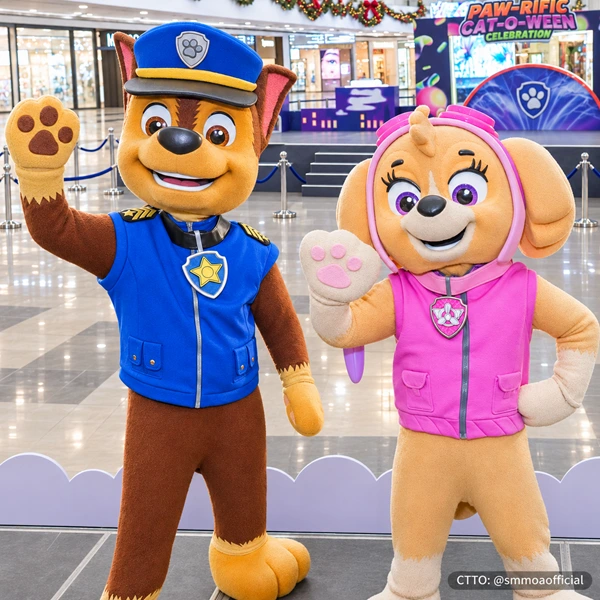
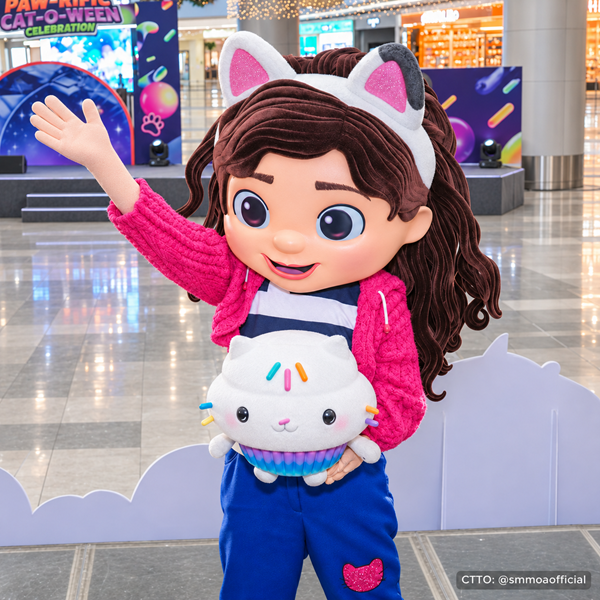
There is an important distinction between a brand’s own mascot and an entertainment character used in a promotion. Chase and Skye belong to PAW Patrol, while Gabby and Cakey Cat are from Gabby’s Dollhouse. These entertainment characters appear in Toy Kingdom’s promotional setting rather than serving as Toy Kingdom’s proprietary mascots. That distinction affects how a business plans the character’s use and builds its own identity around the campaign.
Why Use Mascots in Marketing and Advertising?
1. Give the Brand a Recognizable Personality
A character can express a personality through its posture, expression, clothing, and actions. A curious mascot might introduce educational activities, while an energetic character could lead games at a sporting event.
The personality needs to remain consistent. If a mascot is helpful in advertising but confusing or unapproachable at a live event, the experience weakens the intended message.
2. Turn Attention Into Participation
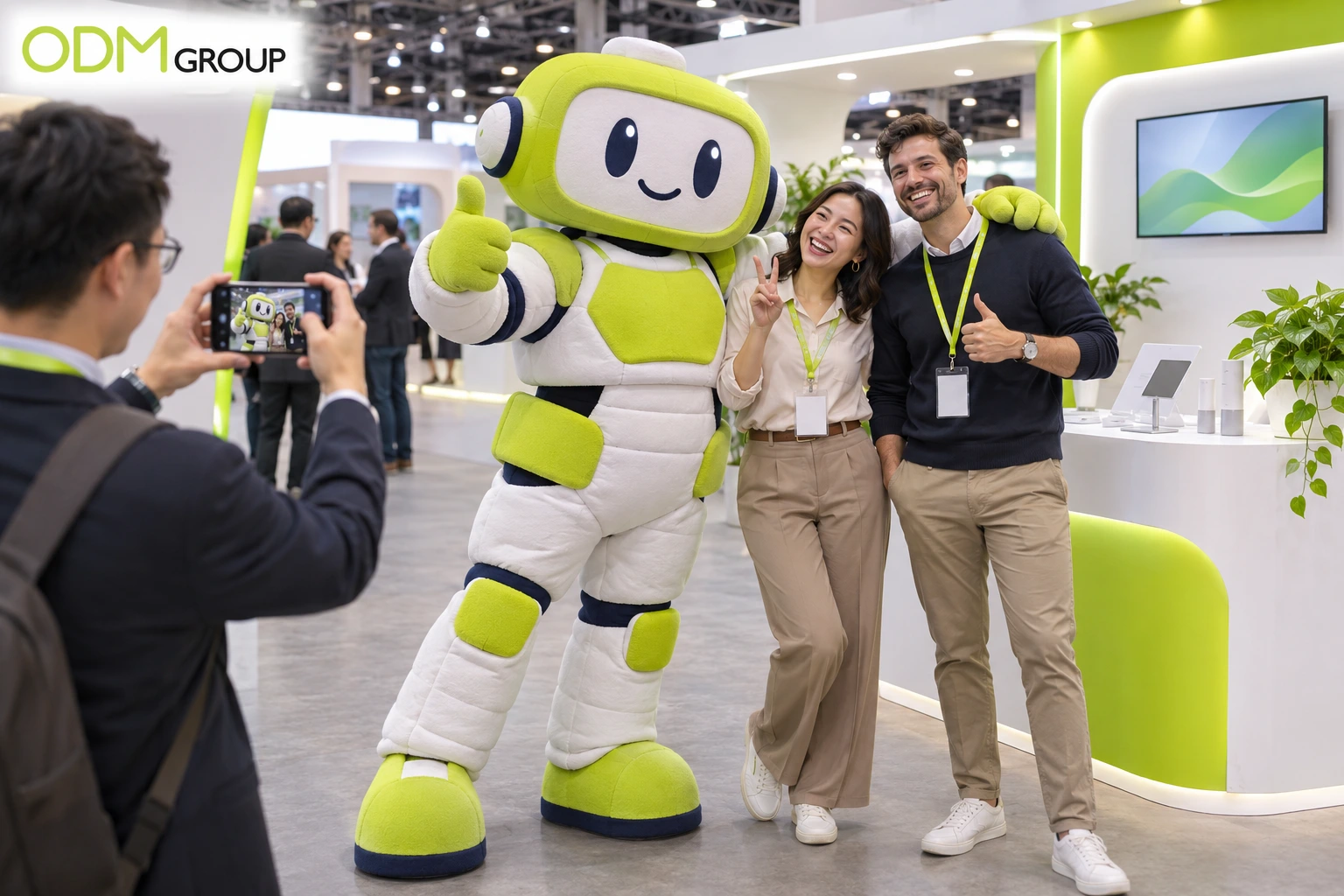
A physical mascot creates opportunities for interaction: a greeting, a photograph, a demonstration, or a short activity. These encounters give visitors a specific reason to engage with the campaign.
Plan that interaction around a useful next step. For example, a character could welcome families to a play area or direct exhibition visitors toward a demonstration. Make the next step easy to understand without requiring a lengthy explanation.
3. Connect Advertising With Physical Experiences
Using a consistent character across invitations, social posts, event graphics, and packaging helps the different parts of a campaign feel connected. Visitors can recognize the character they saw before arriving and encounter it again after the event.
That consistency should include the business identity. People may remember a popular character without remembering the retailer or sponsor, so brand placement deserves as much planning as the costume itself.
Case Study: PAW Patrol and Gabby’s Dollhouse at a Toy Kingdom Promotion
The supplied photographs show Chase and Skye in a shopping-mall event setting, including a posed photograph with a young visitor. Toy Kingdom branding and PAW Patrol graphics appear on the backdrop, while wider views show families gathered around the characters.
Another photograph shows Gabby from Gabby’s Dollhouse waving to the audience while holding a Cakey Cat character prop. Her pink cardigan and cat-ear headband carry the character’s distinctive appearance into the live setting. Halloween-themed event signage is also visible across the photographs.
Important Note: This is a case study we found in the Philippines.
Familiar Characters Suit the Retail Context
For a toy retailer, bringing entertainment characters into a family event provides a clear connection between the attraction and the shopping category. Toy Kingdom also lists PAW Patrol toys in its product range, giving the character appearance a relevant retail context.
The strategic lesson is audience fit. A recognizable character is useful when its appeal aligns with the people the business wants to reach and the experience it can offer them.
Different Characters Offer Different Points of Connection
Including Gabby alongside the PAW Patrol characters gives the promotion more than one character world for families to recognize. A visitor drawn to Gabby’s Dollhouse has a different point of connection from someone who wants to meet Chase or Skye.
For marketers, the useful lesson is to select a character lineup around audience interests. Each appearance should feel relevant to the same overall event, with consistent retailer branding and clear directions between activities. The photographs show the characters’ presence, but do not establish whether including multiple properties increased attendance.
The Photo Setting Connects the Characters With the Retailer
The posed photograph shows how a mascot encounter can become a personal keepsake. The branded backdrop gives Toy Kingdom a place within that memory, alongside the characters.
For a similar campaign, test the setting through a phone camera before visitors arrive. Check that the retailer’s name remains visible when the characters and guests stand in position. Place branding within the likely crop and avoid depending on a single logo high above the photo area.
A Live Appearance Gives the Promotion a Shared Focus
The wider photographs show Chase and Skye facing gathered families, while Gabby is pictured waving in front of an audience. Their scale, expressive gestures, and distinctive outfits make the characters prominent within the event space.
For other brands, this suggests a practical role for mascots as hosts or activity leaders. However, gathering a crowd is only one stage of the experience. Clear viewing areas, managed queues, and directions to the next activity help make participation workable.
Should You Create a Mascot or Use an Existing Character?
Choose the approach based on the campaign’s duration, audience, and need for creative control.
| Decision | Original brand mascot | Existing entertainment character |
|---|---|---|
| Audience recognition | Needs introduction and consistent exposure | May already be familiar to the intended audience |
| Brand association | Can be developed specifically around the business | Needs clear links between the character and the promoting brand |
| Creative development | Requires a defined personality and visual guidelines | Plan around the character owner’s approved assets and conditions |
| Longer-term use | Can support an ongoing brand identity | Plan around the agreed campaign scope and availability |
Before committing to an existing character, confirm the proposed event, advertising, photography, and merchandise uses with the relevant rights holder or authorized representative. Treat them as separate planning questions rather than assuming one arrangement covers everything.
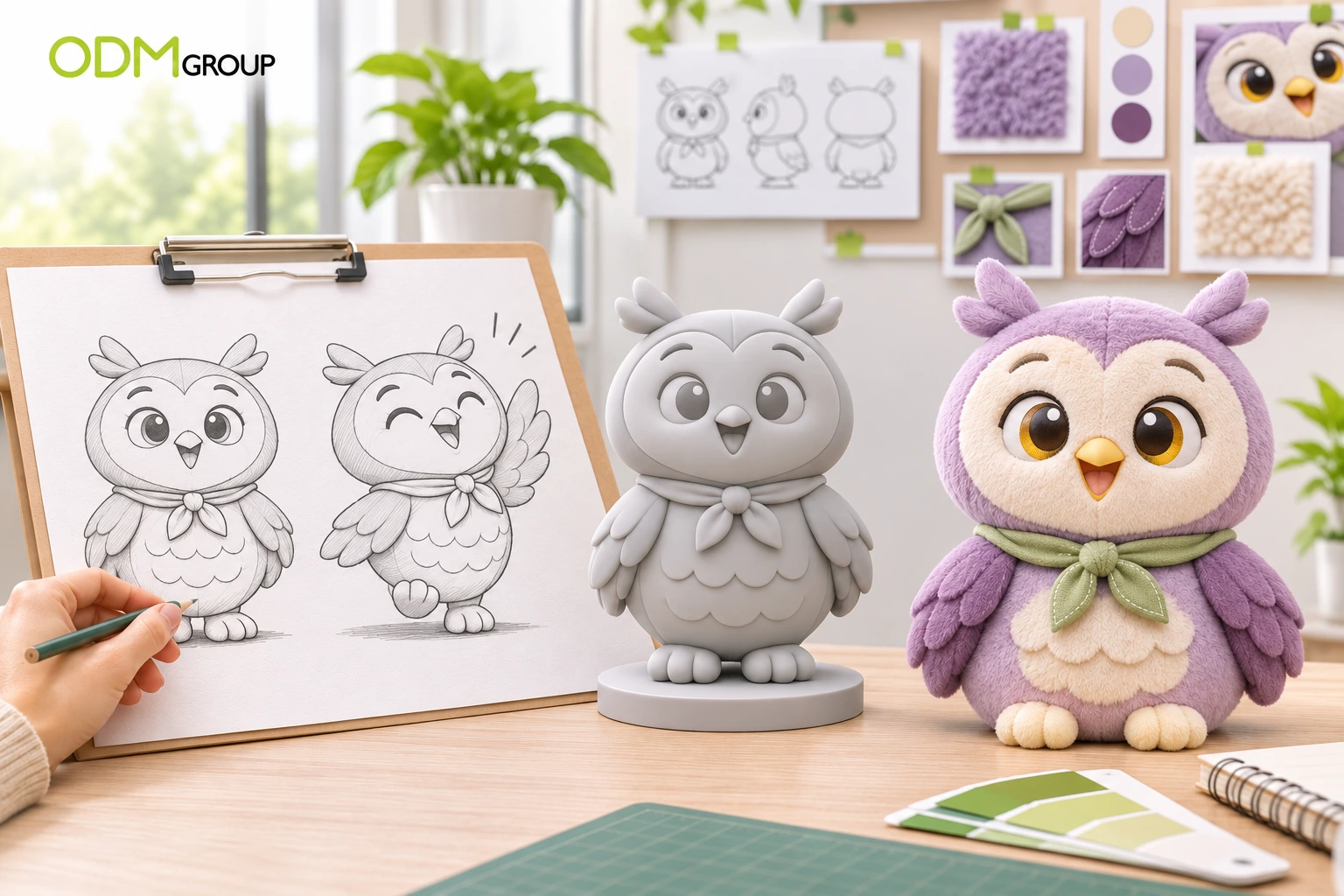
For an original mascot, establish ownership and permitted uses in the creative agreement. Develop a short character guide covering appearance, proportions, expressions, personality, and how it interacts with people.
Extend the Mascot Across the Campaign
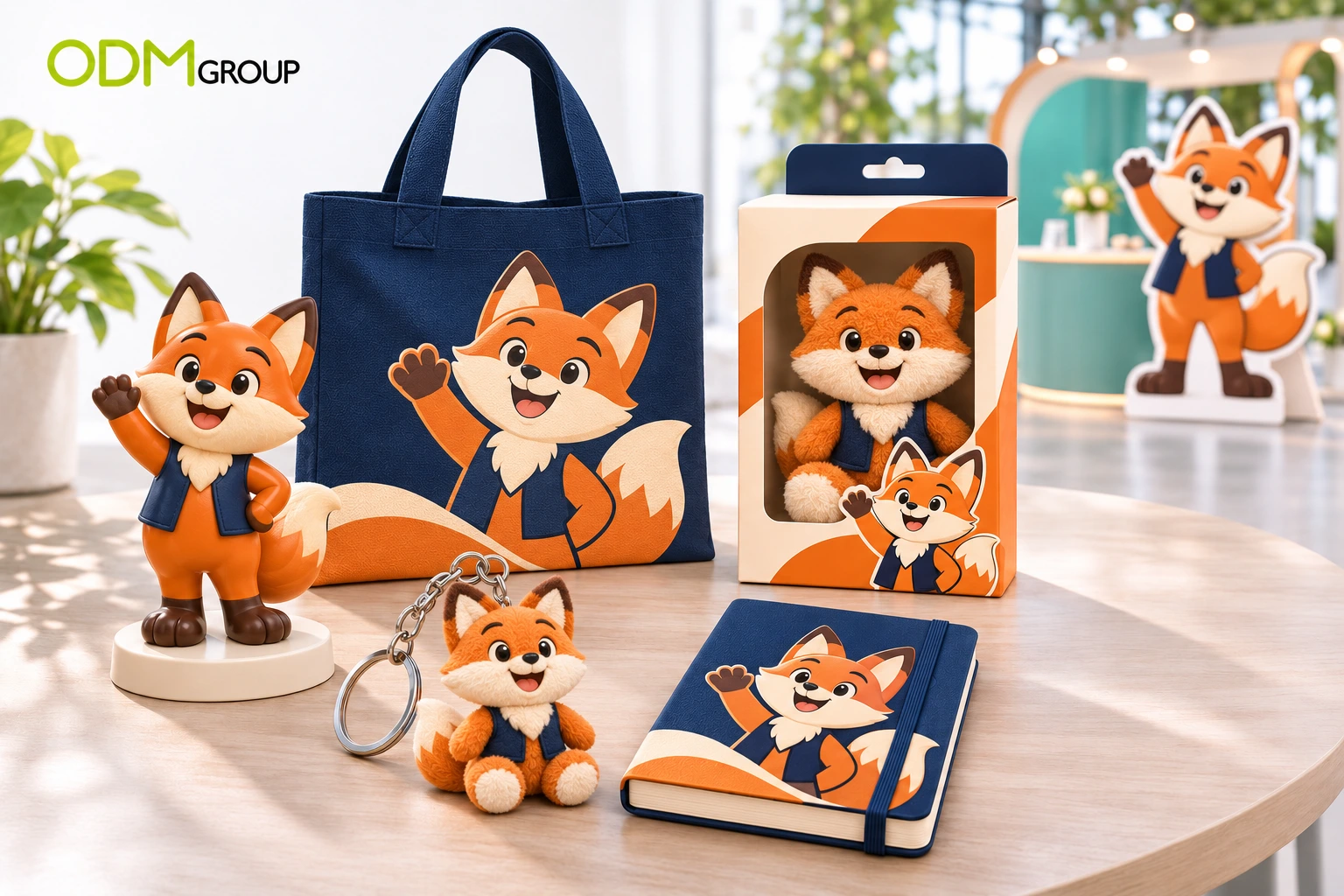
A live appearance can be one part of a broader character strategy. Select formats that serve the campaign rather than adding merchandise simply because the character looks appealing.
- Plush toys: Consider these when the character’s shape and personality suit a soft keepsake. Explore promotional plush toy ideas when comparing possible formats.
- Figurines and collectibles: These can translate a character into a display item. ODM’s Irish Post mascot figurine project provides a separate example of a mascot developed as merchandise.
- Packaging and retail displays: Use the character to introduce a product, explain an activity, or connect the shelf presentation with event graphics.
- Digital advertising: Give the mascot a consistent role in short videos, product explainers, and campaign announcements.
For family promotions, keep participation welcoming and explain any purchase conditions clearly to adults. Give children the option to watch from a distance rather than approach a large costume character.
Develop a Mascot Concept Around Your Objective
The Toy Kingdom example shows how character appearances, visitor interaction, and branded scenery can work together. For another business, the right approach might involve an original character, a smaller activation, or merchandise that continues the story after an event.
ODM develops creative concepts for promotional merchandise, packaging, and retail displays. Sketch development can help explore how a character translates across these formats before the project moves into sampling and factory coordination.
Planning an advertising mascot campaign? Share your brief with ODM, including your audience, campaign objective, launch market, intended formats, budget, and target date.
ODM Projects

Related Blogs
Christmas Packaging Ideas to Inspire Your Next Holiday Campaign
Christmas packaging can do more than make a product look [...]
Airport Marketing Ideas That Drive Real Results for Brands and Airlines
Airport marketing promotes brands, products, or services to influence airport [...]
Halloween Promotional Products: Custom Ideas for Retail, Events & Brands
Halloween in china, Halloween Promotional products, Gift with purchase, Halloween product manufacture, 5 month count down to Halloween,
Mascot Keychains: The Perfect Giveaway for High-Impact Campaigns
From global sporting events like the World Cup to [...]

Marketing Your Brand with a Floating Mascot: A Creative Way to Stay Top-of-Mind
When it comes to experiential marketing, few settings are [...]



The Power of Brand Mascots: Benefits, Tips, and Examples
Brand mascots have become increasingly popular in the world [...]