
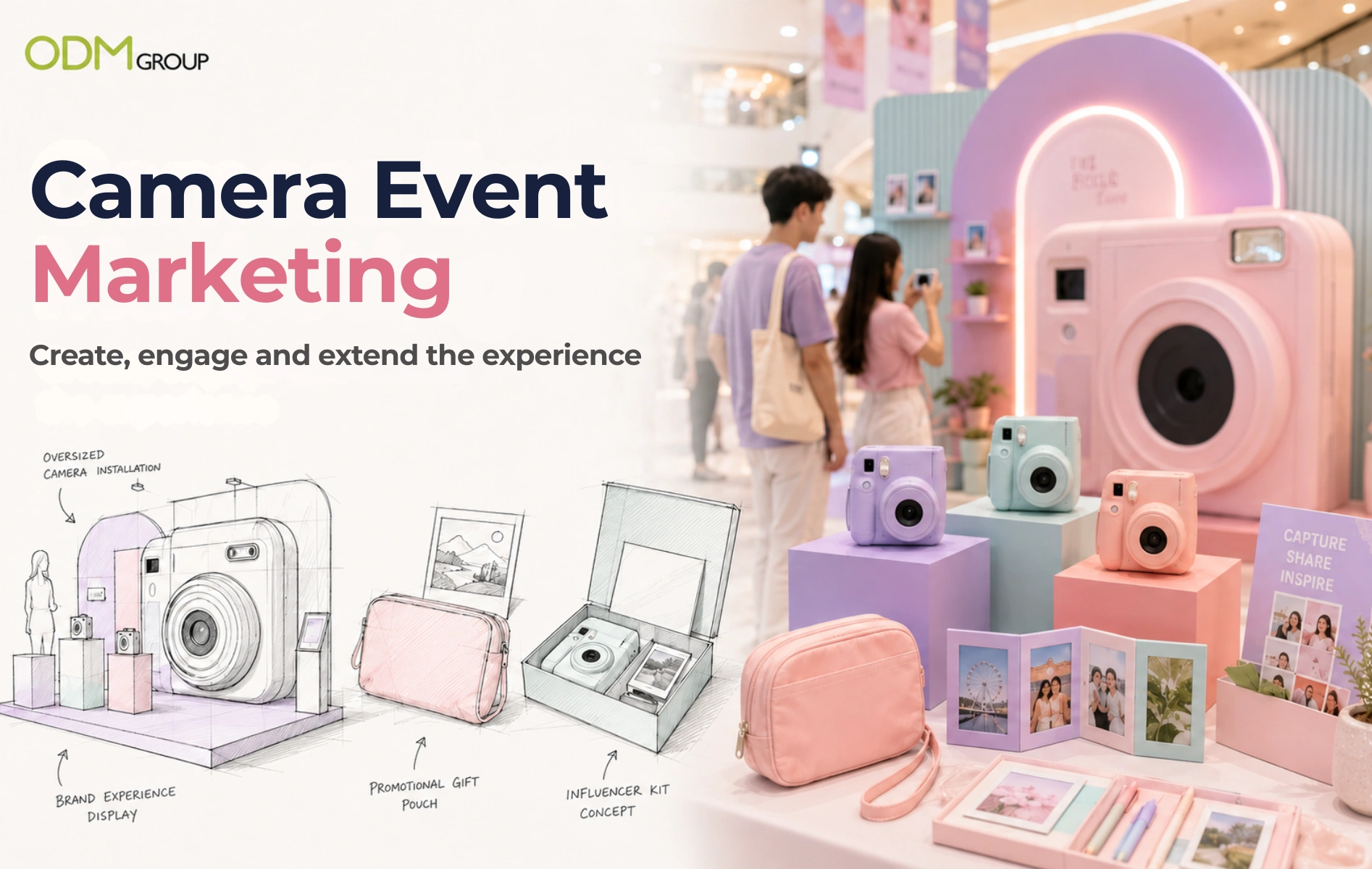
A camera event gives brands a powerful way to let people test products, create content, and engage with the brand. The Fujifilm instax mini 13 launch in Vietnam shows how displays, hands-on activities, promotional gifts, and creator outreach can work together to build a stronger experience.
Find out more below about how camera brands can create more engaging events.
Table of Contents
What Is a Camera Event?
A camera event is an in-person experience centered on cameras, photography, imaging products, or visual creativity.
A product launch is one type of camera event, but the category also includes:
- Photography exhibitions
- Product demonstration days
- Camera workshops
- Photo walks
- Retail pop-ups
- Creator and influencer gatherings
- Photography competitions
- Community events
- Media previews
The objective may be to introduce a new model, educate users, build a photography community, generate content, or support retail sales.
Regardless of the format, the strongest events give attendees an active role. Instead of simply observing the product, visitors should have opportunities to use it, create something, and interact with the brand.
Learn form real-world case: Fujifilm Instax Mini 13 Camera Event in Vietnam
During a recent visit to Parc Mall in Ho Chi Minh City, Vietnam, I came across Fujifilm’s activation for the instax mini 13. The camera event combined hands-on product trials, an oversized camera installation, an instax photobooth, DIY photo personalization, a lucky draw, and many participation gifts.
A Display Designed for Participation
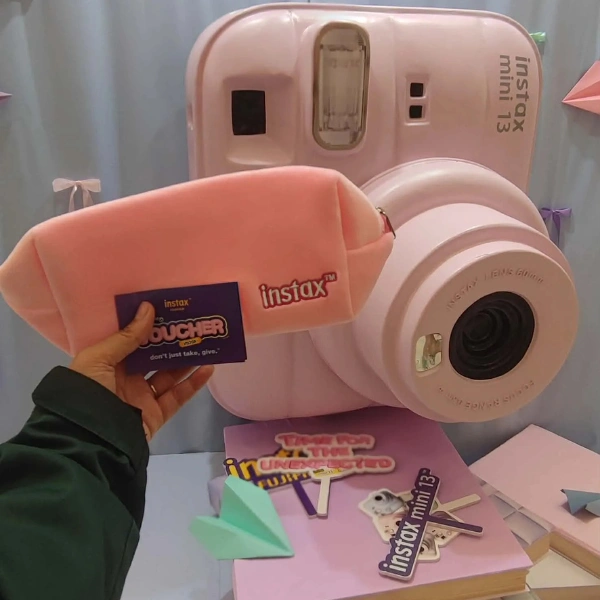
An oversized instax mini 13 installation served as a prominent campaign landmark and check-in point within the event space. The display, along with product presentations and activity areas, maintained a bright visual theme.
This layout highlights how a single display can simultaneously introduce a new product, capture mall attention, serve as a photo backdrop, reinforce product design, and drive online campaign recognition.
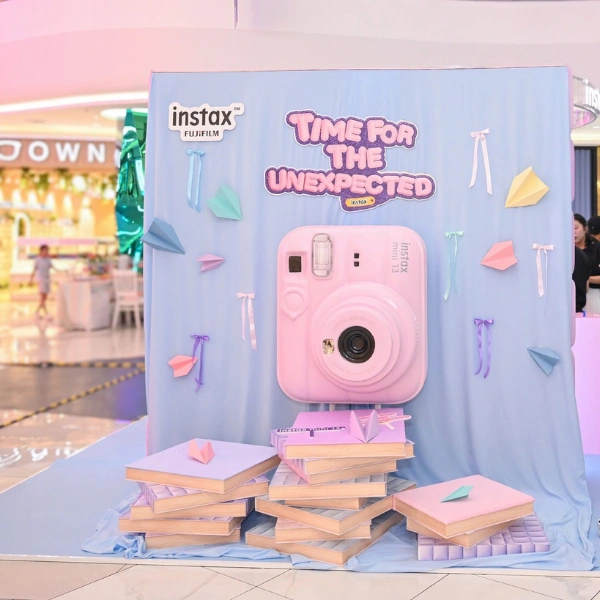
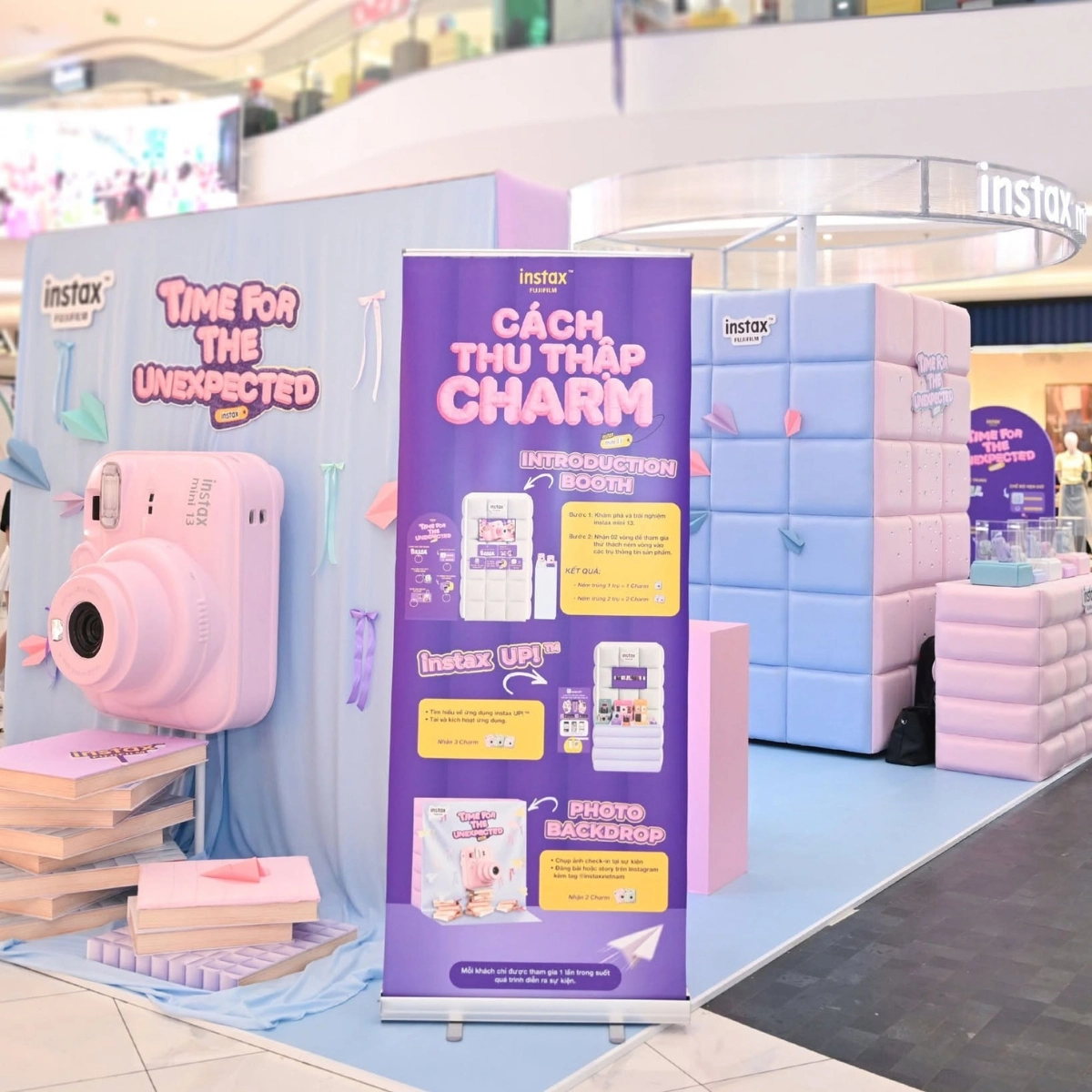
Source: Fujifilm Instax Vietnam Fanpage
Activities Connected to the Product
The event offered visitors a range of interactive activities, giving them several ways to explore the product, create content, and engage with the brand. Attendees could move between photography experiences, creative stations, games, and other participation areas, making the event feel more dynamic than a standard product demonstration.
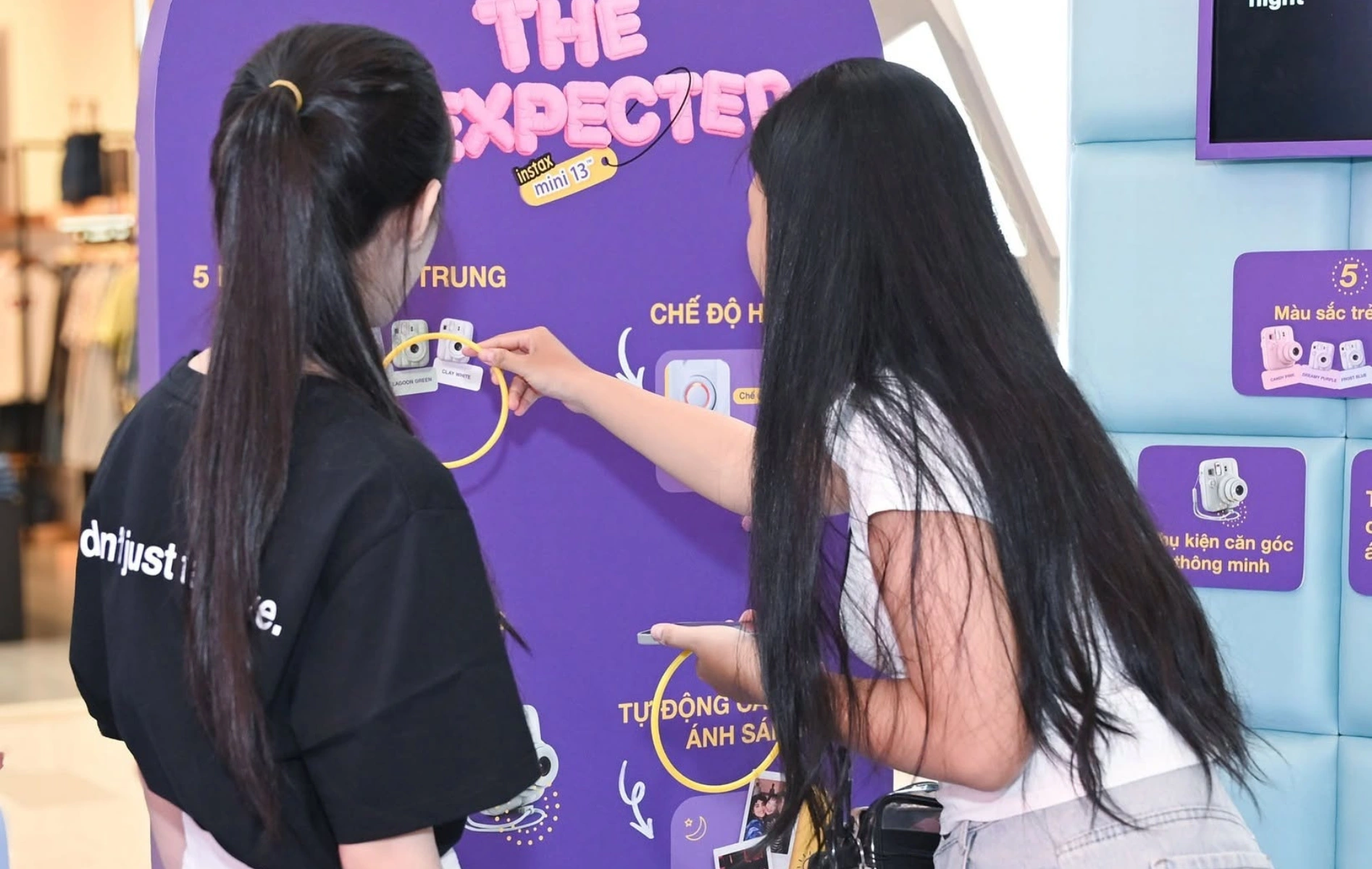
Source: Fujifilm Instax Vietnam Fanpage
Promotional Gifts as Participation Rewards
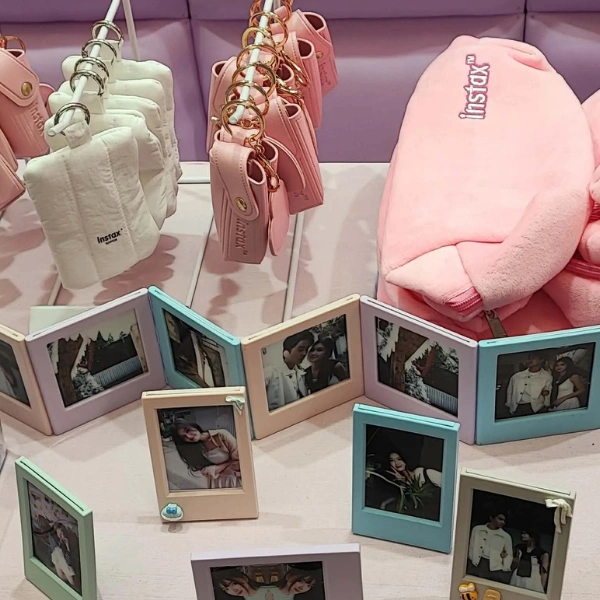
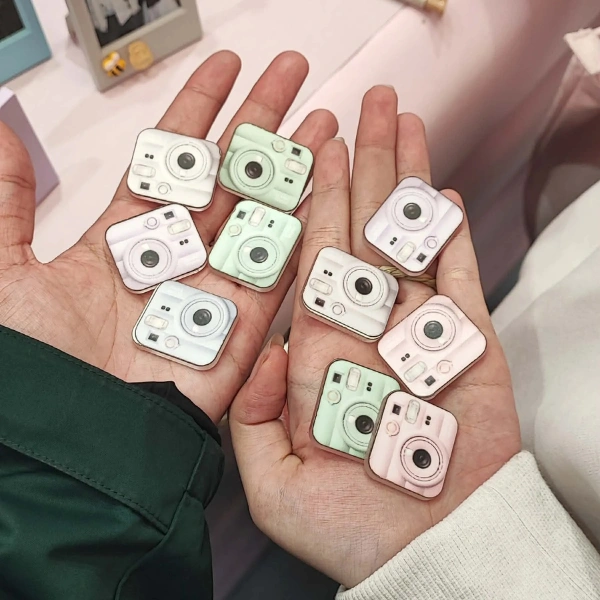
Visitors who completed the event journey could receive promotional gifts, while the lucky draw offered additional prizes. Campaign gift sets included a shoulder bag, fabric keychain, and stickers, alongside instant film and product prizes.
Source: Fujifilm Instax Vietnam Fanpage
What Makes a Camera Event More Engaging?
Camera events should be designed around the product experience rather than a long list of specifications. Technical information still matters, but the event must translate those features into activities people can understand immediately.
👉 Hands-On Product Experiences
Visitors are more likely to understand a camera when they can use it in a realistic setting.
A trial area could allow attendees to photograph people, products, food, movement, or themed scenes. Brand ambassadors can offer simple guidance without turning the interaction into a technical presentation.
The experience should make it easy for visitors to:
- Pick up the product
- Understand the basic controls
- Take a photograph
- Review or print the result
- Compare models or creative options
This reduces the distance between product discovery and product consideration.
👉 Creative Participation
Photography is already interactive, but brands can make the experience more memorable by giving visitors a creative task.
Activities may include:
- Portrait sessions
- Photo challenges
- Themed photobooths
- DIY photo decoration
- Postcard creation
- Photography workshops
- Community gallery walls
The activity should support the promoted product. A good camera event does not add games simply to fill the venue. Each station should demonstrate a use case, reinforce the campaign story, or encourage visitors to spend more time with the brand.
👉 A Strong Physical Environment
The event display determines how the product is first seen and how people move through the activation.
Branded structures can introduce the campaign from a distance, while counters and activity stations organize closer interaction. Photo-friendly installations also create natural content opportunities.
An effective physical environment should:
- Make the camera easy to find and understand
- Separate product trials from queues and collection areas
- Guide visitors between activities
- Reflect the product’s colors and design language
- Provide recognizable backgrounds for social content
- Present rewards and campaign materials clearly
For camera brands, the display is not only decoration. It is part of the demonstration.
👉 Relevant Take-Home Rewards
Promotional gifts can encourage participation and extend the experience after the event.
However, unrelated giveaways may attract visitors without strengthening product interest. Merchandise should connect with photography, creativity, travel, content creation, or the promoted camera.
The reward can be linked to a specific action, such as completing a photo challenge, visiting several stations, sharing event content, or purchasing the product.
How Physical Campaign Elements Support Camera Events
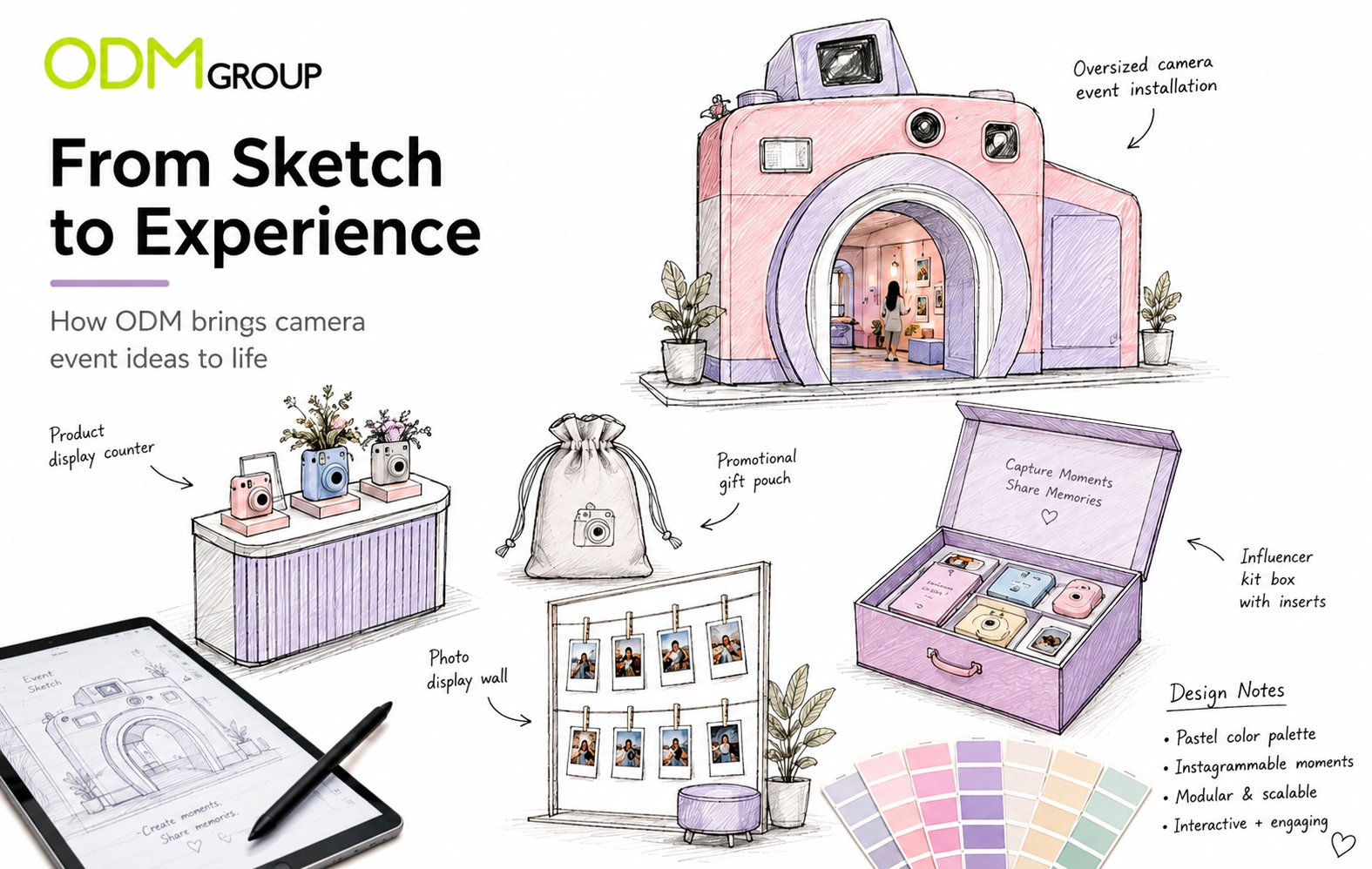
Displays, promotional gifts, and influencer kits should not be treated as separate purchasing tasks. Together, they form the physical identity of the campaign.
Displays, promotional gifts, and influencer kits shouldn’t be isolated tasks. Together, they create a cohesive physical identity that reinforces the campaign story.
Displays Shape the Visitor Experience
An effective display translates marketing concepts into an explorable space. Beyond aesthetics, it must support practical visitor flow—from product discovery to trial and reward collection.
Promotional Gifts Extend Brand Engagement
Merchandise should bridge the event and the user’s creative life. Relevant gifts—like branded camera straps, pouches, or cleaning kits—encourage participation and extend brand presence long after the event ends.
Influencer Kits Extend the Event’s Reach
Influencer kits carry the event’s story to a global audience. By combining the product with creative prompts and premium packaging, brands can ensure their visual language is consistent across both physical activations and digital unboxing content.
How Camera Brands Can Plan a More Cohesive Campaign
A strong camera event should connect every physical and digital touchpoint under one clear campaign direction.
- 1
Set the campaign objective
Decide whether the event should drive product trials, content creation, community engagement, or sales.
- 2
Map the visitor journey
Plan how visitors discover the display, test the camera, join an activity, and collect a reward.
- 3
Create one visual identity
Apply consistent colors, graphics, and messaging across displays, signage, gifts, packaging, and influencer kits.
- 4
Choose purposeful merchandise
Select promotional gifts that support photography, camera use, or the event experience.
- 5
Design for social sharing
Create displays, products, and packaging that are recognizable in photos and short-form videos.
- 6
Extend the campaign beyond the venue
Use influencer content, retail displays, online galleries, and post-event activities to maintain engagement.
- 7
Develop reusable campaign assets
Design modular displays and adaptable materials that can support future launches, roadshows, and retail activations.
How ODM Group Can Support Camera Events
Camera brands often manage displays, gifts, packaging, and event materials through different vendors. This can result in inconsistent design, duplicated communication, and production issues close to the event date.
The ODM Group works across in-store POS solutions, branded merchandise, packaging, and product development, supported by a dedicated creative design studio and buying office.
Final thought
A successful camera event should make products easy to experience, create with, and share. Branded displays can guide visitors while supporting product demonstrations and social content. Relevant promotional gifts extend engagement beyond the venue, while influencer kits help the campaign reach wider audiences. By applying one visual direction across displays, merchandise, packaging, and digital content, camera brands can create a more cohesive experience and reuse key campaign assets across retail activations, roadshows, and future events.
Planning a camera event or product launch? Contact ODM to explore custom display, promotional gift, packaging, and influencer kit ideas for your next campaign.
At The ODM Group, we specialize in transforming creative concepts into market-ready merchandise through precision printing, professional design, and global manufacturing expertise. Contact us today to learn how we can help you design, source, and manufacture high-quality promotional products that elevate your brand awareness.
- Website: www.theodmgroup.com
- Email: info@theodmgroup.com
Discover our promotional product ideas


Frequently Asked Questions
What is a camera event?
A camera event is an activation centered on cameras, photography, imaging products, or visual creativity. It can take the form of a launch, exhibition, workshop, photo walk, retail demonstration, competition, or creator gathering.
What makes a camera event engaging?
Hands-on product trials, creative activities, strong displays, clear visitor flow, and relevant take-home rewards all contribute to a more engaging experience.
Why are displays important at photography events?
Displays attract attention, present products, guide visitors, support demonstrations, and create branded backgrounds for photography and social content.
What promotional gifts work well for camera brands?
Useful options include camera straps, protective pouches, photo albums, film organizers, photo holders, cleaning kits, and camera-themed collectibles. The item should reflect the campaign objective and target audience.
How can influencer kits support a camera event?
Influencer kits help creators communicate the campaign before, during, and after the event. They can include the product, branded accessories, creative prompts, campaign information, and custom packaging.
Can ODM Group develop displays, promotional gifts, and influencer kits for a single campaign?
Yes. ODM Group handles all campaign elements, including concept development, design, prototyping, production, quality control, kitting, packaging, and delivery coordination. Camera brands planning launches, retail activations, workshops, or creator events can partner with ODM for a coordinated physical campaign—from initial sketches to finished displays, merchandise, and influencer kits.
Explore more related camera ideas
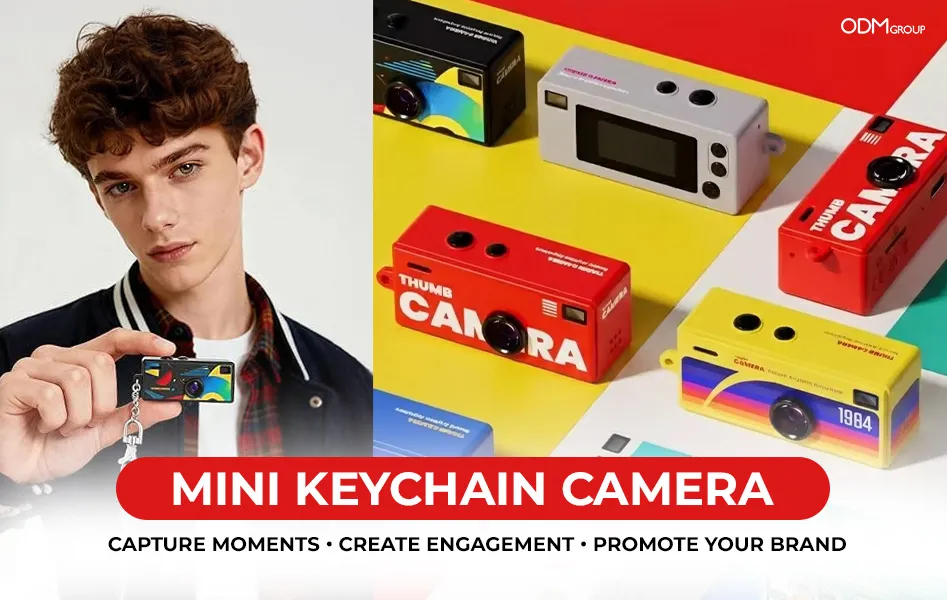
Mini Keychain Camera for Creative Promotional Campaigns
Small camera factory, high end corporate gift, carabiner camera supplier
How Customized Camera Toys Supercharge Brand Visibility
Promotional success often depends on how well a brand can spark interaction and custom [...]
Boost Your Brand with this Clip Lens – A Free Custom Phone Accessory
Capture the attention of your customers with this clip lens as a free custom phone [...]
Camera GWP Merchandise Ideas by Nikon & Canon
Check out Nikon and Canon's cool GWP merchandise ideas for their camera promotion. Customers will [...]
Merchandise Display Reinforces Sony & Olympus GWP Promotion
Sony and Olympus is enjoying lots of attention thanks to their strong GWP promotion and their well-laid-out [...]