A strong product doesn’t start in mass production. It starts in the sampling process.
This is the stage where ideas are tested, materials are validated, and potential issues are uncovered before they become costly mistakes. Yet many brands underestimate how critical this phase is, especially when working with custom merchandise.
In reality, most production problems don’t happen on the factory floor. They begin much earlier, during sampling.
For products like socks, where material, fit, and knitting structure all interact, the sampling process becomes even more important. What looks right in a design file may not translate well into a physical product.
That’s why understanding and managing the sampling process is key to delivering consistent, high-quality results.
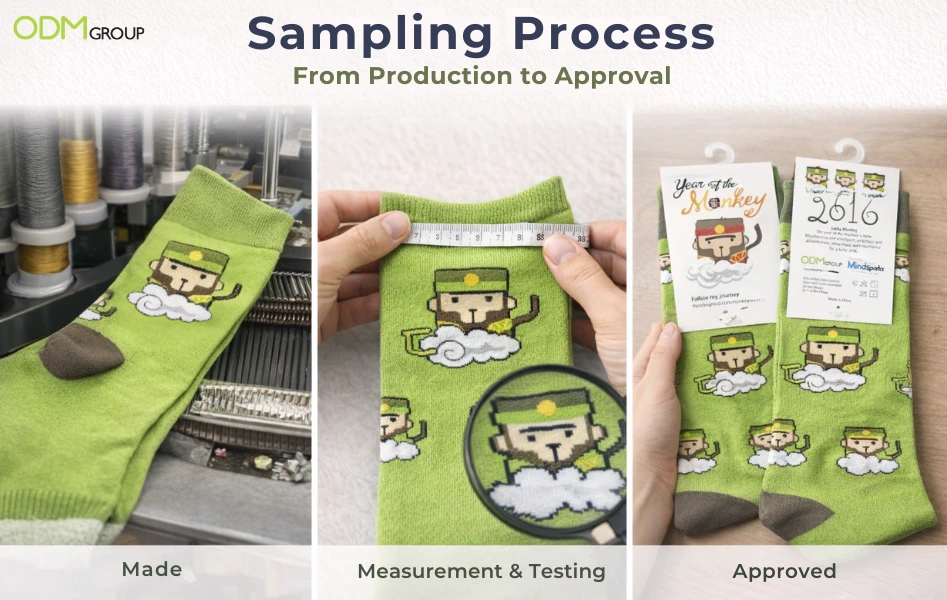
Table of contents
What Is a Sampling Process
The sampling process is the stage in product development where a physical prototype is created, tested, and refined before moving into mass production.
It allows brands to validate:
- Design accuracy
- Material selection
- Functionality and usability
- Production feasibility
In manufacturing, sampling acts as a checkpoint between concept and scale.
Instead of going straight into bulk production, brands use samples to identify issues early, make adjustments, and ensure the final product meets expectations.
Without this step, even small errors can multiply across thousands of units, leading to delays, increased costs, and inconsistent quality.
Step-by-Step Sampling Process
While the exact workflow may vary depending on the product, most sampling processes follow a structured path.
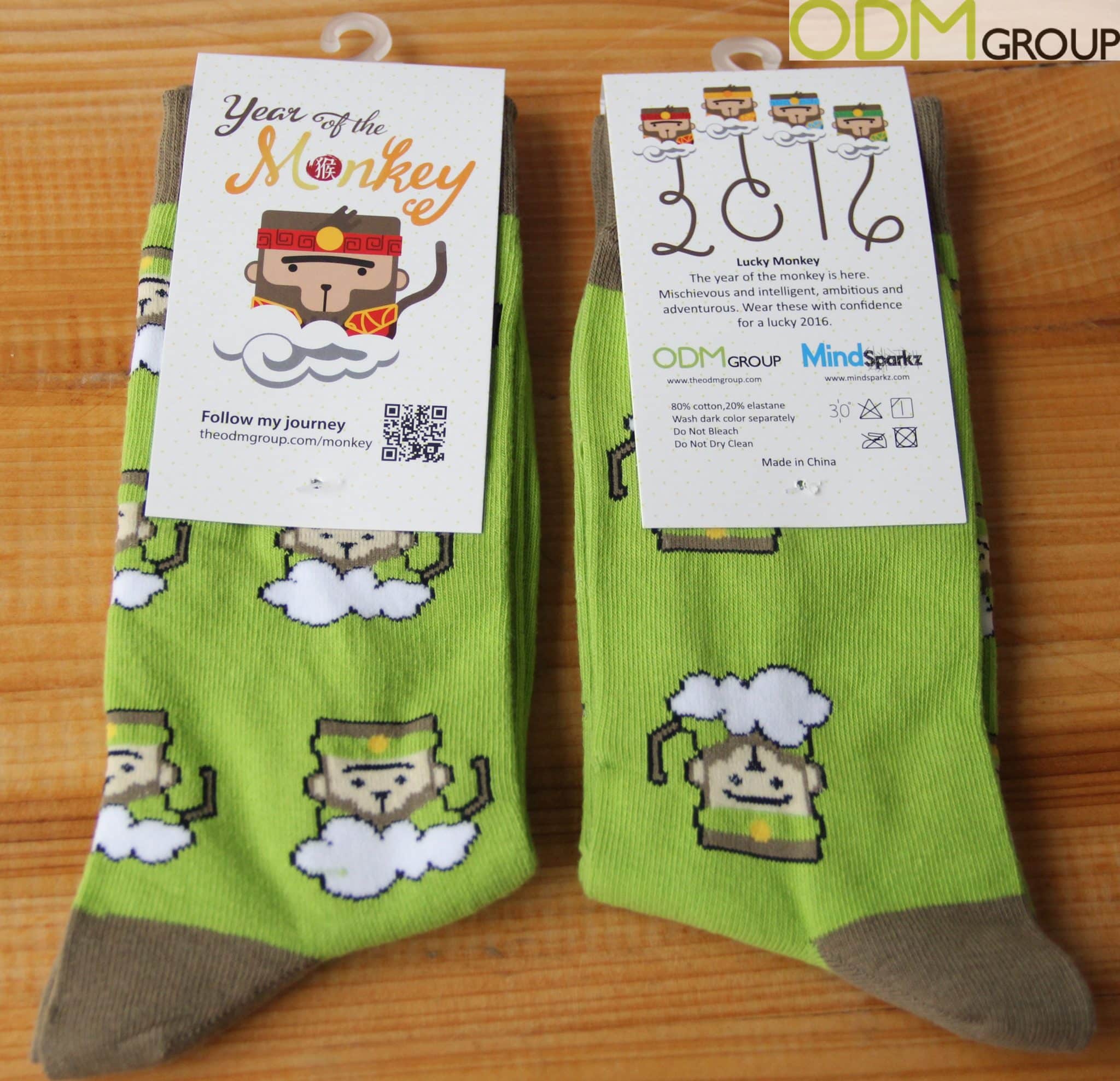
Real case: Sampling Process in Sock Production – Our Lucky Monkey Socks
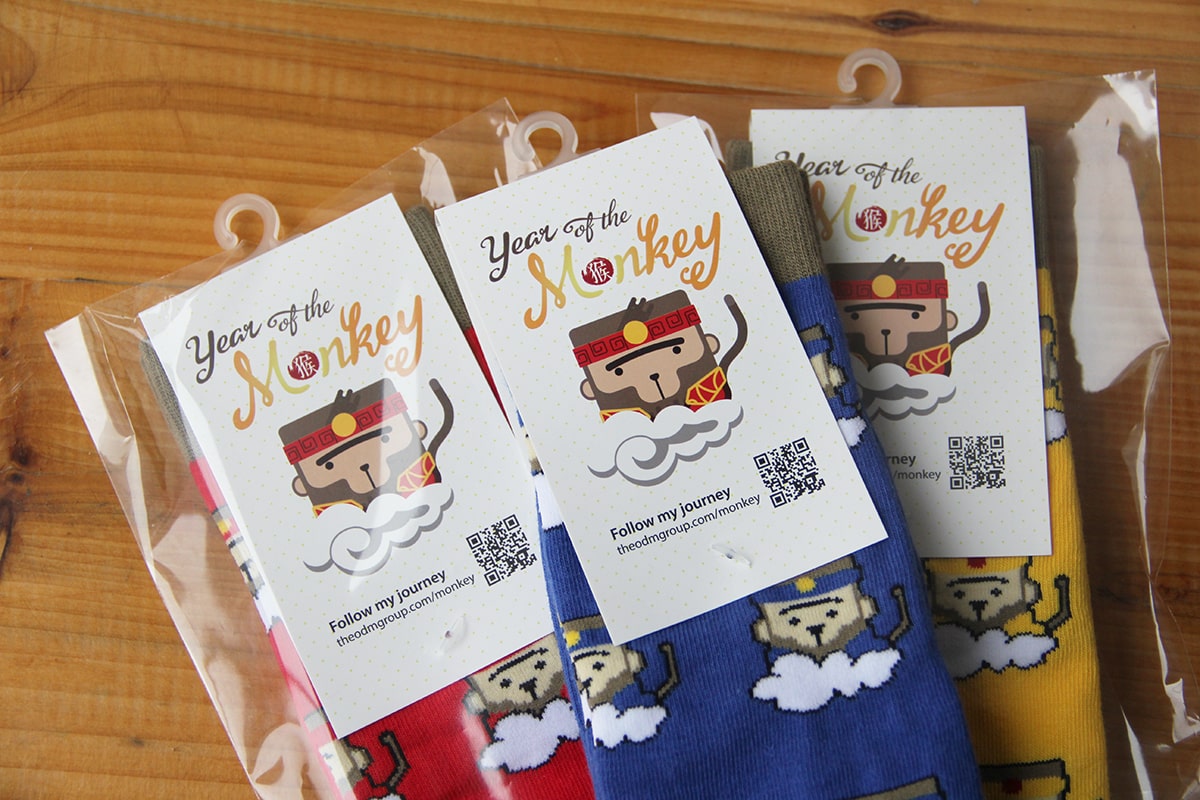
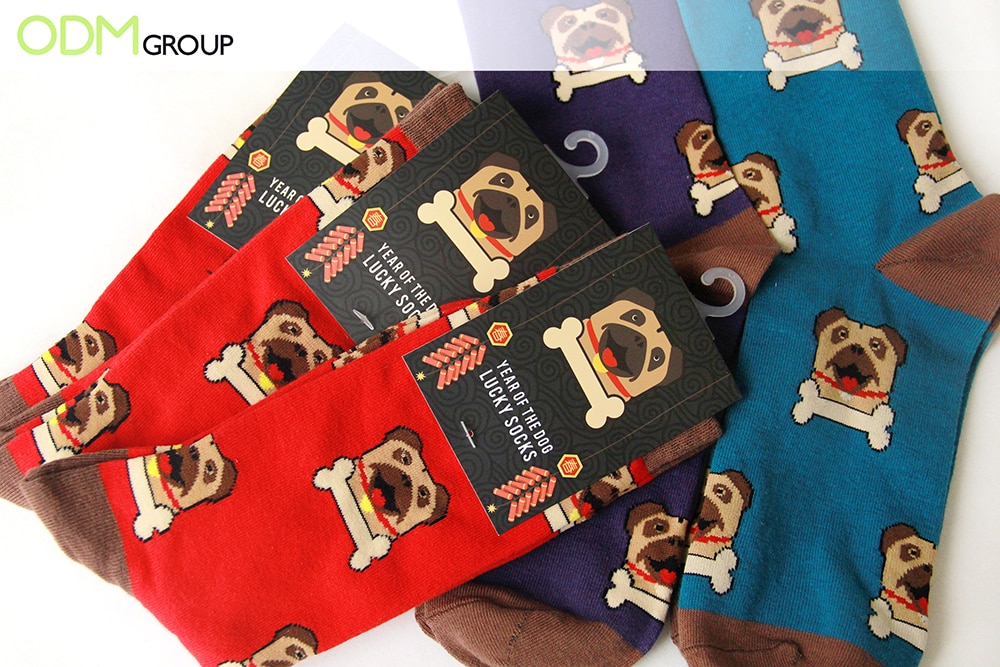
Over the past few years, ODM has arranged sampling processes and production for a different pair of socks every year. They are highly sought-after collectibles. After completing the design of our lucky monkey, it’s time to kick-start the sampling process at our factory. Here is a brief blog post explaining the factory sampling process as part of our product development.
Sampling Process Step 1- Production
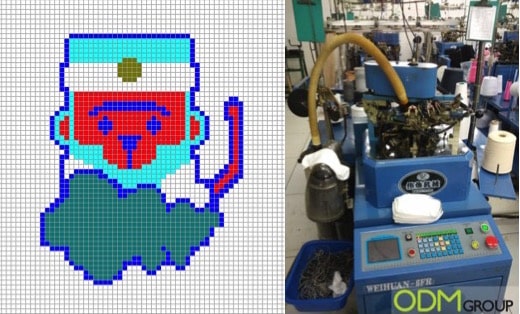
Our last sock factory visit and blog gave you lots of details on how we create lucky monkey socks. The sampling process takes place on the same machines using tiny production runs just to check all aspects of the product.
Sampling Process – Our Lucky Monkey Socks
Stages of our monkey sock production process:
- Materials. Our lucky monkey socks consists of 76% cotton, 22% polyester and 2% elastane. This combination let us keep with our colour scheme, maintain high standards of quality and importantly retain the elasticity for a long period of time.
- Digital grid map. The factory then process our lucky monkey logo into a digital grid map using a specialist computer software. Each individual square represents a sewing point whilst the shading represents the different colours of yarn needed for stitching.
- Computer process. This grid map is then entered into another computer functioning the operations of the sewing machine.
- Stitching. The needles finally act in accordance to the mapping and our lucky monkey is then embroiled into the sock.
To better understand how these adjustments happen on-site, you can explore this sock factory visit and manufacturing process, which highlights how production realities influence product outcomes.
Sampling Process Step 2- SF Express
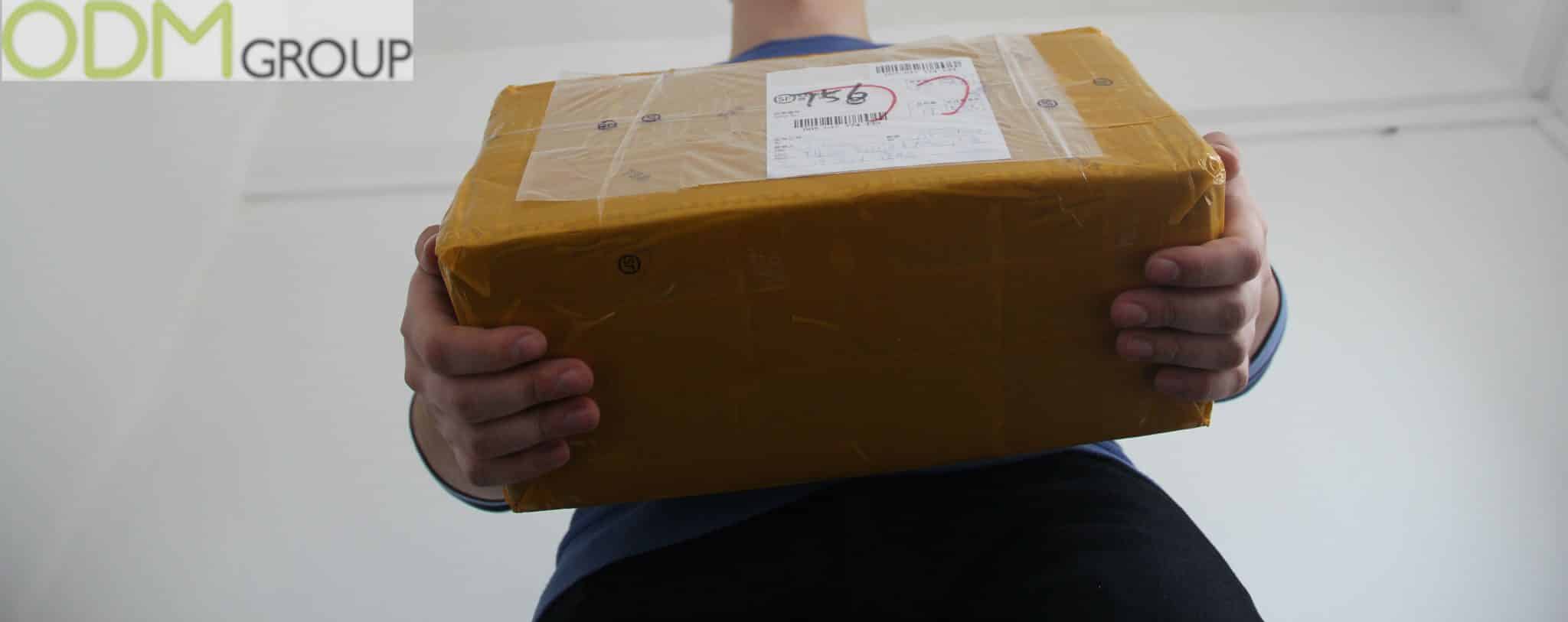
Once the socks are produced, our sock factory sends our sock samples through Chinas leading and most reliable courier, SF express.
Sampling Process – Our Lucky Monkey Socks
- Cost effective. A package of this size and quantity will cost USD 2. If sourcing and shipping overseas this can cost upwards of USD 60.
- Time efficient. 2-3 working days is what is expected to ship from the East to West of China.
- Great coverage. SF express cover 86% of the country and are able to attend to all of our factories based around China.
Sampling Process Step 3- Measurements and Contour Check
Sampling Process – Our Lucky Monkey Socks
What do we look for?
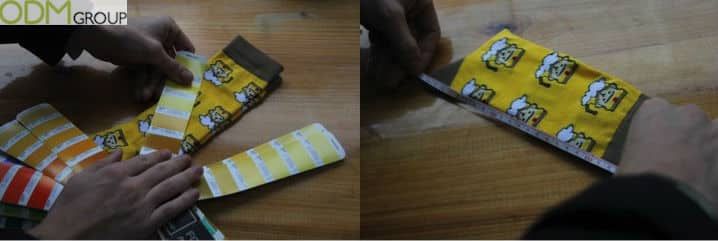
- Colour. Our lucky monkey sock consists of 4 colours. We check these with our pantone book in order to ensure that the sample matches our design. In some cases the colours we use aren’t directly from our pantone book. Our blue monkey sock is a colour directly from our factory. We decided to use it because not only did it look better, it is significantly more cost-efffective to do so.
- Size. There are two methods of measurement we check for our socks. From the heel to cuff (top of sock) our socks are measured to be 230mm , from heel to toe (bottom of sock) they are 220mm. We decided to use these sizes because it would fit the western average of a size 7 foot (24 cm length). It is important not to measure the size before trying the socks on due to the socks stretching.
Sampling Process Step 4- Hands-on
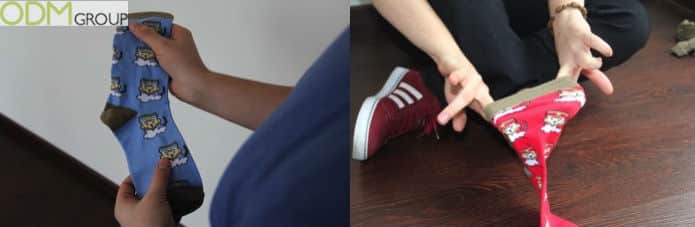
Sampling Process – Our Lucky Monkey Socks
What do we look for?
- Embroidery. Does the embroidery match our design? We are very pleased of how our monkey looks on the sock although it is crucial to ensure that it is durable and the stitching doesn’t come out after use.
- Stretch. We stretch and feel the socks in three areas; the cuff, centre and toe end. This is important to feel the thickness and see whether our monkey logo keeps it shape.
- Fitting. The final step is trying the socks on- does it fit well? As these socks will be given out to a variety of people, we make sure to get all of our office staff to try on our socks and get their feedback.
For products like collectible socks, this step is especially important, as both design quality and user experience must align.
Our next monkey blog will be about the packaging and tag aspect to our lucky monkey socks. Be sure to keep an eye on our twitter and Facebook to be the first to find out when it is posted.
Check out other Promotional Socks blogs here. Now that you know the sampling process for promotional products…
A More Controlled Approach to Sampling
At ODM, the sampling process is treated as a critical development phase rather than a simple approval step.
Each stage is managed to ensure alignment between design intent, material performance, and production feasibility.
This includes:
- Translating concepts into production-ready designs
- Coordinating with the right factory partners
- Managing sample iterations and refinements
- Conducting quality checks before approval
Working with an experienced custom socks manufacturer ensures that sampling is not just about creating a prototype, but about building a reliable foundation for mass production.
By taking a structured approach, brands can reduce risk, improve consistency, and move into production with greater confidence.
Final Thoughts
A well-managed sampling process is not just a step in production. It’s a safeguard for your brand.
It’s where ideas are tested, risks are reduced, and decisions are validated before scaling. Skipping or rushing this phase might save time upfront, but it often leads to bigger problems later—delays, inconsistent quality, and products that don’t meet expectations.
For products like socks, where comfort, fit, and material performance directly impact user experience, sampling becomes even more critical. Every detail matters, from yarn selection to elasticity and real-world wear.
Brands that treat sampling as a structured development phase, rather than a quick approval step, consistently achieve better results in-market.
If you want your promotional products to perform, not just exist, the sampling process is where that success begins.
Related blogs on Sampling here..
Frequently Asked Questions
Do all products have the same sampling time?
No. The sampling time varies depending on the product's complexity. Therefore, it is dependent of the product and also the manufacturer. We would usually advise clients on the sampling time prior to production.
Can I make my own packaging for my socks?
Yes! In ODM, we specialize in promotional products. That includes personalized packaging that will best represent your brand.
Why is sampling important?
Sampling is important because it reassures that the factories are manufacturing the socks accurately as requested by clients. This can include measuring size and proportion, as well as color checks. This limits any waste of resources prior to mass production.
Explore More Related Blogs
Christmas Packaging Ideas to Inspire Your Next Holiday Campaign
Christmas packaging can do more than make a product look festive. The right design can [...]
Transparent Umbrellas With Custom Logos for Brand Promotions
Promotional merchandise needs to offer more than a place to display a logo. The [...]
Light-Up Labels for Beverage Promotions and Custom Packaging
Light-up labels give beverage brands another option when standard bottle labels are not enough [...]
Split-Flap Displays for Events, Retail and Brand Activations
Struggling to make your brand stand out in a crowded event or retail space? Unlike [...]
Beer Swag Ideas: Lessons from Heineken Silver’s Taiwan Campaign
Beer swag is evolving beyond traditional bottle openers and branded T-shirts. Beverage brands are [...]