
Chinese New Year factory closures can affect almost every stage of a custom product order, from material purchasing and sampling to mass production, quality control, and shipping. For businesses planning promotional products, retail displays, branded packaging, corporate gifts, or other custom merchandise for 2027, early preparation is essential.
Chinese New Year 2027 falls on Saturday, February 6, beginning the Year of the Goat. However, buyers should not plan around that date alone. Factories often begin slowing down weeks before the official holiday as workers travel home, suppliers stop accepting orders, and logistics capacity tightens. Normal production may also take several weeks to recover after the holiday.
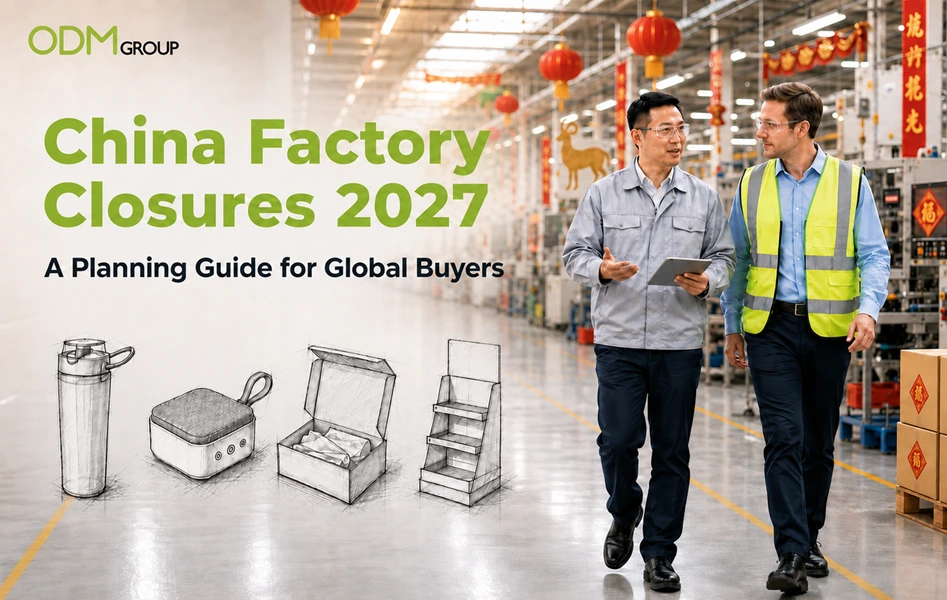
This guide explains how China factory closures for Chinese New Year 2027 may affect sourcing and provides a practical timeline for businesses that need products delivered before or shortly after the holiday.
Important planning note: China’s official 2027 public holiday schedule had not been announced at the time of publication. The dates and deadlines in this guide are conservative planning estimates. Every buyer should confirm the actual closing date, final order date, shipping cutoff, and reopening plan with the factory or sourcing partner responsible for the project.
When Is Chinese New Year 2027?
Chinese New Year, also called the Spring Festival, begins on February 6, 2027. The date is earlier than it was in 2026, when the festival fell on February 17. That shorter planning window makes it especially important for businesses to begin 2027 projects during the second half of 2026.
The official public holiday covers only part of the disruption experienced by manufacturing businesses. Many factory employees work far from their hometowns and begin traveling before the holiday. Production teams, material suppliers, packaging factories, subcontractors, trucking companies, and inspection providers may all operate on different schedules.
Consequently, the effective disruption can be considerably longer than the government holiday itself.
When Do The Factories Close For Lunar New Year 2027?
There is no single closing date for every factory in China. A factory’s schedule depends on its location, workforce, order backlog, product category, and reliance on subcontractors.
As a conservative planning assumption, buyers should expect production capacity to begin tightening in early January 2027. Some factories may stop accepting new orders or purchasing custom materials several weeks before they officially close. Labor-intensive factories and businesses with large migrant workforces may wind down earlier.
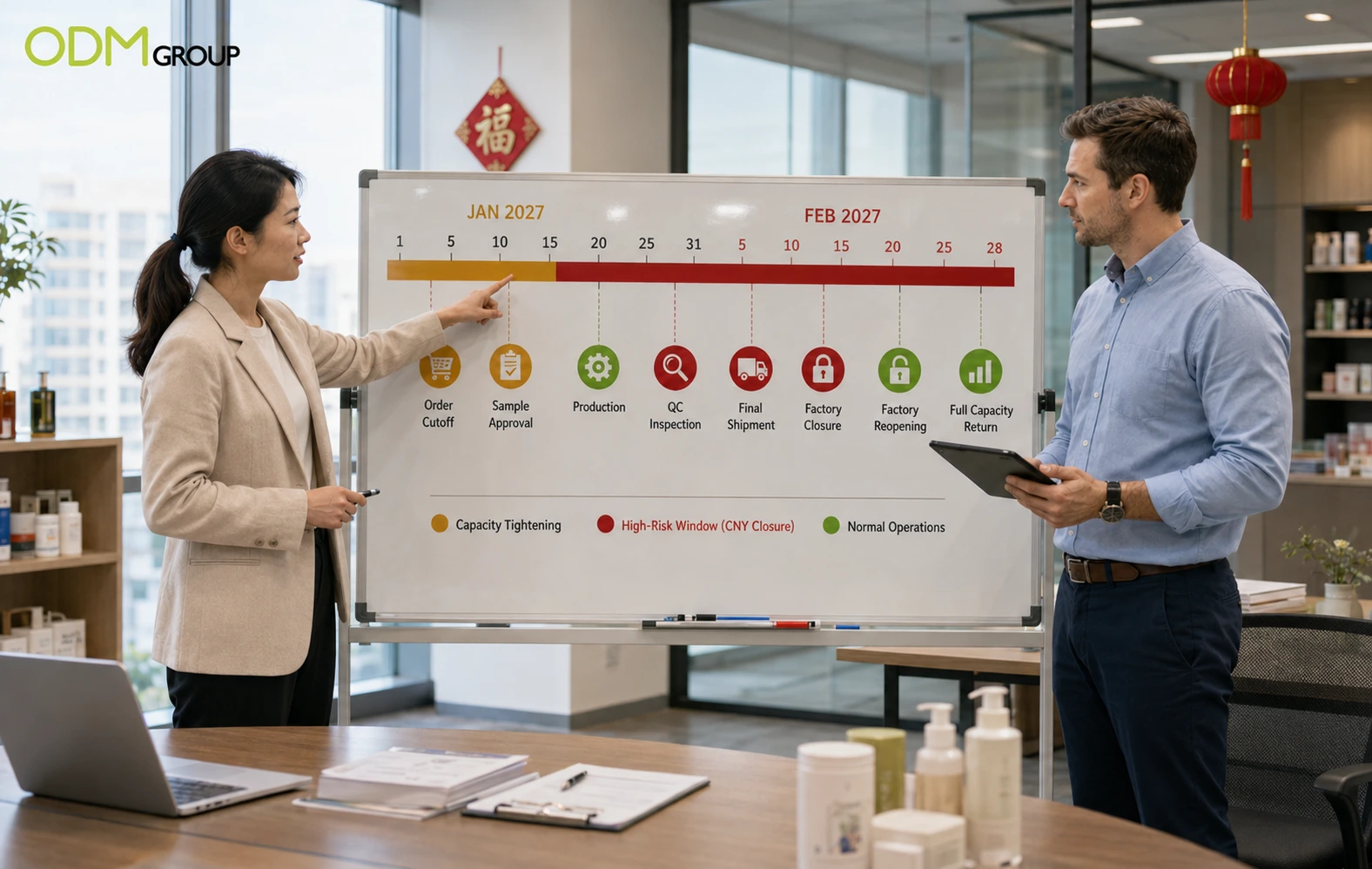
The period from mid-January through late February 2027 should therefore be treated as high risk for time-sensitive projects. This does not mean every factory will remain closed throughout that entire period. It means production, communication, logistics, and capacity may be less predictable.
Always request written confirmation of:
- The factory’s final date for accepting new purchase orders
- The deadline for artwork, sample, and packaging approval
- The last available production date
- The final quality-control inspection window
- The last practical date for goods to leave the factory
- The factory’s official closing and reopening dates
- The expected date for full production capacity to resume
Why the Disruption Starts Before the Holiday
Chinese New Year disruption is not limited to the days when a factory’s doors are closed. A custom product project depends on a network of businesses, and each part of that network may begin winding down at a different time.
1. Workers begin traveling home.
Many production workers return to their home provinces for the holiday. Departures may begin before the official closure, gradually reducing the labor available for assembly, printing, finishing, packing, and loading.
2. Material suppliers stop taking orders.
A main factory may still be open but unable to obtain fabric, resin, electronic components, paper, metal parts, printing plates, cartons, or finishing services. If one essential supplier stops early, the entire production schedule can be affected.
3. Subcontracted processes become bottlenecks.
Custom products frequently require processes performed outside the main factory. Electroplating, embroidery, heat treatment, spray painting, injection molding, printing, and specialist packaging may each be handled by a separate subcontractor.
4. Quality problems become harder to correct.
When factories are rushing to complete orders, defects or late design changes leave less time for reworking goods. An inspection that fails just before closure may push delivery until after the holiday.
5. Freight capacity tightens.
Trucking, container space, airfreight capacity, and courier services become busier before the holiday. Bookings may be harder to secure, rates may rise, and port or warehouse cutoffs may occur earlier than buyers expect.
Recommended Sourcing Timeline for Chinese New Year 2027
The safest deadline depends on the product, quantity, customization, testing requirements, and destination. Nevertheless, the following reverse-planning timeline provides businesses with a useful starting point.
| Stage | Recommended period | Main objective |
|---|---|---|
| Campaign brief and demand forecast | August–September 2026 | Confirm objectives, quantities, markets, budget, and required delivery date |
| Concept and industrial design | September–October 2026 | Develop the product, branding, structure, materials, and packaging |
| Supplier selection and quotation | September–October 2026 | Assess factory capability, pricing, capacity, compliance, and lead time |
| Sampling and revisions | October–November 2026 | Test appearance, construction, branding, dimensions, and packaging |
| Final approval and purchase order | By November 2026 | Freeze specifications and reserve production capacity |
| Mass production | November–December 2026 | Complete manufacturing with time for monitoring and corrections |
| Final inspection and shipment | December 2026–early January 2027 | Inspect, release, and dispatch goods before capacity becomes critical |
| High-risk production period | Mid-January–late February 2027 | Avoid relying on predictable production or rapid corrective action |
This schedule is deliberately conservative. Simple orders based on existing stock may require less time, while highly customized products may need to start much earlier.
Plan Backward From the Required Delivery Date
Businesses often ask when they should place an order. A better starting point is the date on which the finished products must be available for the campaign.
Work backward from that date and include time for:
- Delivery from the destination port or airport
- Customs clearance
- International freight
- Export documentation and cargo handover
- Final quality inspection
- Packaging and assembly
- Mass production
- Pre-production sample approval
- Design development and revisions
- Quotation, supplier assessment, and purchase-order confirmation
Include contingency time at every critical stage. A production schedule that works only when every activity finishes perfectly is not a dependable schedule.
How Product Complexity Changes the Deadline
Not all promotional products require the same preparation. Buyers should classify a project according to its real development complexity rather than the apparent simplicity of the finished item.
1. Custom packaging
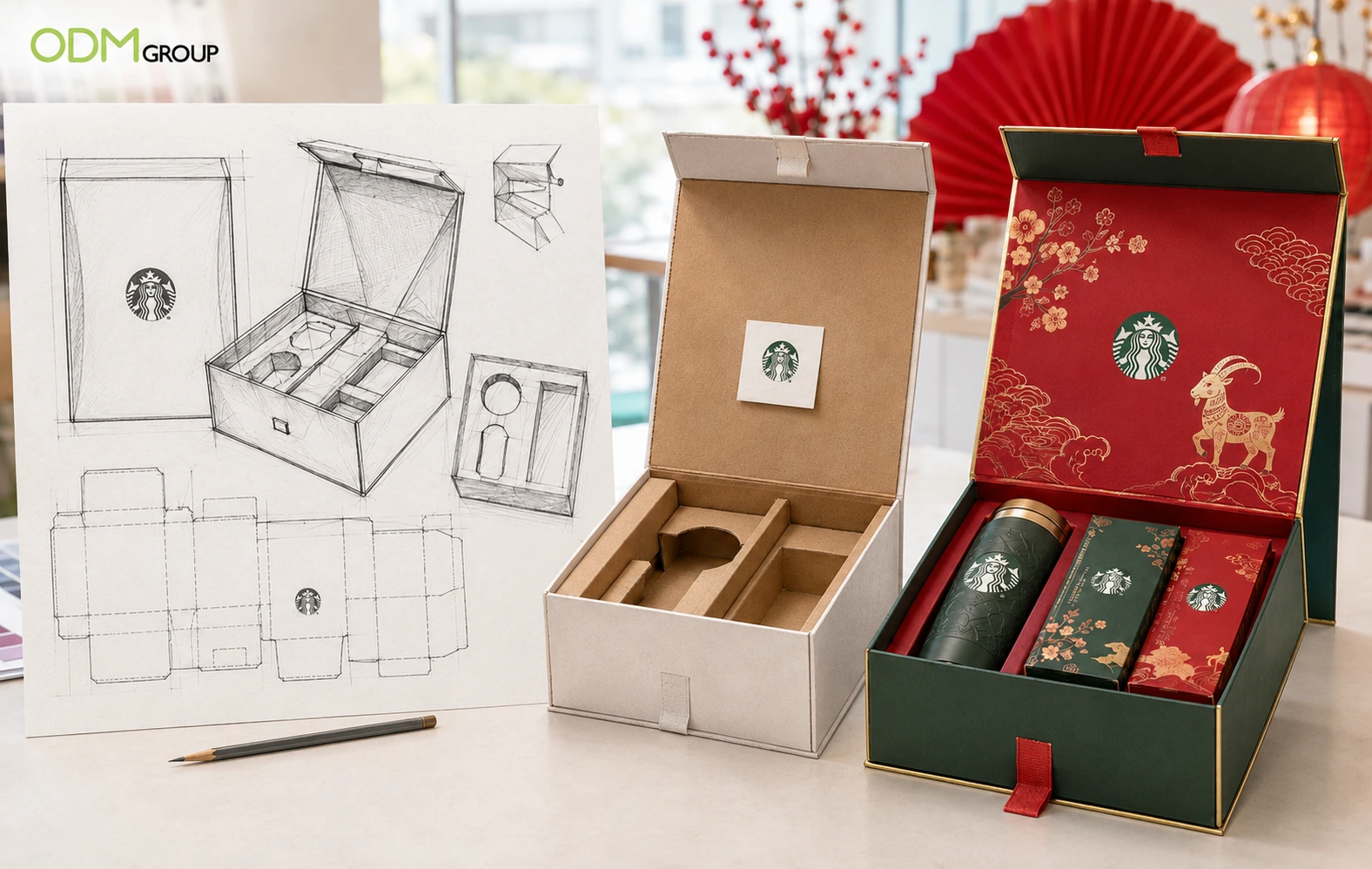
Packaging can become the critical path even when the product itself is straightforward. Structural development, artwork, color matching, print proofs, special finishes, inserts, assembly, and transit testing all add time.

2. Stock products with logo application
Existing products that only require screen printing, engraving, embroidery, or a printed label can sometimes be completed relatively quickly. However, available inventory, branding capacity, artwork approval, and packaging still need to be confirmed.
Stock should not be assumed to be reserved until the purchase order and payment terms are accepted.
3. Plush, resin, and labor-intensive products.
Plush toys, figurines, hand-finished gifts, complex gift sets, and products requiring extensive assembly are particularly sensitive to labor availability. These categories should not be left to the final weeks before the shutdown.
4. Products with custom colors or components
Changing a product’s material color, fittings, dimensions, or internal components can require new material orders and additional sampling. Minimum order quantities may also apply to custom colors and finishes.
5. Retail displays and large-format products.
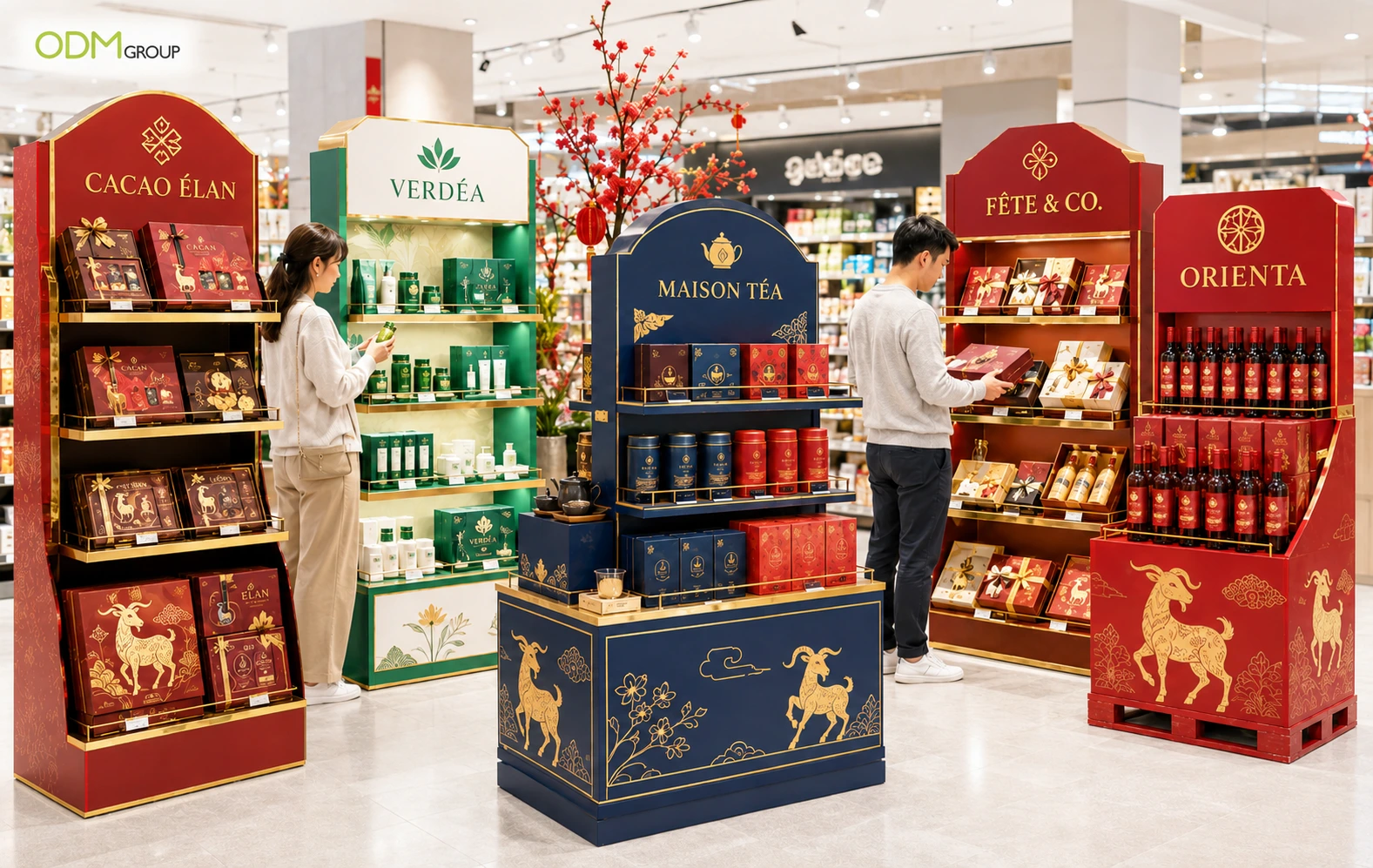
Retail display units may involve structural design, load testing, printed graphics, lighting, assembly instructions, and bulky shipping cartons. Buyers must consider both production lead time and the additional freight space required.
6. Molded and engineered products.
Products requiring new injection molds, metal tooling, electronics integration, structural engineering, or multiple prototypes should begin much earlier. Tooling must be completed and tested before a reliable production sample can be approved.
7. Electronic products
Electronic merchandise may require component sourcing, battery documentation, performance tests, safety considerations, and market-specific compliance. Substituting an unavailable component without proper approval can compromise performance and compliance, so the specification must remain under control.
Sampling and Approval: Where Buyers Commonly Lose Time
Sampling is not simply a visual check. It is the stage where buyers confirm whether the proposed product can be manufactured consistently and whether it meets the campaign brief.
A useful sample review should cover:
- Dimensions and tolerances
- Materials and color references
- Logo size, position, and decoration method
- Product function and durability
- Packaging fit and protection
- Required warning labels, instructions, or barcodes
- Carton dimensions and estimated shipping volume
- Applicable testing and compliance requirements
Delays often occur when several stakeholders approve different elements separately. Marketing may review the appearance, procurement may review cost, legal may review claims, and logistics may review packing. Establishing one approval process and one authorized decision-maker can prevent repeated revisions.
Once the final sample is approved, freeze the specification. Late changes to colors, artwork, materials, packaging, or quantities can invalidate quotations and production schedules.
Quality Control Before the Shutdown
Pre-holiday pressure is not a reason to reduce quality-control requirements. In fact, a rushed production period makes inspection planning even more important.
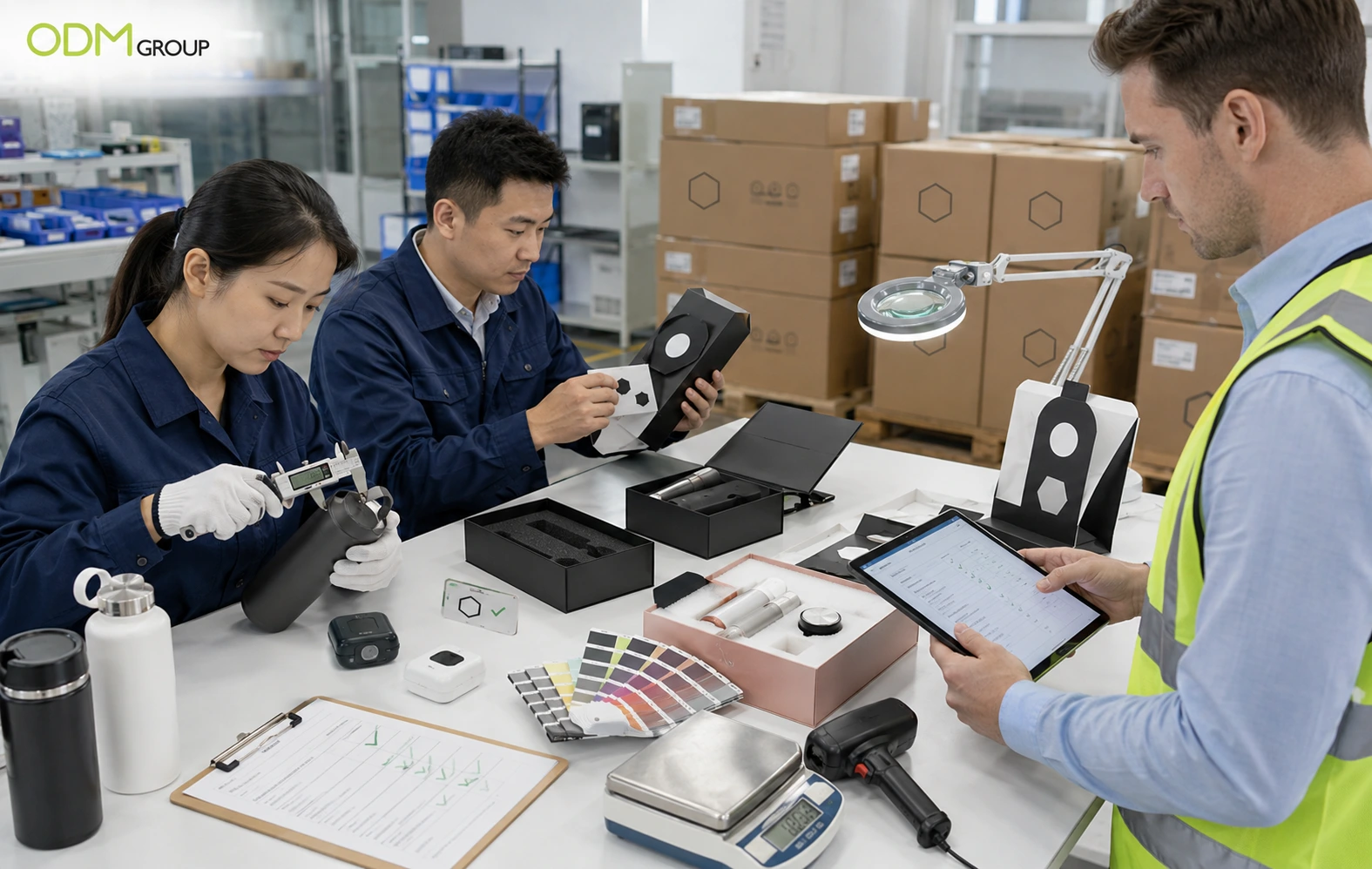
Depending on the project, the quality plan may include:
- Material or component checks before production
- First-article or pre-production sample approval
- During-production inspection
- Final random inspection
- Function, assembly, or drop testing
- Carton markings and quantity verification
- Loading supervision for sensitive shipments
Schedule final inspection early enough to allow corrective action. If inspection takes place on the final working day, there may be no practical opportunity to sort, repair, remake, or repack defective goods.
Buyers should also define the approved sample, specification sheet, testing method, and acceptance criteria before inspection. Without clear standards, disagreements are more likely when time is already limited.
Shipping and Logistics Considerations
Finishing production before Chinese New Year does not automatically mean the order will ship before the holiday. Goods may still require inspection, export packing, trucking, customs documentation, consolidation, and carrier handover.
Pre-holiday demand can reduce container availability and make vessel bookings more competitive. Buyers should confirm cargo-ready dates and booking deadlines with the forwarder rather than relying only on the vessel’s advertised departure date.
Airfreight can shorten transit time, but it should not be treated as a universal rescue plan. Capacity and pricing may become less favorable during peak periods, and batteries or restricted materials can require additional documentation.
Courier services may remain available longer for small samples or parcels, but collection schedules, customs processing, and domestic transport can still be affected.
For a campaign with a fixed launch date, it may be possible to send a small urgent quantity by air and the balance by sea. This can protect the launch while controlling part of the freight cost. The commercial benefit should be compared with the additional handling, documentation, and coordination required.
What Happens After Chinese New Year?
A factory’s official reopening date should not be confused with its return to normal capacity.
Some workers may return later than expected, while others may not return to the same factory. Management may need to recruit and train replacements. Material suppliers and subcontractors may restart on different dates, creating gaps in the production chain.
Factories also return to a backlog of orders that were not completed before the holiday. Projects placed immediately after reopening may compete for production space with existing commitments.
Buyers should therefore ask two different questions:
- On what date will the factory reopen?
- On what date does the factory expect normal production capacity to resume?
For urgent post-holiday orders, reconfirm raw-material availability, staffing, subcontractor schedules, and the production plan before relying on a promised completion date.
Should Businesses Move Production Outside China?
Diversifying production can reduce certain supply-chain risks, but moving a project to another country is not an automatic solution to Chinese New Year disruption.
Vietnam also observes Tết, and many factories experience a comparable holiday slowdown. Other manufacturing markets may have different capabilities, component networks, minimum order quantities, costs, compliance systems, and lead times.
Country selection should be based on the product and the complete supply chain—not the holiday calendar alone. A product assembled outside China may still depend on Chinese components, packaging, molds, or raw materials.
A better risk-management approach may include:
- Qualifying more than one suitable factory
- Reserving critical materials earlier
- Standardizing components where appropriate
- Holding sensible safety stock
- Separating urgent and non-urgent quantities
- Planning alternative freight options
- Avoiding untested supplier changes immediately before peak season
What kinds of promotional products are the best choices for this short production time?
Simple products can be produced within 30 days. On the other hand, products that require new mold development can only have samples completed before Lunar New Year, as it’s already too late for sampling, mold creation, and mass production. Additionally, suppose orders for plush and polyresin items aren't confirmed this month. In that case, they won't ship before Lunar New Year due to longer production timelines, which require 40-50 days for manufacturing and 20 days for sampling.

Custom branding keychains
These customizable accessories not only serve as everyday items but also act as walking advertisements for your brand.
By adding your logo and message, you create a memorable and tangible connection with your audience.
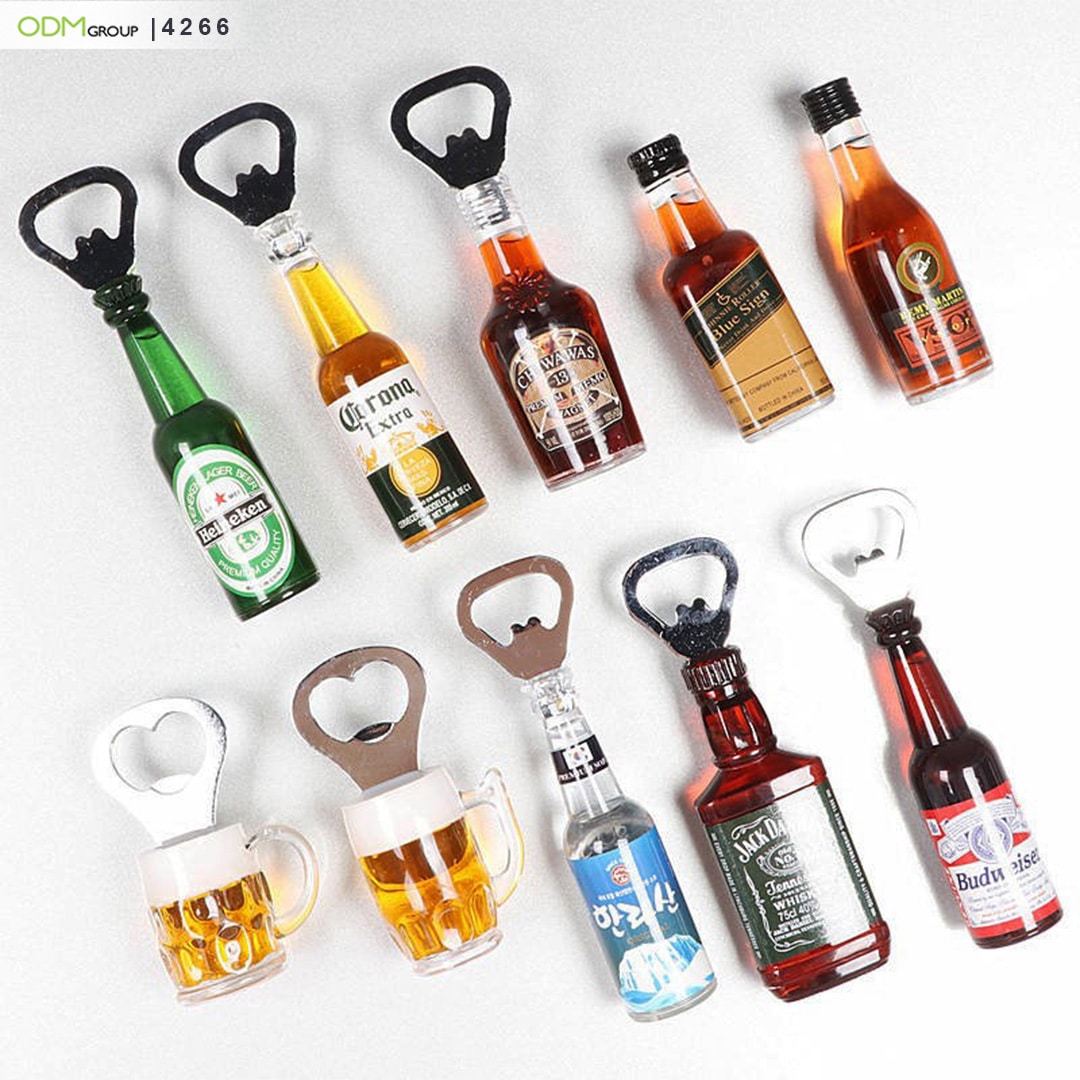
Bottle openers
As people gather to toast and ring in the new year, a personalized bottle opener not only enhances the festivities but also serves as a memorable keepsake.
They effortlessly blend practicality with promotional value, ensuring your brand stays top-of-mind long after the celebrations are over; especially suitable for F&B or FMCG businesses.

Mugs with basic decalsMugs with basic decals
These personalized mugs are not just perfect for enjoying hot drinks during festive gatherings, but they also serve as a lasting reminder of your brand.
By adding your logo and a special New Year message or designs, you can create unique gifts that resonate with employees, clients, and friends alike.
Holiday-Themed Products
The Year of the Horse (2026) is the perfect moment to celebrate this fascinating and symbolic creature!
To honor this remarkable animal and its unique spirit, ODM is delighted to introduce our latest CNY collection: Branded Horse Merchandise!
This exclusive merchandise not only serves as a stylish way to commemorate the festivities but also reflects our deep appreciation for and connection to the traditions of the Chinese New Year.

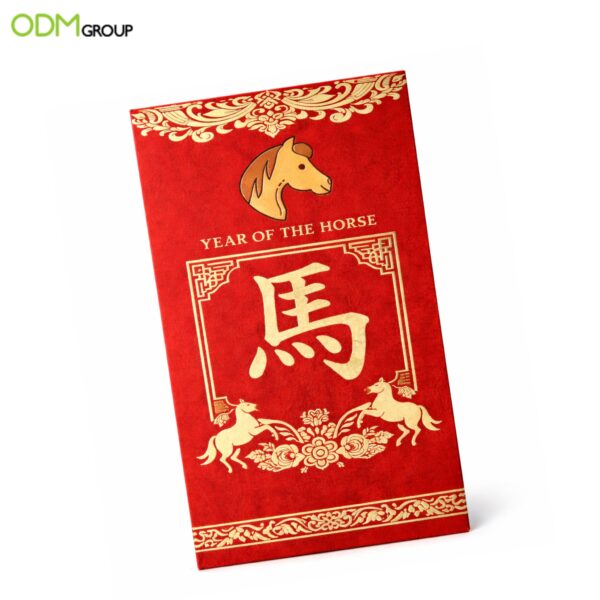
Gift Cards & Red Envelopes
These items, decorated with New Year patterns like Zodiac signs, flowers, and vibrant colors, are suitable gifts for the Lunar New Year due to their cultural significance, convenience, and personal connections.
They embody the spirit of generosity and good wishes central to the holiday, making them ideal choices for celebrating with loved ones.
Clothing and Accessories
Wearing new clothing symbolizes a fresh start and the shedding of past misfortunes.
Trying on new outfits during the New Year festivities is believed to bring good luck and prosperity for the year ahead.
One innovative item you can promote is reflective tote bags—practical and versatile accessories that people can use daily.
You can incorporate intricate snake designs, vibrant colors, and even include special motifs or your company’s logo.
How ODM Supports Product Planning Before Chinese New Year
The ODM Group helps businesses turn campaign requirements into production-ready custom products while coordinating the risks that emerge around Chinese New Year.
We approach each project as a connected process. A design decision can affect tooling, sampling, packing efficiency, compliance, freight cost, and delivery timing. Our role is to help clients identify these relationships early and establish a plan that factories can execute.
Depending on the project, ODM can support:
- Campaign ideation and product concept development
- Sketch design and 3D CAD
- Prototype and pre-production sample development
- Specification control and sample review
- Factory selection and quality control
- Packaging design and global shipping
With teams working close to manufacturing partners in Asia, ODM can communicate directly with factories, monitor key milestones, and help clients make informed decisions when time or capacity becomes constrained.
We do not treat early ordering as the complete solution. The objective is to create a realistic project plan that aligns design, production, inspection, and logistics with the campaign deadline.
Final Thoughts
Chinese New Year factory closures should be considered during the earliest stages of product planning—not after a purchase order is ready.
For 2027, the February 6 festival date creates an earlier pre-holiday production window. Businesses planning custom merchandise, corporate gifts, promotional products, packaging, or retail displays should ideally begin development in the third quarter of 2026 and aim to complete production and inspection before the high-risk period in January.
The exact timeline will always depend on the product. A stock item with a printed logo cannot be planned in the same way as a molded product, electronic gift, premium presentation box, or engineered retail display.
ODM helps businesses build a sourcing plan around the real complexity of their project. From ideation and industrial design through sampling, factory coordination, quality control, and logistics, our team manages the details needed to move a custom product toward delivery.
If your business is planning products for 2027, contact ODM early. The more time available for development and validation, the more options your team will have for materials, factories, packaging, quality, and shipping.
FAQs: China Factory Closures for Lunar New Year 2026
When is Chinese New Year 2027?
Chinese New Year 2027 begins on Saturday, February 6. It marks the beginning of the Year of the Goat. China’s official public holiday schedule should be checked once it is formally announced.
When will factories in China close for Chinese New Year 2027?
Every factory sets its own operational schedule. Buyers should expect capacity to tighten during January, with some factories winding down several weeks before February 6. Confirm the supplier’s last order date, closing date, reopening date, and expected return to full capacity in writing.
How early should a business place an order before Chinese New Year?
Simple repeat orders may require less time, but custom projects should often begin three to six months in advance. Products requiring design, tooling, multiple samples, compliance testing, complex packaging, or labor-intensive assembly should start earlier.
Can a factory complete a custom order in January 2027?
It may be possible, but it is a high-risk period. Feasibility depends on the factory’s confirmed capacity, available materials, customization, quantity, subcontractors, and inspection requirements. A production promise should also include time for QC and shipping—not only manufacturing.
Are factories in Vietnam affected by Lunar New Year?
Yes. Many factories in Vietnam close for Tết, although exact schedules vary. Moving production from China to Vietnam does not automatically remove Lunar New Year risk, especially when Vietnamese production depends on components or materials from China.
What To Read Next?

Lunar New Year Packaging Ideas for Memorable Brand Campaigns
During Lunar New Year, packaging can be almost as [...]
China Factory Closures for New Year 2027: Essential Planning Guide
Chinese New Year factory closures can affect almost every [...]

How to Prepare Your Business for Chinese New Year 2026?
As the Chinese New Year 2026 approaches, [...]

Best Promotional Lunar New Year Gifts for Employees
As companies step into 2026, New Year gifts for [...]
Chinese New Year Gifts for Business: What to Avoid, What to Give, and Why It Matters
Chinese New Year (also known as Lunar New Year [...]



Traditional vs. Modern Marketing In Asia: Which Suits You Better?
Most brands cater to a wide range of markets, [...]