
Loyalty merchandise gives customers an added reason to stay connected with a brand. From collectible drinkware to practical lifestyle accessories, the right rewards can encourage repeat purchases while keeping a brand visible in customers’ everyday lives. Starbucks Traditions in the Philippines offers an interesting example of how merchandise can become part of a customer loyalty strategy.
Now in its 24th year in the Philippines, Starbucks Traditions turns seasonal merchandise into a recurring customer activity. Its 2027 collection, under the theme “Wrapped in Joy,” features five branded rewards that customers can earn through a sticker-collection promotion. Beyond the products themselves, the campaign offers useful insights into how businesses can plan loyalty merchandise that customers genuinely want to collect.
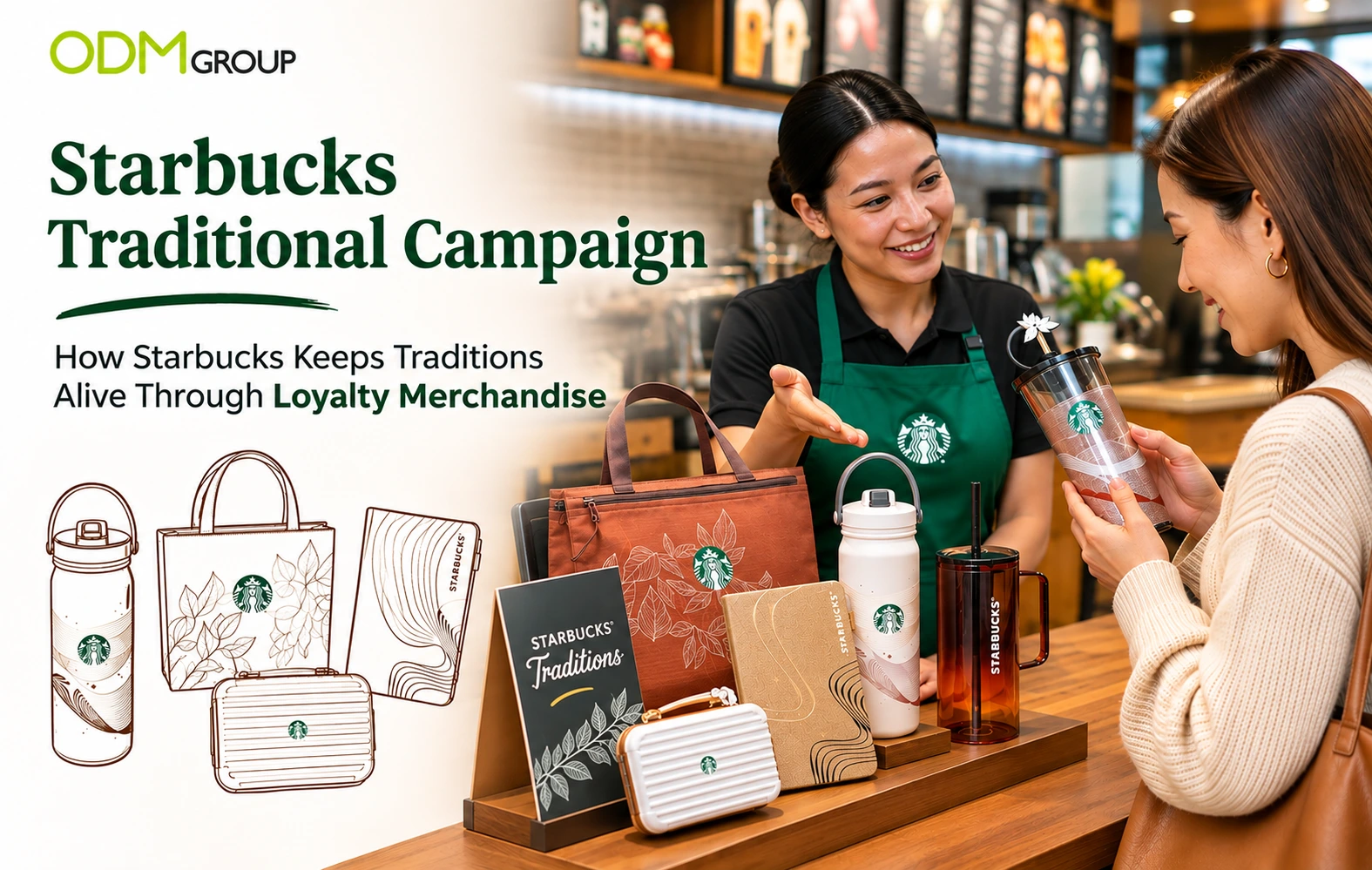
Disclaimer: Starbucks Traditions is featured as an independent marketing example. ODM Group was not involved in designing or producing the Starbucks merchandise collection and is not affiliated with the campaign.
Starbucks Traditions 2027: A Collection Customers Can Earn
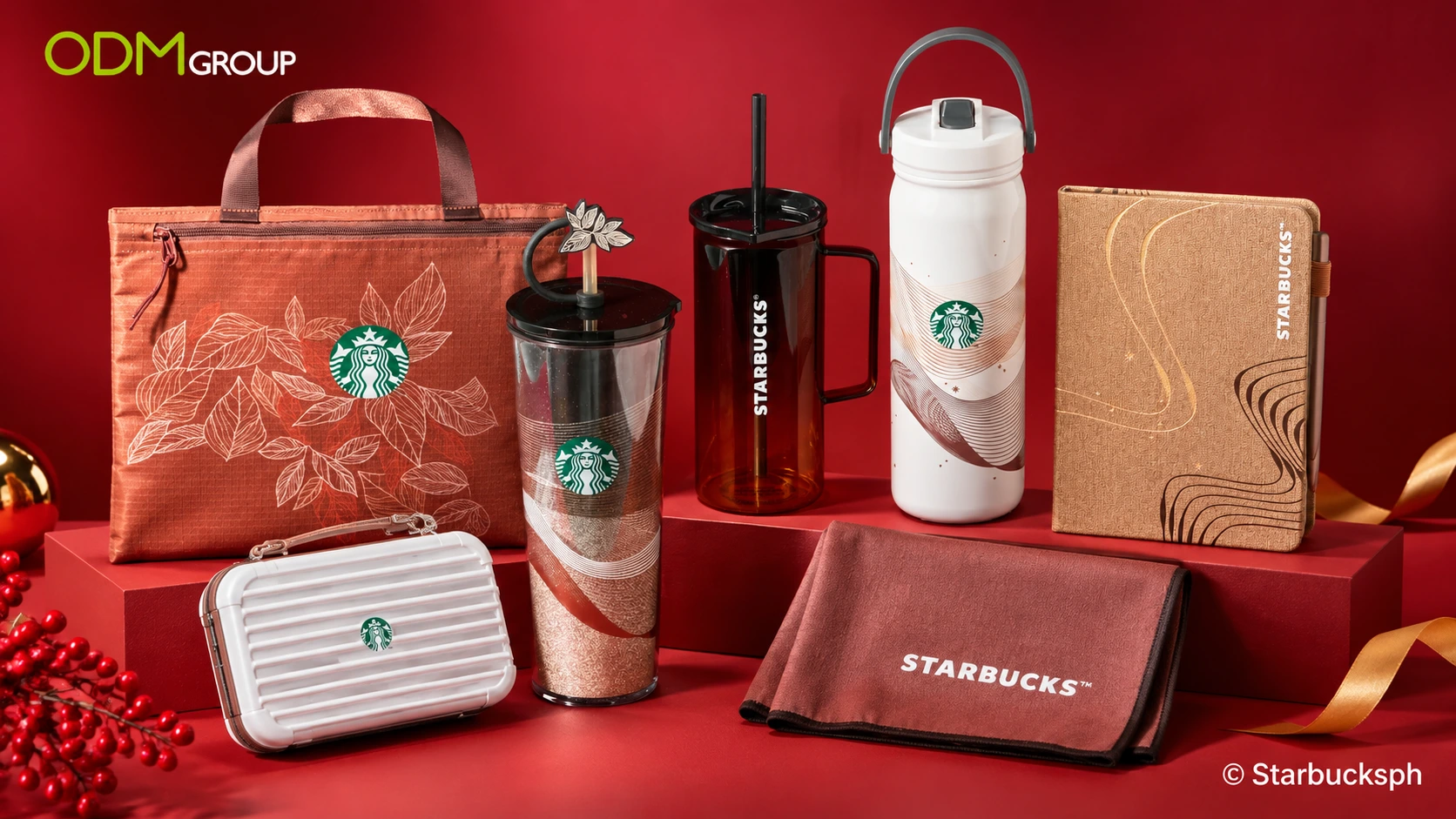
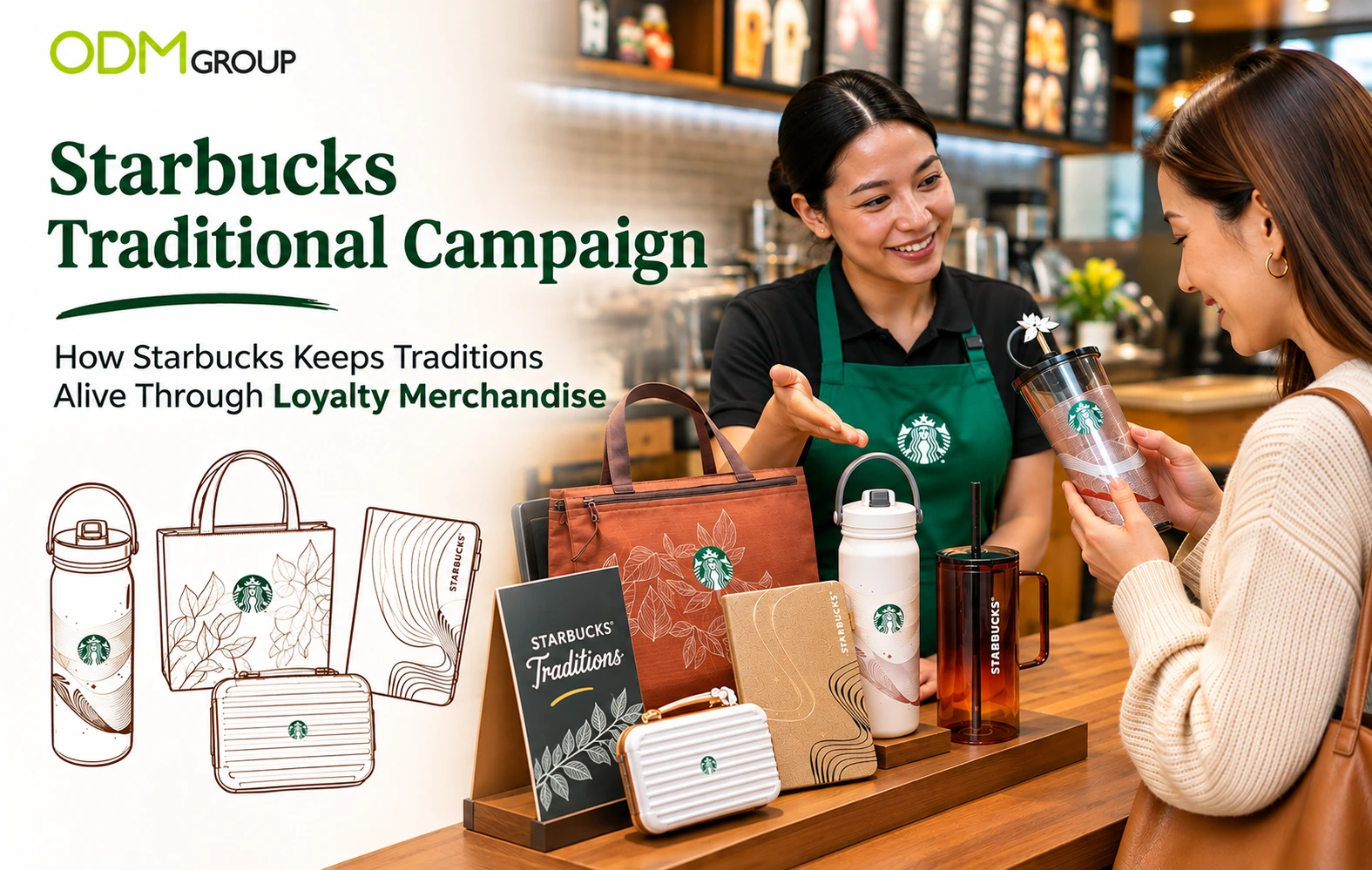
The 2027 Starbucks Traditions collection brings together five merchandise items, combining drinkware with lifestyle accessories. Rather than offering just one promotional product, Starbucks presents a coordinated range that gives customers different options to collect.
The collection includes:
- 24oz Cold Cup: A reusable drinkware item with a shimmering finish and botanical-inspired details.
- 20oz Stainless Steel Tumbler: A stainless steel drink container with a flip-top straw and built-in carry handle.
- 20oz Glass Mug: A glass drinkware design with a black-to-transparent finish.
- Siren Planner with Pouch: A planner set featuring zodiac-inspired monthly artwork, a coordinating pouch, pen, and surprise keychain.
- Travel Case with Towel: A travel accessory designed to keep personal essentials organized.
The collection follows a consistent visual direction, using warm copper, ivory, and black tones alongside coordinated patterns and textures. Although the products serve different purposes, their shared design details make them feel like part of one collection.
Customers can earn one sticker for every eligible Tall, Grande, or Venti handcrafted beverage purchased during the promotion. Collecting 19 stickers earns one 2027 Starbucks Traditions reward. Customers can participate through the Starbucks Philippines mobile app or a physical QR Promo Card. A separate Lazada reward option is also available under its own purchase conditions.
The sticker-collection period runs from November 3, 2026, to January 4, 2027, while merchandise redemption runs until March 5, 2027, subject to the official promotion terms and product availability.
This approach gives customers a clear collecting goal while making merchandise part of a larger seasonal experience.
What Makes Starbucks Traditions an Effective Loyalty Merchandise Campaign?
The appeal of Starbucks Traditions goes beyond the products themselves. Its merchandise selection, reward mechanics and recurring seasonal theme work together to encourage customer participation.
1. Encouraging Repeat Purchases Through Collectible Rewards
The sticker-collection mechanic gives customers a reason to return. Each eligible beverage purchase brings them one step closer to earning a merchandise reward.
Instead of relying on a one-time promotional giveaway, Starbucks connects the reward to repeated customer interactions. The 19-sticker target also gives customers a clear objective, while the choice of merchandise adds another reason to complete the collection.
For businesses, this demonstrates how loyalty merchandise can support customer retention when the reward is connected to a well-planned purchasing incentive.
The reward structure deserves as much attention as the merchandise itself. Brands need to consider how customers earn rewards, how many purchases are required, and whether the merchandise offers enough perceived value to encourage participation.
2. Offering Products That Fit Into Everyday Life
The Starbucks collection includes more than branded cups. Planners, travel accessories, and drinkware serve different purposes in customers’ daily routines.
This is an important consideration when developing loyalty merchandise. Products with practical uses can remain part of a customer’s routine long after the promotional campaign ends.
For example, a beverage brand might consider reusable cups and insulated tumblers, while a retail or lifestyle brand could explore planners, organizers, tote bags, or travel accessories.
Product selection should reflect the target audience rather than simply follow popular merchandise trends. Understanding how customers use products in their everyday lives helps brands choose rewards that offer genuine value.
3. Creating Anticipation Through Annual Collections
Starbucks Traditions has become a recurring seasonal activity in the Philippines. Its annual merchandise release gives customers something familiar to anticipate while introducing new product designs and combinations.
The 2027 collection brings together five items, including drinkware, a planner set, and a travel case. This gives customers several options while maintaining the collection’s identity.
For brands planning long-term loyalty programs, recurring merchandise releases can help maintain customer interest. New designs, seasonal themes, and different product categories can give customers a reason to participate in future campaigns.
However, a recurring collection should offer something new without losing its recognizable brand identity. Consistency helps customers associate each release with the brand, while product variations keep the experience interesting.
4. Connecting Merchandise With a Campaign Theme
The “Wrapped in Joy” theme gives the 2027 collection a creative direction. Its warm color palette, patterns, and coordinated details help connect different products under one visual identity.
This is where product design plays an important role. A collection containing several merchandise categories can look disconnected if each item is developed independently.
A shared design direction helps bring the range together. Colors, surface patterns, graphic elements, finishes, and packaging can all contribute to a consistent collection.
For brands, this means thinking beyond individual product customization. The merchandise should work as a coordinated range that customers can recognize as part of the same campaign.
More from Starbucks
From anniversary campaigns, Starbucks demonstrates how limited-edition products can make a corporate anniversary more relevant to customers.
Starbucks’ custom-promotional tumbler is a true masterpiece that embodies the perfect fusion of practicality and enchantment
Starbucks gift card was first introduced in China on January 3, 2014, as part of its Lunar New Year promotion. However, the gift card is available only in selected Starbucks shops in China.
Starbucks ran an in-store retail marketing campaign in Singapore. Shoppers have the chance to get the brand’s clever merchandise ideas by simply purchasing 8 Starbucks at Home items.
Loyalty Merchandise Ideas for Customer Reward Campaigns
Starbucks Traditions shows how to bring different product categories together under one campaign. Businesses planning their own loyalty promotions can explore similar approaches and choose products that fit their brand and target audience.
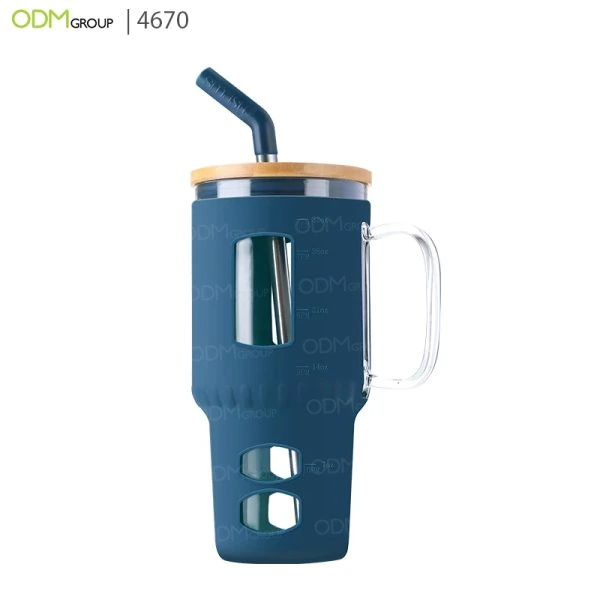
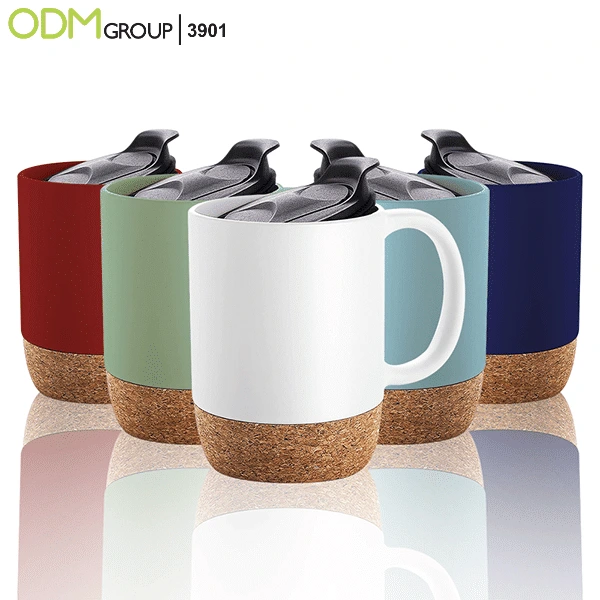
Drinkware collections
Custom tumblers, mugs and reusable cups are suitable options for coffee shops, beverage brands and food retailers.
Different sizes, materials, finishes, and accessories can create a coordinated collection.
Brands can also explore special lids, handles, straw accessories, and custom surface treatments to give each product a distinctive look.
Branded stationery sets
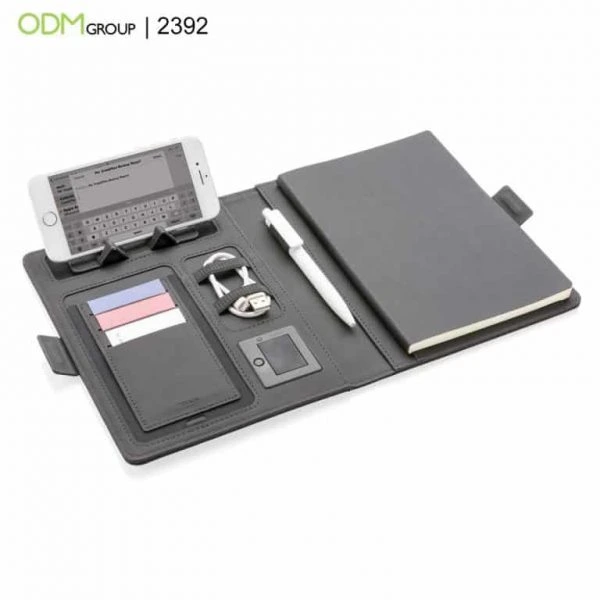
Planners, notebooks, pens, and pouches can work as practical rewards for customers who enjoy collecting useful everyday items.
Custom covers, printed artwork, paper selection, and matching accessories can help turn simple stationery into a more complete merchandise set.
Travel and lifestyle accessories
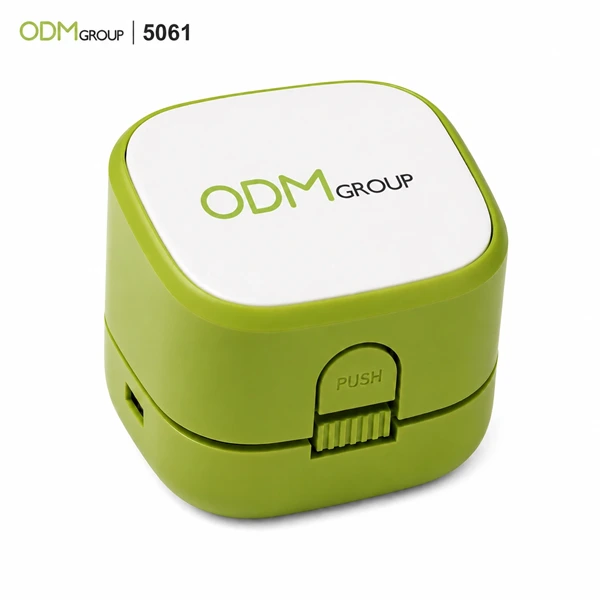
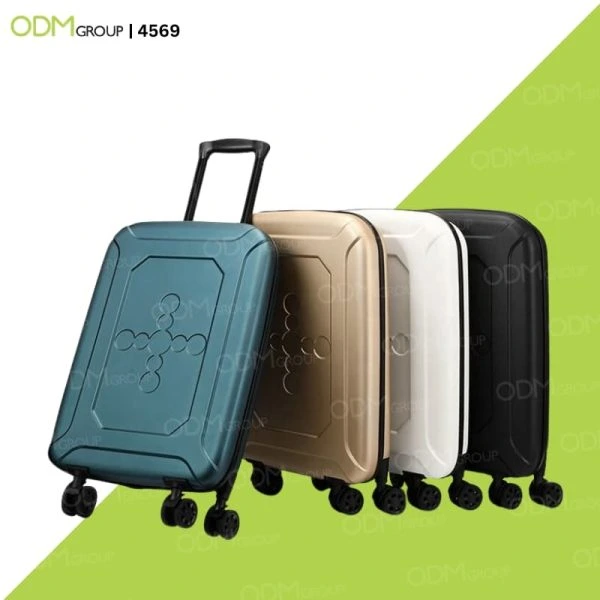
Travel cases, towels, tote bags and organizers offer opportunities for brands to extend their presence beyond the retail environment.
Brands can develop these products individually or combine them into themed gift sets.
The most suitable loyalty merchandise depends on the campaign objective, customer profile and reward structure. A coffee brand, for instance, may prioritize drinkware, while a lifestyle retailer could develop a wider range of accessories.
What Brands Should Consider When Developing Loyalty Merchandise
A successful loyalty merchandise campaign requires more than selecting attractive products. The merchandise needs to fit the campaign budget, appeal to the target audience and meet practical requirements before production begins.
Several considerations can help businesses make better decisions.
Start with the audience and the campaign objective. Consider what customers would find useful, collectible or worth working toward.
The reward should also make sense within the purchasing mechanic. A premium product may create stronger interest, but its cost needs to be balanced against the number of purchases required to earn it and the overall campaign budget.
When developing several products for one campaign, establish a shared design direction before moving into individual product development.
Colors, patterns, logos, materials and finishes should complement one another. This does not mean every product needs to look identical. Instead, each item should have enough common design elements to feel like part of the same collection.
Product appearance is only one part of development. Material selection, dimensions, construction, usability and durability also influence the final result.
For example, drinkware requires careful consideration of material suitability, capacity, lid construction and intended use. A travel case may need appropriate internal compartments, secure closures and durable exterior materials.
Clear product specifications help designers and manufacturing partners understand what needs to be achieved before sampling begins.
A merchandise collection involving several product categories can require different materials, production processes and manufacturing capabilities.
Brands should consider unit costs, minimum order quantities, packaging, production lead times and shipping arrangements early in the planning process. Factory selection should also reflect the technical requirements of each product rather than relying on one manufacturing source for every item.
Merchandise represents the brand long after the customer receives it. Product quality therefore needs to be considered throughout development.
Depending on the product, this may involve checking material quality, dimensions, printing, surface finishes, assembly, packaging and functionality. Appropriate product testing and factory quality inspections can help identify problems before large-scale production and delivery.
Addressing these considerations early helps reduce development risks and gives brands a clearer picture of what can realistically be achieved within their campaign requirements.
How ODM Helps Brands Develop Loyalty Merchandise
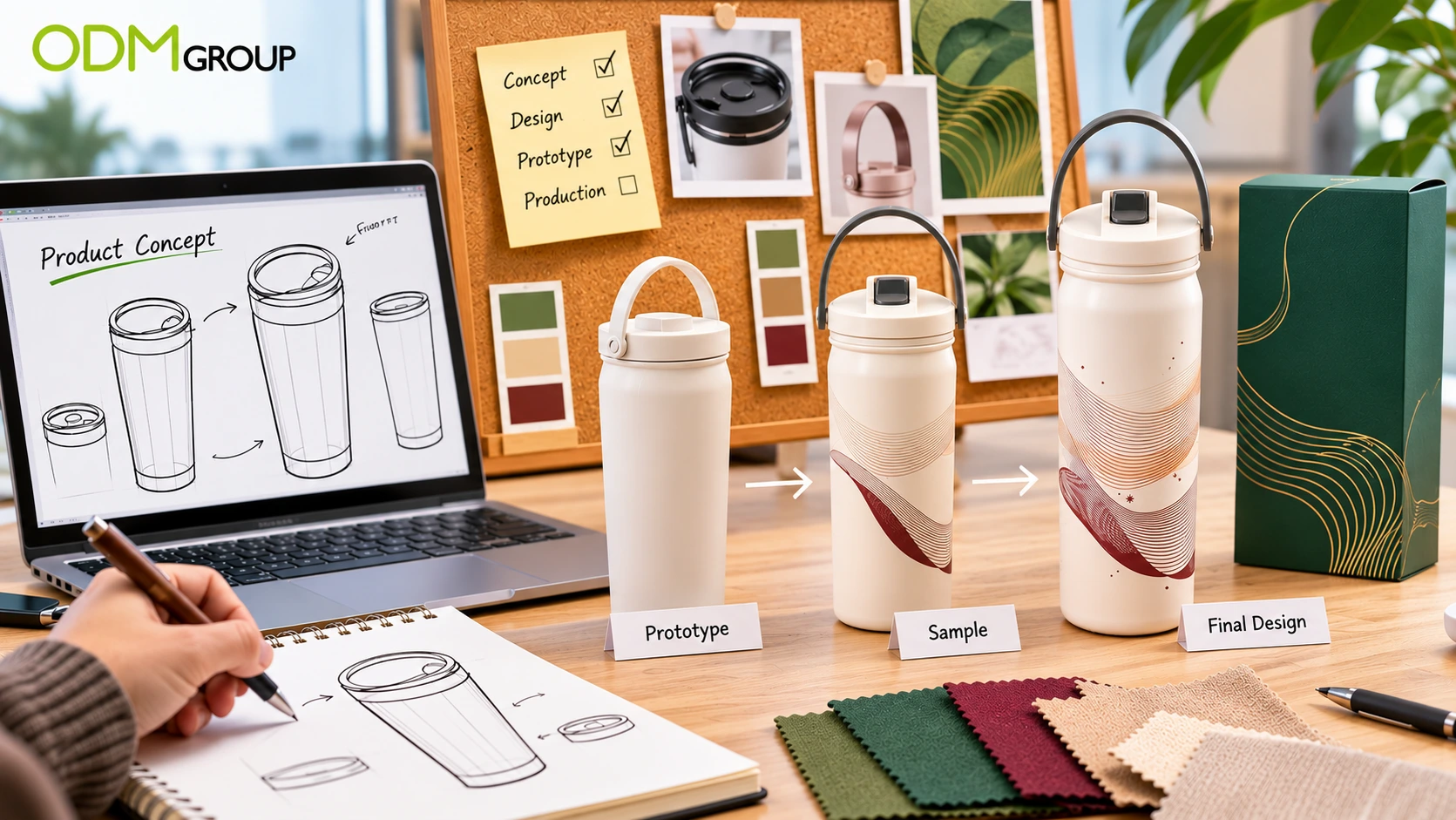
Turning a loyalty campaign idea into a coordinated merchandise collection involves several stages, from concept development and product design to sourcing and quality control.
The ODM Group serves as a creative promotional marketing partner, helping businesses develop merchandise ideas aligned with their campaign objectives and target audiences. Rather than simply selecting existing products, the process can begin with product concepts, design sketches, and 3D CAD through Mindsparkz.
For collections involving multiple product categories, ODM can help establish a consistent design direction, develop product specifications, and coordinate packaging concepts, prototypes, and samples. This gives brands an opportunity to review the products and make necessary adjustments before production.
ODM also supports factory selection and audits, quality control, and logistics through its network of manufacturing partners in Asia. These services help businesses coordinate the practical requirements of bringing different merchandise items together for one campaign.
Whether a brand is planning a seasonal reward collection, a customer loyalty program or a gift-with-purchase promotion, the starting point should be the campaign objective. The merchandise should give customers a reason to participate while remaining practical to develop, source, and deliver.
Final Thoughts
Starbucks Traditions demonstrates how loyalty merchandise can become an important part of a brand’s customer engagement strategy. By combining collectible products, a recurring seasonal theme, and a clear reward mechanic, Starbucks gives customers a reason to return while keeping its brand connected to their everyday routines.
For businesses planning their own loyalty campaigns, the opportunity goes beyond offering promotional gifts. The right merchandise collection can encourage repeat purchases, strengthen brand recognition, and give customers something they genuinely want to earn and keep.
Planning a loyalty merchandise campaign for your brand? Work with The ODM Group to turn your campaign objectives into creative product concepts and market-ready merchandise. Let’s develop a loyalty merchandise collection that keeps your customers coming back.
ODM Services
FAQs about Loyalty Merchandise
How do you design a collection of loyalty merchandise?
Start by defining the campaign theme, target audience and reward objectives. From there, develop a product range with a consistent visual identity, considering colors, materials, branding, finishes and functionality. Product sketches and 3D visualizations can help communicate the concepts before moving into prototyping.
What should brands consider when choosing products for a loyalty campaign?
Consider the target audience, product usefulness, perceived reward value and campaign budget. Products should suit customers' lifestyles while remaining practical to develop and produce. Brands should also consider whether different items can be combined into a coordinated collection.
Why is product prototyping important when developing loyalty merchandise?
Prototyping allows brands to evaluate a product before committing to mass production. It helps identify issues with dimensions, materials, construction, colors, functionality and overall appearance. Adjustments can then be made to the design and specifications before production begins.
How long does it take to develop custom loyalty merchandise?
The timeline depends on product complexity, the number of items, material availability, customization requirements, sampling revisions and testing. Products requiring custom molds or specialized components may take longer. Brands should allow sufficient time for design, sampling, approval, production, quality control and shipping.
Latest Blogs
Starbucks Traditions 2027: How Loyalty Merchandise Keeps Customers Coming Back
Loyalty merchandise gives customers an added reason to stay [...]
Custom Wine Goblets for Premium Gifts and Collectible Merchandise
Some promotional gifts are practical. Others become conversation pieces. [...]
From Waste to Worthwhile: Creative Recycling Promotional Items
National Recycling Day, observed on November 15 in the [...]
Custom Shaped Bags: How MLB Turned a Jersey into a Promotional Gift
Promotional merchandise can become more memorable when brands turn [...]
Embedded Toy Soap Bars: A Fun and Creative Promotional Gift
Promotional gifts do not always need to be complicated [...]
Meet Gary the Fire Goat. Icarus was a fanboy, so legend has it. A Chinese Zodiac Socks Collection
Here’s Gary’s story. Normally gentle, creative and peace-loving [...]