Most promotional products disappear long before the campaign is remembered. Not because the product was poorly made, but because it never became part of someone’s routine.
That is the shift happening in promotional marketing today. Brands are no longer competing for one-time attention. They are competing for long-term relevance.
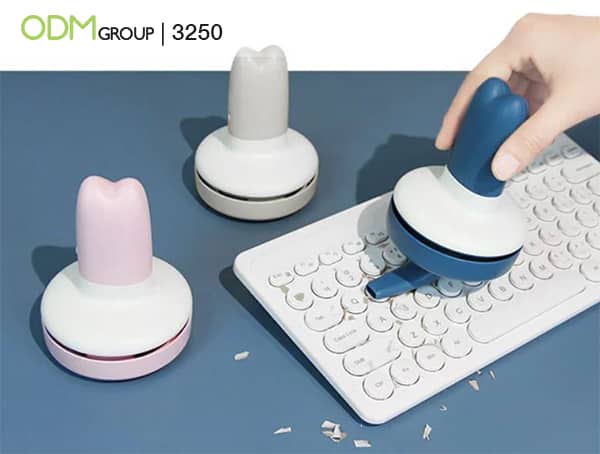
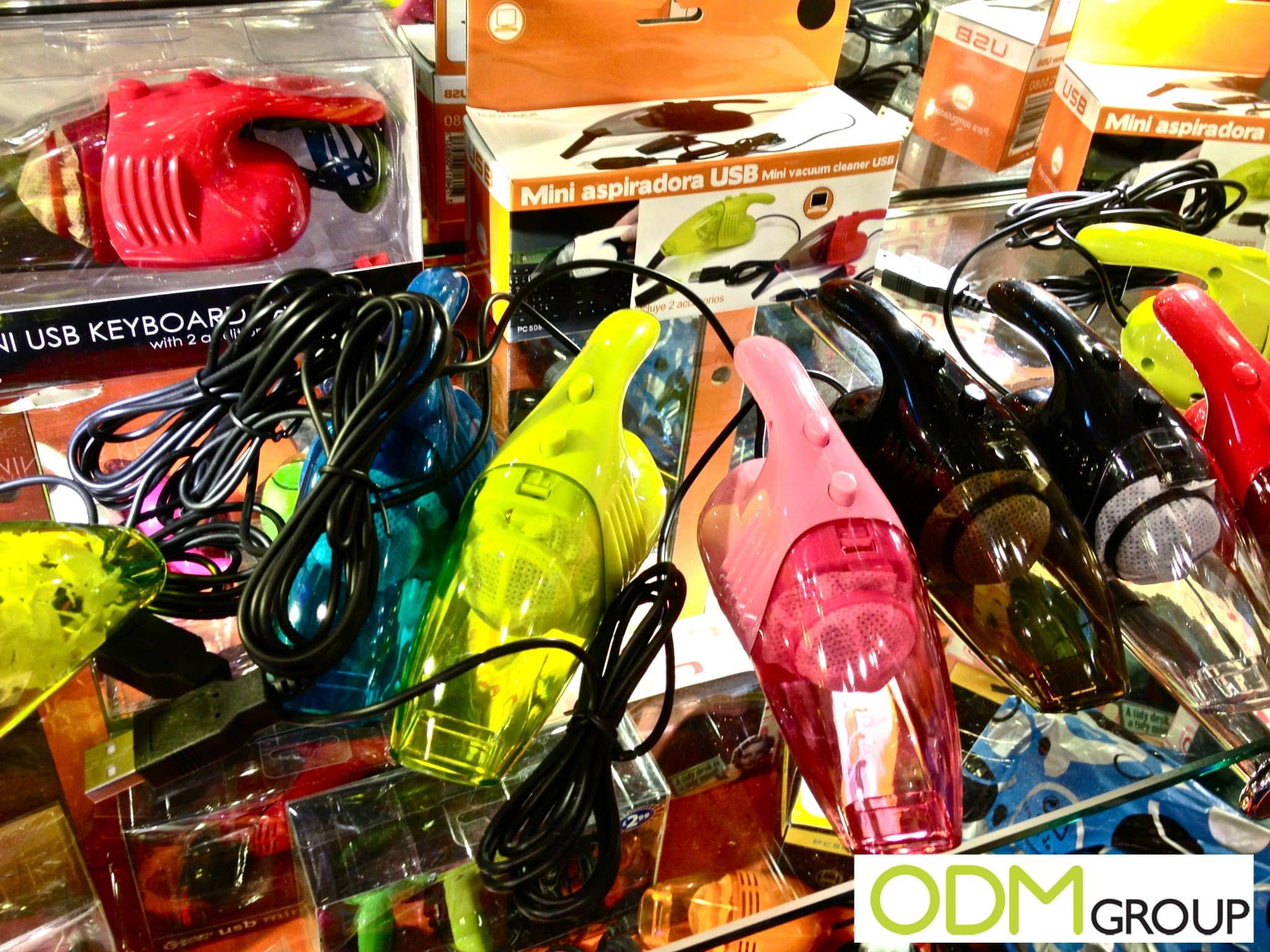
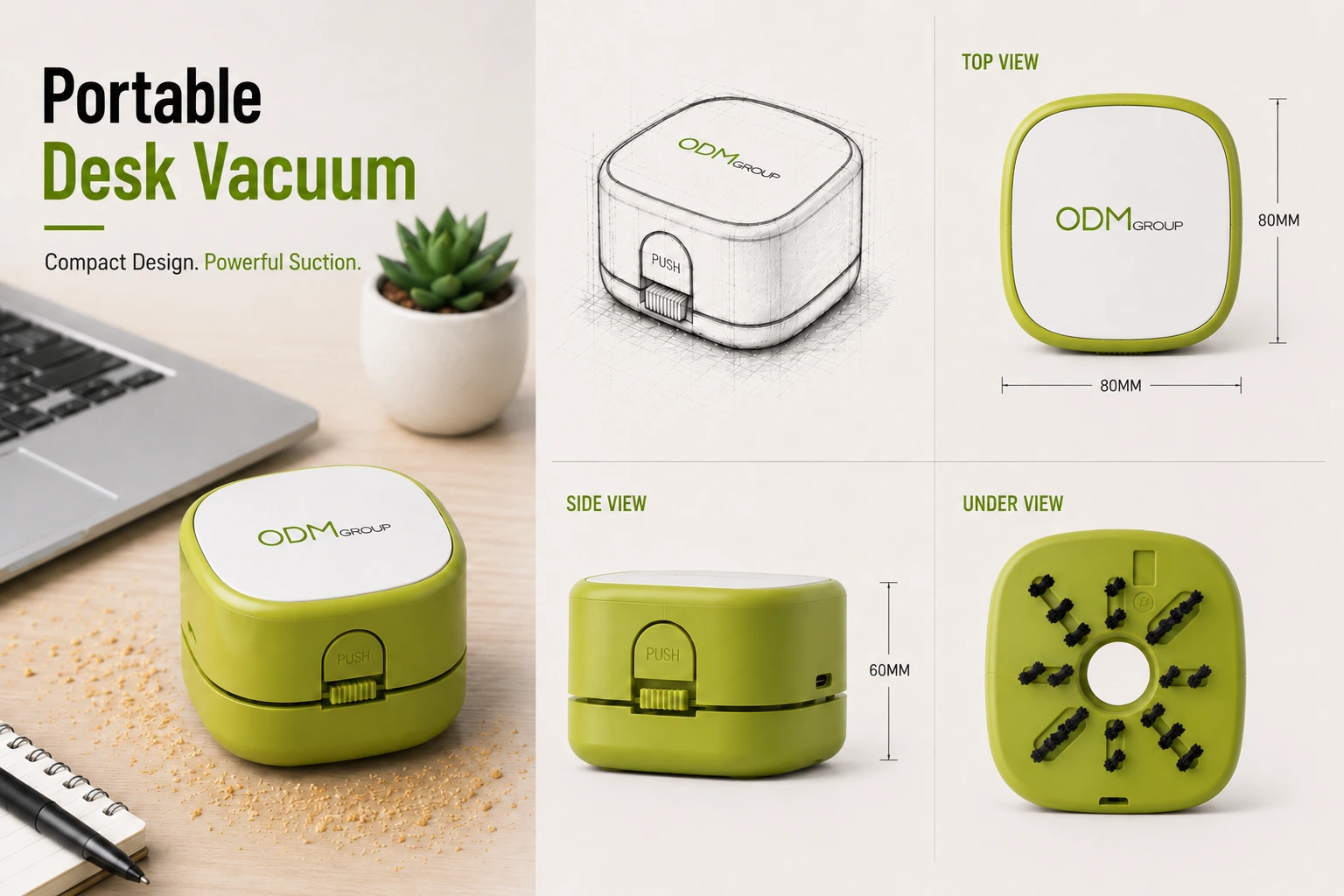
The mini desk vacuum cleaner stands out because it fits naturally into everyday workspace habits. Instead of creating a single impression, it becomes part of repeated daily interaction.
And increasingly, that repeated interaction creates far more value than visibility alone.
The Promotional Industry Is Shifting From Reach to Retention
For years, promotional campaigns were measured heavily by volume.
1. How many units were distributed?
2. How many people saw the logo?
3. How quickly can products be handed out?
But visibility alone no longer guarantees impact. Many products create a brief moment of attention before disappearing into drawers, bags, or storage. The campaign technically reaches people, but the interaction ends almost immediately.
That approach is becoming less effective in a market where consumers are exposed to constant branding. Likewise, the products performing best now are not necessarily the loudest or cheapest. They are the products people continue using long after the campaign ends.
That changes the entire strategy behind merchandise selection.
A product used repeatedly creates multiple brand interactions without requiring additional marketing spend. Over time, familiarity builds naturally through routine rather than interruption.
And that is where functional desk products are quietly outperforming many traditional giveaways.
The Workspace Has Become Prime Brand Real Estate
The modern workspace has changed dramatically over the last few years.
Desks are no longer purely functional environments. They have become personalized spaces shaped around productivity, comfort, aesthetics, and daily habits. Whether in corporate offices, coworking spaces, home workstations, or student environments, people now spend significant time optimizing their workspaces.
That shift matters for promotional marketing.
The workspace is one of the few environments where products remain consistently visible throughout the day. Unlike occasional-use merchandise, desk products stay within reach and become part of repeated behavior patterns.
This is also why workspace accessories are growing across retail, tech, and lifestyle markets. Consumers increasingly value products that subtly improve focus, organization, and convenience.
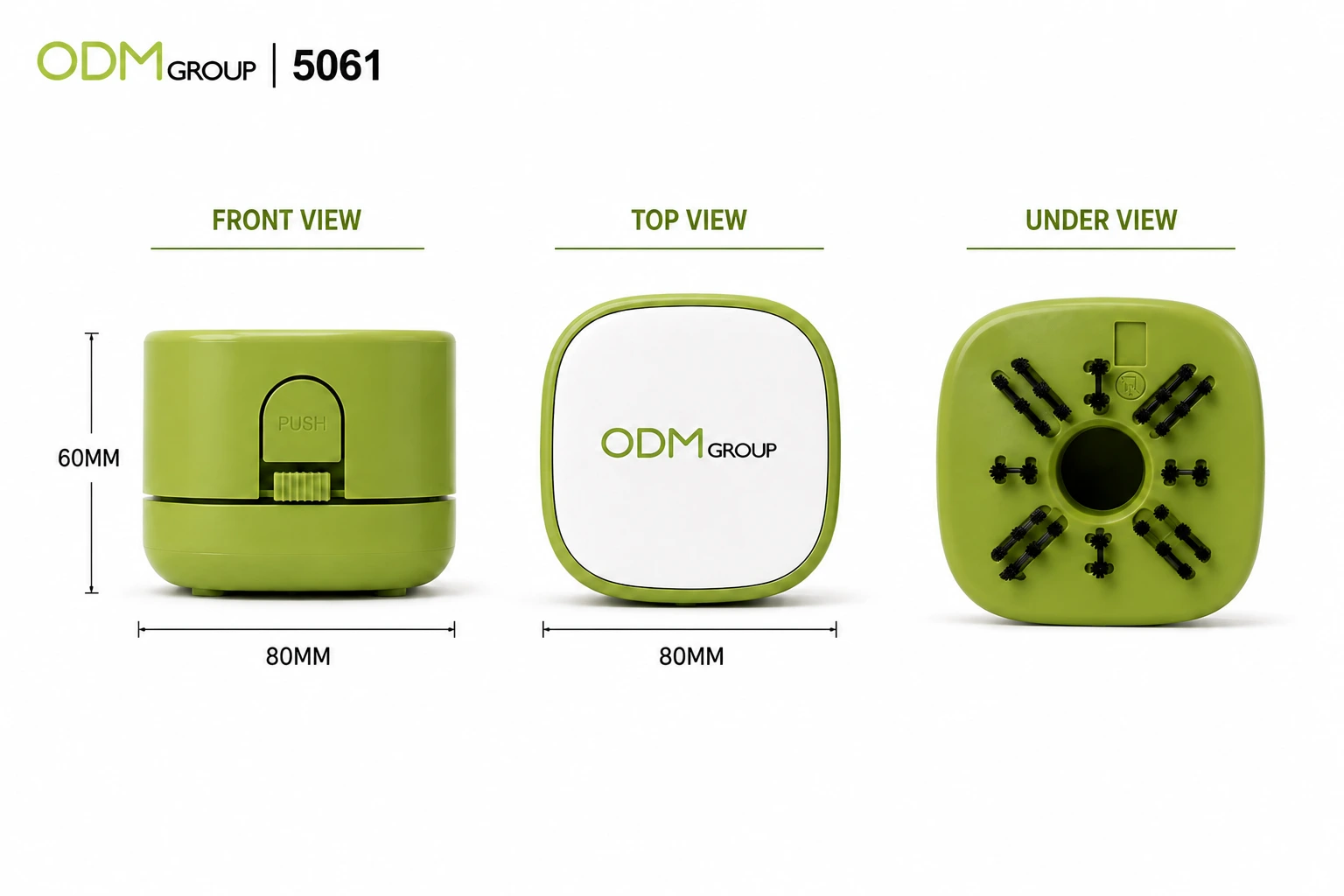
The mini desk vacuum cleaner fits naturally into this environment.
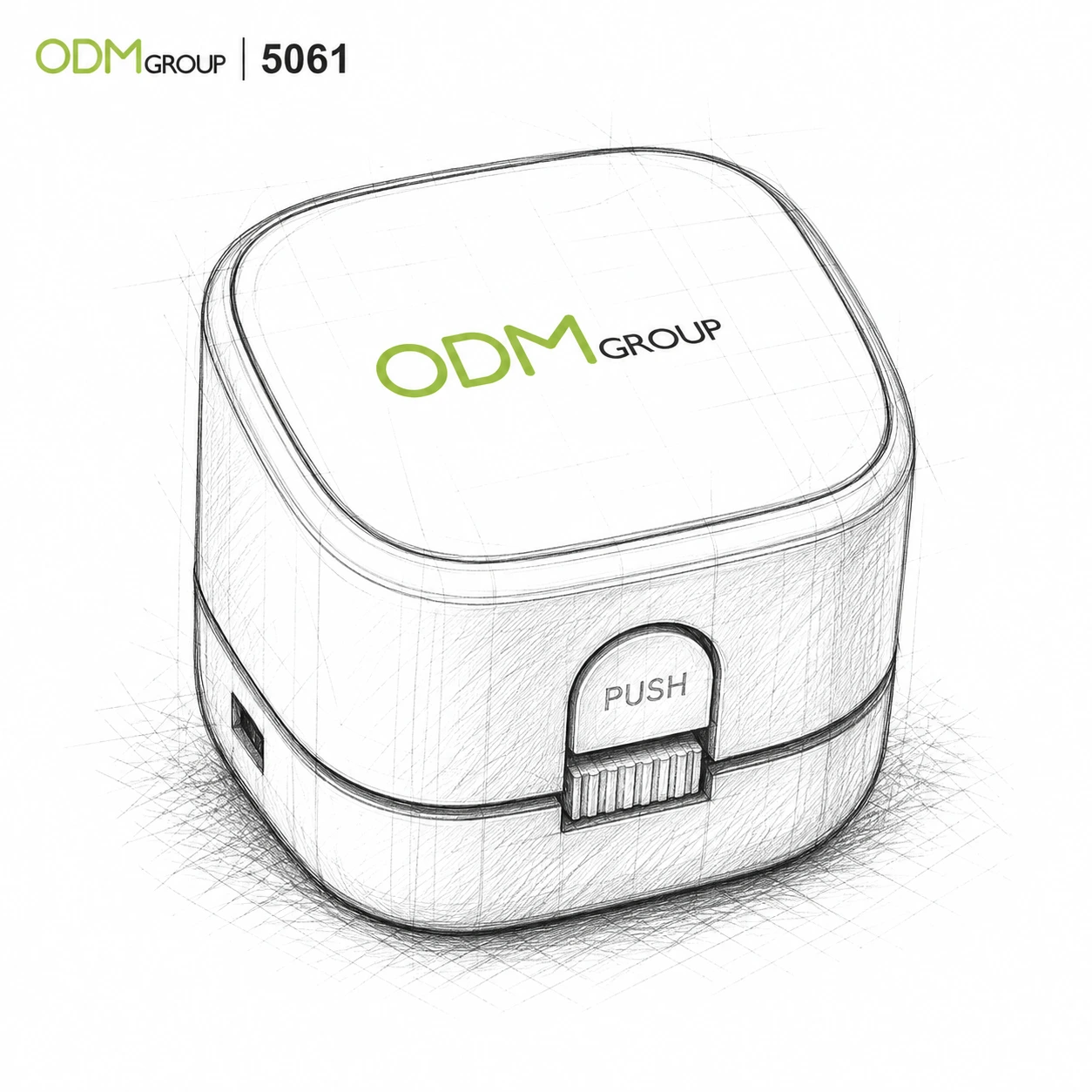
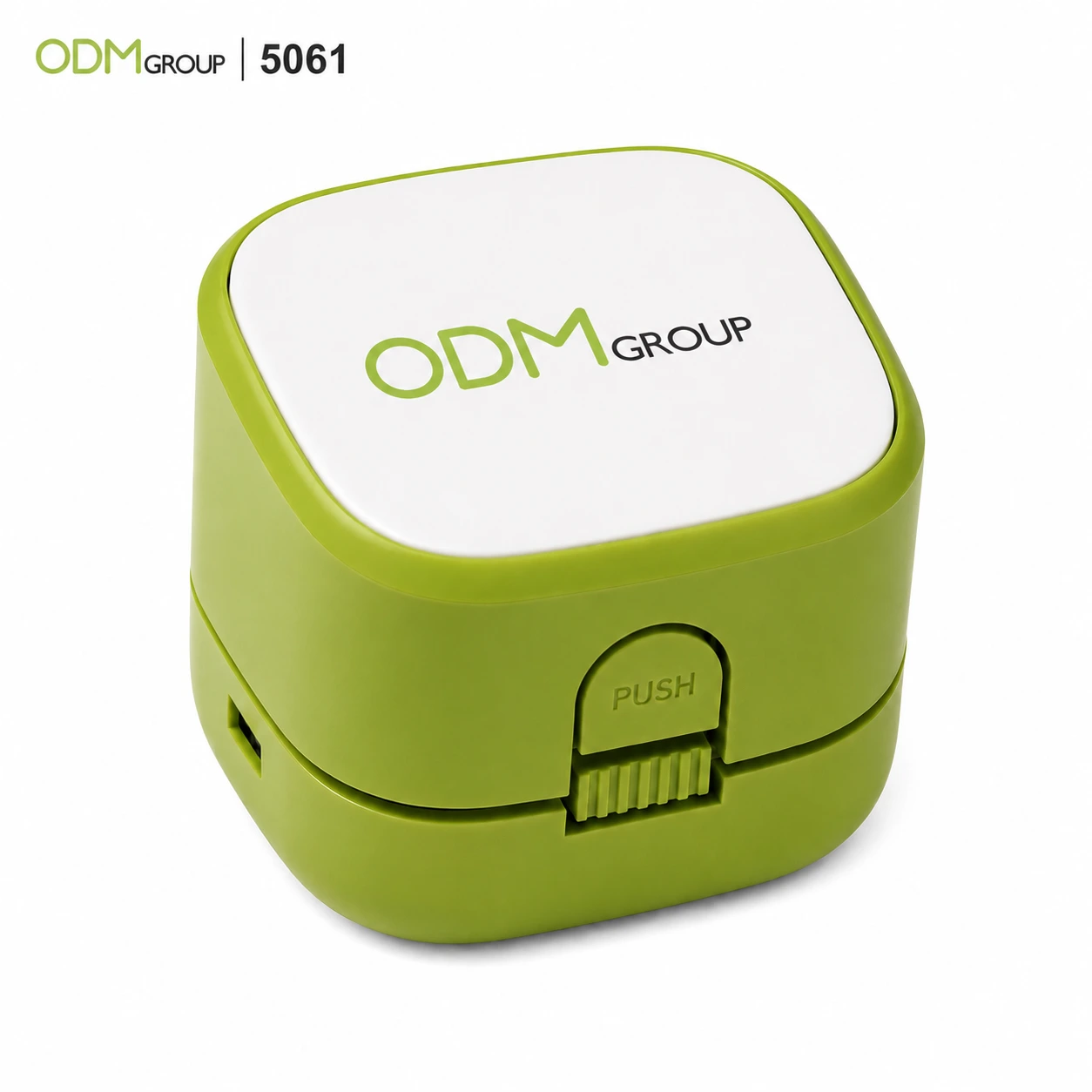
Crumbs, dust, and small debris are minor frustrations, but they happen constantly.
The product addresses those moments without requiring users to change behaviour or adopt something unfamiliar.
That ease of integration is what gives the product long-term value.
The best promotional products rarely demand attention aggressively. They become useful enough that people continue interacting with them without thinking about the branding itself.
Products That Integrate Into Daily Routines Last Longer
One of the biggest misconceptions in promotional marketing is assuming that usefulness alone guarantees retention. It does not. The products that remain visible over the long term usually share a combination of behavioral advantages that naturally support repeated interaction.
1. They solve recurring problems
Products tied to repeated behavior stay relevant longer. A desk vacuum addresses a common issue in workspace environments, increasing usage frequency over time.
2. They stay physically accessible
Accessibility heavily influences behavior. Because the product sits directly on the desk, users can reach for it immediately between tasks, after meals, or during quick workspace resets. Small convenience drives repeated use.
3. They require almost no learning curve
Products with friction tend to lose engagement quickly. The easier something is to use, the easier it becomes integrated into routine behavior.
This is why simple desk tools often outperform more complex promotional gadgets.
4. They contribute positively to the environment
There is also a psychological layer that brands often underestimate.
Clean workspaces are frequently associated with focus, productivity, and control. Products that quietly improve the environment create more positive emotional associations than products designed purely for visibility.
That emotional connection is often what separates retained products from forgotten ones.
And yet, many promotional campaigns still focus heavily on exposure instead of behavior.
Most Promotional Products Fail Before the Campaign Ends
Many giveaway campaigns underperform for predictable reasons. Not because the product category is wrong, but because the product is positioned incorrectly.
One of the most common mistakes is overbranding.
Large logos, aggressive colors, and highly promotional styling often reduce long-term usability. People are less likely to keep products visible in their workspace if they feel too heavily branded or visually disruptive.
Subtle branding usually performs better because it blends naturally into real environments. Another issue is novelty without purpose.
Novelty creates short-term curiosity, but it fades quickly if the product does not meaningfully contribute to daily routines.
This is why many “fun” giveaways initially attract attention but disappear soon after distribution.
There is also a growing gap between distribution efficiency and actual retention.
Most promotional products are still designed around scale rather than long-term relevance. But the future of branded merchandise will increasingly belong to products people would willingly choose to keep for themselves.
That is an important distinction.
Because the goal is no longer simply getting products into people’s hands. The goal is earning continued space within their environment.
Why Workspace-Centered Merchandise Campaigns Are Growing
The strongest merchandise campaigns today are becoming more ecosystem-driven rather than product-driven. Instead of distributing disconnected items, brands are building merchandise systems designed around specific environments and routines.
Workspace campaigns are one of the clearest examples of this shift. Rather than treating the mini desk vacuum cleaner as a standalone giveaway, brands are increasingly integrating products like this into broader productivity-focused experiences.
That can include:
- employee onboarding kits
- hybrid work campaigns
- desk personalization programs
- productivity-themed product launches
- remote work appreciation kits
- student success campaigns
- workspace wellness initiatives
The product becomes more valuable when it contributes to a larger behavioral context.
Bundling also improves perceived value significantly. Pairing the desk vacuum with products such as:
- cable organizers
- wireless chargers
- notebooks
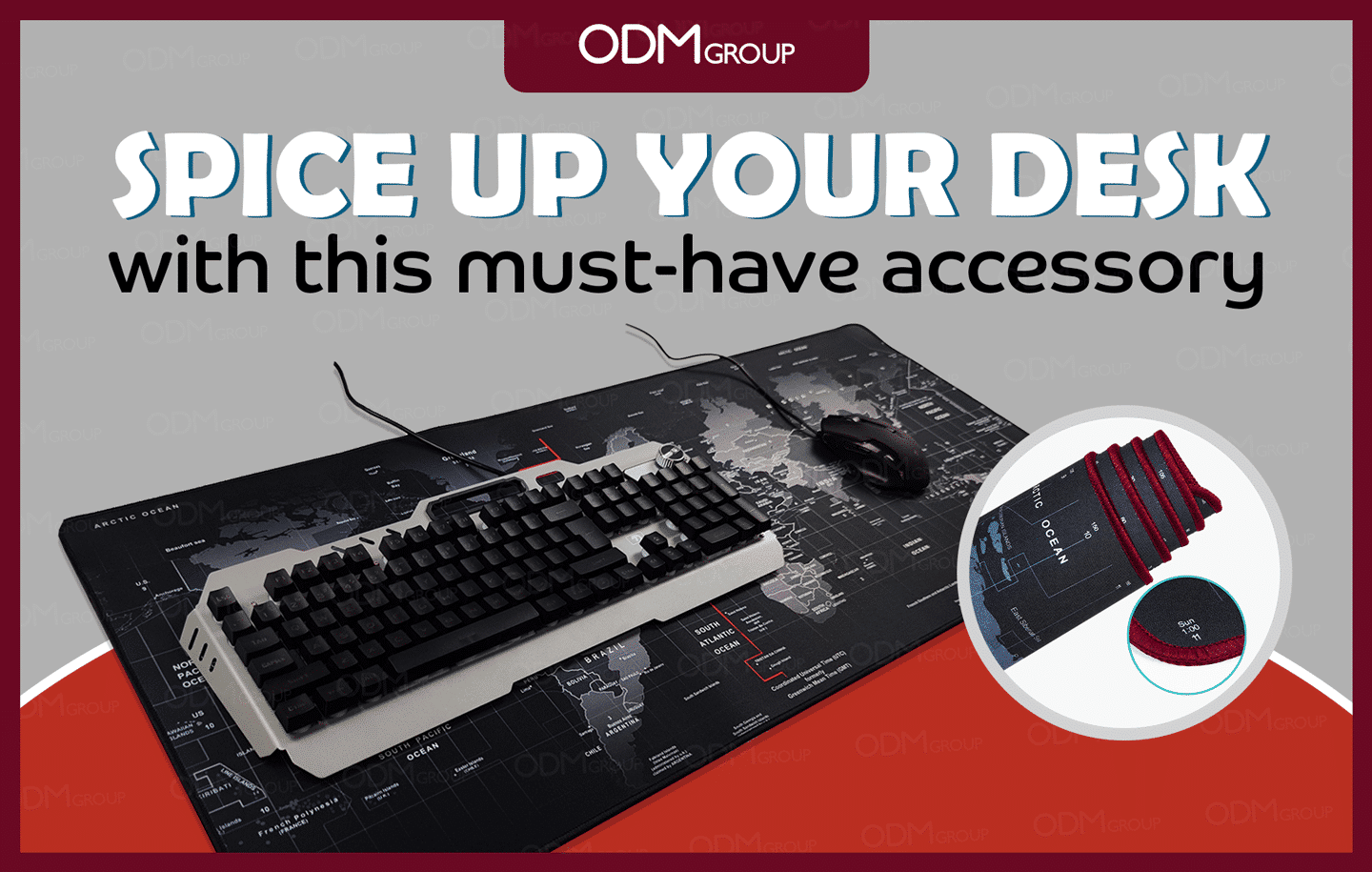
- desk mats
- reusable drinkware
- ergonomic accessories
creates a more complete workspace experience instead of a single promotional interaction.
This is where merchandise starts behaving less like advertising and more like brand-supported lifestyle design.
Good Design Increases Product Lifespan
Design decisions directly influence whether products remain visible over the long term. That includes far more than logo placement.
1. Subtle branding improves usability
Products that feel professionally designed are more likely to stay on desks permanently. Clean branding creates less resistance to everyday use.
2. Material finish affects perception instantly
Matte finishes often feel more premium and blend better into workspace aesthetics, while glossy finishes may support more tech-oriented branding styles.
Small details heavily influence perceived value.
3. Color strategy affects retention
Neutral tones typically integrate more naturally into different workspace environments. Products that visually fit into existing desk setups are more likely to remain visible over time.
4. Packaging shapes the first interaction
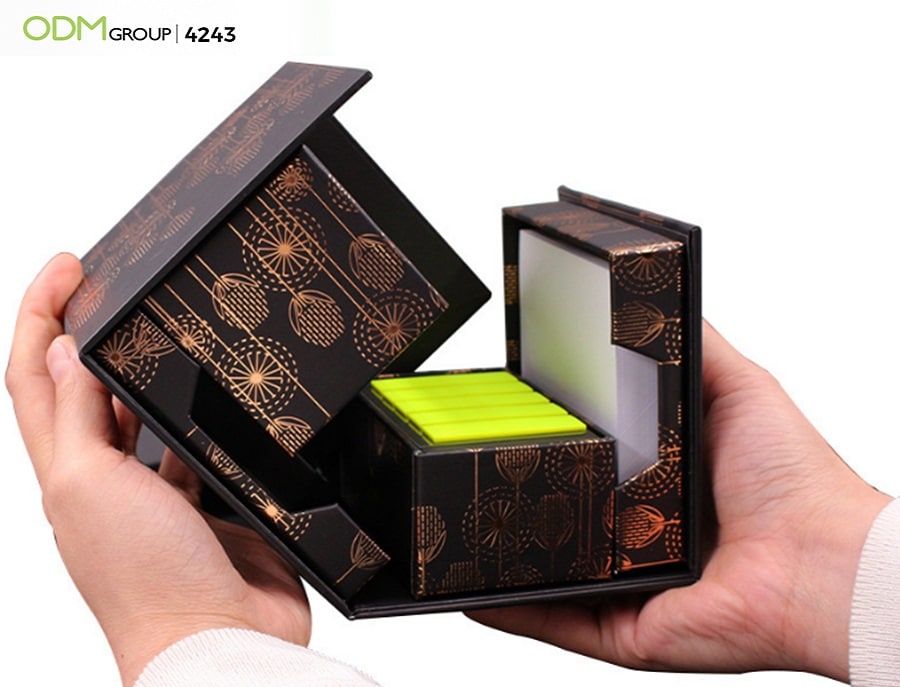
Packaging significantly influences perceived quality before the product is even used. A strong presentation can elevate a simple workspace tool into something that feels thoughtful and premium.
This matters especially in onboarding kits, PR campaigns, and executive gifting. Because increasingly, the experience surrounding the product matters almost as much as the product itself.
Why Behavior-Driven Merchandise Wins
The strongest promotional products are no longer the ones that create the loudest first impression. They are the ones people naturally continue to use over time.
That is why products like the mini desk vacuum cleaner perform differently. They fit into everyday routines, remain visible in workspaces, and create repeated interactions without feeling intrusive.
As brands move away from short-term visibility and toward long-term engagement, behavior-driven merchandise will continue becoming more valuable.
ODM Group helps brands develop promotional products designed for real-world use—from concept development and prototyping to packaging, sourcing, and production—creating merchandise people genuinely keep using long after the campaign ends.
Contact the ODM team to start developing promotional merchandise that delivers long-term brand visibility through everyday use.
If your next campaign is focused on long-term engagement rather than short-term reach, it’s worth rethinking how products fit into real environments.
ODM Group works with brands to turn ideas like this into products that actually perform in real life. From concept development and design refinement to sourcing, prototyping, and quality control, the focus is on creating items that people will keep using and not just receive.
Speak with our team to explore how this product can be developed as part of your next campaign.
ODM Services
Frequently Asked Questions
How do you know if a product will actually be used after distribution?
A good indicator is whether the product solves a small but repeated problem in a fixed environment. If it fits naturally into daily routines—like a desk setup—it has a much higher chance of being used consistently rather than stored away.
Is it better to choose a unique product or a practical one?
Unique products can attract attention initially, but practical products tend to deliver better long-term value. The most effective campaigns often combine both—something functional, but with a thoughtful or slightly unexpected design.
How can brands avoid their promotional products looking “cheap”?
It usually comes down to restraint. Subtle branding, better material choices, and clean packaging can significantly improve perceived value. Overloading a product with logos or bright colors often reduces how often people are willing to use it.
Can small products like this really impact brand perception?
Yes, especially when they are used frequently. Products that stay within reach and get used regularly create repeated, low-effort exposure. Over time, this builds familiarity and trust more effectively than one-time interactions.
What to Read Next?
3D Holographic Displays: Turning Logos into Experiences
Promotional products work best when they surprise and delight. [...]

Branded Desk Accessory Sets: Elevating Workspace & Branding
Imagine a workspace where functionality and your branding meet [...]
Make Your Mark: Custom Computer Desk Mats for Professionals
In an era where a computer is a must-have [...]
Custom Desktop Organizer: Stylish Employee Gift Idea in 2026!
Do you want your employees to start the year [...]
Add Flair to Employees’ Desk With Awesome Office Desk Gift Ideas
As the year comes to a close and the [...]
6 Pro Tips to Consider in Designing Promotional Desk Calendars!
Promotional desk calendars are one of the most practical [...]