
A mini vending machine toy can turn a familiar retail object into a memorable branded collectible. By combining recognizable design with interactive features, this miniature product offers brands a creative way to engage consumers beyond the point of purchase.
Coca-Cola’s collaboration with FamilyMart Taiwan illustrates this approach. The campaign featured a miniature vending machine inspired by Coca-Cola’s iconic visual identity, demonstrating how everyday brand touchpoints can become collectible merchandise.
For marketers, the concept offers more than novelty. It highlights how product design, sensory interaction and limited-edition appeal can work together to create promotional gifts that consumers want to keep.
Table of Contents
- What Is a Mini Vending Machine Toy?
- Coca-Cola’s Mini Vending Machine Toy Campaign in Taiwan
- Why Mini Vending Machine Toys Make Effective Promotional Gifts
- Creative Ideas for Custom Mini Vending Machine Toys
- How to Customize a Mini Vending Machine Toy for Your Brand
- How ODM Group Supports Custom Promotional Product Development
- Final thought
- Frequently Asked Questions
- Related Blogs
What Is a Mini Vending Machine Toy?
A mini vending machine toy is a scaled-down replica of a vending machine, designed for collecting, displaying or interactive play. Depending on the model, it may feature miniature product compartments, buttons, LED lighting, sound effects or mechanical dispensing functions.
Unlike a conventional promotional keychain or branded accessory, a miniature vending machine recreates a recognizable real-world object. Its compact size makes it suitable for desks, shelves, retail displays and gift collections.
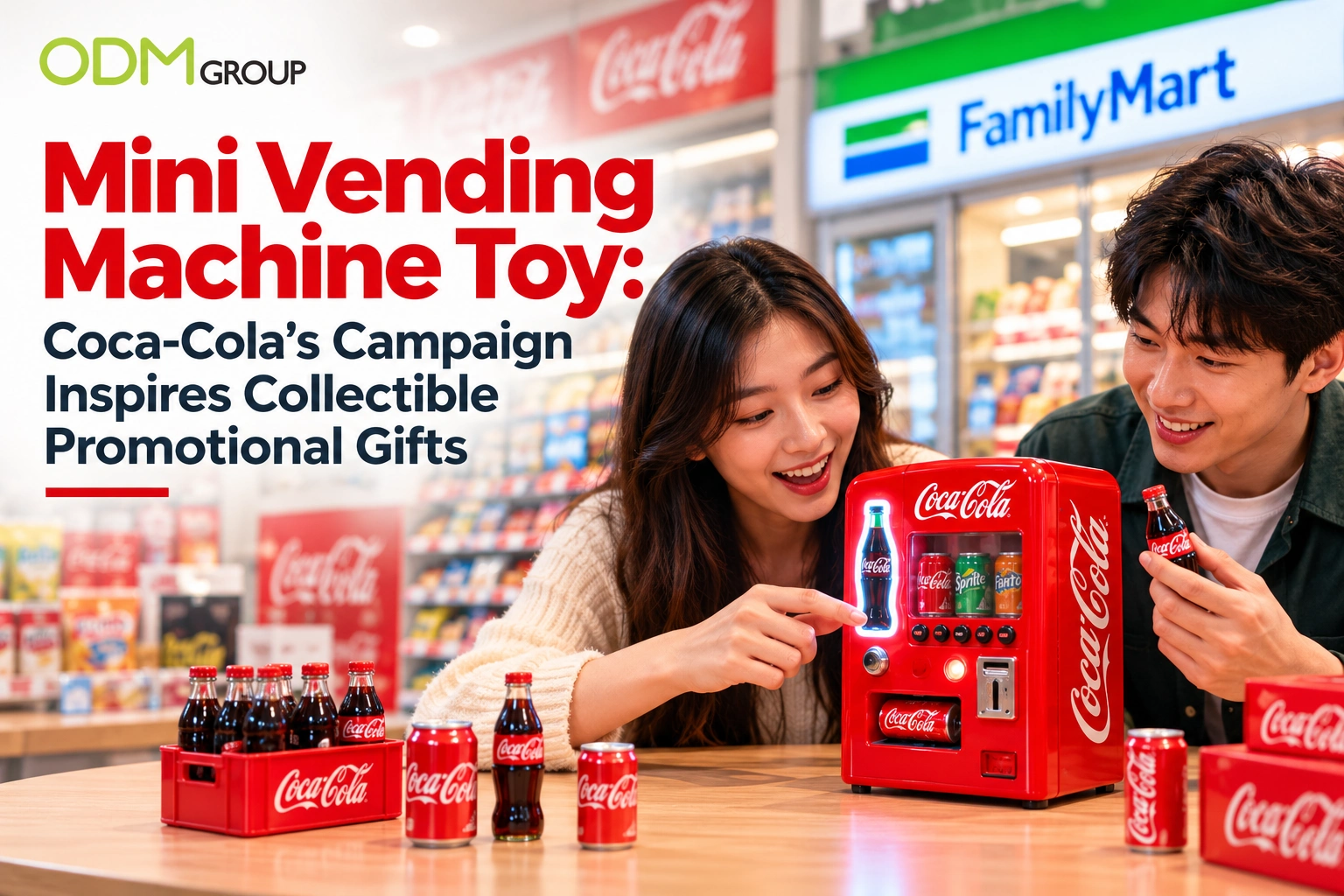
Coca-Cola’s Mini Vending Machine Toy Campaign in Taiwan
Coca-Cola and FamilyMart Taiwan demonstrated the promotional potential of miniature vending machine merchandise through a retail campaign in September 2026.
The promotion offered a miniature Coca-Cola vending machine through a purchase-with-purchase mechanic. Customers purchased eligible beverages and paid an additional amount to obtain the collectible, subject to availability.
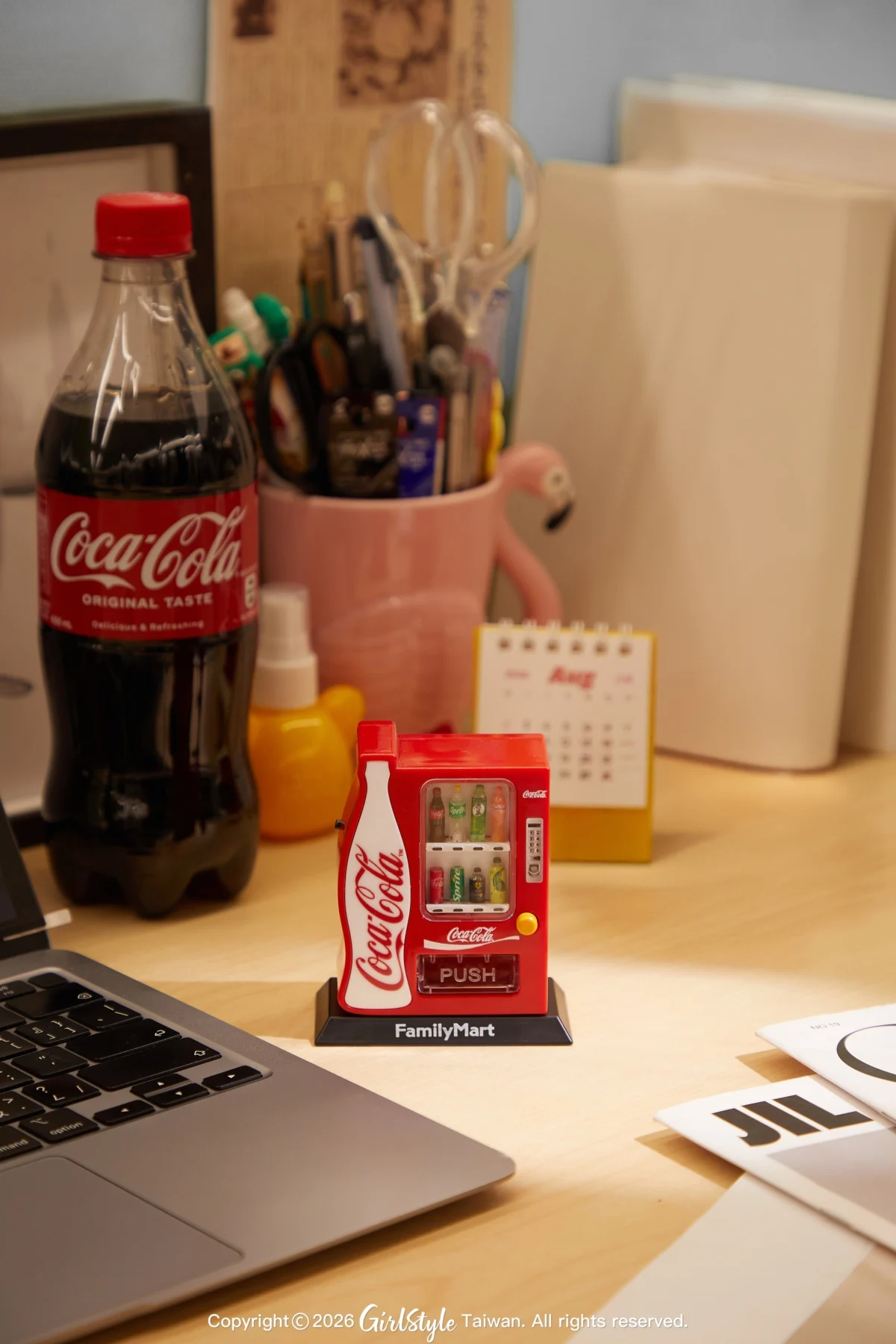
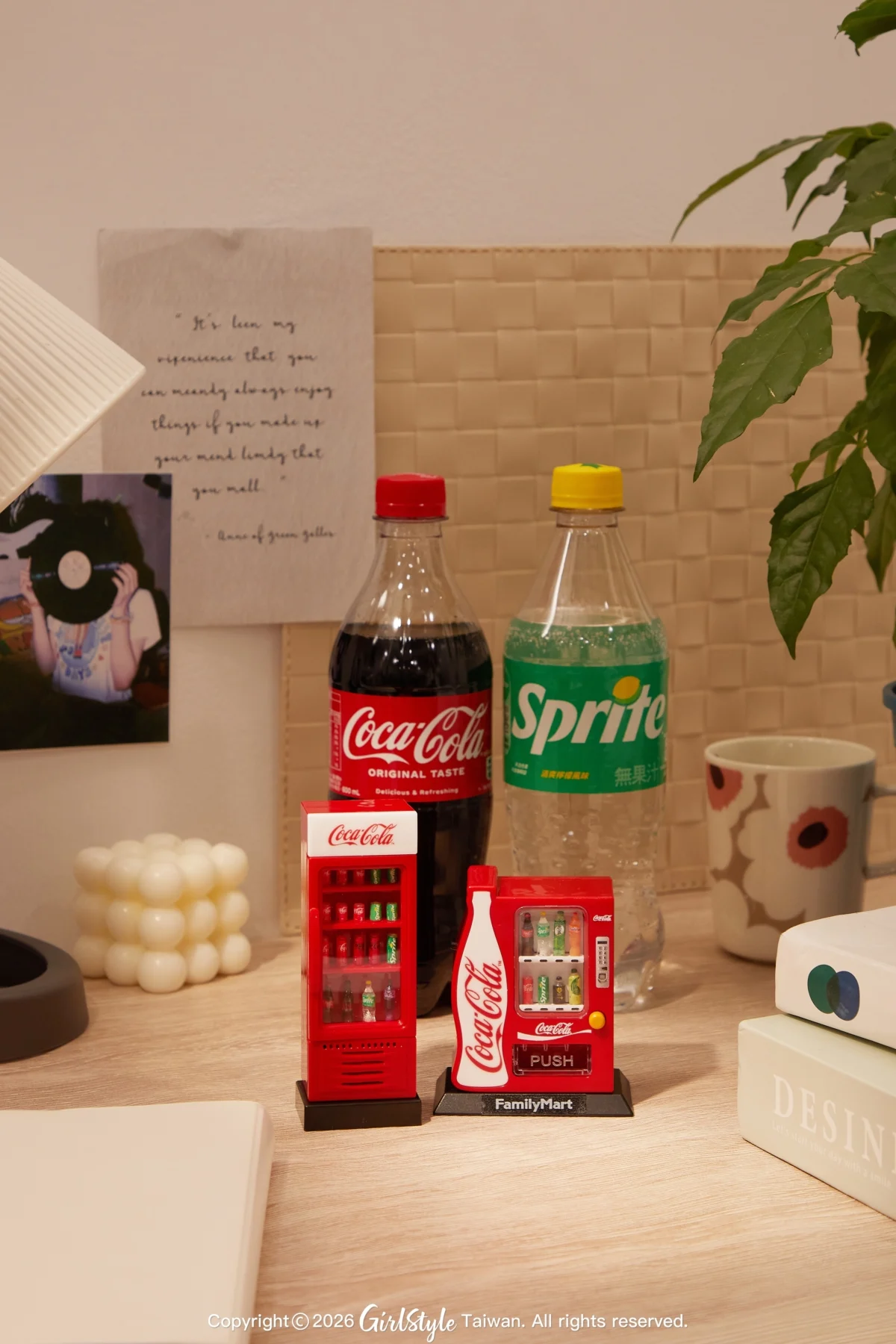
The product stood out through its recognizable red design, illuminated bottle detail and button-activated sound effects. FamilyMart-branded stickers added another layer of customization.
Rather than offering a conventional freebie, the campaign positioned the miniature as a collectible product with additional perceived value.
Why the Product Design Works
Recognizable brand identity
The classic vending machine silhouette and Coca-Cola-inspired visual elements make the product identifiable without relying solely on a printed logo.
Interactive features
Lighting and sound introduce a sensory element that distinguishes the miniature from a static figurine. These details can make the product more engaging to explore and display.
Collectible appeal
A miniature replica offers both decorative value and a connection to a familiar brand experience. This can make it attractive to collectors and consumers who enjoy branded merchandise.
A tangible extension of the campaign
Unlike digital advertisements that disappear from view, a collectible can remain in a consumer’s home or workplace, creating opportunities for continued brand exposure.
The campaign illustrates a broader product development principle: a promotional gift becomes more compelling when its design offers value beyond displaying a logo.
Why Mini Vending Machine Toys Make Effective Promotional Gifts
Mini vending machine toys combine visual recognition, interaction and display value. These characteristics make them worth considering for brands planning retail activations, loyalty programs or product launches.
Encourage Consumer Engagement
Buttons, lights and mechanical features invite users to interact with a product. When these features reinforce the brand concept, they can create a more memorable experience than branding alone.
However, interaction should serve a clear purpose. Additional electronics or moving parts can increase manufacturing costs, so brands should prioritize features that genuinely improve the experience.
Strengthen Brand Recognition
A miniature can reinterpret a brand’s signature product, packaging or retail environment. A beverage company might develop a vending machine inspired by its flagship drink, while a beauty brand could create a miniature dispensing station based on its product packaging.
This approach makes the product itself part of the brand story.
Increase Perceived Gift Value
Consumers may perceive a thoughtfully designed collectible as more valuable than a generic promotional item. Custom finishes, distinctive packaging and limited-edition designs can strengthen that appeal.
Perceived value does not automatically translate into campaign success, however. Product relevance, price, distribution and audience preferences still matter.
Support Multiple Marketing Applications
A mini vending machine toy can be adapted for different campaign objectives, including:
- Purchase-with-purchase retail promotions
- Loyalty and reward programs
- Product launches and brand activations
- Seasonal gifting and special editions
- Corporate gifts and event merchandise
The right format depends on the audience, budget and intended interaction.
Creative Ideas for Custom Mini Vending Machine Toys
The Coca-Cola campaign provides a starting point for brands seeking to develop their own miniature promotional products. The strongest concepts connect the product’s appearance and functionality to a recognizable brand asset.
Beverage-Inspired Mini Vending Machines
Recreate a signature beverage package, vending machine or retail experience in miniature form. Custom colors, product graphics and themed accessories can reinforce brand recognition.
Interactive Branded Desk Toys
Incorporate LED lighting, sound effects or simple mechanical actions into a compact desk collectible. This format is suitable for product launches, employee gifts and brand engagement campaigns.
Limited-Edition Collectible Series
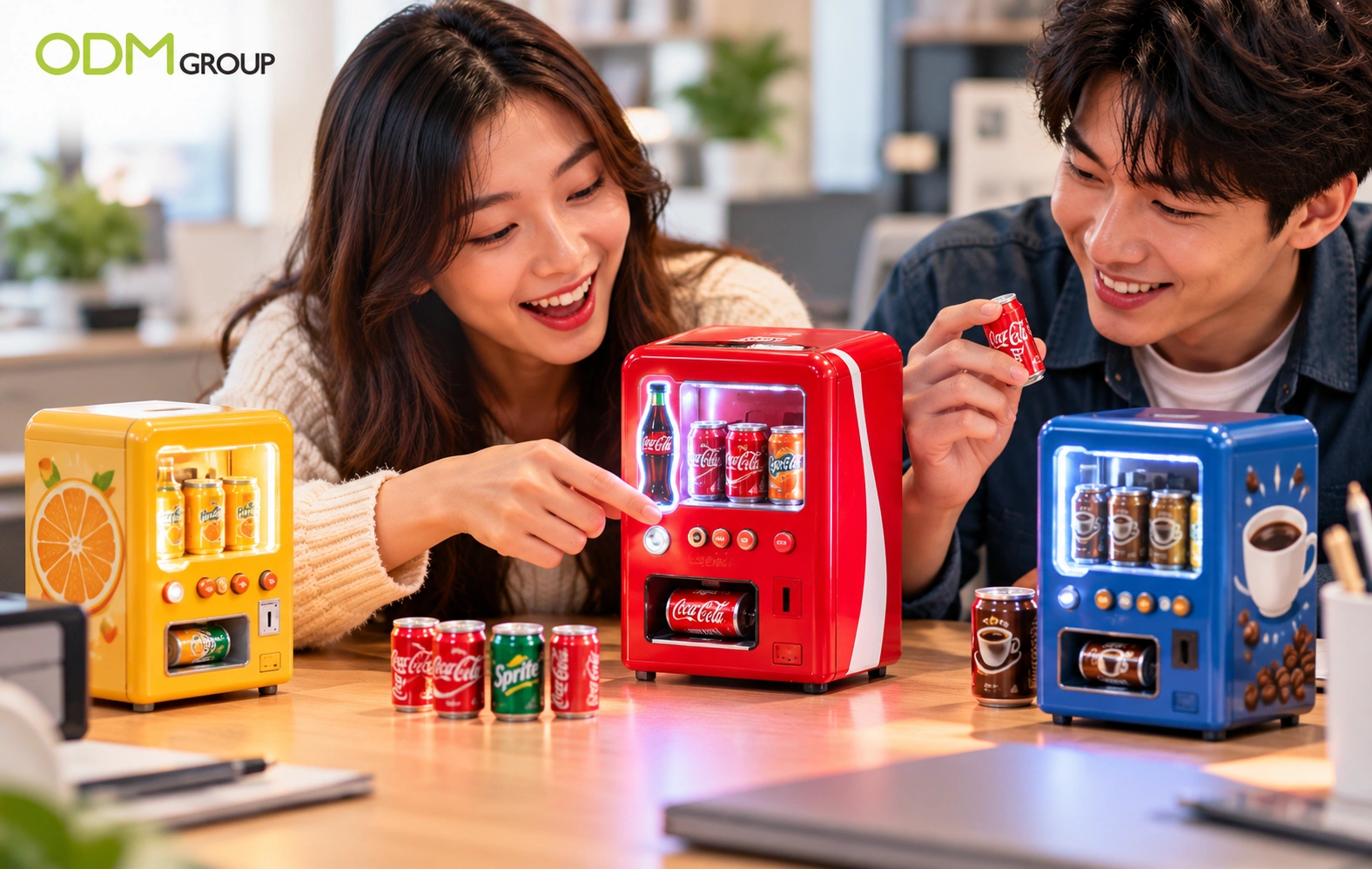
Develop several designs around different flavors, product lines, seasonal themes or brand milestones. A series can encourage repeat engagement, provided each edition offers a meaningful variation.
Miniature Retail Displays
Translate a recognizable retail fixture, product shelf or checkout counter into a branded miniature. These designs can support trade marketing, retail partnerships and industry events.
Customized Corporate Gifts
For B2B campaigns, a miniature can represent a company’s flagship product, production equipment or business environment. Custom packaging and carefully selected finishes can make the gift more relevant to the recipient.
How to Customize a Mini Vending Machine Toy for Your Brand
Developing a custom miniature requires balancing creative design with manufacturing feasibility.
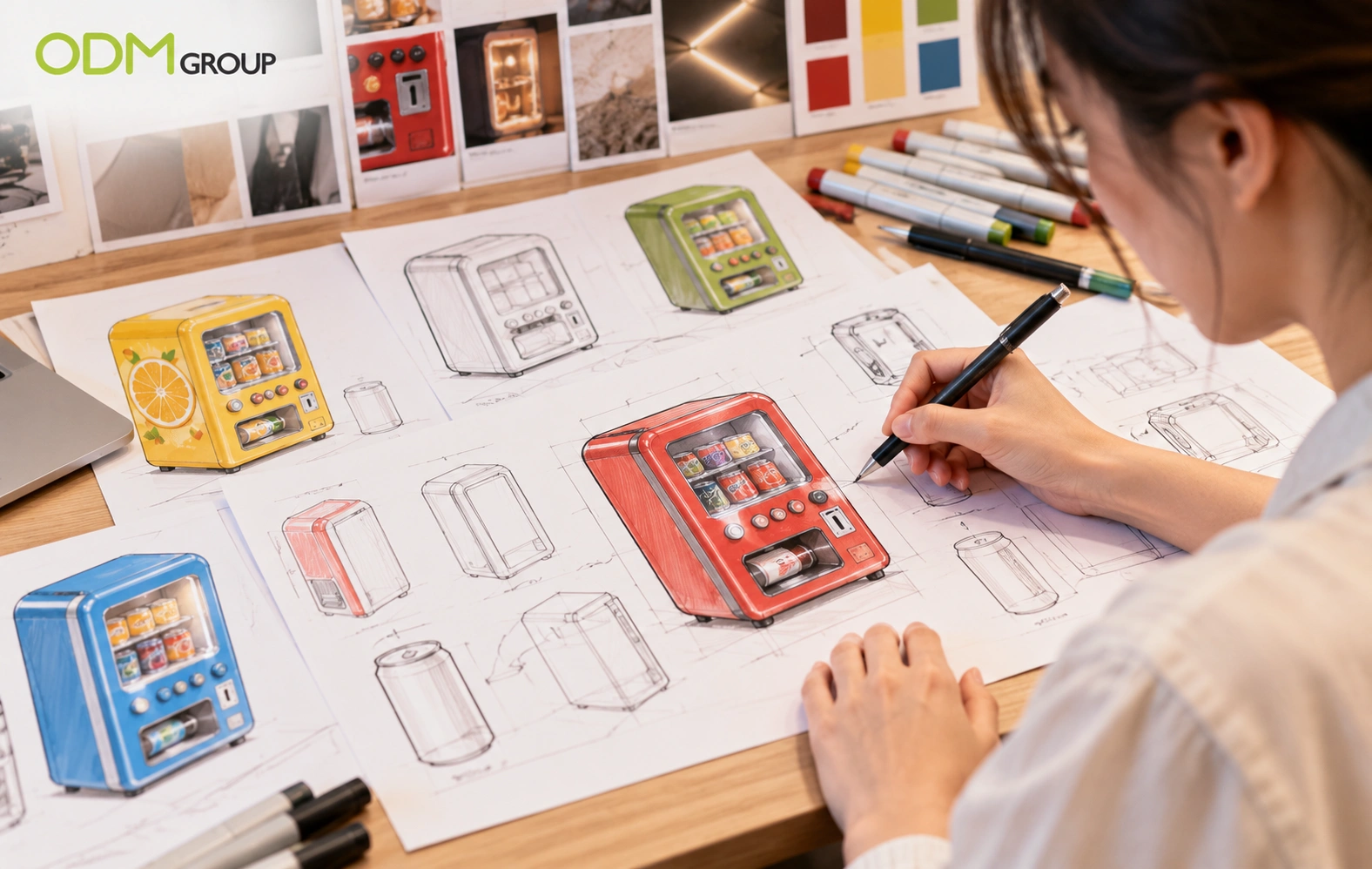
Step 1: Define the Campaign Objective
Determine whether the product is intended to encourage purchases, reward loyal customers, support a product launch or strengthen relationships with business partners. The objective will influence the product format and budget.
Step 2: Develop the Product Concept
Identify the brand element that should be recreated. This could be a signature product, package, vending machine or retail experience. The concept should remain recognizable at a smaller scale.
Step 3: Select Materials and Features
Material choices depend on the design, durability requirements, target audience and production budget. Depending on the concept, options may include plastic housings, printed components, transparent panels and electronic modules.
Interactive features such as lighting and sound should be evaluated against their additional cost, reliability and power requirements.
Step 4: Evaluate Manufacturing Requirements
Before production, assess minimum order quantities (MOQs), tooling requirements, prototype costs, production lead times and packaging specifications. Electronic products also require appropriate testing and compliance checks for their intended market.
Step 5: Validate the Prototype
Review the physical sample for visual accuracy, functionality, durability, branding consistency and packaging protection. Resolve design issues before approving mass production.
A clear development process helps brands avoid investing in features that add complexity without improving the customer experience.
How ODM Group Supports Custom Promotional Product Development
Turning a creative idea into a production-ready promotional product requires coordination between concept development, design, sourcing and manufacturing.
ODM Group helps brands explore customized product concepts for marketing campaigns, retail promotions and corporate gifting. A mini vending machine toy can serve as a starting point for developing merchandise that reflects a company’s visual identity and campaign objectives.
Potential development areas include:
- Product concept development: Translate a campaign idea into a practical product concept.
- Custom design and branding: Adapt product shapes, colors, graphics and packaging to brand requirements.
- Supplier sourcing: Identify suitable manufacturing capabilities and materials.
- Prototype development: Evaluate the design and functionality before production.
- Production coordination: Align specifications, quality expectations and delivery requirements.
Whether the brief involves a miniature collectible or another custom promotional item, the goal is to develop a product that connects brand identity with practical manufacturing considerations.
Explore ODM Group’s promotional product solutions to learn more about custom product development and sourcing.
Final thought
The mini vending machine toy demonstrates how a familiar object can become a distinctive promotional product through recognizable design, interaction and collectible appeal.
For brands, the opportunity is not simply to replicate a successful campaign. It is to identify the products, symbols and experiences their audiences already recognize, then translate them into merchandise that offers genuine value.
With the right concept, design and manufacturing strategy, a miniature collectible can become more than a giveaway. It can serve as a tangible extension of the brand experience.
ODM Group supports brands in exploring custom promotional product concepts, from initial design through sourcing and production coordination. Contact the team to discuss a product concept tailored to your next marketing campaign.
At The ODM Group, we specialize in transforming creative concepts into market-ready merchandise through precision printing, professional design, and global manufacturing expertise. Contact us today to learn how we can help you design, source, and manufacture high-quality promotional products that elevate your brand awareness.
- Website: www.theodmgroup.com
- Email: info@theodmgroup.com
Frequently Asked Questions
What is a mini vending machine toy?
A mini vending machine toy is a miniature replica of a vending machine designed for display, collecting, or interactive use. Depending on the model, it may feature buttons, LED lighting, sound effects, or dispensing mechanisms. Brands can customize its design with logos, colors, and product graphics to create distinctive promotional merchandise.
Can a mini vending machine toy be customized with a company logo?
Yes. Customization options may include logos, brand colors, printed graphics, packaging, and miniature product replicas. Depending on the design, extensive customization may require dedicated tooling or new molds. Brands should confirm artwork requirements, minimum order quantities, production costs, and intellectual property permissions before proceeding.
Are mini vending machine toys suitable for promotional gifts?
Mini vending machine toys can be suitable for retail campaigns, loyalty programs, product launches, trade events, and corporate gifting. Their appeal comes from combining recognizable designs with collectible or interactive features. Suitability depends on the target audience, campaign budget, product quality, distribution method, and applicable product safety requirements.
What features can be added to a custom mini vending machine toy?
Possible features include LED lighting, sound effects, moving components, miniature product displays, and small dispensing mechanisms. Options depend on the design, size, and intended function. Electronic or mechanical features may increase manufacturing costs and testing requirements, so brands should prioritize features that improve the user experience and support campaign objectives.
What should brands consider before ordering custom promotional toys?
Brands should evaluate the target audience, design complexity, materials, tooling costs, minimum order quantity, unit price, lead time, packaging, and quality control. Products with electronic components may require additional testing and market-specific compliance documentation. Licensing permissions should also be verified when adapting third-party trademarks or branded designs.
Related Blogs
Magnetic Reusable Water Balloons for Interactive Promotions
Outdoor campaigns succeed when promotional products enhance the experience. Magnetic reusable water balloons provide [...]
Canned Stuffed Animals: A Fresh Idea for Collectible Brand Campaigns
Canned stuffed animals combine two familiar product formats into one memorable promotional item: a [...]
Mechanical Wind Up Toys That Turn Giveaways Into Engagement
Here's the truth: Not every effective campaign needs to be complex. In a market [...]
Airport Marketing Ideas That Drive Real Results for Brands and Airlines
Airport marketing promotes brands, products, or services to influence airport travellers. It's effective as it [...]
How Customized Camera Toys Supercharge Brand Visibility
Promotional success often depends on how well a brand can spark interaction and custom [...]