
A promotional wine stopper is not the first product most marketers think of when planning a campaign. It is often overlooked in favor of drinkware or more visible merchandise. Yet in the right context, it can outperform both.
The reason is simple. This is a product that stays in someone’s home and gets used repeatedly in moments that matter. Unlike typical giveaways that disappear after a single interaction, a well-designed wine stopper becomes part of a routine. That shift from one-time use to repeated exposure is where real branding value is created.
At the same time, not every version of this product delivers results. Execution plays a decisive role. Design, material, and positioning all influence whether the item is kept or forgotten. Understanding these factors is what separates a successful campaign from a missed opportunity.
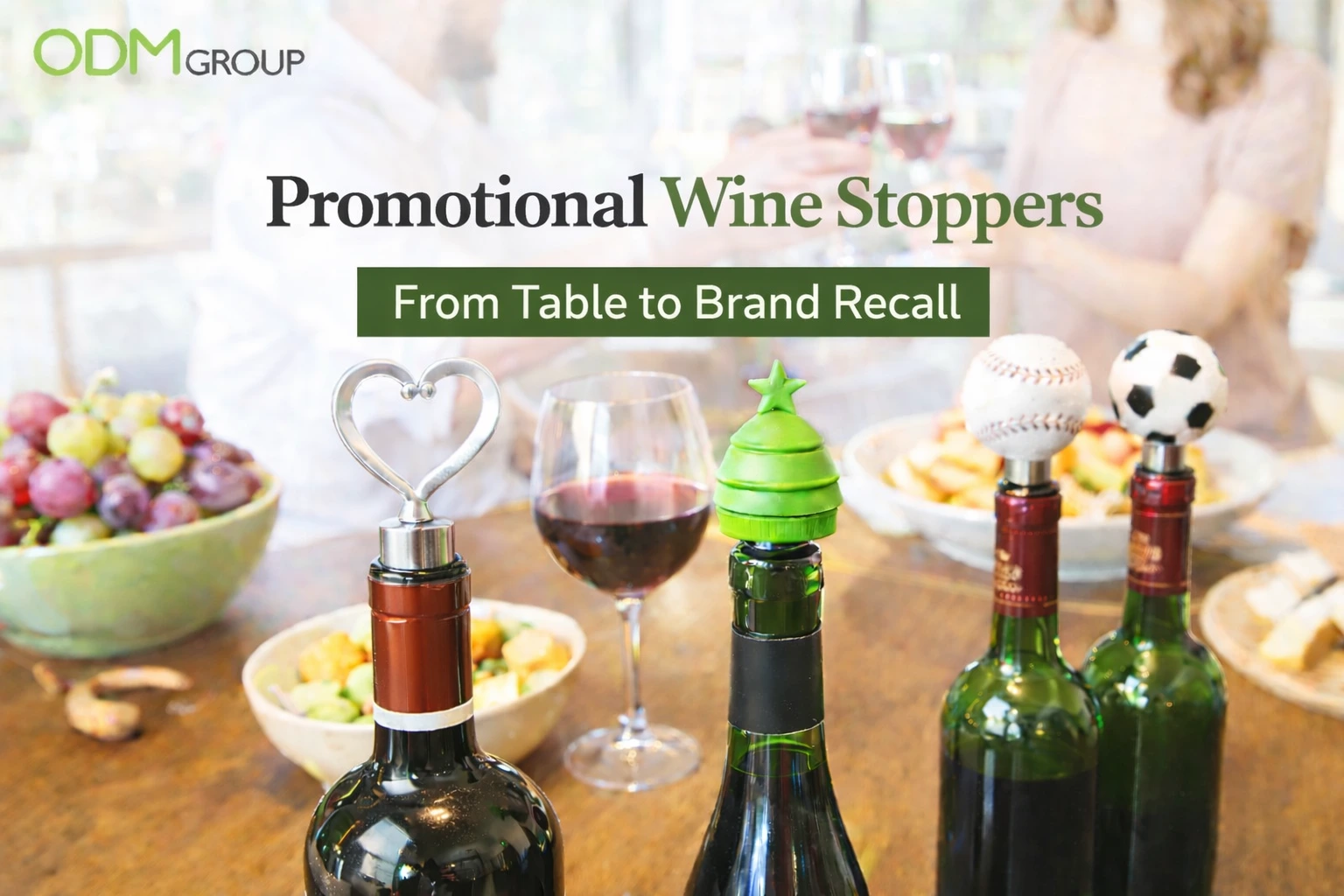
Why Promotional Wine Stoppers Work as a Branding Tool
1. They fit naturally into real-life use
The effectiveness of a promotional product depends on how easily it integrates into everyday behavior. A promotional wine stopper works because it serves a genuine purpose rather than forcing interaction. Users reach for it when needed, not because they feel obligated to engage with a branded item.
2. They are used in high-quality, relaxed moments
Wine consumption is often associated with social gatherings, dinners, or personal downtime. These are environments where people are more relaxed and receptive. When your brand appears in these moments, it benefits from a more positive emotional association compared to products used in busy or transactional settings.
3. They create repeated brand exposure over time
Unlike many promotional items that are used once and forgotten, a wine stopper is typically reused. Each time the product is used, it reinforces brand familiarity. This repeated exposure builds recognition gradually, which is more effective than a single high-impact interaction.
4. They stay in visible spaces within the home
Wine stoppers are often stored in kitchens, dining areas, or bar setups. These are visible and frequently accessed spaces. As a result, the product continues to remind users of the brand even when it is not actively being used.
5. They feel more like a lifestyle item than a giveaway
When designed well, a promotional wine stopper does not feel like typical merchandise. It becomes part of a lifestyle experience. This shift in perception increases the likelihood that users will keep and use the product over time.
6. They are easy to integrate into gift sets
A promotional wine stopper works particularly well when combined with other items such as wine glasses, openers, or curated kits. This flexibility allows brands to build a more complete and thoughtful gifting experience, increasing perceived value.
Where This Product Actually Works in Campaigns
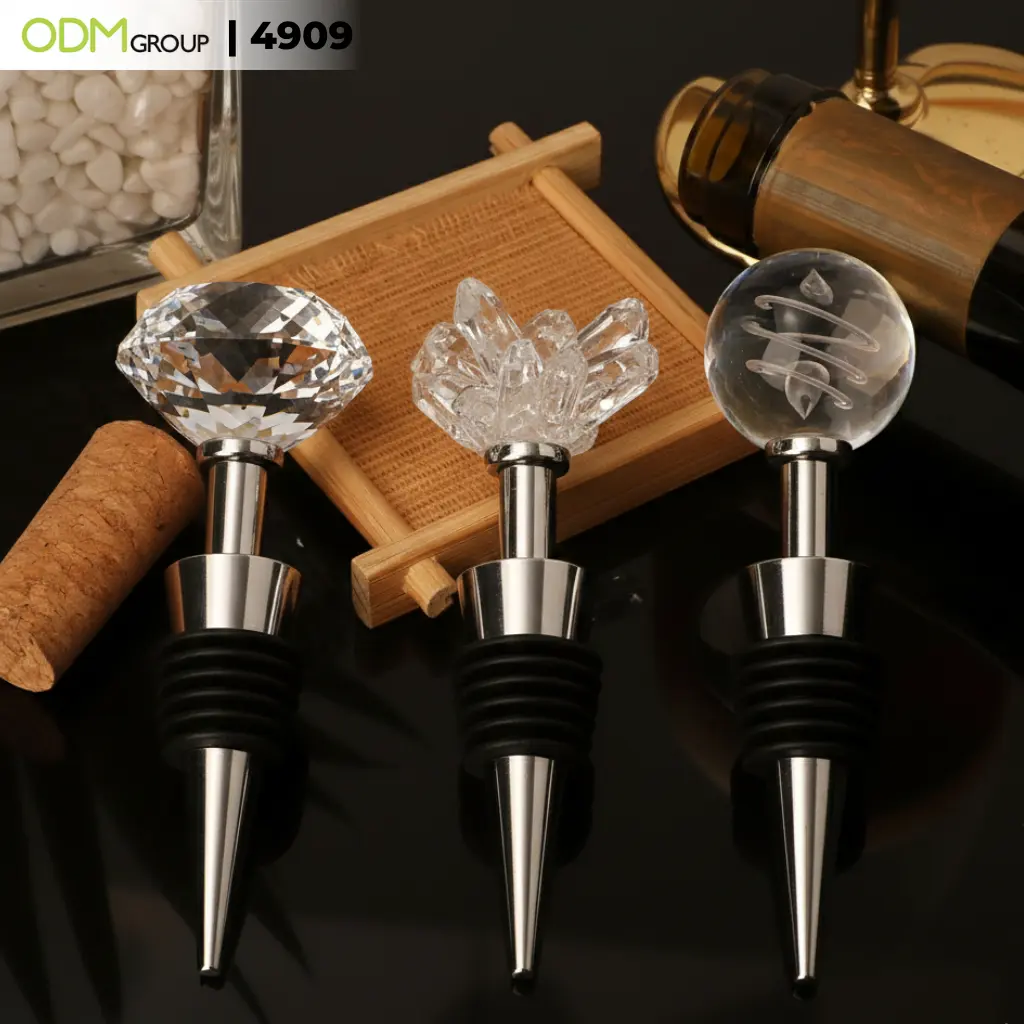
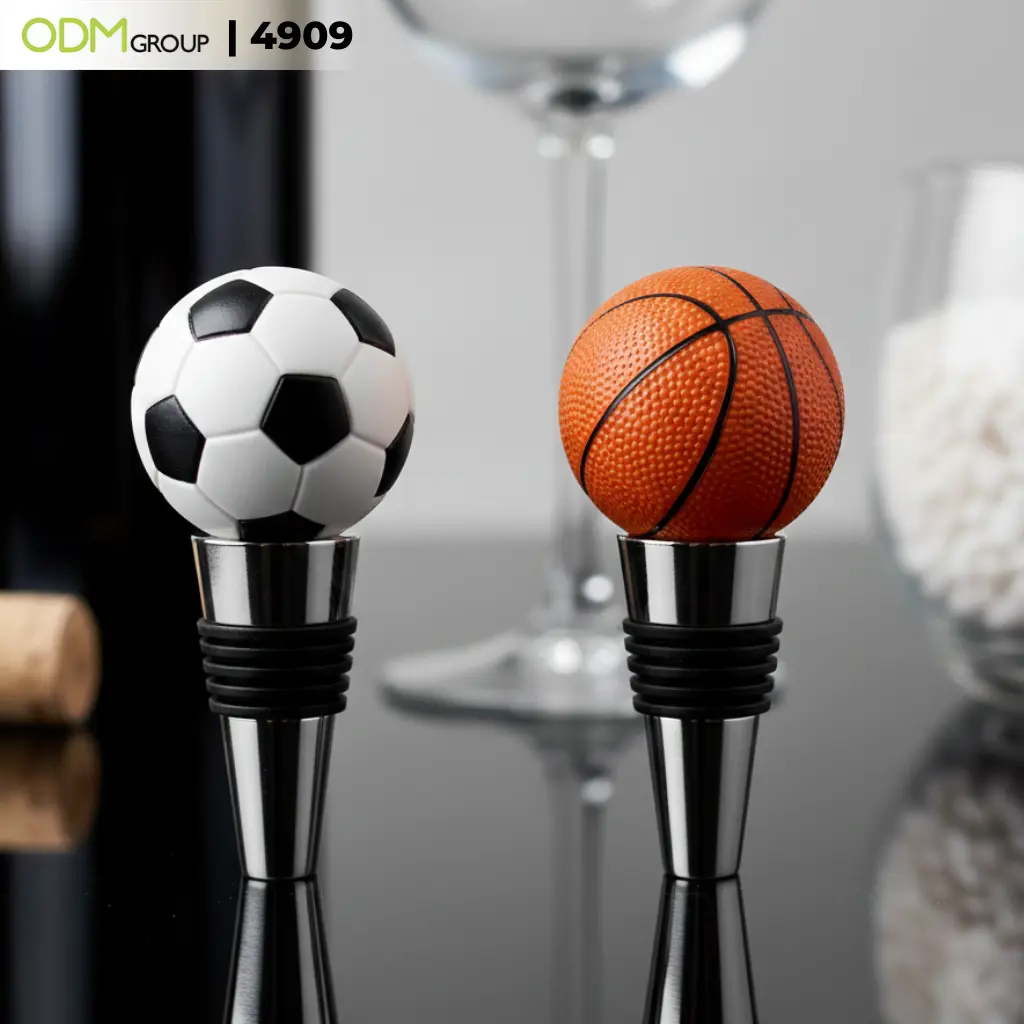
1. Premium client gifting that needs to feel considered
A promotional wine stopper performs best when the objective is to strengthen relationships rather than drive mass visibility. In industries such as real estate, finance, and luxury retail, gifting plays a role in maintaining long-term client connections.
The product fits naturally into this space because it complements a refined experience instead of feeling like an extra item added at the last minute.
2. Alcohol and beverage brand extensions
For wine, spirits, or beverage brands, the product directly connects to how customers consume their products. A wine stopper extends the brand experience beyond the initial purchase and keeps the brand present in future consumption moments. This creates continuity between product use and brand recall.
3. Hospitality and experiential marketing
Hotels, resorts, and restaurants can use wine stoppers to enhance guest experiences. Whether included in in-room welcome kits or given during events, the product feels relevant to the setting. It becomes part of the overall experience rather than a disconnected promotional item.
4. Curated gift sets and campaign kits
Wine stoppers are rarely the hero product on their own, but they perform strongly within a set. When paired with items such as wine glasses, openers, or themed packaging, they contribute to a more complete and premium offering. This approach increases perceived value and makes the campaign more memorable.
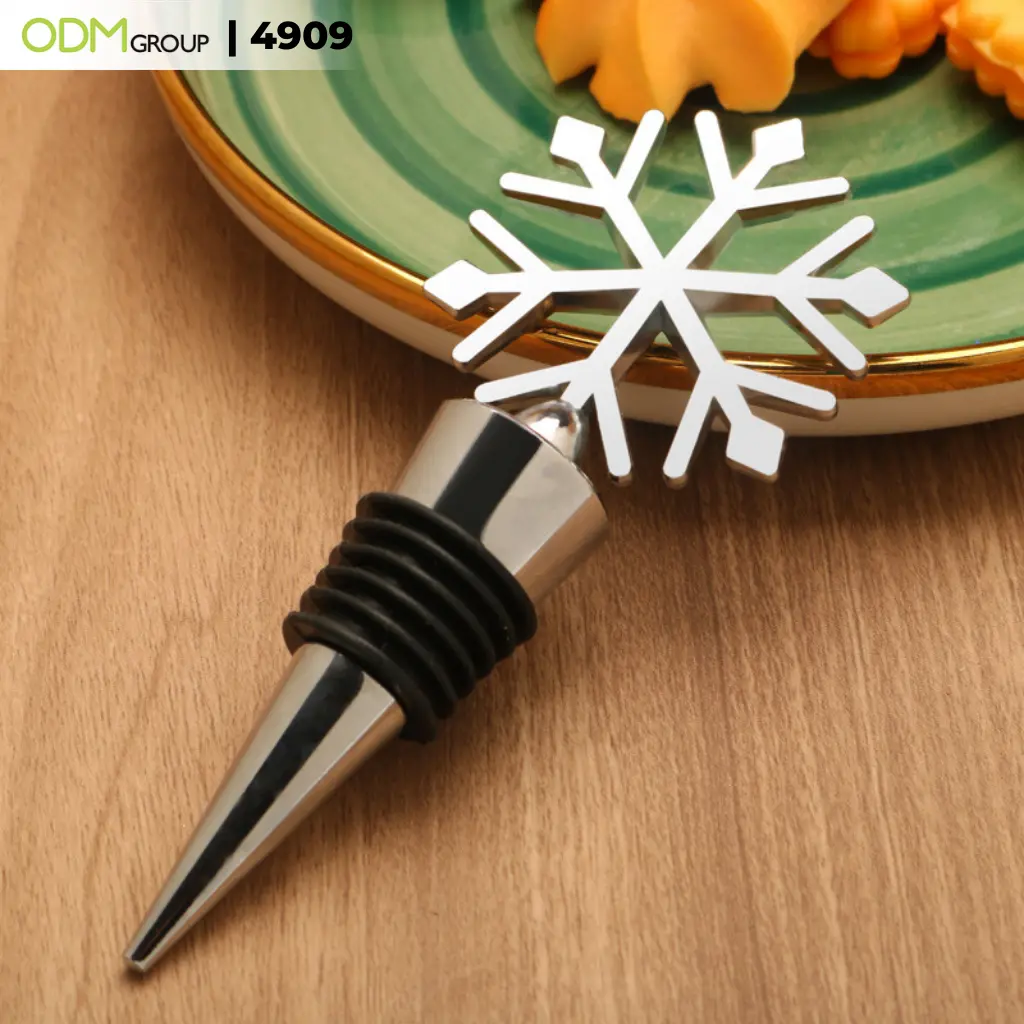
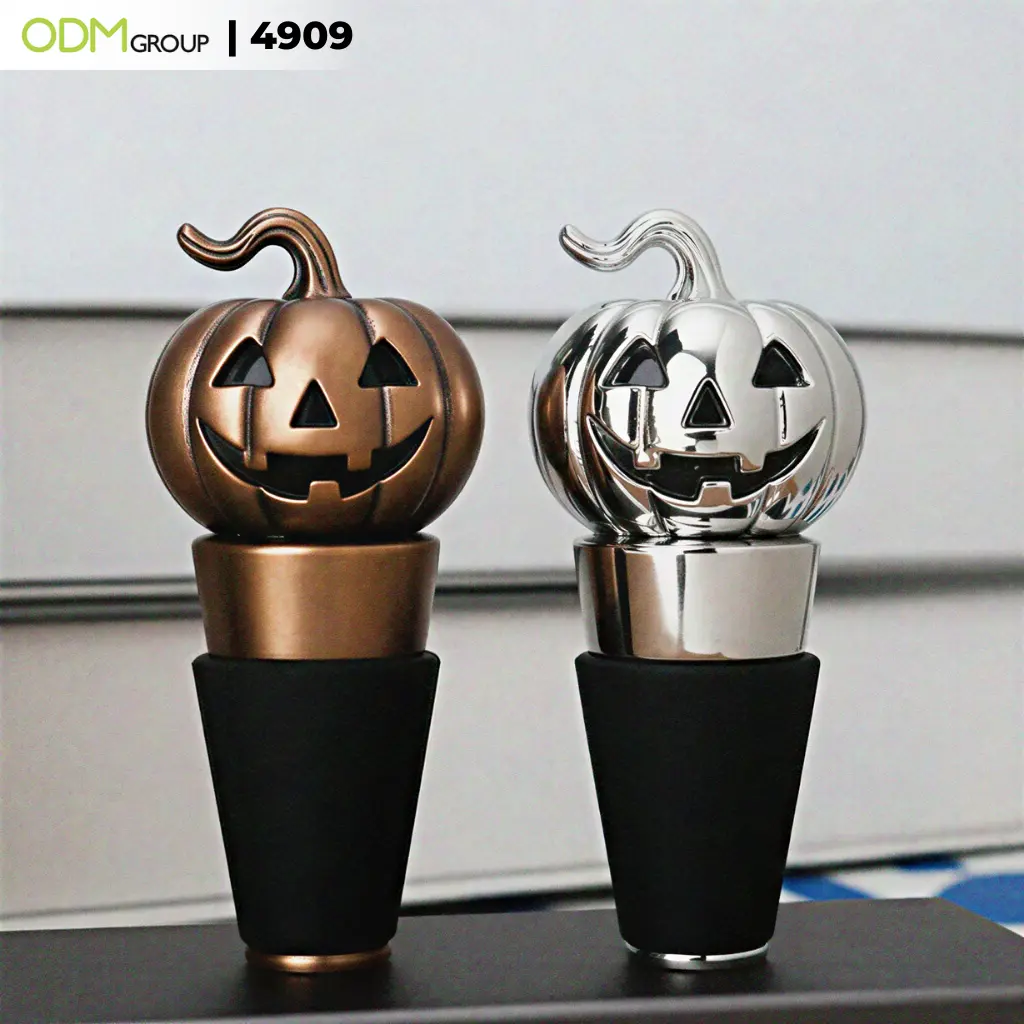
5. Seasonal and occasion-based campaigns
Campaigns tied to occasions such as holidays, corporate milestones, or celebrations provide a natural context for this product. A wine stopper aligns well with these moments, making it easier for recipients to understand its relevance and use it immediately.
6. Subscription boxes and loyalty programs
Brands that focus on ongoing engagement, such as wine clubs or loyalty programs, can use wine stoppers as part of their retention strategy. The product adds value to the experience while reinforcing brand presence over time.
7. Event-based activations with a premium angle
For smaller-scale events where quality matters more than quantity, a promotional wine stopper can serve as a takeaway item that reflects the tone of the event. It works particularly well in private events, tastings, or networking sessions where the audience expects a more curated experience.
How to Turn a Simple Wine Stopper Into a Campaign Tool
1. Start by defining the role of the product in your campaign
The product alone is only part of the equation. Before moving into design or production, it is important to decide what role the wine stopper will play. It can function as a relationship-building gift, a brand extension, or a supporting item within a larger kit. This clarity ensures the product is positioned correctly from the beginning rather than being treated as an afterthought.
2. Use bundling to create a complete experience
A wine stopper becomes significantly more effective when paired with complementary items. Combining it with wine glasses, openers, or curated gift sets transforms it into part of a cohesive experience. This approach increases perceived value and makes the product feel intentional rather than standalone.
2. Anchor the product to a specific moment or occasion
Context plays a major role in how a product is received. Aligning the wine stopper with seasonal campaigns, corporate milestones, or event-based activations gives it immediate relevance. When users understand when and why to use the product, they are more likely to engage with it.
3. Build a story around the product
A simple item can carry more meaning when it is connected to a narrative. This can be achieved through packaging design, printed inserts, or messaging that ties the product to a broader campaign idea. The goal is to create a reason for the product to exist beyond its function.
4. Extend the interaction beyond the physical product
Adding digital touchpoints can increase engagement. QR codes, campaign landing pages, or exclusive content can turn a physical item into an entry point for further interaction. This helps bridge offline and online experiences in a way that feels natural.
5. Design for long-term use, not just first impression
Many campaigns focus heavily on how the product looks at the moment it is received. While this is important, the long-term experience matters more. A well-designed wine stopper that performs reliably and feels premium will continue to deliver value long after the initial interaction.
6. Control how the product is presented and distributed
The way a product is introduced can significantly influence how it is perceived. Whether it is handed over during a meeting, included in a mailed gift set, or presented at an event, the delivery should match the positioning of the campaign. A consistent presentation reinforces the overall message.
From Concept to Production: What Actually Matters
Developing a successful promotional wine stopper requires attention to detail throughout the production process.
Seal performance must be tested to ensure functionality. Material sourcing should align with both quality expectations and brand positioning. Mold development and finishing processes are critical for achieving a consistent and high-quality result.
Small variations in production can significantly affect the final product. This is why quality control and careful factory selection are essential.
When these elements are managed properly, the result is a product that performs reliably and maintains its value over time.
Final Thoughts
A promotional wine stopper may seem like a simple product, but its effectiveness depends on how well it is designed and positioned. When executed correctly, it offers a combination of functionality, longevity, and subtle brand exposure that is difficult to achieve with many other promotional items.
If you are considering this product for your next campaign, the difference will come down to execution. Every detail, from design to production, plays a role in determining whether the product is kept and used or quickly forgotten.
Contact our team today and explore how a promotional wine stopper can be developed to align with your campaign objectives.
ODM Services
FAQs about Promotional Wine Stopper
What is a promotional wine stopper?
A promotional wine stopper is a branded accessory designed to seal opened wine bottles while showcasing a company’s logo or message. It is commonly used in client gifting, hospitality, and beverage-related campaigns where the goal is to create long-term brand visibility through repeated use.
Are promotional wine stoppers effective for marketing campaigns?
They can be highly effective when used in the right context. Unlike many giveaway items, a promotional wine stopper is often kept and reused, which leads to repeated brand exposure. Its effectiveness depends on design quality, relevance to the audience, and how it is integrated into a broader campaign.
What industries benefit most from promotional wine stoppers?
Industries that focus on client relationships and premium experiences tend to benefit the most. This includes real estate, finance, luxury retail, hospitality, and alcohol brands. These sectors can use the product to enhance gifting strategies and strengthen brand perception.
What materials are best for promotional wine stoppers?
Common materials include stainless steel, zinc alloy, silicone, and ABS plastic. Metal and silicone combinations are often preferred because they provide durability, a secure seal, and a more premium feel. The right material depends on your brand positioning and budget.
Can promotional wine stoppers be customized?
Yes, they can be fully customized in terms of shape, material, color, and branding. Custom molds can be developed to create unique designs that align with your campaign theme or brand identity. Packaging can also be tailored to enhance the overall presentation.
Latest Blogs
Event Branding Ideas: Make Every Touchpoint a Brand Experience
Event branding ideas turn separate venue elements into one [...]

Waterproof Camping Blanket: Take Your Brand Into the Outdoors
A waterproof camping blanket gives brands a useful role [...]
Custom Letter Envelope Opener Ideas for Corporate Gifts
A letter envelope opener may be a simple desk [...]
LED Screen Backpack: Smart Walking Billboards for Campaigns
Static outdoor signage and traditional promotional merchandise [...]
Marketing Gift Game Ideas to Connect Teams Through Play
A marketing gift game can offer much more than [...]

Food Cooling Fan: Make Your Brand Mascot Part of the Meal
A food cooling fan may seem like a simple [...]