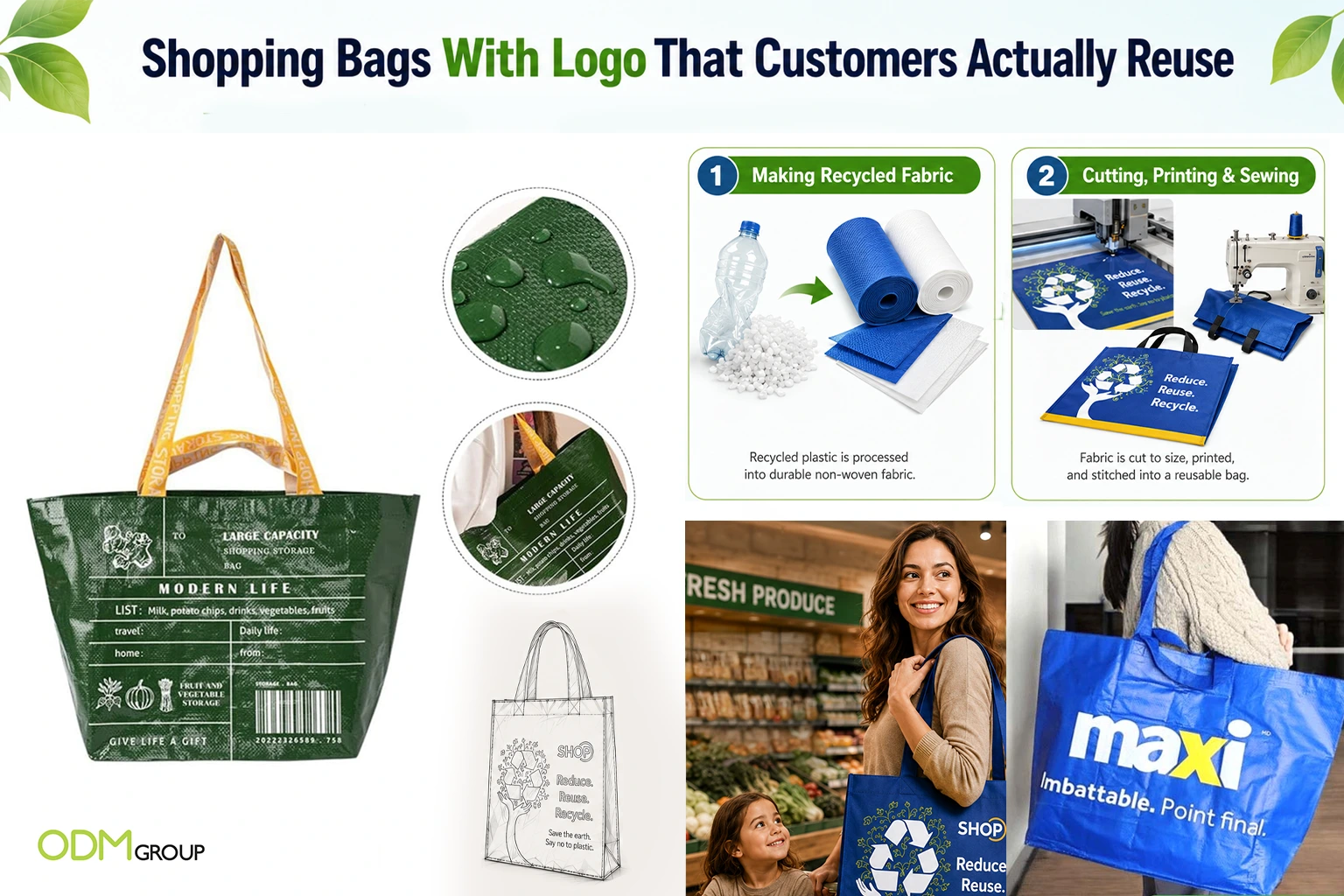
Shopping bags with logo branding have become part of everyday life. A supermarket tote gets reused for commuting, gym clothes, travel, and daily errands long after the original purchase is gone.
That shift has changed the role of shopping bags in modern marketing. They are no longer just packaging. They now function as reusable brand visibility tools that move through offices, cafés, airports, and city streets.
Therefore, the most effective shopping bags are not simply handed out; they are designed to be carried again and again.
Why Logo Bags Still Matter in 2026
Consumers are becoming more selective about the items they carry publicly. That includes branded totes and reusable carry bags.
People increasingly prefer products that feel useful, visually aligned with their lifestyle, and comfortable enough for repeated daily use. This is especially true in urban environments where reusable packaging regularly moves through:
- cafés
- public transport
- office buildings
- gyms
- airports
- supermarkets
That repeated movement creates something most forms of advertising struggle to achieve naturally: passive visibility integrated into real life.
Unlike digital ads that disappear within seconds, reusable totes continue generating impressions without interrupting the customer experience.
This is why many retail, beauty, hospitality, and FMCG brands are shifting away from disposable packaging toward reusable solutions that customers actually keep.
However, sustainability messaging alone is no longer enough.
Customers may appreciate eco-friendly materials, but they will not continue using a carry bag that feels uncomfortable, awkward, overly promotional, or visually outdated.
The brands seeing the strongest results are designing these products more like lifestyle accessories than packaging.
Why Branded Reusable Bags Often Outperform Traditional Advertising
Many brands underestimate how much public exposure reusable shopping bags generate over time.
A single tote may appear repeatedly in:
- supermarkets
- parking lots
- apartment elevators
- train stations
- office spaces
- cafés
- airports
That repeated visibility creates cumulative brand familiarity in a way many traditional ads cannot.
More importantly, reusable bags feel less intrusive because they exist naturally within everyday behavior.
Customers also tend to value visibility differently when it comes from real-world usage rather than paid advertising. A branded carry bag used voluntarily signals practical value and social acceptance.
This is one reason why some brands intentionally invest more in bag aesthetics and functionality than in the size of the printed logo itself.
Beautifully designed reusable totes that customers willingly carry often outperform aggressive promotional branding.
Where Shopping Bags With Logo Branding Create the Most Visibility
The strongest shopping bags campaigns are built around customer movement patterns.
Instead of asking:
“What bag should we make?”
Leading brands often ask:
“Where will customers actually carry these shopping bags with logo branding after purchase?”
That single question changes the design strategy completely.
1. Fashion and Lifestyle Retail
Fashion brands increasingly design reusable totes to feel like extensions of the collection itself.
Muted colors, oversized typography, soft-touch materials, and minimalist layouts help customers integrate these bags naturally into everyday outfits.
Many successful retail stores avoid looking overly promotional because customers are less likely to carry items that feel like advertisements.
2. Airport and Travel Retail
Few promotional products travel internationally within hours of distribution.
Reusable bags handed out in duty-free retail environments often continue moving through:
- airports
- hotels
- taxis
- conference venues
- tourist districts
Luxury alcohol and beauty brands understand this extremely well. That is why many invest heavily in premium reusable packaging specifically designed for travel visibility.
3. Beauty and Cosmetic Campaigns
Beauty brands frequently use reusable carry bags for:
- product launches
- membership rewards
- holiday campaigns
The strongest cosmetic totes often become secondary storage for:
- skincare
- makeup
- travel essentials
- gym products
This dramatically extends campaign lifespan beyond the initial purchase.
4. Trade Shows and Conferences
Most conference giveaway bags fail for one reason: they prioritize logo visibility over usability.
Customers rarely continue using bags that:
- feel uncomfortable
- collapse easily
- look overly promotional
- use cheap materials
The designs that survive after events are usually:
- lightweight
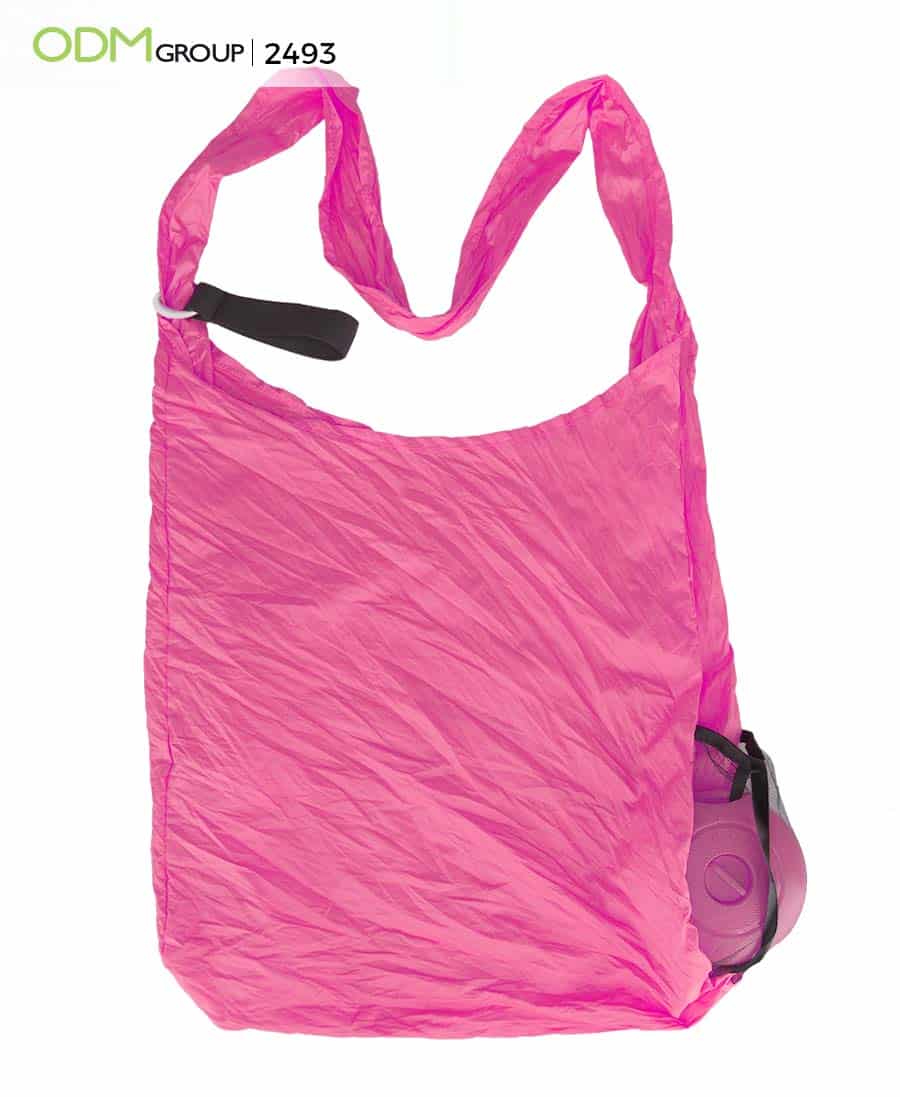
- foldable
- visually clean
- practical for travel
Those are the bags that continue creating exposure after the exhibition ends.
Why Some Reusable Bags Get Reused for Years While Others Get Thrown Away
Many brands focus heavily on logo placement, but reuse behavior is often influenced more by:
- handle comfort
- proportions
- storage convenience
- visual neutrality
- material texture
Small design decisions quietly determine whether a tote becomes part of daily life or gets discarded quickly.
Customers Avoid Bags That Feel “Too Promotional”
Oversized logos and aggressive graphics may increase short-term visibility during distribution, but they often reduce long-term reuse.
People generally prefer carrying products that feel:
- stylish
- versatile
- socially comfortable
- easy to pair with everyday clothing
This is why many premium brands now use:
- tonal printing
- smaller logos
- subtle embossing
- minimalist layouts
The goal is not maximum logo size. The goal is maximum reuse.
Handle Comfort Matters More Than Most Brands Expect
Thin handles or poor weight distribution immediately affect usability. Customers notice discomfort quickly, especially during:
- grocery shopping
- commuting
- travel
- long walking distances
Longer shoulder straps, reinforced stitching, and balanced construction dramatically improve retention rates.
Storage Compatibility Influences Reuse
Rigid oversized totes often create storage problems in apartments, offices, and cars. Foldable bags perform particularly well because customers can easily:
- store them in backpacks
- keep them in vehicles
- carry them while traveling
Convenience directly affects repeat usage.
Color Palette Affects Public Usage
Neutral color schemes generally outperform loud promotional colors in long-term reuse. Customers are far more likely to carry bags that visually integrate into their daily environments rather than draw excessive attention.
This is one reason minimalist retail aesthetics continue growing globally.
How Material Choice Changes Brand Perception
Different materials create completely different emotional responses before customers even interact with the logo. The material itself often shapes perceived brand value.
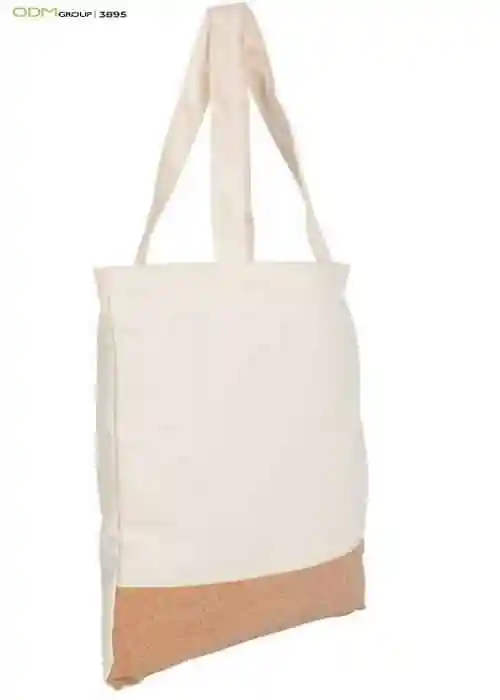
Canvas Totes Feel More Like Lifestyle Accessories
Canvas bags perform well because they rarely feel like disposable packaging.
Customers naturally integrate them into:
- commuting
- grocery shopping
- cafés
- weekend activities
This dramatically increases long-term exposure compared to single-use packaging.
Kraft Paper Creates an Artisanal Identity
Kraft paper packaging is often associated with:
- natural products
- handmade goods
- sustainable retail
- boutique experiences
The texture itself helps communicate authenticity.
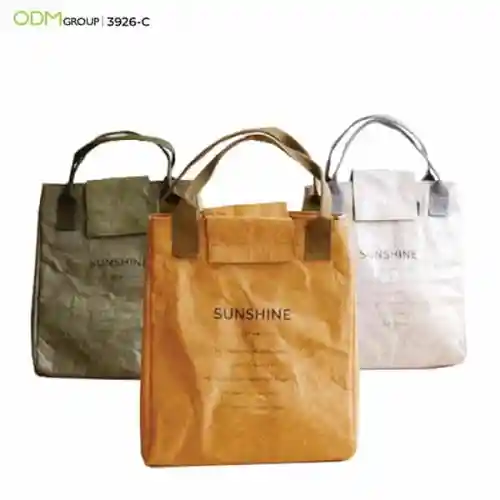
Tyvek Creates a Technical Modern Aesthetic
Tyvek carry bags appeal strongly to:
- design-focused brands
- technology companies
- minimalist retail concepts
Their lightweight structure and slightly industrial texture create a modern premium appearance that photographs particularly well in social content.
RPET Supports Sustainability Storytelling
Many brands now incorporate recycled material messaging directly into the product itself.
This creates stronger alignment between:
- sustainability claims
- customer perception
- physical product experience
When executed properly, the bag itself becomes proof of the campaign message.
ODM Services
Frequently Asked Questions
Can reusable bags influence how premium a product feels?
Yes. Customers often judge product quality through packaging before using the actual product. Material texture, handle comfort, print finish, and structural quality all contribute to perceived brand value.
Why do some branded totes become part of people’s daily routines?
The most reused products usually balance practicality with aesthetics. Comfortable handles, neutral styling, durability, and convenient sizing make customers more likely to integrate them into everyday life.
Can reusable packaging be designed specifically for social media visibility?
Absolutely. Many brands now create reusable bags featuring oversized artwork, seasonal graphics, collectible designs, or fashion-inspired layouts specifically to encourage public visibility and user-generated content.
What causes reusable bags to fail during large campaigns?
Common issues include weak handle attachment, inconsistent colour printing, cracking lamination, poor stitching, and structural collapse during shipping. Proper sampling and real-condition testing are essential before mass production begins.
Related Blogs
Lamination Problems and Solutions Every Product Team Should Know
Learn common lamination problems and solutions in manufacturing. Understand why lamination fails in mass production and how to prevent it

Full Guide to Bag Printing – The Best Techniques for Custom Bags
Custom bag printing is an essential component of branding [...]
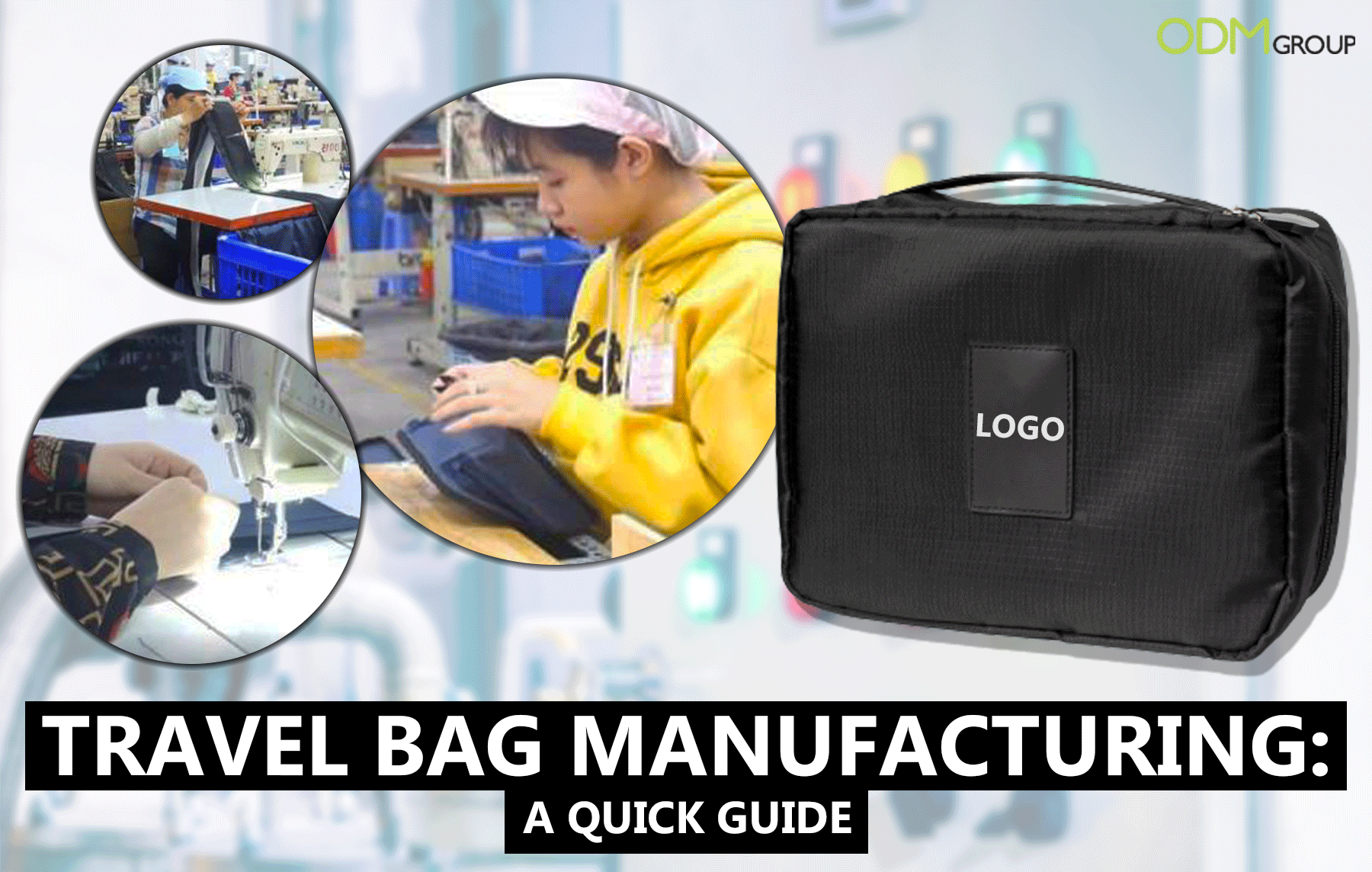
How the Bag Manufacturing Process Takes Place Inside a Factory?
Practical and compact, the travel bag/kit is a travel [...]
How to Step Up Your Marketing Game with Promotional Sling Bag?
There are a lot of types of bags in [...]
How Corona Custom Brewery Merchandise Sell #LaVidaMasFina?
How can you charm consumers to buy more of [...]
Promo Bags with Logo: Why Does Your Business Need Them?
Promo bags with logo provide an opportunity to increase [...]