
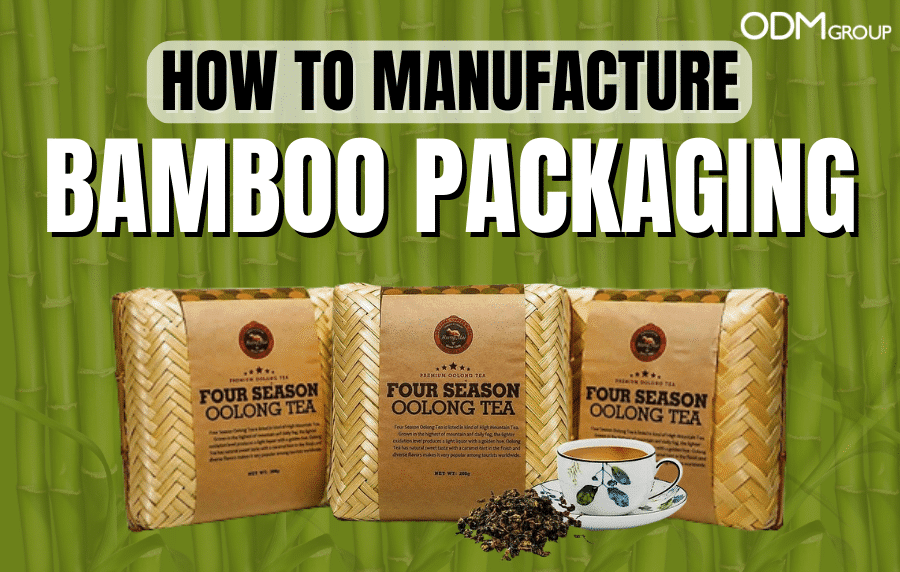
Bamboo packaging can give brands a distinctive alternative to conventional plastic, paperboard and wood-based packaging, particularly when the packaging itself is intended to become part of the product experience.
From premium gift boxes and presentation cases to food, beverage, beauty and corporate gift packaging, bamboo can be developed into packaging that combines natural material appeal with custom branding and reusable design.
However, developing custom bamboo packaging involves more than choosing the material. Brands also need to consider the packaging structure, product protection, branding method, inserts, finishing, manufacturing requirements, order quantities and logistics.
Here is what businesses should consider when working with a bamboo packaging manufacturer.
What Is Bamboo Packaging?
Bamboo packaging refers to packaging made wholly or partly from bamboo-derived materials.
Depending on the application, manufacturers may use solid or laminated bamboo, bamboo fiber-based materials, or bamboo combined with paperboard, molded pulp, fabric, and other components.
This distinction matters.
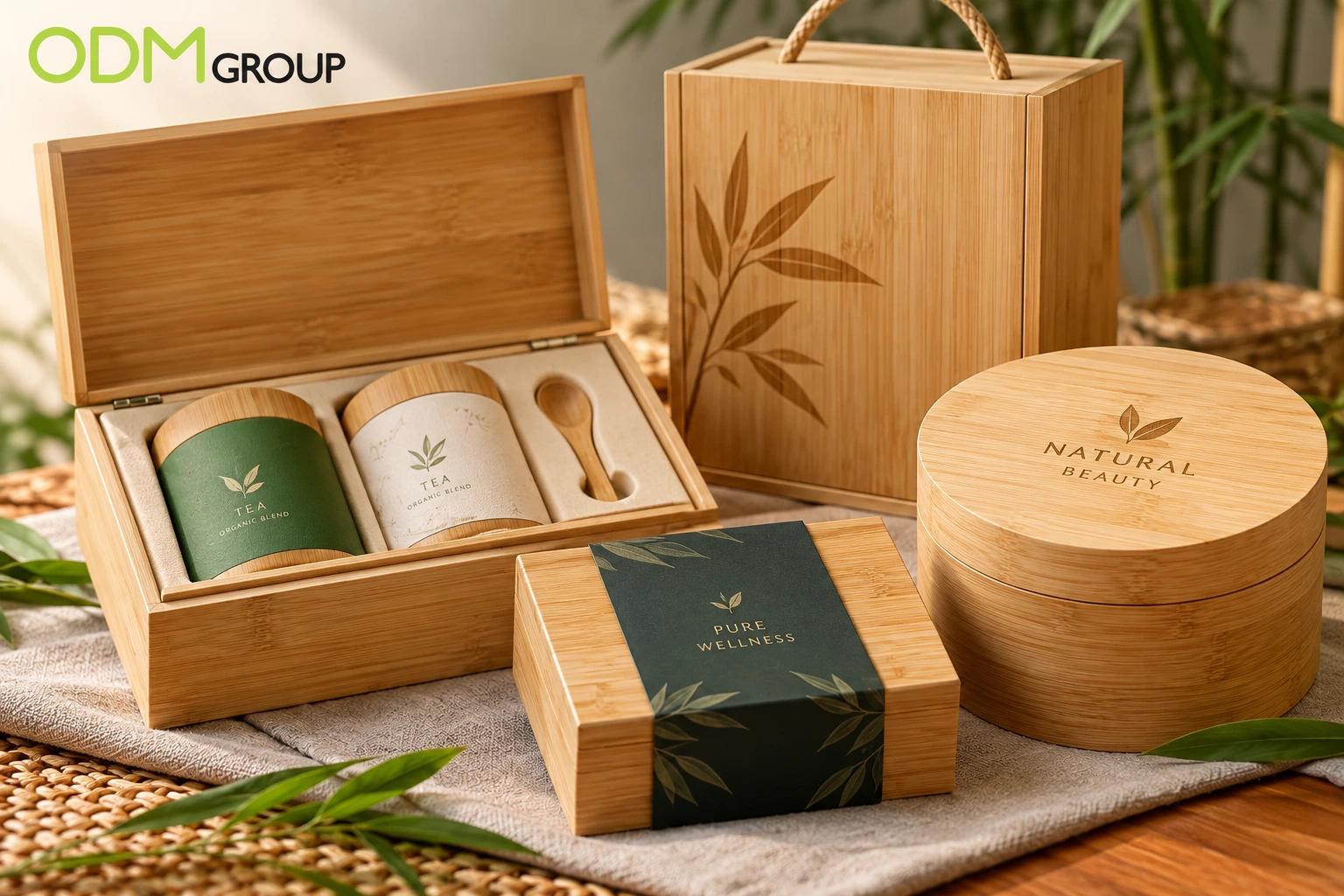
A rigid bamboo presentation box, for example, has very different manufacturing, cost and shipping considerations from moulded fibre packaging containing bamboo pulp.
For brands, the first question should therefore not simply be “Can this be made from bamboo?” but “Which bamboo material and construction are appropriate for the product, campaign and distribution channel?”
Why Are Brands Considering Bamboo Packaging?
1. It Creates a Distinctive Natural Appearance
One of bamboo’s strongest advantages is its visual character.
Its grain and natural finish can help create packaging with a warm, tactile and premium appearance without relying on elaborate graphics.
This can work particularly well for:
- Tea and coffee
- Wine and spirits
- Cosmetics and skincare
- Wellness products
- Confectionery
- Jewellery and accessories
- Corporate gifts
- Premium promotional sets
- Seasonal and limited-edition products
Brands can allow the material itself to become part of the packaging design rather than covering every surface with print.
2. Packaging Can Be Designed for Reuse
A well-designed bamboo box does not necessarily have to be discarded once the original product is removed.
Depending on its construction, it can be designed to function afterwards as a storage box, display case, tea box, desk organiser or keepsake container.
For promotional campaigns and premium gifting, this gives brands an opportunity to extend the useful life of the packaging and potentially keep the branding in front of the recipient for longer.
However, reuse should be designed into the project rather than assumed simply because bamboo is being used.
3. Bamboo Offers Different Branding Possibilities
Custom bamboo packaging can accommodate a range of branding and decorative techniques depending on the material and finish.
Options may include:
- Laser engraving
- Screen printing
- Printed sleeves
- Branded plaques
- Labels
- Staining
- Custom inserts
- Printed interior panels
The appropriate technique depends on the desired appearance, production quantity, bamboo surface and budget.
For brands seeking a more understated premium finish, laser engraving can allow the bamboo grain to remain visible while still carrying a logo or campaign message.
A Bamboo Packaging Example: Hương Mai
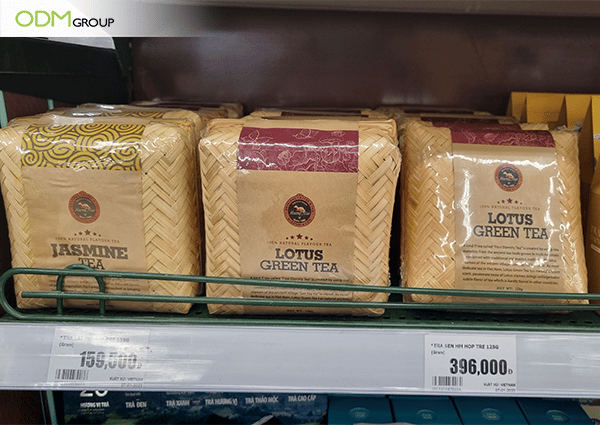
Hương Mai provides a useful example of how bamboo can become part of a product’s presentation rather than simply acting as an outer container.
The packaging uses the natural appearance of bamboo alongside restrained branding, creating a presentation suited to the brand’s tea products.
For brands developing similar concepts, the important takeaway is not simply to copy the material. The packaging, product and brand positioning should work together.
A premium tea, wellness product or corporate gift may justify a reusable bamboo presentation box, while a high-volume FMCG product may require a completely different material and structural approach.
The packaging format should therefore be chosen around the commercial application.
How Is Custom Bamboo Packaging Developed?
The exact manufacturing process varies according to the bamboo material and packaging construction. For rigid bamboo packaging, a project may involve several stages.
How Is Custom Bamboo Packaging Developed?
The exact manufacturing process varies according to the bamboo material and packaging construction. For rigid bamboo packaging, a project may involve several stages.
Material Selection
The manufacturer first needs to establish what type of bamboo construction is appropriate for the project.
Material selection can affect appearance, strength, finishing options, manufacturing cost and shipping weight.
Brands should also establish what supporting materials will be required. A bamboo outer structure may still contain paperboard, fabric, magnets, hinges, foam or moulded inserts.
Structural Design
The packaging then needs to be engineered around the product.
Important considerations include product dimensions, weight, fragility, opening mechanism, internal protection and how the packaging will be transported.
For premium gift packaging, this stage can also determine how the customer experiences the reveal of the product.
Branding and Finish
Once the structure is established, branding can be incorporated through engraving, printing, labels, sleeves or other decoration methods.
Brands should consider whether the objective is prominent visibility or a more subtle premium appearance.
Sampling and Prototyping
Sampling is particularly important for custom packaging.
A physical prototype allows the team to evaluate dimensions, product fit, opening experience, surface finish, branding position and overall presentation before committing to production.
It can also reveal practical issues that may not be obvious from drawings or renders.
Production and Quality Control
After the design and sample have been approved, production can begin.
Quality checks should be defined according to the project and may cover areas such as dimensions, surface finish, print or engraving consistency, construction, closures, inserts and visible defects.
For natural materials such as bamboo, brands should also discuss acceptable variations in grain and appearance during sampling.
What Should Brands Decide Before Requesting a Quote?
A clearer brief makes it easier for a bamboo packaging manufacturer to assess feasibility and provide useful recommendations.
Before approaching a manufacturer, businesses should ideally define:
| Project consideration | Questions to answer |
|---|---|
| Product | What will the packaging hold? |
| Dimensions | What are the product’s size and weight? |
| Quantity | What volume is required? |
| Purpose | Retail packaging, gifting, promotion or presentation? |
| Branding | Engraving, printing, sleeve, label or another method? |
| Interior | Does the product require an insert or protective structure? |
| Finish | Natural, stained, coated or another appearance? |
| Distribution | Retail, e-commerce, events or direct gifting? |
| Timeline | When must finished packaging be delivered? |
| Destination | Where will the goods ultimately be shipped? |
These factors influence material selection, manufacturing method, sampling, cost and lead time.
Bamboo Packaging and Sustainability: Look Beyond the Material
Bamboo is often marketed as a sustainable material, but businesses should avoid assuming that packaging is environmentally preferable simply because it contains bamboo.
The complete packaging system matters.
For example, a bamboo box may also contain foam inserts, plastic coatings, synthetic fabric, adhesives, magnets or metal hardware. These components can affect material separation, recyclability and end-of-life options.
Brands developing sustainability-led packaging should therefore examine:
- Material composition
- Source and documentation
- Amount of material used
- Durability and realistic reuse
- Coatings and adhesives
- Inserts and protective materials
- Transport weight and volume
- End-of-life options in the intended market
Where environmental claims will appear on the packaging or in marketing materials, those claims should be based on evidence relevant to the actual finished packaging rather than broad assumptions about bamboo.
For more ideas, see ODM’s guide to eco-friendly packaging concepts, including reusable bamboo packaging and other material approaches.
Choosing a Bamboo Packaging Manufacturer
Selecting a manufacturer should involve more than comparing quotations.
Brands should consider whether the supplier or development partner can support the complete project, including:
Material and Manufacturing Knowledge
The team should be able to explain which bamboo construction is suitable for the intended packaging rather than recommending bamboo regardless of application.
Product and Packaging Design
Good packaging must protect the product while supporting the intended customer experience.
Structural design, inserts, closures and branding should therefore be developed together.
Sampling
Samples allow businesses to verify the design before committing to a larger production run.
Factory Selection
Different factories have different capabilities. The appropriate manufacturing partner will depend on the material, construction, finishing, quantities and quality requirements of the project.
Quality Control
Quality expectations should be established before production, particularly for custom packaging where dimensions, construction and visible finish can affect the final presentation.
Logistics
Premium rigid packaging can occupy significant shipping volume.
Packaging dimensions and packing efficiency should therefore be considered during development rather than only after production is complete.
How ODM Develops Custom Packaging Projects
ODM Group works with brands to develop promotional products, merchandise and packaging from concept through manufacturing.
Rather than treating packaging as an isolated product, our team can support different stages of the development process, including:
Brief → Design → 3D Development → Prototype → Factory Selection → Manufacturing → Quality Control → Shipping
For a bamboo packaging project, this means considering the product, packaging structure, materials, branding and manufacturing requirements together.
Our design team can help translate an initial concept into a manufacturable design, while ODM’s sourcing and manufacturing teams can assess appropriate production options.
This approach is particularly useful for brands developing bespoke packaging where an existing off-the-shelf box does not meet the requirements of the product or campaign.
Develop Custom Bamboo Packaging With ODM Group
Planning a custom bamboo packaging project?
ODM Group can help your team evaluate materials, develop the packaging concept, create prototypes and manage manufacturing and quality control.
Send us your product dimensions, target quantity, branding requirements, intended market and project timeline to start discussing your custom packaging project.
Bamboo has become popular for those seeking sustainable and stylish alternatives to traditional materials. On top of product packaging, bamboo products are also capturing the attention of the market with their sleek and modern look that fits well with today’s design trends.
Bamboo Product Ideas from ODM:
If you are in the food and beverage industry and looking to incorporate bamboo products into your business, you will love to check out the custom bamboo products we have rounded up in this blog!
We take pride in our commitment to sustainability and ethical production practices. For the Year of the Rabbit, we manufactured socks that are not only stylish but also environmentally friendly. Learn more about them here:
If you are looking for a sustainable and practical alternative to traditional drinkware, bamboo drinkware products are an excellent choice. They offer durability, sustainability, and style, making them a perfect addition to your marketing.
Bamboo charcoal bags are a completely natural and eco-friendly solution for air purification. Check out what makes this unique promo idea definitely worth considering:
The use of bamboo in watchmaking ensures that each piece is lightweight and comfortable to wear. Read more about the promotional benefits of offering bamboo watches in this blog:
Speaking of sustainability, check out this pack-leading post consumer recycled (PRC) packaging by Wise Wolf and take a step further in your green marketing! Read more details here:
Wrapping It Up,
Businesses can opt for bamboo packaging as part of an environmentally-friendly marketing strategy. The use of bamboo packaging can help companies reduce their carbon footprint, attract environmentally-conscious consumers, and stand out from their competitors.
Hương Mai Teas provides an example of how companies can effectively integrate eco-friendly practices into their marketing strategies. As the demand for sustainable packaging continues to rise, it is expected that more businesses will follow suit and utilize bamboo and other eco-friendly materials as part of their sustainability initiatives.
Why Work With ODM?
As a Product Development house for the marketing industry, we are dedicated to sourcing and using sustainable materials in our products. We believe that this is a critical step in reducing the impact of our operations on the environment. We will work to ensure that our products are not only high-quality but also environmentally responsible.
We will continue to explore new materials and technologies that can help us create products that are both innovative and sustainable. We believe that by taking these steps, we can make a positive impact on the environment and help to build a more sustainable future for all.
Learn more about our sustainable marketing here:
More Ideas


FAQs About Bamboo Packaging
Can bamboo packaging be customized with our brand logo?
Yes. Depending on the bamboo material, surface and packaging design, branding options can include laser engraving, screen printing, printed sleeves, labels and branded inserts. The most suitable method should be confirmed during the design and sampling stage.
What products can bamboo packaging be used for?
Bamboo packaging can be developed for products such as cosmetics, tea and coffee, confectionery, wine and spirits, jewelry, corporate gifts and promotional sets. The packaging structure should be designed around the product's dimensions, weight, protection requirements and distribution method.
How long does custom bamboo packaging take to manufacture?
Lead times depend on the complexity of the design, sampling and revisions, production quantity, factory capacity and finishing requirements. Brands should allow time for design development and sample approval before mass production begins.
Is bamboo packaging sustainable?
Bamboo can be considered as part of a sustainability-led packaging strategy, but the environmental characteristics of the finished package depend on more than the main material. Coatings, adhesives, inserts, hardware, transport requirements, sourcing and realistic end-of-life options should also be considered.
What to Read Next?

Waterproof Camping Blanket: Take Your Brand Into the Outdoors
A waterproof camping blanket gives brands a useful role in outdoor experiences. It creates [...]
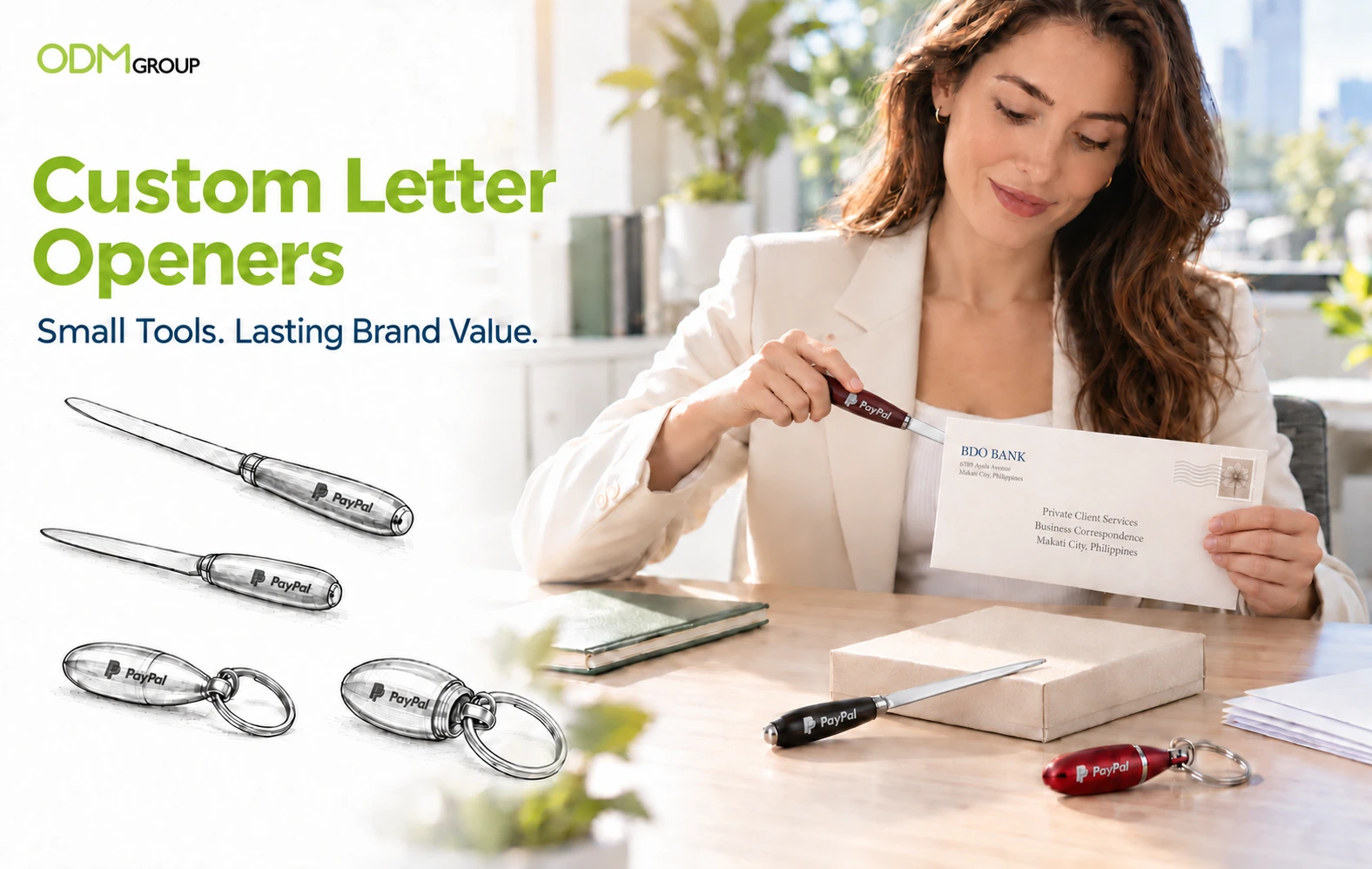
Custom Letter Envelope Opener Ideas for Corporate Gifts
A letter envelope opener may be a simple desk accessory, but thoughtful design can [...]
LED Screen Backpack: Smart Walking Billboards for Campaigns
Static outdoor signage and traditional promotional merchandise often struggle to capture foot [...]

Marketing Gift Game Ideas to Connect Teams Through Play
A marketing gift game can offer much more than a few minutes of entertainment. [...]
Food Cooling Fan: Make Your Brand Mascot Part of the Meal
A food cooling fan may seem like a simple tabletop accessory, but its small [...]