
Discounts can increase sales, but repeated price reductions may weaken how customers perceive a brand. A toiletry bag GWP offers another way to strengthen a promotion. It gives customers something useful while allowing the main product to retain its full price.
The format works especially well for fragrance, beauty, grooming, wellness, travel, and hospitality brands. These products are already associated with routines, organization, and mobility, so the gift feels relevant rather than added at random.
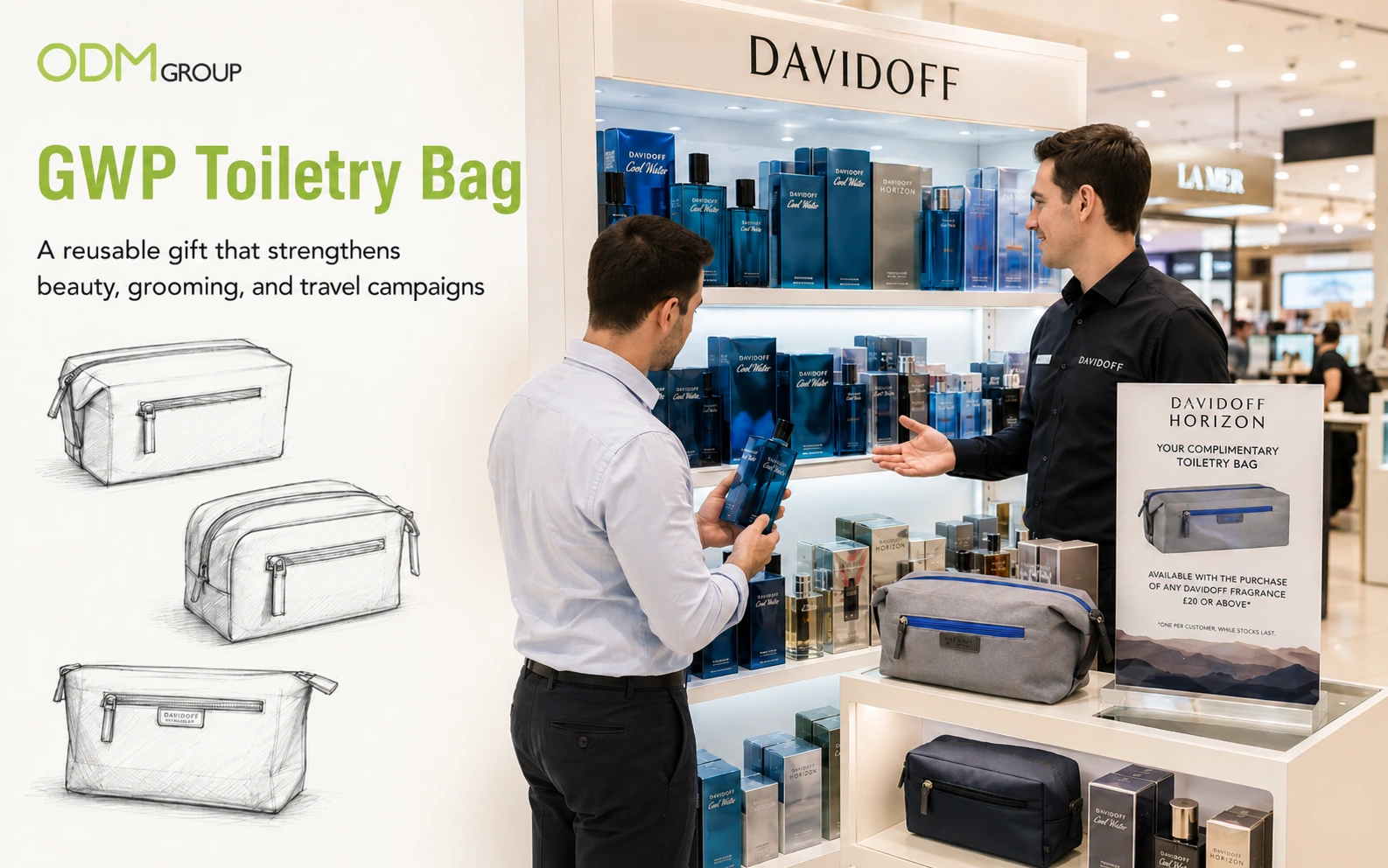
Why Toiletry Bags Work as Gifts With Purchase
The best gifts with purchase have a clear connection to the product being promoted.
A customer buying fragrance may use the bag for perfume, deodorant, and grooming products. A skincare customer can store creams, cleansers, and beauty tools. A traveler may use it for toiletries, cables, medication, or other small essentials.
That relevance matters. It helps the customer understand the value of the offer immediately.
A toiletry bag can also serve several marketing objectives at once. It can encourage a higher spend, improve a product bundle, support a launch, and extend brand exposure after the campaign ends.
Unlike temporary retail graphics, a reusable bag may remain part of the customer’s routine for months or even years.
Davidoff Toiletry Bag GWP Example
Davidoff used a toiletry bag as a gift with purchase to add practical value to a fragrance promotion in the UK. Customers who spent at least £29 on qualifying Davidoff fragrances could receive a complimentary branded bag.
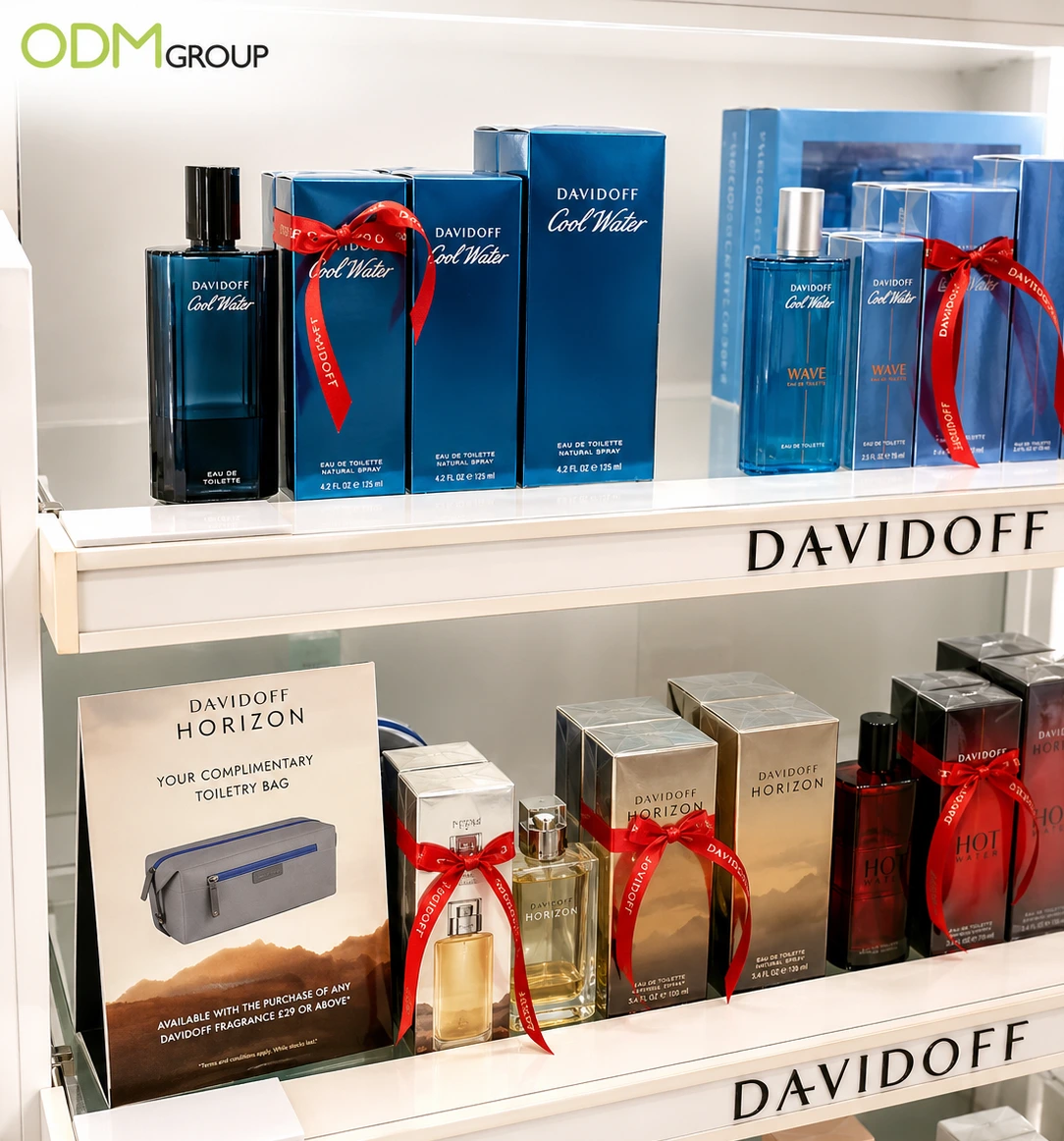
The promotion worked because the gift had a natural connection to the main purchase. Fragrance customers could use the bag to organize perfume, grooming products, and travel essentials, making it more relevant than an unrelated giveaway.
The bag also reflected the brand through its restrained color palette and contrasting blue zipper details. Its compact shape made it suitable for both home organization and travel, while the front pocket added easy access to smaller items.
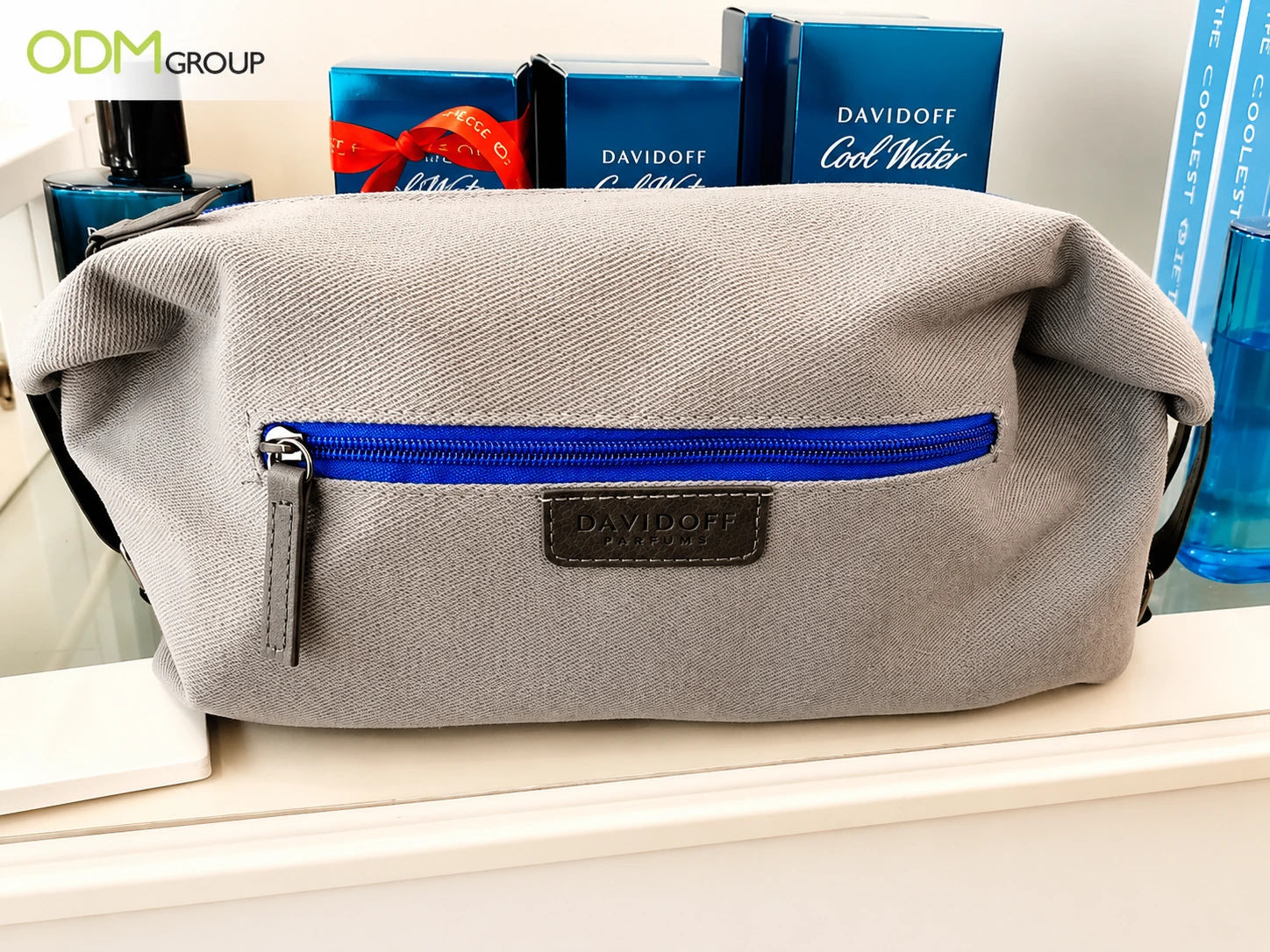
From a campaign perspective, the offer gave customers a reason to reach the qualifying spend without reducing the price of the fragrance. The display also showed the gift clearly alongside the products, helping shoppers understand the promotion at the point of sale.
When Should Brands Use a Toiletry Bag GWP?
A toiletry bag is most effective when the campaign has a clear reason for offering it.
To Encourage a Higher Basket Value
Brands can use the bag as a reward for reaching a minimum spend or purchasing several products.
For example, a customer may qualify after buying a fragrance and body-care product or purchasing a complete skincare routine. The gift gives the customer a reason to add another item without reducing the price of the main purchase.
The spending requirement must still feel reasonable. A basic pouch may not justify a high threshold, while a structured travel case can support a more premium offer.
To Strengthen a Product Bundle
A toiletry bag can bring several products together as one coordinated set.
Instead of presenting a fragrance, lotion, and travel spray separately, the brand can place them inside a custom bag. This creates a more complete presentation and makes the purchase feel ready for gifting.
This approach works particularly well for festive seasons, product launches, travel campaigns, and limited-edition collections.
To Protect Premium Positioning
Luxury and prestige brands often need to create urgency without appearing overly dependent on discounts.
A well-designed GWP adds value while preserving the product’s original price. The customer still receives a clear benefit, but the brand does not have to compete only on cost.
The quality and appearance of the bag should reflect that positioning. A premium product paired with a poorly finished pouch can weaken the campaign rather than strengthen it.
To Support Travel and Lifestyle Campaigns
Toiletry bags have a natural connection to travel, wellness, grooming, and daily organization.
This makes them suitable for airport retail, hotels, airlines, fitness brands, spas, and lifestyle companies. They can also support seasonal campaigns built around holidays, business travel, or weekend getaways.
Match the Bag to the Value of the Campaign
A larger or more complex bag does not automatically create a better promotion.
The right design depends on the qualifying purchase, target audience, retail environment, and distribution method.
Compact Pouches for Accessible Promotions
A simple zippered pouch can work well for lower spending thresholds, beauty samples, online orders, and mass retail campaigns.
It is easy to display, pack, and distribute. It can also be designed to hold a small group of promoted products.
The key is to keep the design clean and purposeful. Even a basic pouch should have balanced proportions, a smooth opening, and enough structure to feel worth keeping.
Structured Cases for Premium Offers
Higher-value campaigns may justify a structured beauty case or grooming bag.
A wider opening, internal sections, carrying handle, and refined finish can increase perceived value. These formats work well with prestige fragrance, premium skincare, and seasonal gift sets.
The bag should look like a genuine retail accessory, not an advertisement. Subtle branding often performs better than an oversized logo.
Travel Organizers for High-Utility Campaigns
Multi-compartment or hanging toiletry bags can suit hospitality, travel, fitness, and wellness campaigns.
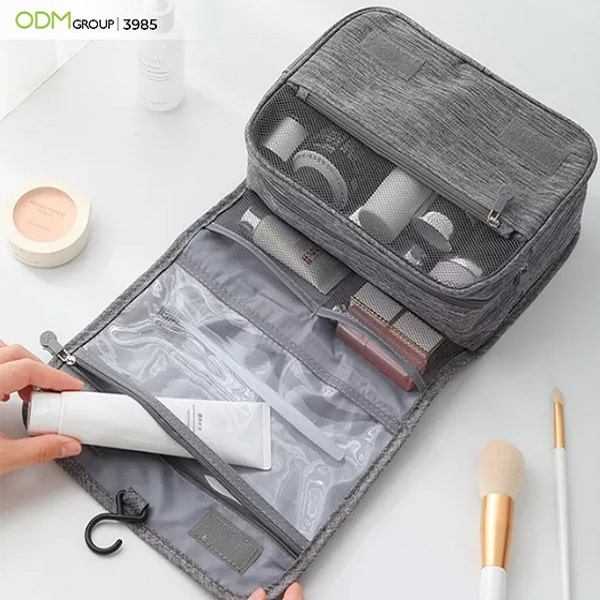
These designs offer strong practical value, but they also require more space to display, pack, and ship. Brands should only add complexity when it improves the customer experience.
More compartments do not always mean more value. The layout should support the products customers are expected to carry.
What Makes Customers Keep the Bag?
A toiletry bag only delivers long-term brand exposure if customers continue using it. Several factors influence whether it becomes part of their routine.
Relevance
The bag should fit naturally with the qualifying products.
A fragrance promotion may only require a compact grooming pouch. A travel campaign may benefit from a larger organizer. A beauty collection may need sections for brushes, bottles, and smaller accessories.
The design should begin with the customer’s likely use, not with a catalog product.
Appropriate Quality
Customers often judge the entire promotion through small details.
A smooth zipper, clean finish, useful shape, and practical interior can make the gift feel more valuable. Poor construction can create the opposite effect and reflect badly on the promoted brand.
The product does not need to be expensive. It needs to feel appropriate for the value of the purchase.
Useful Organization
Internal features should solve a real problem.
A small pocket may prevent loose items from getting lost. Elastic loops can help keep bottles upright. A wipe-clean lining can make the bag easier to maintain.
Features should be added selectively. Unnecessary compartments can increase cost without improving everyday use.
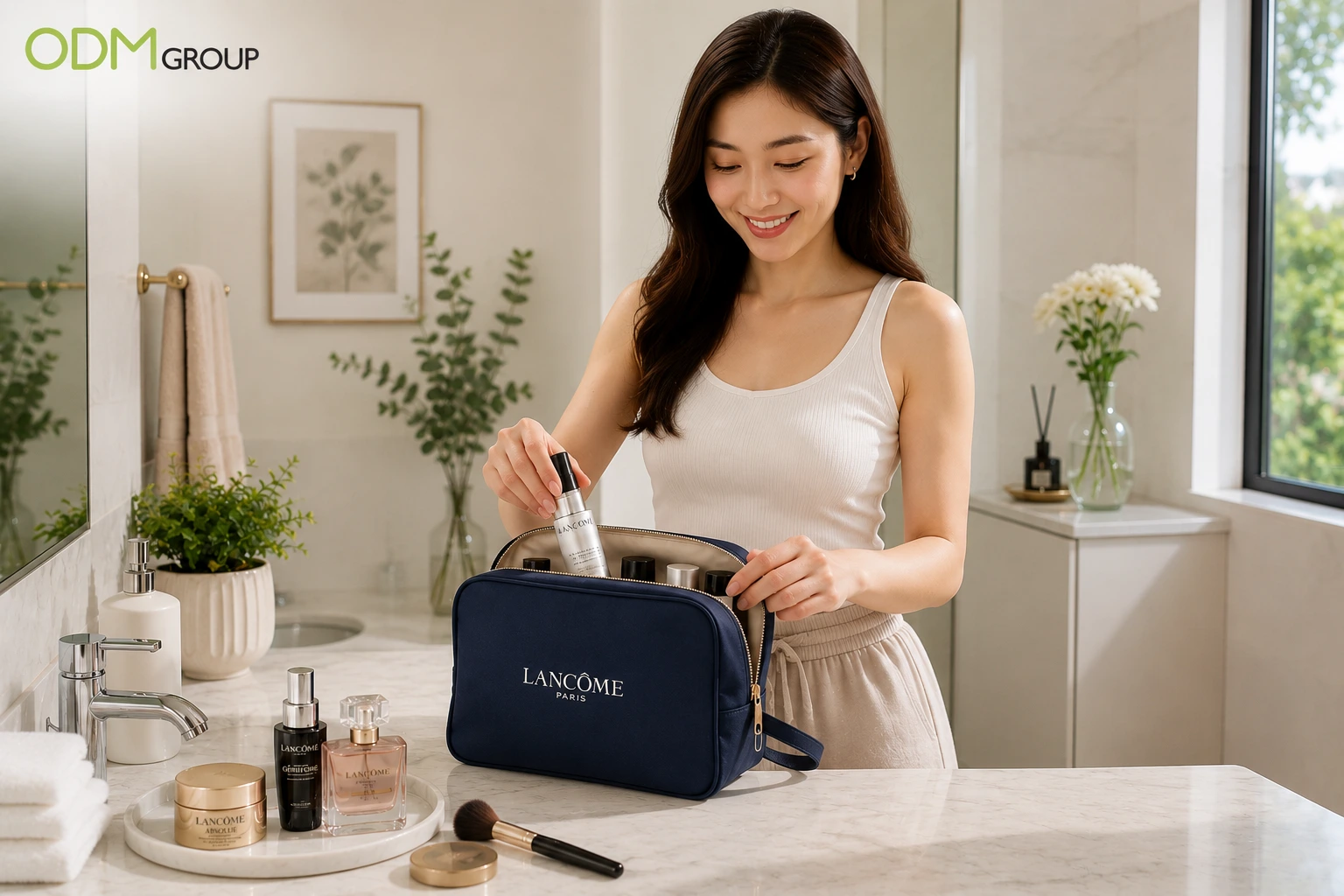
Brand-Led Design
Branding should go beyond placing a logo on the front.
The bag can reflect the brand through color, shape, pattern, hardware, lining, or a recognizable detail from the main product.
A fragrance bottle cap might inspire the zipper pull. A skincare range may influence the color palette. A hotel campaign could include destination-inspired artwork.
These details make the GWP feel exclusive to the campaign.
Branding Without Making the Gift Look Cheap
The most visible logo is not always the most effective branding choice.
Customers are often more likely to carry a toiletry bag that looks like a lifestyle accessory rather than a promotional giveaway.
Premium branding options may include a tonal embroidered mark, woven side label, small metal plate, debossed patch, custom zipper pull, or branded lining.
The design can also use the brand’s signature colors and visual language without relying on a large logo.
The goal is not simply to maximize logo size. It is to create a product customers are comfortable using in public.
Common Mistakes to Avoid
A toiletry bag may be a familiar promotional product, but campaigns can still underperform when the gift is poorly planned.
Choosing the Bag Before Defining the Campaign
Brands sometimes select a product first and decide how to use it later.
The better approach is to define the desired customer action first. Should the gift increase basket value, support a launch, improve a bundle, or reward loyalty?
The answer should guide the bag’s size, quality, format, and presentation.
Setting the Wrong Purchase Threshold
The qualifying spend and the perceived value of the gift must feel balanced.
A high threshold paired with a basic pouch may disappoint customers. A highly developed bag offered at a very low threshold may make the campaign difficult to scale.
The gift should feel valuable without overwhelming the main product.
Adding Features That Do Not Support Use
More pockets, hardware, and accessories can make a design appear impressive on paper. However, added complexity may increase cost, weight, and production risk.
Every feature should have a clear purpose.
A simple, well-proportioned bag can outperform a complicated design that customers find awkward to use.
Overbranding the Product
Large logos can reduce long-term use, especially in premium campaigns.
The gift should still represent the brand, but the branding should support the product rather than dominate it.
Treating Packaging as an Afterthought
The bag must be easy to understand and attractive at the point of sale.
Customers should be able to see the gift, know how to qualify, and understand whether availability is limited.
Counter displays, shelf communication, product bundles, online banners, and campaign photography should all show the offer clearly.
How Different Industries Can Use the Concept
A toiletry bag GWP is not limited to fragrance counters.
Beauty brands can use it to organize skincare routines, makeup collections, or travel-sized products. Grooming brands can pair it with shaving, hair-care, or beard-care sets.
Hotels and airlines can use the format for loyalty rewards, booking incentives, or premium amenity kits. Gyms, spas, and wellness businesses can position it as a practical organizer for shower and recovery products.
Fashion and lifestyle brands can use signature prints or seasonal colors to create a bag that feels connected to a wider collection.
The concept is most effective when the design reflects the customer’s routine and the context in which the gift will be used.
How ODM Helps Develop a Better Toiletry Bag GWP
ODM helps brands develop toiletry bag GWPs around the commercial goal of the campaign, not simply around the product itself.
Together with our design team at Mindsparkz, we can explore original shapes, internal layouts, branding details, and packaging concepts. Product sketches and 3D visualizations allow marketing and procurement teams to review the idea before committing to a physical sample.
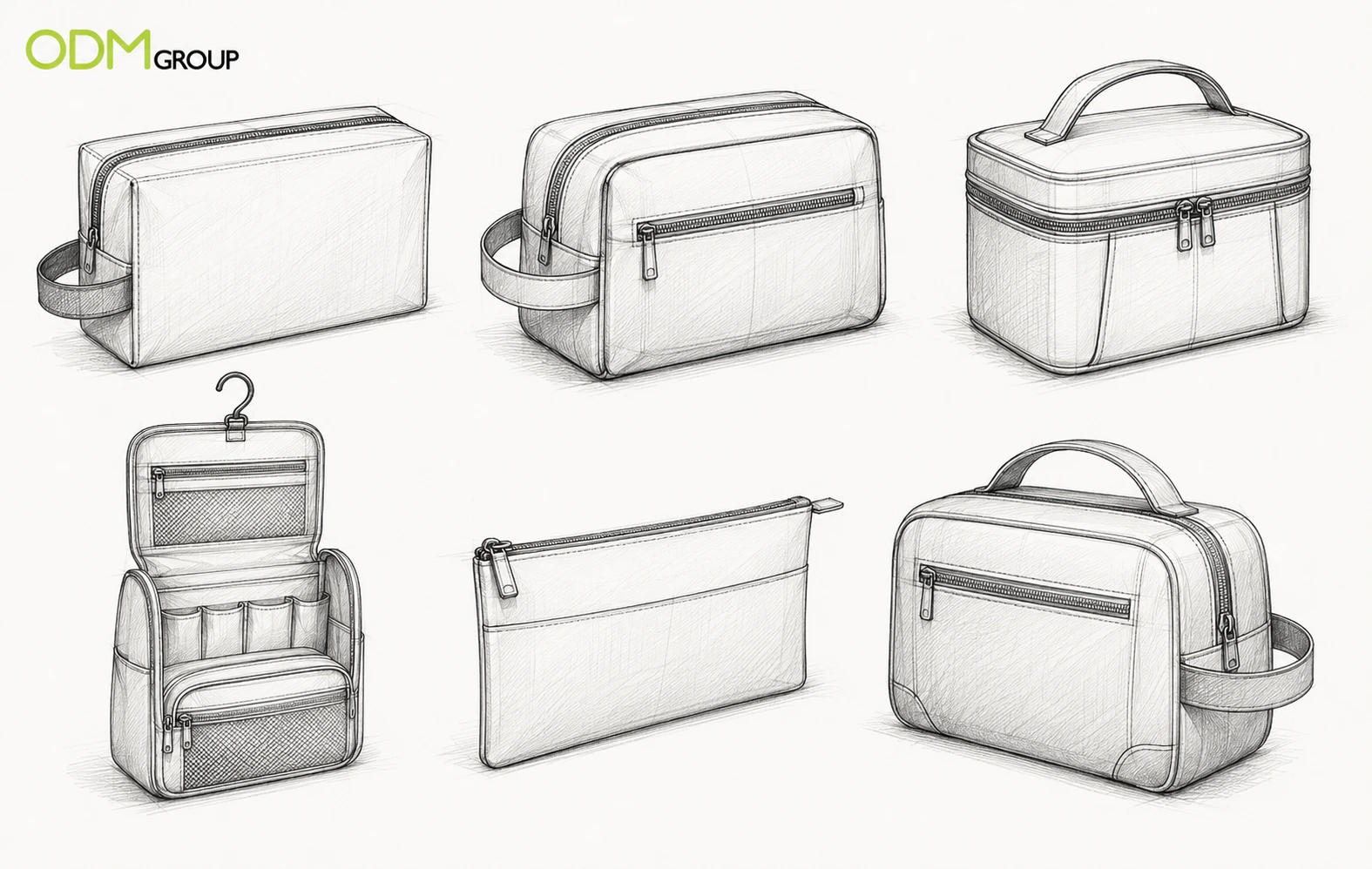
We also help brands evaluate practical trade-offs. A premium finish may improve perceived value, while a more compact structure may reduce display space and shipping volume. The aim is to identify the features that matter to the customer without adding unnecessary complexity.
Once the direction is approved, ODM can coordinate prototyping, production, quality control, packaging, and delivery. This gives brands one managed process from the first campaign idea to the finished promotional product.
Final Thoughts
A GWP toiletry bag can increase order value, strengthen product bundles, support premium pricing, and extend the brand experience beyond the initial purchase.
Its success depends on how well it fits the campaign.
The bag should match the qualifying spend, support the promoted products, and feel useful enough to become part of the customer’s routine. Branding should be recognizable but considered, while features should add practical value rather than unnecessary cost.
The strongest campaigns treat the toiletry bag as part of the customer experience, not as a generic free item.
ODM can help turn that strategy into an original product through concept development, design, prototyping, production management, and campaign packaging.
Contact ODM to discuss a custom toiletry bag for your next gift-with-purchase campaign.
More Product Ideas


Frequently Asked Questions
Why use a toiletry bag as a GWP?
It is useful, reusable, and relevant to beauty, fragrance, grooming, wellness, hospitality, and travel products.
How should brands choose the right bag?
The format should match the target customer, promoted products, qualifying spend, and distribution method.
Can a toiletry bag support premium positioning?
Yes. A refined design can add value without discounting the main product. Subtle branding and appropriate quality are especially important.
Should the bag include several compartments?
Only when they improve usability. The internal layout should be based on what customers are likely to carry.
What to Read Next?
Cosmetic Bag With Logo: 9 Ways Businesses Can Use It in Marketing
A cosmetic bag with logo can do much more than [...]
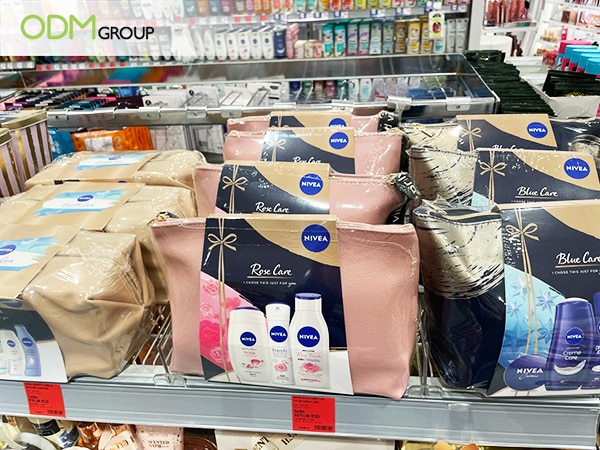
How Does Nivea Entice Customers With Its Branded Cosmetic Bags?
With the rising number of cosmetic brands in the market, [...]
How Vivian Delights Customers With its Branded Cosmetic Gift Set Ideas?
The lights are up, the tinsel is out, and so [...]
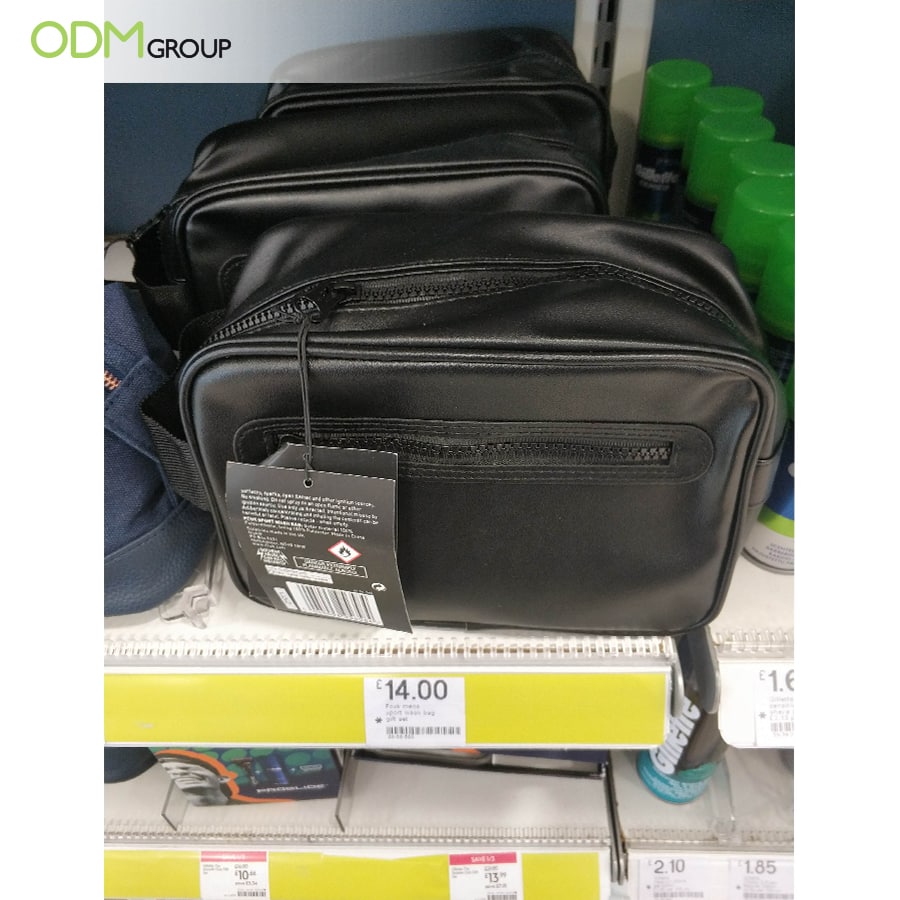
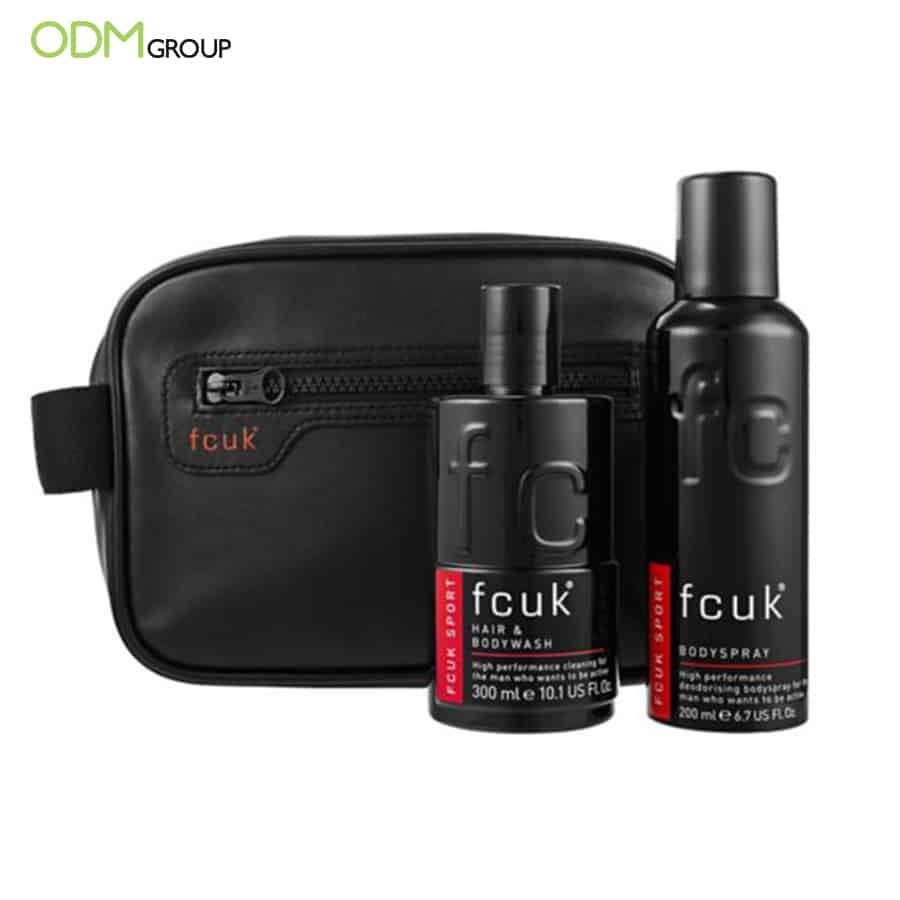
3 Cosmetics Marketing Lessons Learned from FCUK’s Custom Wash Bag
Cosmetics marketing has been prominent since before. As people give [...]
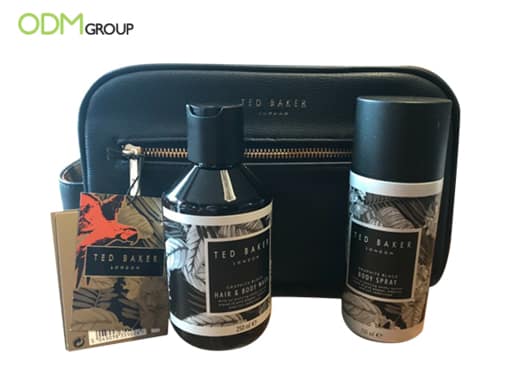
Branded Travel Kit: A Handsome Promotional Gift Set from Ted Baker
Packing light means more freedom when you travel! It may [...]
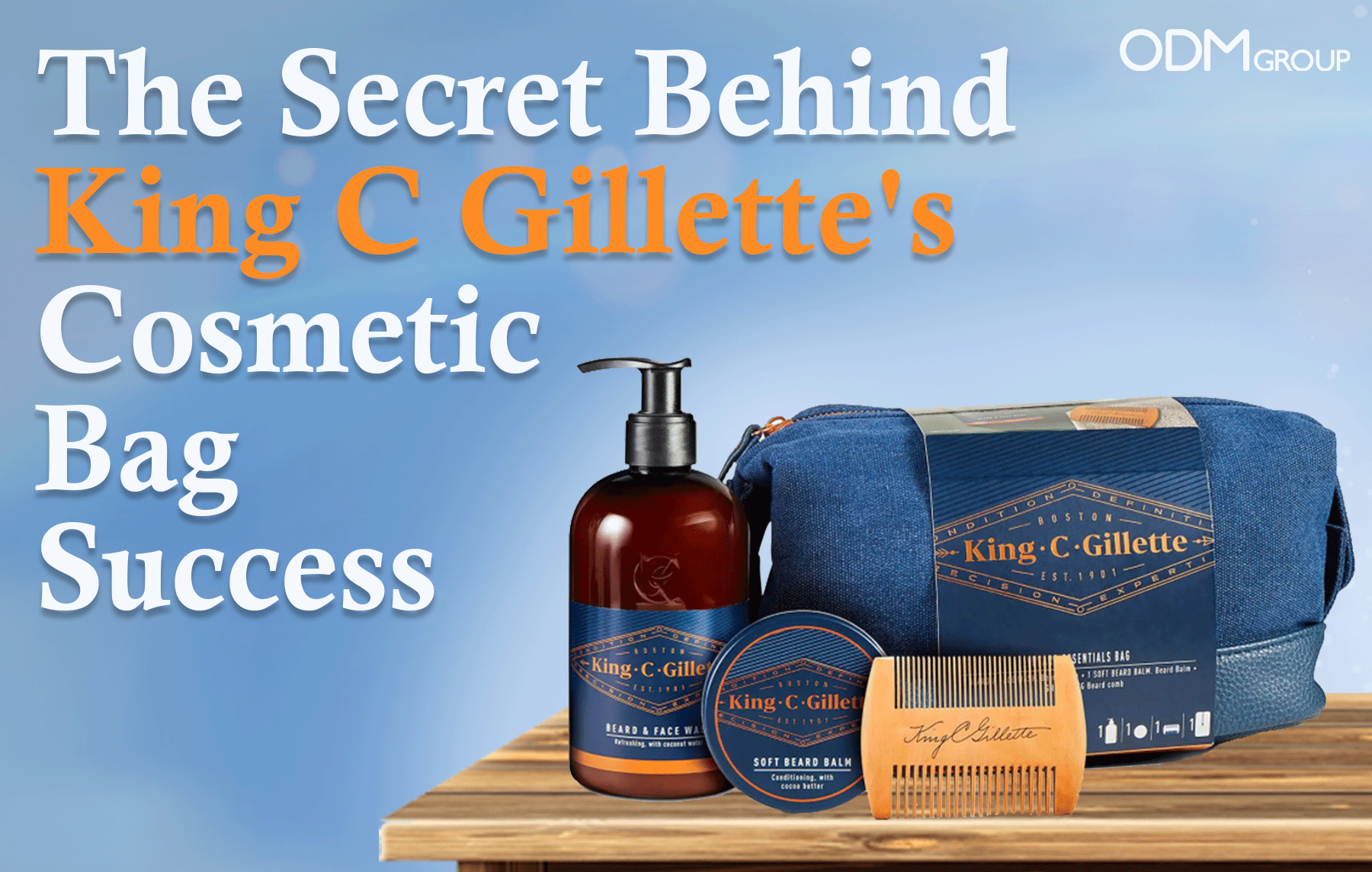
How Gillette Leads The Market With Its Killer Cosmetics Packaging Idea?
King C. Gilette is currently offering this cosmetics bag to [...]