Product sourcing in Vietnam has become a serious option for brands diversifying production across Asia. It offers growing manufacturing capability, stronger export access, and clear advantages for promotional products, packaging, apparel, bags, furniture, lifestyle goods, and branded gifts.
Still, Vietnam is not right for every product. Buyers need to assess factory capabilities, material availability, production timelines, quality control, export regulations, and overall supply chain fit before moving forward.
Why Vietnam Has Become More Important for Product Sourcing
Over the last decade, many international brands have begun to review their dependence on a single production market. Rising costs, shipping pressures, tariff changes, and supply chain disruptions have prompted companies to look more closely at Southeast Asia.
Vietnam is one of the countries that benefits from this shift.
Its location in Asia makes it useful for regional sourcing. Its manufacturing base has expanded in areas such as textiles, footwear, bags, furniture, packaging, electronics, and consumer goods. Its trade agreements also make it attractive for companies selling into Europe, the UK, and other international markets.
For brands, this creates a practical opportunity: Vietnam can become part of a China-plus-one sourcing strategy.
That does not always mean replacing China. In many cases, the smarter approach is to use China and Vietnam together. China may still be stronger for complex tooling, advanced electronics, fast material sourcing, or high-speed product development. Vietnam may be stronger for selected labor-intensive products, soft goods, wood products, sewn items, and certain export-friendly categories.
The key is knowing which products fit which market.
Vietnam Is Not Just About Lower Cost
Many sourcing discussions start with labor cost. It is true that Vietnam can be cost-competitive in several product categories, especially when compared with more mature manufacturing markets.
But price should never be the only reason to source from Vietnam.
Low unit cost means very little if the factory cannot meet the specification, if material options are limited, if sampling takes too long, or if the final shipment fails inspection. Experienced buyers look at the full commercial picture.
That includes:
When these areas are managed properly, Vietnam can be a valuable sourcing market. When they are ignored, the project can become slower and more expensive than expected.
Product Categories That Often Work Well in Vietnam
Vietnam has strong potential across several product areas relevant to promotional merchandise and branded campaigns.
1. Apparel and textiles
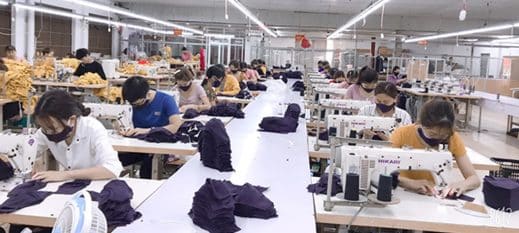
These are the most common categories. T-shirts, uniforms, caps, tote bags, aprons, and soft accessories can often be developed through Vietnamese factories, especially when the design is clear and the material requirements are practical.
2. Bags and Sewn Products
These are other strong areas. This can include cotton bags, canvas bags, drawstring bags, cooler bags, travel pouches, laptop sleeves, and custom packaging pouches.
3. Wooden Products and Furniture-Related Items
Vietnam has an established export base for wood, bamboo, rattan, homeware, and lifestyle products. This can be useful for brands looking for natural materials or more premium gift concepts.
4. Packaging
Paper packaging, gift boxes, fabric pouches, retail packaging, and seasonal gift presentation can often be developed in Vietnam, depending on structure, finish, and volume.
5. Electronics and Plastic Products
These may also be possible, but these categories need more careful evaluation. Buyers should check whether the factory has the right components, tooling capability, testing process, and export experience before moving forward.
How EVFTA and Trade Agreements Support Vietnam Sourcing
Vietnam’s trade agreements have made the country more attractive for international buyers. The EU-Vietnam Free Trade Agreement has improved market access between Vietnam and the European Union, reducing duties across many product categories over time.
For European brands, this can support better landed cost planning. A product that looks slightly more expensive at the factory level may become more competitive after tariffs, shipping, and customs are factored in.
For UK buyers, the UK-Vietnam Free Trade Agreement provides a separate post-Brexit framework. This matters because the old assumption that the UK would simply follow EU trade terms is no longer current. Brands sourcing for the UK market should check the relevant tariff schedules, product classification, and origin rules before confirming production.
This is where sourcing becomes more technical. A product does not automatically qualify for preferential treatment just because it ships from Vietnam. Rules of origin, materials, processing requirements, and documentation still matter.
For branded merchandise buyers, this is especially important when products include mixed materials or components sourced from different countries.
Where Vietnam Can Outperform Other Sourcing Markets
Vietnam can be especially strong when the product needs skilled labor, sewing, assembly, finishing, natural materials, or careful handwork.
This is why many buyers consider Vietnam for apparel, bags, textile accessories, homeware, sustainable gift items, packaging, and lifestyle merchandise. These products often depend more on finishing quality than on complex machinery.
Vietnam can also be useful when a brand wants to reduce supply chain concentration. Placing selected projects in Vietnam allows companies to spread risk while still keeping production within Asia.
For long-term promotional programs, this can be valuable. A brand may source one product category from China, another from Vietnam, and another from a specialist market, depending on material, cost, and timing. The result is a more flexible supply chain.
The Challenges Buyers Should Understand
Vietnam sourcing is promising, but it is not always simple.
1. Factory Capacity
One common challenge is factory capacity. Good factories can become busy quickly, especially during peak export seasons. If a brand starts too late, the project may face longer lead times or less flexibility.
2. Material Availability
Another challenge is material availability. Vietnam has strong production capability in many categories, but some raw materials, trims, components, or special finishes may still need to be imported. This can affect both timeline and price.
3. Minimum Order Quantity
MOQs can also vary widely. Some factories are set up for export production and prefer larger orders. Others may accept smaller runs but offer fewer customization options. Buyers should confirm MOQ expectations before investing too much time in design development.
4. Quality Control
QC also needs close attention. As with any sourcing market, factory selection matters. A strong factory can deliver consistent results. The wrong factory can create problems with finishing, color matching, packaging, labeling, or shipment preparation.
This is why on-the-ground inspection is important. Product sourcing is not just about finding a factory. It is about managing the factory.
Why Factory Selection Matters More Than Country Selection
A common mistake is thinking, “Vietnam is good for this product” or “China is good for that product.”
In reality, the factory matters more than the country.
Two factories in the same city can deliver very different results. One may have strong export experience, proper inspection procedures, and good communication. Another may struggle with documentation, deadlines, or consistency in quality.
Before placing an order, brands should check:
For promotional merchandise, this is especially important because campaign timing is fixed. A delayed shipment can miss an event, launch, retail promotion, or seasonal window.
How Vietnam Fits Into a China-Plus-One Strategy
Vietnam is often discussed as part of a China-plus-one strategy. This means brands keep part of their supply chain in China while adding another production country to reduce risk and improve flexibility.
This approach works well when the product mix is carefully planned.
For example, China may still be the better option for highly engineered products, complex plastic tooling, electronics with multiple components, or projects that require very fast supplier coordination.
Vietnam may be a better option for sewn products, textile merchandise, natural material gifts, packaging, furniture-related items, and selected lifestyle products.
The strongest sourcing strategies do not treat countries as competitors. They treat them as different tools.
A brand with the right sourcing partner can decide where each product should be developed based on cost, quality, timing, material, and export destination.
What Brands Should Prepare Before Sourcing in Vietnam
Before approaching factories in Vietnam, brands should prepare a clear product brief. A vague brief leads to vague pricing, weak samples, and production risk.
A good sourcing brief should include:
- product size
- material preference
- branding method
- color requirements
- packaging style
- target order quantity
- delivery market
- target price range
- required certifications
- reference images
- campaign deadline
For custom promotional products, the brief should also explain how the product will be used. Is it for a retail gift with purchase? A trade show giveaway? A premium client gift? A seasonal campaign? A staff uniform? A travel retail set?
This matters because the same product can require different quality levels, packaging, and finishing depending on the campaign.
How ODM Supports Product Sourcing in Vietnam
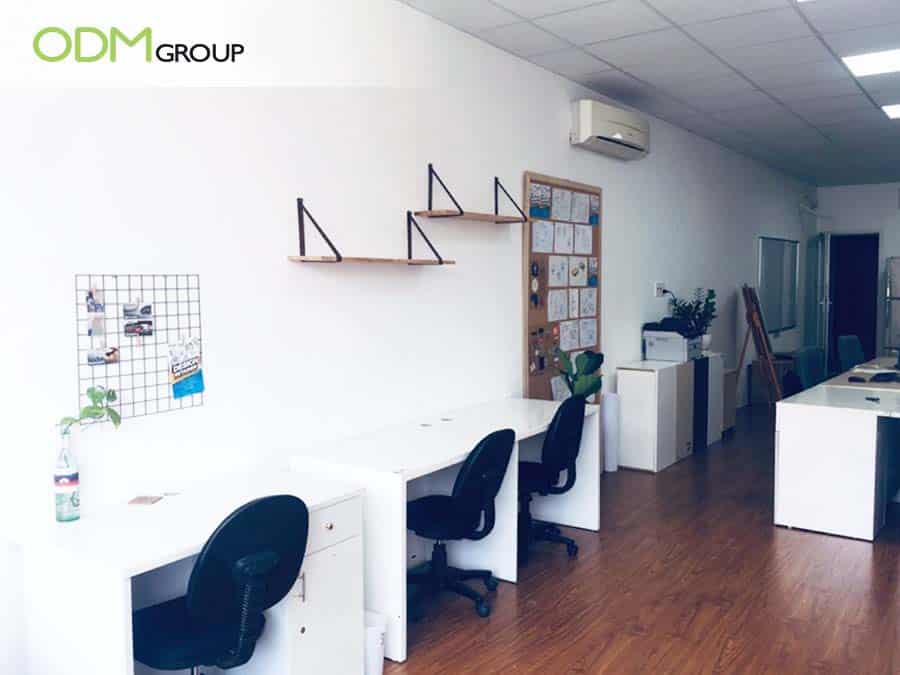
ODM Group helps brands source, develop, and manage promotional products across Asia, including Vietnam. We are not a standard product supplier or a factory owner. We act as a strategic sourcing and product development partner, helping brands manage the steps between idea and final delivery.
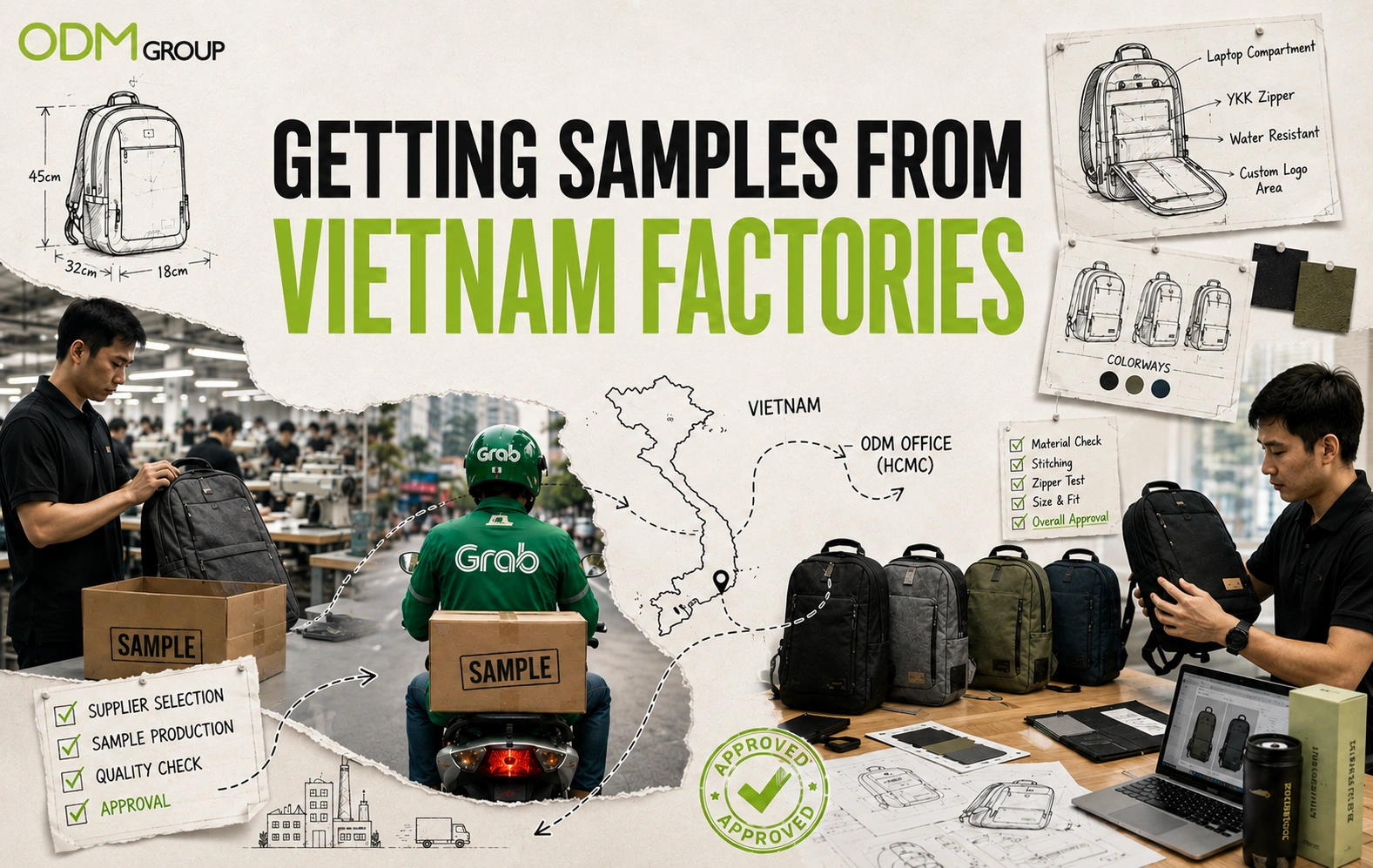
For Vietnam sourcing projects, ODM can support with factory identification, product development, sampling, price comparison, quality control, packaging coordination, and logistics planning.
Through Mindsparkz, ODM’s in-house creative and product design agency, we can also help turn early product ideas into sketches, 3D concepts, packaging layouts, and presentation-ready designs before moving into sampling.
This is especially useful for brands that want more than an off-the-shelf item. If the goal is to create a custom gift, retail display, packaging concept, event merchandise, or branded campaign item, design and sourcing need to work together from the start.
Final Thoughts
Product sourcing in Vietnam offers real opportunities for international brands, especially those looking to diversify production, improve supply chain resilience, and explore new manufacturing options in Asia.
But Vietnam should not be treated as a simple low-cost shortcut. The best results come from choosing the right product category, selecting the right factory, preparing clear specifications, checking quality early, and planning realistic lead times.
For brands sourcing promotional merchandise, packaging, gifts, apparel, bags, lifestyle products, or custom campaign items, Vietnam can be a strong part of a wider Asia sourcing strategy.
ODM Group can help brands review product feasibility, compare sourcing options, coordinate factory communication, manage sampling, inspect production, and support delivery from Asia to global markets.
If your brand is considering product sourcing in Vietnam, start with the product, the campaign deadline, and the required quality standard. From there, the right sourcing route becomes much clearer.
ODM Services
FAQs about Product Sourcing in Vietnam
Is Vietnam a good country for product sourcing?
Yes, Vietnam can be a strong sourcing market for brands looking to diversify production in Asia. It is especially relevant for apparel, bags, textiles, wooden products, furniture-related items, packaging, lifestyle goods, and selected promotional merchandise. The best results depend on choosing the right factory, preparing clear specifications, checking material availability, and managing quality control before shipment.
What products are commonly sourced from Vietnam?
Brands often source garments, uniforms, tote bags, caps, backpacks, pouches, wooden gifts, bamboo products, rattan items, furniture, paper packaging, gift boxes, and lifestyle merchandise from Vietnam. Some electronics and plastic items may also be possible, but these require more careful factory checks because component sourcing, tooling, and testing requirements can be more complex.
Is Vietnam cheaper than China for manufacturing?
Vietnam can be cost-competitive for certain labour-intensive products, but it is not always cheaper for every item. China may still be stronger for complex tooling, advanced components, fast material sourcing, and highly engineered products.
What should brands prepare before sourcing products from Vietnam?
Brands should prepare a clear product brief before approaching factories. This should include product size, materials, colours, branding method, packaging requirements, order quantity, target price, delivery market, certification needs, reference images, and campaign deadline. A detailed brief helps factories quote more accurately, reduces sampling delays, and gives quality control teams a clearer standard to inspect against.
What to Read Next?
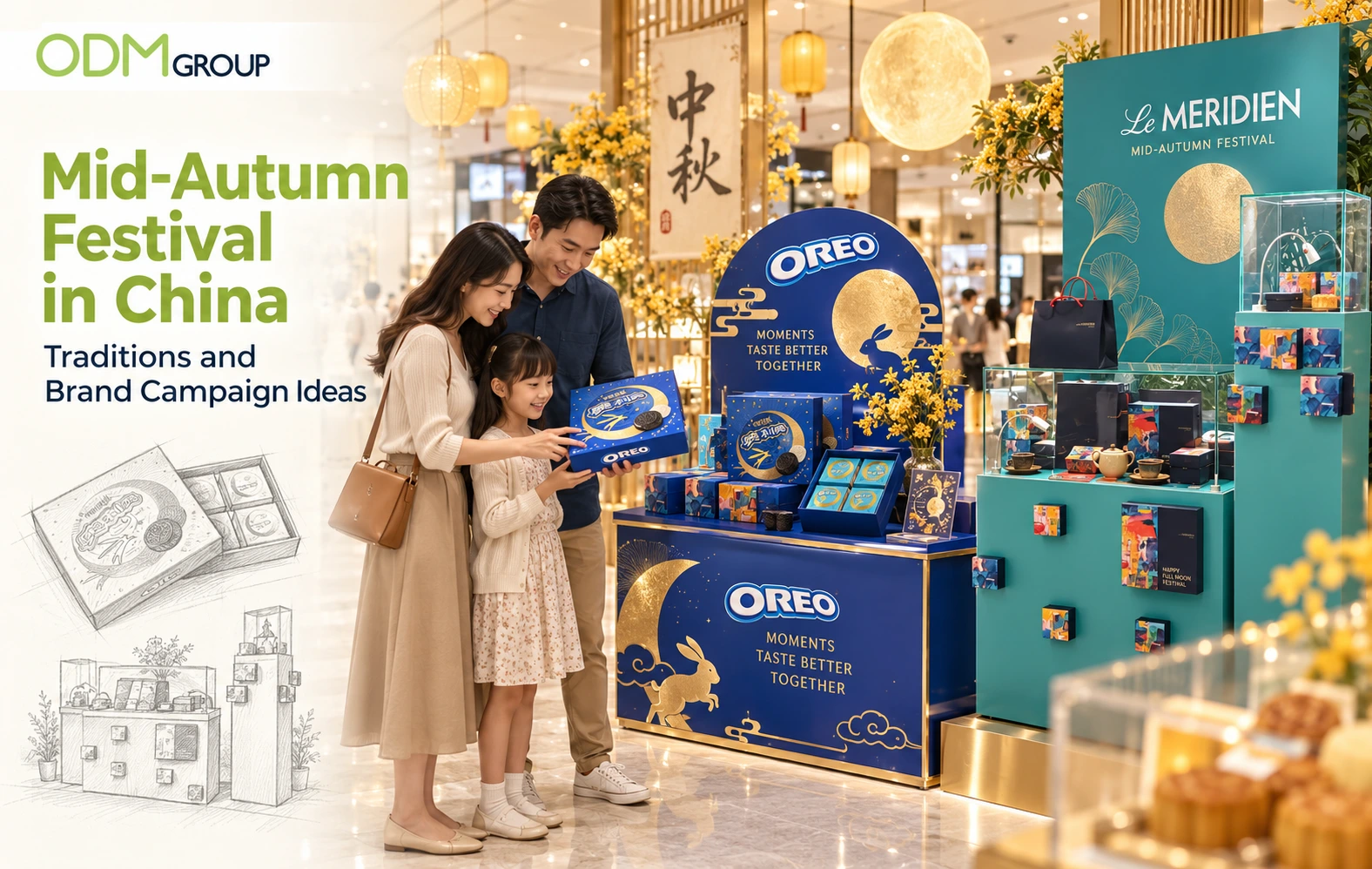
Mid-Autumn Festival in China: Traditions and Brand Campaign Ideas
The ODM office in Zhuhai, China will be closed on [...]

Redemption Center for Promotional Campaigns and Loyalty Programs
Promotional campaigns often focus on attractive rewards and creative [...]
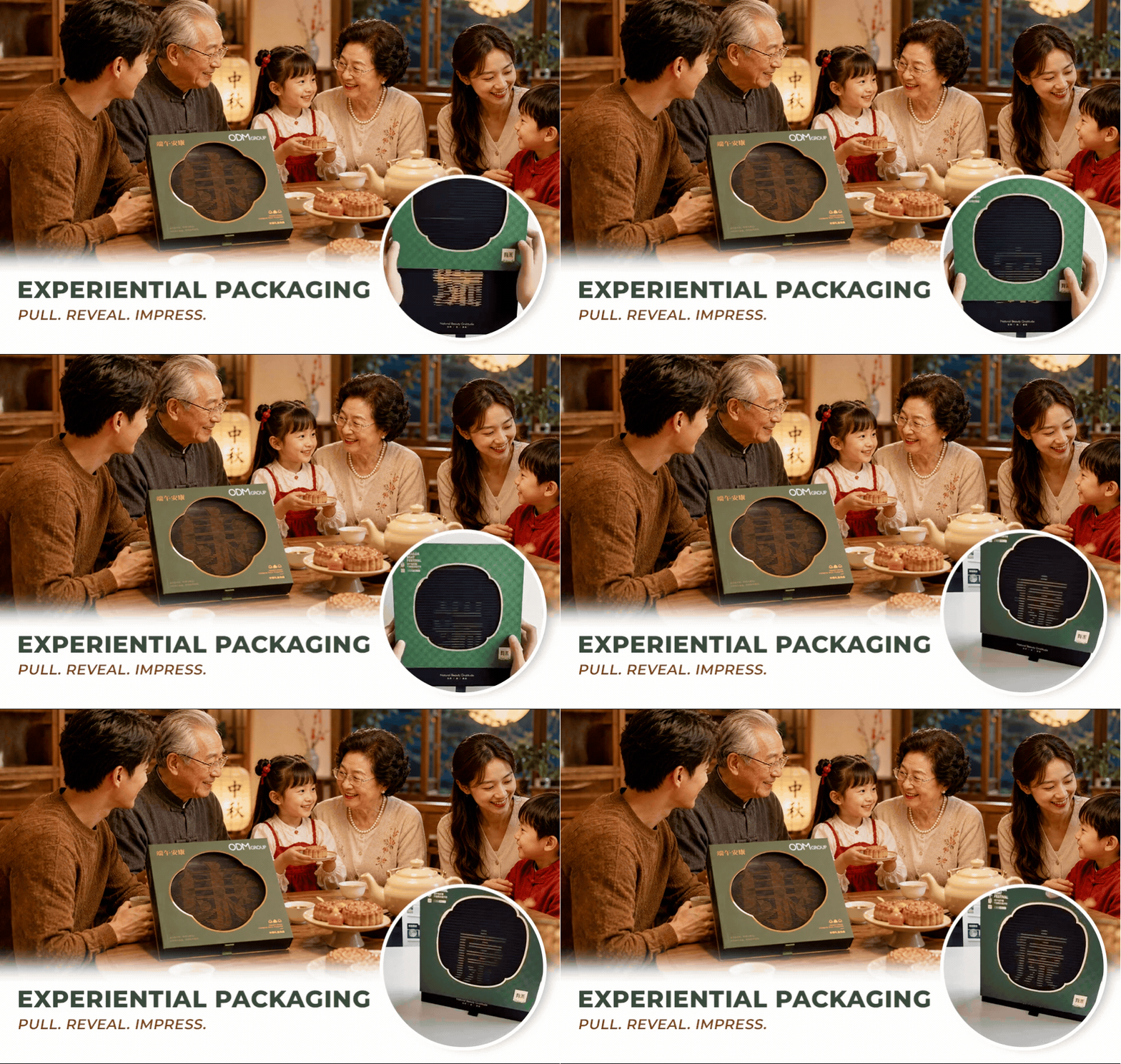
Experiential Packaging Ideas That Make Gift Campaigns More Memorable
Packaging is often the first thing people notice before [...]
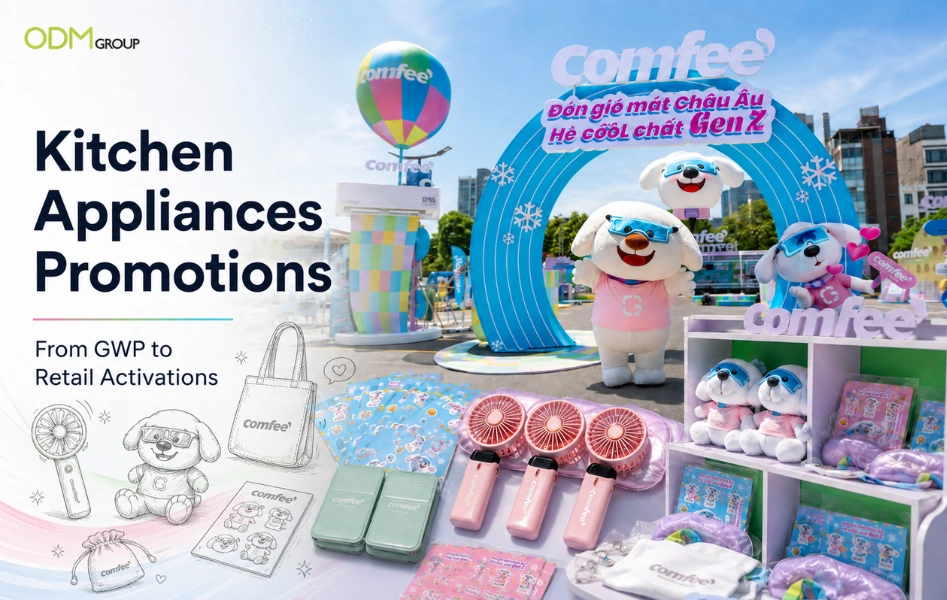
Kitchen Appliances Promotions That Turn Shoppers Into Buyers
Promotional products supplier, promotional products for kitchen supplier, promotional product solutions, gift with purchase solutions

Hidden Camera Glasses and Baseball Caps for Experiential Campaigns
Hidden Camera products, Manufacturing in CHina, Stealth Camera items, ODM Asia, Sunglasses with hidden camera, Sport sunglasses with hidden camera

Tailgate Party Gifts That Drive Engagement and Elevate Your Brand
Tailgating Promotional Items, Products brainstorm Tailgating , sport stadium items tailgating, manufacturing in China, ODM asia