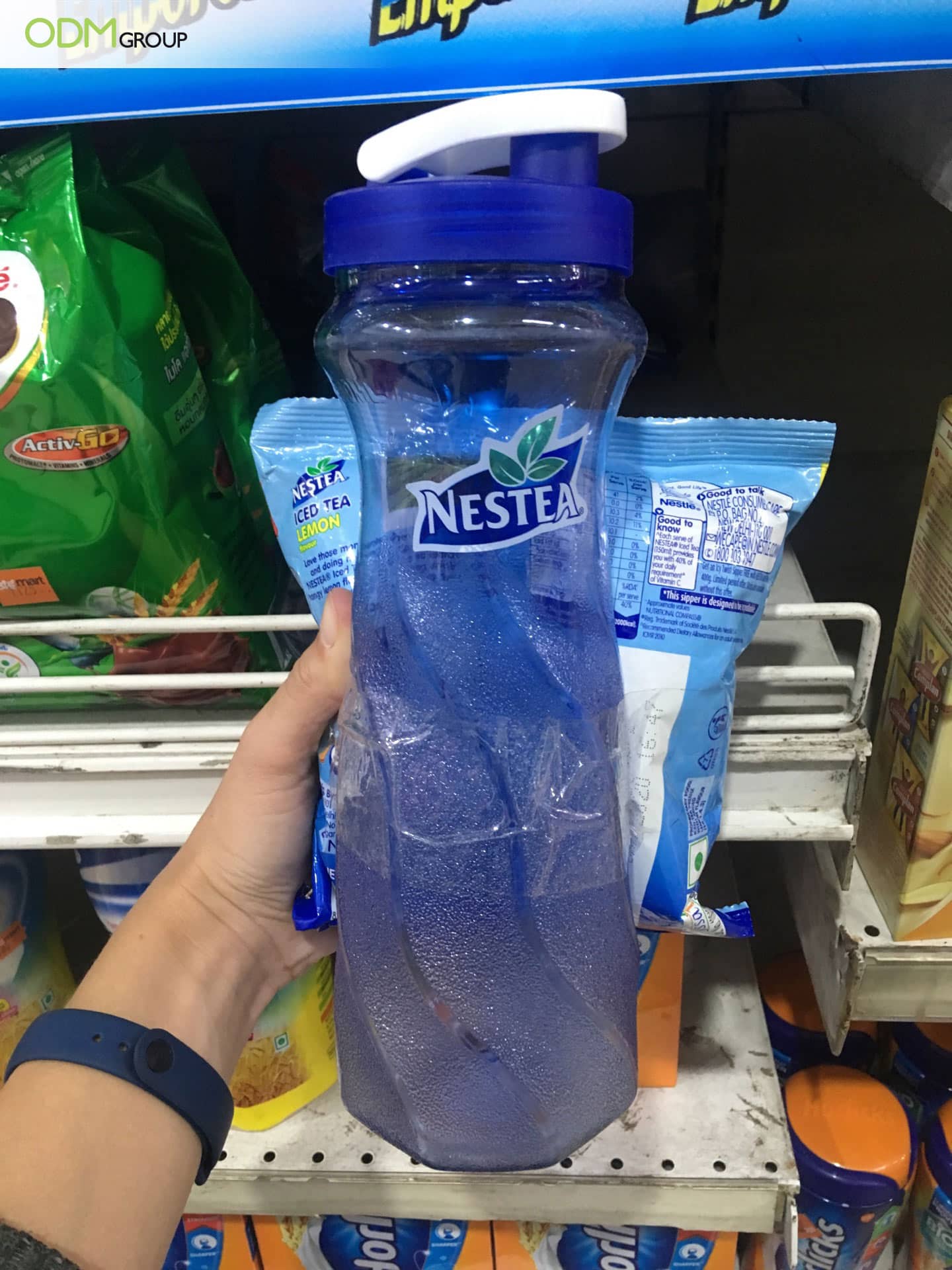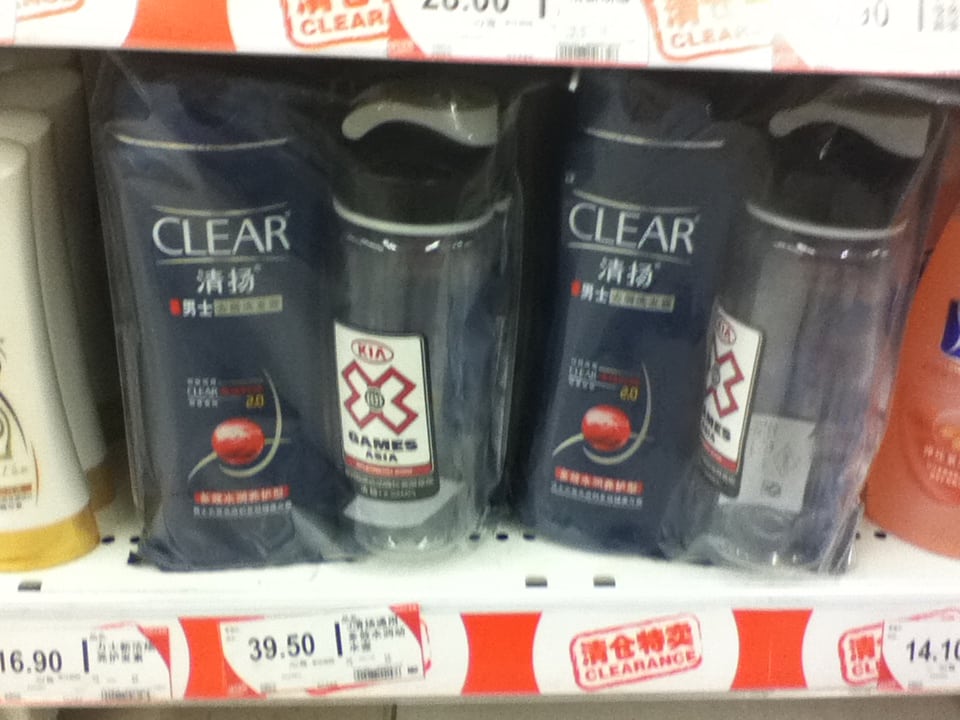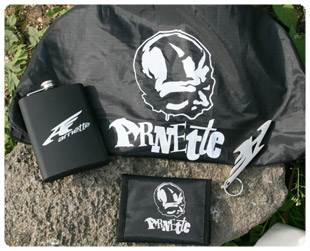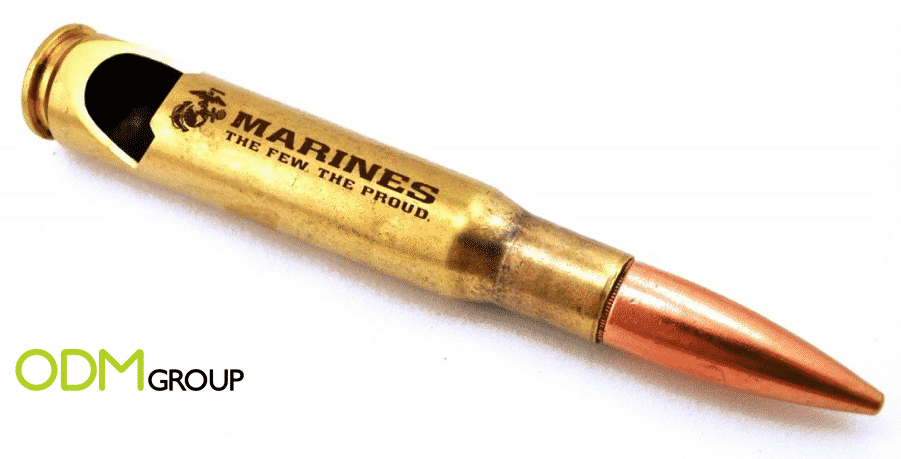
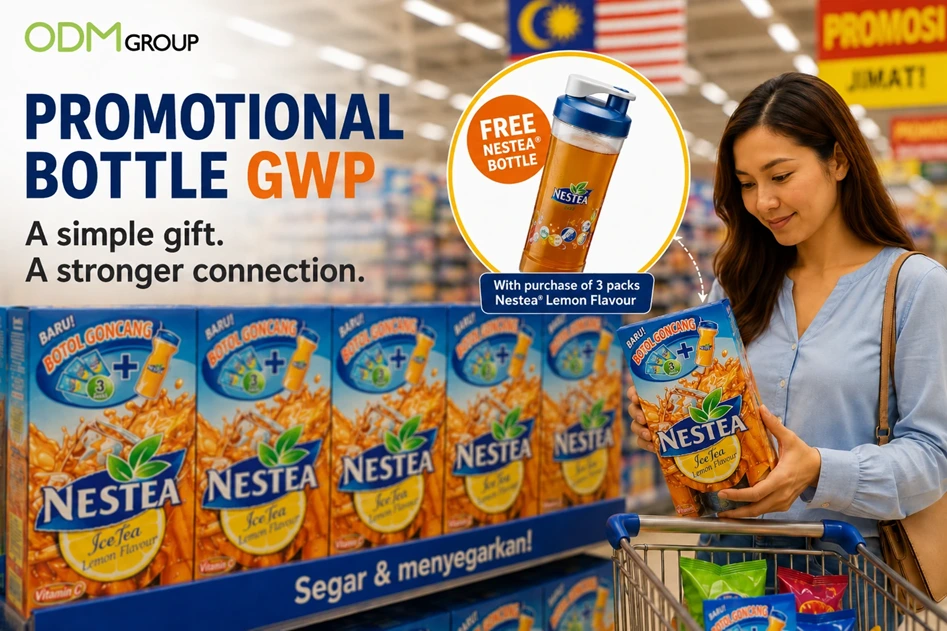
A GWP campaign works best when the free item feels useful and is directly connected to the product being promoted. Nestea’s promotional bottle GWP is a strong example, offering shoppers a free drinks bottle when they purchase three packs of lemon-flavored Nestea.
The mechanic was simple, but the choice of gift made it effective. The bottle supported the beverage category, encouraged higher purchase volume, and gave shoppers a reusable item that could keep the brand visible beyond the store.
Why a Bottle Works Well for Beverage Promotions
Drink bottles are one of the most practical promotional products because they fit into daily routines. People use them at work, at school, at gyms, at events, while traveling, and during outdoor activities. For a drink brand, that makes the connection very natural.
A promotional bottle can support the campaign in several ways:
- It gives shoppers a functional reward.
- It increases the perceived value of the purchase.
- It keeps the brand visible after the promotion ends.
- It supports active, on-the-go lifestyles.
- It can be designed to match the flavor, product range, or campaign theme.
For Nestea, a bottle shaker also reinforces the idea of refreshment and convenience. It is not just a free item. It is an accessory that supports how customers may consume or prepare the drink.
What Made the Nestea Bottle Stand Out
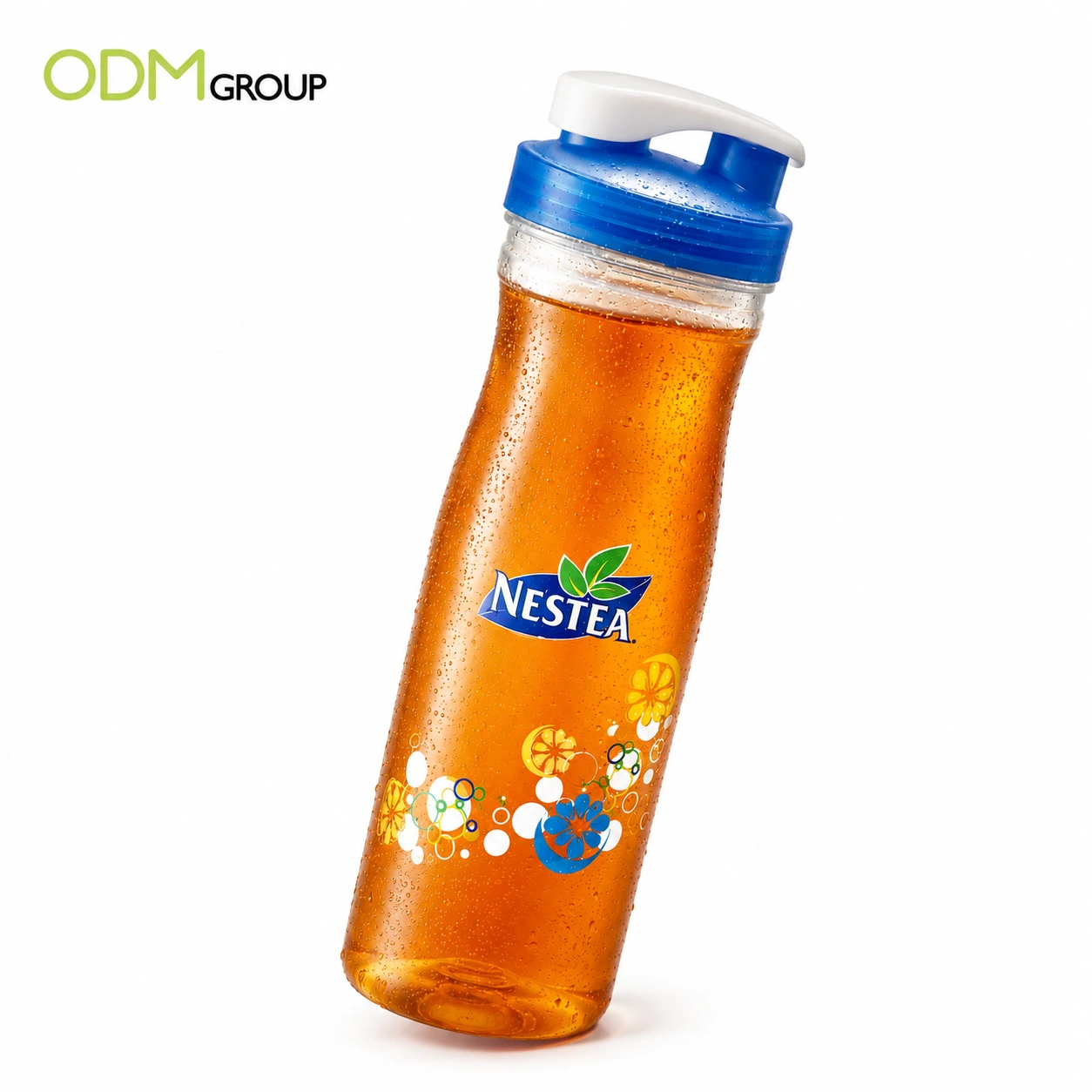
Many brands use bottles as promotional giveaways, so design matters. The Nestea bottle stood out because of its strong contouring lines, bold color contrast, and distinctive shape.
These details are important. A more unique bottle design can make the GWP feel less like a standard freebie and more like a branded item shoppers would actually want to use.
In retail, this can help the promotion attract attention quickly. Shoppers often make decisions within seconds, so the gift needs to be visually clear and easy to understand. A well-designed bottle can help communicate value even before the shopper reads the full promotion.
For brands, this is a reminder that promotional drinkware should not only carry a logo. The shape, color, lid style, material, and grip all affect how the product is perceived.
Bottle Styles Brands Can Consider
A promotional bottle does not need to follow one format. The right style depends on the campaign, audience, budget, and retail channel.
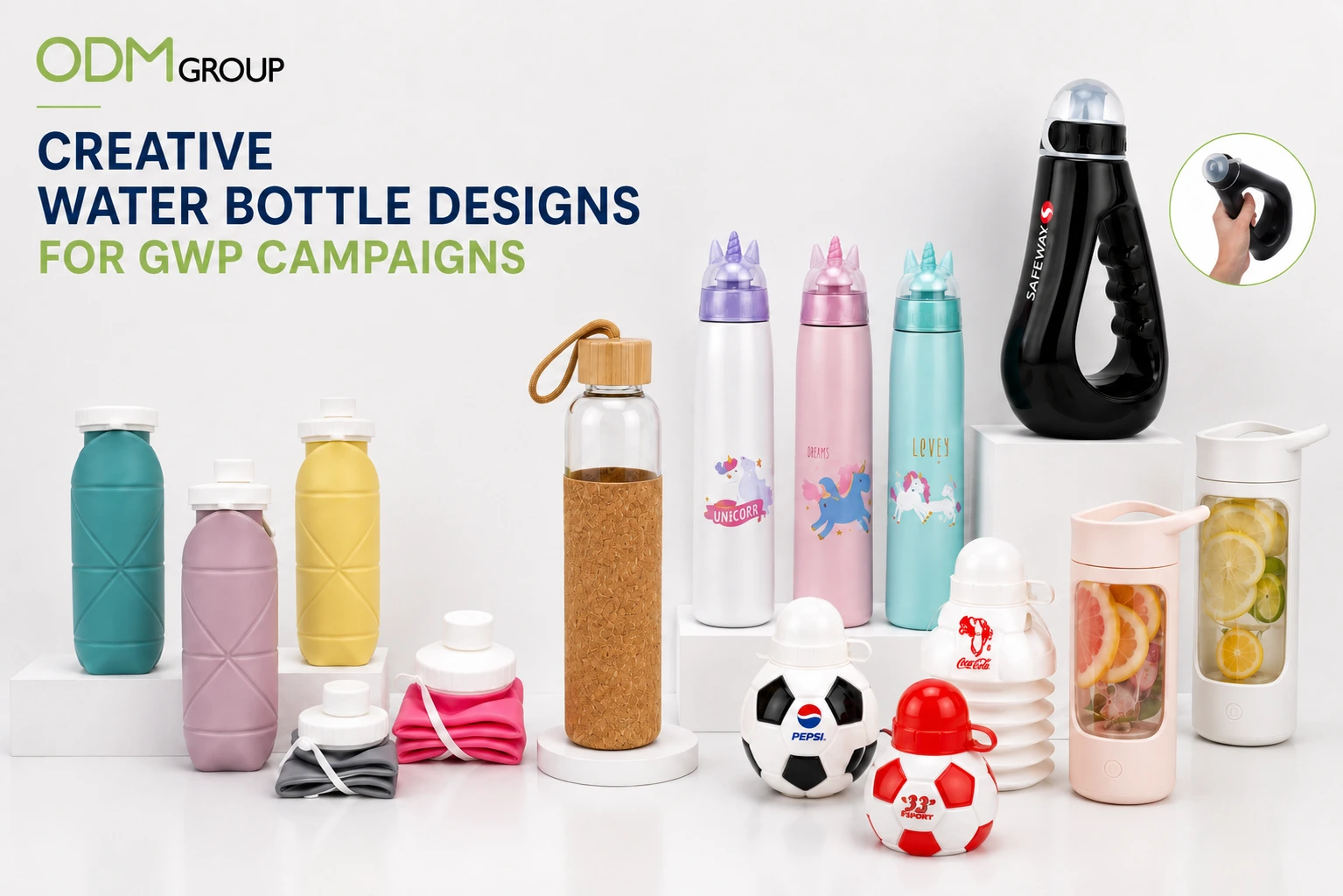
Brands can consider:
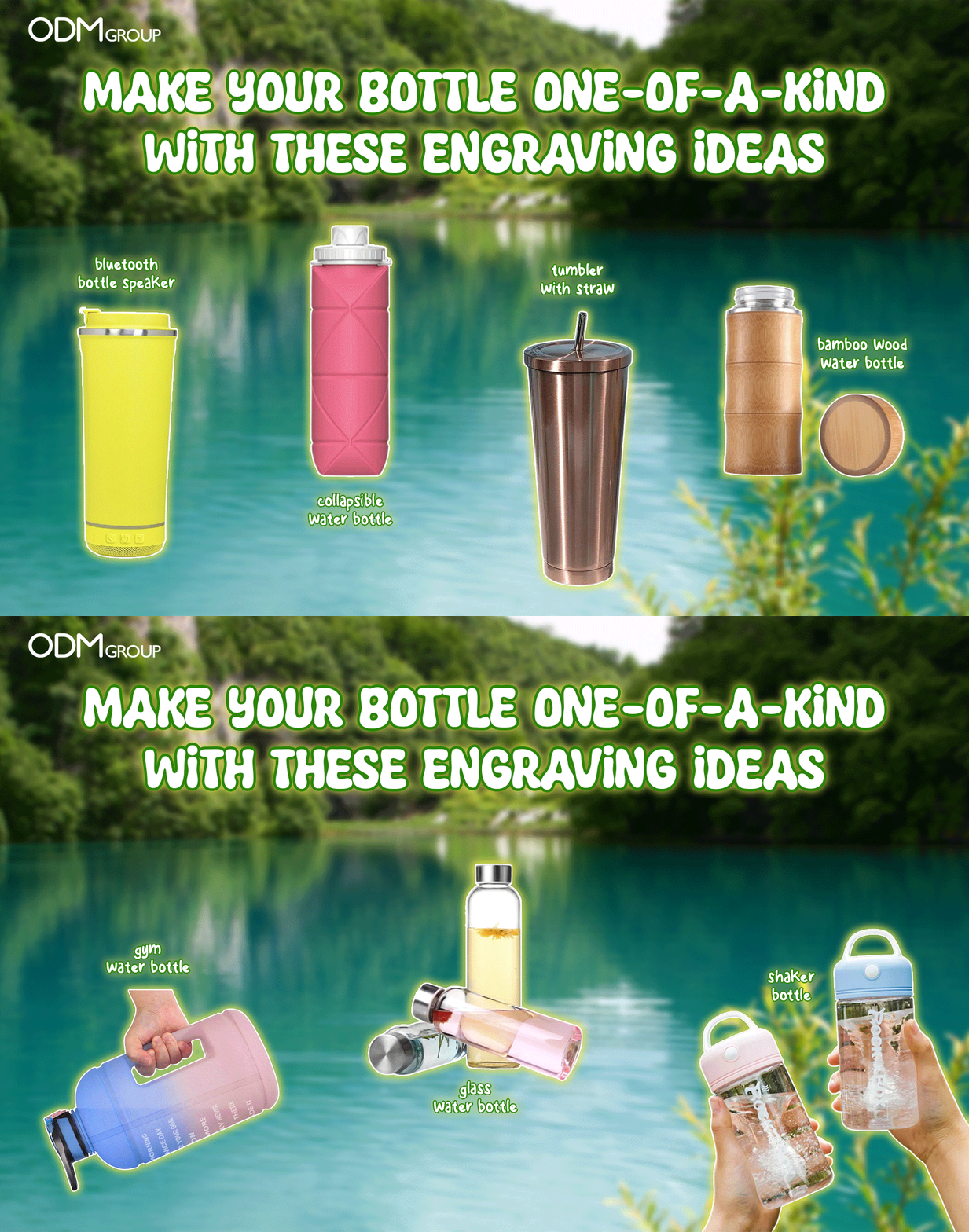
- Shaker bottles for powdered drinks, supplements, or iced beverages
- Sports bottles for active lifestyle campaigns
- Stainless steel flasks for premium gifting
- Collapsible bottles for travel and outdoor promotions
- Thermos bottles for hot and cold drink campaigns
- Infuser bottles for fruit, tea, or wellness drinks
- Kids’ bottles for family-focused promotions
- Clear bottles for colourful beverages or flavour-led campaigns
For beverage brands, the best choice is usually the one that feels closest to the consumption occasion. A sports drink may benefit from a lightweight squeeze bottle. A tea brand may prefer an infuser bottle. A premium coffee or chocolate brand may choose an insulated tumbler.
The product should support the story of the campaign.
Add-Ons That Increase Everyday Use
Small accessories can make a promotional bottle more useful and more memorable. They can also help brands create different campaign versions without changing the main bottle design.
Useful add-ons include:
- Bottle neckers for campaign messaging and retail instructions
- Carabiners for outdoor, sports, and travel use
- Lanyards for events, schools, and sampling campaigns
- Microfiber towels for fitness and summer promotions
- Clips or straps for better portability
- Custom packaging sleeves for stronger shelf visibility
These details should not be added just for decoration. They should make the product easier to carry, easier to use, or easier to understand in-store.
For example, a bottle necker can explain the promotion clearly at shelf level. A carabiner can make the bottle more suitable for outdoor activities. A microfiber towel can turn a basic bottle into a more complete fitness kit.
What Brands Should Consider Before Production
Promotional bottles may look simple, but they involve several production decisions that can affect the final result.
Before moving into production, brands should review:
- Material safety and food-grade requirements
- Bottle capacity and target user
- Leak testing and lid performance
- Print area and logo durability
- Colour matching with brand guidelines
- Packaging requirements for retail display
- Shipping volume and carton size
- MOQ and lead time
- Existing mould availability
- Accessory compatibility
For retail GWP campaigns, durability and safety are especially important. If the gift leaks, breaks easily, or feels low quality, it can affect the way shoppers see the brand.
This is why early product review, sampling, and QC planning matter.
Discover how other brands used water bottles as GWP items
For Heineken’s 2020 promotional campaign, customers and fans can get their hands on this GWP water bottle by purchasing Heineken 12×330 mL or Heineken 0.0 12×330 mL.
Spotted this promotion at a supermarket in the Philippines, the gift item is bounded to the powdered chocolate drink’s packaging with clear plastic.
With the goal of keeping consumers “cool” all day long, Head & Shoulders gave away branded water bottle flask as a gift with purchase in the Philippines.
How ODM Group Helps Brands Build Retail-Ready GWP Campaigns
ODM Group helps brands develop promotional merchandise that connects campaign strategy with real production requirements. For a bottle GWP campaign, our team can support product sourcing, design adaptation, material selection, branding, sampling, quality control, packaging, and logistics.
Our role is not only to find a bottle. We help brands choose the right product format for the audience, retail mechanic, budget, and campaign timeline. This includes reviewing existing mould options, suggesting customisation methods, checking production details, and helping the final item feel aligned with the brand.
With teams close to factories in Asia, ODM can support brands from early concept development through to mass production and delivery. This is especially valuable for GWP campaigns where timing, cost control, product safety, and retail presentation all need to work together.
Final Thoughts
Nestea’s promotional bottle GWP shows how a practical free gift can strengthen a retail campaign. The promotion encouraged shoppers to buy more, while the bottle gave them something useful to keep after the purchase.
For brands, the lesson is clear. A good gift-with-purchase should not feel disconnected from the product. It should support the category, fit the consumer’s lifestyle, and create repeat brand visibility beyond the store.
Whether the goal is to promote beverages, snacks, wellness products, sports campaigns, or seasonal retail bundles, promotional bottles remain a strong GWP option when designed with the right strategy.
Looking to develop a custom bottle or retail-ready GWP campaign? Contact ODM Group to explore product sourcing, customization, sampling, packaging, and production options tailored to your brand.
More Ideas


FAQs About Promotional Bottle GWP
What makes a promotional bottle GWP more effective than a standard free gift?
A promotional bottle GWP works best when it connects naturally to the product being sold. For beverage brands, the bottle supports the drinking occasion, gives shoppers a useful reward, and keeps the brand visible after the promotion ends.
Do brands need a new mold to create a unique promotional bottle?
Not always. Many campaigns can use existing bottle molds and customize them through color, logo placement, lid style, packaging, or accessories. This can help reduce cost and shorten production time while still creating a fresh campaign look.
How can a bottle GWP help increase retail sales?
A bottle GWP can encourage shoppers to buy more by adding extra value to the purchase. For example, a “buy 3 packs, get 1 free bottle” mechanic gives customers a clear reason to choose the promotion over a regular purchase.
What should brands check before producing promotional bottles?
Brands should review material safety, leak resistance, bottle capacity, logo durability, packaging, carton size, MOQ, lead time, and shipping volume. These details affect both the shopper experience and the campaign’s overall cost.
What to Read Next?
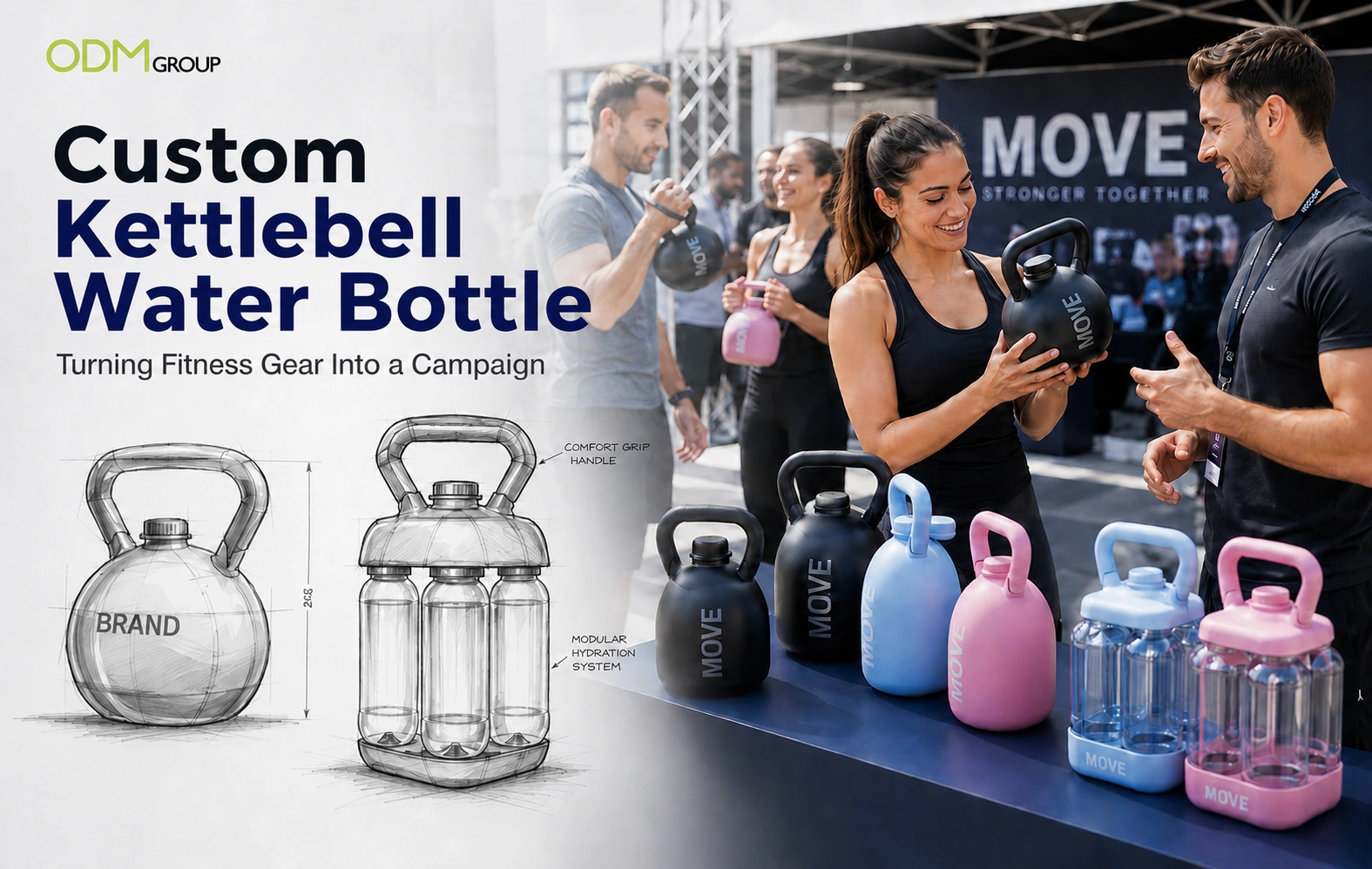
Kettlebell Water Bottle: A Fitness Product Built for Brand Activation
A kettlebell water bottle combines hydration with the familiar [...]
Water Bottle Engraving Ideas for Maximum Brand Visibility
Engraving is one of the most common customisation options [...]
Finding the Perfect Water Bottle Manufacturer: The Ultimate Guide
Water is essential; thus, having the right bottle is [...]
Creative Promotional Water Bottle with Built-in Bluetooth Speaker
In our increasingly fast-paced and tech-driven world, people constantly [...]
4 Benefits of Drinkware Promotional Products In Your Marketing
At the recently concluded Hong Kong Trade Development Council [...]
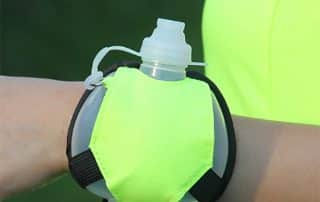
Jumpstart your Marketing Campaign with this Promotional Sports Bottle!
It comes without saying that the sports water bottle [...]