
Customized games turn brand exposure into participation. Instead of asking customers to simply look at a logo, they invite people to play, compete, cooperate, and share an experience. That makes them valuable for gift-with-purchase campaigns, events, corporate gifting, hospitality promotions, product launches, and branded merchandise collections.
The most effective customized games are not selected because they are entertaining alone. Their format, materials, rules, packaging, and distribution method should support a clear marketing objective. A compact travel game may suit a loyalty program, while a tabletop sports game may be more effective at an event or in a bar.
Below are several customized game ideas brands can develop, followed by practical considerations for turning them into workable promotional products.
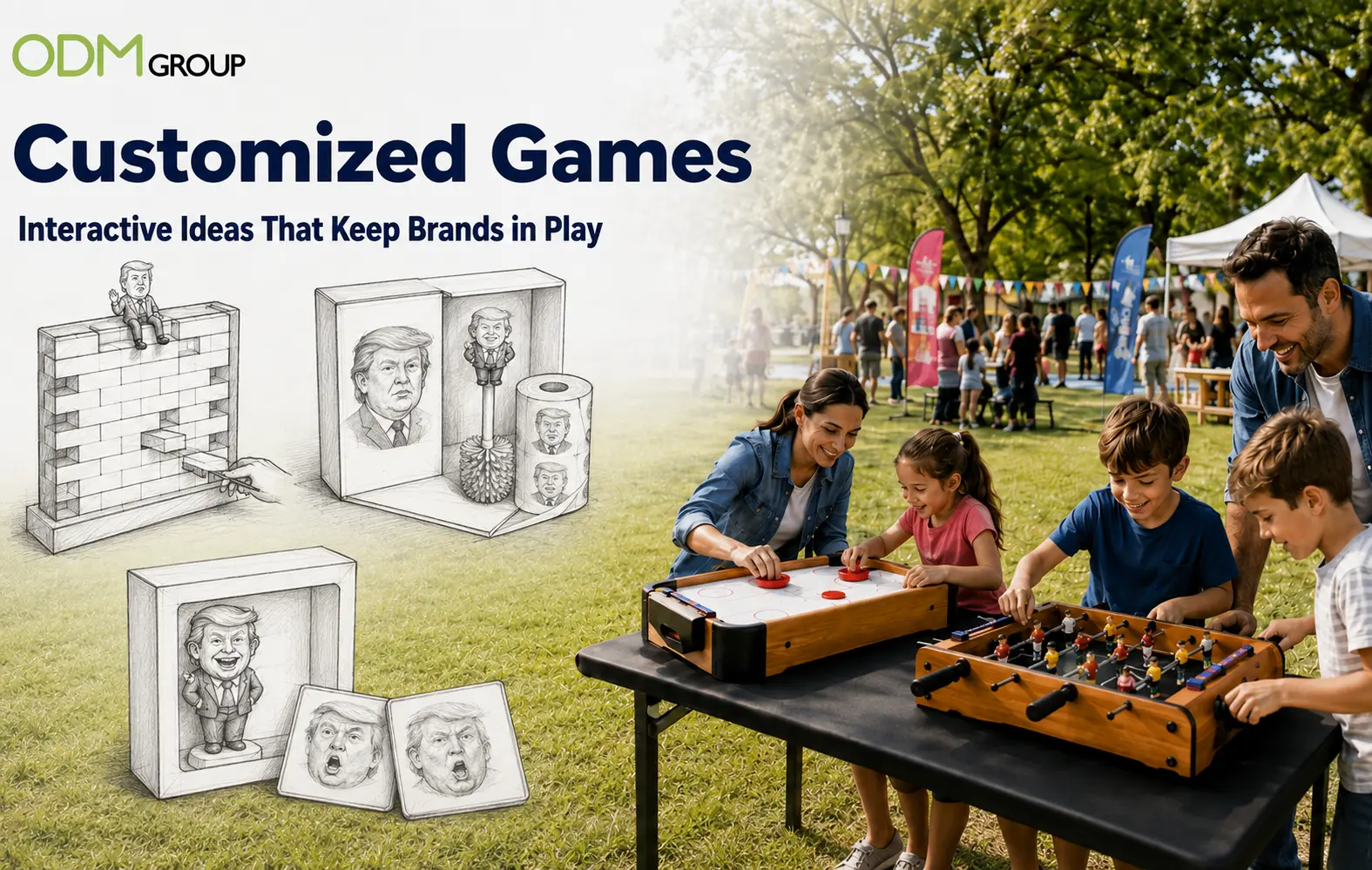
Why Customized Games Work in Marketing
Games create active engagement. Players handle the components, look at the artwork, interact with other people, and often return for another round. This can give a brand more meaningful exposure than a conventional giveaway that is used passively or forgotten after an event.
They are also naturally social. A game made for two or more players can introduce the brand to people beyond the original recipient. At events, it can help visitors start conversations. At home, it can become part of a gathering. Online, a well-designed challenge may encourage players to share photos, scores, or videos.
However, branding should not interfere with play. A strong promotional game balances visibility with clear rules, comfortable handling, durable components, and appropriate packaging. The experience comes first; the branding should strengthen it.
Customized Game Ideas for Your Next Campaign
1. Customized Chess Sets
A customized chess set can communicate strategy, concentration, planning, and long-term thinking. These associations make chess particularly relevant to financial institutions, technology businesses, consultancies, automotive brands, universities, hotels, and premium corporate-gift programs.
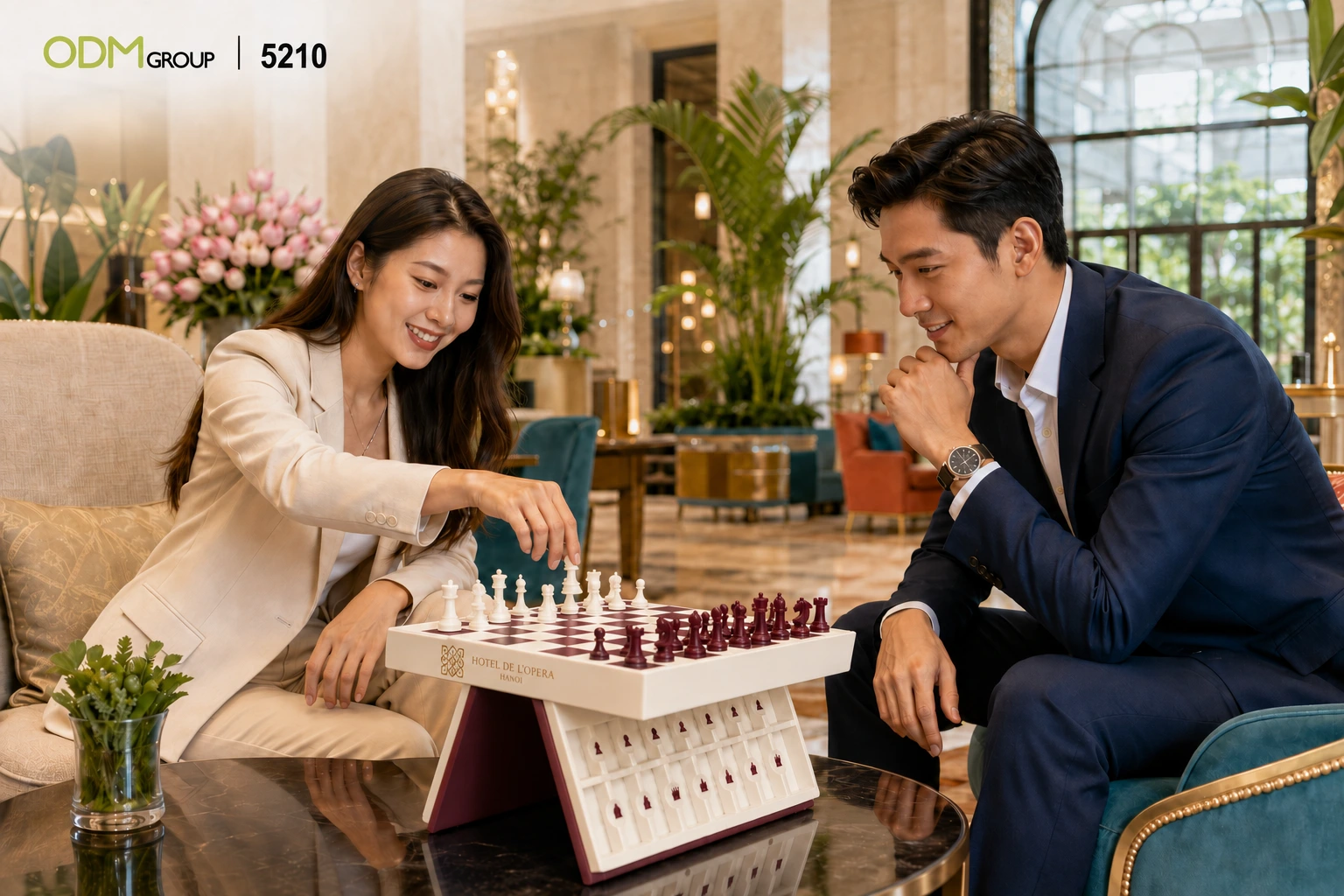
Customization can extend beyond printing a logo on the board. Brands can select corporate colors, engrave or print the pieces, create a presentation sleeve, add a message inside the lid, or develop custom-shaped pieces inspired by products, landmarks, or brand symbols. More ambitious designs may require 3D development, prototyping, and dedicated molds.
Best campaign use: Premium client gifts, business milestones, loyalty rewards, hospitality amenities, executive events, and limited-edition merchandise.
2. Travel Magnetic Games
Portable games are useful when a campaign is connected to travel, hospitality, leisure, or family entertainment. A travel magnetic chess set uses magnetic playing components to reduce unwanted movement during play. A compact case or pouch keeps the parts together between games.
The same principle can be applied to magnetic strategy games, checkers, puzzles, and original tabletop challenges. Brands should examine magnet strength, component size, storage, total packed weight, and destination-market safety requirements during development.
Best campaign use: Airline and hotel loyalty programs, travel retail, family promotions, holiday campaigns, and portable gifts with purchase.
3. Custom Stacking Block Games
A branded stacking block game creates suspense with a very simple mechanic: players remove blocks and build a progressively less stable tower. Each block provides a potential branding surface for logos, questions, challenges, campaign messages, or collectible graphics.
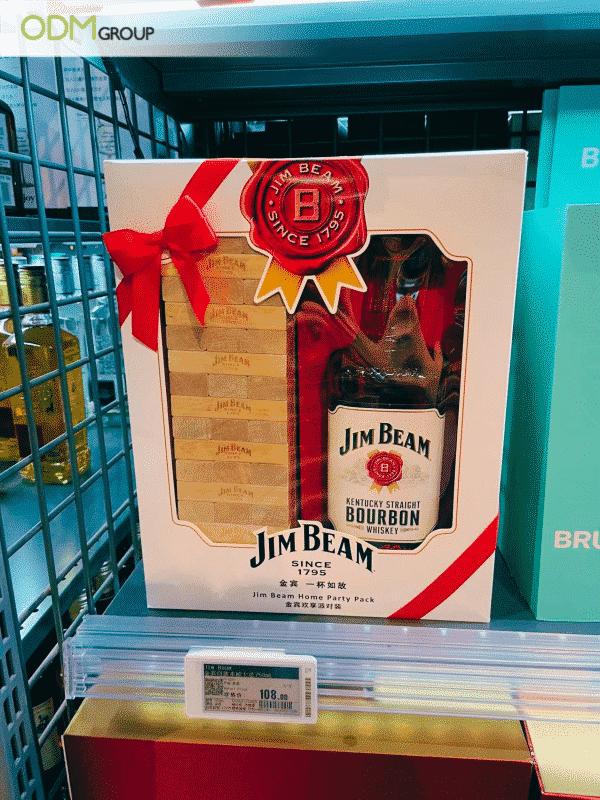
The custom Jenga set case shows how Jim Beam paired a branded block-stacking game with a bottle as a gift with purchase. It connected the gift with the social setting in which the drink could be enjoyed, while the packaging made the promotional offer visible at retail.
Brands developing their own version should use generic terminology unless they have permission to use the Jenga name and associated intellectual property. Block dimensions, wood finish, print alignment, surface smoothness, and consistent friction all affect how the game performs.
Best campaign use: Drinks promotions, home-entertainment campaigns, team building, retail incentives, and event challenges.
4. Custom Drinking Games
Custom drinking games can turn branded accessories into a structured social activity. Possible formats include miniature basketball or football challenges, shot-glass paddle sets, buzz-wire games, cup holders, spinning wheels, dice, and branded challenge cards.
The game should be designed for responsible, legal-age participation. Instructions should allow players to use non-alcoholic drinks, and campaign artwork should avoid encouraging excessive consumption. Materials that may contact beverages should also be reviewed for the destination market.
Packaging has an important role here. A compact branded box can organize the components, explain the rules, and make the set easier to merchandise, gift, and store.
Best campaign use: Beverage launches, bar activations, summer promotions, retail gift sets, hospitality events, and legal-age consumer rewards.
5. Mini Air Hockey and Table Games
Miniature table games can bring the energy of a larger attraction into a format that is easier to transport and install. Options include mini air hockey, football, pool, and table tennis. These games can be placed on an existing counter or table, making them practical for pop-up events, exhibitions, office recreation areas, hospitality venues, and brand activations.
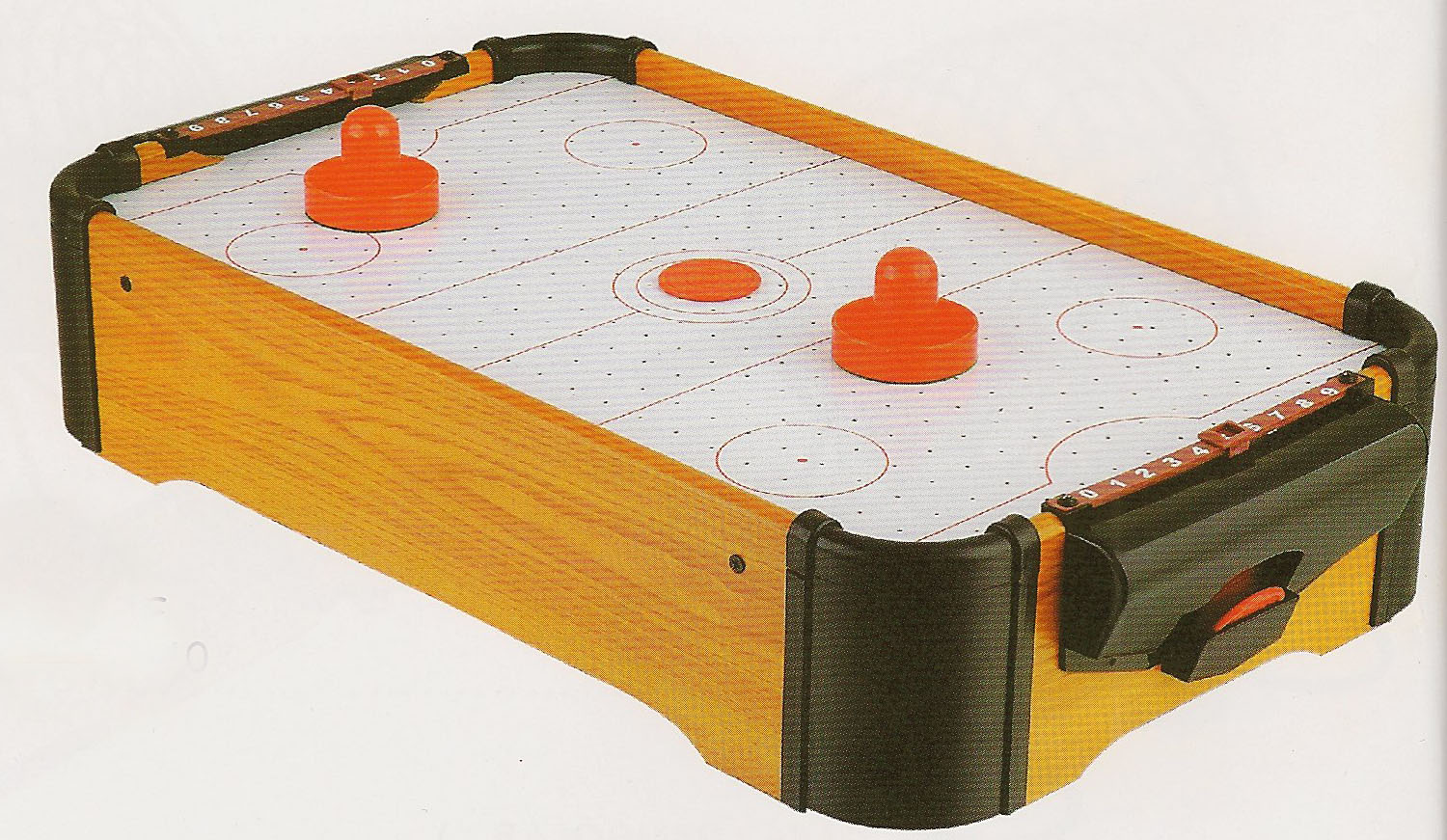
Branding may appear on the playing surface, side panels, goals, paddles, score markers, or packaging. For frequent public use, the structure, feet, corners, playing surface, moving parts, and replacement components need particular attention.
Best campaign use: Trade-show engagement, bar and restaurant activations, sports promotions, product launches, office campaigns, and competition prizes.
6. Branded Card and Trivia Games
Card games are compact, relatively easy to distribute, and highly adaptable. A brand can develop trivia questions, conversation prompts, matching challenges, product knowledge games, or an original set of rules linked to its campaign story.
The cards can carry different artwork rather than repeating one logo. This gives brands room to feature products, characters, destinations, educational messages, or collectible designs. A rigid box, tin, paper sleeve, or drawstring pouch can complete the presentation.
Best campaign use: Direct mail, conference giveaways, employee engagement, educational campaigns, tourism marketing, and collectible promotions.
7. Puzzles and Buildable Games
Puzzles create a slower, more focused interaction. Brands can customize jigsaw puzzles, cube puzzles, sliding puzzles, tangrams, model-building sets, and three-dimensional challenges. The finished image or structure can reveal a campaign message, new product, destination, mascot, or piece of brand history.
Piece count should match the recipient and desired play time. A simple puzzle may suit a mass retail promotion, while a detailed wooden or premium boxed puzzle may work better as a corporate gift or limited edition.
Best campaign use: Product reveals, family campaigns, museum and tourism merchandise, educational programs, and premium gifting.
8. Outdoor and Oversized Games
Oversized games are designed to attract attention from a distance. Giant stacking blocks, ring toss, cornhole-style games, oversized tic-tac-toe, and lawn bowling can help create a visible activity zone at festivals, sporting events, campuses, resorts, and corporate gatherings.
These products should be developed around the venue. Brands need to consider weather resistance, ground conditions, storage, transport, installation, cleaning, and the risk of pieces entering walkways. Carry bags, wheeled cases, or flat-pack structures may improve deployment.
Best campaign use: Festivals, outdoor brand activations, sports sponsorships, resort programming, roadshows, and team-building events.
A Canton Fair Case: Donald Trump-Themed Novelty Games
The original version of this article featured a collection of Donald Trump-themed products observed at the Canton Fair. The range included a water-shooting challenge, a wall-and-brick balancing game, novelty gift kits, printed toilet paper, a character toilet brush, a pet chew toy, and a themed drinking set.
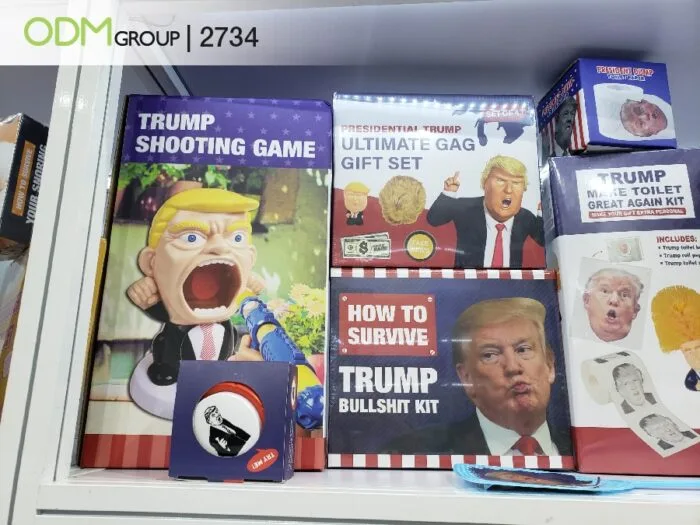
Only some of these products were games, but the collection illustrated how manufacturers respond quickly to recognizable personalities, public events, and cultural conversations. The wall game, for example, translated a political theme into a familiar balancing mechanic, while the shooting game used a character-shaped target to create immediate novelty.
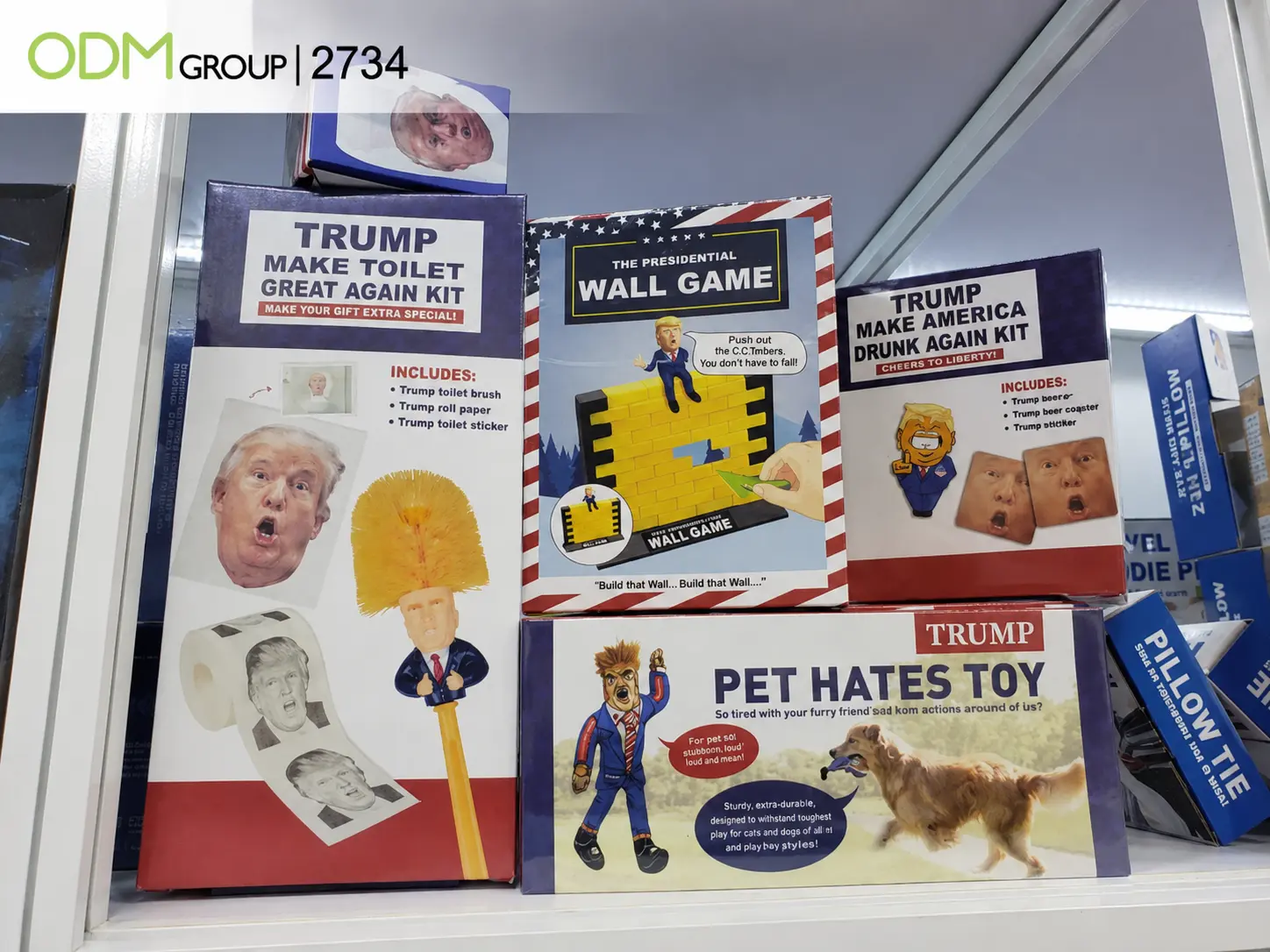
For brands, the more important lesson is not the political theme itself. It is the need to evaluate timing, audience reaction, intellectual-property rights, reputation, and market suitability before developing topical merchandise. Products built around public figures can attract attention, but they may also divide audiences or become dated quickly. An original character or campaign-owned theme will often give a brand more control and a longer usable life.
What Can Brands Customize?
Depending on the game format and budget, customization may include:
- Game concept, rules, scoring, and challenge level
- Board size, shape, layout, and folding structure
- Colors, graphics, campaign messages, and instructions
- Playing pieces, tokens, cards, blocks, paddles, or markers
- Wood, paperboard, plastic, metal, silicone, textile, or mixed materials
- Printing, engraving, embossing, debossing, foil stamping, or molded branding
- Storage trays, pouches, tins, rigid boxes, sleeves, or retail packaging
- QR codes connecting the physical game to digital content or competitions
The strongest approach is to make the brand part of the game rather than placing a logo on an unrelated product. Product colors can become team colors, brand characters can become playing pieces, and campaign messages can shape questions or challenges.
How to Choose the Right Customized Game
Before development begins, brands should define:
- Campaign objective: Is the game intended to increase purchase value, attract event visitors, reward loyalty, support a launch, or strengthen a client relationship?
- Audience: Consider recipient age, interests, language, ability, and the number of expected players.
- Playing environment: A travel game, bar game, retail giveaway, and outdoor activation require different structures and materials.
- Distribution method: Gifts with purchase need retail-ready packaging, while mailed gifts should remain compact and well protected.
- Game duration: A trade-show challenge should be quick; a premium home game can support longer play.
- Brand relevance: The mechanics, graphics, and format should connect naturally with the campaign.
- Budget and order quantity: Custom molds, electronics, magnets, premium materials, and complex packaging can affect cost and lead time.
- Compliance: Review age grading, small parts, magnets, coatings, sharp edges, material safety, labeling, and alcohol-marketing requirements where applicable.
- Intellectual property: Confirm permission before using protected game names, characters, artwork, personalities, or recognizable mechanics that may be subject to rights.
- Testing: Prototypes should be played, not just inspected. Rules, stability, component fit, durability, and packing sequence must work in practice.
How ODM Supports Customized Game Development
The ODM Group helps brands develop customized games around their campaign objectives, audiences, budgets, and destination markets. We are not the supplier of the products featured in these examples. Our role is to coordinate the work required to turn an initial marketing idea into a practical, brand-relevant product.
Support can include sketch designs, 3D visualization, prototyping, factory selection, sample assessment, production management, quality control, packaging, and logistics.
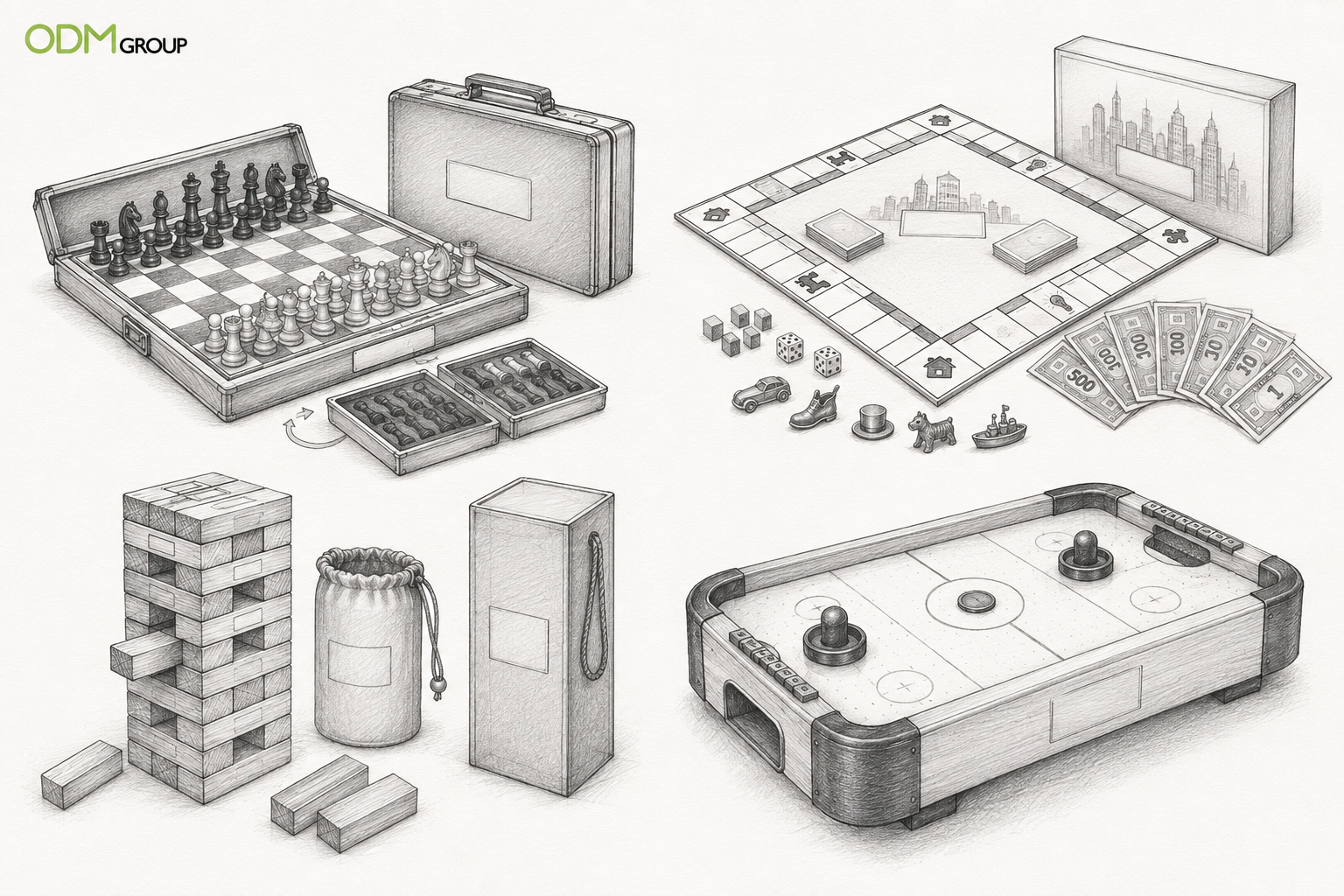
During development, we consider how the game will be played, transported, displayed, stored, replenished, and distributed. We also examine component counts, tolerances, print placement, packing order, instructions, and destination-market requirements before mass production.
We sell ideas, not simply products. The objective is to help brands create a game that is enjoyable enough to use, relevant enough to remember, and practical enough to produce and deliver.
Final Thoughts
Customized games give brands something conventional promotional items often cannot: a reason for people to interact. A well-developed game can support a retail incentive, energize an event, reward a customer, or become merchandise that recipients use repeatedly.
Success depends on more than choosing a familiar format. The mechanics must suit the audience, the materials must suit the environment, and the branding must feel integrated rather than added afterward. Start with the campaign objective, then build the game around the experience you want people to have.
Planning a customized game for an upcoming campaign? Contact The ODM Group to discuss your audience, application, quantity, budget, timeline, and target market. Our team can help coordinate the project from initial concept and design through prototyping, production management, quality control, and delivery.
More Products


FAQs about Customized Games
Which customized games work best for promotions?
The best format depends on the campaign. Compact card or magnetic games suit mailing and travel, stacking block games work well for social promotions, mini table games attract event participation, and premium chess sets can support corporate gifting.
Can a brand create completely original game pieces and rules?
Yes. Original mechanics, artwork, boards, and pieces can be developed, although complex components may require 3D design, prototypes, tooling, and additional testing. The rules should be tested with users before production.
What materials can be used for custom games?
Common options include paperboard, wood, plastic, metal, silicone, textile, foam, acrylic, and mixed-material constructions. Selection depends on the desired appearance, durability, cost, order quantity, playing environment, and compliance requirements.
What materials can be used for custom games?
Common options include paperboard, wood, plastic, metal, silicone, textile, foam, acrylic, and mixed-material constructions. Selection depends on the desired appearance, durability, cost, order quantity, playing environment, and compliance requirements.
What to Read Next?
15 Promotional Products for Universities to Celebrate World Students’ Day
Promotional products for universities work best when they support [...]
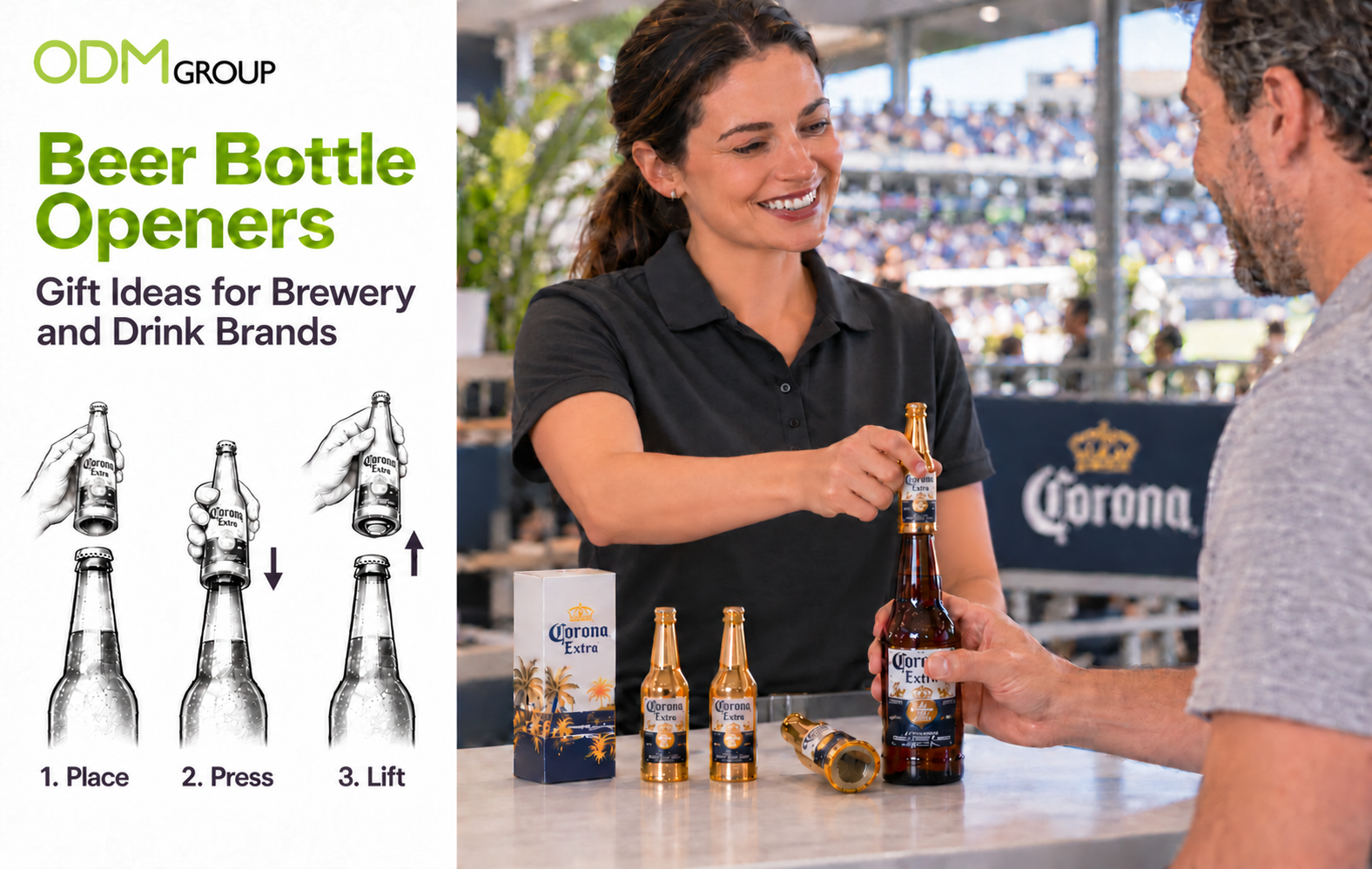
Promotional Beer Bottle Opener: A Bottle-Shaped Gift for Brewery Campaigns
bottle shaped bottle opener, automatic bottle opener, promotional product for beer, beer promos
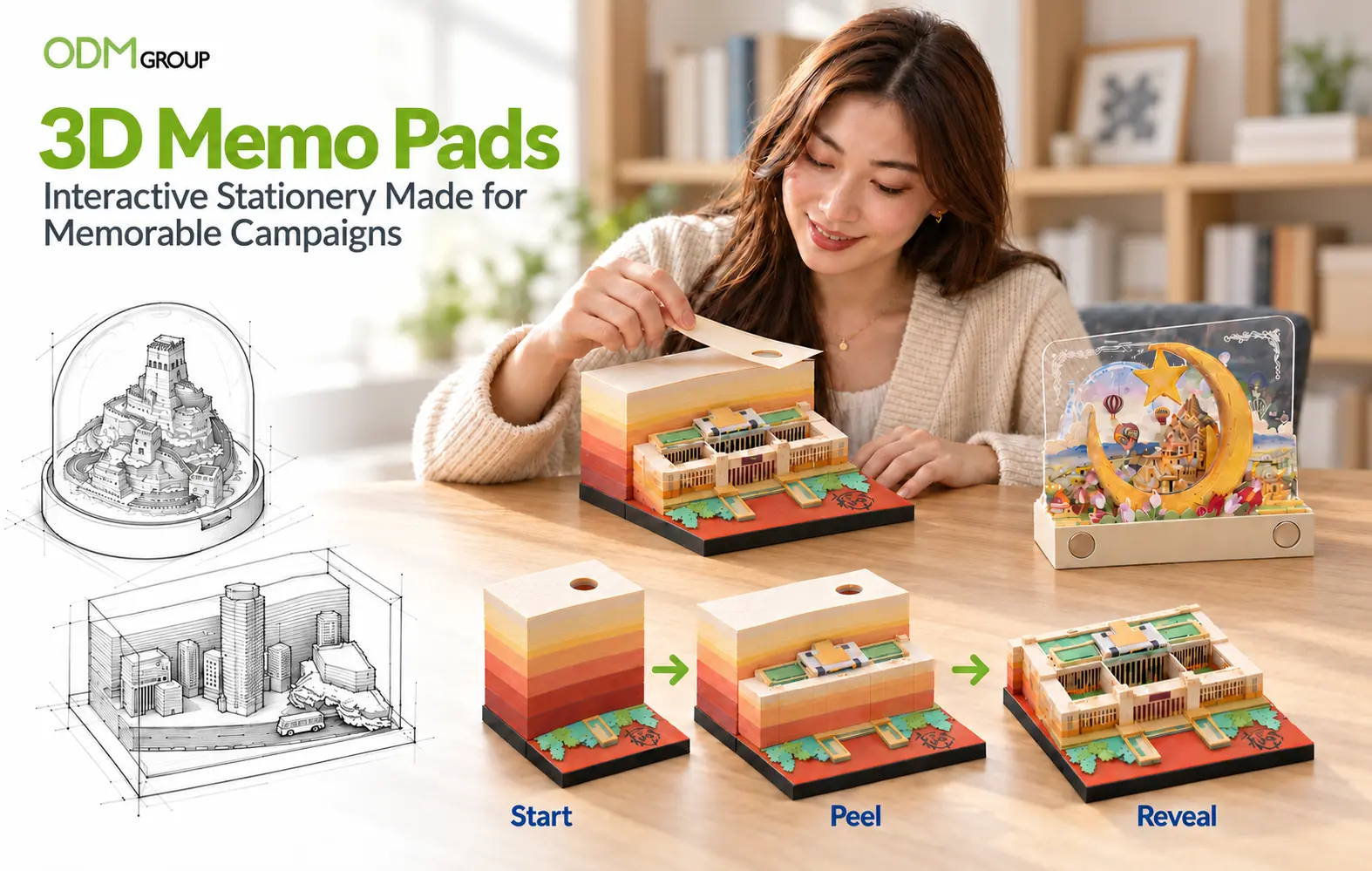
3D Memo Pads: Sculptural Designs for Brand Campaigns
3D memo pads combine an everyday office product with [...]
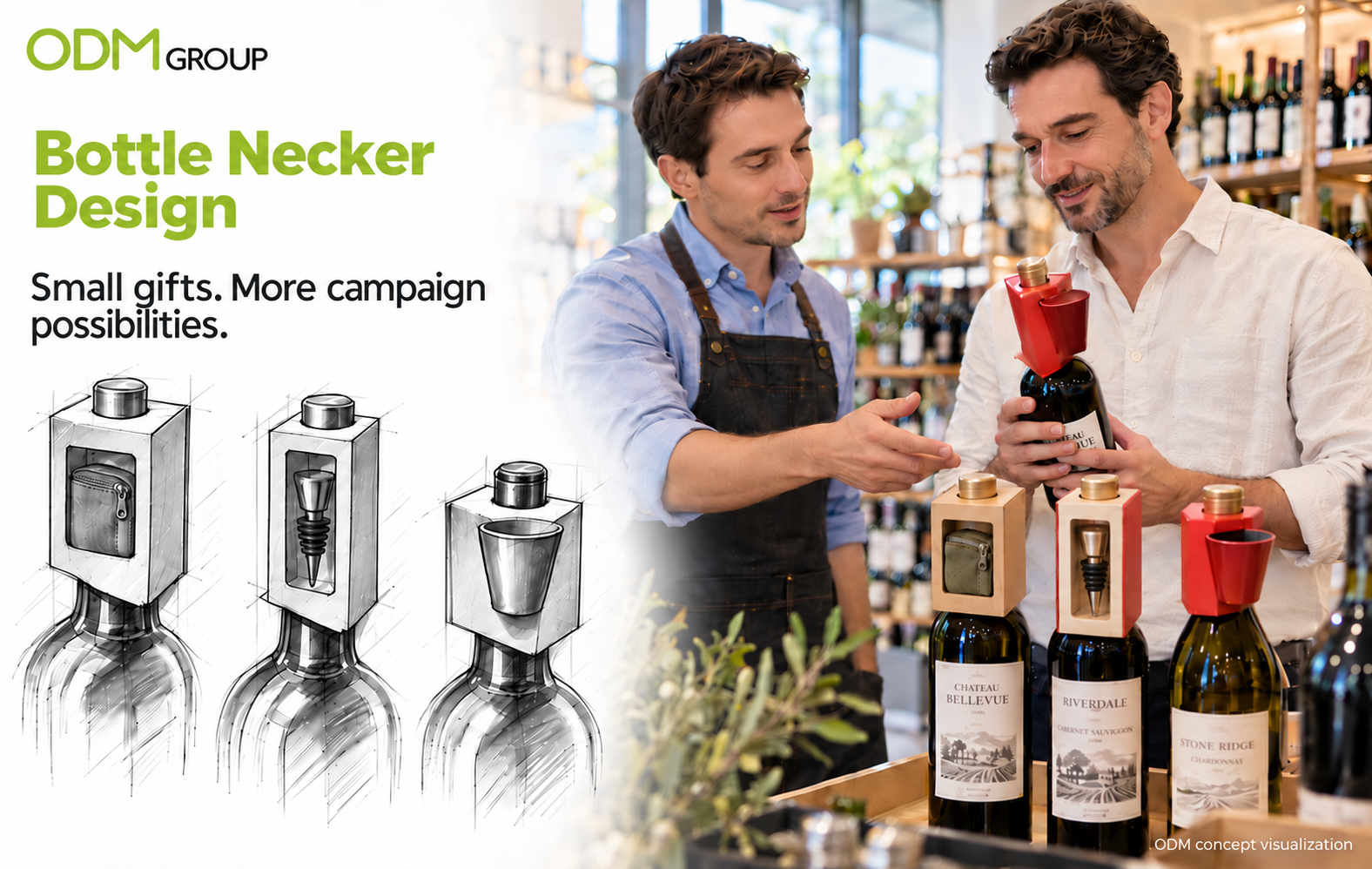
Bottle Necker Design: Creative Ideas for Your Next Promotion
A bottle necker gives a brand a little extra [...]
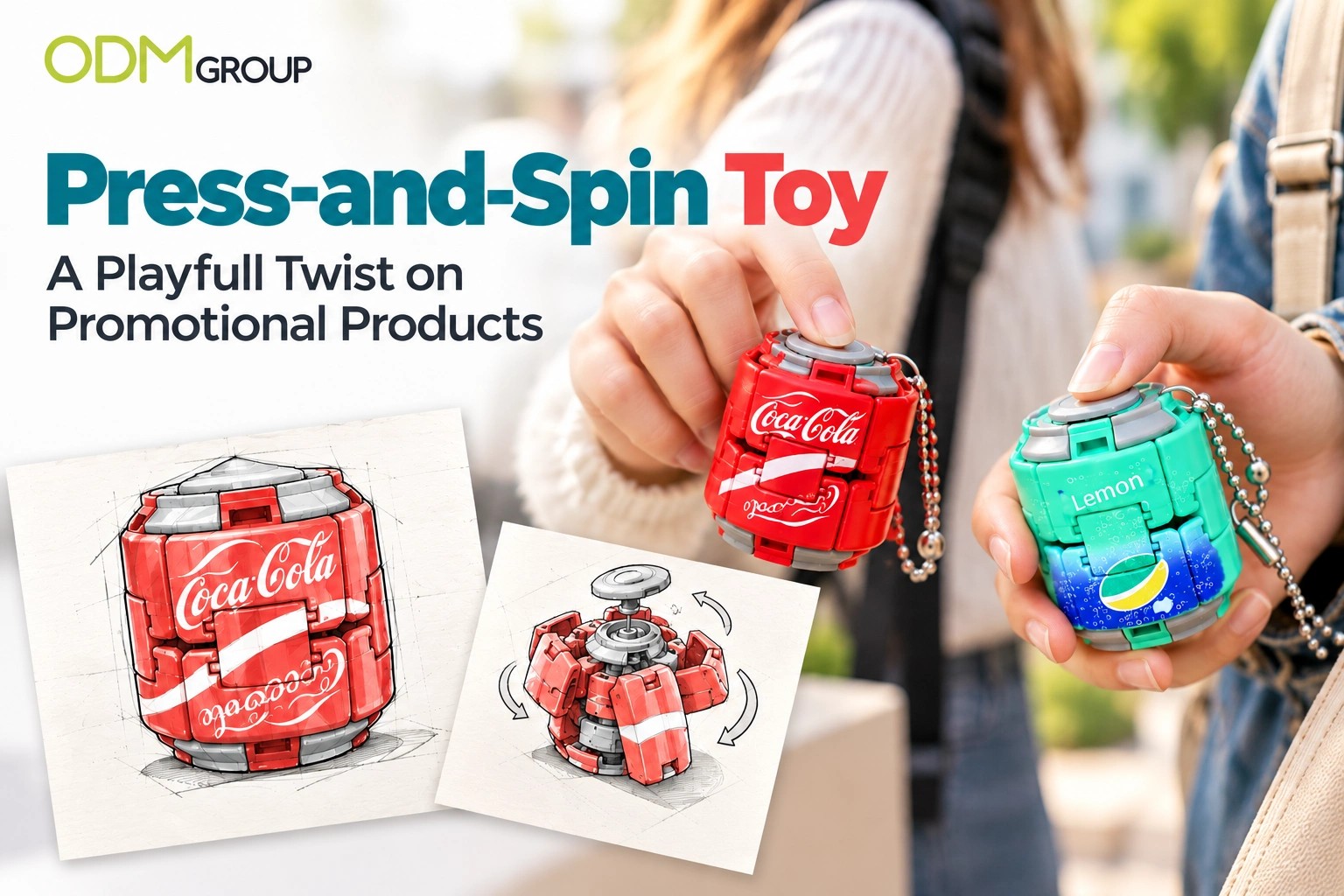
Press-and-Spin Toy: A Playful Twist on Custom Promotional Products
Promotional products are more memorable when they offer more [...]
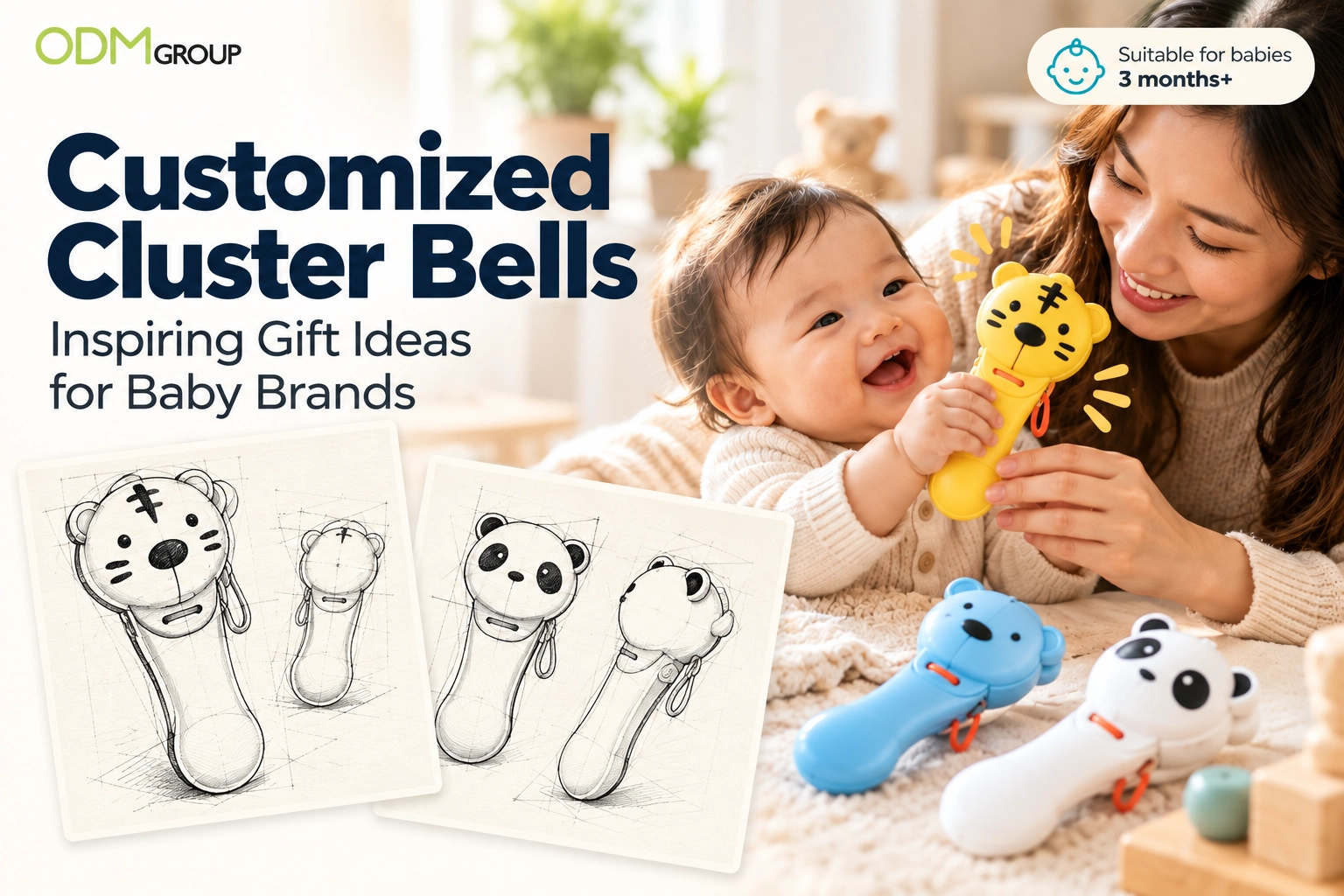
Customized Cluster Bells: Inspiring Promotional Gift Ideas for Baby Brands
Customized Cluster Bells offer an interesting example of how [...]