
Experiential marketing activations give customers a reason to do more than simply look at a product. It invites them to interact, compete, explore, create, and share. In busy shopping malls and appliance stores, these experiences can turn an ordinary retail visit into a memorable brand moment.
For consumer electronics and appliance brands, experiential campaigns are especially valuable because many product features are easier to understand through demonstration. A customer may overlook specifications on a poster, but they are more likely to remember a game, a live product trial, a personalized reward, or a branded photo opportunity.
What Is an Experiential Marketing Activation?
An experiential marketing activation is a campaign that allows customers to participate directly in a branded experience. Rather than relying only on conventional advertising, the brand creates an environment where visitors can interact with products, activities, staff, and promotional rewards.
These activations can take place in:
- Shopping malls
- Department stores
- Supermarkets
- Exhibitions
- Sporting events
- Festivals
- Product launches
- Retail showrooms
- Temporary pop-up spaces
The experience may involve a product demonstration, skill-based game, digital interaction, photo area, workshop, sampling station, or prize redemption mechanic.
The strongest campaigns connect every element to one central idea. The activity, retail display, staff uniforms, promotional gifts, and event messaging should all tell the same brand story.
TCL x Robinsons Appliances Home Court Roadshow
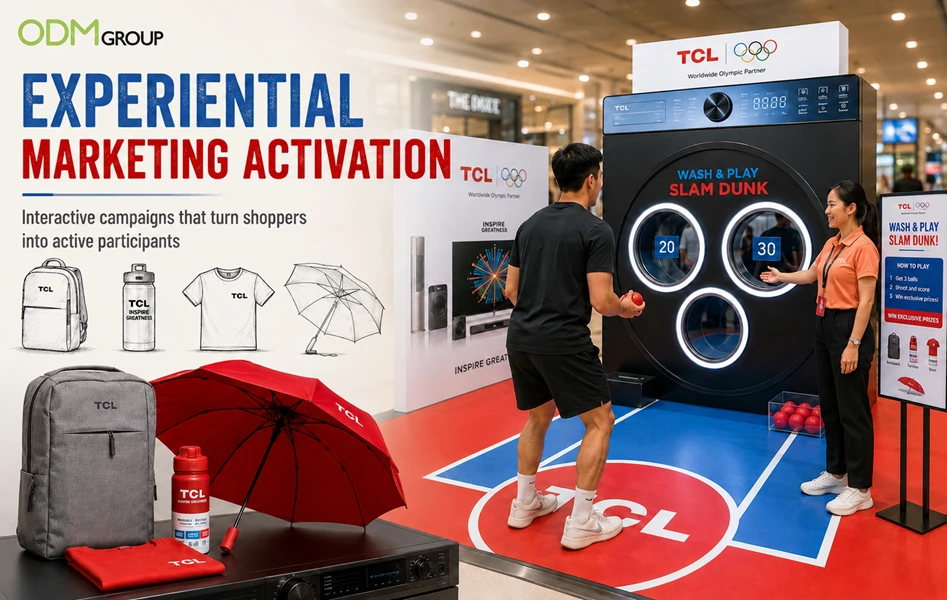
The TCL x Robinsons Appliances Home Court Roadshow demonstrates how an experiential marketing activation can transform an appliance promotion into a more engaging retail event.
Visitors were invited to explore TCL’s latest innovations, participate in interactive activities, and access exclusive event promotions. Instead of presenting appliances through static displays alone, the activation created a sports-inspired environment that encouraged customers to stay, play, and engage with the brand.
Turning the Retail Space Into a Custom Basketball Court
One of the most noticeable features was TCL’s custom basketball court.
The floor graphics used bold red and blue branding, while the surrounding panels displayed TCL appliances and campaign messaging.
At the center of the activation was an oversized, washing-machine-inspired basketball game.
Its circular openings resembled appliance doors, transforming a familiar household product into an interactive challenge.
The experience also supported TCL’s sports-related brand positioning.
Rather than placing an unrelated game beside the appliances, the campaign connected sports, technology, performance, and home products within one coherent activation.
Encouraging Product Discovery
Interactive activities can attract attention, but the commercial objective must remain clear.
TCL used branded backdrops and appliance imagery around the court to showcase its televisions, air-conditioning units, refrigerators, washing machines, and other home technology. Visitors who approached the basketball challenge were also exposed to the wider product range.
Brand representatives were present to explain the promotion and guide customers through the activity. This human interaction is important, particularly for products that may require more detailed explanations.
The activation therefore worked on several levels:
- The custom court attracted attention.
- The basketball game encouraged participation.
- The product displays introduced TCL’s innovations.
- Event staff provided information.
- Exclusive promotions supported purchasing decisions.
- Branded prizes extended the experience beyond the venue.
Exclusive Promotional Prizes
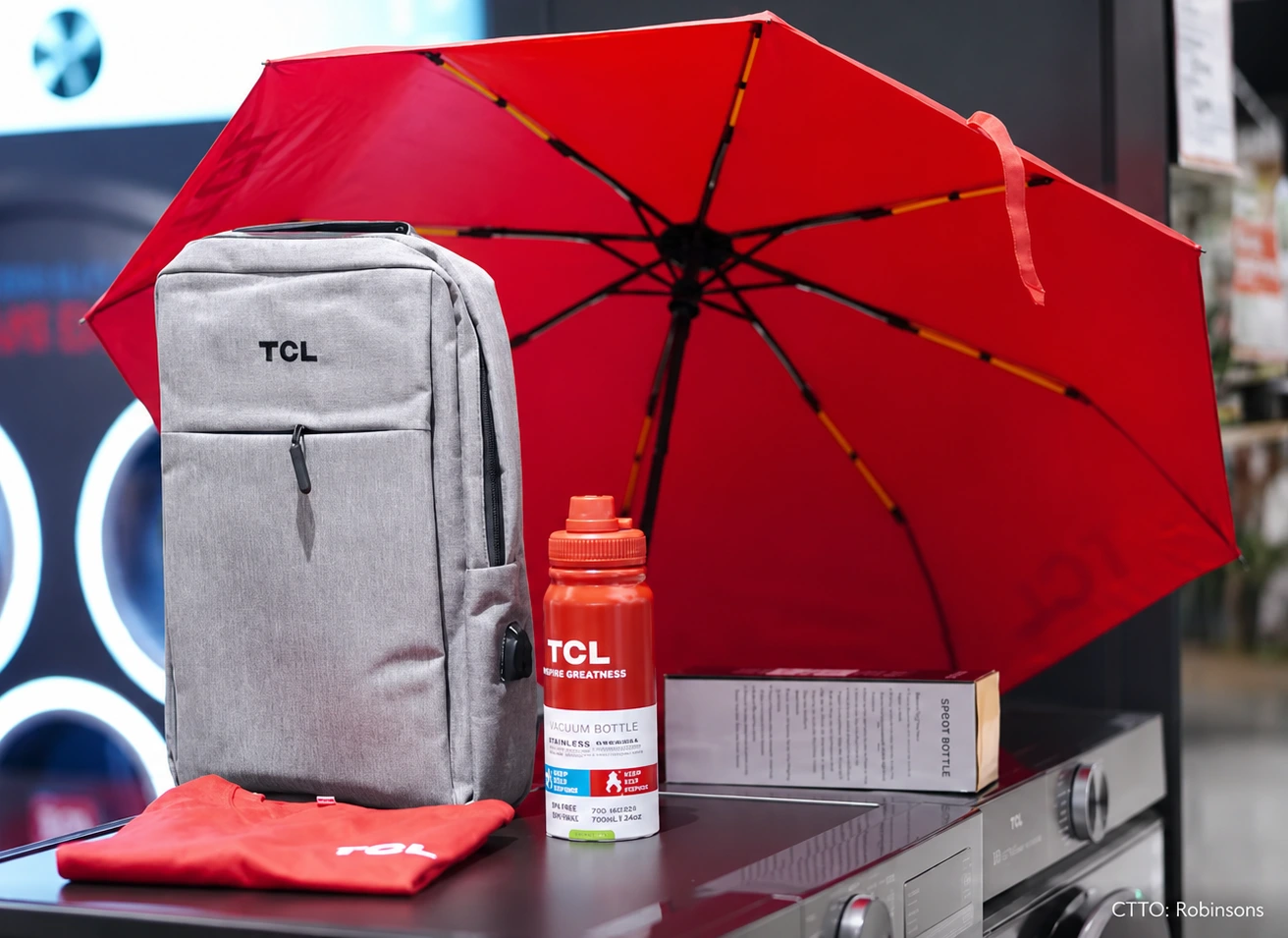
Participants could receive exclusive prizes such as:
- Branded shirts
- Umbrellas
- Tumblers
- Backpacks
These promotional products were practical choices because customers could continue using them after the event.
Why This Experiential Marketing Activation Works
The Home Court Roadshow offers several useful lessons for brands planning their own experiential campaigns.
1. The Activity Is Easy to Understand
A shopper should be able to understand the basic activity within a few seconds.
The basketball challenge has a familiar mechanic: pick up the ball, aim, throw, and score. It does not require a long explanation or complex registration process.
Simple participation mechanics help reduce hesitation and allow event staff to manage larger visitor numbers.
2. The Display Becomes Part of the Experience
The oversized washing machine was not simply a decorative backdrop. It became the game itself.
This is an effective approach to experiential design. A recognizable product shape can be transformed into a functional activity while continuing to reinforce the product category.
The same principle could be applied to other industries. For example:
- A refrigerator door could become a prize reveal station.
- A giant beverage can could contain a digital reaction game.
- A cosmetic compact could become a photo booth.
- A cereal box could become a children’s activity wall.
- A suitcase display could include a packing challenge.
3. It Encourages Social Interaction
Games naturally create conversation. Friends may compete against one another, family members may watch and cheer, and other shoppers may stop to observe.
This makes the activation feel lively without requiring every visitor to participate immediately. Watching other people enjoy the activity can reduce uncertainty and encourage more customers to join.
4. It Connects Emotion With the Brand
Customers may not remember every product specification they see during a retail visit. They are more likely to remember whether an experience was exciting, enjoyable, rewarding, or easy to share.
By linking TCL with competition, movement, and prizes, the campaign gave visitors an emotional point of reference for the brand.
5. It Combines Engagement With Sales Promotion
An entertaining activity should support, rather than distract from, the campaign objective.
The Home Court Roadshow connected the experience with product discovery and exclusive event promotions. This gave visitors a reason to engage and a reason to consider purchasing.
More Experiential Marketing Activation Ideas
Different brands will require different activities depending on their audience, venue, budget, and campaign objective. The following ideas can be adapted for retail roadshows, pop-up stores, product launches, exhibitions, and shopping mall campaigns.
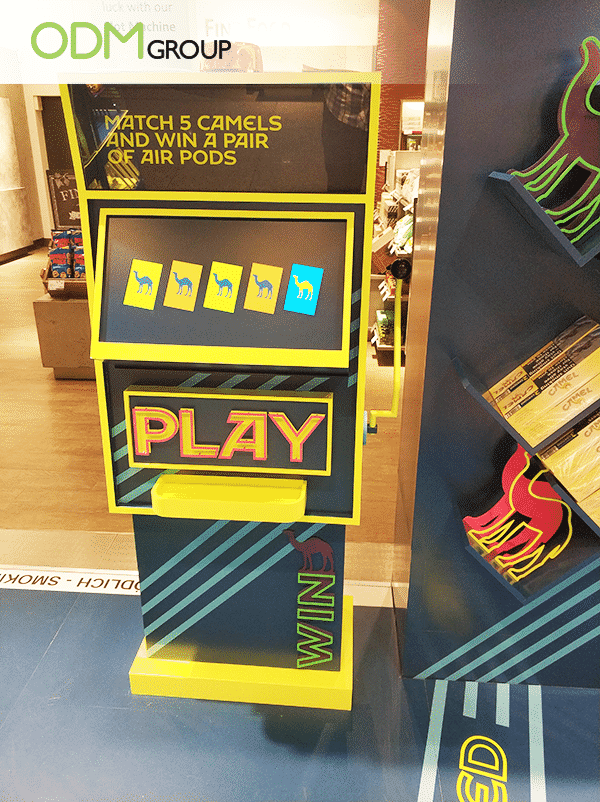
1. Digital Reaction Games
A branded digital screen can ask participants to tap, swipe, catch, match, or respond to visual prompts.
Brands can build the game around product features. A television company might create a color-recognition challenge, while an audio brand could use a sound-based guessing game.
Scores can be displayed on a leaderboard to encourage friendly competition.
2. Personalized Promotional Product Stations
Allow customers to personalize a promotional item during the event. Possible products include:
- Tote bags
- Tumblers
- Luggage tags
- Phone straps
- Pouches
- Caps
- Notebooks
- Keychains
Names, initials, patches, charms, or selected graphics can make the gift feel more valuable. Personalization also encourages customers to spend more time within the activation.
3. Product-Shaped Photo Opportunities
Create an oversized product replica, branded installation, or themed environment where visitors can take photographs.
A photo opportunity becomes more effective when it includes an interactive element. Visitors might open a giant product package, stand inside a branded room, sit on an oversized replica, or reveal a message through movement.
A clear photo composition and good lighting can increase the likelihood of social sharing.
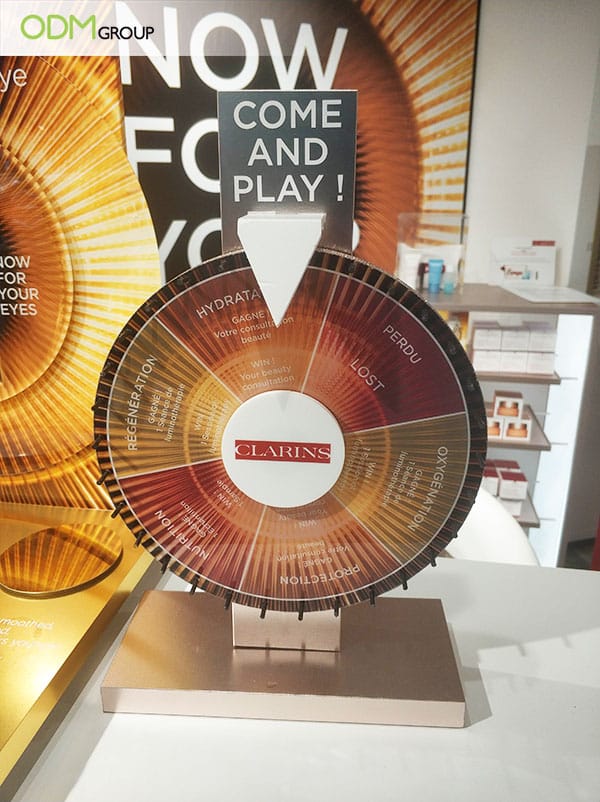
4. Spin-to-Win Prize Displays
A branded prize wheel remains popular because its mechanics are immediately recognizable.
The structure can be upgraded with lighting, digital screens, product-shaped components, and tiered prizes. Participation may be linked to a product trial, purchase, registration, or social media action.
The prizes should remain relevant to the campaign rather than appear as random giveaways.
5. Sustainability Return Stations
Brands can invite customers to return used packaging, unwanted products, or recyclable materials in exchange for a reward.
The station may include a counter, collection bin, progress display, and educational information. Promotional gifts made from recycled or reusable materials can reinforce the campaign message.
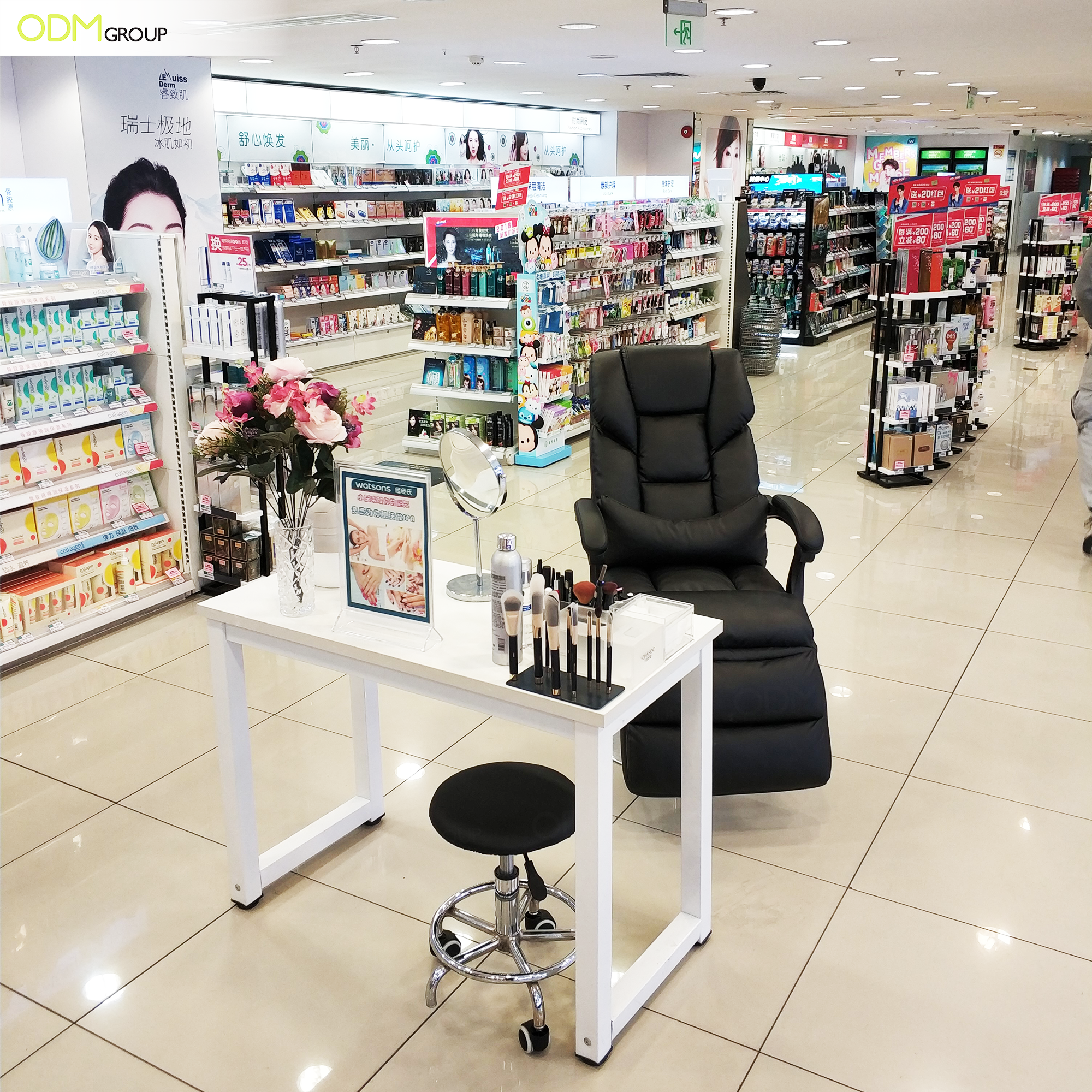
6. Interactive Product Testing Zones
Allow customers to compare products in a controlled branded environment.
For example, an audio company could create a sound-testing booth. A skincare brand could offer guided texture trials. A homeware brand could demonstrate stain resistance, storage capacity, or temperature retention.
The environment should help customers understand the difference between products without overwhelming them with technical information.
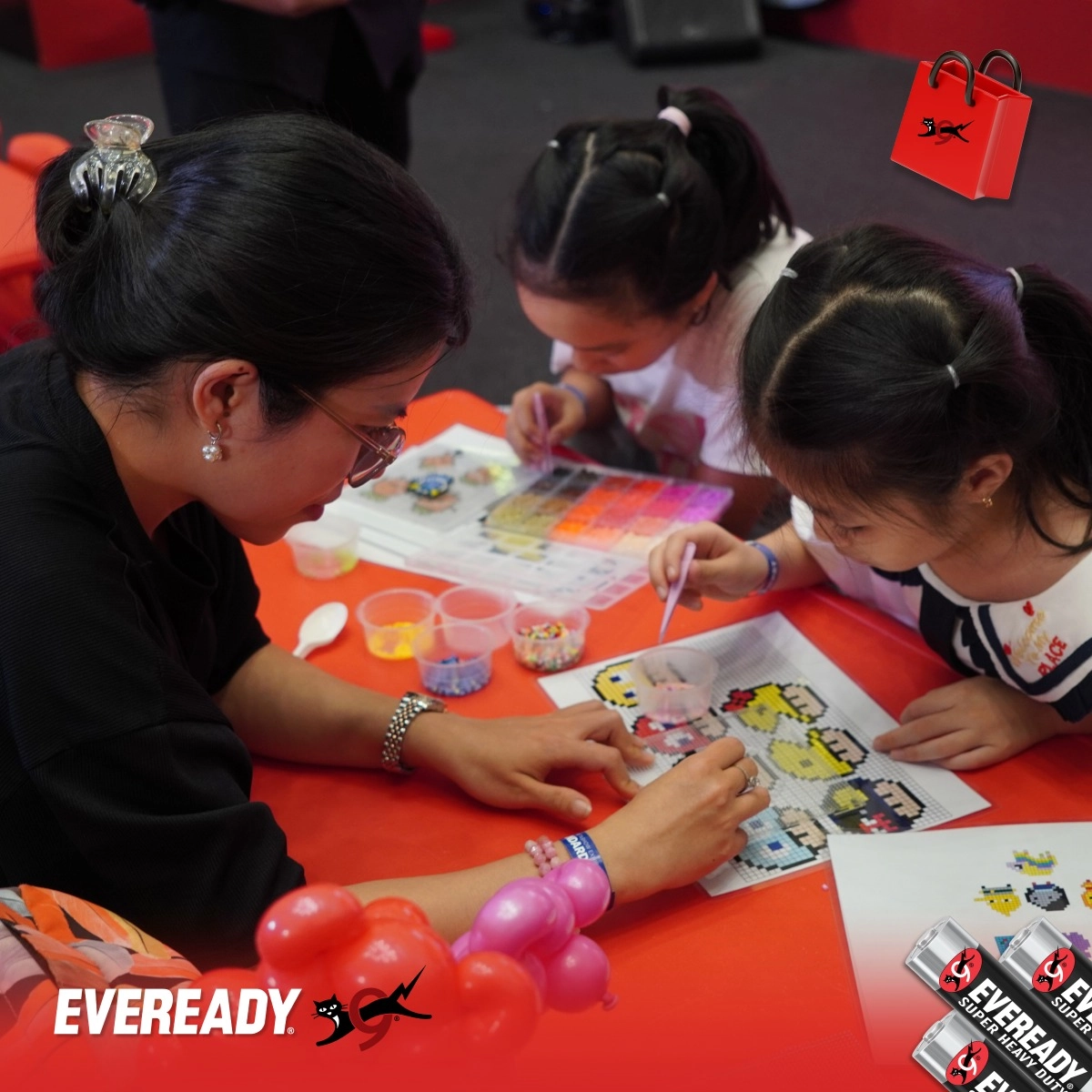
7. Family Activity Corners
Family-oriented activations can include simple games, coloring stations, puzzles, building activities, or parent-and-child competitions.
The experience should be safe, age-appropriate, and connected to the campaign theme. Small collectible gifts can encourage repeat visits when several designs are available.
8. Live Product Customization
A live customization area lets visitors watch products being decorated, engraved, printed, assembled, or packaged.
Seeing the process can increase the perceived value of the finished item. It also creates a natural conversation between visitors and event staff.
How to Plan an Effective Experiential Marketing Activation
A successful activation should support a clear marketing or sales objective, such as increasing awareness, encouraging product trials, generating leads, or driving purchases. This goal should guide the activity, display layout, staffing, and reward structure.
The experience should also connect naturally to the product. TCL’s basketball game worked because the washing machine-inspired display reinforced the product category while making the activation entertaining.
Brands should design for the actual venue by considering visibility, floor space, visitor flow, safety, and installation requirements. Modular displays are useful because they can be adapted for different malls, stores, and roadshow locations.
Promotional gifts should be practical, relevant to the campaign, easy to distribute, and valuable enough to encourage participation. A mix of instant rewards and higher-value prizes can support different campaign goals.
The customer journey should remain simple: attract attention, explain the activity, invite participation, introduce the product, and provide a reward or offer.
Success can be measured through participation, dwell time, product trials, leads, sales, redemptions, social engagement, and customer feedback. These metrics should be selected before the activation is designed.
How ODM Can Support Experiential Marketing Campaigns
ODM can help brands turn experiential marketing ideas into practical, production-ready concepts. Our process can include initial sketch design, 3D modeling, and prototyping, allowing marketing teams to review the appearance, dimensions, branding, and functionality before production begins. We can also develop custom packaging and POS displays that support the campaign theme and attract attention in retail environments.
Once the design is approved, ODM Group can assist with factory selection and quality control to help ensure the finished items meet the required standards.
Final Thoughts
Successful experiential marketing activations turn customers from passive observers into active participants.
The TCL x Robinsons Appliances Home Court Roadshow shows how a brand can combine an interactive game, recognizable product design, retail demonstrations, promotional offers, and useful prizes within one campaign. The basketball court attracted attention, while the product displays and event promotions supported the commercial purpose behind the experience.
For brands planning their next roadshow, pop-up, or retail campaign, the strongest results often come from connecting three elements: a simple activity, a clear product story, and a reward customers genuinely value.
Planning an experiential marketing activation? Contact ODM to develop custom pop-up displays, POS materials, promotional prizes, packaging, and campaign merchandise that bring your concept to life.
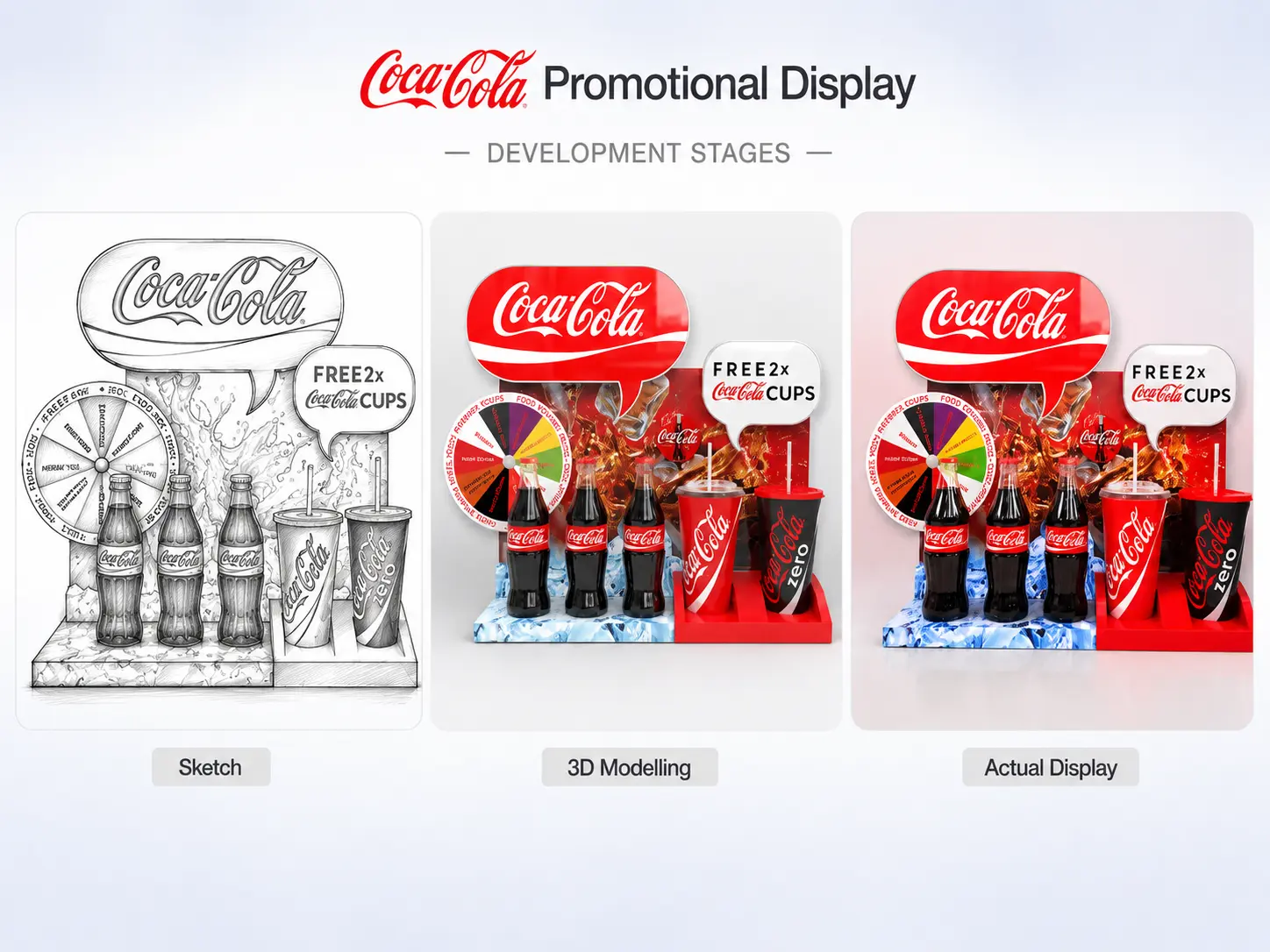
Coca-Cola Promotional Display
This Coca-Cola spin-the-wheel display is designed for checkout counters and kiosks to encourage impulse sales and highlight brands.
FAQs about Experiential Marketing Activations
What is the purpose of experiential marketing activation?
Its purpose is to create direct interaction between a brand and its audience. It can improve product awareness, customer engagement, lead generation, product trial, and retail sales.
What makes an experiential activation successful?
A successful activation has a clear objective, a simple participation mechanic, strong visual branding, relevant product integration, trained staff, and a measurable call to action.
What promotional products work well as event prizes?
Useful items such as backpacks, tumblers, umbrellas, apparel, tote bags, tech accessories, and travel products can work well. The right choice depends on the audience, campaign theme, budget, and reward level.
Can experiential displays be reused?
Yes. Modular pop-up and POS displays can be designed for repeated use across different venues. Interchangeable graphics and adjustable components can help brands adapt the same structure for future campaigns.
What to Read Next?
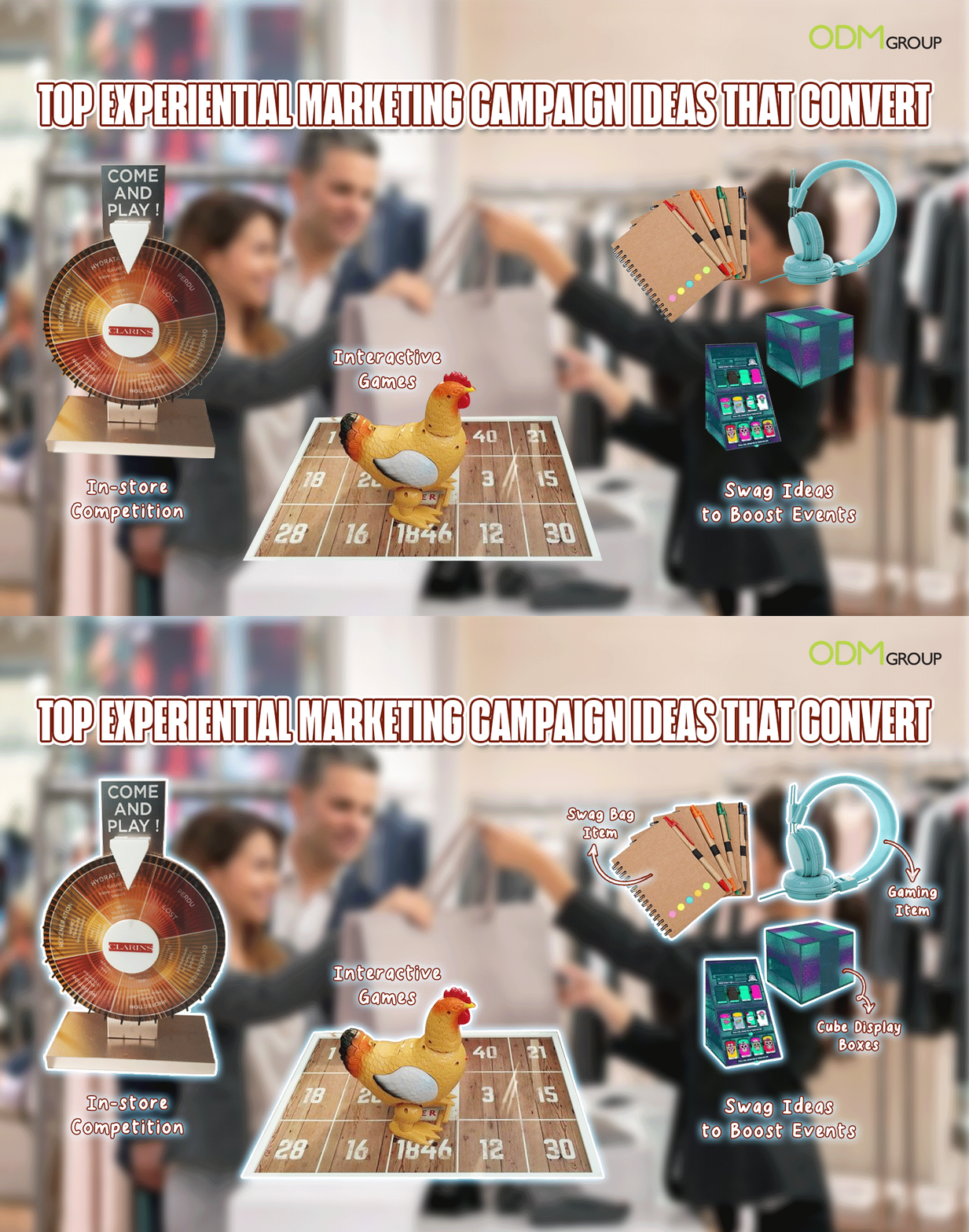
Experiential Marketing Campaigns – Our Top 10 Custom Swag Ideas
Experiential marketing campaigns give brands unique opportunities to establish [...]
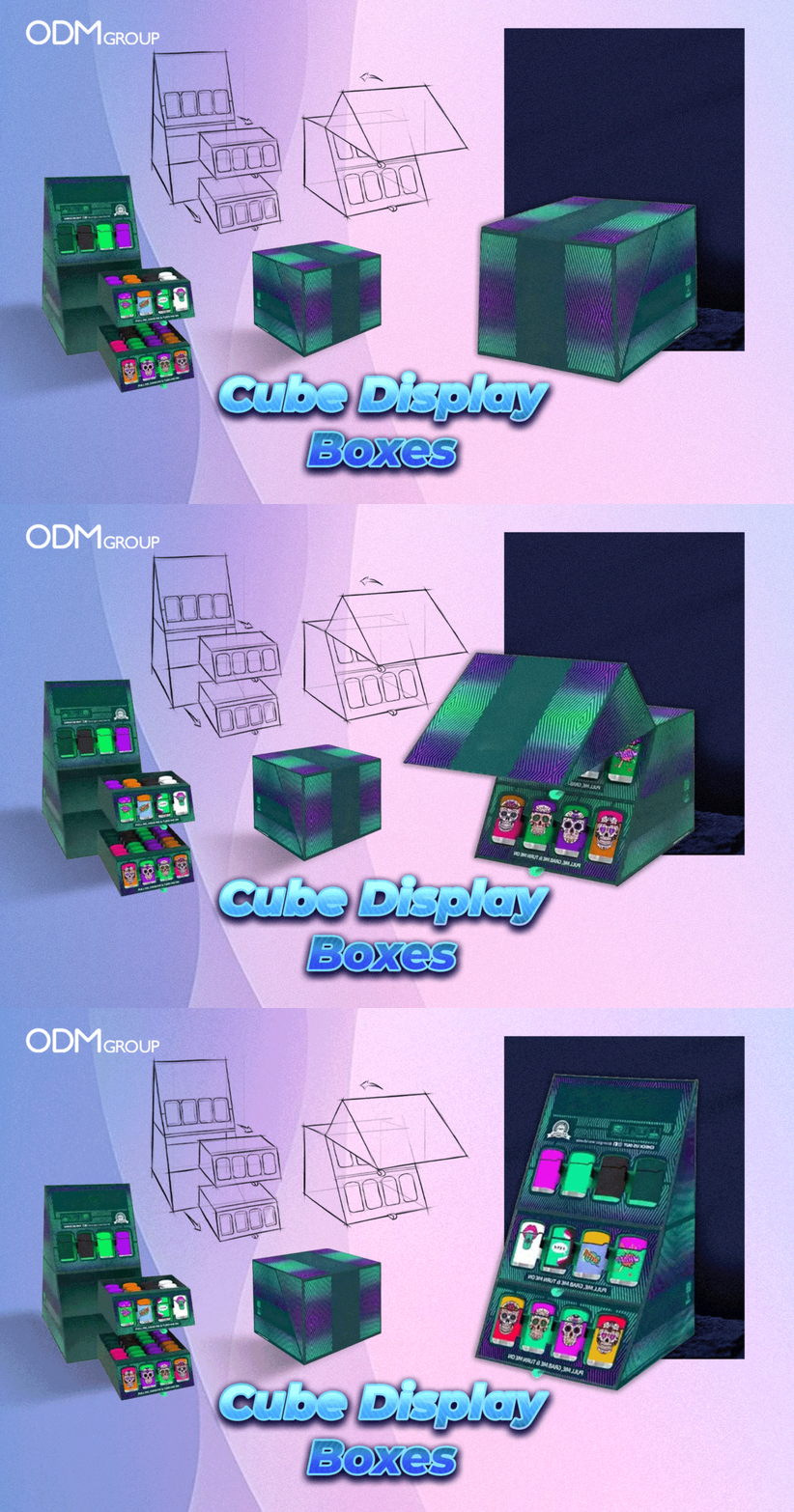
Cube Display Boxes: 7 Ways to Upgrade Your Product Presentation
Product presentation is crucial in capturing consumer attention and [...]
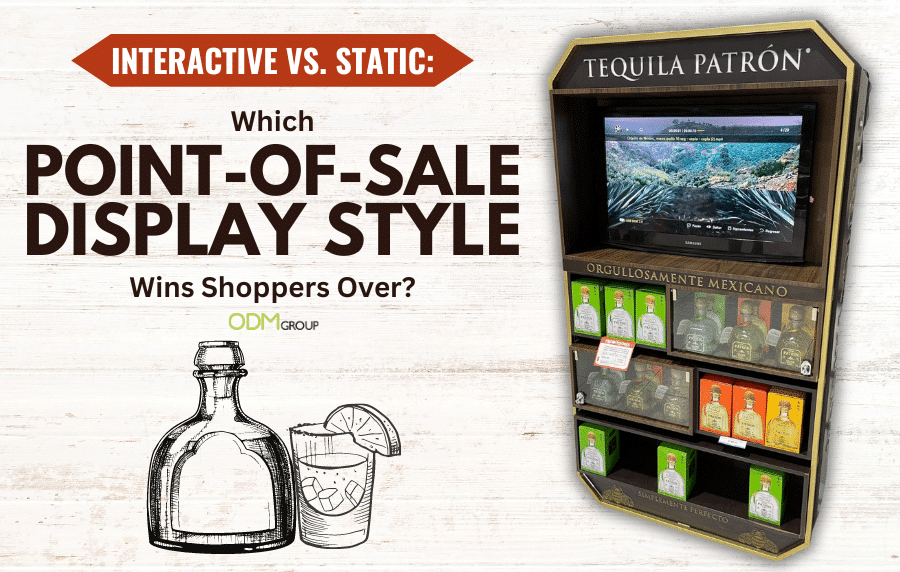
Drinks Marketing Idea: The Power of Point of Sale Video Display
In today's competitive retail environment, it is essential to [...]
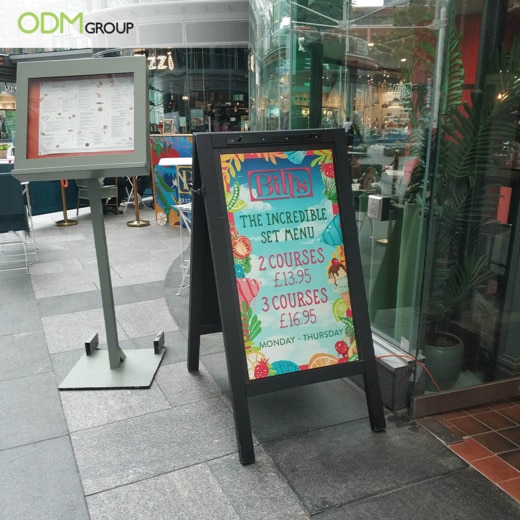
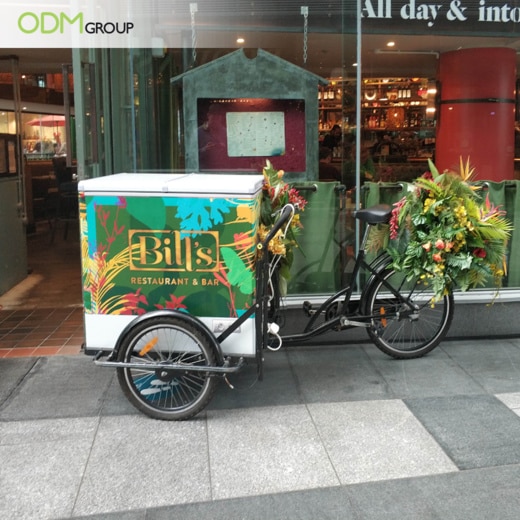
How Bill’s Pulls In Customers With Its Clever Outdoor Promotional Displays
If you are in the food industry, how do you [...]
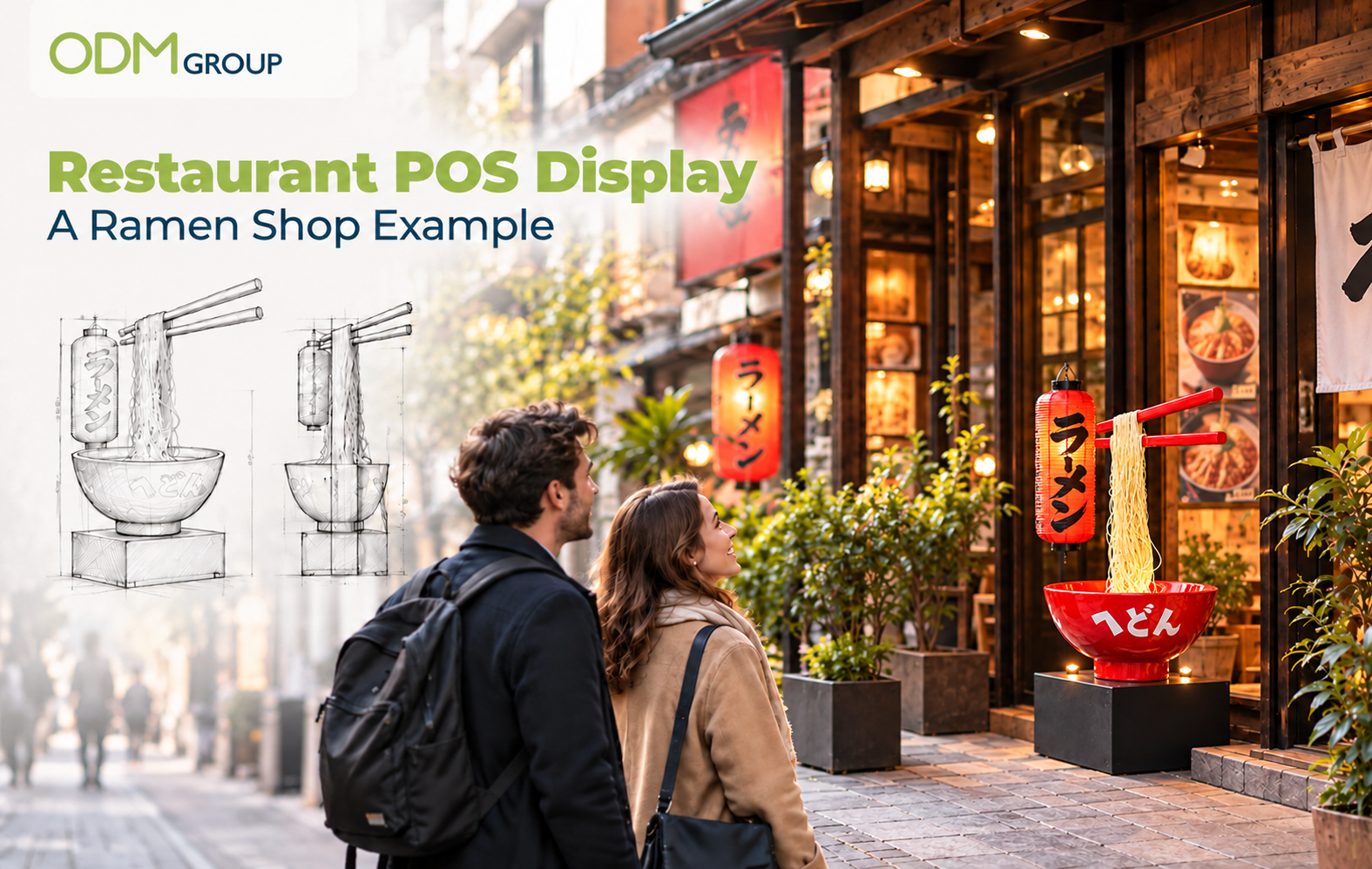
Restaurant POS Display Ideas: What This Moving Ramen Display Gets Right
A restaurant POS display can do more than show a [...]