Direct mail is not the problem. Being ignored is.
Most mailers fail because they are designed to deliver information rather than foster interaction. Flat brochures and standard inserts are easy to overlook, especially when competing with highly engaging digital content.
For marketing teams, this creates a clear risk. If a physical touchpoint does not capture attention, it quickly becomes a cost rather than an asset. Pop-up mailers solve this by turning static communication into a structured experience. Instead of being skimmed, they are opened, explored, and remembered.
This reflects a broader shift in marketing. Brands are no longer competing on reach alone. They are competing to create moments that people engage with and recall.
The Shift Toward Experience-Driven Print
Marketing is moving away from volume-based tactics toward experience-led engagement. This is particularly relevant in industries where product differentiation is subtle, and brand perception influences purchasing decisions.
Pop-up mailers sit at the intersection of multiple touchpoints:
- Packaging
- Direct mail
- Product presentation
- Brand storytelling
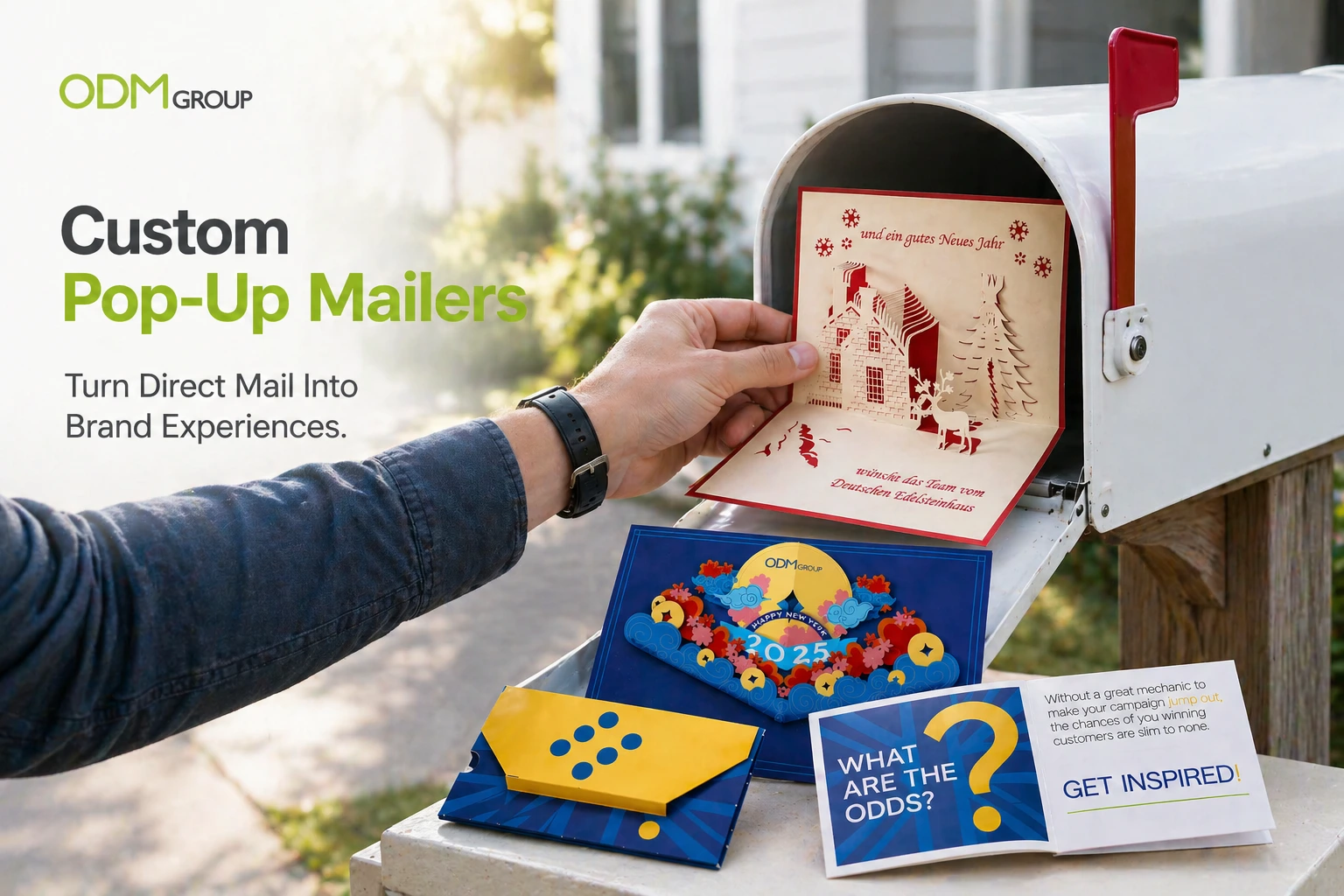
This combination allows brands to deliver a controlled experience directly into the recipient’s hands. Instead of relying solely on digital channels, companies can create in-person interactions that reinforce messaging and increase time spent with the brand.
From a strategic perspective, this format also enables better integration between offline and online campaigns. By connecting physical mailers with digital platforms, brands can extend engagement beyond the initial interaction and track user behavior more effectively.
What Makes Pop-Up Mailers Effective in Practice
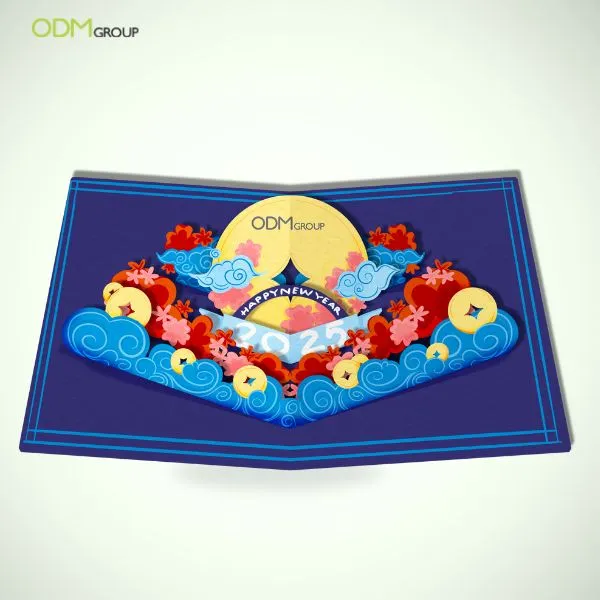
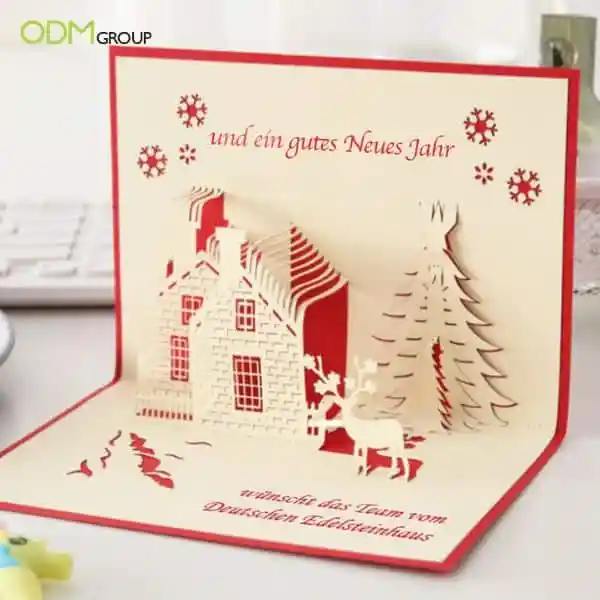
At their core, pop-up mailers are printed materials that expand into three-dimensional structures when opened. However, their effectiveness depends on how they are designed to guide attention and deliver information.
A well-executed pop-up mailer typically includes:
- A clear opening sequence that directs how the user interacts with the piece
- A visual transformation that creates a sense of discovery
- A structured layout that introduces information step by step
- Optional product integration, such as samples or inserts
These elements work together to create a more engaging experience compared to flat formats. Instead of scanning content quickly, recipients are encouraged to explore it, which increases the likelihood that key messages will be absorbed.
Where Pop-Up Mailers Deliver the Most Value
Not every campaign requires a complex format. The value of pop-up mailers becomes clear when the objective goes beyond simple awareness and requires deeper engagement.
1. Product Launches
This allows brands to control the reveal moment. Instead of relying on a single image or headline, the product can be introduced progressively, mirroring the experience of discovering it in-store or through an unboxing video.
2. Influencer and VIP Outreach
Pop-up cards provide a format that is more likely to be shared. The visual and interactive nature of the design makes it suitable for content creation, extending the campaign’s reach beyond the initial recipient.
3. Retail Promotions
A well-designed mailer can bring elements of an in-store display into the customer’s home or office, reinforcing messaging that may have been seen at the point of sale.
4. Events
Transforms invitations into pre-event experiences. Instead of simply providing details, the mailer builds anticipation and sets expectations for attendees.
5. Loyalty and Re-engagement Campaigns
The physical interaction helps re-establish a connection with the brand. This is particularly useful in competitive markets where maintaining attention over time is a challenge.
How to Turn a Pop-Up Mailer Into a Campaign Tool
To maximize impact, pop-up mailers should be integrated into a broader campaign strategy. The following principles can help ensure they deliver measurable results:
1. Design a Clear Interaction Flow
The opening sequence should feel intuitive while guiding the user through key messages. Every fold and panel should have a purpose.
2. Align Structure With Storytelling
The design should reflect the campaign narrative. Visuals and structure must work together to reinforce the message.
3. Integrate Digital Touchpoints
Use QR codes, NFC tags, or personalized URLs to connect the physical experience with online platforms and track engagement.
4. Incorporate Products or Samples
Adding physical items increases perceived value and encourages deeper interaction with the brand.
5. Design for Post-Use Visibility
If the mailer remains on a desk or shelf, it continues to function as a branding tool beyond the initial interaction.
Most Pop-Up Mailers Fail. Here’s Why.
It is worth being clear. The format itself is not the problem. Poor execution is.
Pop-up mailers have the potential to create strong engagement, but without the right strategy behind them, they quickly become expensive pieces that fail to deliver measurable impact.
1. Overcomplicated Structures
Complexity is often mistaken for creativity. In reality, if a mailer is difficult to open or understand, most recipients will disengage within seconds. The interaction should feel intuitive, with a clear flow from the first touchpoint to the final message.
2. Weak or Disconnected Storytelling
A visually impressive structure cannot compensate for a lack of narrative. When the design does not clearly communicate a message or support a campaign theme, the experience feels fragmented rather than engaging.
3. Poor Material and Finishing Choices
Material quality directly influences how the brand is perceived. Thin paper, weak folds, or inconsistent finishing can make even the best concept feel low-value. For premium brands, this disconnect can damage positioning rather than reinforce it.
4. No Integration With the Broader Campaign
One of the most common mistakes is treating the mailer as a standalone item. Without alignment to a wider campaign, including digital touchpoints or retail activation, the impact is limited to a single interaction.
5. Ignoring Production and Logistics Realities
A design that works in a prototype does not always translate to mass production. Structural weakness, packaging issues, or shipping damage can undermine the entire experience before it even reaches the recipient.
Case Study: From Pop-Up Mailer to Everyday Desk Product
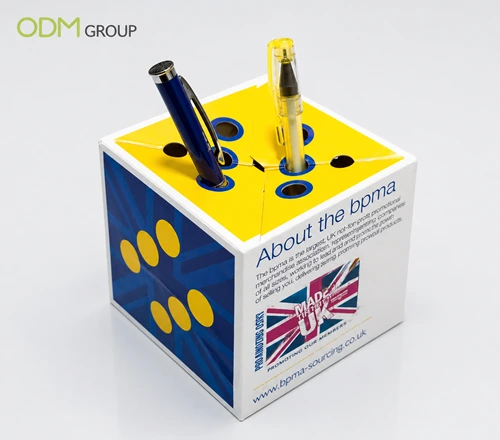
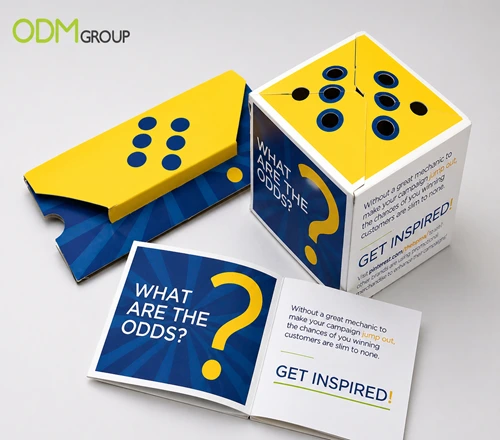
A concept developed with the British Promotional Merchandise Association (BPMA) shows how pop-up mailers can go beyond communication and become functional items.
The Concept
The mailer starts as a flat, compressed piece. Once opened, it expands into a three-dimensional cube, creating a moment of surprise that encourages interaction.
From Promotion to Practical Use
Instead of being discarded, the structure transforms into a pen holder, giving it a clear everyday use.
- Stays on the desk for long-term visibility
- Reinforces brand recall through daily use
- Feels more like a gift than a marketing item
Why It Works
This approach combines:
- Interaction through the pop-up mechanism
- A memorable transformation
- Practical utility
Together, these elements turn a simple mailer into a lasting brand touchpoint.
Final Thoughts: Turning Direct Mail Into a Measurable Brand Experience
Pop-up mailers represent a shift in how brands approach physical marketing. Instead of focusing on distribution alone, companies are using interactive formats to create meaningful experiences that drive engagement and recall.
For marketing teams, the opportunity lies in using this format strategically. When aligned with campaign objectives and executed with attention to detail, pop-up mailers can deliver a level of interaction that traditional formats cannot match.
ODM supports this process end-to-end, from concept development to final delivery. By combining creative thinking with manufacturing expertise, we help brands turn ideas into campaign assets that perform consistently at scale.
Design your custom pop-up mailers with ODM now! Explore concepts, request samples, and develop a campaign that delivers real impact.
ODM Services
FAQs about Pop-Up Cards
Can pop-up mailers include products or samples?
Yes. Many designs incorporate compartments for samples, making them ideal for product-focused campaigns.
What is the typical production timeline?
Production usually takes between 3 to 8 weeks, depending on complexity and scale.
Are pop-up mailers suitable for large campaigns?
Yes, as long as the design is optimized for manufacturing and logistics from the beginning.
How can effectiveness be measured?
By integrating digital tools such as QR codes or personalized links, brands can track engagement and connect offline interactions to online data.
Latest Blogs

Light-Up Labels for Beverage Promotions and Custom Packaging
Light-up labels give beverage brands another option when standard [...]
Split-Flap Displays for Events, Retail and Brand Activations
Struggling to make your brand stand out in a crowded [...]
Beer Swag Ideas: Lessons from Heineken Silver’s Taiwan Campaign
Beer swag is evolving beyond traditional bottle openers and [...]

Car Tissue Holder: A Creative Automotive Promotional Gift
A car tissue holder can be more than a [...]

6 Tips for a Sustainable and Functional Promotional Travel Kit
A promotional travel kit combines practical travel essentials with [...]

Promotional Products for Pets: Ideas Inspired by SmartHeart Pet’s Homie
During a visit to Vietnam, the ODM team came [...]