For many years, promotional products have been evaluated based on reach, cost, and distribution volume. The assumption has been simple: the more items a brand puts into circulation, the greater the visibility it achieves. However, this approach is increasingly being challenged as brands look for ways to sustain attention and build longer-term engagement.
As a result, the role of physical products is shifting. Instead of focusing purely on distribution, brands are placing greater emphasis on creating items that encourage repeat interaction and remain relevant over time. This is where sports collectibles are gaining traction, particularly in campaigns tied to major events.
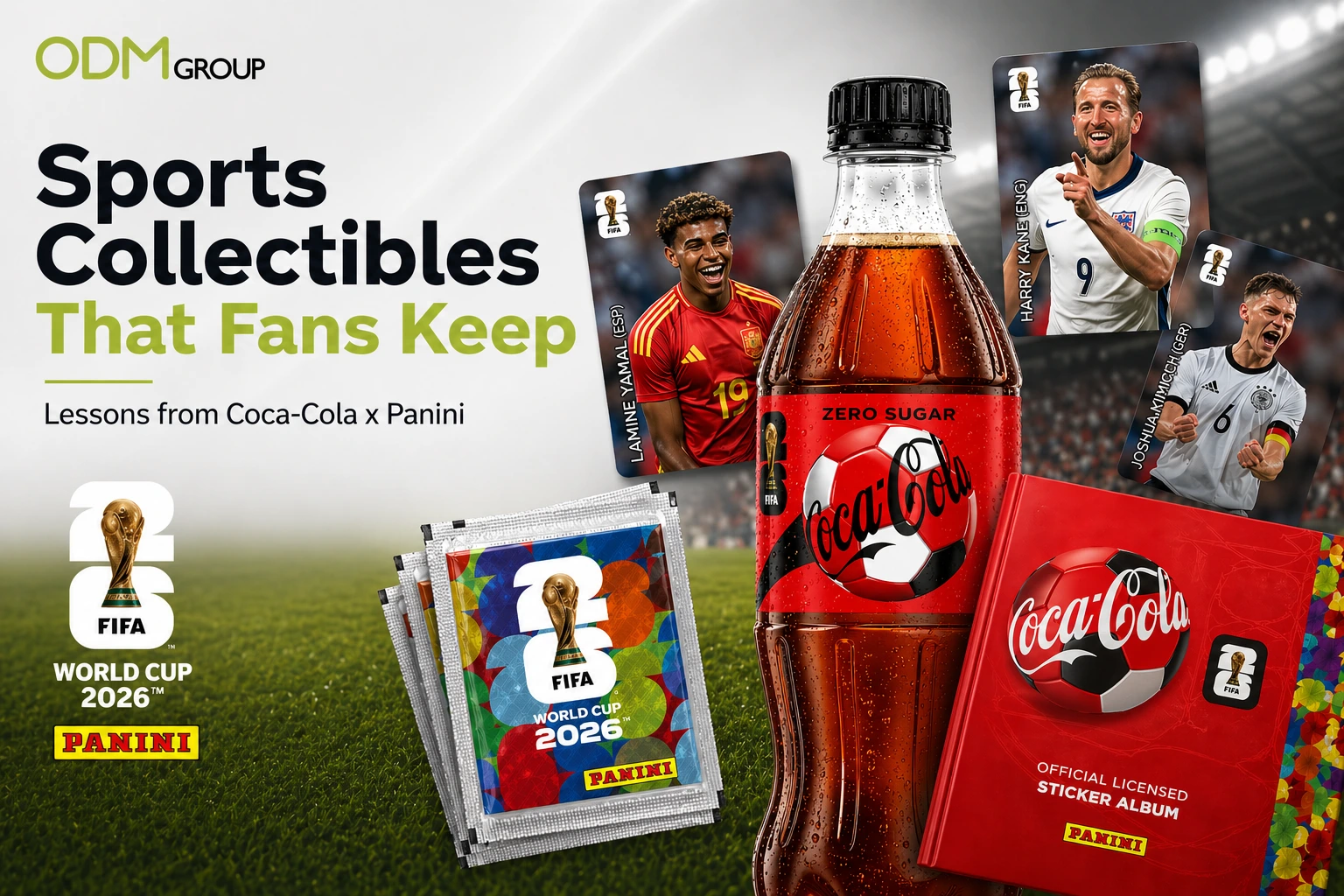
The Coca-Cola x Panini campaign for the FIFA World Cup 26™ shows how collectibles can be used to create a more strategic and engaging brand experience.
What Coca-Cola Didn’t Sell But Fans Bought Into
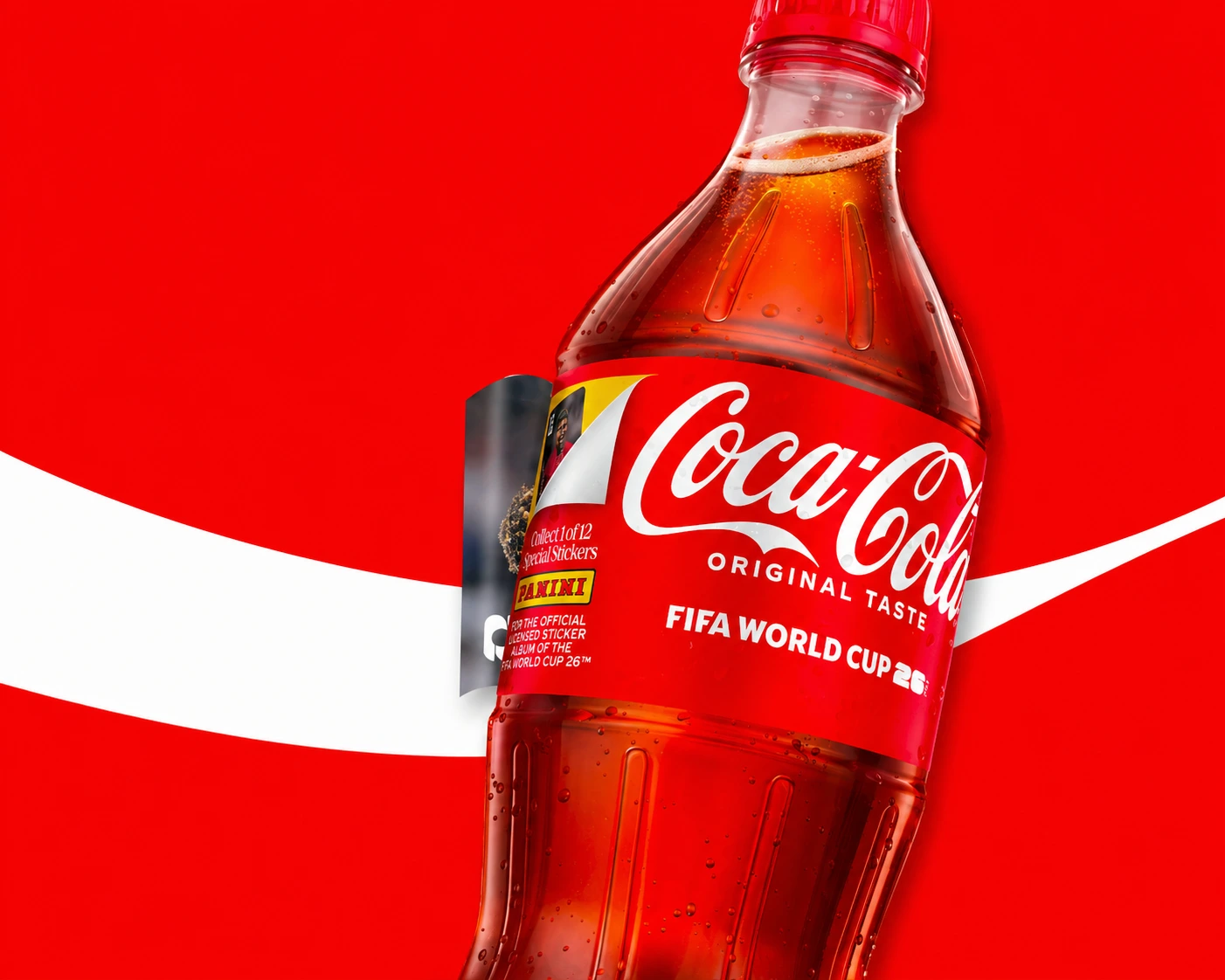
At a functional level, the campaign is relatively straightforward. Consumers purchase specially marked Coca-Cola bottles, peel back the label, and receive a Panini sticker featuring a football player participating in the FIFA World Cup 26™. These stickers are designed to be collected and placed into an official album, encouraging completion of a full set.
However, focusing solely on the mechanics misses the larger point. Coca-Cola is not simply offering a product incentive; it is creating a structured experience built around progression. Each purchase contributes to a sense of advancement, as consumers move closer to completing their collection. This sense of progress is what transforms a simple promotional mechanic into a repeat behavior.
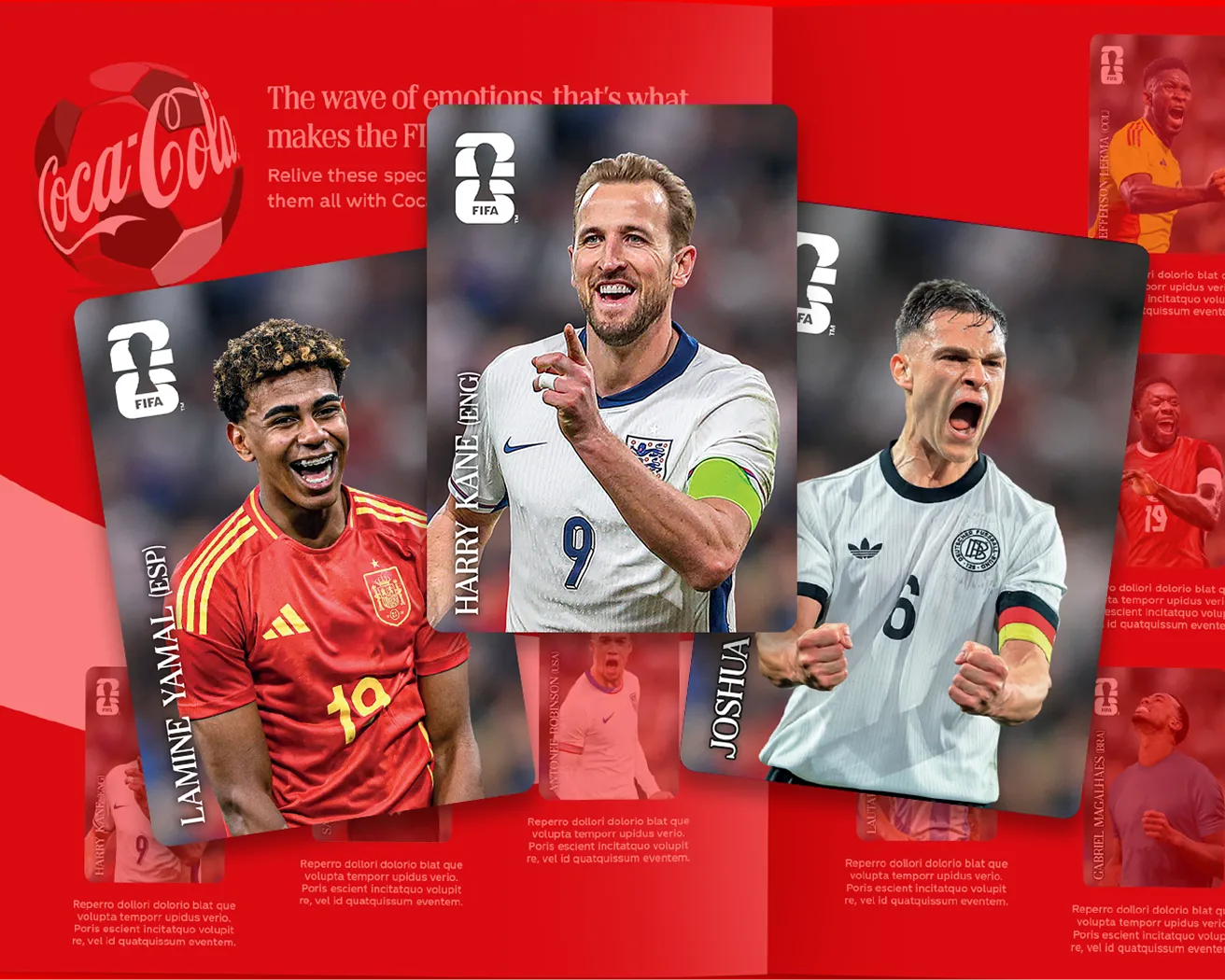
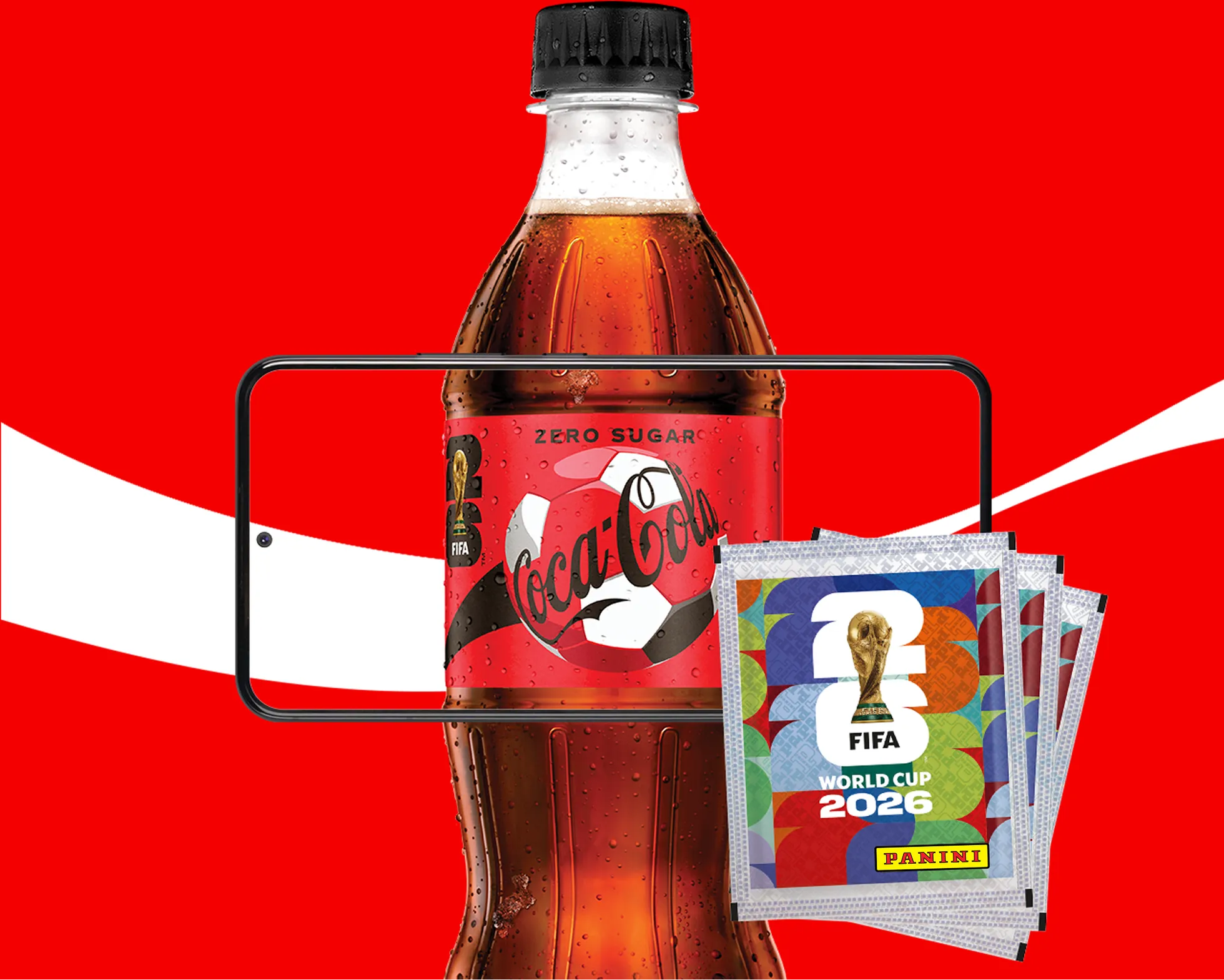
In addition, the campaign extends into a digital layer, where consumers can unlock daily card packs, engage in trading, and interact with content tied to players and teams. This integration ensures that the experience does not end with the physical product, but continues across multiple touchpoints.
The result is not just a promotion, but a system that encourages ongoing participation.
The Shift: From Giveaways to Collectible Systems
Traditional promotional products are often evaluated based on reach and cost efficiency. The objective is typically to distribute as many items as possible in order to maximize visibility. While this approach can generate short-term exposure, it rarely leads to sustained engagement.
Collectible systems operate differently because they are designed to encourage repetition. Instead of a single interaction, they create a cycle in which the consumer is motivated to return, make another purchase, and continue building toward a defined goal.
This shift reflects a broader change in how brands approach physical marketing. Rather than viewing products as standalone items, they are increasingly being used as part of a structured engagement strategy that combines behavior, emotion, and experience.
For categories such as FMCG, retail, and sports marketing, this approach can significantly increase both purchase frequency and brand affinity.
What This Campaign Gets Right (That Most Brands Miss)
One of the reasons the Coca-Cola x Panini campaign stands out is that it successfully combines several key elements that are often treated separately.
1. The campaign is built around repeat purchase behavior.
The structure ensures that no single purchase is sufficient to complete the collection, which naturally encourages consumers to buy multiple times over the course of the campaign.
2. The use of licensed intellectual property adds immediate credibility.
By featuring official FIFA World Cup players, the collectibles carry intrinsic value that would be difficult to replicate with generic designs.
3. The interaction model is deliberately simple.
The act of peeling a label to reveal a sticker is intuitive and requires no additional explanation, reducing friction and making participation accessible to a wide audience.
4. The integration of digital elements extends the lifespan of the campaign.
By allowing consumers to collect, trade, and engage online, the experience extends beyond the initial purchase, creating additional opportunities for interaction.
Turning a Product Into a Behavior Loop
At its core, the success of this campaign lies in its ability to create a repeatable behavioral pattern. Rather than focusing solely on the product, the campaign is designed around how consumers interact with it over time.
The process begins with a trigger, such as a routine purchase occasion. This is followed by a reward, in the form of a collectible sticker. The reward, in turn, contributes to a sense of progress as consumers work toward completing a set. Finally, a social layer is introduced through trading and sharing, reinforcing engagement and encouraging continued participation.
This sequence creates a loop that sustains itself. Each stage reinforces the next, making it more likely that consumers will return and repeat the process.
Without this structure, even well-designed products struggle to maintain relevance. With it, a simple item can become part of an ongoing experience.
Why Most Collectibles Campaigns Quietly Fail
Despite their potential, many collectibles campaigns fail to deliver the expected impact. In most cases, the issue is not a lack of creativity, but a breakdown in execution across multiple stages.
1. Licensing and compliance are overlooked.
Collectibles tied to sports or entertainment properties must meet strict licensing requirements. When these are not considered early in the design phase, products may require rework or fail to gain approval entirely.
2. Inconsistent product quality across production.
Variations in print quality, materials, or finishing can significantly reduce the perceived value of a collectible. For items intended to be kept and displayed, consistency is critical.
3. Packaging mechanics do not perform reliably.
Features such as peel-back labels or interactive packaging must function smoothly at scale. Even small usability failures can negatively affect the overall consumer experience.
4. Production timelines are not aligned with campaign windows.
Delays in manufacturing or approvals can result in products arriving too late, particularly for event-driven campaigns where timing is essential.
5. Supply chain coordination is underestimated.
Managing multiple suppliers, production stages, and logistics partners requires careful planning. Misalignment at any point can disrupt the rollout and reduce campaign effectiveness.
Because of these challenges, successful collectibles campaigns require not only strong concepts, but also a high level of operational discipline to ensure that execution matches the original vision.
Where ODM Group Comes In
At ODM Group, we don’t just manufacture collectibles. We partner with brands from the moment an idea takes shape to the moment it reaches the hands of a fan or retailer. Our role is to make sure every stage of the product journey is handled with the strategic thinking your brand deserves.
Stage |
What ODM Group Does |
|---|---|
| Design | We translate your brand vision into collectible product concepts that meet IP licensing requirements and excite your target audience. |
| Prototyping | We build refined prototypes so you can see and feel the final product before any large-scale production begins. |
| Factory Sourcing | We identify and vet the right manufacturing partners for your specific product — whether that requires specialty printing, premium finishes, or high-volume output. |
| Quality Assurance | We implement QA checkpoints at every critical production stage, protecting your brand standards before the product leaves the factory. |
| Shipping & Logistics | We coordinate delivery timelines around your campaign windows — so your collectibles land exactly when they need to. |
What sets ODM Group apart is strategic ownership. We don’t wait to be told what to do — we ask the questions your team might not think to ask yet: about fan experience, about licensing compliance, about what happens if production runs long. Then we solve for them before they become problems. That’s what a strategic partner does.
If Your Campaign Ends When the Product Is Given Away, It’s Already Over
The Coca-Cola x Panini campaign demonstrates that the value of a promotional product is not defined by the moment it is distributed, but by what happens afterwards.
When a product becomes part of an ongoing experience, it continues to generate engagement long after the initial interaction. This is what distinguishes collectibles from traditional promotional items.
For brands considering this approach, the opportunity lies not only in creating a product, but in designing a system that encourages continued participation.
Ready to Build a Collectibles Campaign That Lasts?
ODM Services
Frequently Asked Questions about Sports Collectibles
Do I need a licensing agreement to create sports collectibles?
In most cases, yes. If your collectibles feature official teams, leagues, or athletes, you will need the appropriate licensing rights. However, brands can also explore sports-themed collectibles or partner with agencies like ODM Group to identify feasible approaches based on available licensing options.
How long does it take to develop sports collectibles?
The typical timeline ranges from 4 to 6 months, depending on the complexity of the product, licensing approvals, and production requirements. Campaigns tied to major sporting events should be planned well in advance to ensure timely delivery.
What makes sports collectibles successful?
Successful sports collectibles combine three key elements: relevance to the audience, strong perceived value, and a system that encourages repeat interaction. Limited editions, high-quality materials, and integration with digital experiences can further enhance their appeal.
Can sports collectibles include digital elements?
Yes. Many modern campaigns integrate digital features such as QR codes, online albums, or mobile platforms that allow users to track collections, unlock content, or trade items. This extends engagement beyond the physical product.
What types of brands benefit most from sports collectibles?
Sports collectibles are particularly effective for FMCG brands, retailers, and companies involved in sponsorships or event marketing. They work best in environments where repeat purchase behavior and fan engagement are already present.
What to Read Next?
4 Ways to Develop An Effective Collaborative Marketing Strategy
Brands often enter partnerships to widen their market, boost [...]
Purchase Necessary Competitions: Why Do They Guarantee Success?
More often than not, people go into convenience stores [...]
How Does Diet Coke x Readly’s Promotion Free Gift Build-Up Campaign?
Diet Coke, a popular zero-calorie soft drink since 1982; and [...]
Marketing Canned Soft Drinks: Why Invest In Beverage Dispenser Rack?
Carbonated soft drinks, with their generally sweet and addicting characteristics, [...]
Top 5 Benefits of Using Wooden Point-of-Sale Display in Retail Marketing
Point-of-Sale (POS) and free-standing display racks are valuable marketing tools [...]
McDonald’s Brings Colour to the Season With Custom Reusable Cups!
The most awaited time of the year is coming! And [...]