A branded reusable cup can turn an everyday food purchase into a more memorable customer experience. It adds practical value to a meal, gives brands visibility beyond the point of sale, and creates an incentive for customers to participate in a promotion.
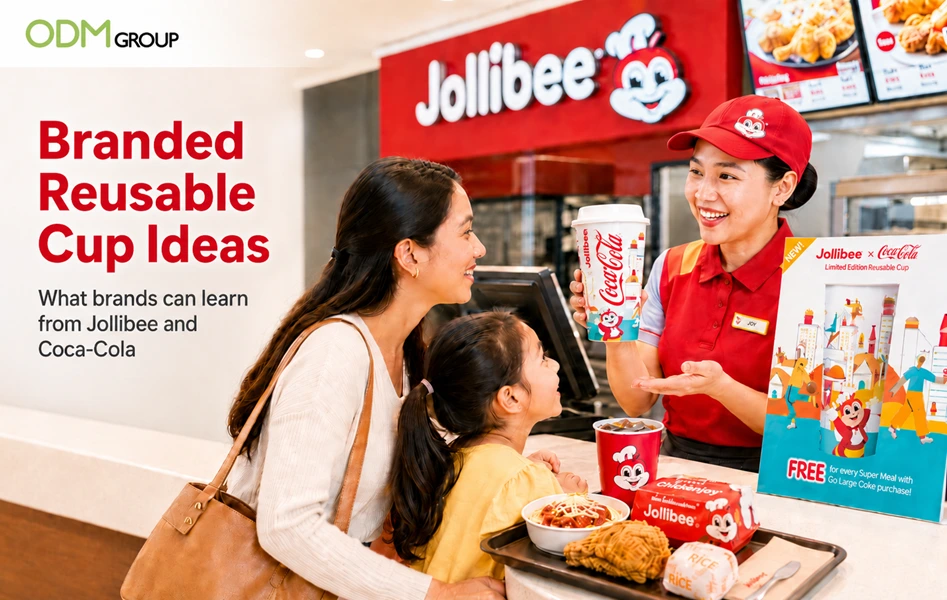
In May 2021, Jollibee partnered with Coca-Cola to launch a limited-edition reusable cup promotion in selected stores. Customers could receive the cup when purchasing a Super Meal with a large Coca-Cola drink during the promotional period.
Although the campaign was available for a limited time, it remains a useful example of how food and beverage brands can use promotional drinkware to support sales, encourage store visits, and strengthen co-branding.
How the Jollibee and Coca-Cola Promotion Worked
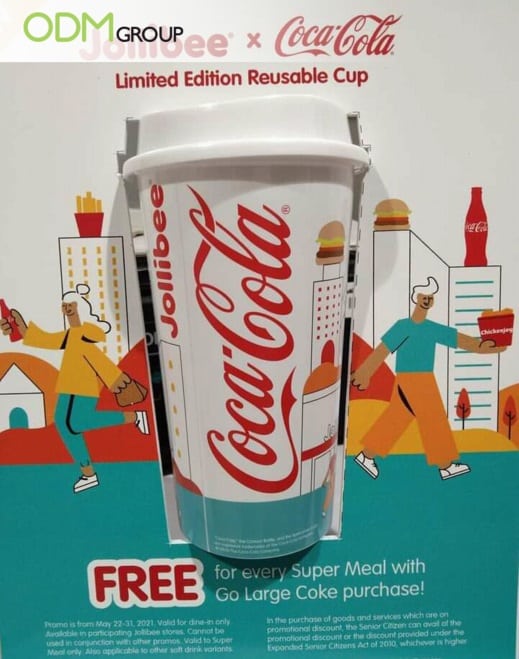
The promotion ran from 22 to 31 May 2021 and was available for dine-in purchases at participating Jollibee locations.
Customers who purchased an eligible Super Meal with a large Coca-Cola drink could receive the limited-edition branded reusable cup, subject to the campaign terms and product availability.
Branded Reusable Cup
The promotion was not available through take-away, drive-through, delivery, GrabFood or Foodpanda. By limiting the offer to dine-in transactions, the brands created a clear reason for customers to visit participating restaurants.
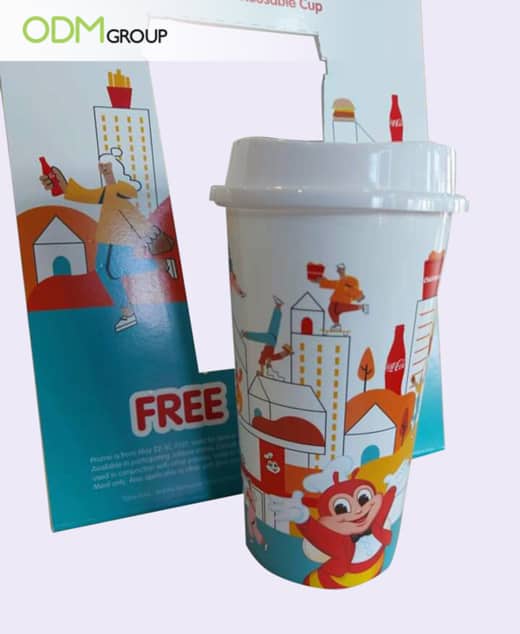
The cup also featured recognizable visual elements from both Jollibee and Coca-Cola, connecting the promotional item directly to the meal experience.
So, what can other brands learn from this campaign?
1. Channel-Exclusive Promotions Can Encourage Store Visits
Making a promotion available only through a specific sales channel can influence how customers purchase.
In this case, the reusable cup was linked to dine-in transactions. Customers who wanted the merchandise had to visit a participating Jollibee restaurant rather than place an online order or use a delivery platform.
For restaurants and retail brands, this approach can support specific commercial objectives. A dine-in promotion, for example, may help increase in-store activity, encourage meal upgrades, and expose customers to additional products displayed at the location.
However, exclusivity should be communicated clearly. Promotional materials should explain:
- Where the offer is available
- Which products qualify
- How long the campaign will run
- Whether stocks are limited
- Which sales channels are excluded
Clear mechanics help prevent confusion and make the campaign easier for staff to manage.
2. Limited-Time Offers Create Urgency
A limited promotional period gives customers a reason to act sooner rather than later.
When merchandise is available only for several days or while stocks last, customers understand that delaying their purchase could mean missing the opportunity. This sense of urgency can encourage faster decisions and help brands generate interest during a defined campaign window.
Limited availability can be especially effective when the merchandise is:
- Useful
- Collectable
- Visually distinctive
- Connected to a well-known brand
- Available only through a specific purchase
Brands should still plan stock levels carefully. If an item sells out too quickly, customers may feel disappointed. On the other hand, producing too much stock can reduce the sense of exclusivity and leave the brand with excess inventory.
Forecasting, store allocation and regular stock monitoring are therefore important parts of a limited-edition campaign.
3. Strong Co-Branding Can Increase Perceived Value
The Jollibee and Coca-Cola cup brought two familiar brands together in one promotional product.
Co-branded merchandise can feel more valuable because it combines the recognition, visual identity and customer communities of both brands. Instead of appearing like a standard reusable cup, the merchandise becomes connected to a specific collaboration.
For co-branded drinkware to work effectively, the design should feel balanced. One logo should not overwhelm the other unless the campaign has a clear lead brand.
Designers should consider:
- Logo size and placement
- Colour compatibility
- Printing method
- Overall cup shape
- Product visibility in-store
- Packaging and presentation
The cup should also make sense within the partnership. Coca-Cola is closely associated with beverages, while Jollibee provides the restaurant and meal occasion. This makes reusable drinkware a natural product choice for the campaign.
4. Useful Merchandise Can Extend Brand Exposure
Promotional products are often most effective when customers can use them after the original purchase.
A reusable cup can continue to display a brand at home, at work, during travel, or while attending events. Each use creates another opportunity for the customer and people around them to see the campaign branding.
Branded Reusable Cup
This gives reusable drinkware an advantage over disposable packaging, which is usually discarded shortly after purchase.
Usefulness also helps increase perceived value. Customers are more likely to keep an item when it is comfortable to hold, easy to clean and suitable for their daily routine.
Before producing a reusable cup, brands should review practical details such as:
- Capacity
- Lid security
- Grip and comfort
- Heat resistance
- Material durability
- Ease of cleaning
- Printing durability
- Portability
A cup may look attractive, but poor usability can reduce repeat use and weaken the overall campaign experience.
5. Merchandise Should Match the Brand and Occasion
Choosing the right promotional product is one of the most important parts of campaign planning.
The merchandise should connect naturally to the product being promoted, the target audience, and the environment in which it will be distributed.
A reusable cup worked well for Jollibee and Coca-Cola because customers could immediately associate it with drinks and meal occasions. The item did not feel separate from the promotion. It extended the experience.
Other food and beverage brands can apply the same principle.
A coffee chain might offer an insulated tumbler. A juice brand could develop a lightweight cup with a reusable straw. A restaurant targeting families might produce colorful stackable cups with collectible designs.
The closer the connection between the merchandise and the customer experience, the easier it is for shoppers to understand the value of the offer.
Reusable Cup Ideas for Food and Beverage Promotions
Reusable cups are available in a wide range of materials, shapes and price points. The right option will depend on the campaign audience, product positioning, distribution method and intended use.
Here are several ideas brands can consider.
Stainless Steel Tumblers
Stainless steel tumblers are suitable for premium campaigns, loyalty rewards and higher-value meal bundles.
They can be produced with single-wall or double-wall construction. Double-wall vacuum insulation helps drinks remain hot or cold for longer, making the cup useful for commuting, office use and travel.
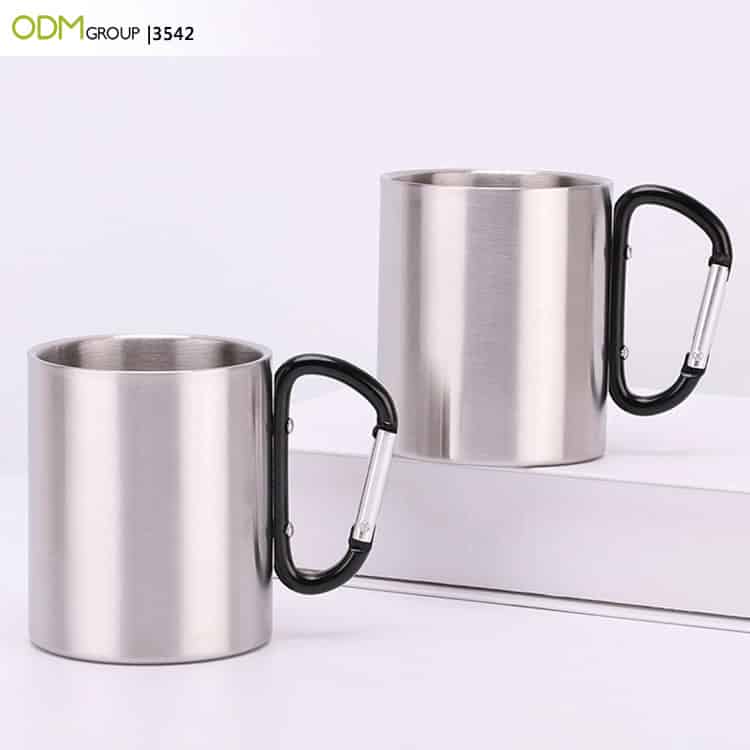
Branding options may include laser engraving, screen printing or full-color printing. Stainless steel also gives the product a more durable and premium feel.
These tumblers work particularly well for:
- Coffee brands
- Premium restaurants
- Corporate campaigns
- Loyalty programmes
- Travel-related promotions
Bamboo-Fibre Cups
Bamboo-fiber cups can support a natural or lifestyle-focused campaign aesthetic. Their texture and appearance can help brands create a softer, more organic presentation.
They are often paired with silicone sleeves and reusable lids, making them suitable for coffee, tea and takeaway beverage promotions.
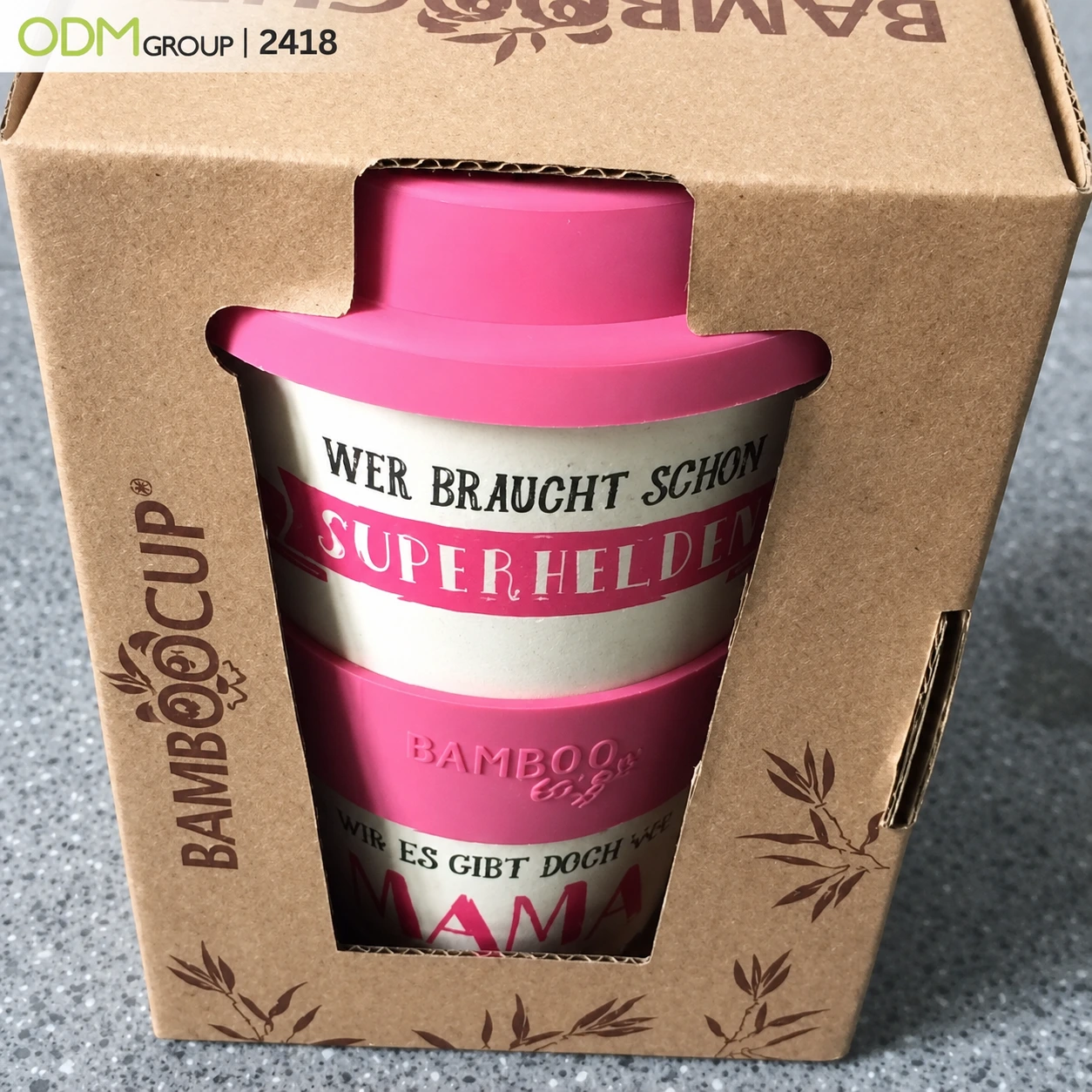
However, brands should verify the exact material composition and relevant food-contact requirements. The term “bamboo cup” can refer to different material blends, so testing and supplier documentation are important.
These cups may suit:
- Wellness brands
- Cafés
- Organic food campaigns
- Lifestyle events
- Sustainability-themed promotions
Recycled Plastic Cups
Cups made with recycled plastic can be lightweight, colorful and suitable for high-volume campaigns.
They can be molded in different shapes and matched to brand colors. Some designs also include reusable straws, dome lids or carry handles.
When using recycled materials, brands should request clear documentation about material origin, food-contact suitability and recyclability. Environmental claims should be specific and supported rather than based only on appearance.
These cups are useful for:
- Fast-food promotions
- Soft drink campaigns
- Music festivals
- Family events
- Youth-focused brands
Tritan Cups
Tritan is a clear, durable plastic commonly used for reusable drinkware. It can provide the appearance of glass while remaining lighter and more resistant to breakage.
This makes it suitable for restaurants, gyms, outdoor campaigns and family-oriented promotions.
Tritan cups can feature:
- Flip lids
- Screw-top lids
- Infusers
- Reusable straws
- Measurement markings
- Full-colour printed graphics
Their transparency also allows the drink itself to become part of the product presentation.
Glass Cups with Protective Sleeves
Glass cups can create a more premium and minimalist look. They are often paired with silicone, cork or fabric sleeves to improve grip and protect the user from heat.
These cups are better suited to controlled distribution environments, such as cafés, hospitality campaigns or premium gift sets, because glass requires more careful packaging and transport.
They can be used for:
- Boutique coffee promotions
- Hotel welcome gifts
- Premium beverage launches
- Influencer kits
- Subscription boxes
Collapsible Silicone Cups
Collapsible cups are designed to fold down when not in use, making them easier to carry in a bag or pocket.
Their compact format creates an interactive feature and can make the merchandise feel more innovative. They are useful for travel, outdoor activities and events where portability matters.

Brands can customize the cup body, lid, sleeve and carrying loop.
These products may suit:
- Travel brands
- Outdoor events
- Sports campaigns
- Commuter promotions
- Environmental awareness programs
Reusable Cups with Straws
Reusable straw cups are particularly popular for cold drinks, milk tea, smoothies and juice promotions.
They can be produced with straight or dome lids and may include silicone, plastic or stainless steel straws. Some designs also feature straw-cleaning brushes or storage compartments.
These cups are suitable for highly visual campaigns because their large surface area provides space for branding, illustrations, and collectible designs.
Colour-Changing Cups
Color-changing cups react to temperature, revealing a design when a cold or hot drink is added.
This feature creates an element of surprise and can encourage customers to share the product on social media. It is particularly effective for younger audiences, entertainment brands and limited-edition launches.
The changing effect should remain relevant to the campaign rather than being used only as a novelty. For example, a cold drink could reveal a hidden character, campaign message or collectible graphic.
Stackable Collectible Cups
A series of stackable cups can encourage repeat purchases by giving customers several designs to collect.
Each cup might feature a different character, color, flavor, location or campaign message. Customers may return to complete the set, helping the promotion remain active over a longer period.
Brands should make each design distinctive while maintaining a consistent overall identity.
How ODM Can Support Your Reusable Cup Promotion
Developing reusable drinkware involves decisions around design, materials, testing, branding, packaging and logistics.
The ODM Group can support brands throughout this process, from the initial concept to final delivery. Our Mindsparkz design team can develop product sketches, 3D concepts, and packaging ideas based on the campaign objective and target audience.
ODM can also coordinate:
Whether you are planning a stainless steel tumbler, bamboo-style cup, collectible drinkware series or color-changing cup, the product should support the wider campaign rather than function as a standalone giveaway.
Final Thoughts
The Jollibee and Coca-Cola promotion shows how a branded reusable cup can add value to a food purchase while supporting co-branding, store visits and limited-time excitement.
Its effectiveness stemmed from the connection between the merchandise and the occasion for consumption. The cup was useful, visually relevant, and closely tied to both brands.
For future campaigns, businesses should focus on more than the logo. Material quality, cup design, usability, campaign mechanics, and presentation all influence how customers perceive the promotion.
Planning a reusable cup promotion for your brand? Contact The ODM Group to develop custom drinkware and campaign packaging tailored to your audience, distribution channel, and marketing goals.
More Product Ideas


FAQs about Branded Reusable Cup
Which reusable cup material is best for promotions?
The best material depends on the campaign, budget and intended use. Stainless steel suits premium promotions, while recycled plastic and Tritan work well for colorful, high-volume campaigns. Glass, bamboo-style materials and collapsible silicone cups may be more suitable for lifestyle, hospitality or sustainability-focused campaigns.
Can reusable cups be customized with different designs?
Yes. Reusable cups can be customized through screen printing, laser engraving, heat transfer, in-mold labelling, full-wrap printing and custom molding. Brands can also develop different colors, character designs or collectable cup series.
Are reusable cups suitable for hot and cold drinks?
Some reusable cups are designed for both hot and cold beverages, while others are suitable for only one type. Brands should confirm the material, insulation, lid design and temperature resistance before production.
What should brands consider before producing reusable cups?
Brands should review material safety, food-contact requirements, lid performance, printing durability, ease of cleaning, packaging and shipping. Producing a prototype can help identify design or usability issues before mass production.
Related Blogs
How Nescafé’s Branded Coffee Cups Impressively Raise Brand Awareness
Branded coffee cups are inexpensive and stylish marketing products to [...]
McDonald’s Brings Colour to the Season With Custom Reusable Cups!
The most awaited time of the year is coming! And [...]
Coffee Mug Giveaway: How to Use It Strategically (Not Just as Free Swag)
Coffee mug giveaways are everywhere. That’s exactly why many brands [...]
 Gallery
Warm Up Sales with a Ceramic Mug with Logo- Ahmad Tea Case Study
Branded promotional products, Custom Products, FMCG Food, Gift with purchase, Giveaway promotional items, Household promotional gifts, In-pack promotions, Marketing, On-pack promotions, Premium promotional products, promotional gift, Promotional gifts for food industry, Promotional Products
Warm Up Sales with a Ceramic Mug with Logo- Ahmad Tea Case Study
After a long day, having a cup of tea is [...]
Branded Reusable Cup: 5 Lessons from Jollibee and Coca-Cola
A branded reusable cup can turn an everyday food purchase [...]
- Gallery
Can these Stainless Steel Mugs with Logo Build Better Branding?
Branded promotional products, Custom packaging, Drinks promotional products, Gift with purchase, Giveaway promotional items, Household promotional gifts, In-pack promotions, Marketing, On-pack promotions, Outdoor promotional items, Personalized promotional gifts, Premium promotional products, promotional gift, Promotional Products, Trending innovative promotions -
Can these Stainless Steel Mugs with Logo Build Better Branding?
A mug of coffee is an everyday essential that we [...]