Food brands spend heavily competing for attention, yet some of the most valuable customer interactions happen far away from advertisements.
They happen inside kitchens.
Morning coffee routines, weeknight cooking, weekend baking sessions — these small moments recur constantly, making them incredibly valuable from a branding perspective. Products customers continue seeing during those routines often create stronger long-term familiarity than campaigns built purely for short-term reach.
This is why custom kitchen timers are becoming strategically valuable again. For restaurants, beverage brands, grocery retailers, and FMCG companies, they combine functionality, visibility, and routine-based interaction in one of the most emotionally connected spaces inside the home.
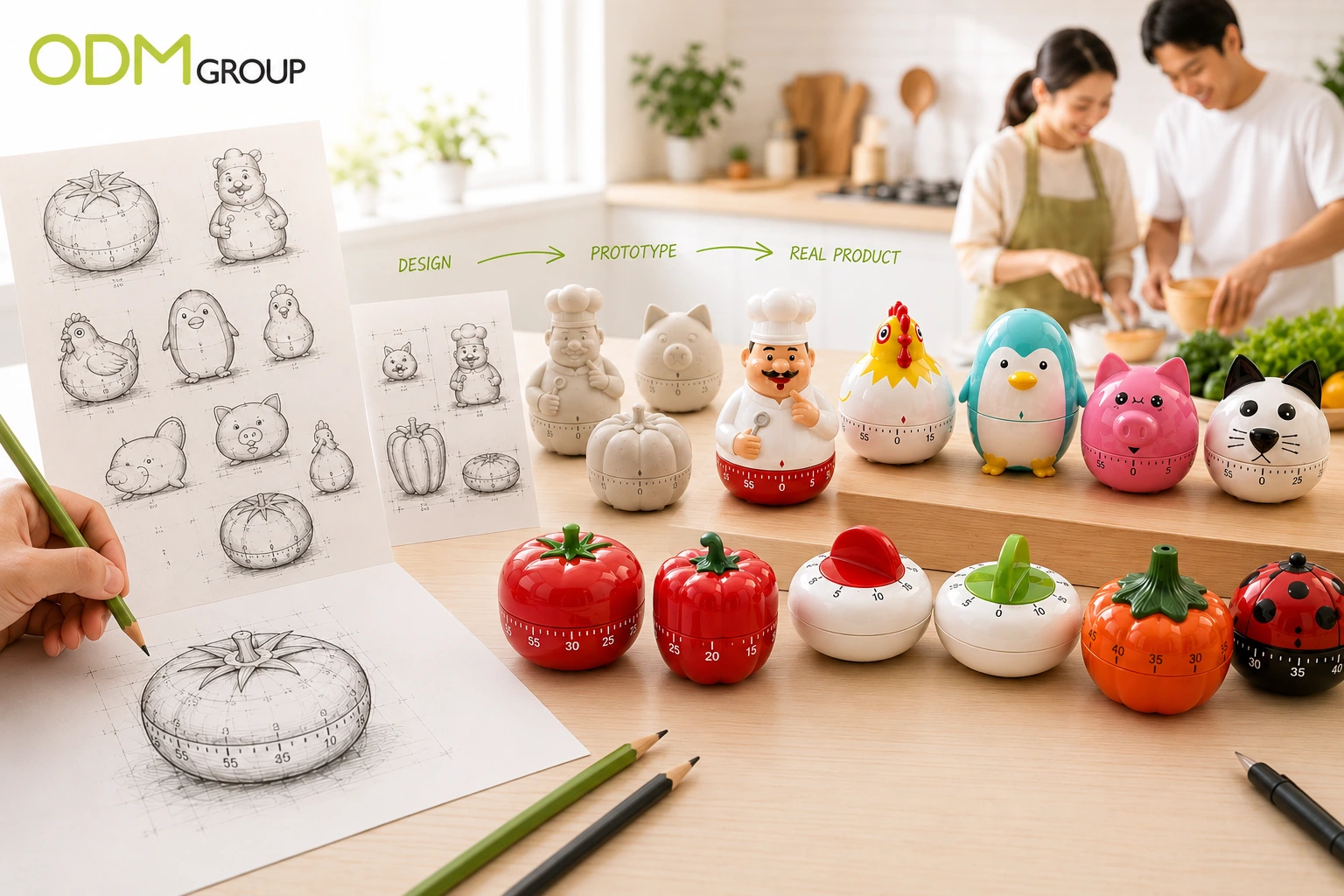
The Shift From Promotional Reach to Promotional Retention
For years, promotional campaigns were largely measured by reach.
How many products were distributed? How many impressions were generated? How many people interacted with the campaign during the launch periods? But as promotional merchandise became increasingly saturated, brands began encountering a new problem: visibility without retention.
A product handed out once does not necessarily create lasting familiarity. This is where functional merchandise changes the conversation.
Products customers continue using inside their homes generate something far more valuable than temporary exposure. They create repeated environmental visibility. A custom kitchen timer placed beside an oven or coffee machine may generate hundreds of passive impressions over its lifespan without demanding active attention from the customer each time.
That difference matters because familiarity compounds gradually.
The brands customers continue seeing inside their routines often become the brands customers trust most naturally over time.
Why the Kitchen Has Become One of the Most Valuable Branding Spaces
Most advertising interrupts attention. Kitchenware integrates into behavior.
That distinction is becoming increasingly important as consumers filter out more digital messaging every year. Products that belong naturally inside existing routines feel less promotional because they support behavior customers already repeat daily.
The kitchen is particularly powerful because it sits at the center of:
- Habit formation
- Meal preparation
- Family interaction
- Comfort-driven routines
- Repeated visual exposure
For food and beverage brands, this creates an environment in which branded products feel contextually relevant rather than artificially inserted into customers’ lives.
A custom kitchen timer does not compete aggressively for attention. It becomes part of the environment itself.
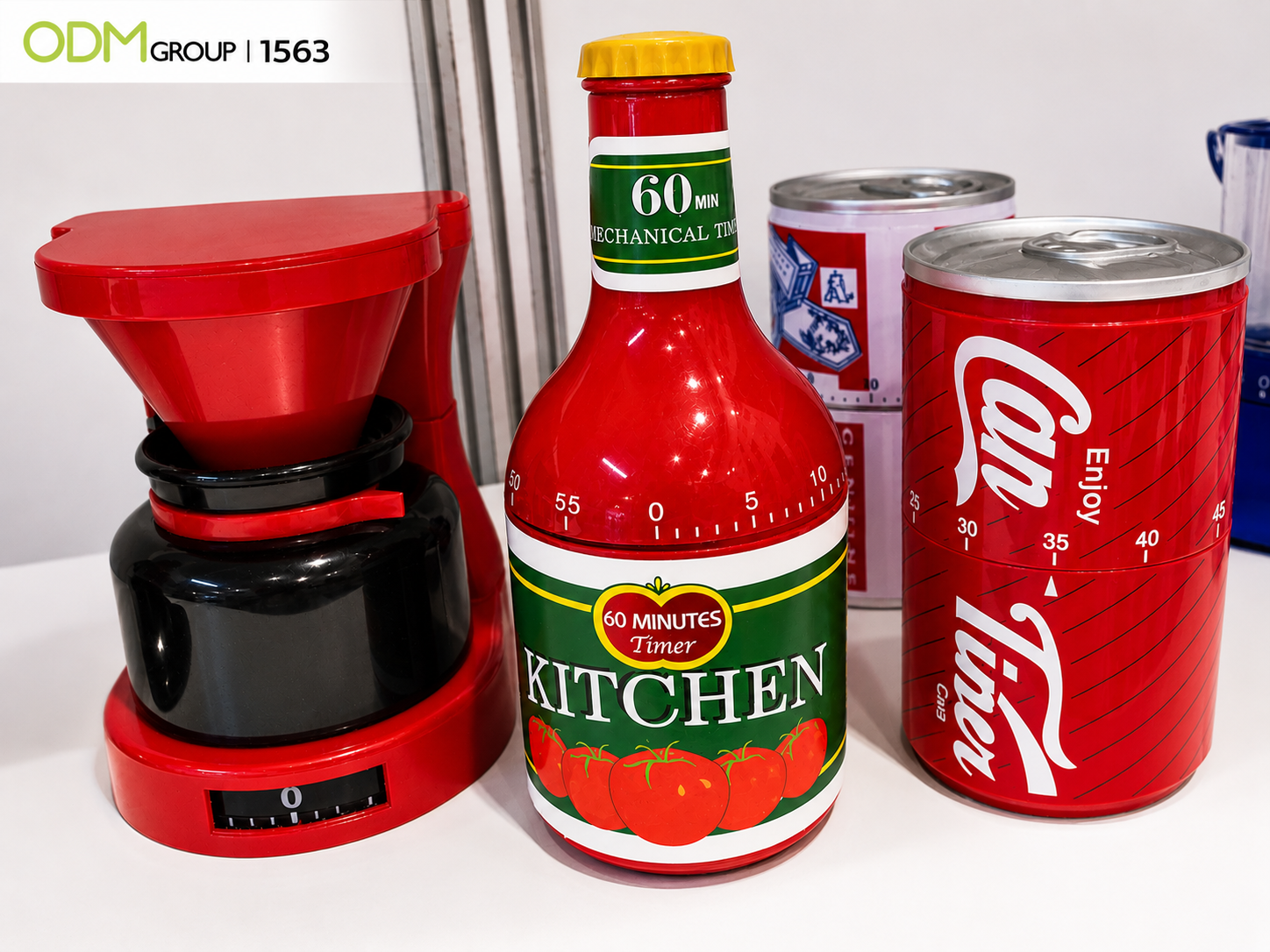
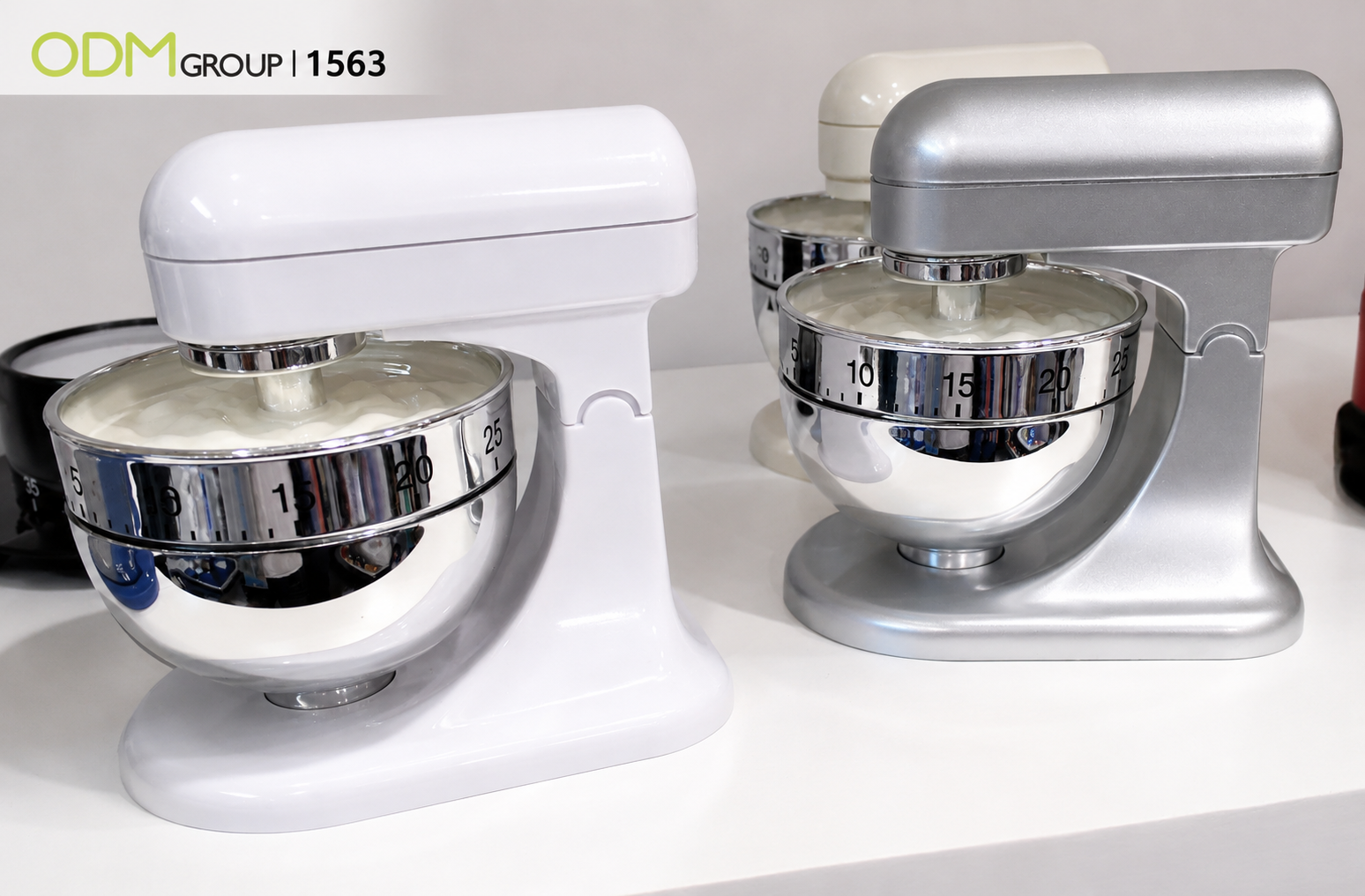
This is why kitchenware continues performing strongly across:
- grocery promotions
- coffee campaigns
- restaurant merchandise
- seasonal food activations
- loyalty redemption programs
- baking campaigns
- meal kit branding initiatives
The strongest promotional products often work quietly rather than loudly.
Why Custom Kitchen Timers Create Stronger Long-Term Familiarity
Consumers interact differently with physical products than they do with advertising.
Digital campaigns are designed for rapid attention. Physical products are experienced repeatedly over time. That repeated tactile interaction creates a different level of memory retention because the product becomes associated with routine behavior rather than isolated promotional moments.
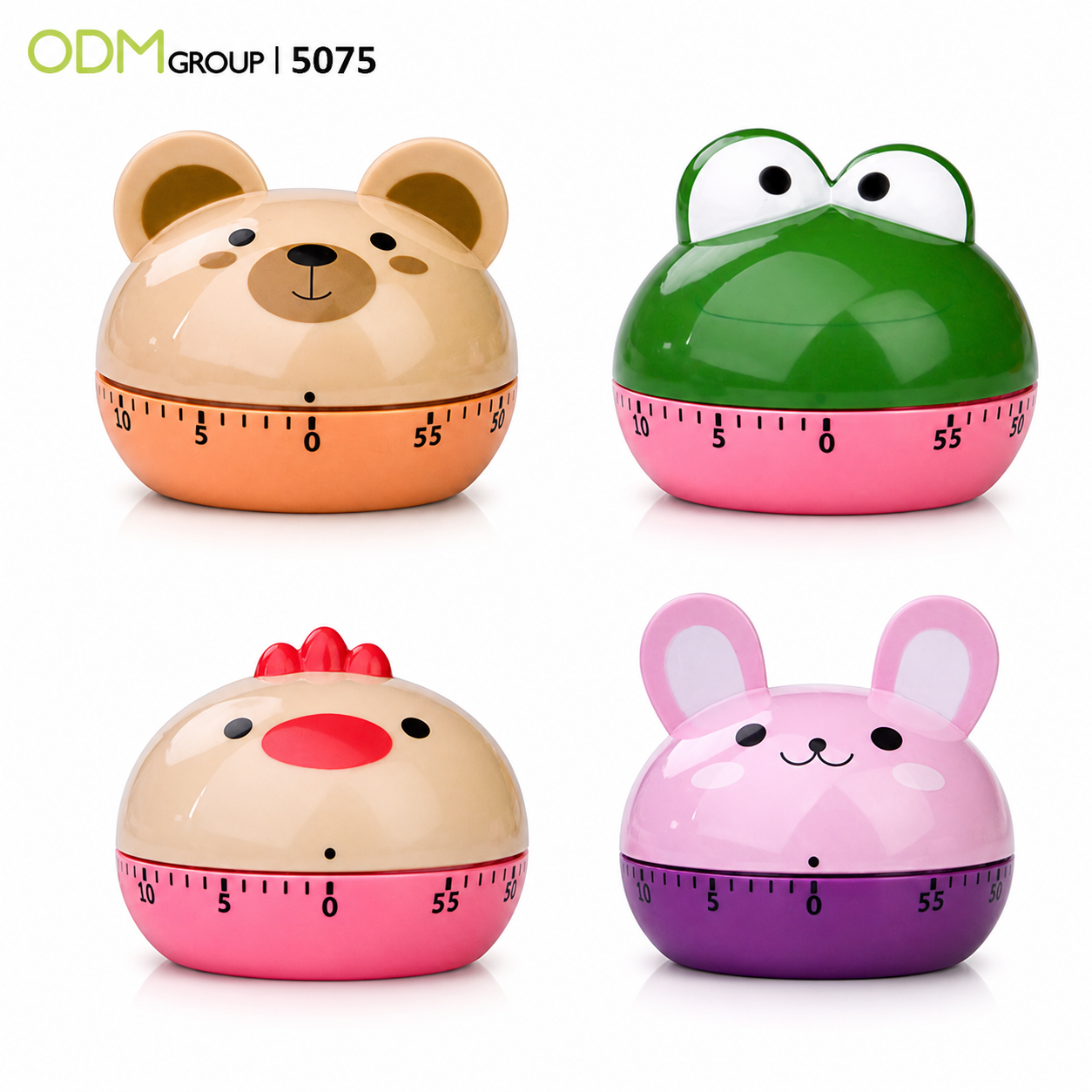
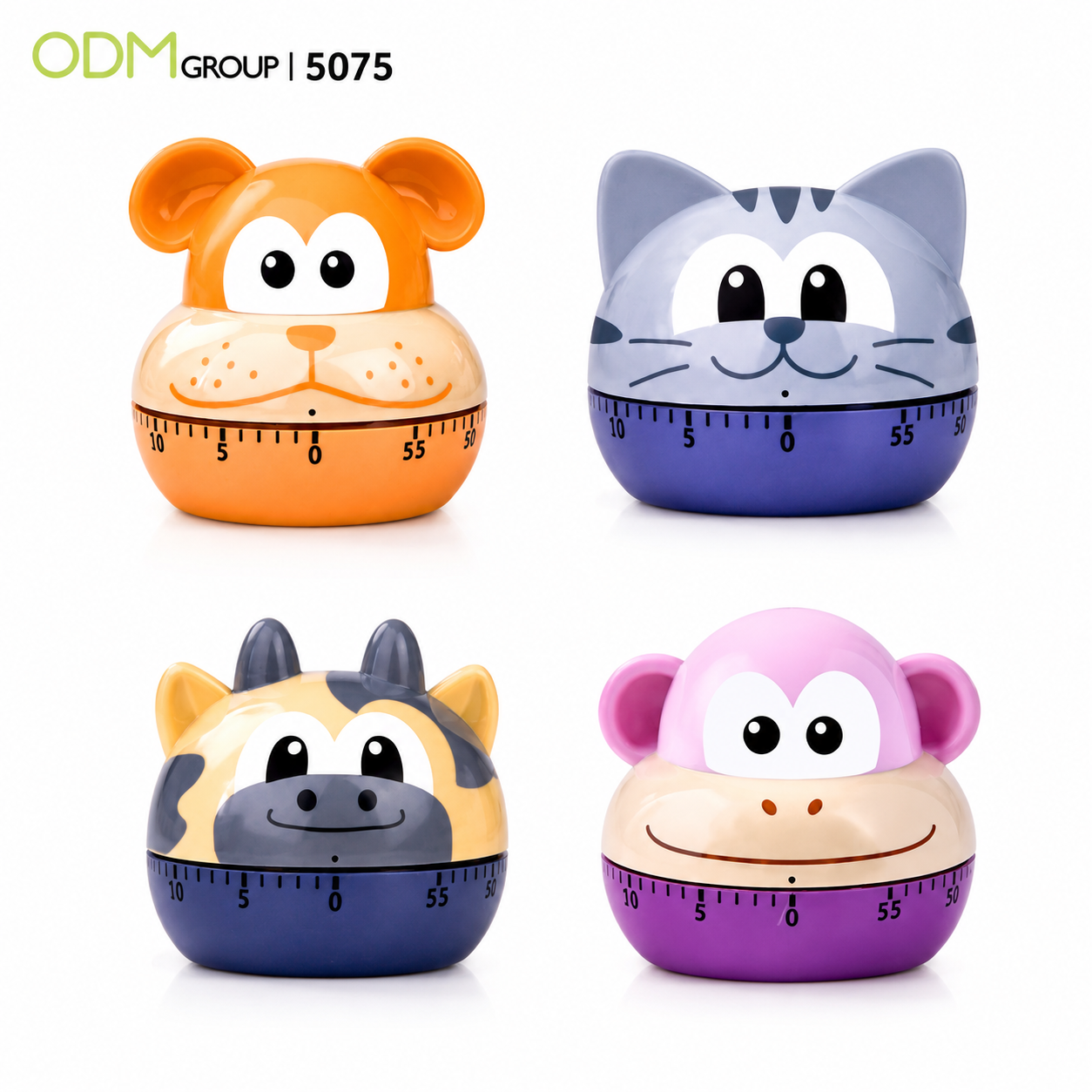
Custom kitchen timers are particularly effective because they combine:
- practical functionality
- repeated usage
- countertop visibility
- tactile interaction
- strong display potential
Cooking remains one of the few daily activities where many consumers still prefer visible physical tools over digital alternatives. Turning a timer manually, checking remaining minutes while preparing food, or placing a timer beside ingredients creates natural engagement that feels embedded within the cooking process itself.
The product becomes connected to moments customers already enjoy.
That emotional integration is difficult to replicate through traditional advertising alone.
The End of Disposable Promotional Products
Consumers have become significantly more selective about the products they keep.
Years of low-value giveaways have shifted expectations across retail and event marketing. Products without clear utility, emotional appeal, or visual interest are increasingly ignored because customers no longer want unnecessary clutter inside their homes.
This is forcing brands to rethink promotional strategy more fundamentally.
The challenge today is no longer creating merchandise at scale. The challenge is creating products customers continue interacting with after the campaign disappears.
Custom kitchen timers perform well because they satisfy several modern consumer expectations simultaneously:
- Practical value
- Repeat usability
- Visual personality
- Household relevance
- Display-friendly design
When designed creatively, the product stops functioning like promotional material and starts functioning like part of the kitchen environment itself.
That is where long-term visibility begins.
Why Most Food Giveaways Fail Before the Campaign Ends
Many promotional products fail because they have no relationship to customer behavior.
Brands often select giveaways based on cost efficiency or production convenience rather than environmental relevance. As a result, customers may accept the item initially, but interaction ends almost immediately afterward.
Several issues consistently reduce promotional retention:
- Generic product selection
- Weak contextual relevance
- No repeat interaction
- Limited visual identity
- Minimal emotional connection
- Low household visibility
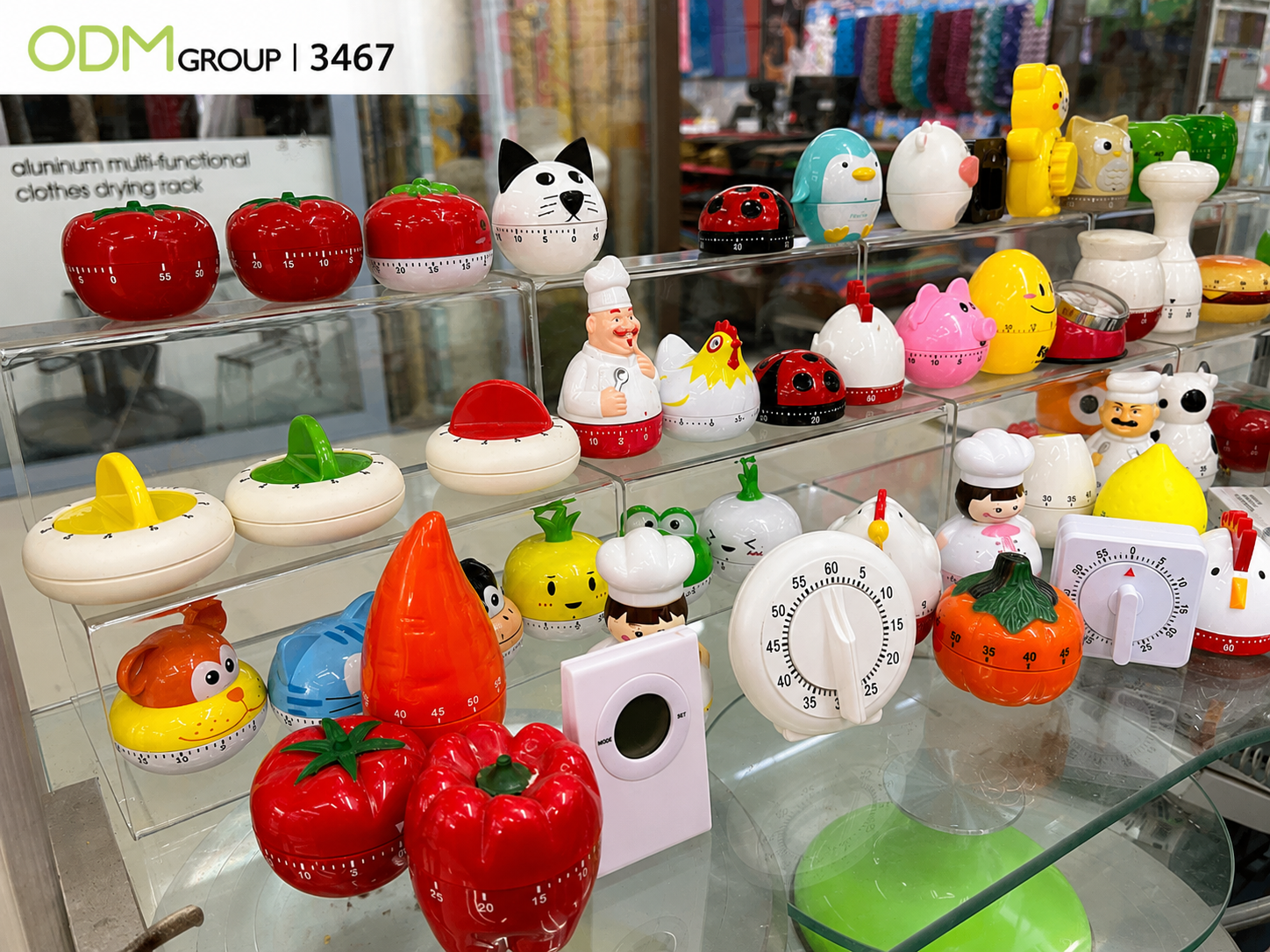
Custom kitchen timers solve many of these problems because they already belong inside food-related environments.
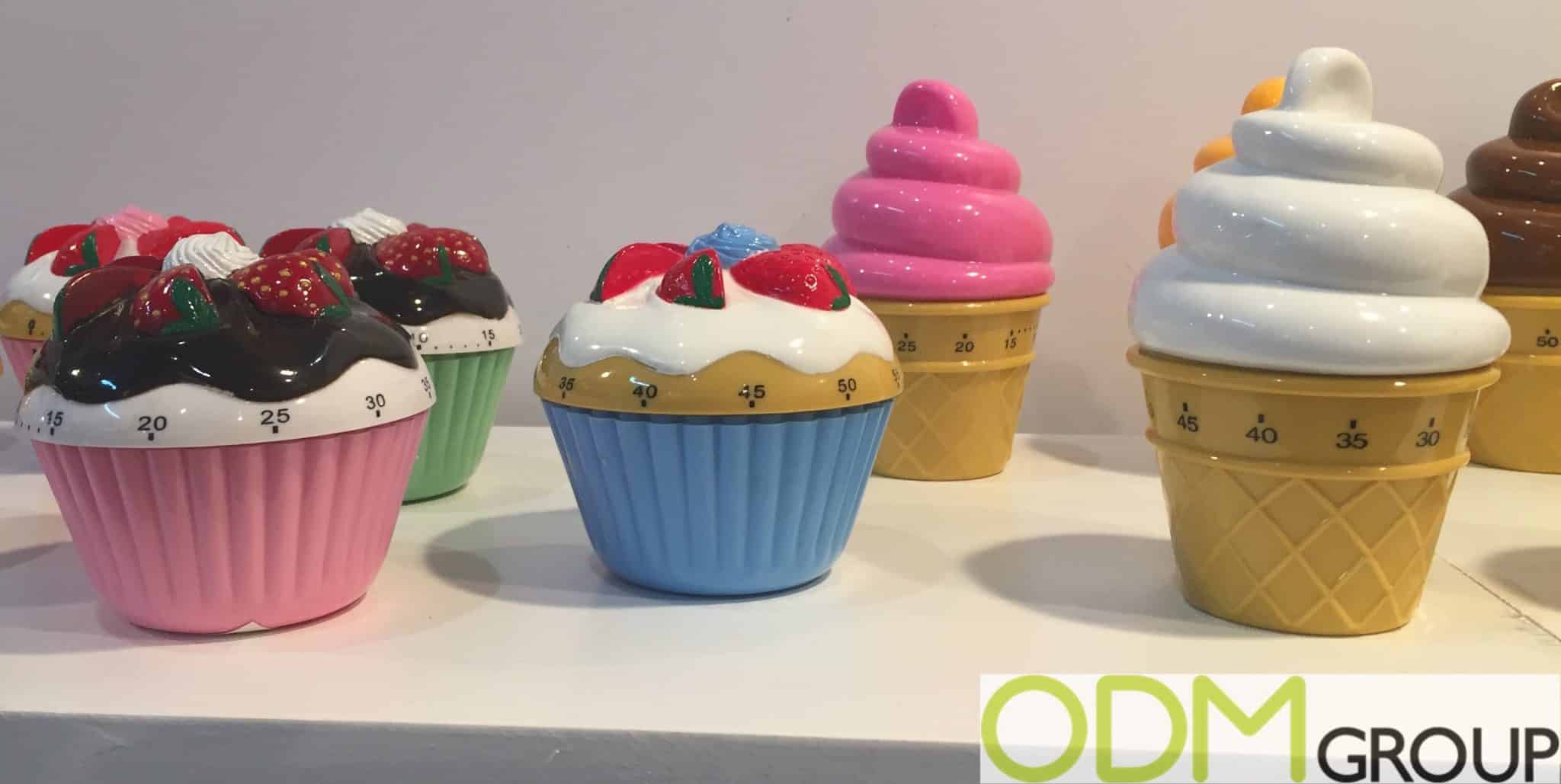
A tomato-shaped timer beside a stove, a chef-themed timer in a bakery, or a collectible animal timer inside a family kitchen feels naturally connected to cooking behavior. The product supports the experience rather than interrupting it.
That contextual alignment changes how customers perceive both the product and the brand behind it.
5 Ways Food Brands Are Using Custom Kitchen Timers Strategically
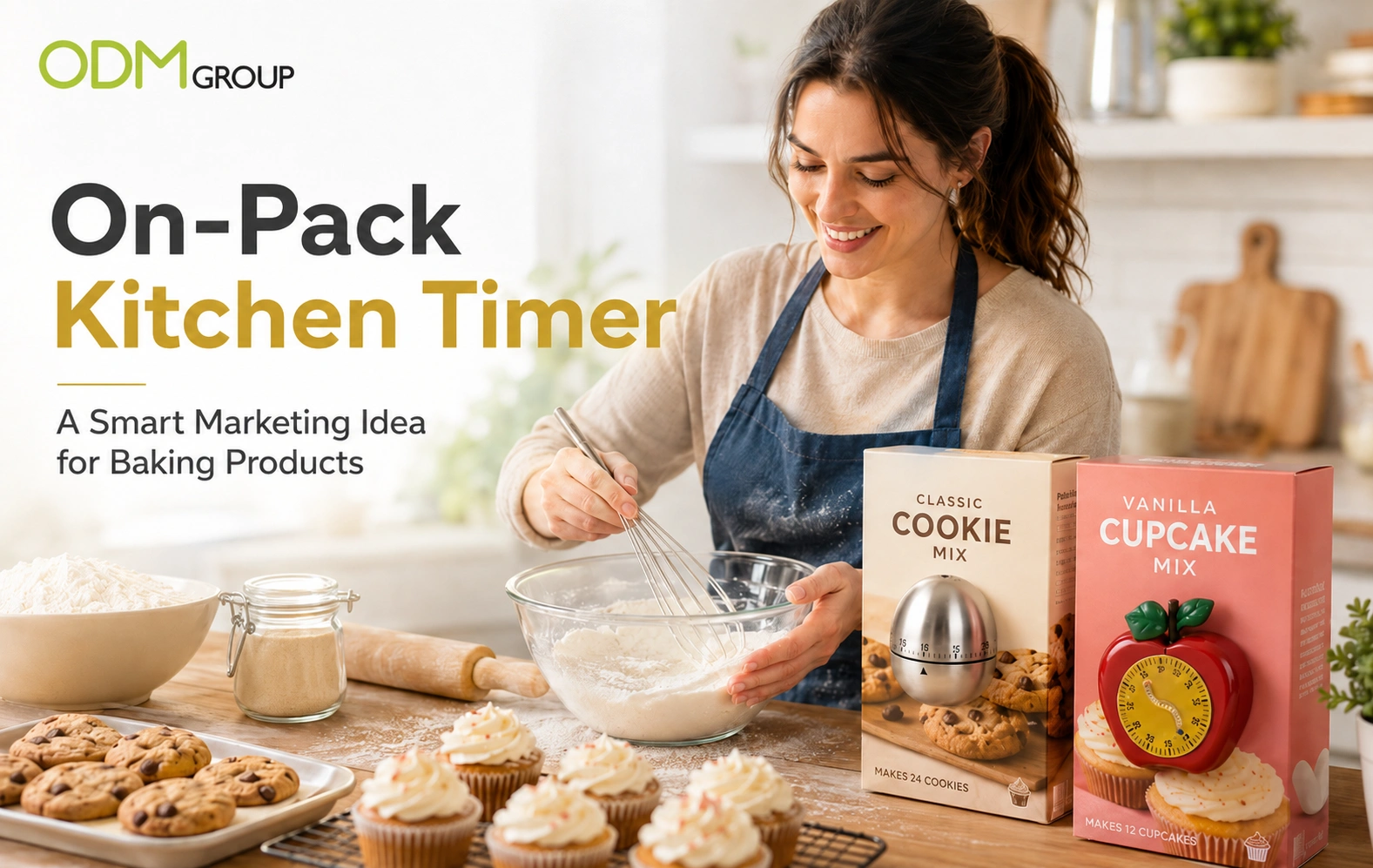
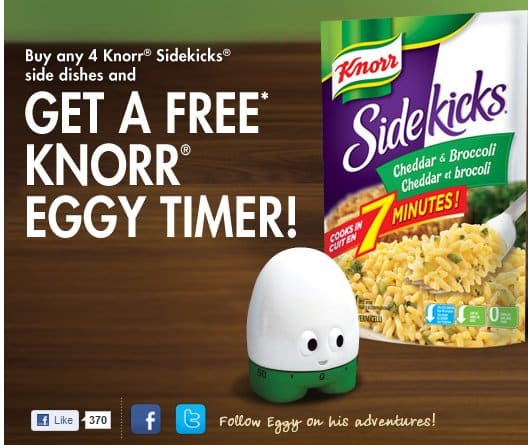
1. Retail Gift-With-Purchase Campaigns
Custom kitchen timers increase perceived campaign value while remaining scalable for retail promotions.
Brands can create timer concepts directly connected to their product category, including:
- vegetable-shaped timers
- coffee-inspired designs
- chef characters
- collectible food series
- beverage-themed concepts
This creates stronger campaign cohesion while helping the product feel intentionally designed rather than generically sourced.
2. Loyalty and Redemption Programs
Collectibility transforms customer participation.
A single promotional item creates temporary interaction. A collectible timer series creates anticipation, repeat purchases, and ongoing campaign engagement. This strategy performs particularly well for grocery retailers, convenience chains, beverage campaigns, and family-oriented brands.
The emotional appeal of collectibility often becomes more valuable than the product’s practical functionality itself.
3. Restaurant and Cafe Merchandise
Restaurants are increasingly evolving beyond dining experiences into lifestyle branding.
Custom kitchen timers fit naturally into this shift because they extend food experiences into customers’ homes. A well-designed timer can function as branded cafe merchandise, baking workshop memorabilia, chef collaborations, or seasonal restaurant merchandise.
Instead of operating purely as advertising, the product becomes part of the broader brand experience.
4. Seasonal Food Activations
Seasonal campaigns become more valuable when the products remain useful after the campaign period ends.
Custom kitchen timers perform particularly well during:
- Holiday baking promotions
- Lunar New Year campaigns
- Ramadan meal preparation kits
- Summer BBQ activations
- Valentine dessert promotions
Reusable kitchenware extends campaign visibility long beyond the initial promotional window.
5. Retail Display and Impulse Engagement
Retail environments reward interruption.
Customers move quickly through stores, filtering out products that visually blend into surrounding shelves. Novelty kitchenware performs strongly because unusual shapes, bright colors, and playful character concepts naturally create pause moments.
A custom kitchen timer shaped like a tomato, pumpkin, chef, or animal immediately attracts more attention than standard promotional products.
That interruption creates valuable retail engagement without relying entirely on packaging or signage.
Turn Everyday Kitchen Routines Into Long-Term Brand Familiarity
The most effective food marketing often happens quietly.
Not through interruption, but through repeated visibility inside environments customers already associate with comfort, routines, and food experiences. Products that remain inside kitchens create familiarity in ways short-term promotional campaigns often cannot replicate.
That is why custom kitchen timers continue gaining value for modern F&B marketing.
Whether your brand is planning a retail activation, loyalty program, seasonal promotion, or restaurant merchandise launch, the right timer concept can transform everyday kitchen interaction into long-term brand visibility.
ODM Group helps food and beverage brands develop custom kitchen timers from concept through production, combining campaign strategy, creative development, and manufacturing expertise into products customers genuinely want to keep and use.
More Ideas


Latest Blogs
Promotional Products for Pets: Ideas Inspired by SmartHeart Pet’s Homie
During a visit to Vietnam, the ODM team came [...]

15 Promotional Products for Universities to Celebrate World Students’ Day
Promotional products for universities work best when they support [...]
Promotional Beer Bottle Opener: A Bottle-Shaped Gift for Brewery Campaigns
bottle shaped bottle opener, automatic bottle opener, promotional product for beer, beer promos
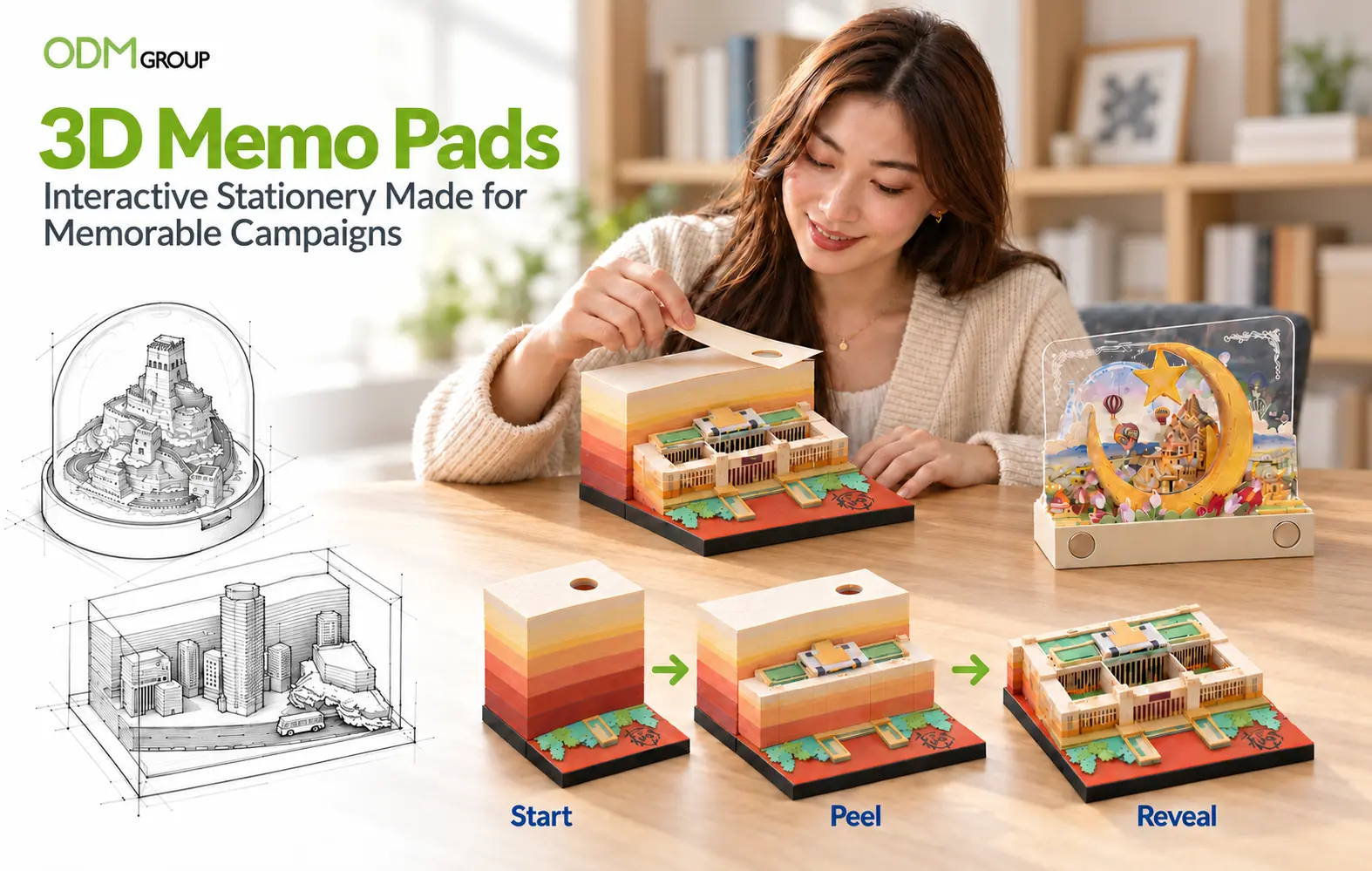
3D Memo Pads: Sculptural Designs for Brand Campaigns
3D memo pads combine an everyday office product with [...]
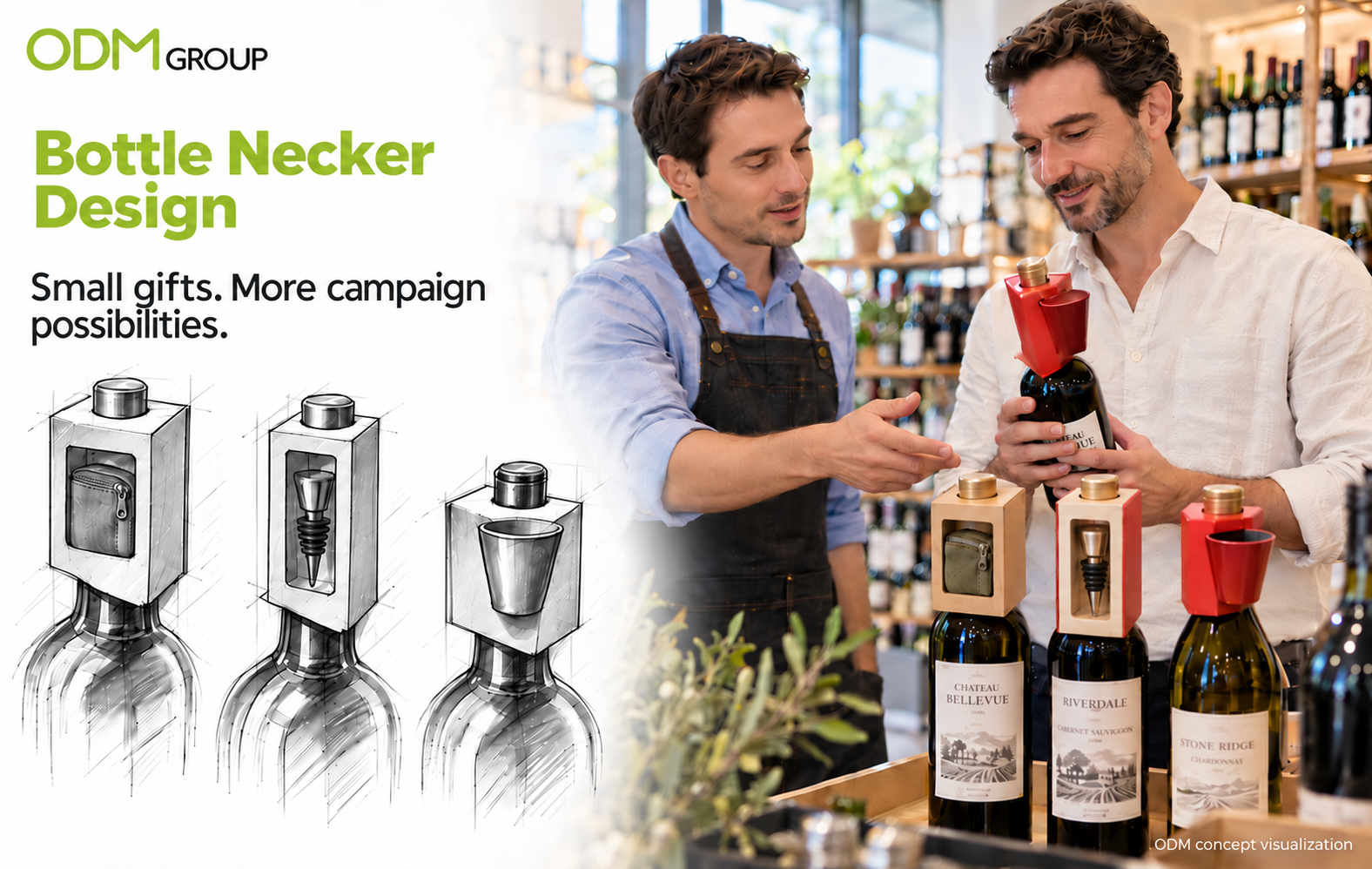
Bottle Necker Design: Creative Ideas for Your Next Promotion
A bottle necker gives a brand a little extra [...]
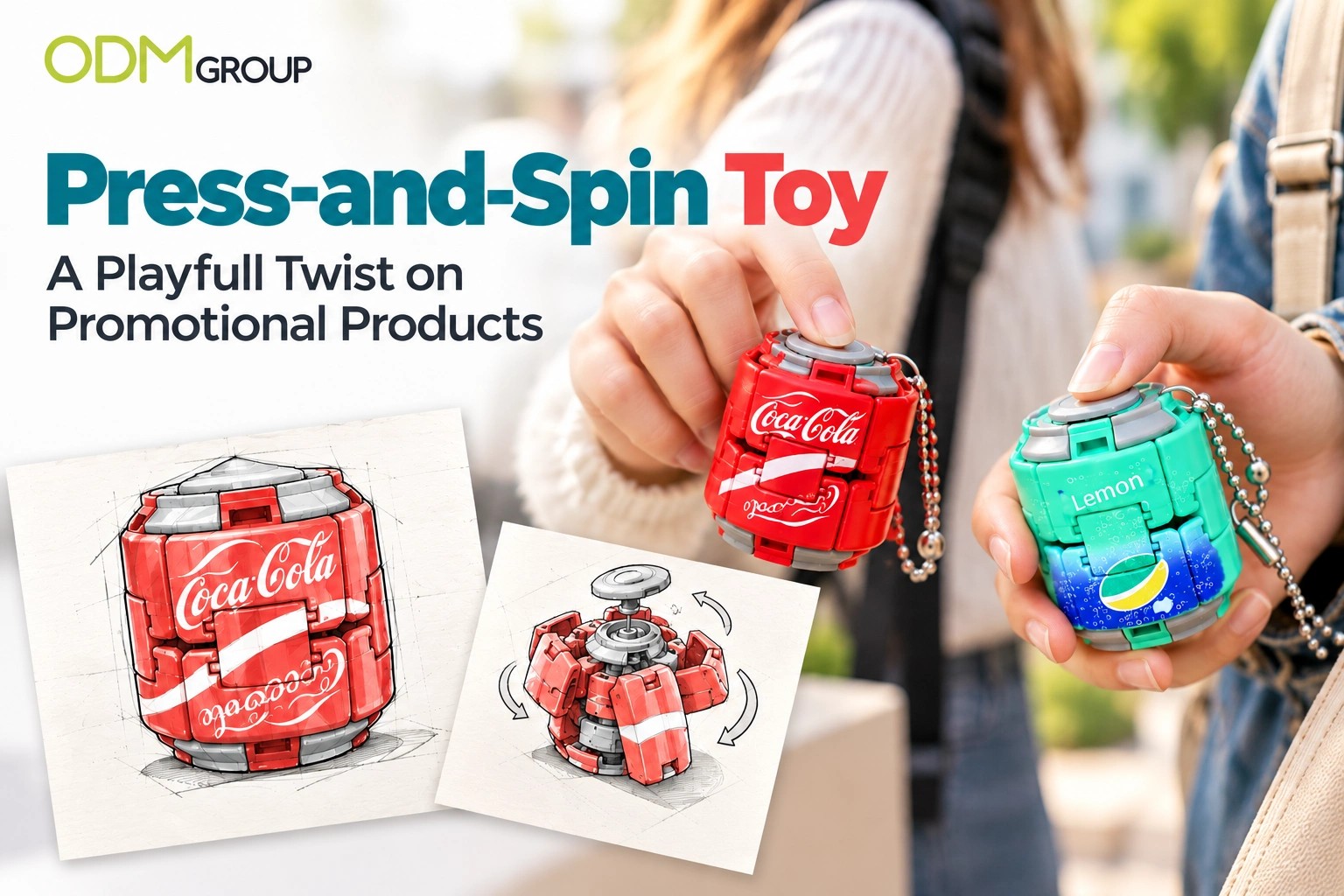
Press-and-Spin Toy: A Playful Twist on Custom Promotional Products
Promotional products are more memorable when they offer more [...]