
Have you ever strolled along a beach littered with plastic waste or driven past a towering landfill? The reality is our planet is suffocating under non-biodegradable packaging and disposable plastics.
Eco-friendly packaging presents a tangible solution to combat the growing mountain of waste, offering a path toward a more sustainable future for future generations. By embracing environmentally-conscious packaging choices, we can collectively reduce our environmental footprint and promote the health of our planet, one product at a time.
While it may seem like a small step, adopting these best eco-friendly packaging is a powerful way for consumers and businesses to drive meaningful change and ensure our world remains vibrant and beautiful for our children.
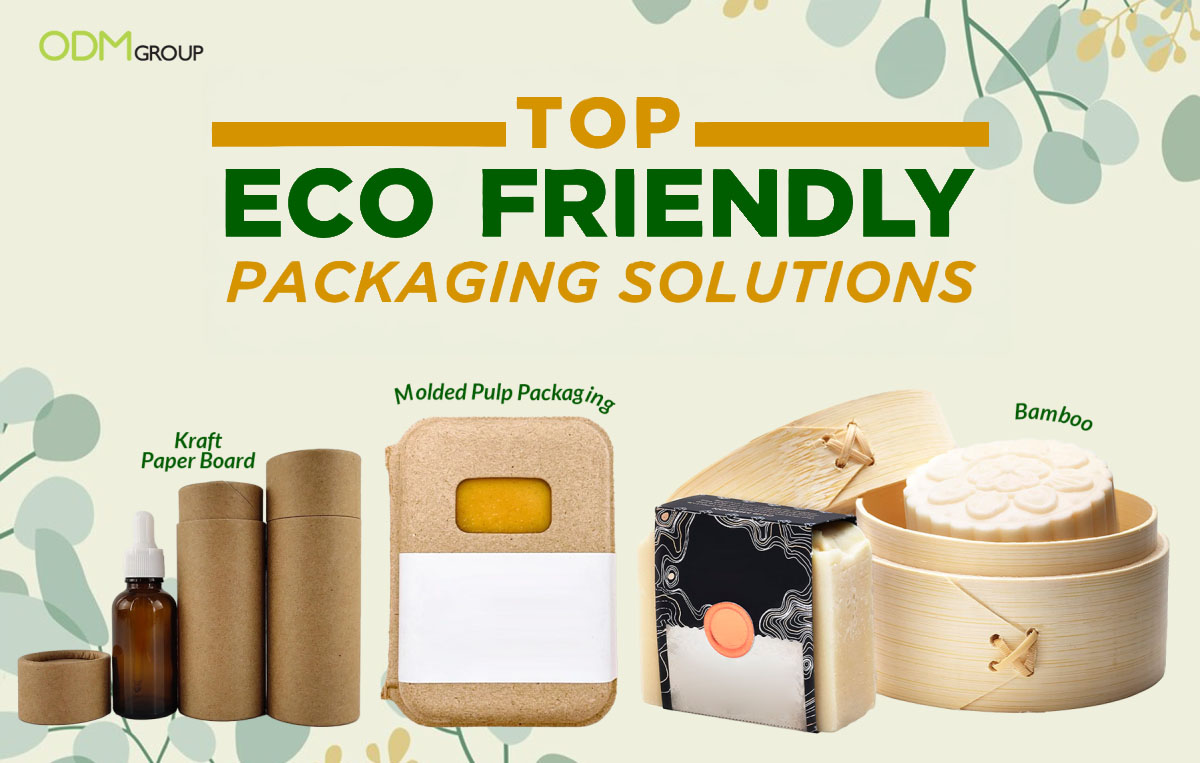
What Makes Packaging Eco-Friendly?
Eco-friendly packaging is thoughtfully designed with the environment in mind from start to finish. Instead of relying on conventional plastics and non-renewable resources, these packaging solutions prioritize materials that are kinder to the planet.
But what exactly qualifies packaging as eco-friendly?
- Materials that can be replenished naturally over time.
- Production processes that minimize carbon emissions and waste.
- Packaging that can be reused multiple times or easily recycled.
Therefore, recyclable materials like paper, cardboard, and certain plastics are also frequently incorporated, allowing the packaging to be broken down and reused in new products after its initial purpose is served.
By favoring renewable, recyclable, and biodegradable components, eco-friendly packaging reduces strain on finite natural resources while minimizing the ecological impact of manufacturing and disposal. It’s an intelligent solution that aligns packaging needs with environmental stewardship.
Eco-Friendly Packaging from ODM
We break down the best eco-friendly packaging solutions by material, so you can identify which works best for your product, audience, and marketing objectives.
1. Paper-Based Packaging
Paper-based packaging is the most widely adopted eco-friendly packaging solution—and for good reason. It is recyclable, adaptable, and suitable for a wide range of industries.
From retail bags to rigid boxes, paper materials allow brands to balance sustainability with strong visual branding.
-
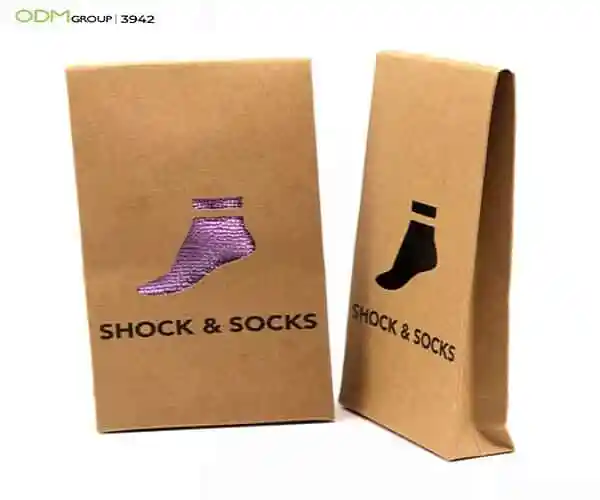
Kraft paper packaging for a natural, eco-conscious look
-
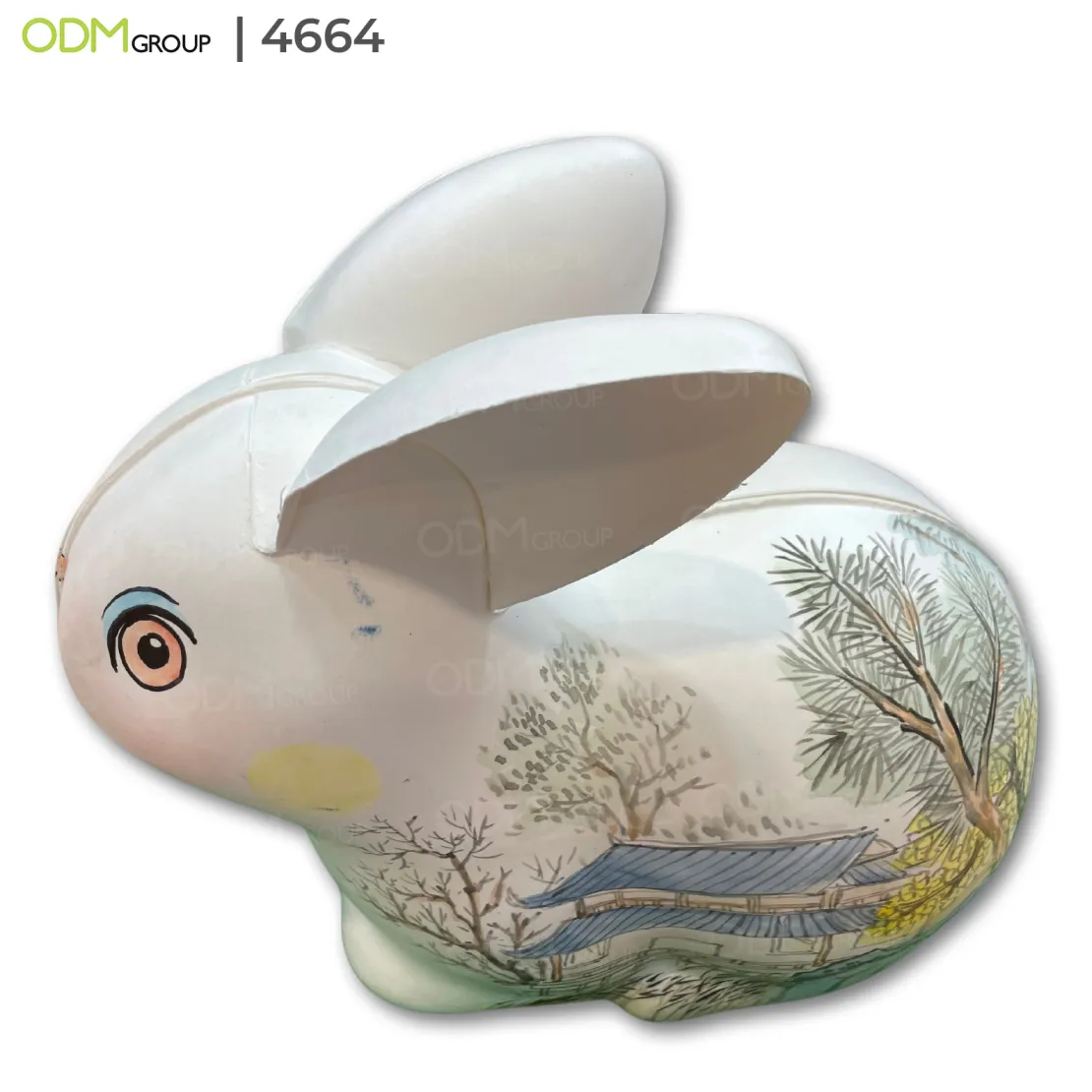
Paper pulp packaging for molded protection
-
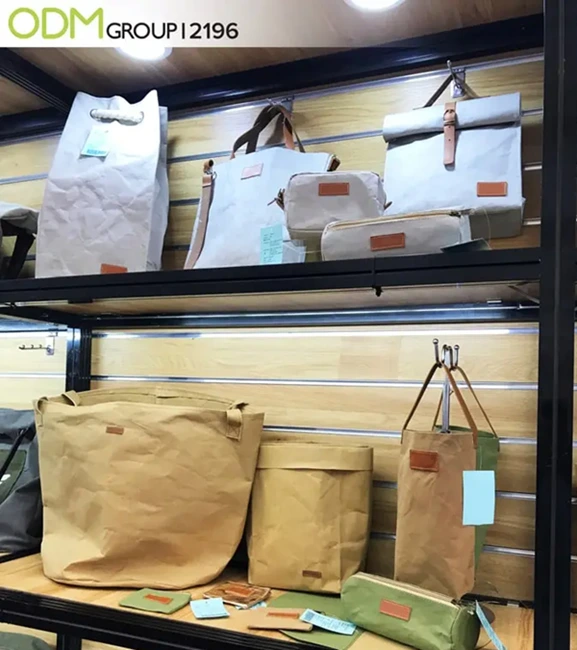
Custom paper bags for retail and events
-
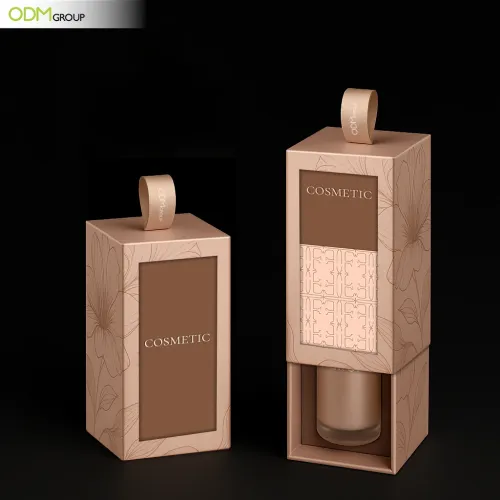
Slide box packaging for premium presentation
2. Metal Packaging (Durable and Premium)
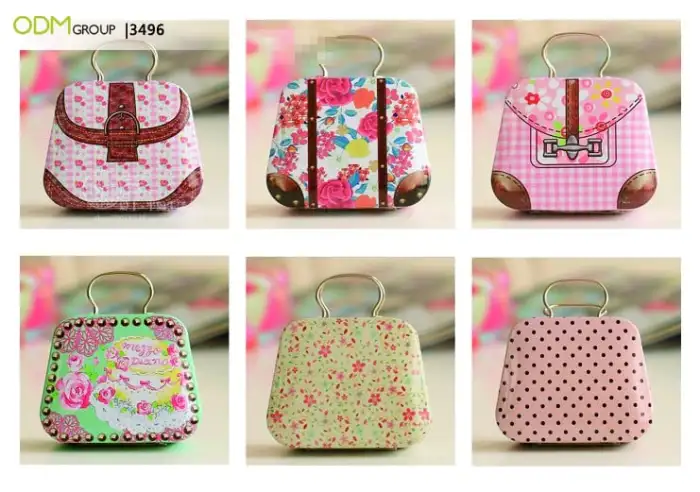
Metal packaging offers durability and a strong premium feel, making it ideal for brands looking to elevate their product positioning. Unlike disposable packaging, metal tins are often reused, extending brand visibility long after the initial purchase.
3. Fabric Packaging (Reusable and Lifestyle-Oriented)
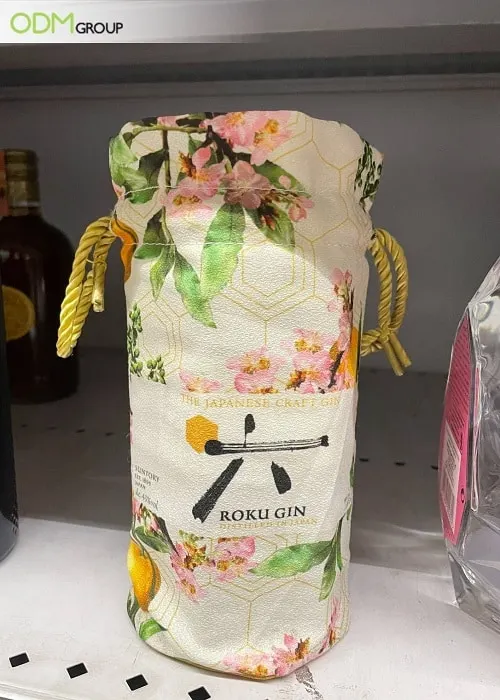
Fabric packaging transforms packaging into a functional product. Instead of being discarded, it becomes part of the customer’s daily life. This creates repeated brand exposure while reinforcing sustainability messaging.
4. Wood Packaging (Luxury and Long-Term Value)
Wood packaging is often associated with premium products. It communicates quality, craftsmanship, and durability. For high-value items, the packaging itself becomes part of the product experience.

5. Bamboo Packaging (Modern and Sustainable)
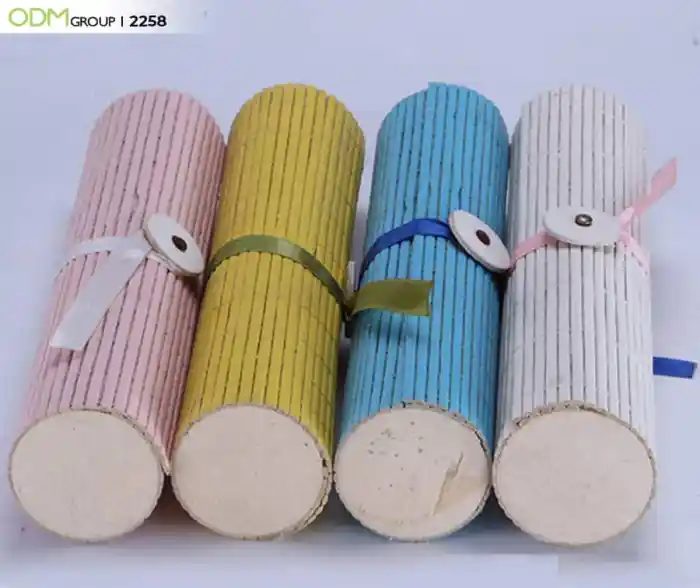
Bamboo is one of the fastest-growing renewable materials, making it a strong alternative to traditional wood or plastic packaging. It offers a clean, modern aesthetic while reinforcing eco-conscious branding.
What is Sustainable Design in Packaging?
Sustainable packaging design takes a holistic, cradle-to-cradle view that scrutinizes every stage of the packaging lifecycle.
It all starts with careful material selection that prioritizes renewable, recyclable, and biodegradable components like plant-based plastics, paper, and agricultural byproducts. These eco-friendly materials reduce reliance on finite resources while enabling responsible end-of-life disposal or recycling.
Yet sustainable design goes well beyond materiality alone. Manufacturing processes are meticulously optimized to be energy and water-efficient, embracing renewable power sources. Excessive packaging is stripped away through smart design, eliminating any superfluous materials.
Even transport and distribution logistics are analyzed, resulting in lightweight yet durable packaging engineered to reduce transportation emissions.
10 Tips For Eco-friendly Packaging
Opt for Biodegradable MaterialsAn excellent way to green up your packaging is to utilize biodegradable materials that harmlessly break down over time. Get creative with innovative options like compostable cornstarch or mushroom packaging, or even explore seaweed-based solutions. |
Recycle and Enable RecyclingIncorporating recycled components into your packaging reduces the need for virgin materials. And making your packaging recyclable helps close the loop. Recycled cardboard, paper, and certain plastics are smart choices. Clearly labeling packages as recyclable guides customers on proper disposal. |
Embrace MinimalismWhen it comes to eco-friendly packaging, simplicity reigns supreme. Minimalist designs cut down on excess material waste while potentially reducing shipping costs too. Aim for functional yet minimal packaging – just enough to protect the product. |
Ditch the PlasticPlastic pollution plagues ecosystems globally. Eliminating plastic from your packaging is a powerful sustainability step. Explore plastic alternatives like glass, aluminum, or biodegradable materials instead. If plastic is unavoidable, limit its use as much as possible. |
Design for ReusabilityReusable packaging provides value beyond the initial use while preventing waste. Jars, tins, and durable boxes or cases are great reusable options that allow consumers to repurpose the packaging – boosting your brand visibility, too! |
Try Compostable PackagingFor organic products, compostable packaging is an eco-conscious choice that enriches soil instead of polluting it. Just be sure any compostable materials are properly certified and clearly labeled so customers know how to compost them. |
Source LocallyLowering your carbon footprint involves looking at more than just the packaging materials. Working with local suppliers minimizes emissions from long-distance transportation while supporting your community’s economy. |
Educate CustomersCustomers play a vital role in closing the packaging loop through proper disposal. Provide clear instructions – even a QR code linking to detailed recycling/composting guidance – to empower them to handle your eco-friendly packaging responsibly. |
Find Sustainable SuppliersTeaming up with environmentally focused suppliers and partners amplifies your green packaging efforts. Seek out companies holding legitimate sustainability certifications that align with your environmental priorities. |
Continuously ImproveSustainability is an ongoing journey of progress, not a final destination. Regularly reevaluate your packaging choices, gather customer feedback, and stay updated on emerging eco-friendly materials and technologies to enhance your approach. |
How to Move to Environmentally Friendly Packaging
As eco-consciousness grows, businesses must adopt sustainable packaging solutions to meet customer expectations and reduce their environmental footprint. Here are some tips to smoothly transition to eco-friendly packaging:
Analyze Your Current Packaging Thoroughly
Before making changes, thoroughly audit your existing packaging materials and processes. Identify areas where you can reduce waste, switch to more sustainable options, or optimize the design for efficiency. Look for any excessive packaging layers or components that can be eliminated.
Choose Sustainable Material Sources
When selecting eco-friendly packaging materials, prioritize renewable and recyclable sources such as:
- Corrugated cardboard made from recycled fibers
- Molded fiber packaging crafted from:
- Recycled papers
- Plant-based materials like bamboo or sugarcane bagasse
- Compostable bioplastics derived from plants, offering biodegradable alternatives to conventional plastic
Cut Down on Packaging Through Smart Design
Minimizing packaging reduces resource consumption and waste. Conduct packaging design reviews to shrink dimensions to fit products as snugly as possible without sacrificing protection. Use lightweight yet durable materials and eliminate any unnecessary packaging layers, inserts, or void-fill. Streamlining your packaging design is an easy, eco-friendly win.
Get Customers and Staff Invested
Successful eco-packaging implementation requires buy-in from both customers and employees. Clearly communicate the sustainable benefits and positive environmental impact of your new packaging approach. Consider showcasing your “green” packaging revamp through marketing campaigns. And ensure staff thoroughly understands proper handling and disposal methods for eco-materials.
Continuously Evolve and Optimize
Prioritize sustainability as an ongoing journey rather than a one-time change. Stay up-to-date on the latest packaging innovations and regularly review your materials and processes. As new eco-friendly materials and technologies emerge, adapt your strategies to minimize environmental impact further over time. Consistent improvements will reinforce your brand’s commitment to environmental stewardship.
Discover the Best Eco-Friendly Packaging with The ODM Group
Are you seeking packaging that amplifies your brand’s commitment to sustainability? Look no further than The ODM Group’s eco-friendly packaging options. Our team of experts understands that eco-conscious buyers drive demand for green packaging and is dedicated to helping businesses meet and exceed those expectations.
At The ODM Group, the future of packaging is sustainable packaging. We collaborate closely with clients to develop cool, creative packaging concepts that resonate with environmentally minded customers. By marrying eye-catching aesthetics with responsible material sourcing and smart eco-design, their packaging increases brand marketing while making a positive environmental impact.
Choose The ODM Group and positively impact the environment with the best eco-friendly packaging solutions.
Explore more ideas


Frequently Asked Questions
What materials are commonly used in eco-friendly packaging?
Eco-friendly packaging typically uses materials such as paper, kraft, molded pulp, bamboo, wood, fabric, and metal. These materials are either recyclable, reusable, or derived from renewable resources.
What is the difference between sustainable and eco-friendly packaging?
Eco-friendly packaging focuses on reducing environmental impact, while sustainable packaging considers the full lifecycle—including sourcing, production, usage, and disposal. The best solutions combine both.
Which eco-friendly packaging is best for retail stores?
Paper-based packaging, especially kraft bags and custom printed boxes, is widely used in retail due to its cost efficiency and branding flexibility. Fabric bags are also effective for reusable retail packaging.
What is the most durable eco-friendly packaging option?
Metal and wood packaging are among the most durable options. They offer long-term reuse and are ideal for premium products or gift sets that require protection and presentation.
What to Read Next?

How Aluminum Tube Cosmetic Packaging Are Made and Tested
As sustainability becomes a core focus in the cosmetics [...]

Sparkle on a Budget: Affordable Jewelry Packaging Ideas
When it comes to launching a jewelry business, presentation [...]
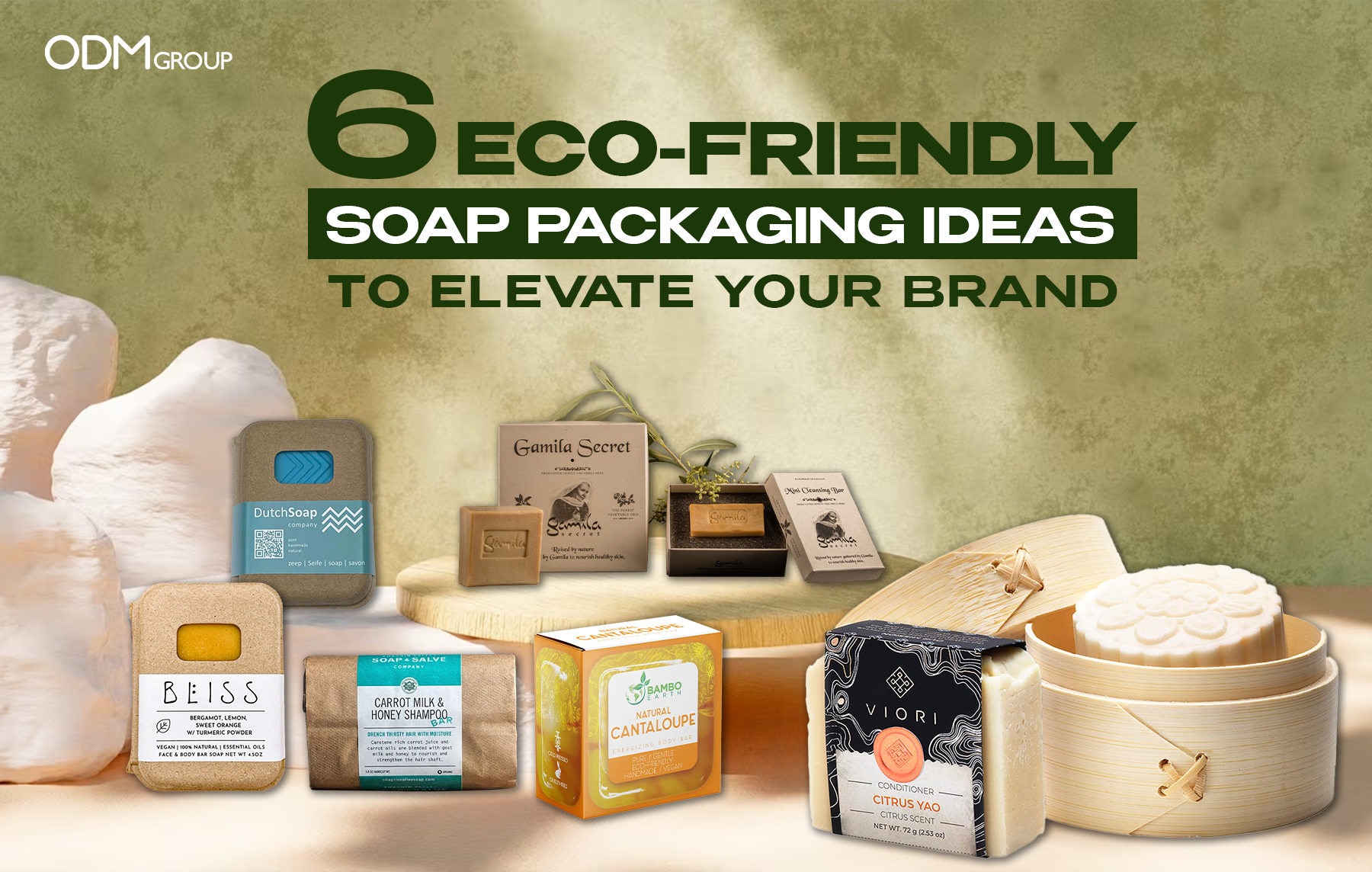
6 Eco-friendly Soap Packaging Ideas To Elevate Your Brand
Proper packaging is a powerful tool for brand identity, [...]
Multi-Purpose Takeout Packaging: Catering to Food Industry’s Diverse Need
Imagine providing your customers with a convenient and stable [...]
Choosing the Right Custom Packaging Manufacturer: What Brands Need to Know
Let's face it. In today's competitive marketplace, having a [...]


Top 4 Things Your Customized Packaging Material Says About Your Brand
Promotional product packaging plays an essential role in in-store [...]