
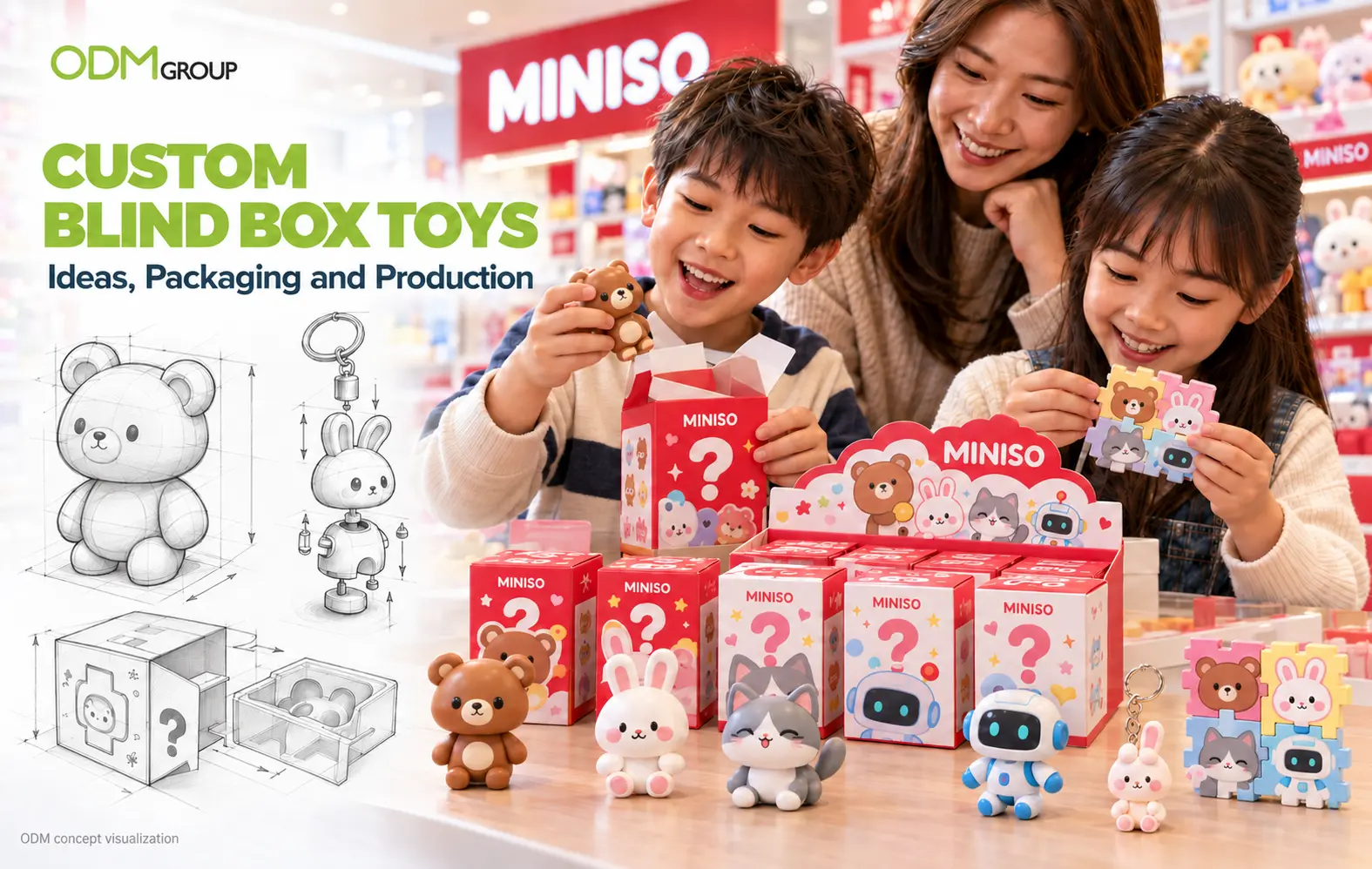
Blind box toys give brands a playful way to turn promotional products into collectible experiences. Each sealed package contains one surprise toy from a wider series, encouraging customers to open, collect and exchange different designs.
Brands can develop custom blind box toys for gift-with-purchase campaigns, loyalty rewards, product launches, event merchandise and retail promotions. The format can extend engagement beyond the first transaction because customers may return to find another character or complete the collection.
However, a successful series requires more than an appealing character. Brand and procurement teams must plan the collection, packaging, tooling, safety testing, random packing and delivery schedule before production begins. This guide explains the main decisions involved in developing blind box toys for a commercial campaign.
What Are Blind Box Toys?
A blind box toy is a collectible item sold or distributed inside sealed packaging. Customers can usually see the possible designs on the box, but they do not know which toy they will receive until they open it.
The toy may be a figurine, mascot, miniature product, keychain, charm or small play item. A collection normally contains several related designs connected by one visual theme. Some programs also include a limited or rare variation, although the distribution must be planned and communicated carefully.
Blind box toy formats can include:
- Miniature figurines
- Keychains and bag charms
- Pins and badges
- Magnets
- Patches
- Buildable toy components
- Small play accessories
- Puzzle or scene pieces
- Character collectibles
- Miniature versions of a brand’s products
The appeal comes from the surprise, the reveal and the desire to build a complete set. For brands, this makes both the toy and its packaging part of the campaign experience.
Why Brands Use Blind Box Toys in Promotions
Blind box toys combine a physical reward with an element of discovery. They can help a campaign attract attention at the point of sale, encourage repeat participation, and give customers something they can display or share.
They can support several objectives:
- Increase the perceived value of a qualifying purchase
- Introduce a brand mascot or campaign character
- Encourage customers to return for additional designs
- Create limited-edition merchandise for an event or launch
- Connect physical products with digital content through QR codes
- Give loyalty members a collectible reward
The mechanic should still provide fair value. Every standard design should feel desirable, rather than making most customers feel that they received an inferior item.
Blind Boxes vs. Blind Bags: Which Packaging Works Better?
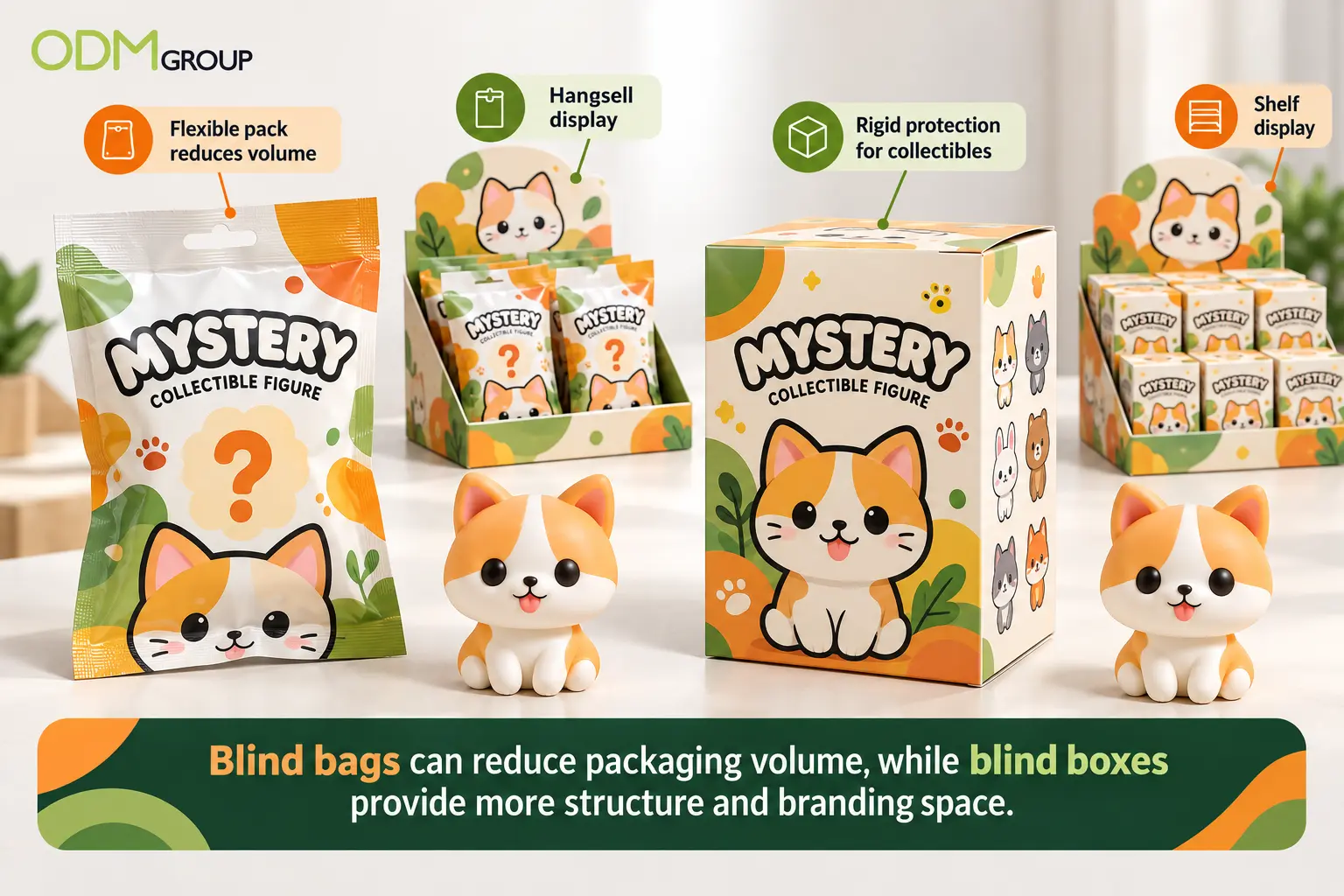
Blind box toys do not always have to use a carton. Some small toys can be concealed in an opaque blind bag. The best format depends on the toy, desired presentation, retail environment, budget and distribution method.
| Consideration | Blind bag | Blind box |
|---|---|---|
| Structure | Flexible sealed pouch | Rigid or folding carton |
| Best suited to | Flat, soft or lightweight items | Figurines and products needing more protection |
| Display impact | Compact and easy to hang | Strong shelf presence and more printable panels |
| Shipping volume | Usually lower | Usually higher |
| Product protection | Limited unless an inner tray is added | Better protection from crushing and movement |
| Tamper evidence | Heat sealing can provide visible evidence | May require seals, labels or inner wrapping |
| Branding space | Limited by pouch size and seams | More space for artwork, instructions and collection guides |
| Typical retail presentation | Hangsell display, counter bowl or dispenser | Counter display, shelf tray or vending unit |
Blind bags work well when space and shipping efficiency are priorities. Blind boxes are usually better when the product needs structure, premium presentation or stronger shelf visibility.
Some campaigns use both formats. A lower-cost blind bag can support broad participation, while a boxed edition can offer stronger protection or a more premium collectible tier. In this article, blind bags are treated as an alternative packaging format for blind box toys rather than a separate campaign category.
Custom Blind Box Toy Ideas for Brand Campaigns
The most effective concept is not simply a random object. Each item should connect to the brand, campaign story or audience.
1. Miniature Product Replicas
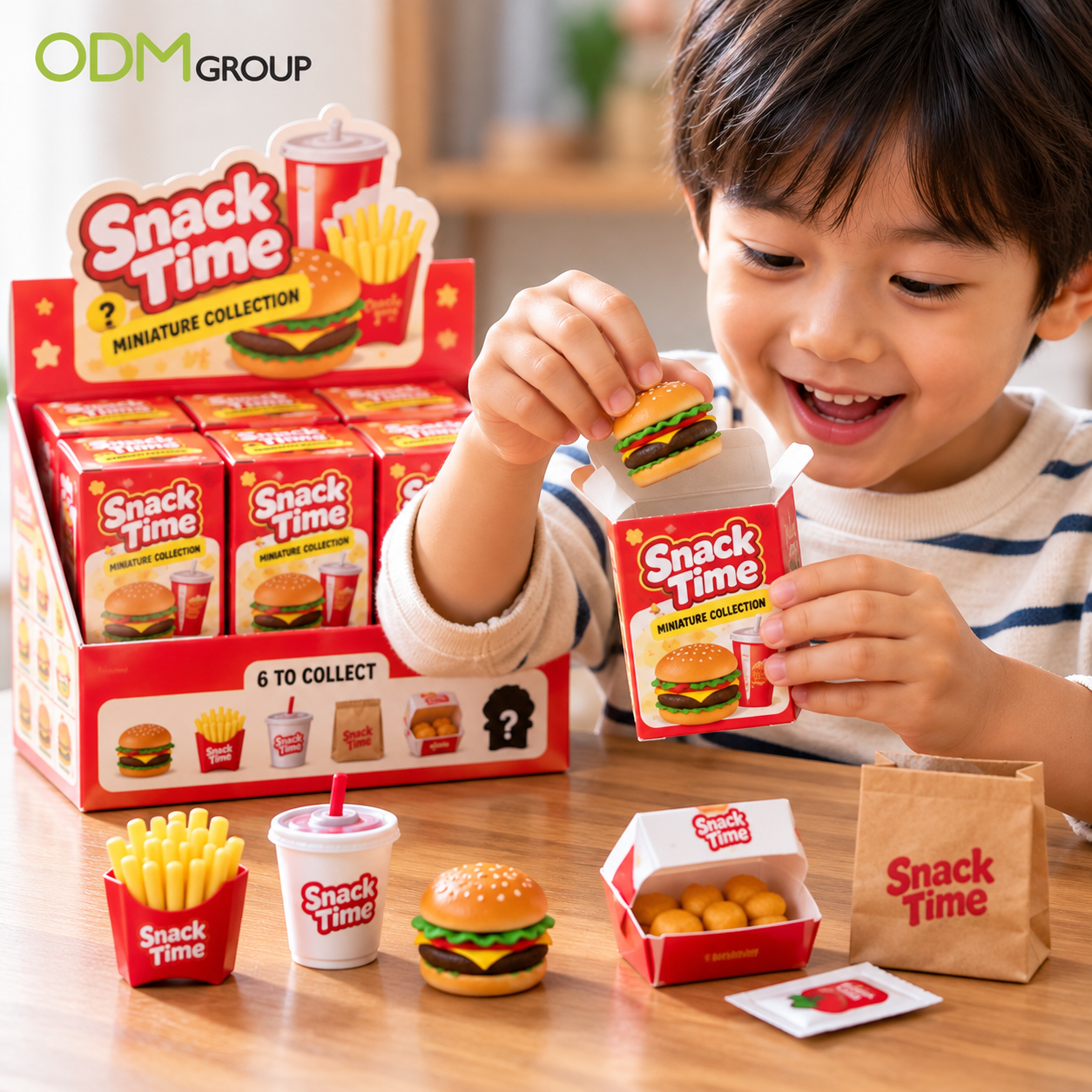
Small replicas of packaging, vehicles, equipment or signature products can turn familiar brand assets into collectibles.
This works particularly well for food, beverage, automotive, technology and retail brands.
The design should simplify small details that may not reproduce reliably at miniature scale.
Logos, moving parts and sharp features need review during prototyping.
2. Brand Mascot Collectibles
A mascot can be developed into different outfits, activities or expressions. This approach gives the collection a consistent identity while creating enough variation to encourage repeat participation.
Brands should consider whether each figure requires a separate mould or whether one shared body can accept different colors and accessories. Reusing construction can help control tooling costs.
3. Pins, Badges and Patches
Pins and patches are compact, easy to collect and suitable for fashion, sports, entertainment and employee campaigns. They can also be displayed on a branded lanyard, bag or collector board.
The campaign can include category-based designs, such as teams, destinations, product flavors or employee achievements.
4. Toy Keychains and Character Charms
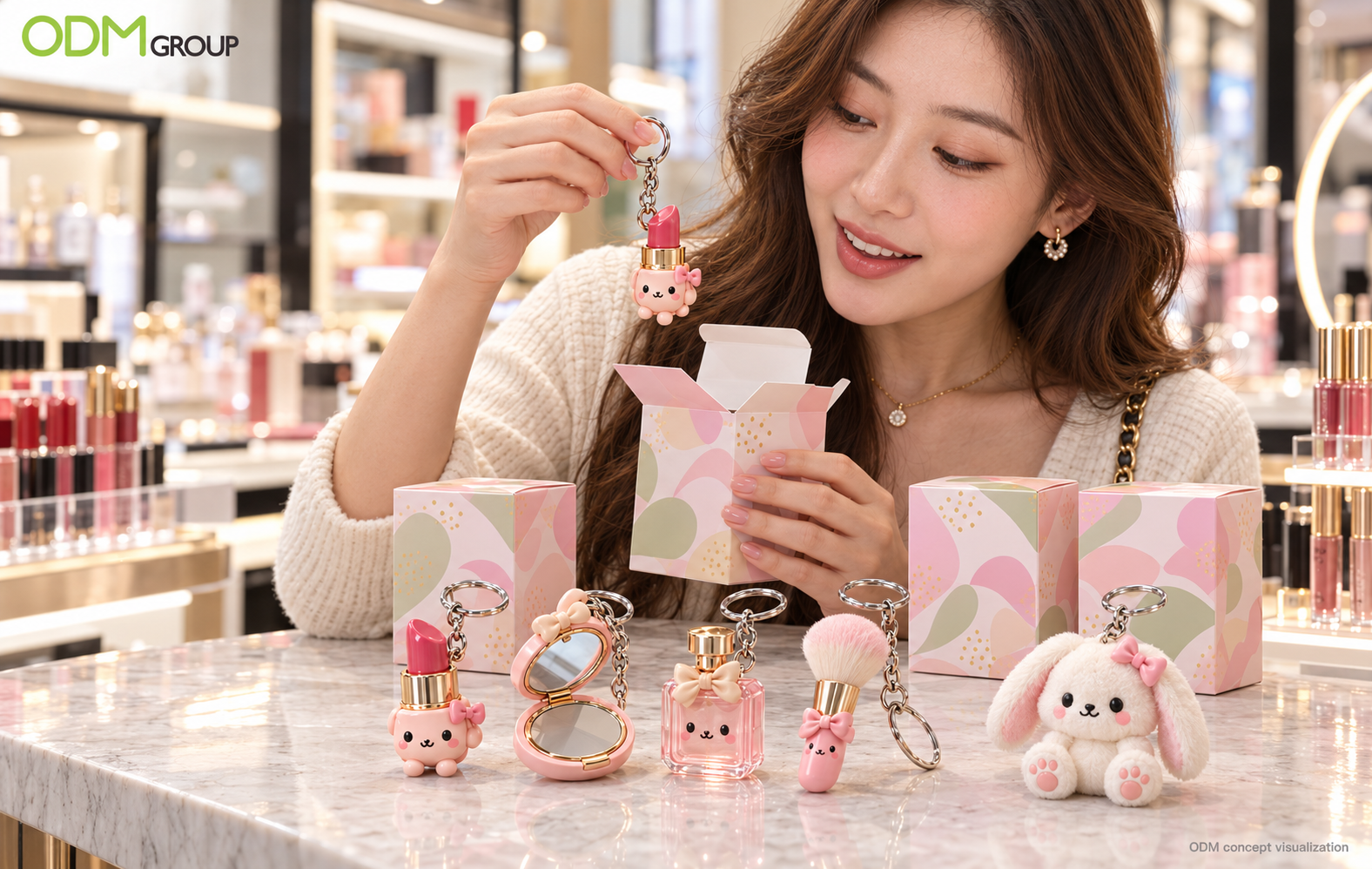
Toy keychains and character charms give customers a collectible they can use and display after the campaign.
They can be produced in soft PVC, metal, acrylic, fabric or molded plastic, depending on the desired finish and budget.
A common attachment system can be shared across the range while colors, shapes and character elements vary.
5. Interlocking Collection Sets
Each pack can contain one component of a larger object, scene or game.
Customers may collect pieces to build a display, complete a map or assemble a puzzle.
This format can support repeat participation, but every individual item should still provide some value.
Customers may become frustrated if a single piece has no purpose on its own.
6. Mini Play Sets and Buildable Toys
Each box can contain a small character, accessory or component that connects with the rest of the collection. Customers can combine the pieces to create a miniature scene, vehicle or branded display.
Construction must remain simple enough for the intended age group. Small connectors, detachable accessories and assembly instructions should be reviewed during prototyping and safety assessment.
7. Limited-Edition Seasonal Toys
Blind box toys can be developed around Christmas, Lunar New Year, summer campaigns, sports tournaments or brand anniversaries. A standard toy structure can sometimes be retained while the colors, accessories and packaging artwork change for each campaign.
This can reduce development work across a longer merchandise program, although forecasts must account for the shorter selling period of seasonal designs.
How to Plan a Blind Box Toy Collection
There is no universal collection size. The decision should reflect campaign duration, expected redemption, budget and the likelihood of customers participating more than once.
A small collection is easier to understand and complete. A large collection offers more variety but creates more artwork, tooling, quality-control and inventory complexity.
Before confirming the range, define:
- The total number of standard designs
- Whether there will be a rare or special design
- The planned production quantity for each design
- Whether every carton contains an equal distribution
- How duplicates will be handled
- Whether customers can trade or exchange items
- How the complete collection will be shown on the packaging
Brands should be transparent about the possible items and campaign rules. Avoid suggesting that a rare item is guaranteed unless the packing plan supports that claim.
Packaging and Retail Display for Blind Box Toys
The packaging must conceal the item while protecting it through packing, shipping and retail handling.
Blind Bags as an Alternative Pack
A blind bag may use an opaque film or flexible paper structure. The material must suit the product's shape and any sharp components. Seals should remain closed during shipping but still be practical for customers to open.
Artwork must account for seal areas, registration tolerances, gussets and cut lines. Legal text, age guidance and disposal information also need adequate space.

Blind Box Packaging
A folding carton provides more structure and more room for collection artwork. An inner tray, tissue wrap or sealed pouch can prevent the product from moving or revealing its identity before opening.
For fragile or painted figurines, the inner structure should prevent rubbing between the product and packaging.
Retail Presentation
Blind products can be displayed through:
- Countertop display boxes
- Shelf-ready trays
- Hangsell display strips
- Branded bowls or dispensers
- Redemption counters
- Vending machines
- On-pack attachments
The display quantity should match the store footprint and replenishment process. A visually impressive unit is not effective if store staff cannot refill it easily or shoppers cannot understand how to participate.
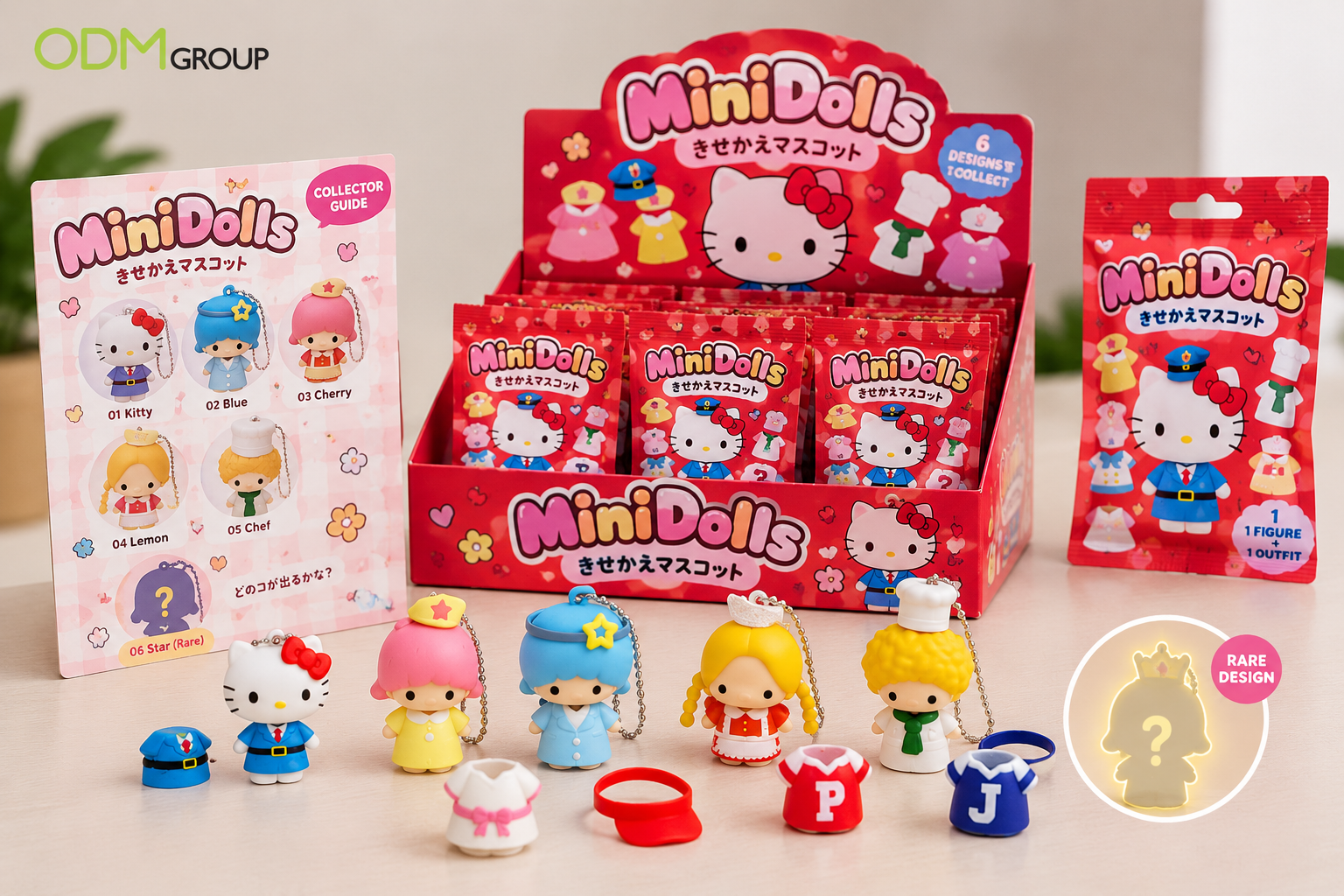
MOQ, Tooling and Lead-Time Factors
MOQ is affected by more than the number of finished products. Individual materials, molded components, printed packaging and decoration processes may each have their own minimum quantity.
Important cost and timing factors include:
- Number of designs in the collection
- Number of unique moulds
- Product size and material
- Decoration and assembly requirements
- Packaging structure and printing method
- Quantity split between designs
- Product testing and market requirements
- Approval rounds for licensed characters
- Packing and randomization method
- Final delivery destination
Brands can sometimes control MOQ by using one core construction across the collection. Color, printed artwork, accessories or surface details can then create variation without producing a completely different product every time.
The delivery date should be shared at the beginning of the project. Tooling, prototype revision, compliance testing, mass production, random packing and shipping all need to fit within the campaign schedule.
Safety, Testing and Compliance for Blind Box Toys
Blind box collectibles may be treated as toys, children's products or general consumer products depending on their design, intended audience and target market. Because many designs appeal directly to children, the correct toy-safety requirements must be confirmed before production.
Areas to review may include:
- Age grading
- Small parts and choking hazards
- Sharp points and edges
- Material and chemical restrictions
- Paint and surface-coating requirements
- Mechanical durability
- Flammability where relevant
- Packaging and labeling requirements
- Traceability markings
- Licensed-character approvals
The test plan should match the exact production materials and construction. Changing paint, plastic, attachments or packaging after testing may require further review.
Brands should avoid treating a product as an adult collectible solely to bypass requirements if its design, marketing or distribution clearly appeals to children.
Planning the Customer Experience
The physical product is only one part of the campaign. Brands also need to decide how customers qualify, receive, open and continue engaging with the collection. Our separate McDonald's mystery blind-box case study explains how collectability, social sharing and gamification can influence younger audiences.
Possible campaign formats include:
- Gift with purchase after reaching a spending threshold
- One blind item included with each qualifying product
- Loyalty points exchanged for a sealed collectible
- Event participation rewards
- Limited retail drops
- Employee recognition or onboarding activities
- QR-linked challenges that unlock different collection tiers
The quantity should be based on expected qualification and redemption, not total audience size alone. Campaign planners should model how many people may participate repeatedly and whether replenishment will be possible.
How ODM Develops Custom Blind Box Toys
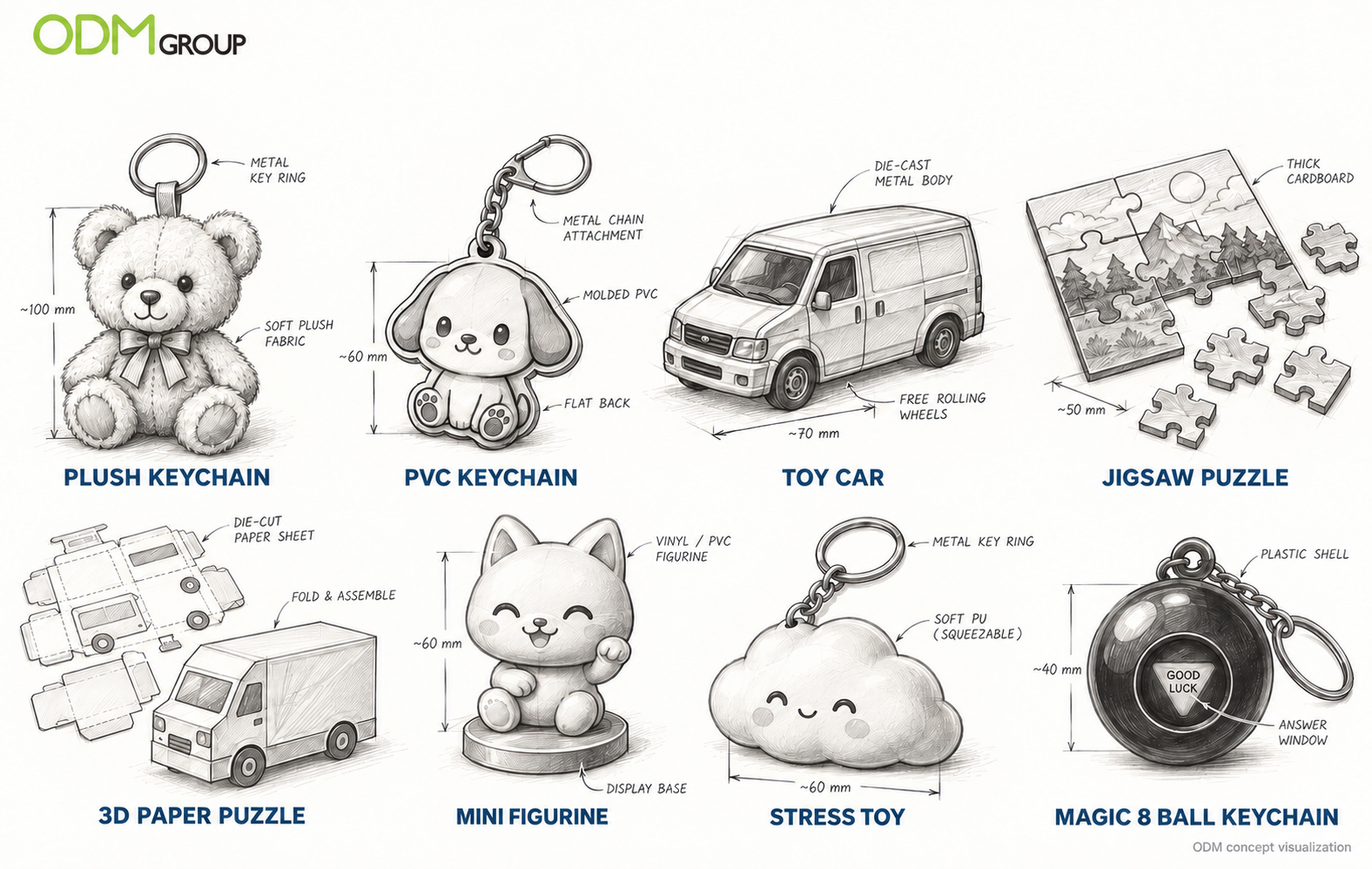
ODM Group helps brands turn a campaign objective into a manufacturable blind box toy program. The process can include:
1. Campaign briefing: Define the audience, distribution method, quantity, budget, market and delivery date.
2. Concept development: Build a collection theme and identify suitable product formats.
3. Sketching and visualization: Explore characters, products, packaging and display options.
4. Engineering: Refine dimensions, materials, attachments, moulds and assembly.
5. Prototyping: Review appearance, fit, finish, packaging and opening experience.
6. Factory selection: Match the concept with suitable production capabilities.
7. Testing and quality planning: Confirm applicable requirements and inspection points.
8. Mass production: Manage approved materials, decoration, assembly and random packing.
9. Packaging and logistics: Prepare the products for retail display, redemption or shipment.
Bringing product, packaging and retail execution together early helps reduce late changes and gives marketing and procurement teams a clearer production plan.
Develop Custom Blind Box Toys with ODM
Blind box toys can help brands turn a promotional product into a campaign customers continue to discuss, collect and share. The idea must be visually appealing, but it also needs workable tooling, packaging, quantities, testing and delivery planning.
Send ODM your target audience, preferred toy direction, number of designs, quantity, budget range, target market and delivery date. Our team can support concept development, sketching, prototyping, factory selection, packaging design, quality control and global logistics.
More Product Ideas
What is the difference between a blind bag and a blind box?
A blind bag uses flexible sealed packaging, while a blind box uses a carton or rigid pack. Both hide the product until opening, but boxes generally provide better protection and shelf presence, while bags can reduce packaging volume and work well for smaller items.
What types of toys can go inside a blind box?
Blind boxes can contain figurines, mascot toys, miniature product replicas, toy keychains, charms, buildable components and small play accessories. The product must fit securely inside the packaging and comply with the applicable requirements for its intended audience and market.
How many items should be in a blind box collection?
The right number depends on the campaign length, audience and expected repeat participation. Smaller collections are easier to complete, while larger ranges offer more variety but require more design, tooling and inventory control.
Can blind box toys be used as gifts with purchase?
Yes. A blind box toy can be included with a qualifying product, distributed at a redemption counter or offered after customers reach a purchase threshold. The qualification rules, available designs and campaign quantity should be clear to shoppers.
What to Read Next?
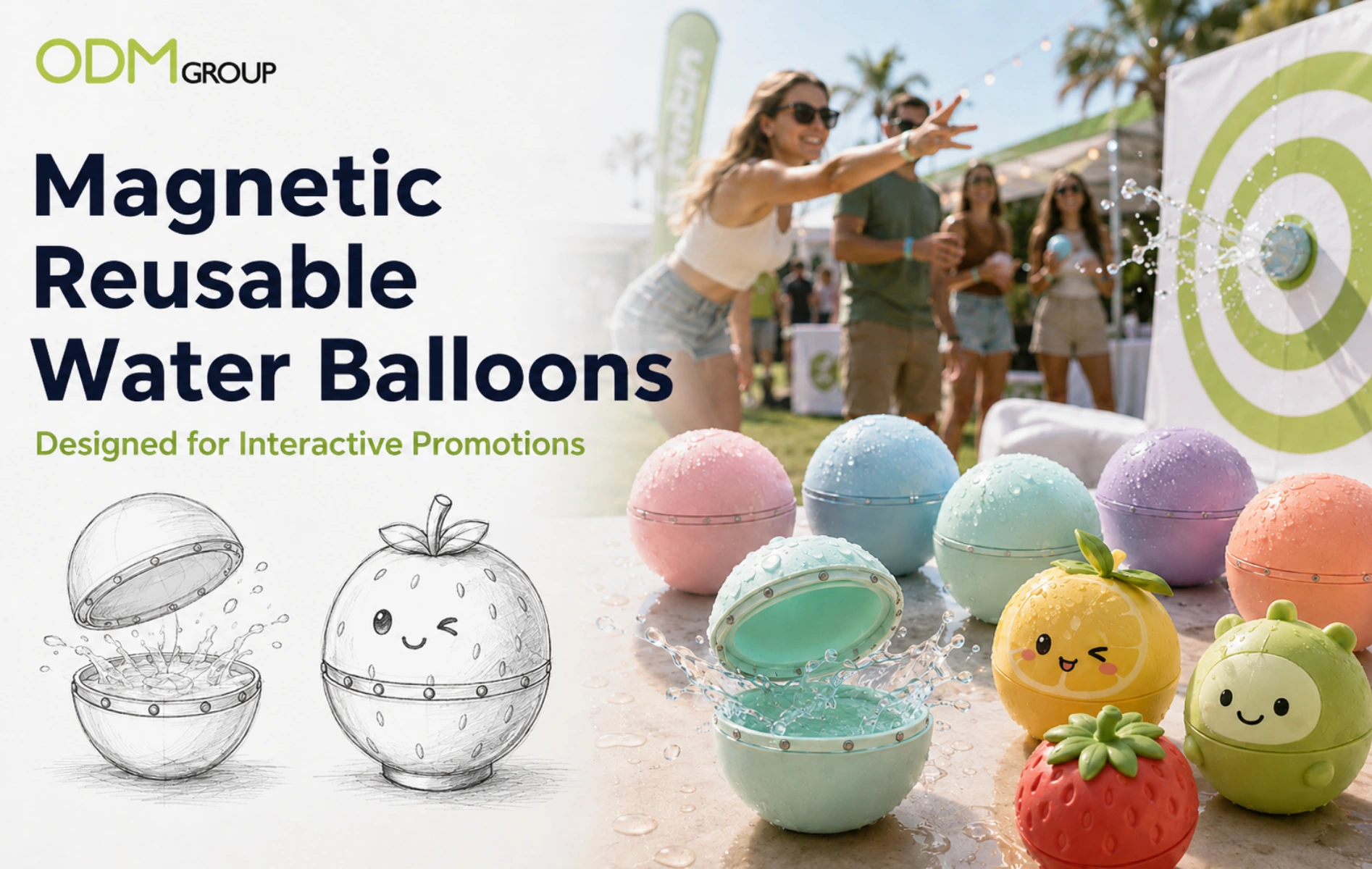
Magnetic Reusable Water Balloons for Interactive Promotions
Outdoor campaigns succeed when promotional products enhance the experience. [...]
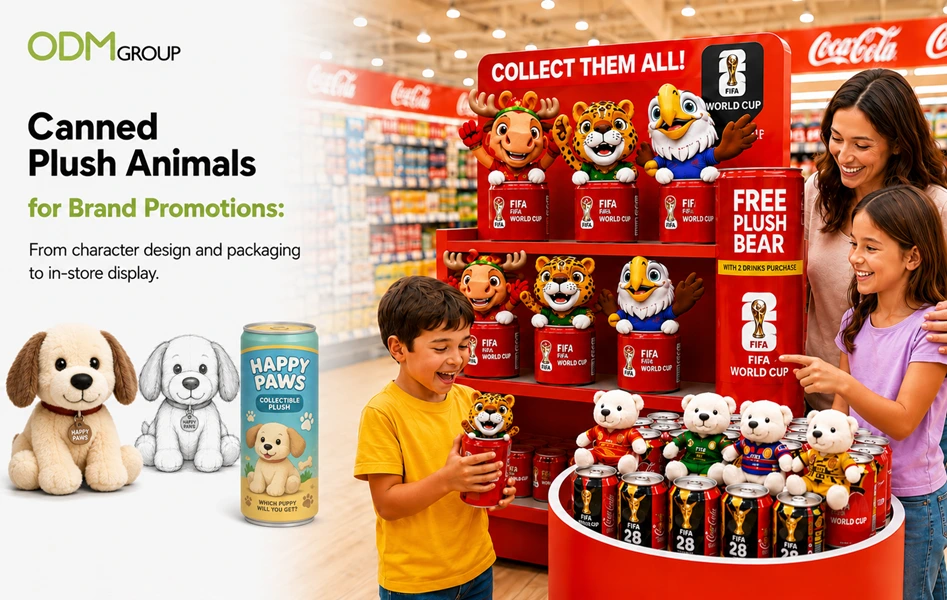
Canned Stuffed Animals: A Fresh Idea for Collectible Brand Campaigns
Canned stuffed animals combine two familiar product formats into [...]
Airport Marketing Ideas That Drive Real Results for Brands and Airlines
Airport marketing promotes brands, products, or services to influence airport [...]
DIY Kite Kits for Family-Focused Campaigns
Marketing to kids and parents works best when it [...]
How Customized Camera Toys Supercharge Brand Visibility
Promotional success often depends on how well a brand [...]
5 Tips to Drive Your Marketing to Success with Customized Toy Cars
When it comes to marketing to kids, capturing their [...]