
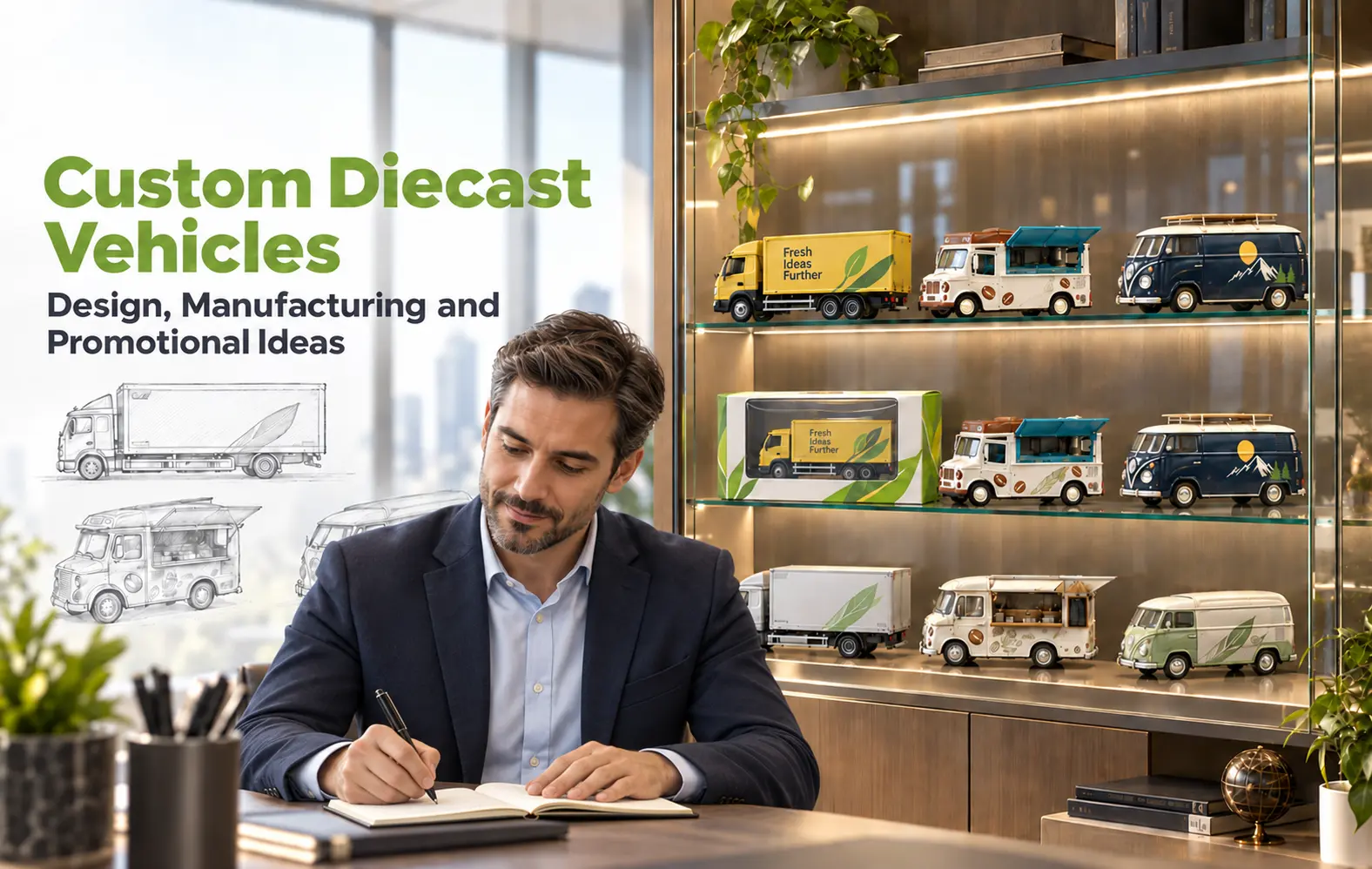
Custom diecast vehicles turn a company’s cars, trucks, buses and delivery fleets into detailed branded collectibles. Businesses can use them as gifts with purchase, anniversary merchandise, dealer gifts, event giveaways or limited-edition retail products.
However, developing a custom model involves more than placing a logo on an existing toy. The vehicle shape, scale, materials, moving parts, artwork, packaging and intended audience must all be considered before production begins.
This guide explains how custom diecast vehicles are developed, how brands can use them and which decisions can affect the final result.
What Are Custom Diecast Vehicles?
Custom diecast vehicles are miniature models made with a cast metal body and additional components such as plastic windows, interiors, wheels and tires. They can reproduce a real vehicle or introduce a completely new design created for a marketing campaign.
Common formats include:
- Cars and racing vehicles
- Delivery vans and food trucks
- Buses and public transport vehicles
- Container trucks and freight vehicles
- Construction and emergency vehicles
- Aircraft, boats and other transport models
The level of customization can range from applying branded colors and graphics to an existing model to developing a new body shape, interior and packaging from the ground up.
Brands should also decide whether the product will be an adult collectible, a display model or a children’s toy. This affects the design, construction, labeling and testing requirements.
Introducing Custom Diecast Vehicles
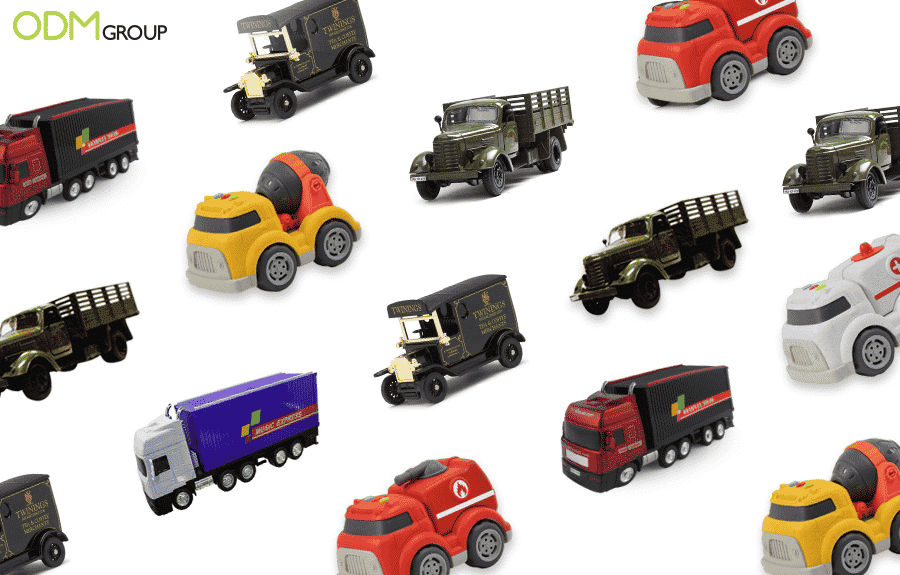
Custom diecast vehicles are miniature models of real vehicles that are made of metal and can be customized with different colours, logos, and details. They are designed and manufactured to represent specific brands, products, or promotional campaigns.
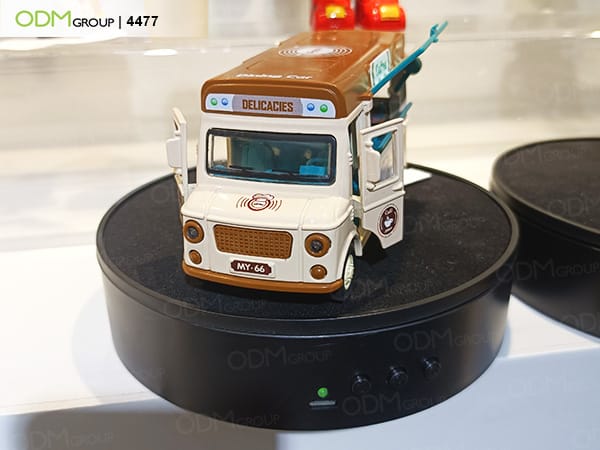
These promotional miniature vehicles are perfect for display due to the details incorporated in them catering to the adult market. However, they’re also great for kids’ playtime since most of their parts are functional such as doors and wheels that have a pullback function.
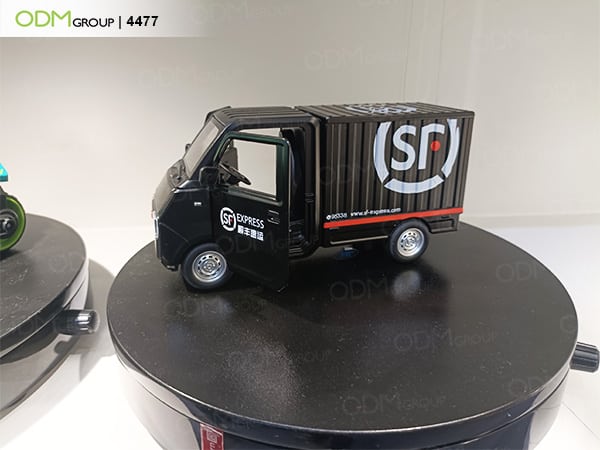
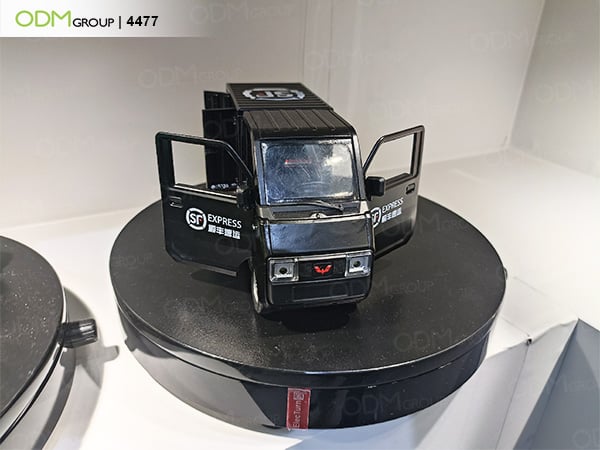
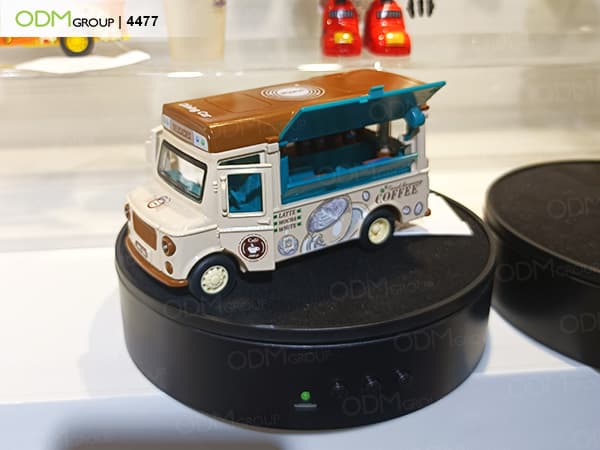
Here are some custom diecast vehicle designs:


Why Should You Use Custom Diecast Vehicles for Promotion?
Due to the high detail that goes into the finished custom diecast vehicles, it has an elevated value that people generally prefer.
By releasing different types of vehicles or different designs, you’re tapping into a market of collectors which ensures you repeated purchases.
On top of that, collectors often display their prized possessions so your brand will also enjoy maximised exposure to every prospective client or customer.

Custom miniature vehicles are also known for their versatility when it comes to the marketing strategies that they can be integrated into. From internal company giveaways to external client gifts.
On top of being collectable merchandise, they are also perfect as gift with purchase, on-pack promotions or purchase with purchase since people wouldn’t think twice about additional payment for high-quality merchandise as the diecast vehicles.
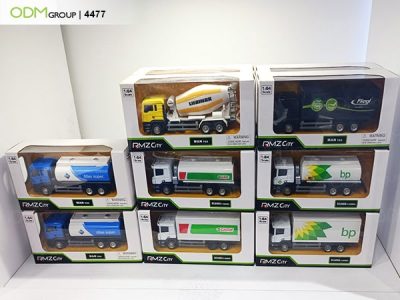
Since custom diecast vehicles are made based on the brand’s designs and marketing needs, the miniature vehicles uniquely carry the brand’s visuals.
This customizability allows brands to be as creative as possible resulting in a vehicle design that has distinct branding details. While toy trucks might be common, the details will be uniquely yours.
Hence, custom diecast vehicles provide a tangible representation of your brand and company.
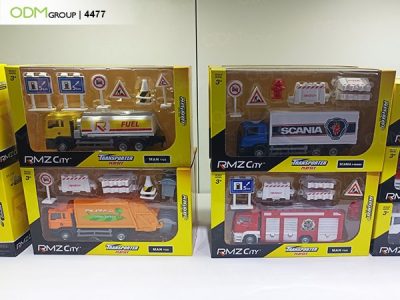
As mentioned above, custom diecast vehicles can be used in a number of marketing strategies. It’s easy for brands to make sure the promotional product will be in the hands of their target market.
However, since these custom products are collectable items, aside from the initial impression during the promotion, they will continue to expose the brand for as long as they’re displayed.
In addition to that, they can also be played with so it reaches a wide age range in the market from kids to teens and adults.
Which Businesses Can Use Branded Diecast Models?
Custom vehicles are especially relevant to industries where transport, movement or delivery forms part of the brand story.
Automotive Brands and Dealerships
Car manufacturers can create miniatures for new model launches, test-drive campaigns, owner clubs or dealer gifts. Historic vehicles can also support anniversary campaigns and heritage collections.
Logistics and Shipping Companies
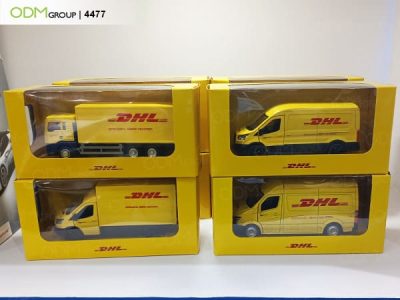
Freight companies can reproduce trucks, vans, containers or other fleet assets. These models can be used for client gifts, trade exhibitions, employee milestones or recruitment campaigns.
Food and Beverage Brands
A branded delivery van, coffee truck or mobile sampling vehicle can become a gift with purchase. Companies with a long history can release models based on vehicles used during different periods.
Airlines, Rail and Public Transport Operators
Miniature planes, trains, buses and service vehicles can work as souvenirs, loyalty rewards or commemorative merchandise. They can also feature destination-specific or seasonal artwork.
Construction and Engineering Companies
Miniature cranes, excavators and service trucks can help companies showcase their equipment or celebrate major projects. Premium display models can also be used as client or employee gifts.
Tourism, Museums and Attractions
Tourism brands can turn local taxis, buses, trams or iconic vehicles into souvenir products. Museums may use accurate replicas to connect merchandise with an exhibition or historical story.
Check out more custom vehicle ideas for you here:
Remote control vehicles are a fun and educational part of growing up for many children. They can learn from operating them and cherish the experience as they grow older. Take part in their childhood with these RC trucks!
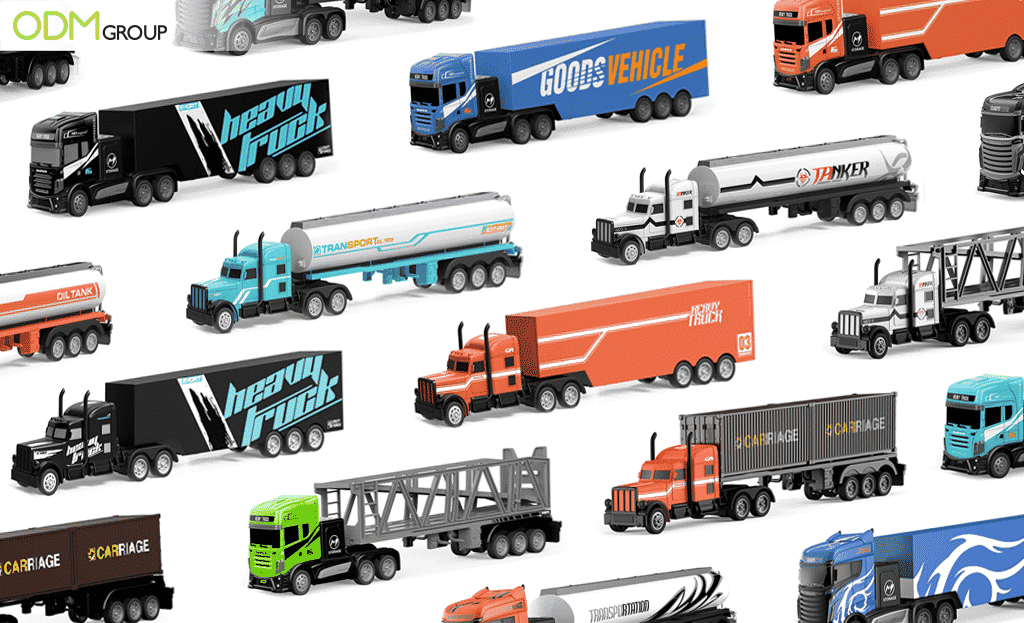
A branded collectible truck is a great way to market your product or teach your audience or as an educational tool! Find more details in the blog below:
How Are Custom Diecast Vehicles Made?
The metal casting stage is only one part of the development process. A custom project normally moves through the following stages.
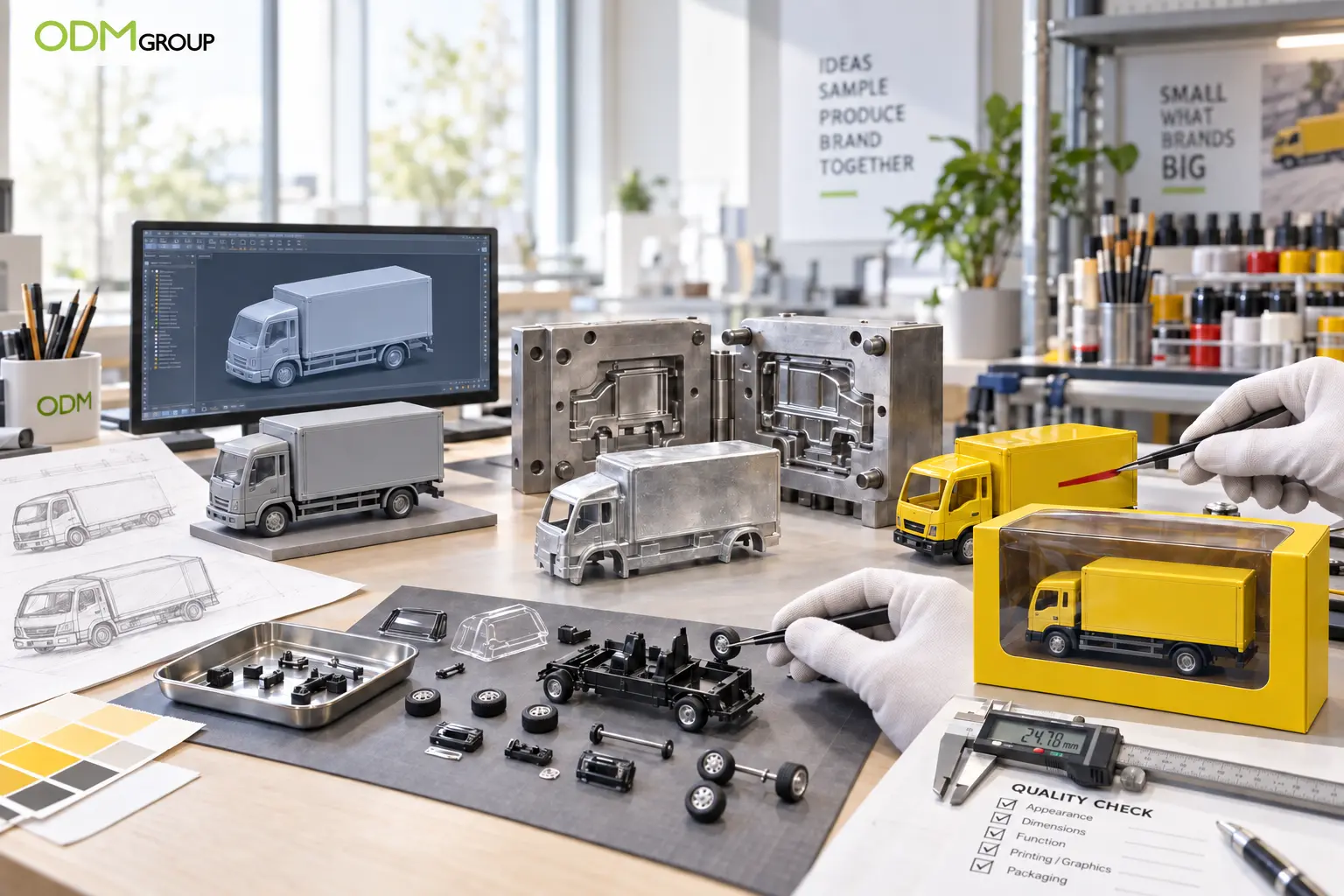
1. Campaign and Product Brief
The team defines the target audience, promotion type, distribution method, budget, timeline and intended market. It also confirms whether the model is a collectible, display piece or toy.
2. Reference Collection and Concept Design
Designers collect photographs, technical drawings, dimensions, color references and branding files. When complete CAD data is unavailable, several clear views of the original vehicle can help the team build an accurate model.
Initial sketches establish the scale, main proportions, visible details and potential moving parts.
3. 3D CAD Development
The approved concept is converted into a three-dimensional file. At this stage, the team considers wall thickness, component separation, assembly points, axles and areas that require plastic rather than metal.
Small details may need to be simplified so they remain visible and manufacturable at the chosen scale.
4. Prototype and Design Review
A prototype helps the team check the vehicle’s shape, proportions, assembly and branding positions before tooling. It also allows the client to review how the physical model compares with the original vehicle.
5. Tooling and Die Casting
After approval, production tooling is developed. During die casting, molten metal is injected into a steel die under pressure. The metal cools and solidifies before the component is ejected and trimmed.
6. Finishing and Decoration
The metal body is prepared and painted. Logos, windows, numbers and other graphics are then applied using the selected decoration method.
7. Assembly
The body is assembled with the interior, base, windows, wheels, axles and moving components. The construction method depends on the design and intended use.
8. Packaging and Quality Control
The finished model is packed in its insert and retail or presentation box. Quality checks may cover color consistency, print alignment, wheel movement, assembly, surface finish and packaging condition.
When the product is intended for children, applicable safety and labeling requirements must be confirmed for the destination market.
Learn how other brands utilised custom diecast vehicles for their promotions:
Miniature vehicle collectibles were a way for Star Ferry, a ferry service in Hong Kong, to let consumers take their experience home with them. Read more here:
For this marketing campaign, Milo launched 5 collectable custom mini van toys based on their delivery vans from the 1950s up to now in line with the brand’s motto to always deliver nutrition to its market.
The yoghurt brand, Hoff, was offering adorable toy cars as in-pack gifts to their customers. Read more details below on why we simply can’t walk past these promo toy vehicles!
Darty is known for its excellent support to customers after purchasing items from them. For this promotion, the mini Renault 5 truck model customers can get underwent a die-casting process.
Developing Custom Diecast Vehicles With ODM Group
ODM Group helps brands develop custom diecast vehicles from the initial campaign idea through production and delivery. We focus on creating a product that supports the promotion, audience and commercial requirements—not simply reproducing a vehicle at a smaller scale.
Our team can assist with concept development, industrial design, 3D CAD, prototyping, factory selection and audit, packaging development, quality control and logistics. Mindsparkz, our in-house creative team, can also help translate a brand story or campaign theme into the vehicle and packaging design.
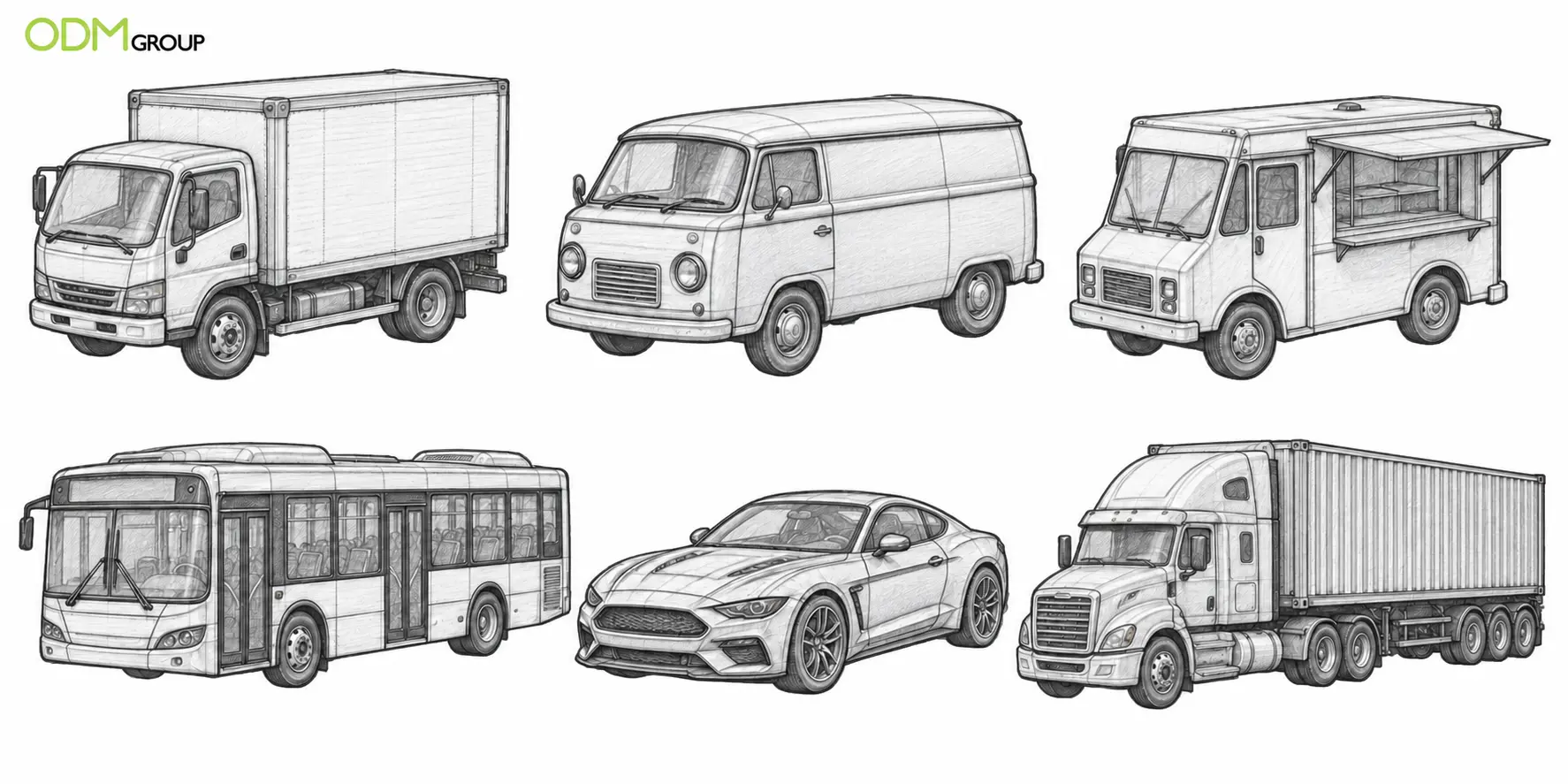
Before development begins, we can help assess the appropriate scale, materials, functions, branding methods and packaging format. Early technical review can reduce unnecessary revisions once tooling is underway.
Have a company vehicle, campaign idea or collectible series in mind? Contact ODM Group with your reference images, required quantity, target market and launch date to start the discussion. Quote product code ODM-4477 when making an enquiry.
Frequently Asked Questions
What files should our team provide to start the project?
Useful reference materials include vehicle photographs from several angles, dimensions, technical drawings, CAD files, brand guidelines, color references and vector logo artwork. The brief should also confirm the intended audience, destination market, quantity, deadline, packaging format and promotional mechanic. Better source information reduces assumptions during design.
Can we approve a prototype before mass production?
Yes. A prototype or pre-production sample allows your team to review the shape, scale, branding positions, colors, components and packaging before the full order proceeds. The approval process and sample type should be agreed at the quotation stage because tooling status and requested functions affect what can be evaluated in each sample.
How long should we allow for a fully custom diecast project?
A fully custom model requires time for design, 3D CAD, engineering review, prototyping, tooling, sampling, decoration, production, quality control and shipping. The final schedule depends on complexity and the number of approval rounds. Campaign teams should begin development well before the required launch date and include time for revisions rather than planning only around mass production.
What affects the cost of a custom diecast model?
The main cost drivers are scale, tooling, number of components, metal and plastic content, moving features, paint colors, printed details, packaging, testing requirements and order quantity. Simplifying a function or using an existing body can reduce development costs, while a highly accurate replica with opening parts requires more engineering and assembly.
Browse Latest Blogs from ODM:
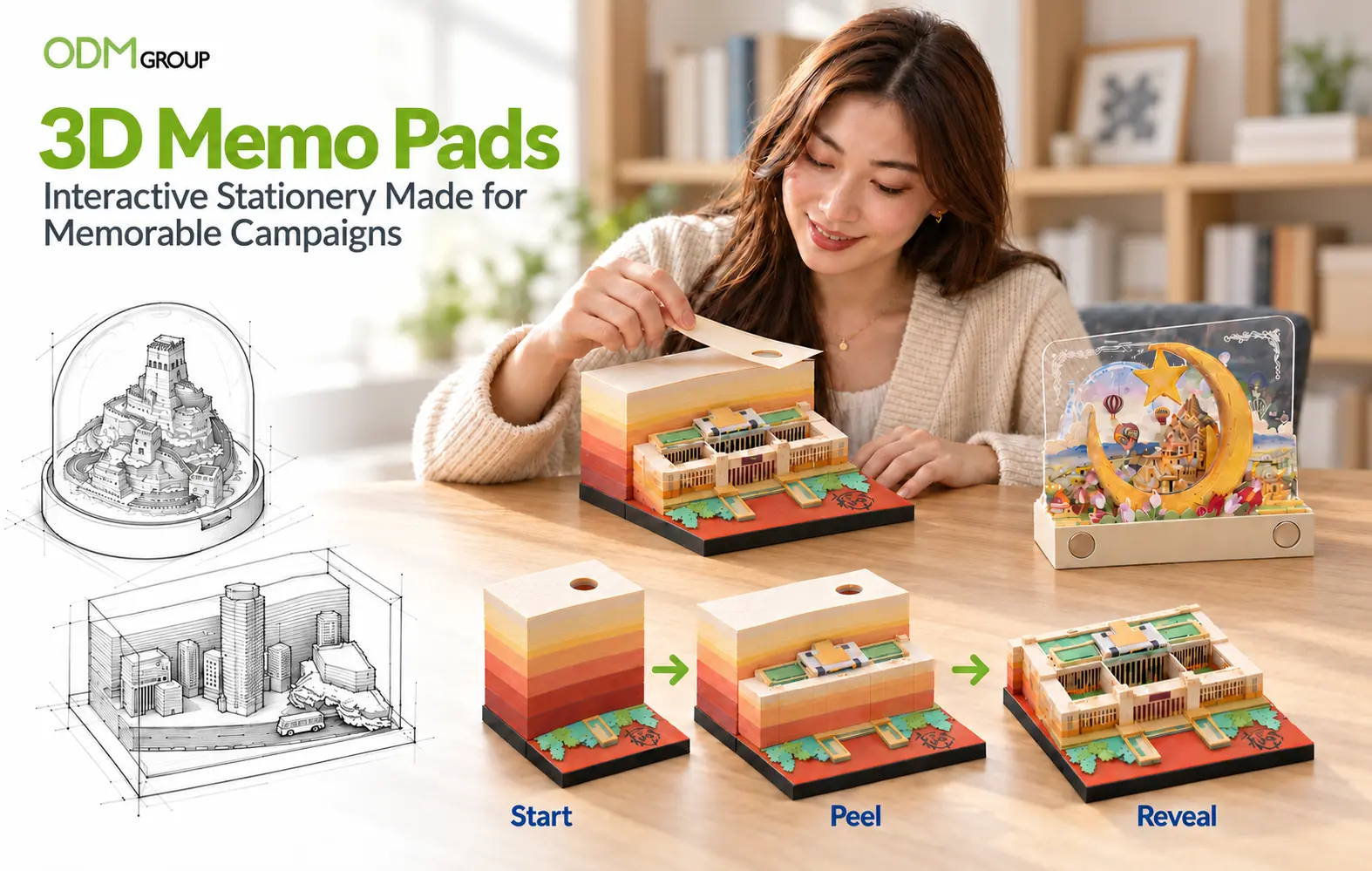
3D Memo Pads: Sculptural Designs for Brand Campaigns
3D memo pads combine an everyday office product with an evolving visual experience. As [...]
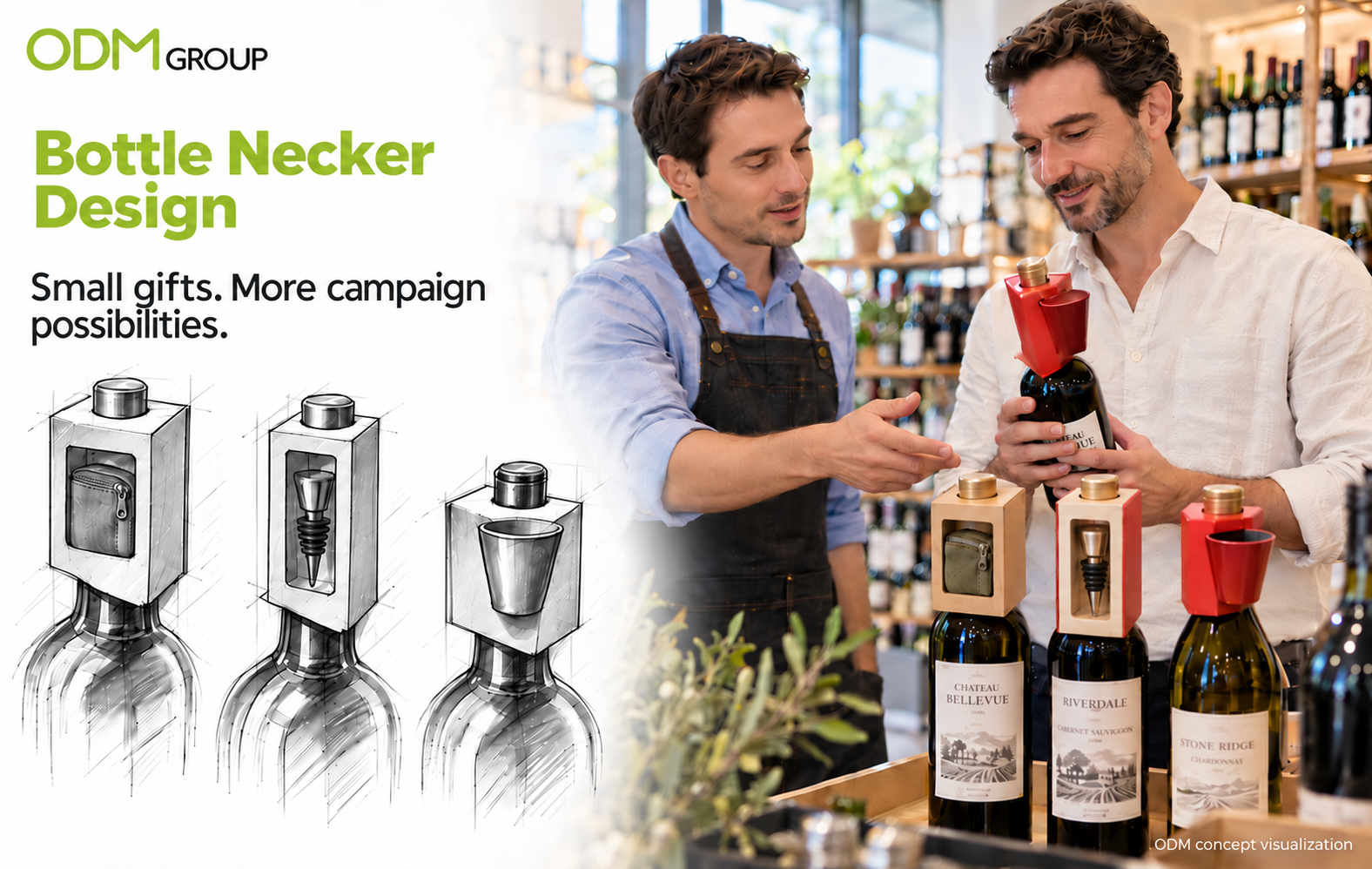
Bottle Necker Design: Creative Ideas for Your Next Promotion
A bottle necker gives a brand a little extra space to make its case. [...]
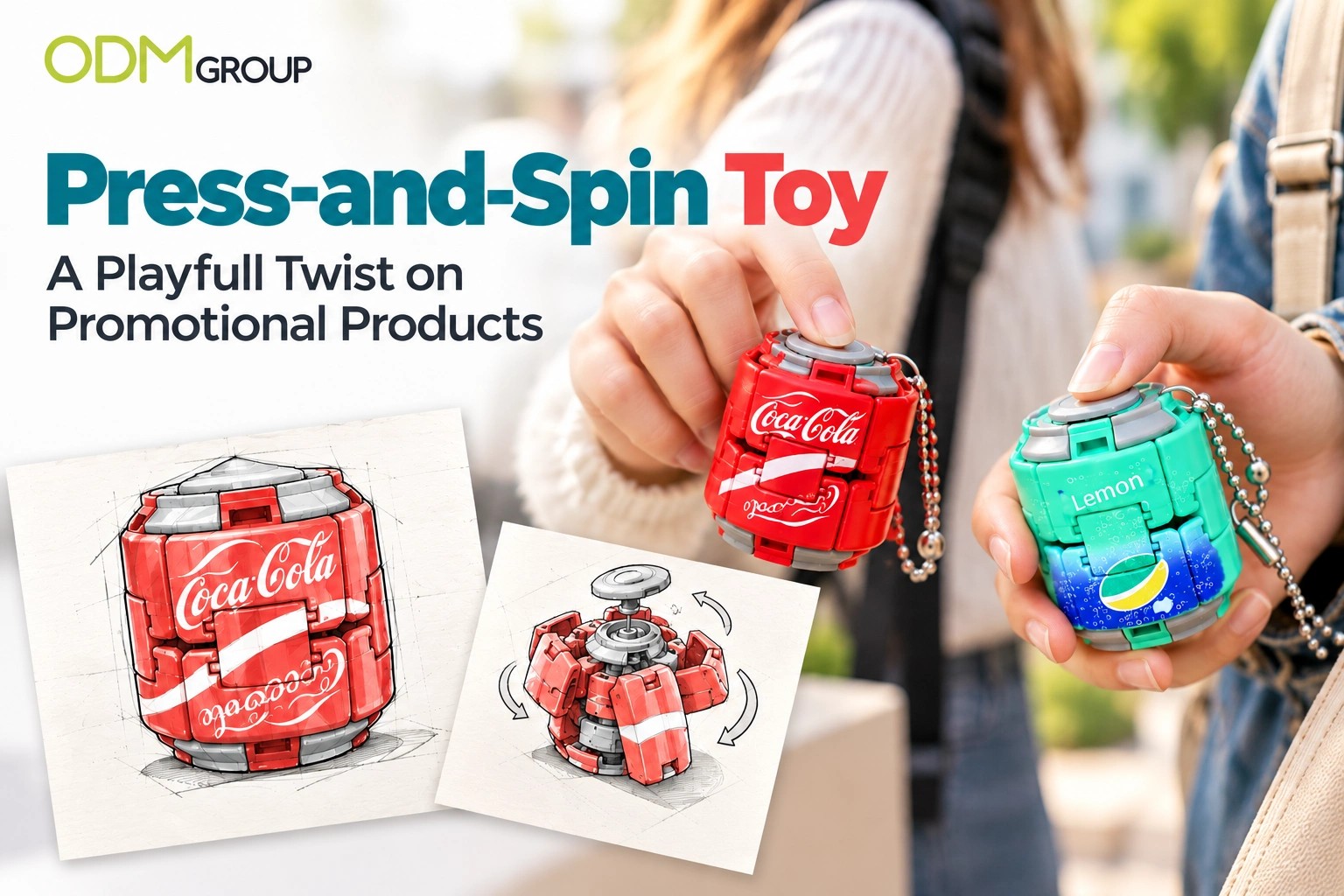
Press-and-Spin Toy: A Playful Twist on Custom Promotional Products
Promotional products are more memorable when they offer more than branding alone. A press-and-spin [...]
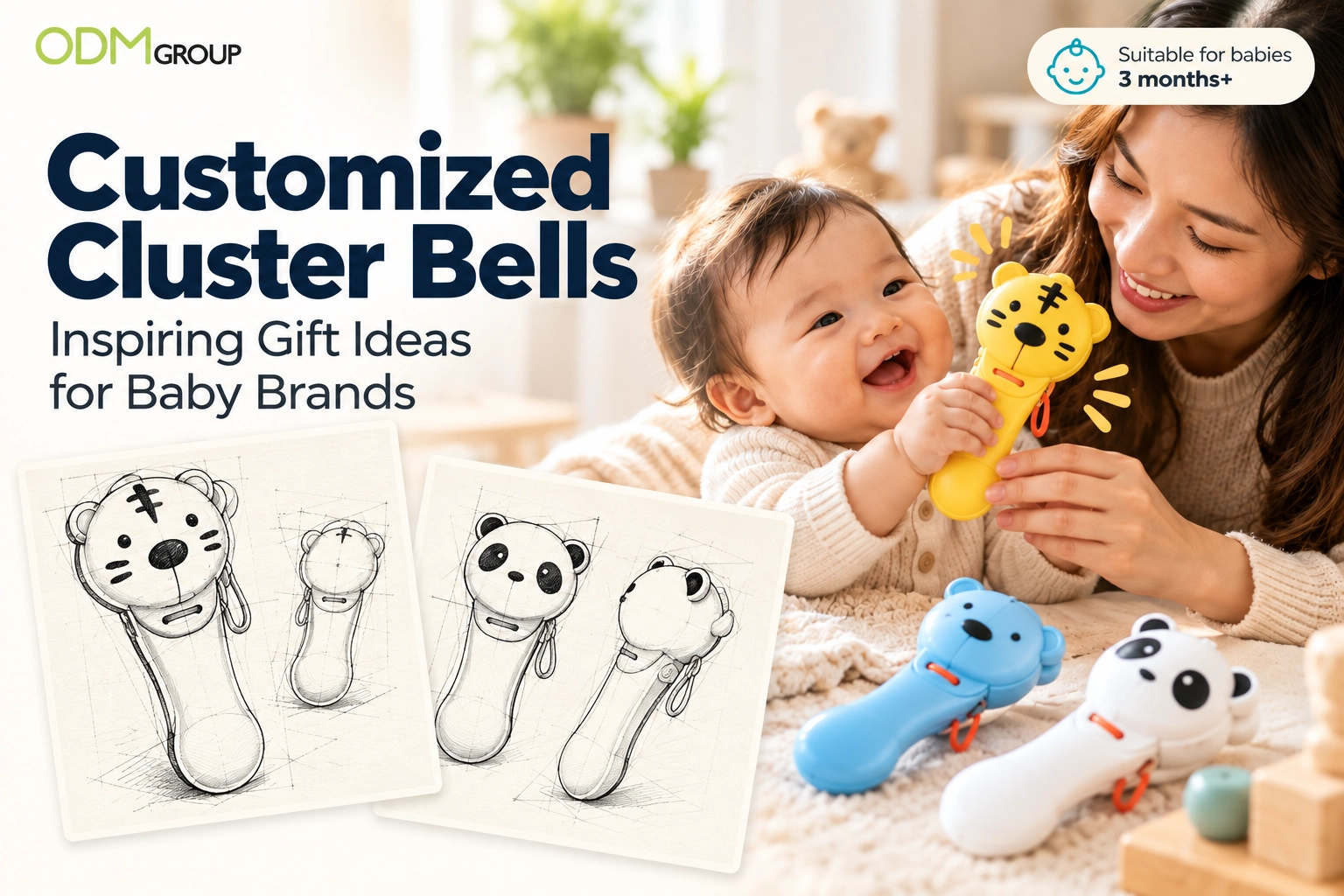
Customized Cluster Bells: Inspiring Promotional Gift Ideas for Baby Brands
Customized Cluster Bells offer an interesting example of how a small, audience-relevant product can [...]
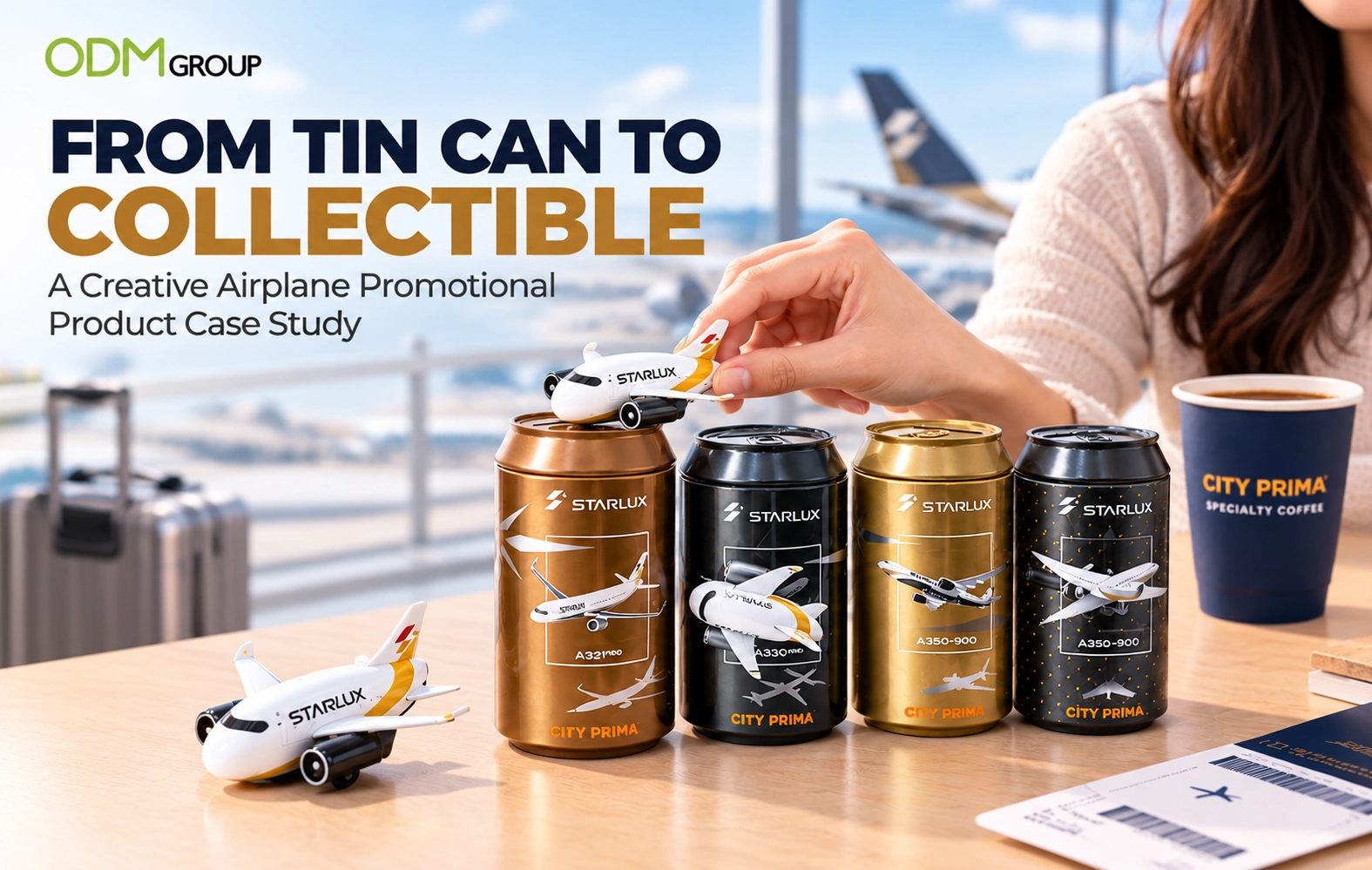
Airplane Promotional Products: How STARLUX Airlines and CITY PRIMA Engage Customers
Airplane promotional products can do more than display a brand logo. When interactive features, collectible [...]