Some of the most valuable branding moments happen right before the first drink.
At festivals, rooftop bars, sporting events, restaurants, and home gatherings, customers interact with beverages in relaxed social environments where brands naturally gain visibility. That is why customizable bottle openers continue performing strongly in hospitality and drinks marketing.
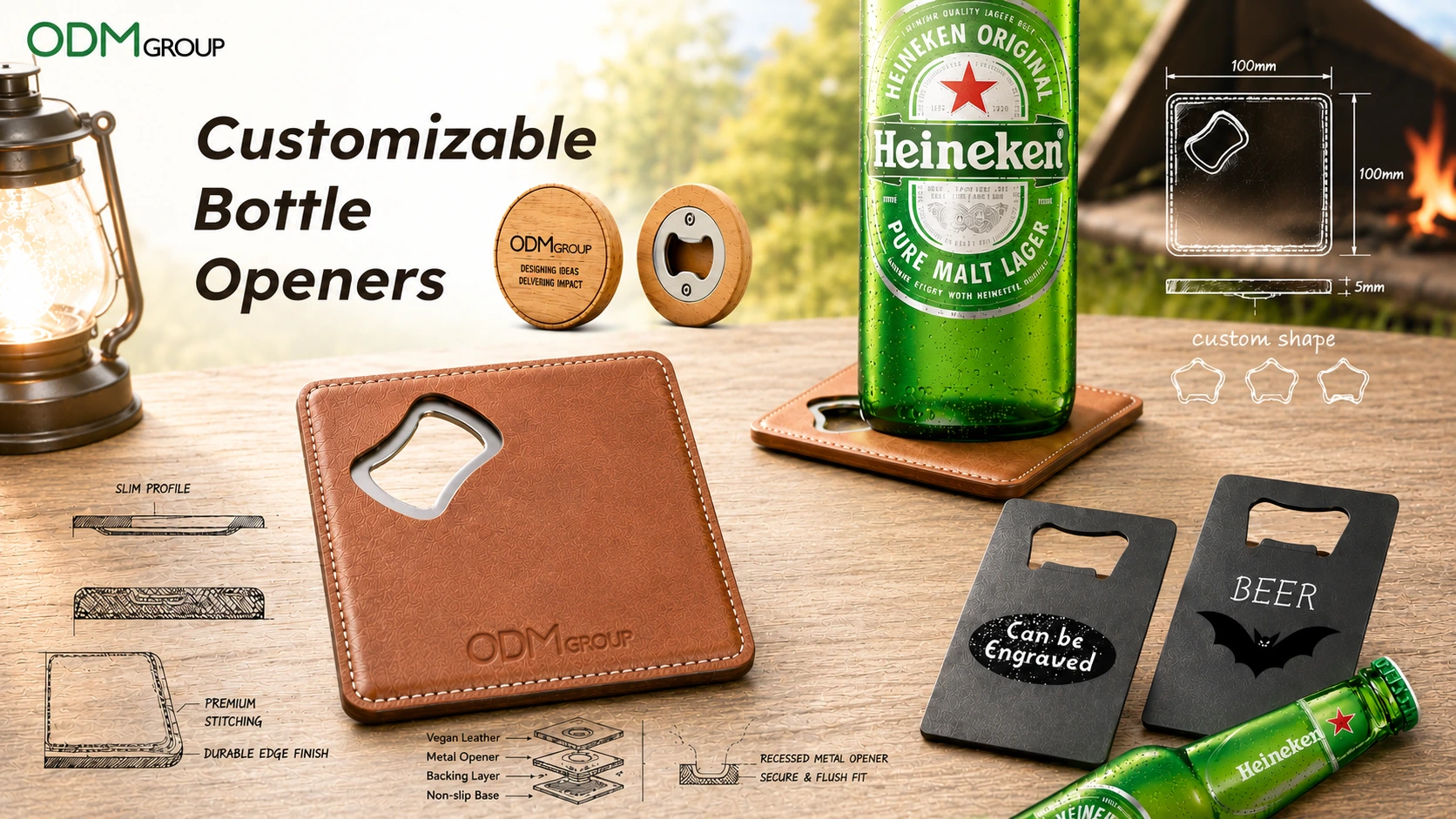
Unlike short-term giveaways, custom bottle openers often remain part of daily routines for years. They stay attached to keychains, sit near refrigerators, travel to outdoor events, and continue generating brand exposure long after the original campaign ends.
For modern beverage brands, the opportunity is no longer just about adding a logo to a product. It is about creating customizable bottle openers that feel connected to customer experience, campaign storytelling, and long-term visibility.
Why Customizable Bottle Openers Still Work in Modern Drinks Marketing
Promotional products perform differently depending on where and how customers use them. Customizable bottle openers continue working well because they naturally fit into environments where people already gather, relax, and socialise.
Customers keep them close by because they solve a practical need without interrupting the experience. They sit near refrigerators, stay attached to keychains, travel inside cooler bags, and remain visible in bars, kitchens, and outdoor entertainment spaces where drinks are regularly consumed.
That repeated exposure helps custom bottle openers stay relevant long after a campaign or event ends.
For beverage brands especially, the connection feels natural rather than forced. Opening a drink is already part of the customer experience. The promotional product simply becomes integrated into that routine.
This is why bottle openers continue to appear across brewery campaigns, hospitality promotions, sports sponsorships, travel retail activations, and alcohol gift-with-purchase programs, where repeat social interaction matters.
The product itself may be simple, but long-term visibility can be extremely valuable when executed properly.
Most Beverage Merchandise Gets Seen Once and Forgotten
Many promotional products create visibility for a few hours and then disappear completely.
Trade show giveaways are often left inside hotel rooms. Cheap novelty items rarely survive beyond the event itself. Even visually impressive merchandise can struggle if it does not connect naturally to customer behaviour.
Beverage promotions work differently because drinks are tied to routines, rituals, and repeated social interaction.
Customers encounter beverage brands during celebrations, sporting events, dinners, travel experiences, and casual gatherings, where the same products continue appearing over time. That repeated exposure is what gives hospitality merchandise greater long-term value than one-time giveaways.
Customizable bottle openers continue performing well because they remain close to the environments where beverages are actually consumed. They remain visible in kitchens, home bars, coolers, entertainment areas, and hospitality venues rather than disappearing after distribution.
The visibility becomes continuous rather than temporary.
The Best Promotions Happen Around Consumption Moments
Many successful beverage campaigns focus less on the product itself and more on the environments where customers interact with it.
Customizable bottle openers work particularly well because they fit naturally into those moments.
1. Breweries and Craft Beer Campaigns
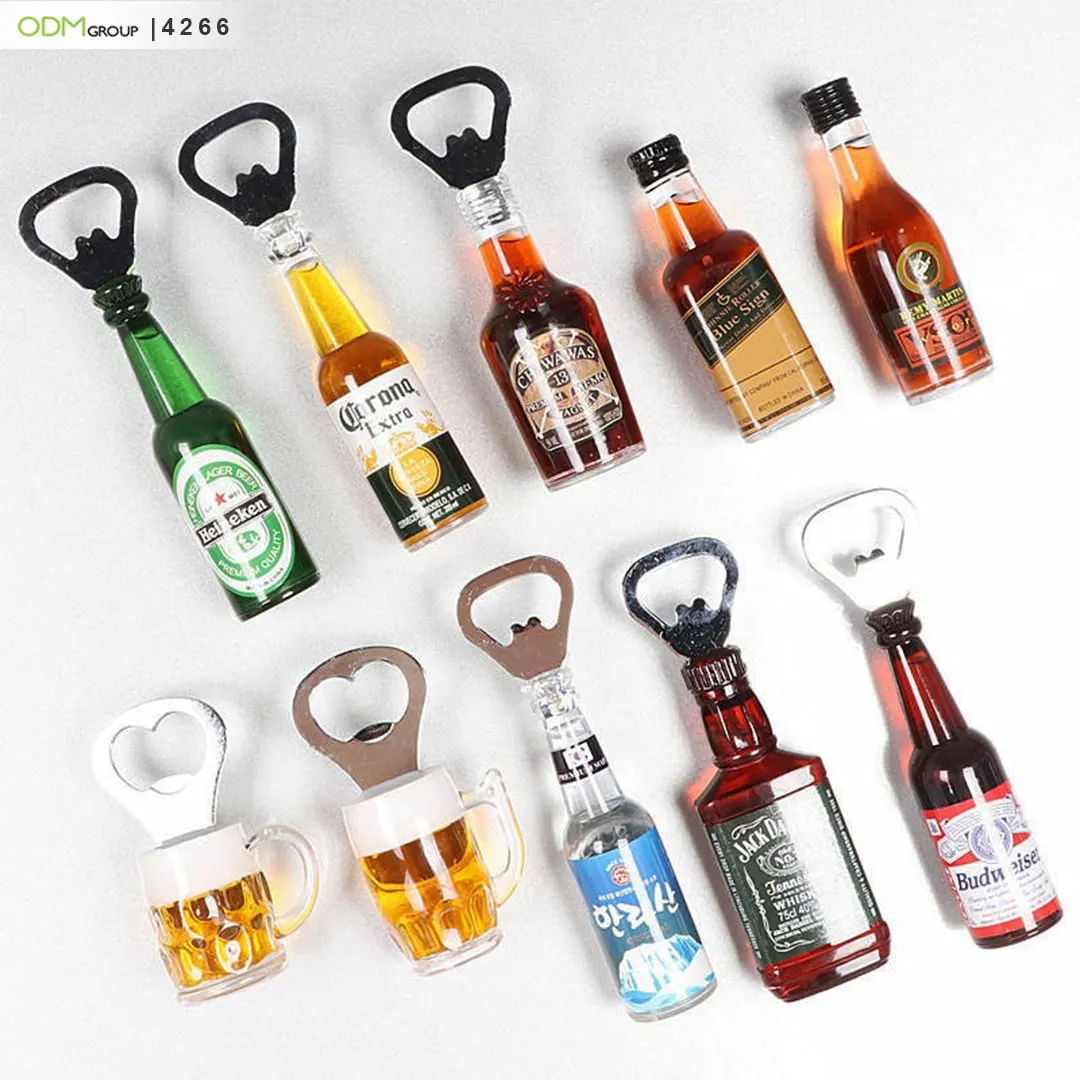
Craft breweries often turn custom bottle openers into collectible merchandise connected to seasonal releases, tasting events, or anniversary launches.
Instead of distributing generic giveaways, many brands create limited-edition designs tied to collaborations, local events, or new product releases. This approach builds a stronger emotional connection while encouraging repeat customer interaction over time.
2. Sports and Tailgating Events
Bottle openers are commonly used during outdoor viewing parties, tailgates, and live sporting events where beverages are central to the social experience.
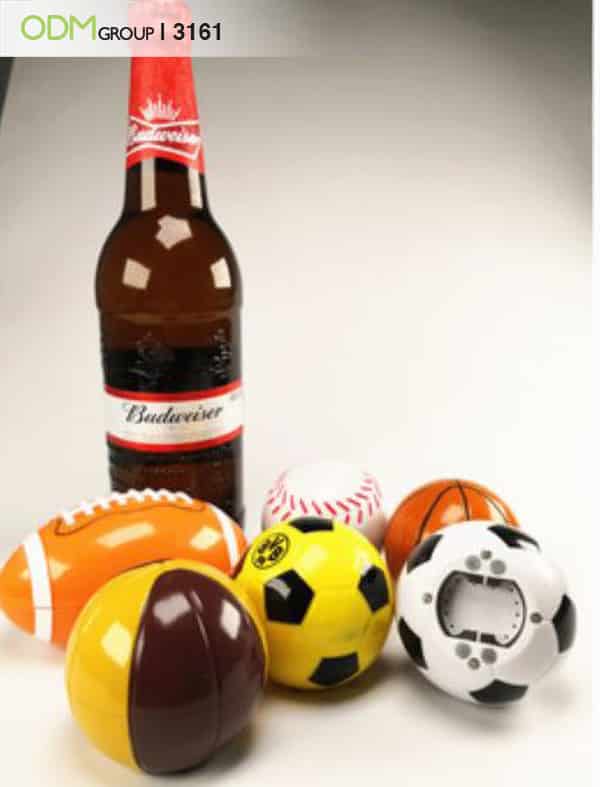
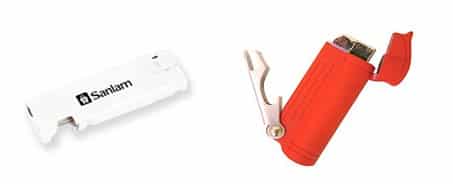
Magnetic bottle openers, cooler-integrated concepts, and multifunction tools perform especially well in these settings because customers continue using them beyond the event itself.
3. Hospitality and Resort Promotions
Hotels, rooftop bars, beach clubs, and resorts increasingly integrate premium custom bottle openers into minibar kits, welcome gifts, cocktail sets, and VIP event packaging.
With the right presentation, the product feels more like lifestyle merchandise than a traditional promotional giveaway.
In hospitality environments, customers may not remember every advertisement they saw during the experience. They often remember the products they interacted with most during the stay. That repeated physical interaction is what gives functional merchandise long-term branding power.
4. Music Festivals and Outdoor Events
Festival attendees often prefer products that are lightweight, practical, and easy to carry throughout the event.
Branded bottle openers integrated into carabiners, lanyards, or multi-tools provide functionality while remaining highly visible during social interaction.
Why Some Custom Bottle Openers Stay Visible for Years
Retention is one of the biggest factors separating effective promotional merchandise from forgettable giveaways. The most successful bottle openers ideas usually combine practicality with thoughtful design.
1. Practical Placement
Products attached to frequently used items naturally stay visible longer.
Bottle openers integrated into keychains, refrigerators, cooler bags, bar carts, or backpacks become part of daily routines rather than products customers store away after a single use.
Magnetic designs are particularly effective because they remain exposed in kitchens or entertainment areas instead of disappearing into drawers.
2. Premium Feel
Material choice strongly affects how customers perceive the product.
A heavier zinc alloy opener with textured finishing immediately feels more premium than thin stamped metal. Small upgrades in coating quality, grip comfort, and detailing can dramatically improve long-term retention.
3. Multifunction Use
Many brands now move beyond basic designs by integrating additional functionality such as corkscrews, mini tools, NFC features, LED lighting, or coaster elements.
These additions increase usability while helping the product feel more valuable over time.
4. Strong Visual Design
The most effective custom bottle openers avoid overcrowded branding.
Clean layouts, subtle logo placement, and distinctive silhouettes often create stronger long-term appeal because customers feel comfortable using the product regularly in public and social settings.
Most Promotional Bottle Openers Fail During Execution
The difference between a bottle opener customers keep and one they quickly forget often comes down to execution details.
Common issues include uncomfortable grip design, lightweight materials, low-quality plating, weak structural durability, branding that scratches easily, or packaging that feels disconnected from the campaign itself.
Individually, these may seem like small details. Together, they strongly influence perceived quality.
For beverage brands investing in hospitality campaigns or premium retail promotions, consistency between the original campaign vision and the final delivered product becomes extremely important.
Customers notice when merchandise feels thoughtfully developed. They also notice when products feel rushed, generic, or disconnected from the broader brand experience.
A well-developed, customizable bottle opener should feel aligned with the overall campaign environment rather than simply functioning as a low-cost giveaway item.
The Small Design Decisions Customers Immediately Notice
Even small design adjustments can significantly influence how premium a custom bottle opener feels.
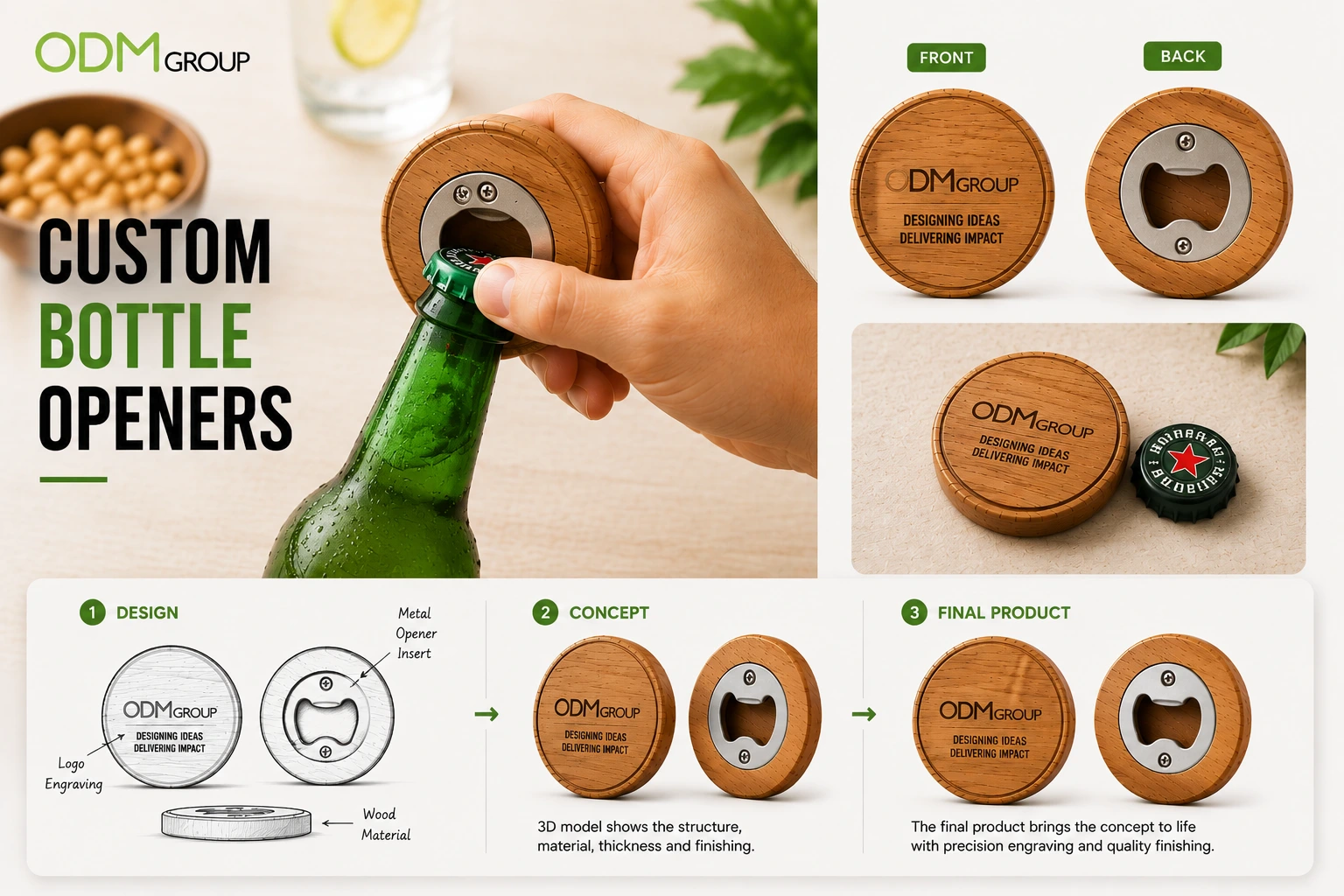
Material Selection
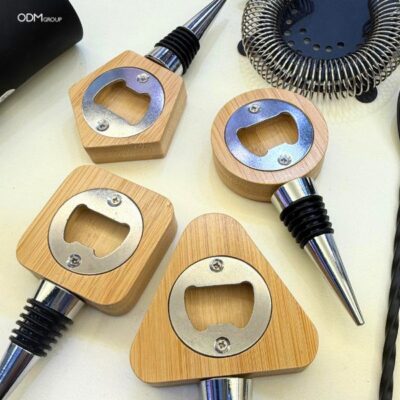
Common options include stainless steel, zinc alloy, aluminum, wood-metal combinations, and recycled metal materials. Each creates a different visual and tactile impression depending on the campaign positioning.
Premium Finishing
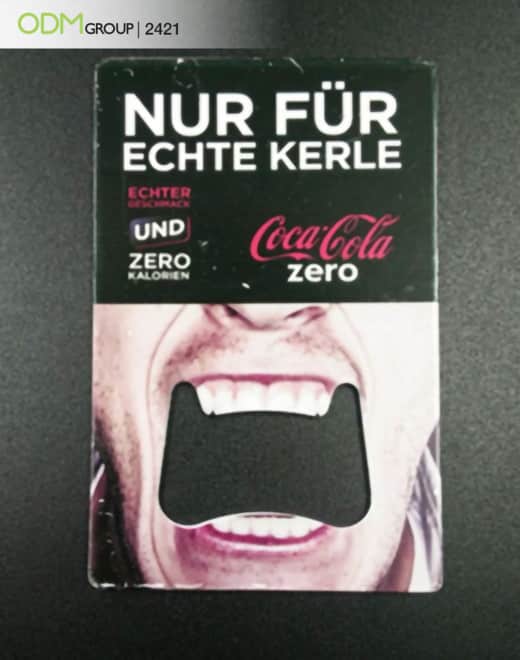
Higher-end finishing options such as matte coatings, brushed metal textures, antique plating, soft enamel filling, laser engraving, and embossed logo detailing help customizable bottle openers feel closer to retail merchandise than standard promotional products.
Shape Customisation
Many beverage brands now create custom silhouettes tied directly to campaign themes or brand identity.
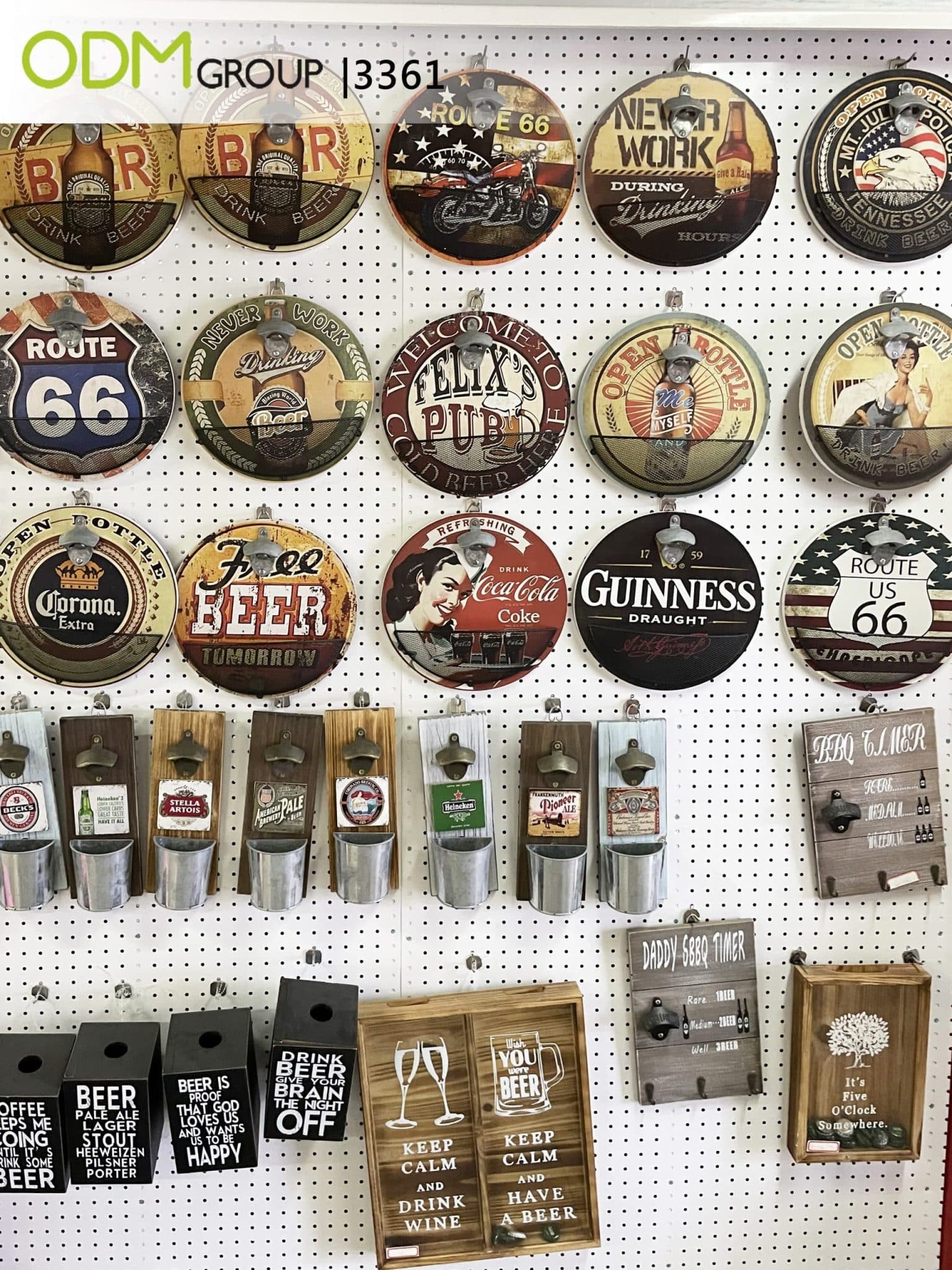
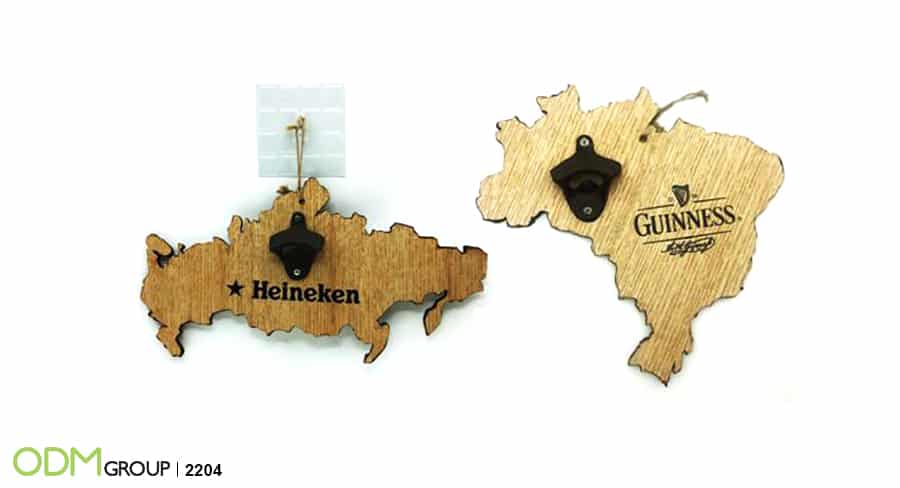
Bottle-shaped concepts, mascot-inspired designs, sports-related outlines, tourism themes, and logo-inspired shapes all help improve memorability while keeping the product functional.
How Beverage Brands Build Campaigns Around Functional Merchandise
The strongest campaigns rarely treat promotional products as standalone items anymore.
Instead, brands increasingly integrate customizable bottle openers into larger promotional systems designed around customer interaction and repeat visibility.
Gift-With-Purchase Campaigns
Bottle openers work especially well inside alcohol gift boxes, brewery merchandise bundles, tasting kits, cocktail sets, and seasonal campaign packaging, where functionality helps increase perceived value without complicating the customer experience.
NFC and QR Integration
Some custom bottle openers now include NFC chips or QR functionality that connect customers directly to loyalty programs, event registration, cocktail recipes, exclusive content, or branded digital experiences.
This helps extend engagement beyond the physical product itself.
Retail and POS Integration
Bottle openers displayed near beverage packaging or checkout areas often encourage impulse interaction.
When paired with custom packaging or countertop displays, they become part of the retail experience rather than simply an additional giveaway.
Final Thoughts
Customizable bottle openers continue performing well because they fit naturally into environments where people already socialize, travel, celebrate, and interact with beverages.
When developed thoughtfully, they become more than functional giveaways. They become part of customers’ routines, hospitality experiences, and social moments that continue to generate brand visibility long after the original promotion ends.
The strongest campaigns usually focus not only on the product itself, but also on how it fits into packaging, retail presentation, events, gifting, and overall customer experience.
For beverage brands, hospitality groups, and event marketers exploring customizable bottle openers, ODM Group supports projects from concept development through production and execution.
If you are planning an upcoming promotion or branded merchandise campaign, contact the ODM team to explore custom bottle opener ideas tailored to your brand experience and campaign goals.
More Ideas


FAQs about Customizable Bottle Openers
Can customizable bottle openers become part of a loyalty or collectible campaign?
Yes. Some beverage brands release limited-edition bottle opener series tied to seasonal launches, sports partnerships, city-exclusive events, or anniversary promotions. Customers often collect multiple versions over time, especially when the designs feel unique rather than heavily promotional.
Why do some custom bottle openers get reused for years while others disappear quickly?
Retention usually comes down to usability and environment. Products that stay near refrigerators, bar areas, cooler bags, or travel kits naturally remain visible longer. Material quality, comfort, and subtle branding also influence whether customers continue using them regularly.
Can customizable bottle openers work for premium hospitality brands without feeling too promotional?
They can when the design feels integrated into the guest experience. Boutique hotels, rooftop bars, resorts, and premium beverage brands often use higher-end materials, minimalist branding, and curated packaging so the product feels closer to lifestyle merchandise than traditional advertising.
What makes a bottle opener feel more like merchandise and less like a giveaway?
Presentation plays a major role. Material choice, weight, finishing, packaging, and design consistency all influence perception. Products that feel thoughtfully designed are more likely to remain part of customer routines instead of being treated as disposable event items.
What to Read Next?
Mini Portable Fridge: A Cool Promotional Idea for Beverage Brands
A mini portable fridge brings together practical cooling, compact [...]
Alcohol Marketing Strategy 2026 : Trends, Channels & Expert Tips
The global alcoholic beverages market is projected to reach [...]
Launching Your Ice Cube Business: Marketing with Custom Moulds
Embarking on the journey of an ice cube business [...]
Marketing Advantages of Using A Liquor Bottle Lighting
Creating a captivating and memorable experience is the key [...]
Custom Beer Merchandise Ideas: Is It Worth Selling Them?
Beer has long transcended its role as a simple [...]
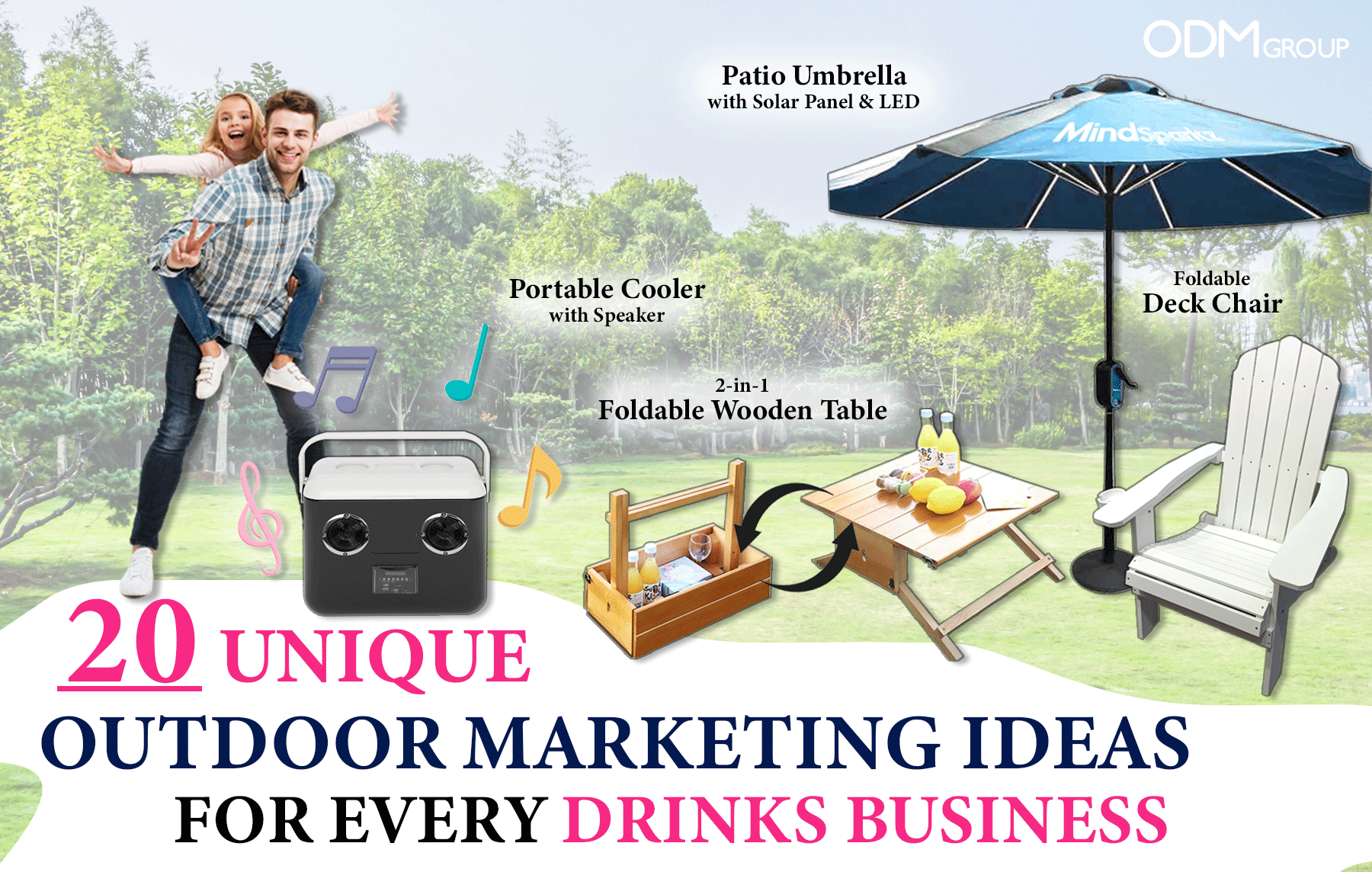
20 Outdoor Marketing Ideas for Your Drinks Business
For drinks businesses, especially those with a penchant for [...]