
The global alcoholic beverages market is projected to reach $2.9 trillion by 2034, creating significant opportunities while intensifying competition across retail, hospitality, and travel channels. (Renub Research, 2026)
In this landscape, visibility alone is no longer enough. Consumers face endless choices, and strict advertising regulations limit how brands can communicate. As a result, success depends less on traditional promotion and more on how products are designed, positioned, and experienced in real-world environments.
Brands that win are those that think beyond the bottle, leveraging packaging, placement, and promotional mechanics to influence purchase decisions.
Discover how leading alcohol brands turn strategy into real-world results below.
Need to Skim? Main Takeaways:
- Alcohol marketing success comes from execution, not just ideas
- Retail and point-of-purchase are where most decisions happen
- Packaging and product design act as key marketing tools
- Value-driven strategies (bundles, GWP) outperform discounting
- Winning brands connect product + placement + experience into one system
Table of Contents
Why Alcohol Marketing Is Fundamentally Different
Many brands make a critical mistake: they treat alcohol like any other FMCG product. That approach rarely works.
1. Regulations Limit Direct Marketing
Alcohol brands operate under strict constraints:
- Limited advertising channels
- Age restrictions
- Platform policies on Meta, Google, and beyond
This changes everything.
Instead of relying on direct ads, brands must build indirect influence through packaging, retail presence, and experience-driven marketing.
👉 In practice: Your product becomes your primary marketing channel.
2. Culture Drives Consumption
Alcohol is rarely consumed in isolation. It is tied to:
- Social gatherings
- Celebrations
- Dining rituals
- National identity
👉 Strategic implication:
You are not selling a drink.
You are selling a moment people want to be part of.
3. Distribution Shapes Success
Where your product appears often matters more than how it’s advertised.
Alcohol sales depend heavily on:
- On-trade (bars, restaurants): experience-driven
- Off-trade (retail, supermarkets): visibility and pricing
- Travel retail (airports): premium + gifting behavior
👉 Insight: The right environment can outperform the best campaign.
Key Alcohol Marketing Channels That Actually Drive Sales in 2026
Alcohol marketing works when multiple touchpoints come together, especially those closest to the moment of purchase and consumption.
Here’s where brands are actually winning:
1. Trade Marketing (Retail & On-Premise Execution)
This is the most critical channel—and the most underestimated.
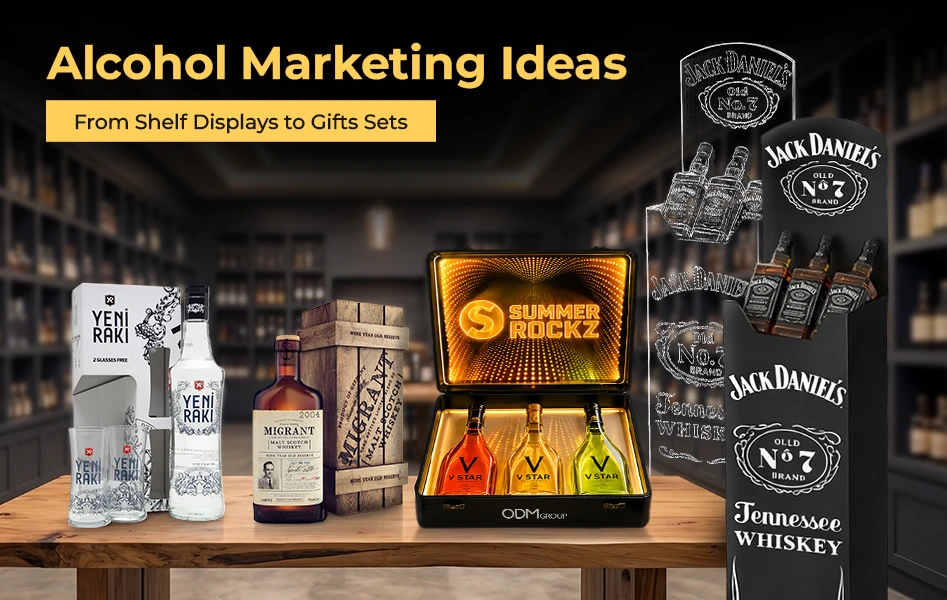
- Shelf placement and visibility
- POS displays and secondary placements
- Bundle offers and gift sets
- Bartender recommendations in bars and restaurants
Most purchase decisions happen here, not online.
2. Experiential Marketing (Sampling & Events)
Alcohol is a sensory product. People need to:
- Taste it
- See it
- Experience it
That’s why brands invest in:
- Tastings and sampling booths
- Pop-ups and brand activations
- Event-based experiences
3. Social Media (Indirect, Lifestyle-Led)
Direct selling is limited, so brands focus on:
- Lifestyle storytelling
- Cocktail recipes and usage ideas
- User-generated content
- Behind-the-scenes brand moments
Platforms like Instagram and TikTok help brands stay culturally relevant—without hard selling.
4. Influencers and Trade Partnerships
Influence matters more than ads in this category.
- Bartenders shape on-premise decisions
- Influencers shape perception and trends
- Brand ambassadors create deeper engagement through events and masterclasses
5. Travel Retail and Gifting Channels
Airports and duty-free stores are high-conversion environments:
- Customers are in a “buying + gifting” mindset
- Premium positioning works better
- Bundles and exclusive editions perform strongly
6. Digital Touchpoints (Support, Not Lead)
Digital still plays a role, but differently:
- Geotargeted ads for nearby stores
- E-commerce for convenience
- Delivery app integrations
Case Study: Yeni Raki Alcohol Marketing Strategy in Action
“The tradition is stronger when it is kept alive.” Years may have passed, but Yeni Raki keeps on nourishing Anatolia’s wine culture. Yeni Raki greatly represents Turkey’s rich tradition. With its recent alcohol marketing strategy, it shows the world how this drink differs from the rest.
Alcohol Marketing Strategy
✔ What is Raki?
Raki, also known as “Lion’s Milk” is the Turkish National Drink. It is a typical Anatolian product and a distinct category with a production process specific to Turkey. Grapes are the primary component of Raki’s 500-year tradition.
There is also a traditional style of drinking raki. An equal amount of water and rai must be maintained. Moreover, it is very important to consume the mixture slowly, with mezes in a warm and pleasant environment. In addition, anyone can’t just drink raki at any time, with anyone. There are rules and etiquette that every Turkish values.
✔ 4 Lessons To Learn From Yeni Raki’s Alcohol Marketing Strategy
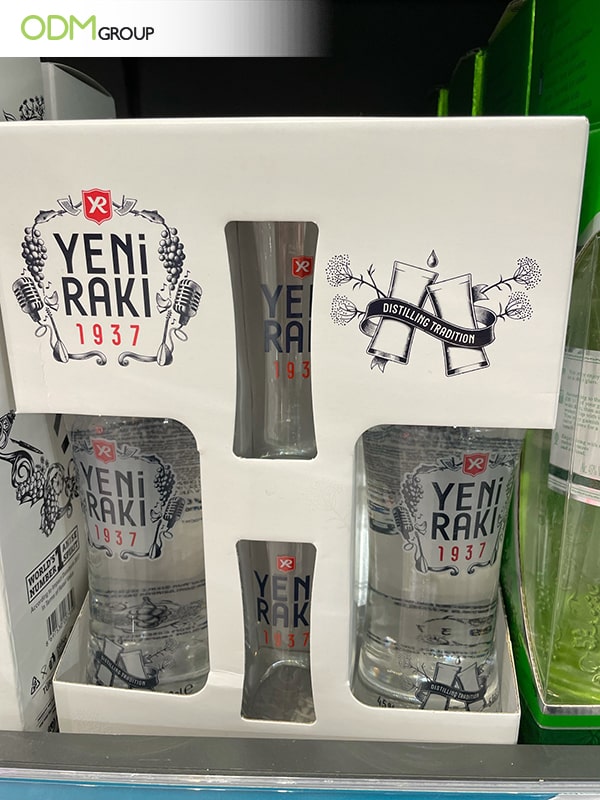
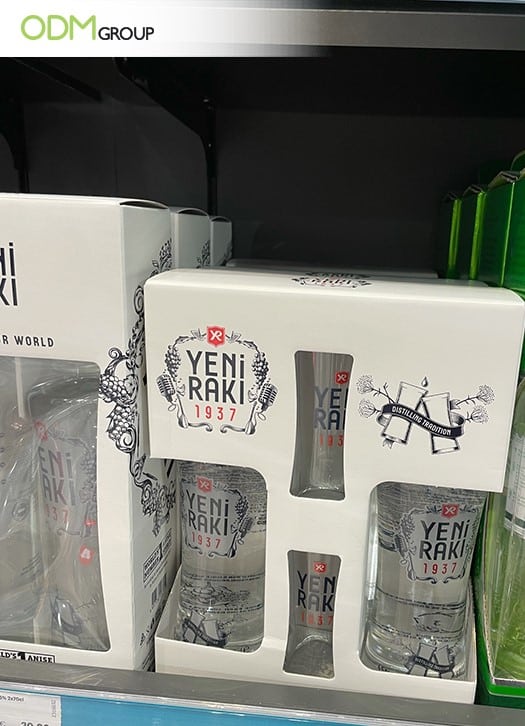
The growing complexity and multifaceted nature of alcohol marketing encourage brands to shift their traditional advertising to modern ways of promotion. We spotted this alcohol in-pack promotion in an airport in Istanbul. Here are the valuable marketing lessons we learned from Yeni Raki’s drink promotion idea.
1. Importance of promoting premium products.
Product not only refers to tangible goods but also to services a brand offers to its customers to satisfy their needs and wants. In this alcohol marketing strategy, we see here the importance of offering and promoting premium products.
Being the national drink in Turkey, everyone must be familiar with raki. As Raki is the go-to spirit for all occasions, offering this product to customers is definitely a surefire in the market. Thus, there is no doubt why Raki is a serious business in Turkey.
Alcohol Marketing Strategy
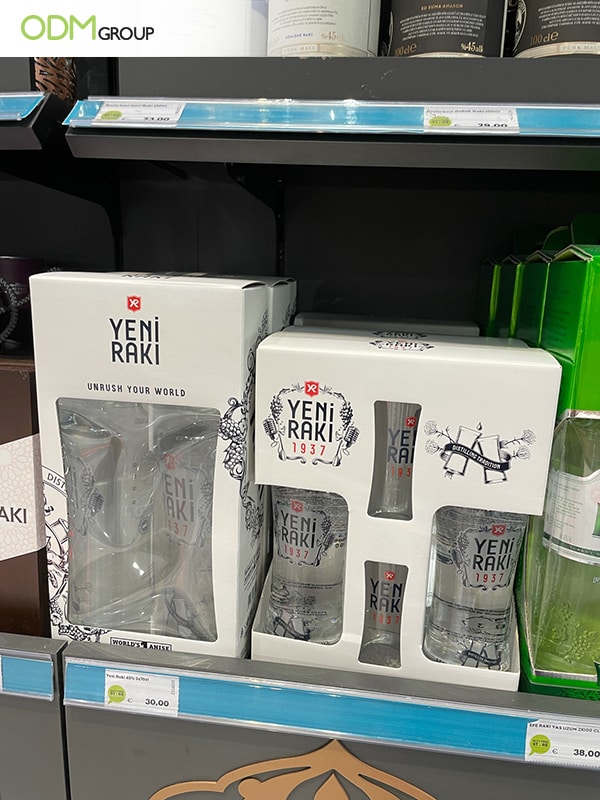
In addition, the brand also proves how important product packaging is in marketing. It is not only designed to protect the product, but it also adds to the overall presentation. As you can see, the brand’s product packaging design is indeed alluring. Giving an overview of what the product looks like is also a great example of an excellent product presentation.
2. Advantages of offering products at a competitive price.
Pricing strategy is both an art and science. Product price is not merely about giving a specific value to a good. It involves gathered market data and careful calculations. Moreover, it is about how much customers are willing to spend to acquire the product.
In this marketing strategy, Yeni Raki shows the advantages of giving the best value to every customer’s money. Getting two (2) bottles of drinks with two (2) free glasses is something that shoppers can’t resist.
3. Important roles of place in the marketing mix.
Yeni Rakis’s alcohol marketing strategy proves the importance of place in all marketing mixes. A compelling promotion always ensures that the product is conveniently available for customers.
Choosing a store inside an airport is a smart idea. As people are continuously going back and forth, they are more likely to notice this product. In addition, even tourists who visit the country are surely intrigued about this famous raki drink. Displaying promotional products in places like airport certainly capture the attention of huge traveler audience.
4. Creating an effective promotional strategy.
Designing a strategy where customers can easily find you is very essential in marketing, especially in the alcohol industry. Despite strict advertising and marketing protocols, different brands continue to venture into this industry.
Alcohol Marketing Strategy
This in-pack promotion by Yeni Raki shows how enticing promotional stunts can help brands secure a spot in the market. Thus, strategic planning and product brainstorming are very crucial.
We have compiled in this blog the different drink marketing ideas used by the 6 famous beverage brands.
We found these promotions inside the ASDA supermarket. Six famous liquor brands are competing to catch shoppers’ attention. Each brand has its own unique marketing gimmicks that make each promotion successful.
How to Build an Alcohol Marketing Strategy That Works (Step-by-Step)
Key 2026 Alcohol Marketing Trends
Here are the trends shaping the industry in 2026:
- Mindful Drinking (Low/No & Reduced ABV)
Moderation is becoming standard behavior, with nearly 70% of cocktail drinkers now choosing non-alcoholic options at times. This shift is pushing brands to create premium alternatives that still deliver on taste, ritual, and overall experience—supported by stronger packaging and sampling formats.
- Quality Over Quantity (Premium Shift)
Instead of higher volume, consumers are prioritizing better products. This favors brands offering refined production, elevated design, and cohesive gift-ready formats that justify a higher price point and stand out in-store.
- Flavor Exploration with Familiarity
Innovation is happening through bold combinations—botanicals, herbs, and unexpected blends—while still tapping into familiar, comforting flavor cues. Communicating these profiles visually through packaging and display becomes essential for quick understanding at the shelf.
- Connected Packaging and Digital Touchpoints
With restrictions on direct promotion, brands are turning to interactive packaging to embed engagement directly into the product—leveraging QR codes, smart labels, and digital layers to extend storytelling beyond the bottle.
- Sustainable and Transparent Practices
Environmental responsibility is now expected. Buyers look for clear signals in material choice, production methods, and packaging design, pushing brands to adopt solutions that are both eco-conscious and commercially viable.
- Next-Gen Consumer Behavior (Gen Z Influence)
Younger audiences are more selective and experience-driven. They value products that feel personal, shareable, and visually distinctive—often favoring collectible or design-led items that go beyond one-time use.
- Experience-Led Brand Building
Alcohol is increasingly tied to occasions rather than just consumption. Brands are focusing on creating complete experiences—through events, gifting formats, and retail execution—where the product becomes part of a larger moment.
Wrapping This Up…
Alcohol marketing today is driven by execution, not just ideas. Trends like mindful drinking, premiumization, and experience-led campaigns are reshaping the market, but they only deliver results when translated into real products, packaging, and retail presence that influence decisions at the moment of purchase.
The brands that win are the ones that stand out on the shelf, communicate clear value, and fit naturally into consumer occasions. Success comes from connecting product, packaging, and experience into one system—because if it doesn’t work in the real world, it won’t convert.
Contact ODM
In search of a perfect way to promote your drink brand? Congrats! You’re on the right page. We at ODM help brands in their marketing activities.
ODM group assists local and international businesses in producing the promotional materials they need. From custom promotional giveaways, brand packaging design, POS display units, up to gift with purchase ideas, ODM can handle all these. We pride ourselves as one of the pioneers in the sourcing industries in Asia.
We at ODM, want to be your partner in reaching your business goals. Do not hesitate to reach us today and learn more about the services that we can offer.
Take time to visit these blogs. Learn some drink marketing strategies that you can use in the future.
More Blogs
This cool GWP promotion allows shoppers to get a free custom ice ball mold for every purchase of Bacardi Ocho Rum (700 ml). Check out this promotion from Bacardi.
Here’s another amazing drink promotion. Find out here how Dead Alive Chilli Saloon stood out on the shelves through its in-pack promo.
This premium packaging and the free gift from the Jura brand made this promotion the talk of the town. Learn more about this campaign here.
We have seen so many promotional barware before but this in-pack gift offer by a Japanese brand of Plum Wine is indeed a stunning one. Read more about this in-pack gift idea here.
How does Campo Viejo excel in wine marketing with its branded on-pack promotion? Find the answer here.
Custom Logo Wine Glass: Is It a Worthy Investment in Marketing?
Needless to say, custom glasses make perfect marketing tools [...]
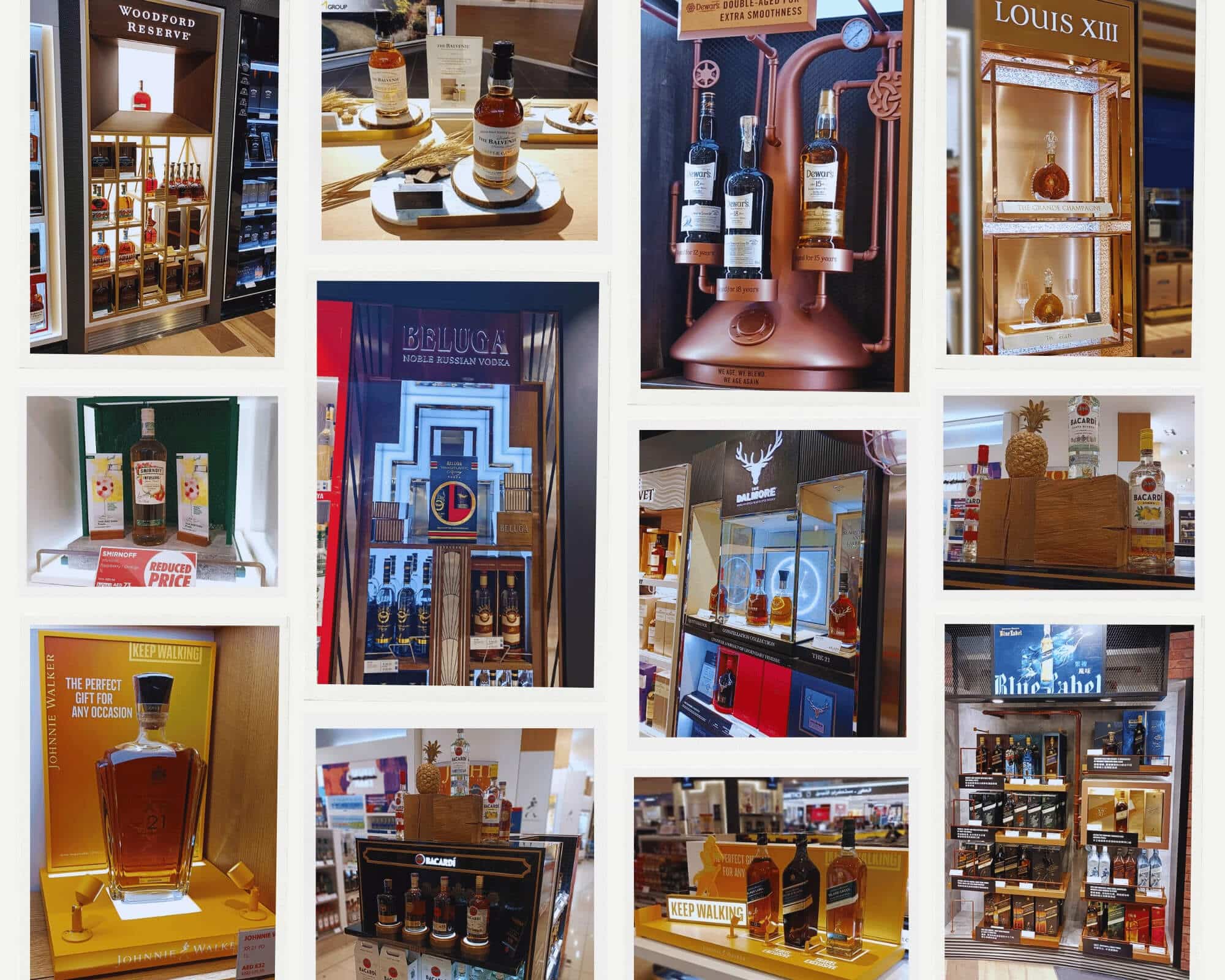
Alcohol Bottle Display: 5 Tips To Stand Out From Famous Brands
The competitive nature of the drinks industry made it [...]
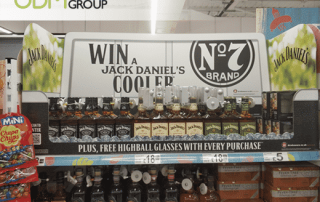
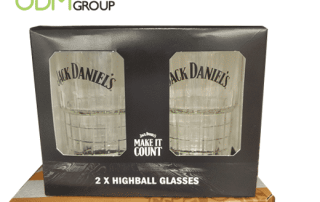

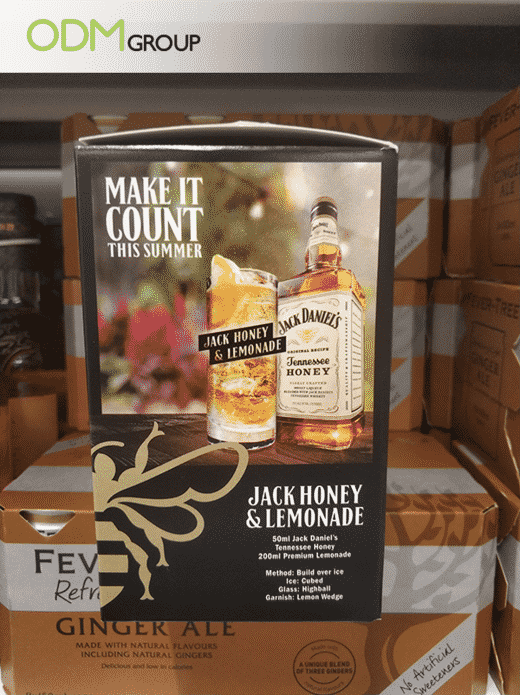
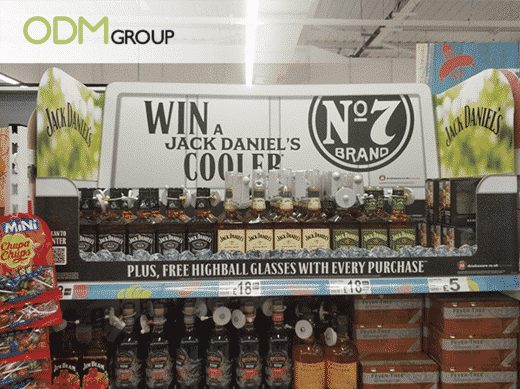
How Jack Daniel’s Steals the Limelight With Its Cool Drink Promotion Ideas
Born to make whiskey, Jack Daniel's truly never fails to [...]
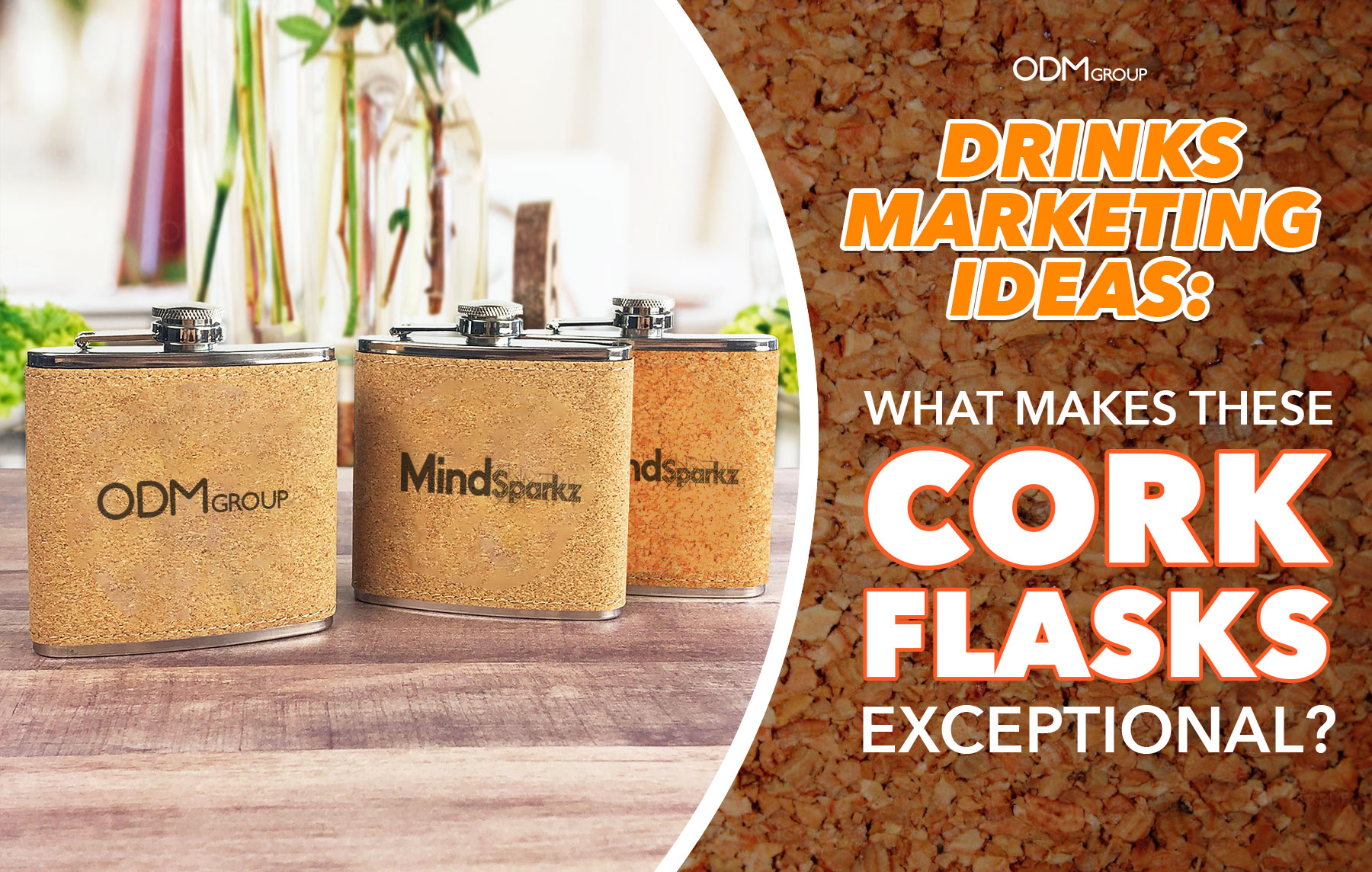
What Makes these Promotional Flasks A Total Corker in Marketing?
When you hear the word "cork," what comes first to [...]
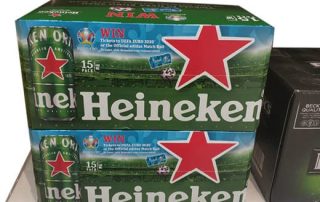

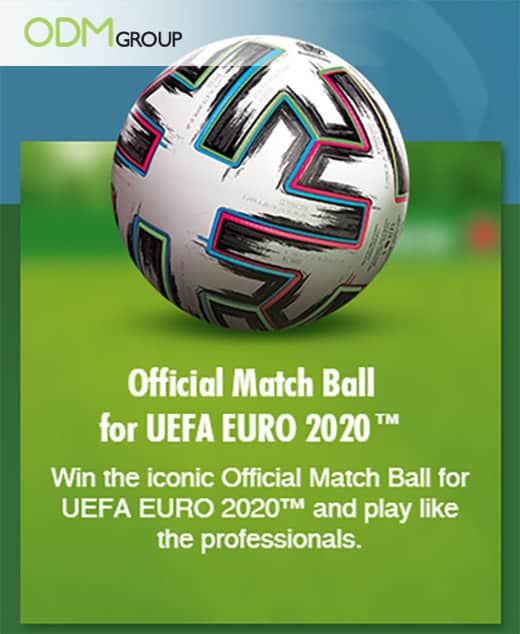
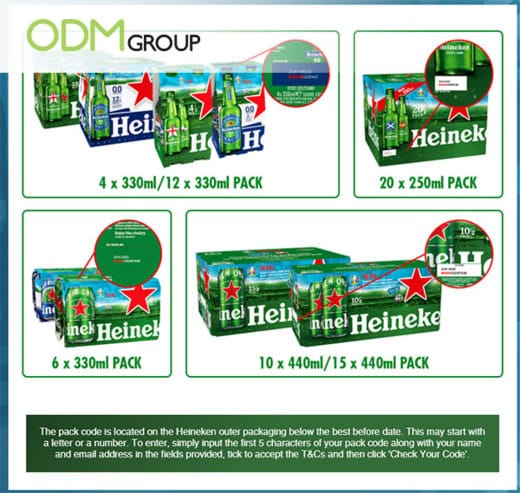
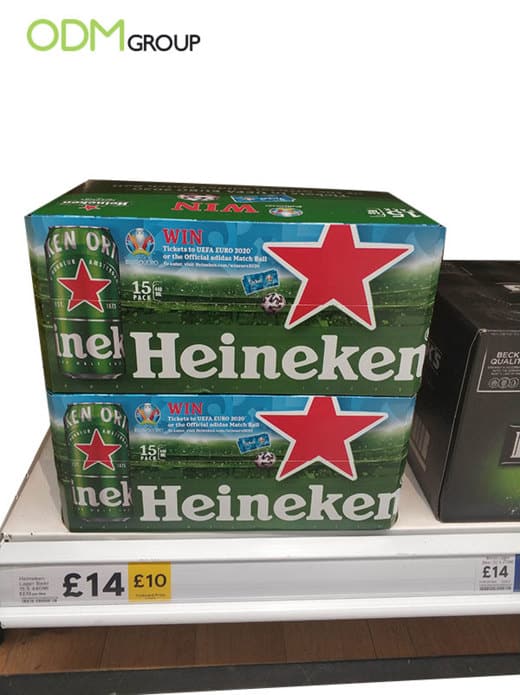
Marketing for Beer: Heineken Kicks Off Branded Football Giveaways
With so many beer products on the shelf, it is [...]
Frequently Asked Questions (FAQs)
What is an alcohol marketing strategy?
An alcohol marketing strategy is a structured approach to promoting alcoholic products through product design, retail placement, and experience-driven campaigns, while complying with strict regulations.
Why is alcohol marketing different from other FMCG categories?
Alcohol marketing is shaped by advertising restrictions, cultural consumption habits, and retail-driven decisions, making execution at the point of purchase more important than traditional advertising.
What channels are most effective for alcohol marketing?
The most effective channels include retail execution (POS displays, shelf placement), experiential marketing (events, tastings), and indirect digital channels like social media and influencers.
How do alcohol brands increase sales without discounting?
Brands focus on adding value instead of reducing price—through bundles, gift-with-purchase (GWP), limited editions, and premium packaging that enhances perceived value.
What are the biggest alcohol marketing trends in this year?
Key trends include mindful drinking, premiumization, sustainability, interactive packaging, and experience-led campaigns, all requiring strong execution in real-world environments.