
Most branded gift sets don’t fail because of budget. They fail because they’re built for distribution, not for use.
You’ve seen it before: a box filled with logo‑heavy items handed out at an event or mailed to clients. It looks impressive at first glance, then disappears from consciousness a week later. The packaging ends up in a drawer, the notebooks collect dust, and the mugs get swapped out for a “real” favorite.
The reality is simple:
A branded gift set is not a bundle of products. It is a designed experience that should fit into a specific moment, serve a clear purpose, and continue to deliver value long after it’s received.
When done right, gift sets can make onboarding feel more intentional, strengthen high‑value relationships, and extend campaign visibility beyond a single touchpoint. When done poorly, they become a line item on the budget report—and a missed opportunity.
This guide walks through how to treat gift sets as a strategic tool rather than a generic giveaway, with concrete ideas you can apply to your next campaign.
Why Most Corporate Gift Sets Get Ignored
The problem is rarely the product. It’s the lack of intention.
Most sets are built around:
-
What’s easy to source
-
What fits inside a budget
-
What looks good in a photo
Not:
-
How people will actually use the items
-
What moment are they trying to design for
This mismatch creates five recurring issues:
-
Items that don’t connect to each other or to the recipient’s life
-
Overloaded kits with too many low‑impact products
-
Packaging that looks premium but adds no functional value
-
No clear reason for the recipient to keep or reuse anything
-
A “random assortment” feel instead of a cohesive experience
A gift set should feel like a single idea expressed through multiple elements. Without that clarity, it becomes forgettable.
Branded Gift Sets Are Experience Tools, Not Just Products
The best way to rethink gift sets is to start from the moment, not the merchandise.
Instead of asking, “What products should we include?” ask:
-
“What interaction are we designing for?”
-
“How should this feel in the recipient’s hands a month later?”
Once the purpose is clear, the product list becomes easier because every item has a job:
-
A client onboarding kit should reduce friction and build confidence.
-
An event giveaway should extend engagement beyond the booth.
-
A seasonal gift should stay relevant after the campaign ends.
This is where strong campaigns stand out. The product, packaging, and message all pull in the same direction.
When Branded Gift Sets Actually Make Sense
Gift sets aren’t the solution for every scenario. They work best when tied to key business moments where a physical interaction adds value.
Here are some of the most effective use cases:
1. Client Onboarding
A well-designed welcome kit helps set expectations from the beginning. It gives new clients something tangible to connect with your brand and reinforces professionalism.
2. High-Value Deals
For important partnerships or negotiations, a thoughtful gift set can strengthen relationships and show commitment. In these cases, quality and presentation matter more than quantity.
3. Event Activations
At trade shows or brand activations, a structured gift set can extend engagement beyond the booth. Instead of a single giveaway, it creates a more memorable interaction.
4. Employee Engagement
Internal gifting is often overlooked. A practical and well-designed set can improve morale and create a sense of belonging.
5. Seasonal Campaigns
Gift sets tied to specific periods, such as holidays or product launches, help brands stay relevant during high-competition moments.
Timing plays a critical role. Even the best-designed set will underperform if it is delivered at the wrong moment.
5 Branded Gift Set Ideas Built Around Real Business Moments
Instead of focusing on product categories, it is more effective to think in terms of scenarios.
1. Welcome Kits That Set the Tone
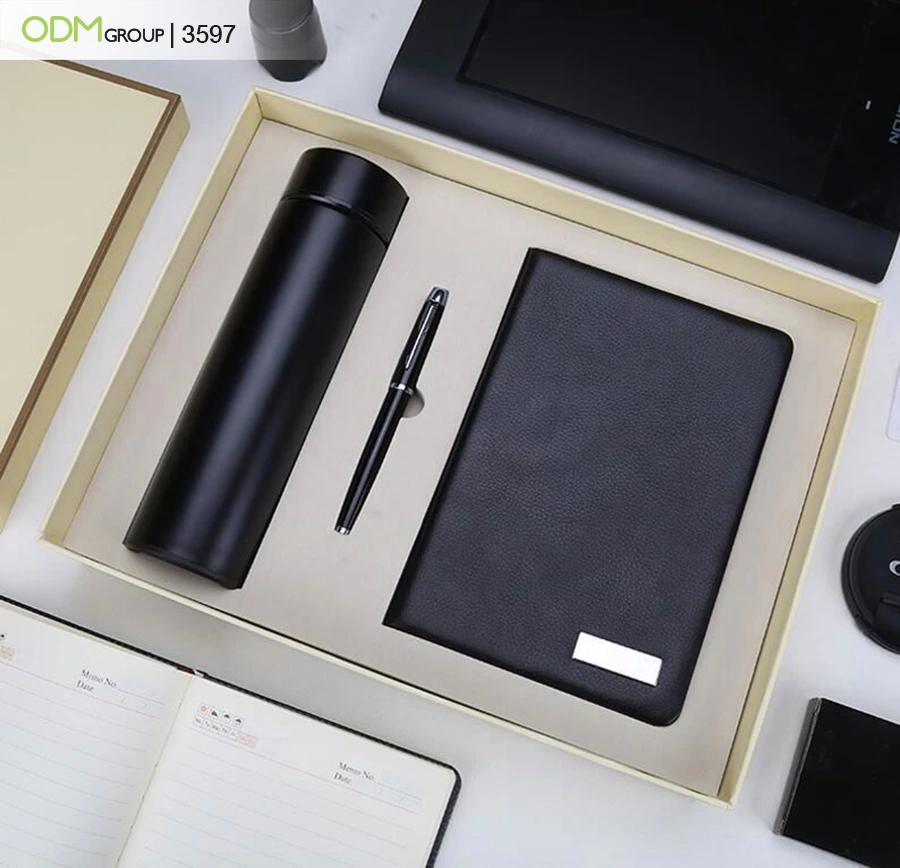
A strong onboarding kit should feel useful from day one. Instead of generic merchandise, include items that integrate into daily routines.
Examples:
- Branded drinkware for office use
- Notebook and pen sets with a clean design
- A structured welcome guide inside premium packaging
The goal is not to impress with volume, but to create a consistent first impression.
2. Event Gift Sets That Extend Engagement
At events, most giveaways are forgotten quickly. A curated set can change that.
Examples:
- Compact kits with practical items like portable fans or reusable bottles
- QR codes linking to exclusive content or offers
- Packaging that doubles as storage or display
This approach keeps the brand present even after the event ends.
3. Executive Gift Sets for Premium Positioning
When targeting high-level clients, perception matters. The focus should be on fewer, higher-quality items.
Examples:
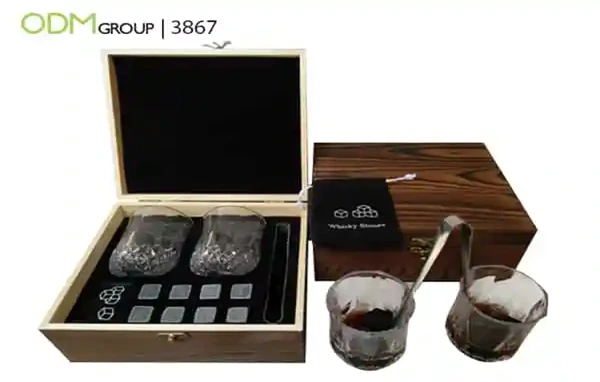
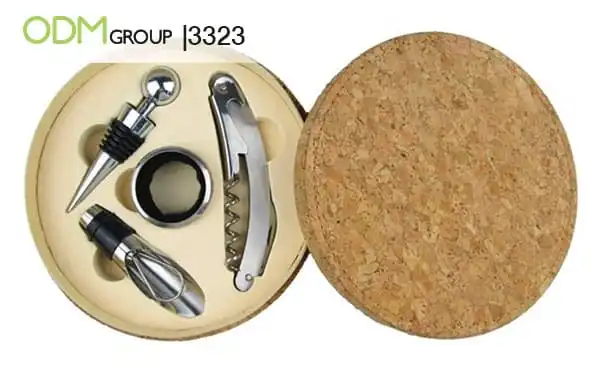
- Wine accessories or barware sets
- Leather or high-end desk accessories
- Minimalist packaging with subtle branding
Over-branding is a common mistake here. Subtlety often creates a stronger impact.
4. Seasonal Gift Sets That Stay Relevant
Seasonal campaigns are an opportunity to connect with customers at scale. The challenge is making the products last beyond the moment.
Examples:
- Holiday kits with reusable items
- Travel-friendly accessories for peak seasons
- Gift sets designed for home use
The more frequently the items are used, the longer the brand stays visible.
5. Employee Kits That Actually Get Used
Internal kits should focus on comfort and practicality.
Examples:
- Desk essentials such as mini vacuums or organizers
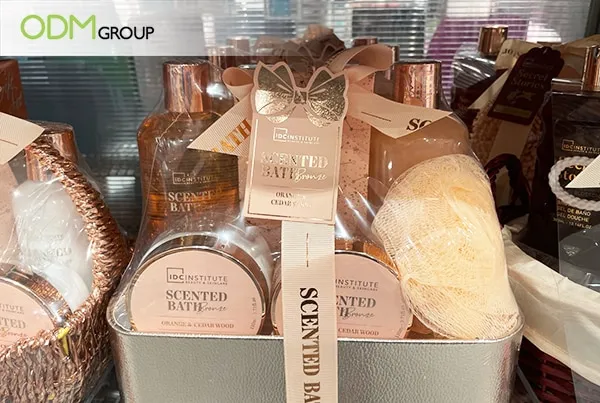
- Wellness items like aromatherapy candles
- Everyday accessories like laptop bags or lanyards
When employees use these items daily, branding becomes part of their environment.
Real Examples: Branded Gift Sets That Work in Retail
During a recent visit to France, several in-store promotions stood out—not just for their visual appeal, but for how effectively they used gift sets to enhance the overall brand experience.
What made these examples interesting was not the products themselves, but how each set was structured around a clear idea, combining packaging, product selection, and positioning into a cohesive system.
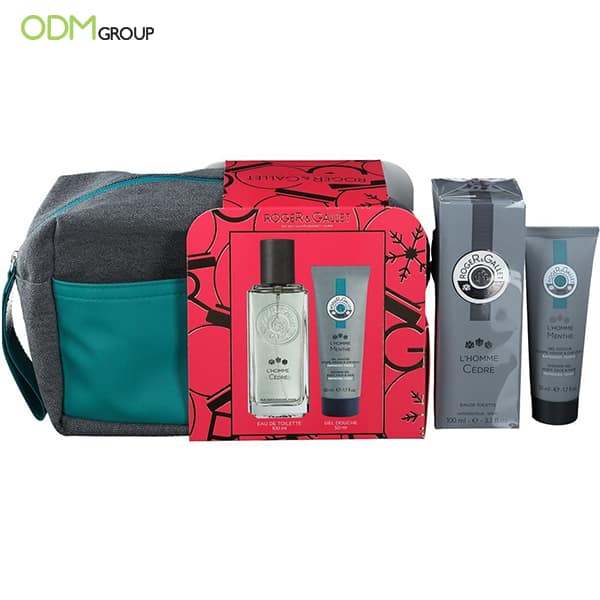
Roger & Gallet L’Homme Gift Set
This gift set is built around a simple but effective concept: a ready-to-gift solution tailored for the holiday season.
The set includes a citrus-scented eau de toilette paired with a cedarwood shower gel, creating a consistent fragrance experience across both products. Instead of mixing unrelated items, the focus is on complementarity, making the set feel intentional and easy to understand.
From a marketing perspective, this works well because:
- The product pairing is logical, reinforcing a single scent profile
- The positioning is clear, targeting gifting occasions rather than everyday purchases
- The packaging supports the message, making it suitable for immediate gifting without additional effort
This reduces decision-making for the buyer and increases the likelihood of purchase during peak retail periods.
Vichy Homme x FAGUO Anti-Aging Kit
This collaboration takes a different approach by combining skincare with sustainability messaging.
The set includes face and body moisturizers, packaged in a bag made from 100% recycled polyester. Beyond the product itself, the campaign integrates a broader environmental commitment, with a tree planted for each purchase to offset emissions.
What makes this effective:
- The product and packaging are aligned with the sustainability narrative
- The brand collaboration adds credibility and differentiation
- The value goes beyond the product, connecting with consumer values around environmental responsibility
This turns the gift set into more than just a skincare bundle. It becomes part of a larger brand story, which increases emotional engagement and perceived value.

What These Examples Show
Both cases highlight an important point. The success of a branded gift set does not come from adding more items, but from how well everything works together.
- A clear theme makes the set easier to understand
- Thoughtful product selection increases usability
- Packaging and messaging reinforce the overall experience
When these elements are aligned, the gift set becomes a natural extension of the brand, rather than just a promotional add-on.
How to Turn a Gift Set Into a Campaign Tool
A gift set should not be treated as a standalone item. It becomes far more powerful when integrated into a broader campaign, where each element supports a specific interaction.
Here’s how to design it that way:
1. Build around a clear theme or story
Instead of combining random items, anchor everything to a single idea- “home‑office essentials,” “travel‑ready,” “onboarding journey,” etc. This makes the set feel intentional and memorable.
2. Use packaging as part of the experience
Packaging should do more than protect the items. It can:
-
Guide how the set is opened
-
Reveal information step by step
-
Double as storage or display
When packaging is functional, it adds value instead of being discarded.
3. Embed digital touchpoints
QR codes, NFC tags, or short links can:
-
Send users to a landing page
-
Unlock exclusive content or offers
-
Connect the physical product to your digital ecosystem
This turns the gift set into a gateway, not just a static object.
4. Design for repeat interaction
Choose items people will use regularly- drinkware, desk accessories, travel‑friendly tools. The more often they interact with the product, the longer your brand stays visible.
Why Most Branded Gift Sets Fail to Deliver ROI
Even conceptually strong sets often fall short at execution. The idea can be brilliant; the final product is not.
The most common issues:
-
Items chosen for cost, not relevance
Cheap products that don’t fit the recipient’s daily life are unlikely to be used or kept.
-
Poor material and finish quality
Lightweight materials, weak seams, or inconsistent detailing quickly reduce perceived value across the entire set.
-
Inconsistent branding across items
Mismatched colors, logo placements, or finishes make the set feel disjointed instead of cohesive.
-
Packaging that’s hard to reuse or store
If the box is only “protective” and not functional, it’s usually discarded, limiting long‑term visibility.
A gift set is a system, not a collection of independent parts. If one element feels off, it weakens the whole experience.
How ODM Group Helps You Get This Right
How ODM Group helps design sets that perform
Concepts are only half the battle. The real challenge is translating that concept into a tangible, consistent product at scale.
At ODM Group, we treat gift sets as campaign assets, not order‑fulfillment items. We help brands:
-
Define the right gift‑set type based on campaign goals, audience, and use case
-
Design products, packaging, and collaterals that feel like a single system
-
Oversee factory selection, quality control, and logistics to protect consistency
With dedicated teams in Asia, we manage:
-
Factory selection and audit
-
Quality control and sampling
-
Packaging development and logistics
This reduces the most common execution risks: material inconsistencies, timeline slips, and mismatched finishes.
The result is not just a finished product, but a gift set that performs as intended in the real world—used, kept, and associated with your brand over time.
Turn Your Next Gift Set Into a Campaign Asset
If you are planning a branded gift set, the goal should not be to simply “put products in a box.” It should be to create something people actually use, keep, and associate with your brand over time.
That requires the right structure, the right product choices, and the right execution partner.
If you want to explore ideas or discuss a campaign, our team can help you build a gift set that is designed for real use and delivered exactly as planned.
Contact ODM Group today to start your next branded gift set project.
More Ideas


FAQs about Branded Gift Sets
What makes a branded gift set effective?
An effective gift set is built around a specific use case. The items should feel connected, practical, and relevant to the recipient’s daily life.
How many items should be included in a gift set?
There is no fixed number. In most cases, fewer high-quality items create a stronger impact than a large number of low-value products.
Are branded gift sets suitable for all industries?
Yes, but the approach should vary. For example, corporate industries may require more subtle branding, while consumer brands can be more expressive.
How do you ensure consistency in production?
Consistency comes from proper sampling, clear specifications, and strong quality control throughout production.
Can gift sets be sustainable?
Yes. Many brands now use eco-friendly materials such as bamboo, recycled fabrics, and reusable packaging to reduce environmental impact.
What to Read Next?
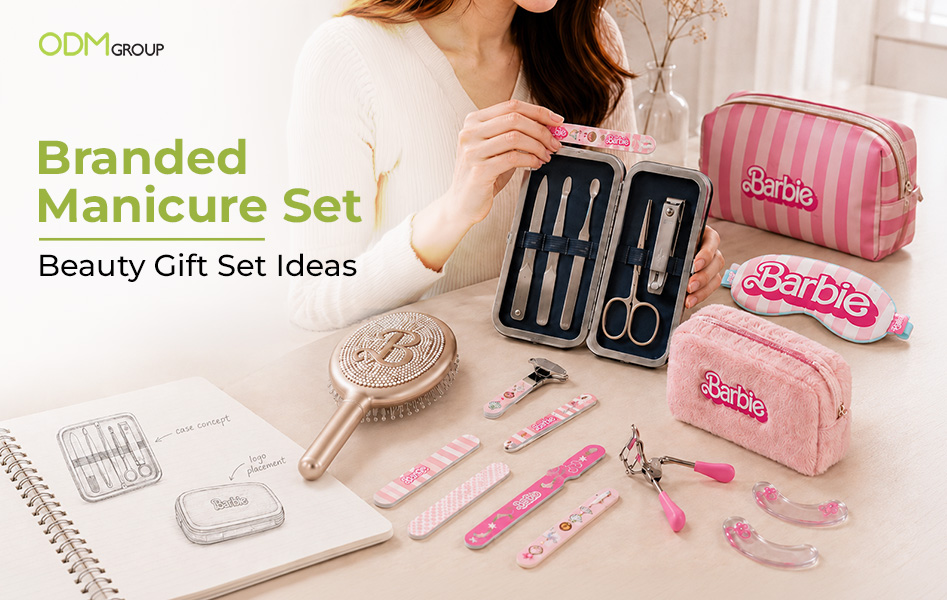
Branded Manicure Set for Beauty and Travel Promotions
Pampering yourselves is never going to get old; it’s [...]

Why Custom Ceramic Trays Belong in Your Next Client Gift Set?
Client gifting is more than just a nice gesture. [...]
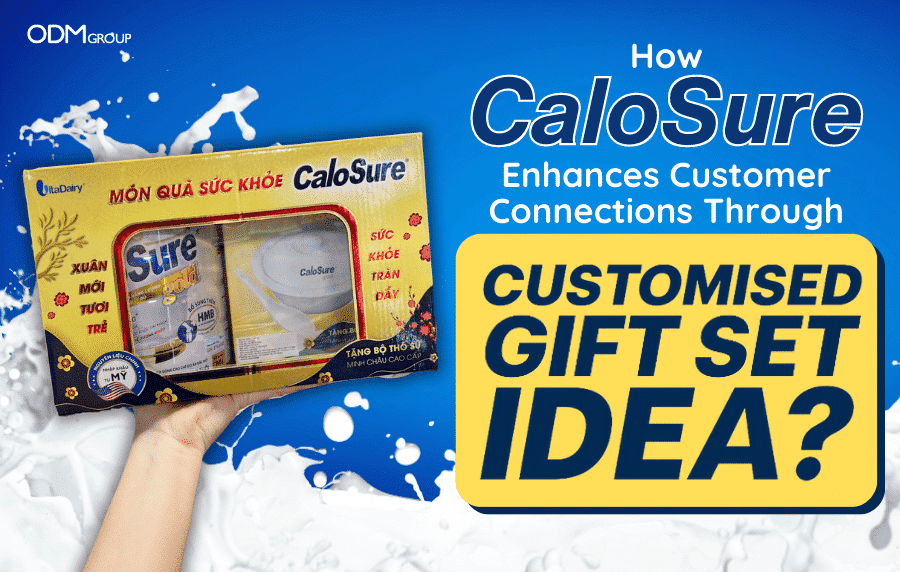
CaloSure Customised Gift Set: The Power of On-Pack Gifting
Do you still remember the feeling of getting the [...]
Feel the Magic: Holiday Mug Gift Set for Festive Marketing Delights
As the holidays approach, businesses are gearing up for [...]
Whiskey Box Gift Set: A Toast to Friendship With Jack Daniel’s
To keep your business alive forever, you must build [...]

4 Ways these Barbeque Gift Sets Drive Rum and Que Promotion
Rum and Que spoils its customers' BBQ genius with [...]
Related posts:
 Promotional Gift Sets – Clever Retail Promotions by The Best
 Corporate Gifting: How to Impress Customers with Custom Pen Gift Sets
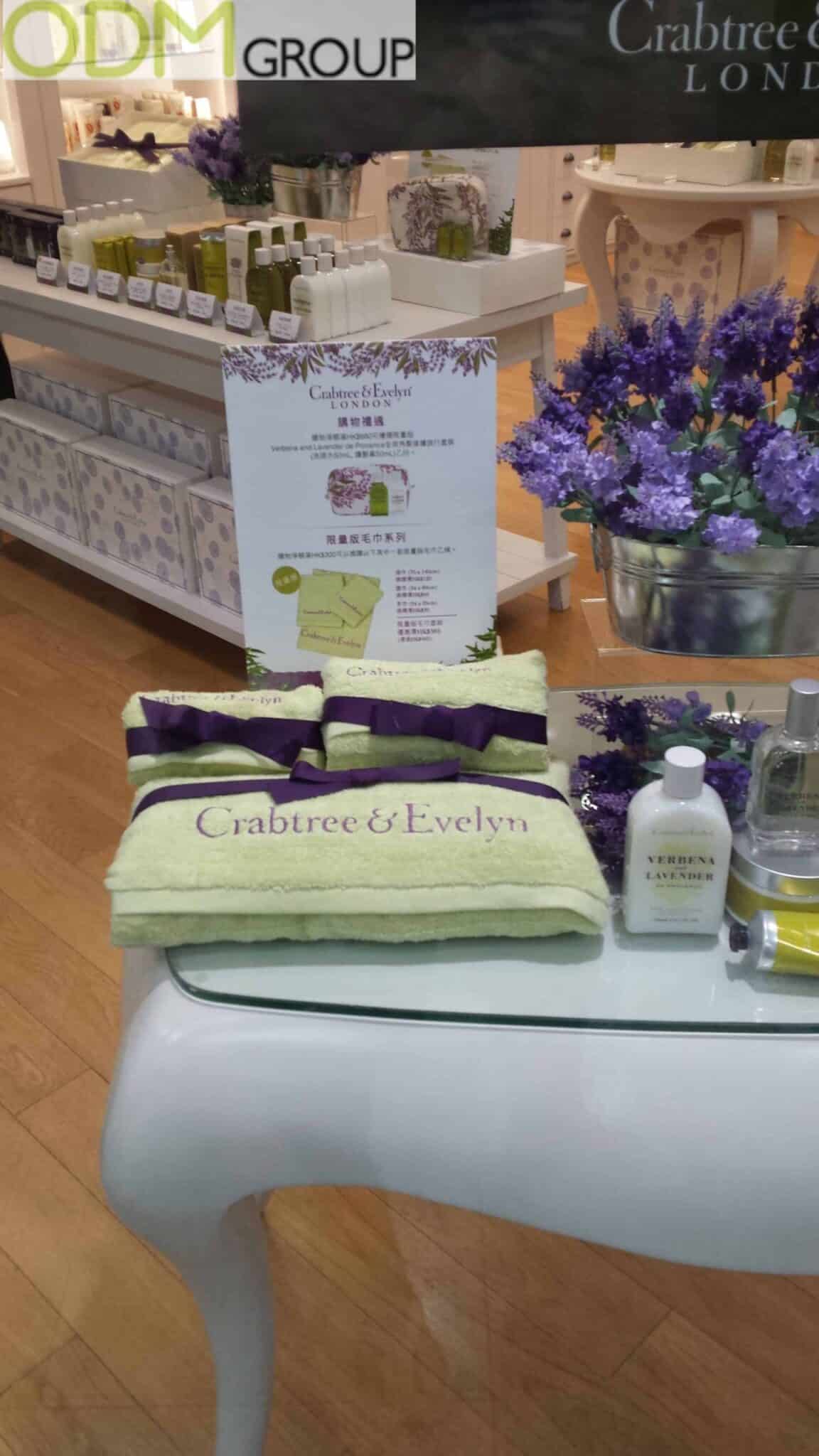 Promo Gift Giving: Crabtree and Evelyn Branded towels
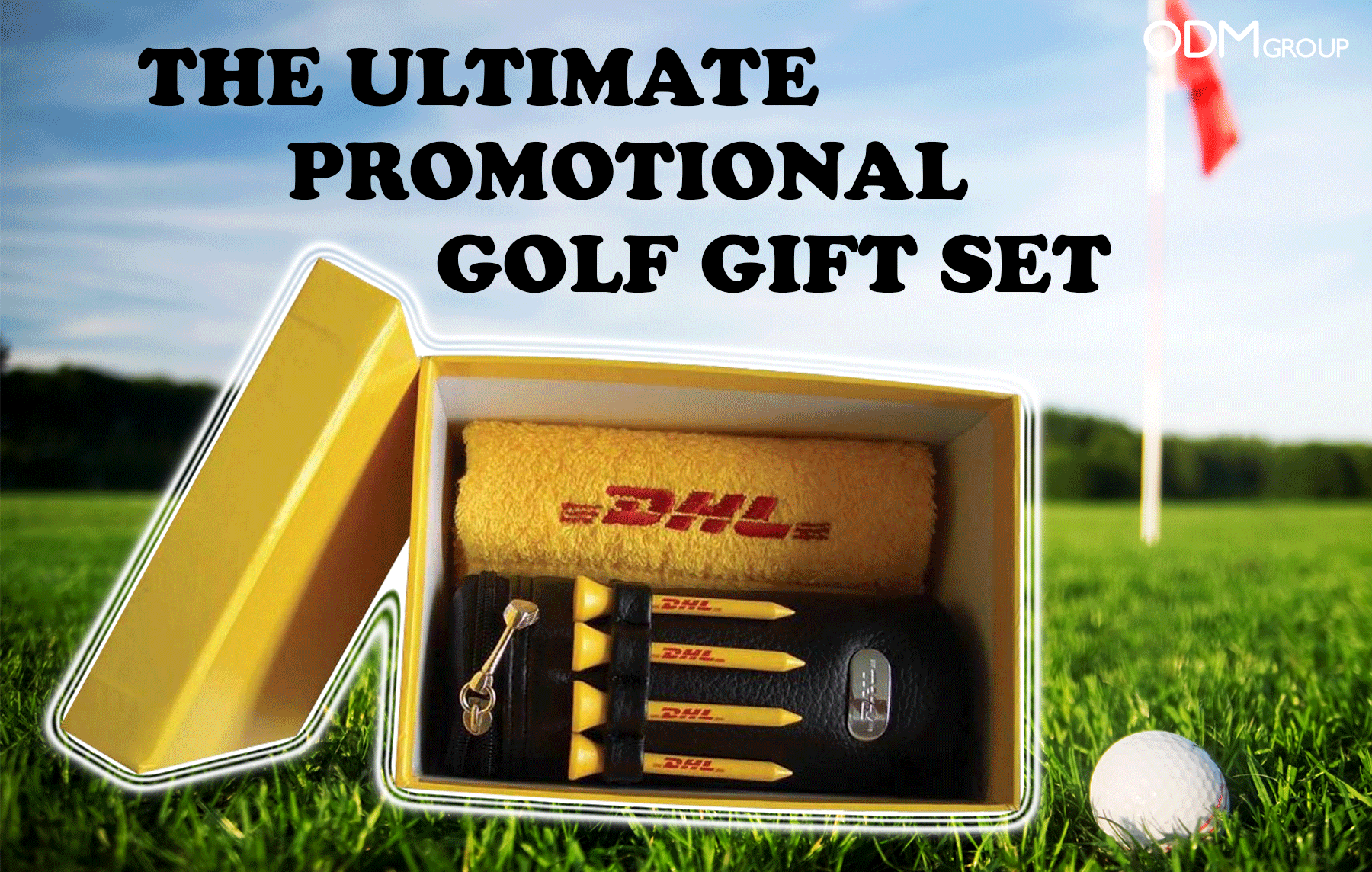 Promotional Golf Gift Sets That Strengthen Brand Relationships
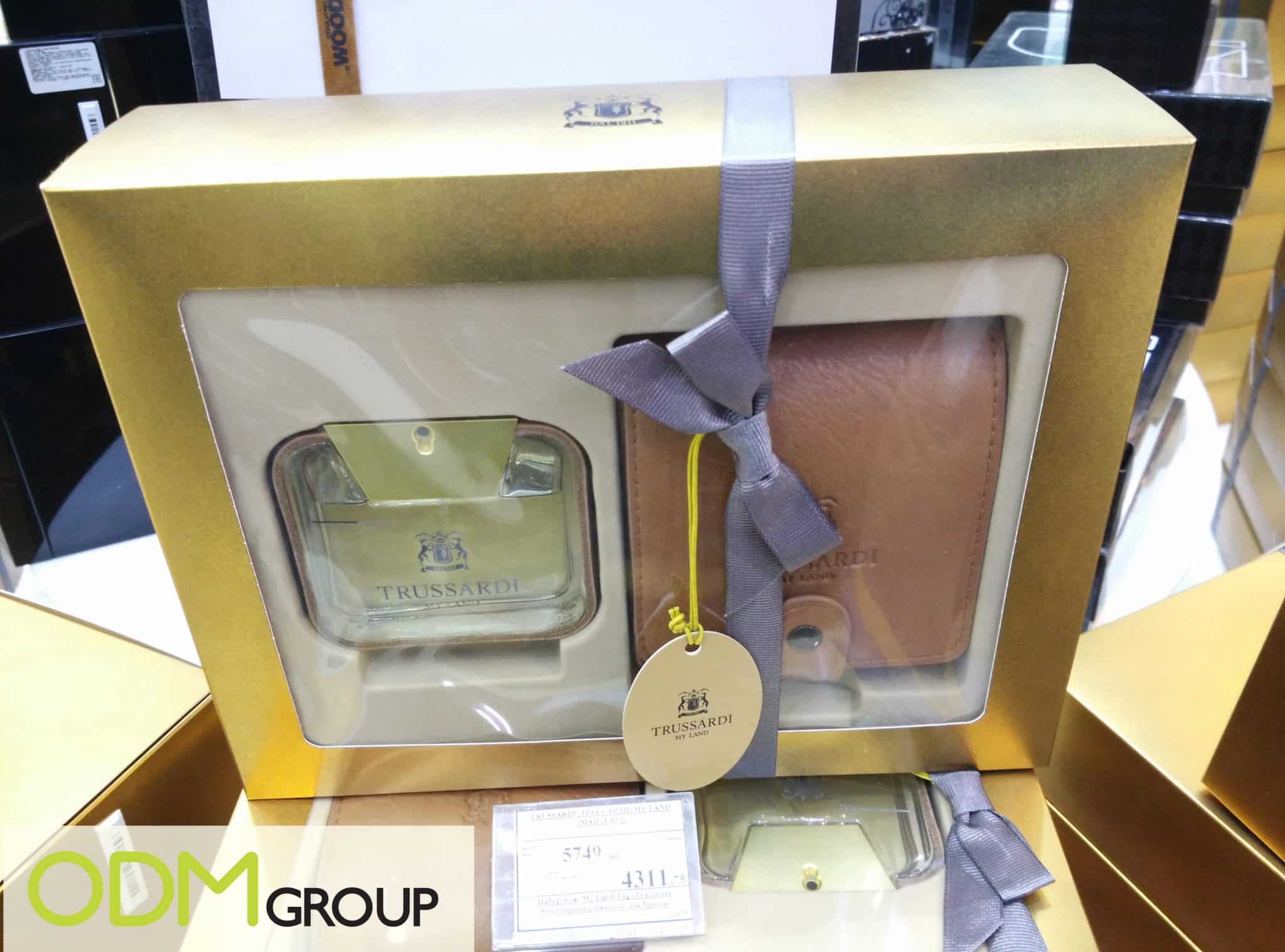 Gift Set by Trussardi Russia: Branded Wallet and Leather Case