
A successful marketing campaign does more than generate attention. It connects the right audience with a clear message, gives them a reason to respond, and supports the brand’s wider commercial goals.
For marketing managers, procurement teams, and brand owners, the challenge is often not generating ideas. It is coordinating creative concepts, campaign merchandise, packaging, retail displays, suppliers, budgets, and delivery schedules without losing consistency.
This guide explains how to launch a marketing campaign that is commercially focused, operationally realistic, and easier to measure.
Why Marketing Campaign Planning Matters
Marketing campaigns often involve several teams, suppliers, and customer touchpoints. A delay in packaging, an unsuitable promotional product or an unclear campaign message can affect the entire launch.
Strong planning helps brands:
- Keep campaign activities aligned with one objective
- Control production and distribution costs
- Reduce sourcing and manufacturing risks
- Maintain consistent branding across every channel
- Deliver campaign materials on schedule
- Measure whether the campaign generated meaningful results
This is particularly important when a campaign includes custom promotional products, gift-with-purchase items, product packaging, retail displays, or event merchandise. These physical assets require more planning than digital content alone because they involve design approvals, samples, production, quality control, and logistics.
7 Steps to Launch a Successful Marketing Campaign
1. Define a Clear Commercial Objective
Before selecting promotional products, booking media placements, or developing creative concepts, decide what the campaign needs to achieve.
Common campaign objectives include:
- Launching a new product
- Increasing retail sales
- Generating qualified leads
- Encouraging repeat purchases
- Improving product awareness
- Supporting distributors or sales teams
- Increasing event attendance
- Collecting customer data
- Strengthening customer loyalty
The objective should be specific and measurable.
For example, “increase brand awareness” is too broad to guide a campaign. A stronger objective would be:
- Generate 1,000 product samples at a trade show
- Achieve a 15% redemption rate for a retail promotion
- Increase sales of a selected product range during the campaign period
- Generate 300 qualified leads from an industry event
- Encourage customers to reach a minimum purchase value
Clear objectives also help brands avoid spending money on campaign elements that look impressive but do not support the intended result.
Questions to ask before moving forward
- What customer action do we want to encourage?
- Which product, service, or message are we promoting?
- How will the campaign support wider sales targets?
- What result would justify the campaign investment?
- Which metrics will be used to evaluate success?
2. Understand the Target Audience and Buying Context
A campaign becomes more effective when it reflects how the target customer actually discovers, evaluates, and purchases a product.
Audience research should go beyond basic demographics. Marketing teams should also consider:
- Purchasing habits
- Customer needs
- Preferred communication channels
- Price sensitivity
- Decision-making factors
- Product-use occasions
- Cultural expectations
- Barriers to purchase
- Retail or event environment
For B2B campaigns, additional factors may include job title, industry, company size, purchasing authority, procurement process, and expected order volume.
The buying context matters too.
A customer walking through a busy supermarket has only a few seconds to notice a retail display. A trade show visitor may be willing to spend more time discussing a product, but will encounter many competing exhibitors. A gift recipient may judge the brand through the usefulness, presentation, and quality of the item they receive.
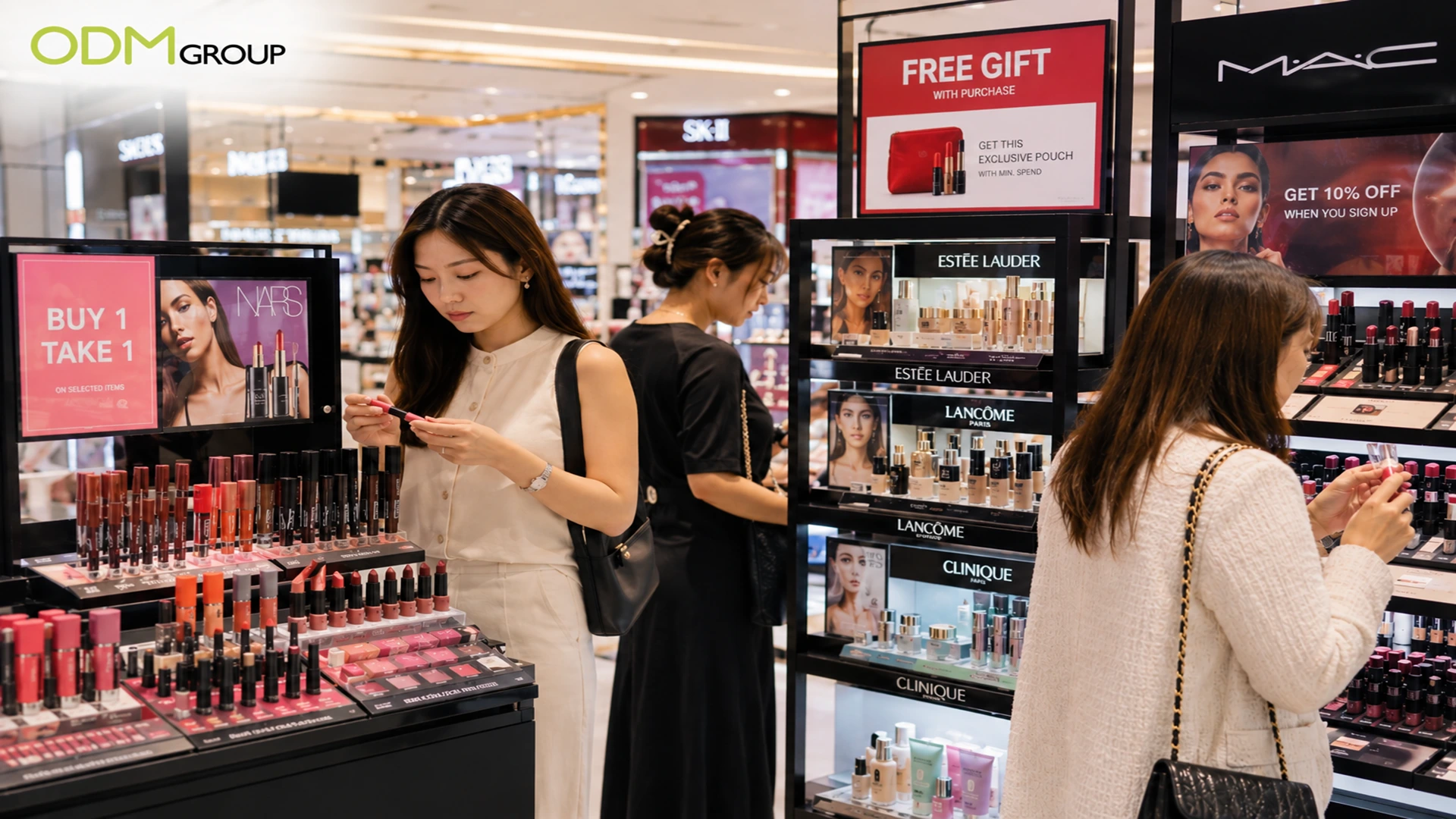
Understanding these situations helps brands choose campaign tools that are appropriate rather than generic.
Useful research sources
- Customer surveys
- Sales-team feedback
- Website analytics
- Social-media insights
- Retailer feedback
- Distributor interviews
- Previous campaign results
- Competitor analysis
- Product reviews and customer comments
The goal is not to reach everyone. It is to reach the people most likely to respond.
3. Build the Campaign Around One Strong Idea
Once the objective and audience are clear, develop a central concept that can connect every part of the campaign.
A strong campaign idea should be:
- Easy to understand
- Relevant to the audience
- Consistent with the brand
- Flexible across multiple channels
- Connected to a clear customer action
The campaign message, promotional merchandise, packaging, digital content, and retail display should all support the same idea.
For example, a beverage brand launching a summer promotion might combine:
- Outdoor sampling events
- Branded drinkware
- Portable product displays
- Social-media content
- Retail gift-with-purchase offers
- QR codes linking to a competition
Each activity plays a different role, but all of them reinforce the same seasonal campaign.
A campaign becomes weaker when the promotional product, packaging, and advertising appear unrelated. Adding a logo to a generic product is not enough. The item should make sense within the campaign concept and the customer’s lifestyle.
Evaluate the campaign concept against these questions
- Is the benefit clear?
- Can the idea be explained in one sentence?
- Does it make sense across digital and physical channels?
- Is the campaign recognizably connected to the brand?
- Does it give customers a reason to respond now?
4. Set a Realistic Budget and Production Timeline
Marketing budgets should be based on the campaign objective, expected audience reach, required assets, and potential return.
There is no universal percentage that suits every business. A large product launch may require a higher investment than a customer-retention campaign or a small regional activation.
A complete campaign budget may include:
- Creative development
- Promotional merchandise
- Product packaging
- Point-of-sale displays
- Photography and video
- Advertising
- Event costs
- Sampling materials
- Influencer or media partnerships
- Warehousing
- Freight and delivery
- Quality-control inspections
- Contingency expenses
When ordering custom products, brands should calculate the total landed cost rather than comparing unit prices alone.
The total cost may include:
- Product development
- Tooling or mould fees
- Samples
- Branding
- Packaging
- Testing
- Quality inspections
- Freight
- Customs duties
- Distribution to multiple locations
A lower factory price does not always result in a lower overall campaign cost. Poor quality, late delivery or unsuitable packaging can create additional expenses and damage the customer experience.
Plan backward from the launch date
Custom products may require time for:
- Concept development
- Product design
- Supplier sourcing
- Prototype development
- Sample review
- Design revisions
- Mass production
- Quality inspections
- International shipping
- Final distribution
Major seasonal campaigns should often be planned several months in advance. Christmas, Lunar New Year, summer retail campaigns, and trade shows can also create production and freight congestion.
Planning early gives the team more time to compare options, test samples, and solve problems before they affect the launch.
5. Select the Right Campaign Channels and Physical Touchpoints
Marketing channels should be selected according to audience behavior and the role each channel plays in the customer journey.
Possible campaign channels include:
- Social media
- Email marketing
- Digital advertising
- Public relations
- Retail displays
- Influencer partnerships
- Trade shows
- Sampling campaigns
- Direct mail
- Experiential events
- On-pack promotions
- Gift-with-purchase campaigns
- Promotional merchandise
The strongest campaigns often combine digital and physical touchpoints.
For example, a customer may first see the campaign on social media, notice the same message on a retail display, and receive a branded gift after making a purchase.
This creates a more connected experience than relying on a single channel.
Match the physical campaign asset to the objective
To attract attention in retail: Use floor displays, counter displays, shelf talkers, or interactive product demonstrations.
To encourage purchase:
Use gift-with-purchase items, purchase-with-purchase offers, on-pack gifts, or limited-edition packaging.
To generate event engagement: Use branded sampling trays, game mechanics, event merchandise, or interactive giveaways.
To strengthen business relationships: Use custom corporate gifts, presentation kits, or premium packaging.
To extend campaign visibility: Use practical products that customers are likely to keep and reuse.
The product should not only carry the brand. It should help move the customer towards the campaign objective.
6. Develop, Test, and Approve the Campaign Assets
Once the campaign plan is approved, brands can begin developing the content and physical materials.
These may include:
- Advertising graphics
- Social-media content
- Landing pages
- Promotional merchandise
- Product packaging
- Retail displays
- Sampling kits
- Event materials
- Sales presentations
- Promotional videos
All assets should use consistent branding, messaging, and calls to action.
Now that you’ve successfully reached out to consumers, its time to evaluate your campaign. Get feedback from your clients and customers to see how you can improve. It is important that with every activity that your campaign executes, it ties back to your branding. It is also important to make sure your campaign was able to engage with the customer. This will allow you to develop strong relationships with the client and create a loyal following.
For custom physical products, sample approval is one of the most important stages.
A sample allows the team to evaluate:
- Product dimensions
- Materials
- Colour accuracy
- Logo positioning
- Print quality
- Product function
- Packaging
- Assembly requirements
- Overall perceived value
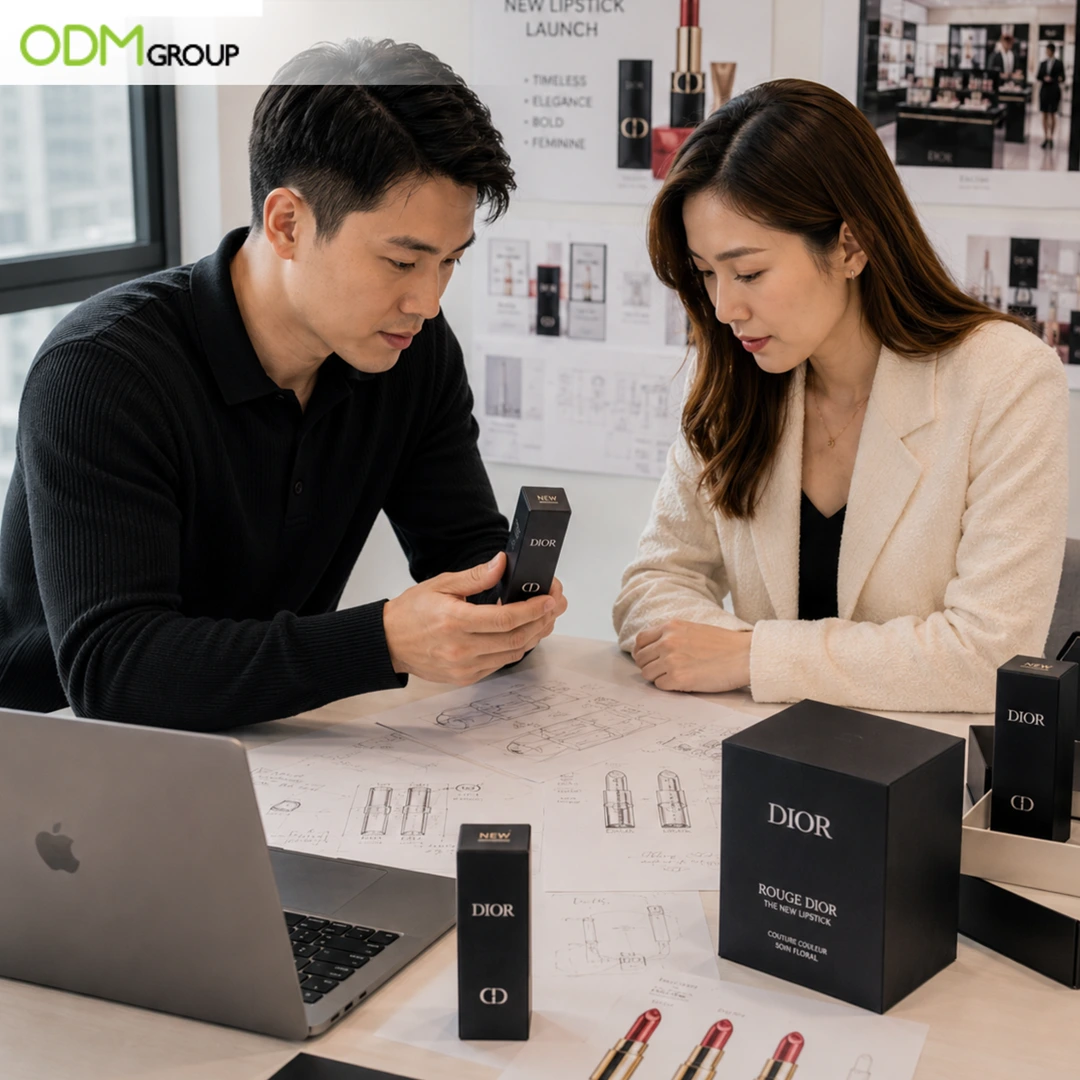
It is also important to test the product in the environment where it will be used.
A point-of-sale display should be checked for stability, product capacity, visibility, and ease of assembly. A promotional gift should be assessed for usability and packaging quality. Event merchandise should be easy to distribute, carry, and store.
Build an approval process
Campaign teams should establish who is responsible for approving:
- Product design
- Artwork
- Packaging
- Samples
- Production
- Quality standards
- Shipping schedule
Without a clear approval structure, small delays can quickly affect production and delivery.
7. Launch, Monitor, and Improve the Campaign
The campaign should be monitored from the moment it launches.
The metrics should connect directly to the original objective. Depending on the campaign, these may include:
- Sales uplift
- Redemption rate
- Lead volume
- Cost per lead
- Conversion rate
- Event attendance
- Sample distribution
- Customer acquisition cost
- Website traffic
- Retailer feedback
- Customer engagement
- Return on investment
Physical campaigns may require additional tracking methods.
Brands can use:
- Unique QR codes
- Campaign landing pages
- Promotional codes
- Redemption vouchers
- Retail sales data
- Event lead scanners
- Customer surveys
- Distributor reports
Tracking should not be added as an afterthought. It should be built into the campaign from the planning stage.
Marketing teams should also monitor operational performance. Ask whether the merchandise arrived on time, whether retailers used the displays correctly, and whether customers understood the promotional mechanic.
After the campaign, complete a structured review.
Questions for the post-campaign review
- Did the campaign achieve its objective?
- Which channel generated the strongest response?
- Did the promotional product influence customer action?
- Were there any production or logistics problems?
- Did customers understand the offer?
- Which items or locations performed best?
- What should be changed for the next campaign?
Documenting these findings helps the brand improve future budgets, lead times, product choices and campaign mechanics.
How Promotional Products Add Value to Marketing Campaigns
Promotional products can give customers a physical reason to notice, remember, and engage with a campaign.
Unlike a digital advertisement that disappears after a few seconds, a useful branded product can remain with the customer after the campaign ends.
Brands can use promotional products to:
1. Increase perceived purchase value. A relevant gift can make the core product or offer feel more rewarding.
2. Encourage immediate action. Limited-edition merchandise can create urgency and support a purchase decision.
3. Improve event engagement. Interactive giveaways can attract visitors and start conversations.
4. Extend brand visibility. Reusable items keep the brand present in the customer’s daily routine.
5. Support product storytelling. Custom products can reflect a campaign theme, product benefit, or brand message.
6. Connect physical and digital activity. QR codes, redemption links, and competition mechanics can guide recipients to the next stage of the campaign.
The most effective promotional products are not selected only by price. They are chosen according to campaign relevance, audience value, product quality, branding potential, and distribution method.
Common Marketing Campaign Mistakes to Avoid
Even strong campaign ideas can fail when execution is poorly managed.
1. Choosing merchandise too late
Late product sourcing reduces the time available for customization, testing, quality control, and shipping.
2. Focusing only on the unit price
The cheapest product may incur additional costs due to poor quality, delays, high defect rates, or unsuitable packaging.
3. Using a generic giveaway
A product that has no connection to the campaign or audience may generate little engagement, even when it is heavily branded.
4. Ignoring distribution
Brands should know how products will be packed, stored, shipped, and handed to customers before production begins.
5. Launching without measurable KPIs
Without tracking, the team cannot determine whether the campaign achieved its objective.
6. Treating suppliers as order takers
A strong product development and sourcing partner should help the brand evaluate materials, production methods, packaging, quality risks, and delivery requirements.
How Can ODM Help?
How ODM Can Support Your Marketing Campaign
ODM Group helps brands develop and source the physical assets required to bring marketing campaigns to life.
We work with marketing teams, procurement departments, agencies, and brand managers to turn campaign ideas into custom products, packaging, and retail solutions.
Our support can include:
- Sketch design
- Product and packaging design
- Prototyping
- Manufacturing coordination
- Quality-control inspections
- Point-of-sale display development
- Shipping and logistics support
Through our in-house design team, Mindsparkz, we can also help transform an early concept into product visuals, packaging designs, and production-ready artwork.
By managing the process from concept development through production and quality control, ODM helps brands reduce sourcing risks and maintain consistency across the campaign.
Planning a product launch, retail promotion, trade show, or seasonal campaign? Contact ODM Group to discuss how custom merchandise, packaging, and point-of-sale materials can support your objectives.
ODM Services
Frequently Asked Questions
How early should brands plan a marketing campaign involving custom products?
Campaigns involving custom products should normally be planned several months in advance. The exact timeline depends on product complexity, sample revisions, order quantity, packaging and shipping method.
How should a brand choose the right promotional product?
The product should match the audience, campaign objective, distribution method, budget and brand positioning. Usefulness, quality and relevance are usually more important than novelty alone.
What information should a brand prepare before requesting a quotation?
Useful information includes the campaign objective, target audience, estimated quantity, target budget, required delivery date, destination, branding requirements and preferred materials.
How can brands measure the success of promotional merchandise?
Brands can track redemption rates, QR-code scans, sales uplift, event leads, customer feedback, repeat use and campaign-specific landing-page visits.
Related Content :
Stuffed toys are perfect as gifts for kids! They're safe to play with and also easy to customize. Have your own branding mascot that should turn into plush? Read this blog -
Look at this creative POS Display we saw in Singapore!
Impress your hipster clients with these cafe merchandise! Coffee for us too please!
Here are some keyphrases you need to know if you're working in the field of marketing -
Here are some drink promotion ideas brand managers need to know :